

Picture this: you’re walking through the wilderness when suddenly you notice a pair of golden eyes watching you from behind dense foliage. Your first instinct might be to stare back, perhaps thinking eye contact could assert dominance or show you’re not afraid. This could be the most dangerous mistake you ever make.
When it comes to leopards, the rules of engagement are nothing like what Hollywood movies might suggest. These spotted predators operate by an entirely different set of biological and behavioral codes that have kept them alive for millions of years. Let’s dive into what wildlife experts actually know about this potentially deadly encounter.
The Camouflage Betrayal Moment
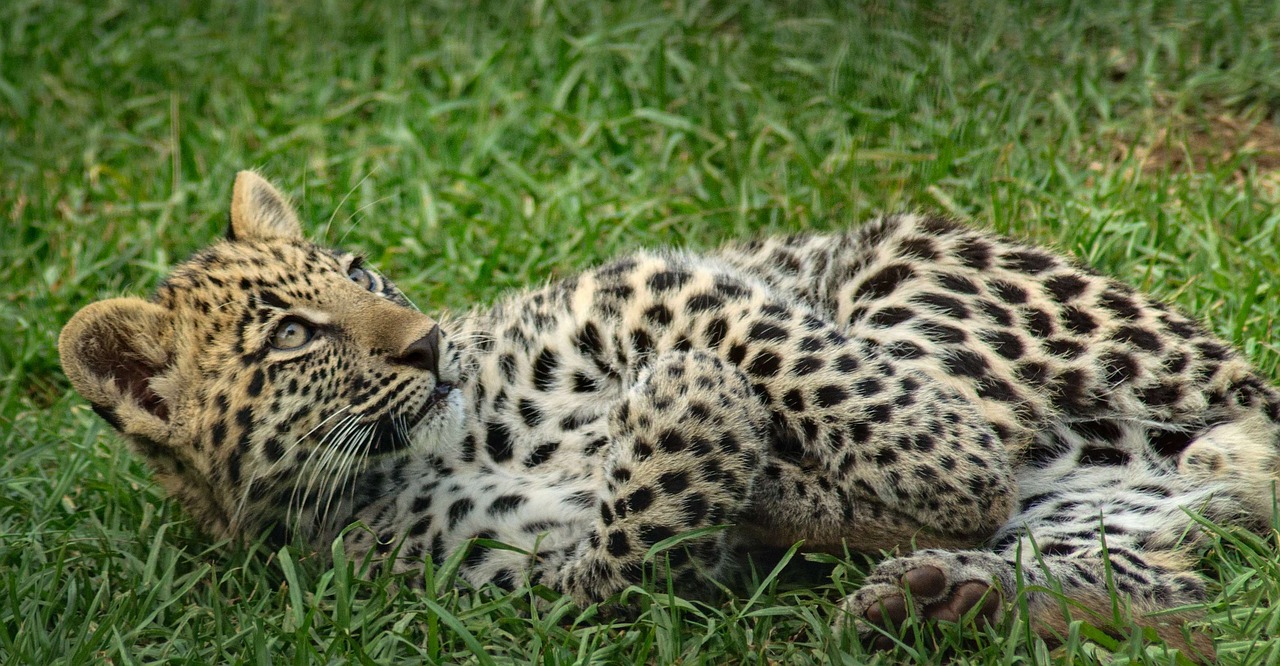
Leopards rely so heavily on their camouflage that they will lie dead still until the absolute last second, hoping you will not see them and simply pass them by. If you do see them and look them in the eye, they know their cover has been blown and have to react.
This critical moment represents what wildlife biologists call the “camouflage betrayal.” When a leopard locks eyes with you, it signals that its camouflage and stealth have been compromised. This can initiate a “fight or flight” response, drastically changing the dynamics of the encounter.
The Unpredictable Fight or Flight Response
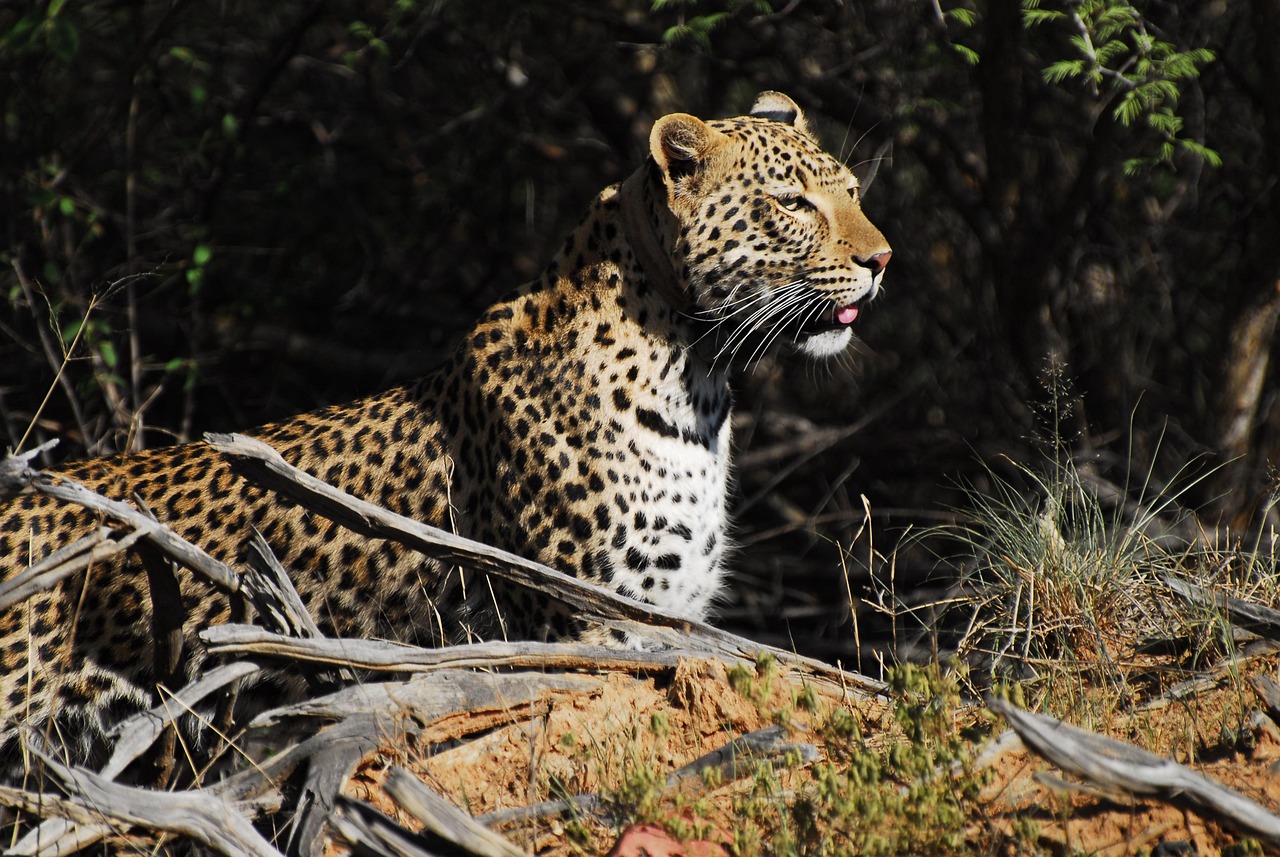
When a leopard perceives it has been spotted, and that it can not simply remain hidden, one of two things are likely to happen. If it judges that you are not a threat to them, they may prefer to flee, and try to disappear back into their environment. However, if they feel threatened, or cornered, they may become aggressive.
This “fight or flight” response is an instinct that has kept them alive for millennia. It’s this unpredictable reaction that makes direct eye contact so risky; you’re forcing the leopard to react, and their reaction may not be what you hope. Unlike with some other big cats where staring might work, leopards present a unique challenge because their response is genuinely unpredictable.
Why Leopards Interpret Staring as Aggression
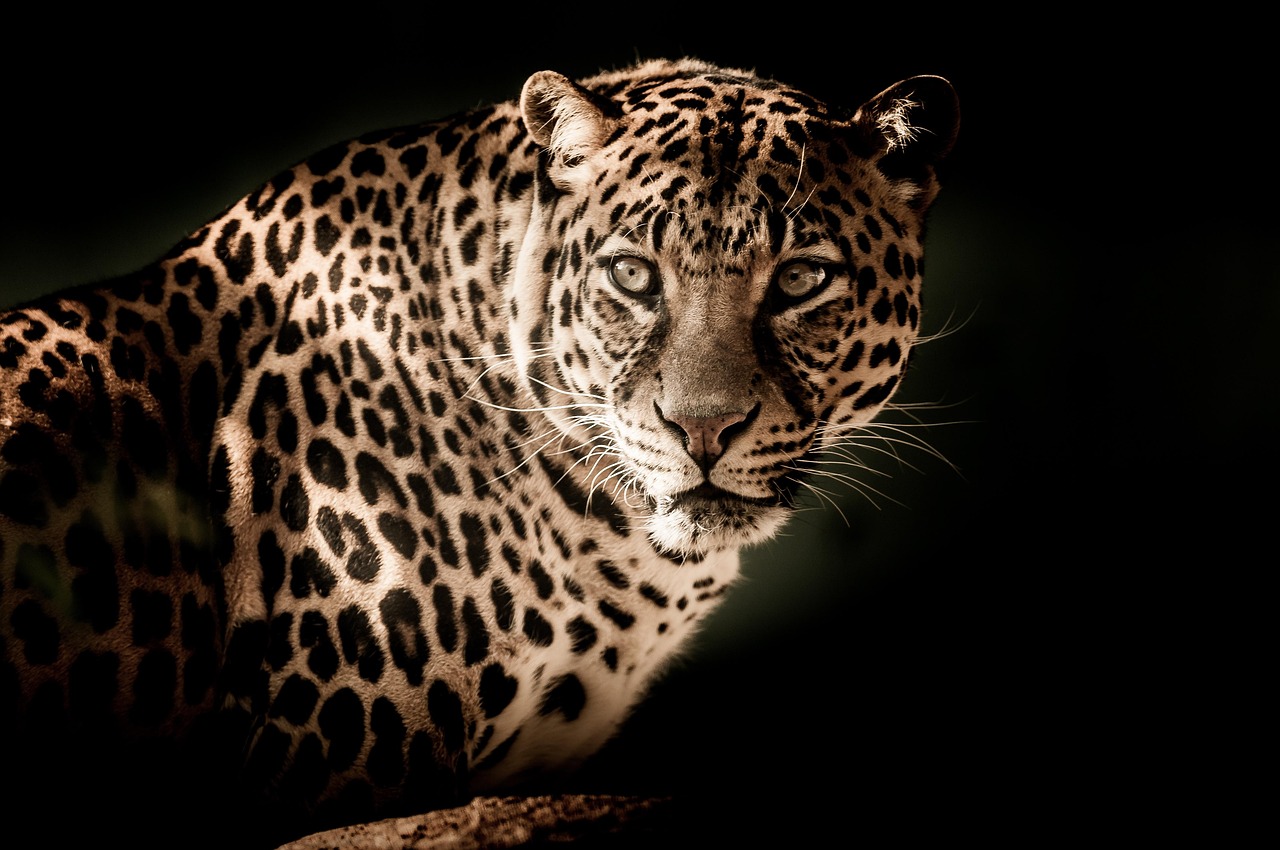
Direct eye contact, from their perspective, often signals a challenge, an interruption of their plans, and potentially, a threat. Unlike some other big cats who may engage in a “stare down,” leopards generally prefer to avoid confrontation. They are inherently cautious, and if they feel threatened, they will likely decide to either flee or, if cornered, potentially attack.
For many species, particularly those with a strong hierarchical social structure, direct eye contact is a challenge or a sign of aggression. It signals a willingness to fight, asserting dominance and potentially leading to conflict. Think of it like a non-verbal dare. For leopards, this perceived challenge can escalate a manageable situation into something far more dangerous.
Regional Variations in Leopard Behavior

Research indicates that leopards living in areas with high tourism pressure may react differently to human eye contact than those in remote areas, having learned that humans in vehicles rarely pose an immediate threat. These geographical variations emphasize the importance of understanding local leopard behavior patterns when traveling in leopard country.
This fascinating adaptation shows just how intelligent these predators truly are. Leopards in game reserves might be more tolerant of human presence, while those in remote wilderness areas maintain their natural wariness. The context of the encounter matters tremendously for the outcome.
Real Wildlife Expert Encounters
Wildlife photographer John Varty, who has extensively documented leopards in South Africa, has reported encounters where prolonged observation of leopards ended peacefully – though such outcomes are far from guaranteed. However, this outcome was far from guaranteed.
Forest rangers like India’s Parveen Kaswan have reported tense leopard encounters where maintaining calm while slowly retreating proved effective for avoiding conflict. These cases illustrate that while some encounters end peacefully, the stakes remain incredibly high. Experienced professionals understand that each situation is unique and potentially life-threatening.
What Wildlife Experts Actually Recommend

If on foot and approached, stay calm, avoid eye contact, and absolutely do not run away. Back away slowly, but if unable, stay still and wait. This advice comes directly from organizations like Panthera, which specializes in big cat conservation and safety.
Leopards frighten easily – they are usually long gone before people are aware that they were even there. Although they are famous for their ferocity and tenaciousness, leopards are generally not a threat to adults, unless the cat has been cornered or feels threatened. The most likely outcome of an unexpected leopard encounter is that the leopard will swiftly run away.
The Science Behind Leopard Psychology
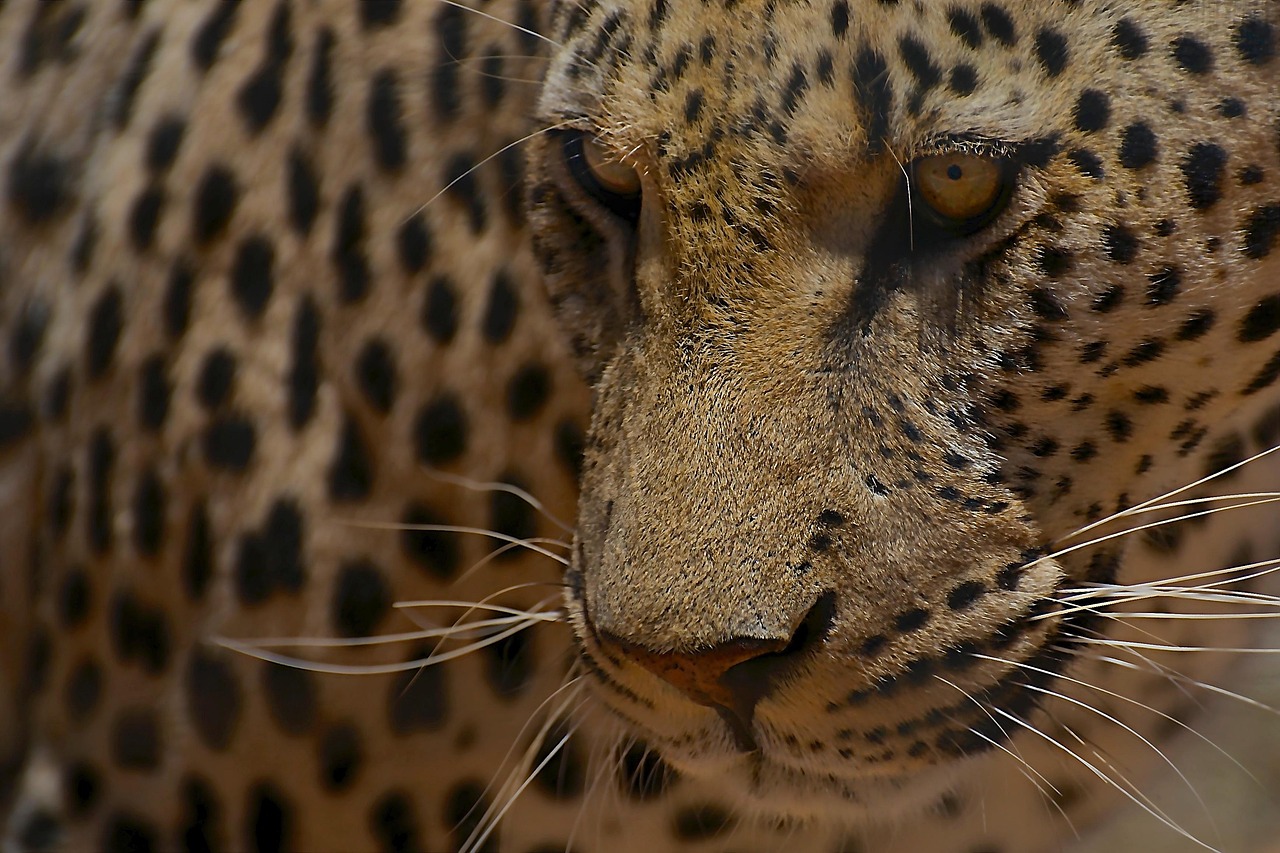
The “flight or fight” response is triggered when the leopard recognizes that its camouflage has been compromised. If cornered or injured, a leopard may resort to an attack as a last resort for self-preservation. This biological imperative drives their behavior more than any human attempt at intimidation.
For a leopard, eye contact signals that it has been spotted, and its camouflage advantage has been lost. This can trigger a defensive response. A direct, prolonged stare can make the leopard feel threatened, especially if they feel there’s no safe escape, potentially prompting a “flight or fight” reaction. Understanding this psychological mechanism is crucial for survival.
Cultural Perspectives and Modern Conservation

In many African traditions, locking eyes with a leopard is considered an extraordinary spiritual event, sometimes interpreted as an encounter with an ancestral spirit or a powerful omen. Some communities believe that those who survive direct eye contact with leopards are blessed with special powers or insights.
Traditional hunters in various cultures have specific protocols for dealing with leopard gazes, often involving ritualized behaviors believed to show respect to the animal’s spirit. Contemporary wildlife conservation programs now work to integrate these cultural beliefs with scientific understanding, recognizing that traditional knowledge often contains valuable insights about leopard behavior that align with biological observations. This merger of ancient wisdom and modern science provides the most complete picture of leopard behavior.
Conclusion
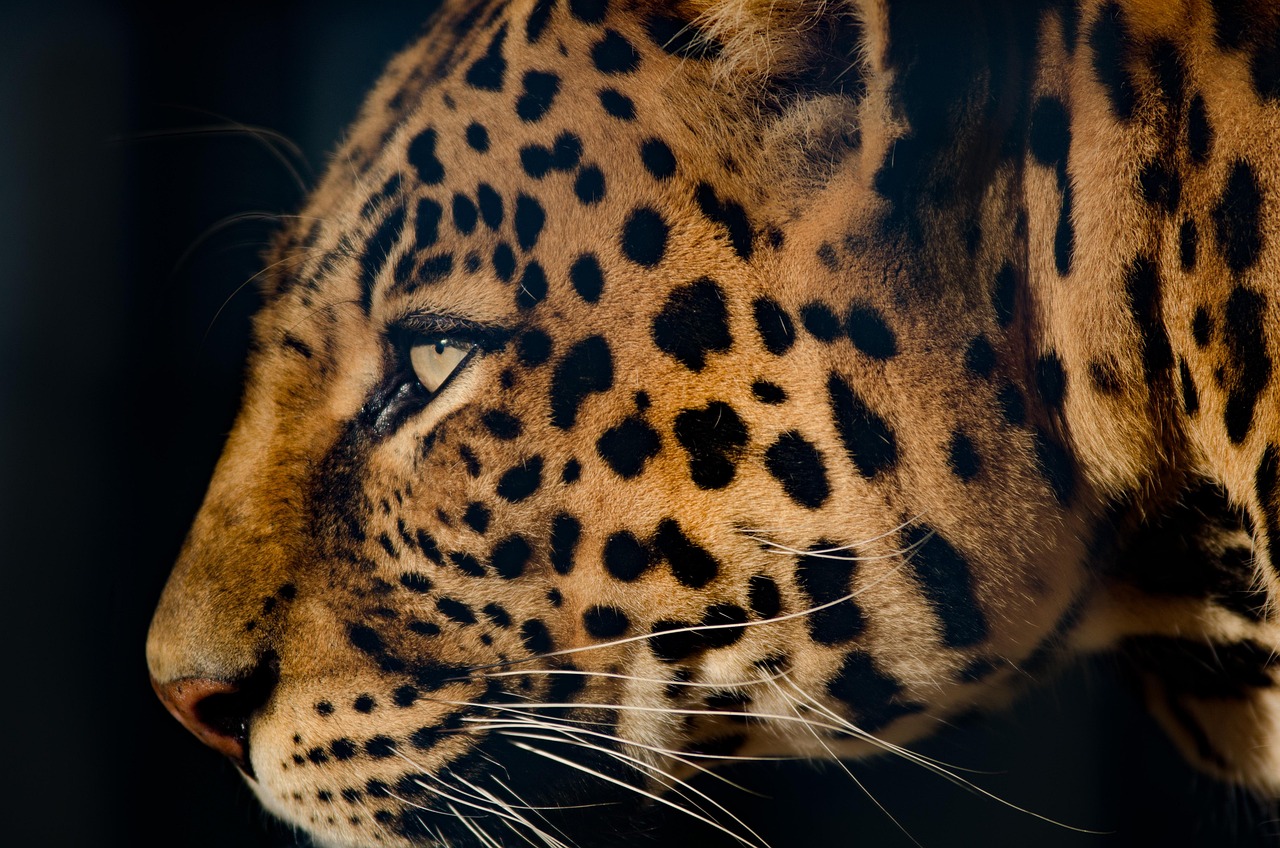
The idea that you could scare away a leopard through eye contact is not just wrong – it’s potentially fatal. Unlike lions, leopards should never be stared down. They rely heavily on camouflage, so direct eye contact signals to them that their cover is blown. This can trigger a “fight or flight” response. It is advisable to back away slowly and avoid eye contact, rather than standing your ground.
Most leopard encounters end without incident when humans respond appropriately – the goal is to give the animal a clear, safe escape route while demonstrating you are not a threat or prey. The key is respect, not confrontation. These magnificent predators have survived countless millennia by being cautious, intelligent, and unpredictable. Your best chance of survival lies not in challenging them, but in allowing them the dignity of an unimpeded escape.
What do you think about this surprising truth? Would you have expected that avoiding eye contact is actually the safest strategy?
