

Picture this: you’re hiking through the wilderness, breathing in that crisp mountain air, when suddenly you round a corner and find yourself face to face with a massive brown bear. Your heart pounds, adrenaline surges, and every instinct in your body screams at you to make a split-second decision. What you do next could mean the difference between walking away with an incredible story or becoming a tragic statistic.
Most people think they know what to do in a bear encounter, but honestly, many of the reactions we consider natural are exactly the wrong moves. The wilderness doesn’t forgive mistakes, and bears don’t give second chances. So let’s dive into the five critical mistakes that could turn a manageable situation into a life-threatening disaster.
Never Run Away From a Bear
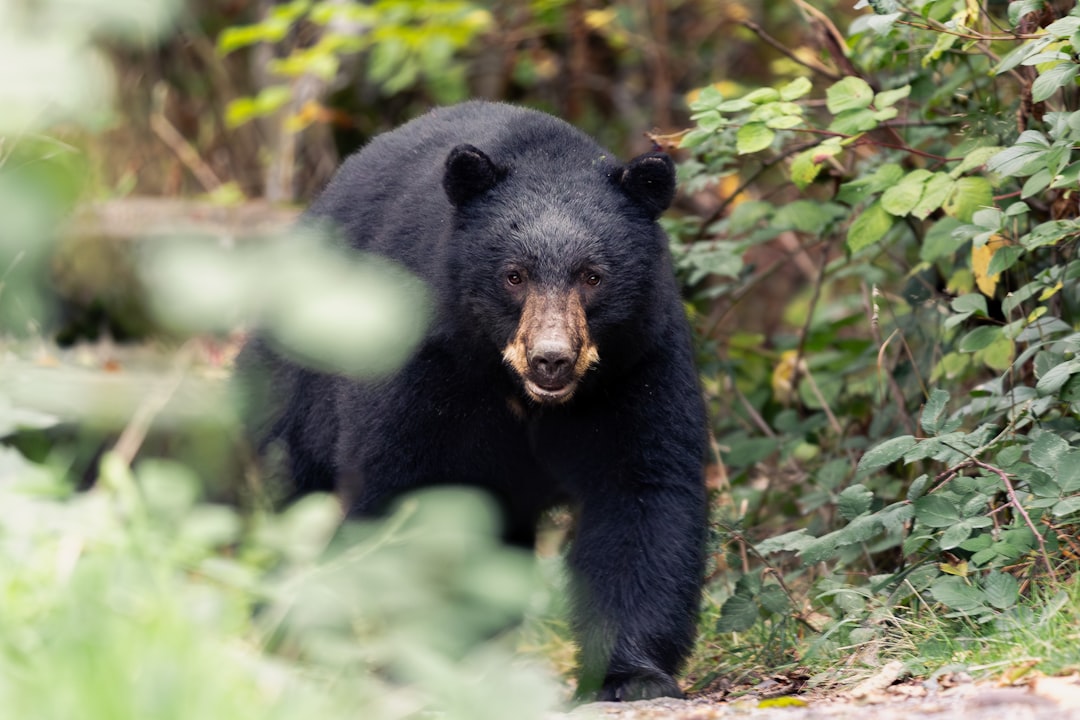
Running from a bear might seem like the most logical response when every fiber of your being is telling you to flee, yet this instinct could trigger the very attack you’re trying to avoid. Bears can run as fast as a racehorse both uphill and down, and running may trigger a predatory reaction from the bear. When you run, you essentially transform yourself from a potential threat into prey in the bear’s mind.
Think of it this way: bears are hardwired hunters who have evolved to chase fleeing animals. Running from a surprised bear can cause a predatory reaction from the bear. Instead of running, stand your ground and don’t retreat; your initial response to all bear encounters should be the same: stand your ground, ready your deterrent, group up and watch the bear. This counterintuitive approach gives you the best chance of de-escalating the situation.
Don’t Climb a Tree to Escape
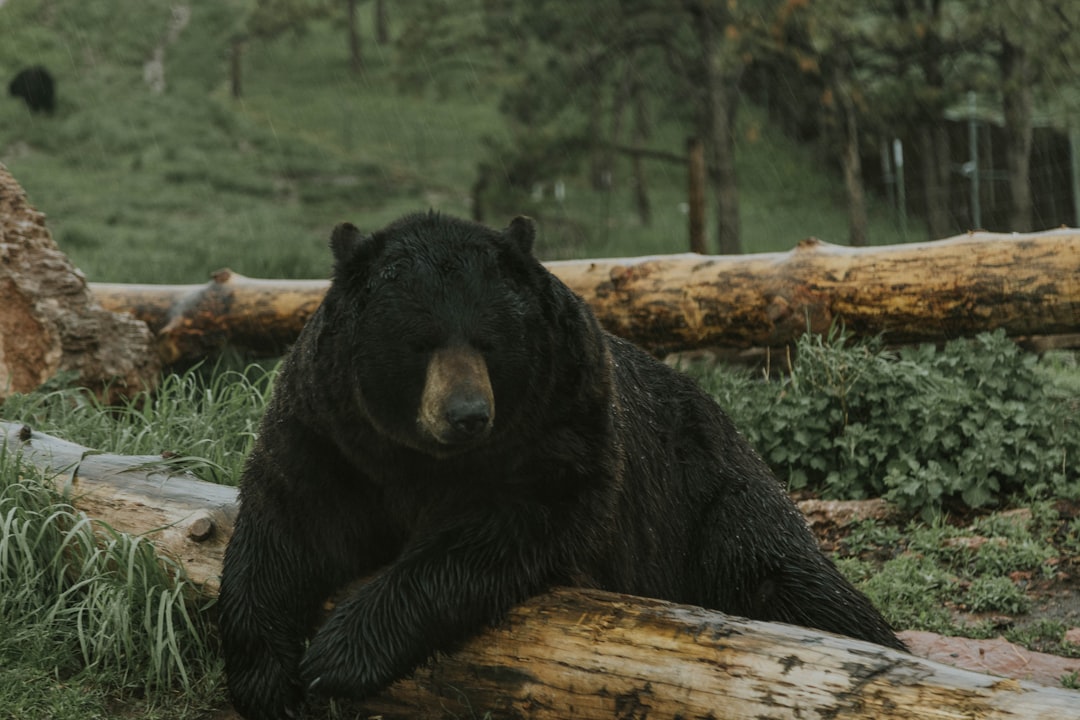
That old cartoon image of someone scrambling up a tree to escape a bear is not just unrealistic, it’s dangerous advice that could get you killed. Both grizzlies and black bears can climb trees. What’s worse, attempting to climb puts you in an extremely vulnerable position where you can’t defend yourself or use bear spray effectively.
You cannot outrun or out climb a bear. Bears are remarkably athletic creatures with powerful claws designed for climbing, and they’re significantly better at it than humans. Even if you managed to get up a tree, you’d essentially be trapping yourself with nowhere to go. The bear could simply wait you out or, more likely, climb up after you where you’d have no room to maneuver or escape.
Avoid Making Sudden Movements or Loud Noises
When panic sets in, people tend to flail their arms wildly, scream at the top of their lungs, or make erratic movements that can escalate a tense situation into a deadly one. A scream or sudden movement may trigger an attack. Bears interpret these actions as either aggressive threats or the behavior of prey animals, both of which can provoke an attack.
Do not make any loud noises or screams – the bear may think it’s the sound of a prey animal. Instead, continue to talk to the bear in low tones; this will help you stay calmer, and it won’t be threatening to the bear. Your goal is to appear calm and non-threatening while letting the bear know you’re human. Identify yourself by talking calmly so the bear knows you are a human and not a prey animal.
Don’t Turn Your Back on the Bear
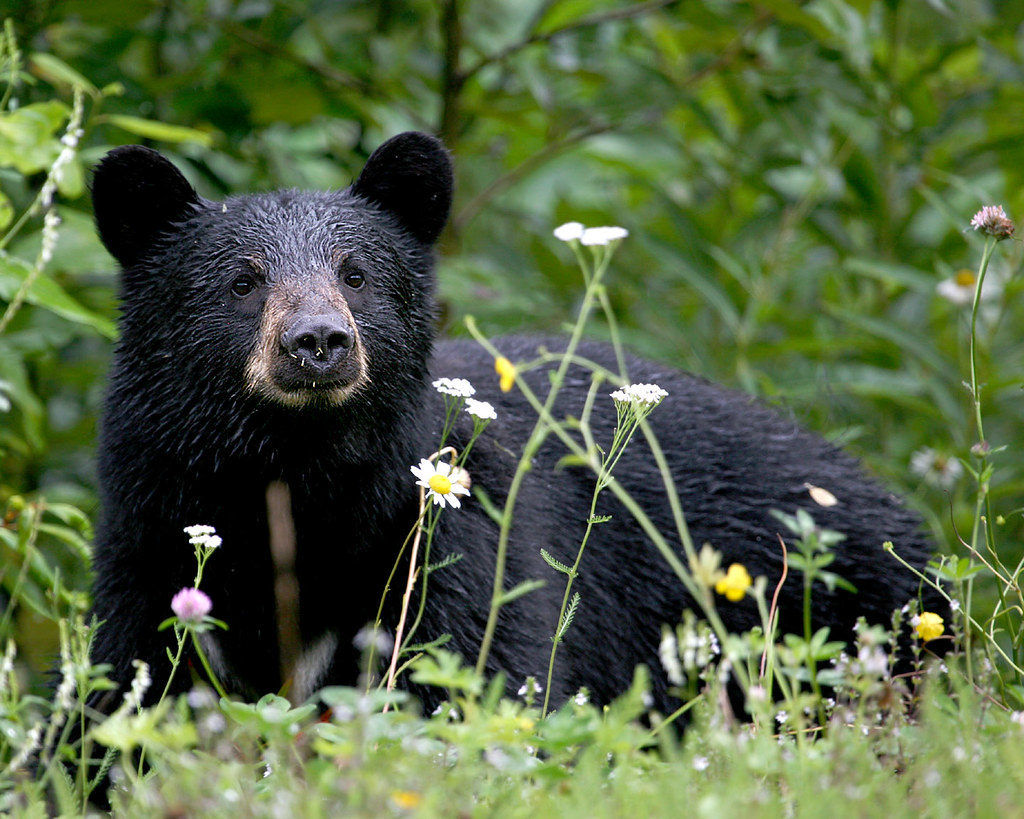
The urge to simply turn around and walk away as if nothing happened is incredibly strong, but turning your back on a bear is like rolling the dice with your life. Bears are opportunistic predators, and presenting your back makes you appear vulnerable and could trigger their chase instinct. You need to maintain visual contact with the bear to monitor its behavior and intentions.
If the bear is stationary, move away slowly and sideways; this allows you to keep an eye on the bear and avoid tripping. Moving sideways is also non-threatening to bears. This technique allows you to retreat while keeping the bear in sight and maintaining a non-threatening posture. Keep your eye on the bear without staring at it aggressively, as aggressive staring can be interpreted as a challenge.
Never Feed or Approach a Bear
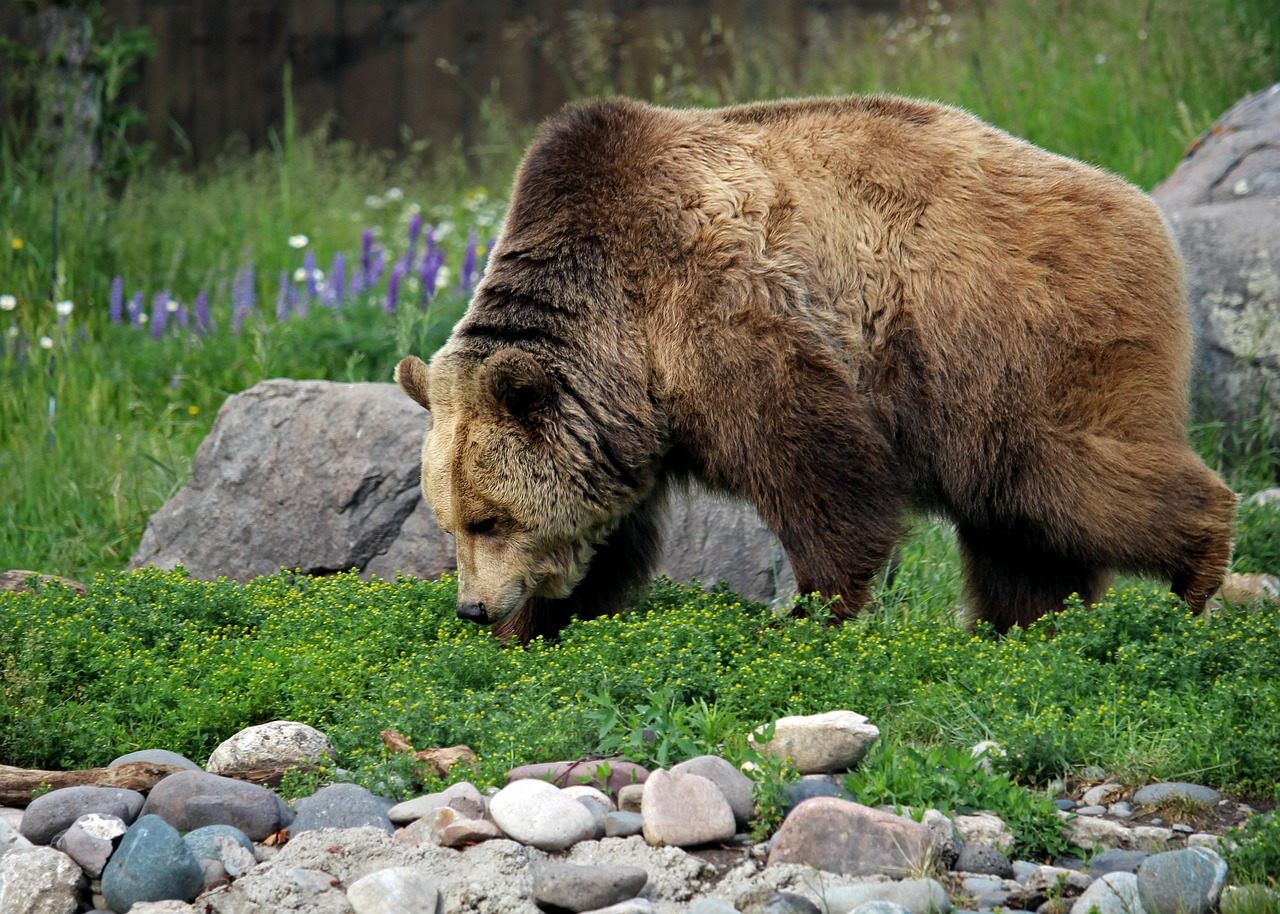
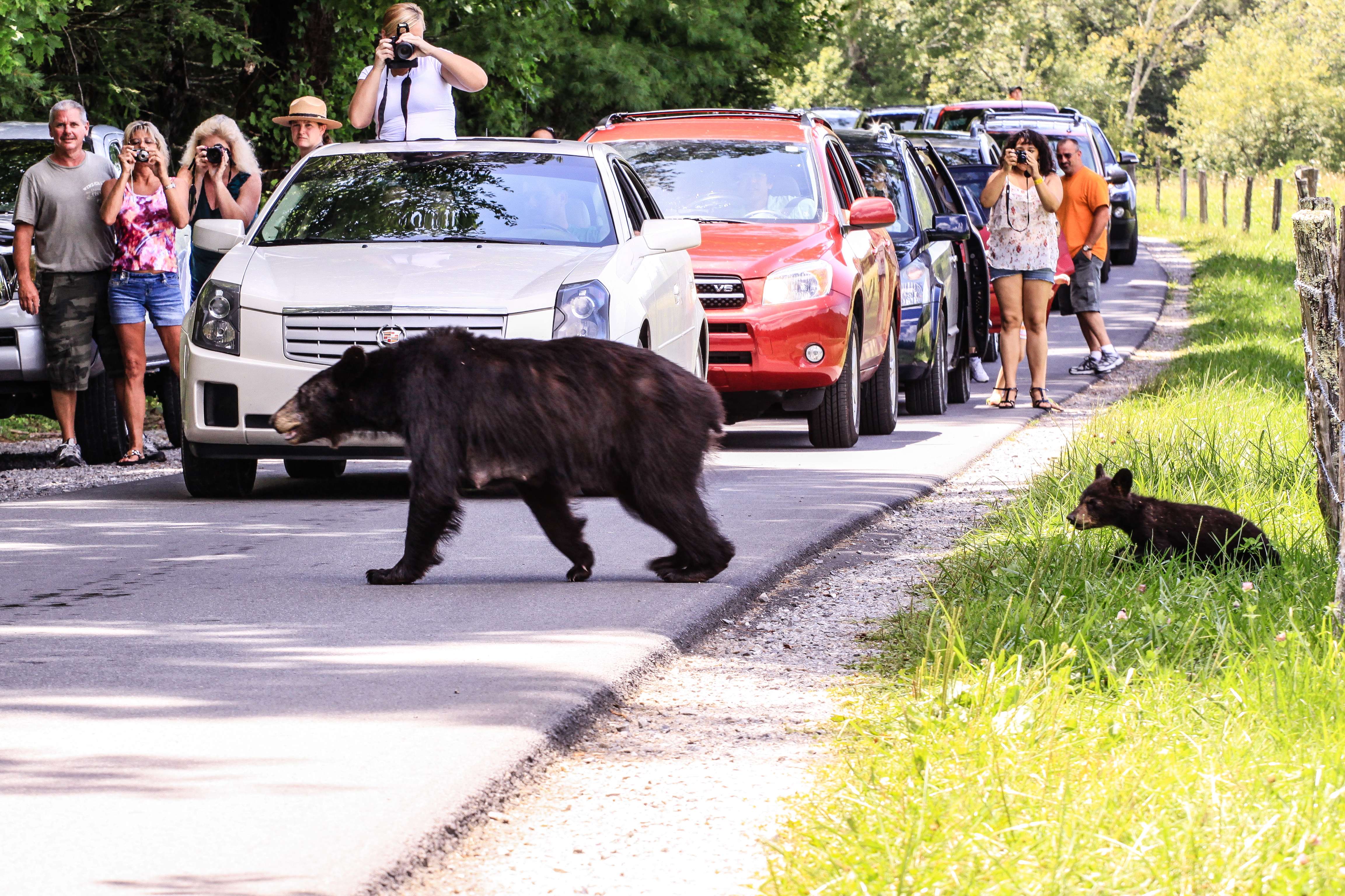
This might seem obvious, but you’d be surprised how many people think they can befriend a bear or get that perfect selfie by offering food or getting closer. It is foolish and illegal to feed bears, either on purpose or by not securing food or garbage away from bears. Feeding bears creates dangerous associations between humans and food sources, turning wild animals into aggressive beggars.
Never approach or crowd bears; respect their “personal space”. Every bear has a “personal space”– the distance within which the bear feels threatened. If you enter that space, the bear may become aggressive. What looks like a calm, docile bear from a distance can become a charging freight train in seconds if you violate its comfort zone. Always remain at least 100 yards away, or about the length of a football field.
Conclusion
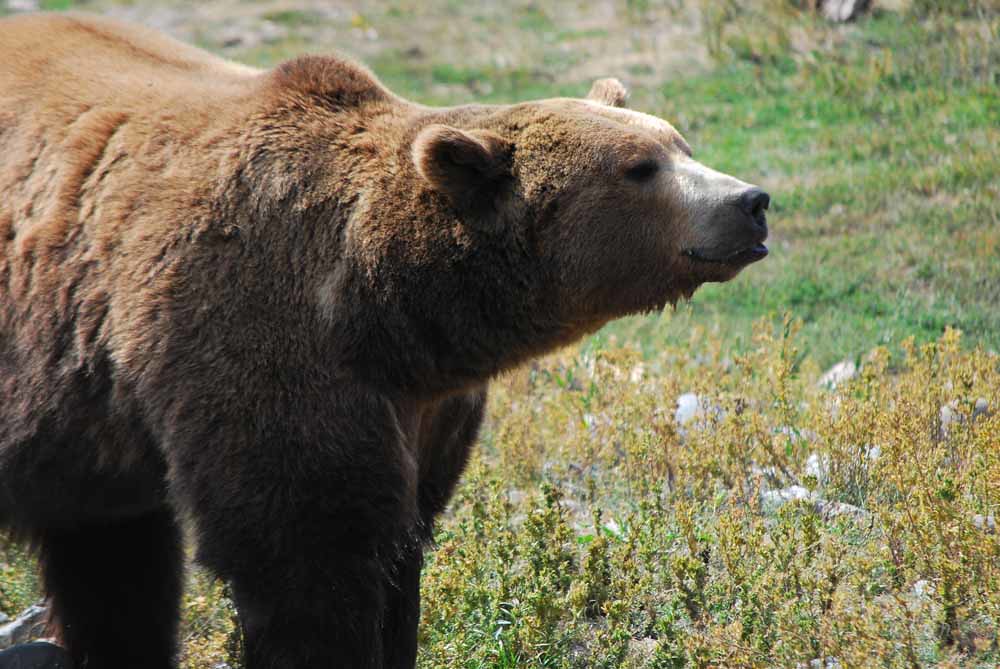
Bear encounters don’t have to end in tragedy, but they demand respect, knowledge, and the ability to override your natural panic responses. The five mistakes we’ve covered – running, climbing trees, making sudden movements, turning your back, and approaching bears – are all potentially fatal errors that stem from our human instincts rather than bear behavior understanding.
Remember, most bears do not want to attack you; they usually just want to be left alone. Your best defense is preparation: carry bear spray, make noise while hiking, travel in groups, and always give bears plenty of space. The wilderness is their home, and we’re just visiting.
What would you do if you encountered a bear tomorrow? Share your thoughts in the comments below.
