
The natural world operates on a simple premise: predators hunt, prey flee, and the cycle continues endlessly. Yet beneath this seemingly straightforward relationship lies a remarkable complexity that has captured the attention of biologists worldwide. Recent research reveals that predators don’t always attack when given the opportunity, leading scientists to uncover fascinating patterns of restraint in nature’s most fundamental interaction.
This behavior challenges our basic understanding of survival instincts and opens up entirely new perspectives on how ecosystems function. From energy conservation strategies to risk assessment mechanisms, the reasons behind predatory restraint are far more sophisticated than we ever imagined. Let’s dive into the surprising world of calculated mercy in the animal kingdom.
The Energy Economics of Hunting
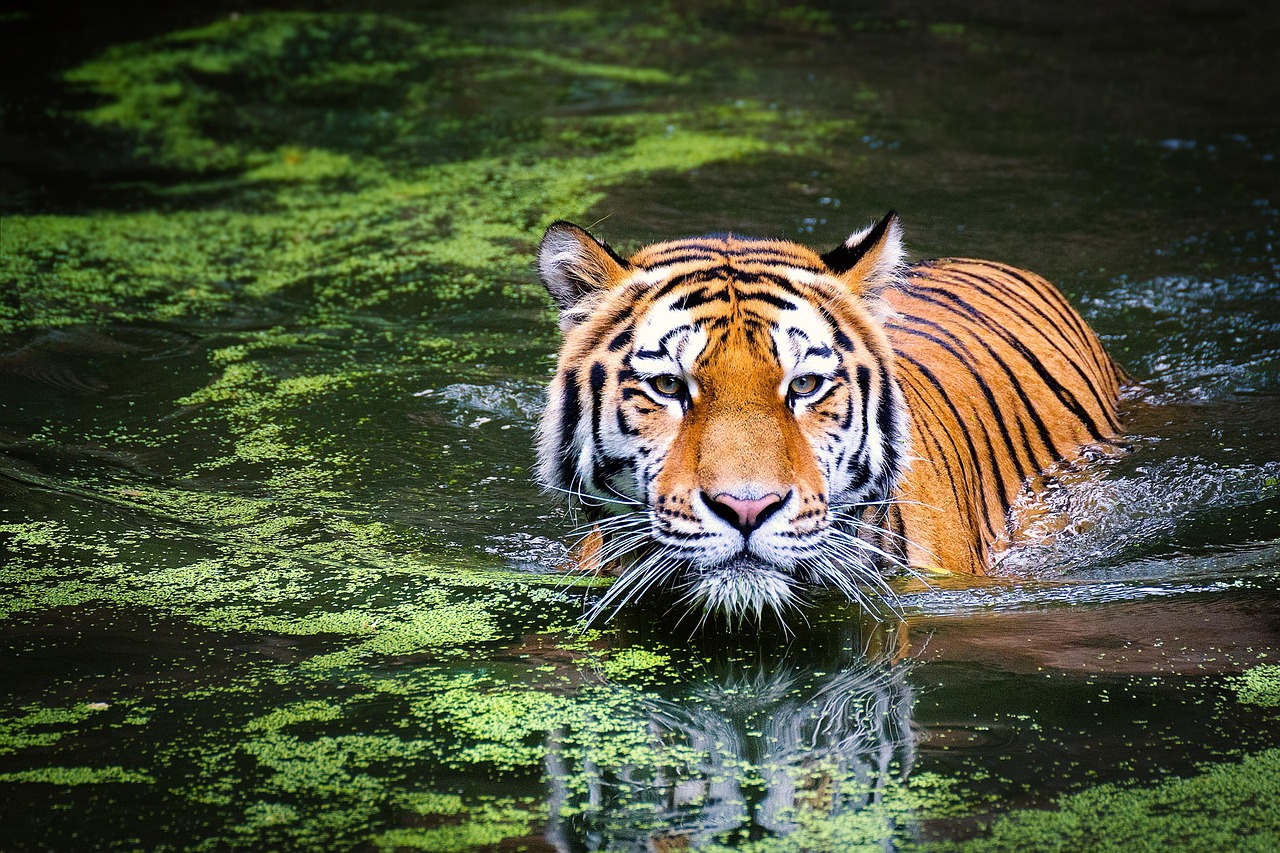
Having found prey, a predator must decide whether to pursue it or keep searching. The decision depends on the costs and benefits involved. This fundamental calculation drives much of predator behavior, often resulting in what appears to be missed opportunities.
Prey that is too small may not be worth the trouble for the amount of energy it provides. Too large, and it may be too difficult to capture. Think of it like a cost-benefit analysis happening in real-time. A lion expends tremendous energy during a chase, and if the potential meal doesn’t justify that expenditure, restraint becomes the smarter choice.
Predation requires investment of energy and time, while involving significant risks associated with attacking and subduing prey. Modern tracking technology has revealed just how carefully predators calculate these investments, showing that successful hunters are often those who know when not to hunt.
Size Selectivity and the Goldilocks Principle
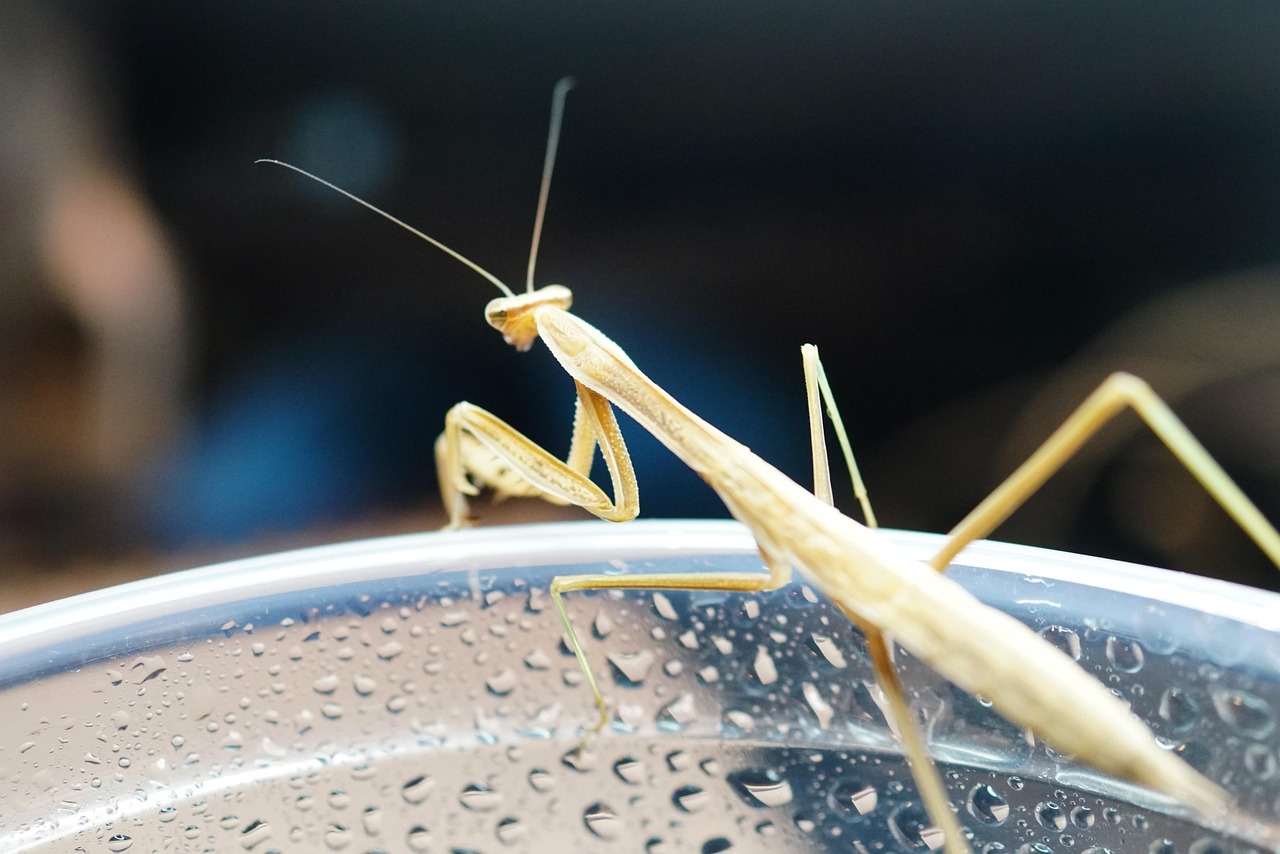
For example, a mantid captures prey with its forelegs and they are optimized for grabbing prey of a certain size. Mantids are reluctant to attack prey that is far from that size. This selectivity isn’t pickiness – it’s survival strategy refined over millions of years.
Pursuing prey that are too large or cumbersome can be harmful or energetically costly to predators, and pursuing prey that are too small may not be worth the energetic return. The “just right” principle applies throughout nature, from the smallest spiders to the largest cats.
Researchers have documented countless examples where predators ignore abundant but unsuitably sized prey. A hawk might overlook dozens of insects while waiting for a rodent of optimal size. This patience demonstrates sophisticated decision-making that prioritizes long-term survival over immediate gratification.
Risk Assessment and Self-Preservation
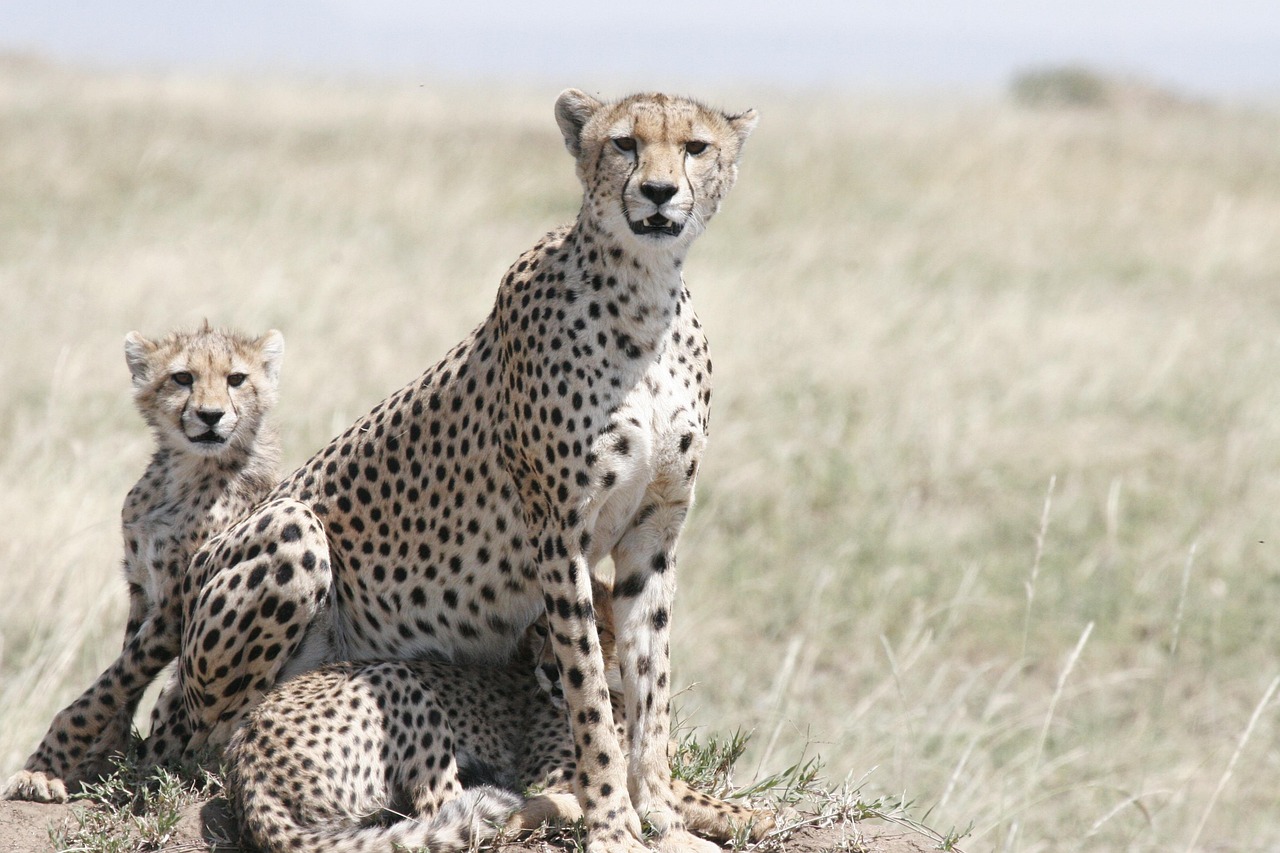
A minor injury can significantly reduce their ability to chase, fight, or capture prey. For example, if a cheetah injures a leg during a skirmish, it could lose its ability to sprint effectively, dooming it to starvation. The consequences of injury extend far beyond the immediate encounter.
Combat is dangerous. Very dangerous. Even if you are not immediately killed and successfully fend off a predator, wounds can weaken you, damage your senses, and/or kill over time with infection. Predators intuitively understand these stakes, making risk avoidance a crucial survival skill.
Is the reward of attacking another predator worth the risk? Will the gain be enough to justify the potential consequences? In most cases, the answer is no. This calculation extends beyond predator-on-predator interactions to include any hunting scenario where injury seems likely.
Environmental and Situational Factors
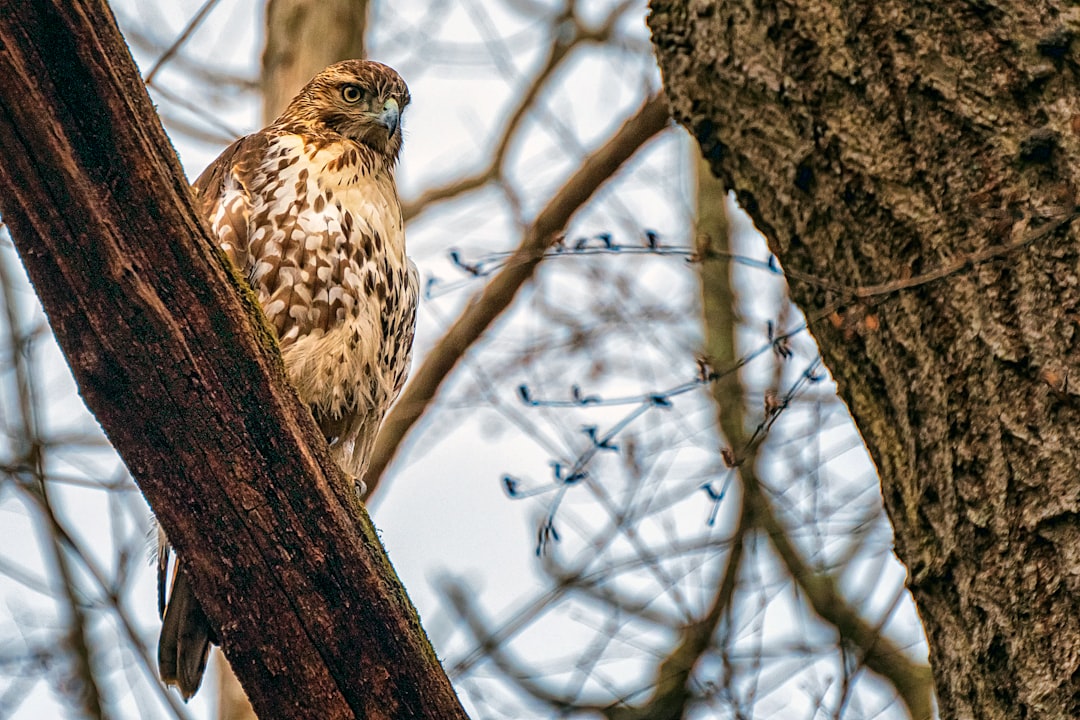
One of the biggest reasons predators avoid humans is simple: evolution has taught them to specialize. Most wild predators don’t randomly attack any animal they come across. Environmental context plays a massive role in predatory decision-making.
Landscape-level antipredator behaviors may not manifest if prey cannot predict predator activity patterns or are unable to pay the fitness costs of avoiding predators long-term. Prey may compensate for these inabilities – or supplement their broad-scale responses – by instead avoiding areas that predators have frequented within the previous few hours or days. The hunting environment itself influences predator restraint.
Weather conditions, terrain difficulty, and visibility all factor into the predator’s split-second decisions. A wolf pack might avoid pursuing elk across treacherous ground, despite hunger, because the risk of injury outweighs the potential reward.
Prey Behavior and Deterrent Signals
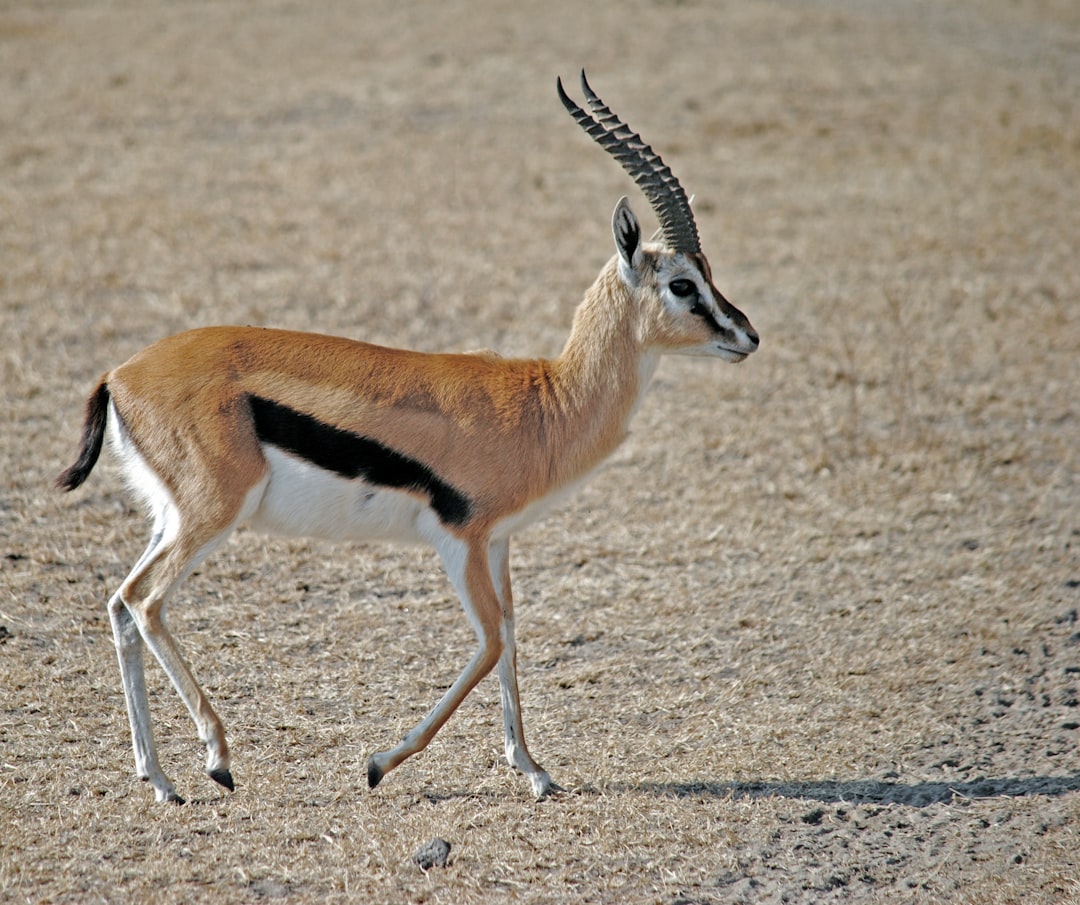
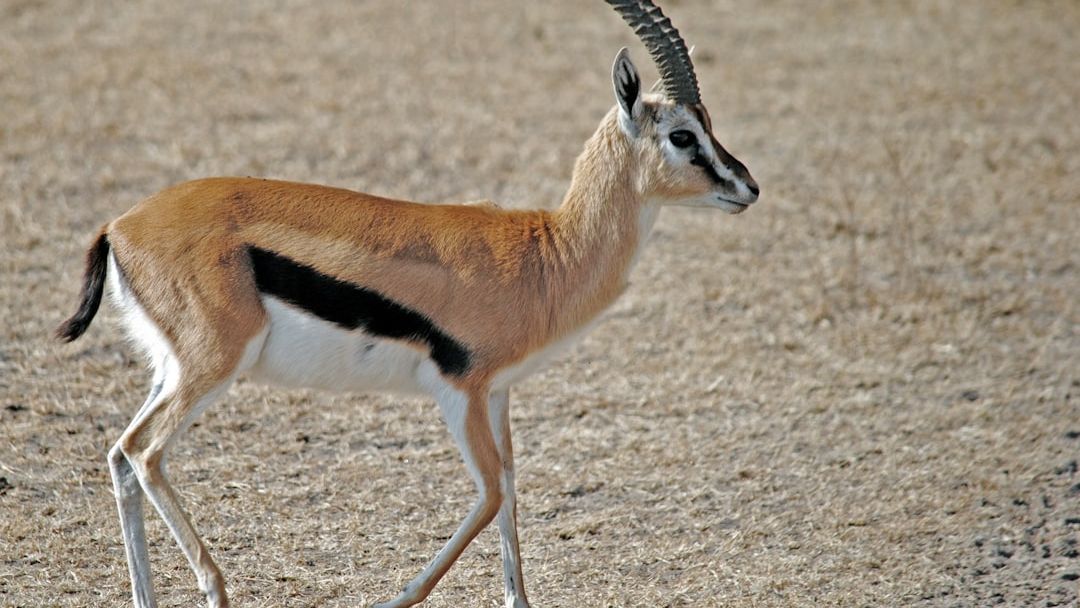
Prey can also use behavior to signal to a predator that it would be a waste of time and energy attempting an attack. For example, pushups performed by lizards and stotting in gazelles act as signals of physical fitness and likelihood of escaping attack. These are honest signals, as they are energetically demanding and only physically fit animals can perform these vigorous displays. Smart prey can actually convince predators to look elsewhere.
Pursuit-deterrent signals are behavioral signals used by prey to convince predators not to pursue them. For example, gazelles stot, jumping high with stiff legs and an arched back. This is thought to signal to predators that they have a high level of fitness and can outrun the predator. As a result, predators may choose to pursue a different prey that is less likely to outrun them. It’s essentially prey advertising their escape capabilities.
These displays work because predators have learned to read them accurately. A gazelle performing vigorous leaps is demonstrating reserves of energy that would make pursuit futile, leading experienced hunters to conserve their own energy for easier targets.
Social Dynamics and Group Protection
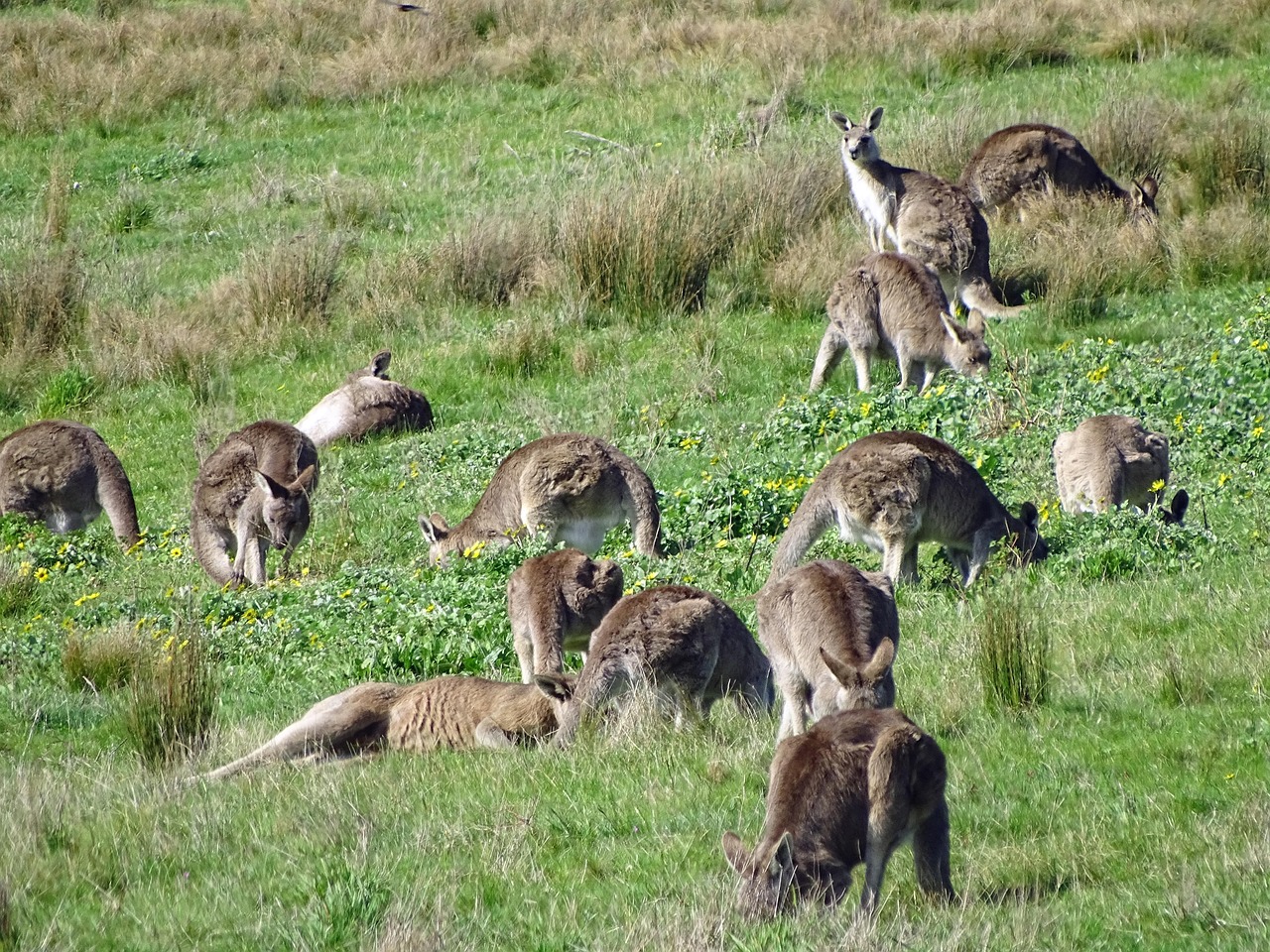
Prey that live in large groups can intimidate a predator by simultaneously mobbing it, driving it away before it can attack. Sometimes the numbers game works decisively in favor of potential prey.
If you are a zebra, or a sheep, and you are in a group of other conspecifics, the safest action for you may be to not be the individual that is attacked. While this explains prey behavior, it also reveals why predators might avoid certain group situations entirely.
Mobbing behavior by prey groups can be genuinely dangerous for predators. Birds have been known to injure predators through coordinated attacks, and large herbivore herds can pose significant threats to carnivores through defensive behaviors. Wise predators learn to recognize when discretion truly is the better part of valor.
Personality and Individual Variations

Shyness and boldness may also be a “personality” trait – a repeatable behavior – of individuals which causes state dependence in predator–prey interactions by altering the nature of predator–prey engagement. Recent research shows that predator and prey personalities essentially amplify outcomes of general predator hunting mode–prey mobility interactions. Just like humans, individual predators have distinct personalities that affect their hunting decisions.
The individual difference in terms of the trial-and-error effectiveness may determine not only how likely they could capture prey, but also the predator mortality as a result of the payoff of making errors. Therefore, P. labiata is an excellent model to address the research question, which requires predators to observe and respond to the prey’s anti-predation patterns. Some predators are naturally more cautious than others.
Research on spider behavior has revealed that more conservative individuals often have higher long-term survival rates, even if they miss more immediate opportunities. These personality differences create natural variation in predatory restraint across populations.
Non-Consumptive Effects and Behavioral Plasticity
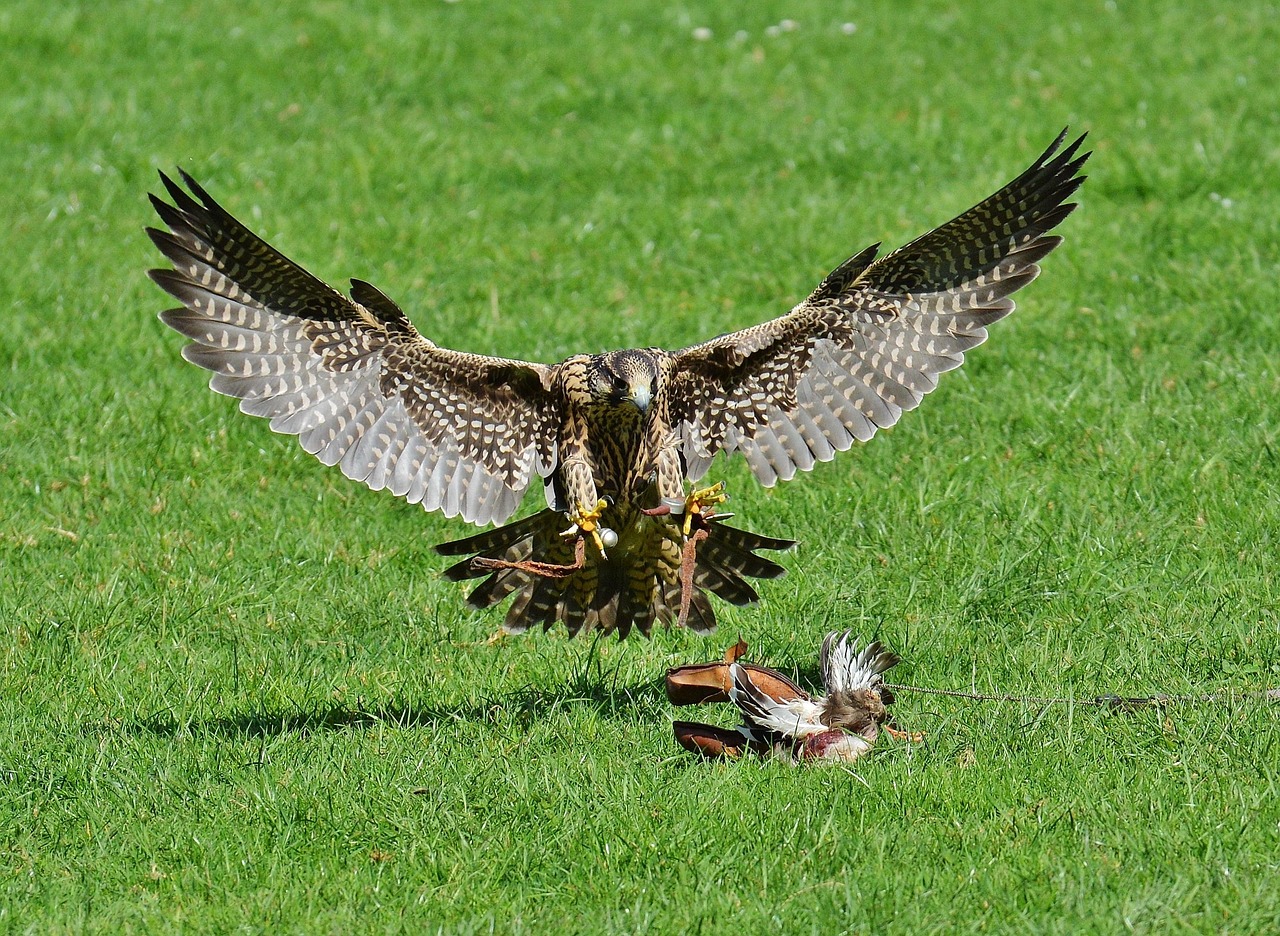
Non-consumptive effects (NCEs) can induce changes in prey behavior, including altered foraging strategies, habitat selection, life history and anti-predator responses. The mere presence of predators can trigger complex behavioral changes that make actual predation unnecessary or undesirable.
With reversible behavioral plasticity, this back-and-forth can occur during a single interaction between individuals (i.e., reciprocal behavioral plasticity). An increasing number of models suggest that reciprocal phenotypic plasticity can alter the outcome of species interactions, with potential consequences for population dynamics and community stability. Predators and prey engage in real-time behavioral negotiations.
These interactions can be incredibly sophisticated. A predator might approach, assess the prey’s response, and retreat based on subtle cues about the prey’s alertness or defensive capabilities. The predator gains information while the prey demonstrates its awareness – both parties benefit from this restrained encounter.
Understanding why predators sometimes spare their prey reveals the intricate decision-making processes that govern life and death in nature. These moments of restraint aren’t acts of mercy – they’re calculated choices based on energy economics, risk assessment, and evolutionary wisdom. The next time you witness a predator seemingly “letting prey go,” remember that you’re observing millions of years of refined survival strategy in action. What would you have guessed drives these split-second life-or-death decisions?
