

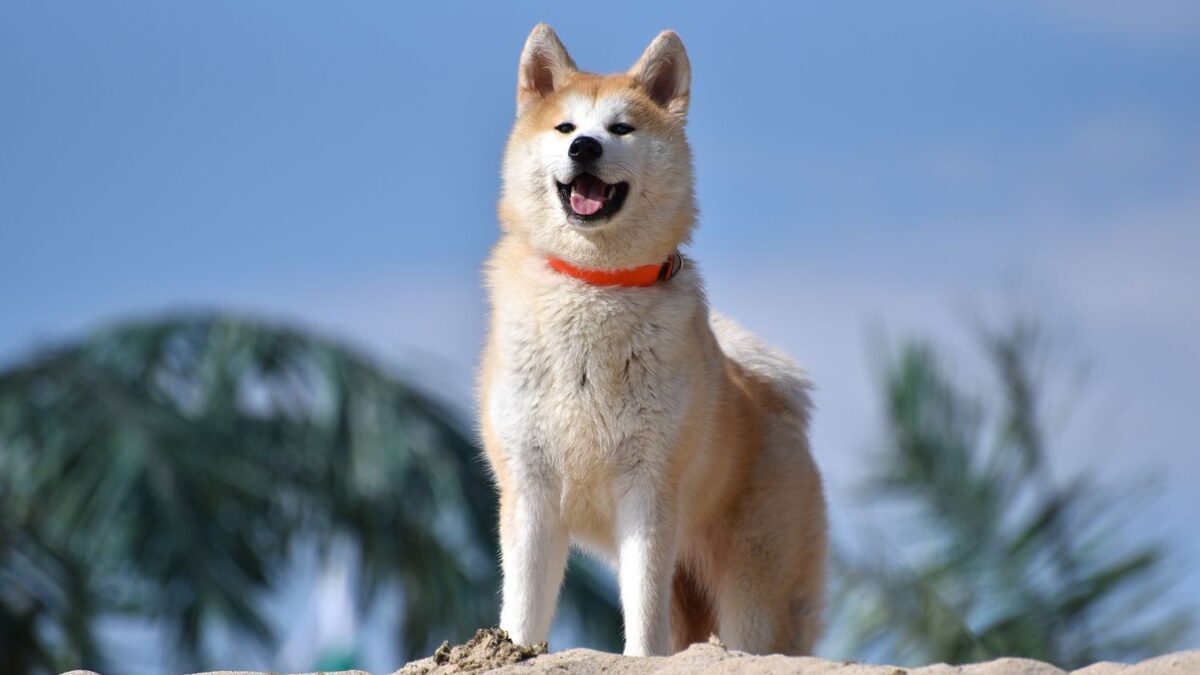
Getting your first dog is one of life’s most exciting adventures, but choosing the wrong breed can quickly turn that dream into a nightmare. While every breed has its devoted fans, the reality is that some pups demand far more experience, patience, and dedication than new owners expect.
Veterinarians and dog trainers consistently warn against certain breeds for beginners, not because they’re bad dogs, but because they require skills that only come with experience. From stubborn personalities that would challenge a saint to energy levels that exhaust marathon runners, these breeds can overwhelm even the most well-meaning first-time owners. Let’s explore the dogs that professionals see causing the most regret among newcomers to dog ownership.
#23 – Dachshund
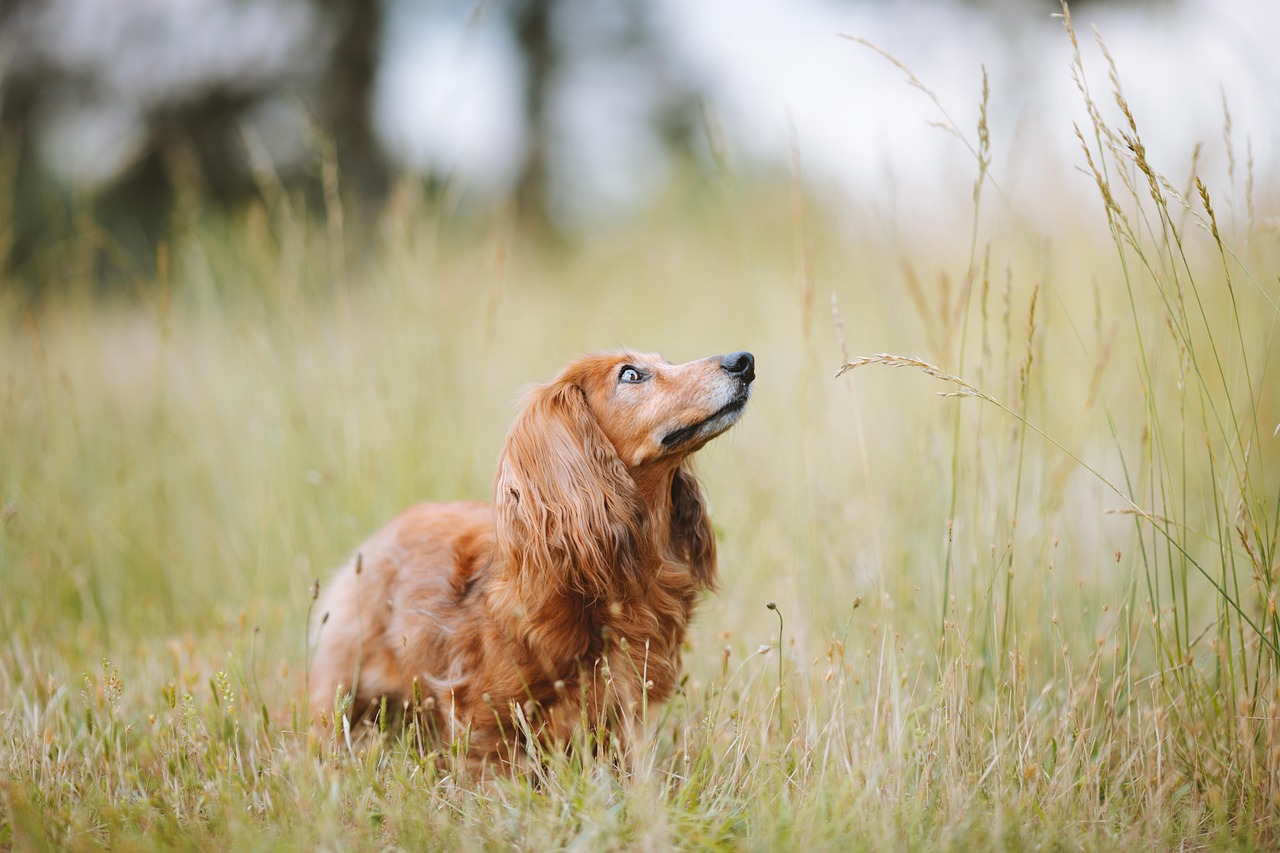
That adorable sausage dog charm can mask a surprisingly stubborn personality that catches new owners off guard. The endearing Dachshund often conceals a stubborn, independent streak. A novice owner may find the ongoing struggle for discipline and control rather daunting.
They were bred to hunt badgers into their underground dens and are independent thinkers with high intelligence. However, they can be stubborn, and are often sensitive to harsh words. Their hunting background means they’ll follow their nose wherever it leads them, making recall training particularly challenging for beginners.
#22 – Cocker Spaniel

Those sweet, droopy ears and gentle eyes hide a sensitive soul that needs constant attention and care. With its sensitive and lively disposition, the Cocker Spaniel is prone to separation anxiety and behavioral issues if not properly cared for and trained. This breed calls for an owner willing to invest time in daily care and mental engagement.
Their emotional needs run deeper than many first-time owners realize, requiring a level of understanding about canine anxiety and stress management. Without proper socialization and consistent routine, they can develop destructive behaviors that leave new owners feeling helpless and frustrated.
#21 – Basenji
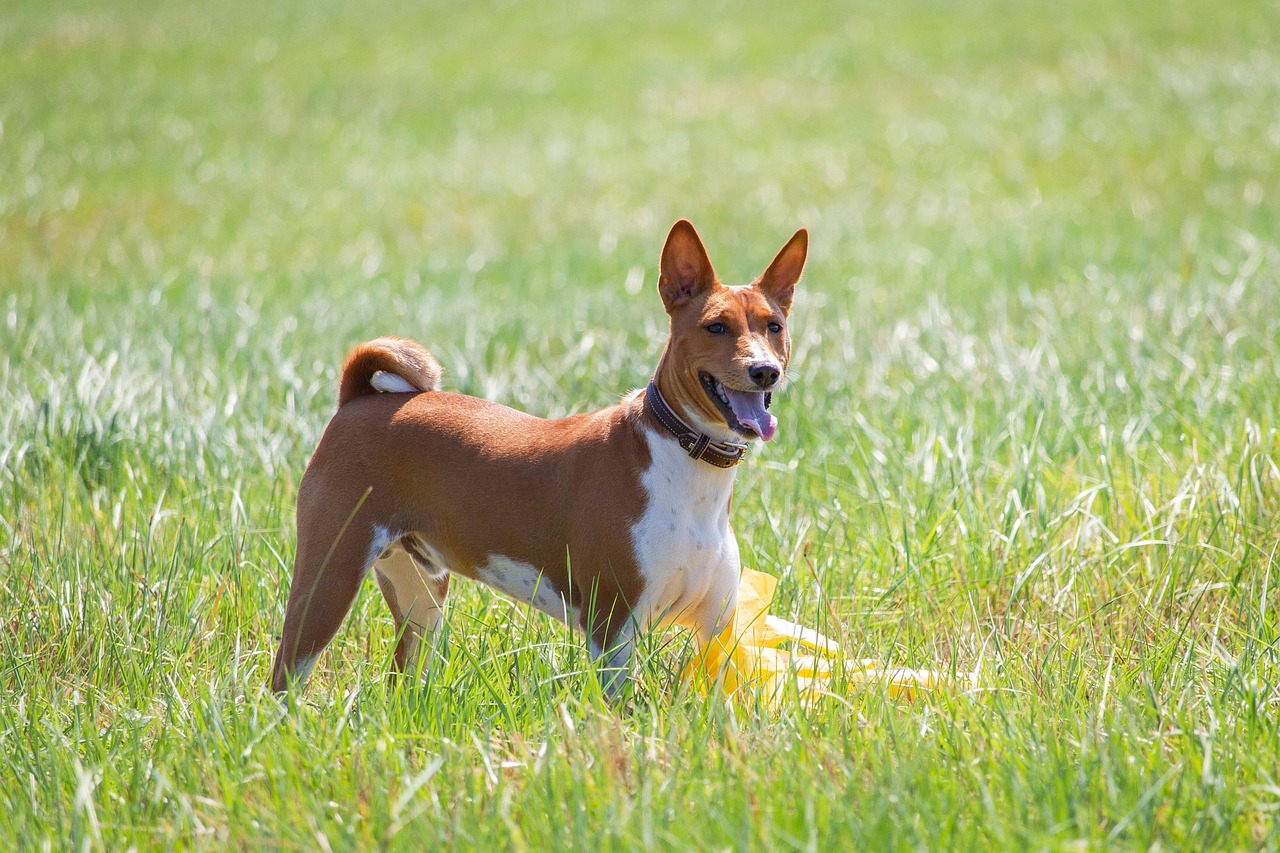
The Basenji is a very intelligent breed, but one that is also very stubborn and headstrong. This stubbornness makes them not ideal for a first-time dog owner; they need a professional trainer to become loyal companions because of how independent they are. Known as the “barkless dog,” they make up for their silence with mischievous behavior.
With a cat-like demeanor and a great sense of independence, Basenji is a stubborn dog breed you will love to pet. Also known as a barkless dog, this breed possesses a self-sufficient nature and is also intelligent – the key reason behind its non-obedience to your commands or training attempts. They’ll outsmart new owners at every turn, finding creative ways to avoid following commands.
#20 – Pekingese
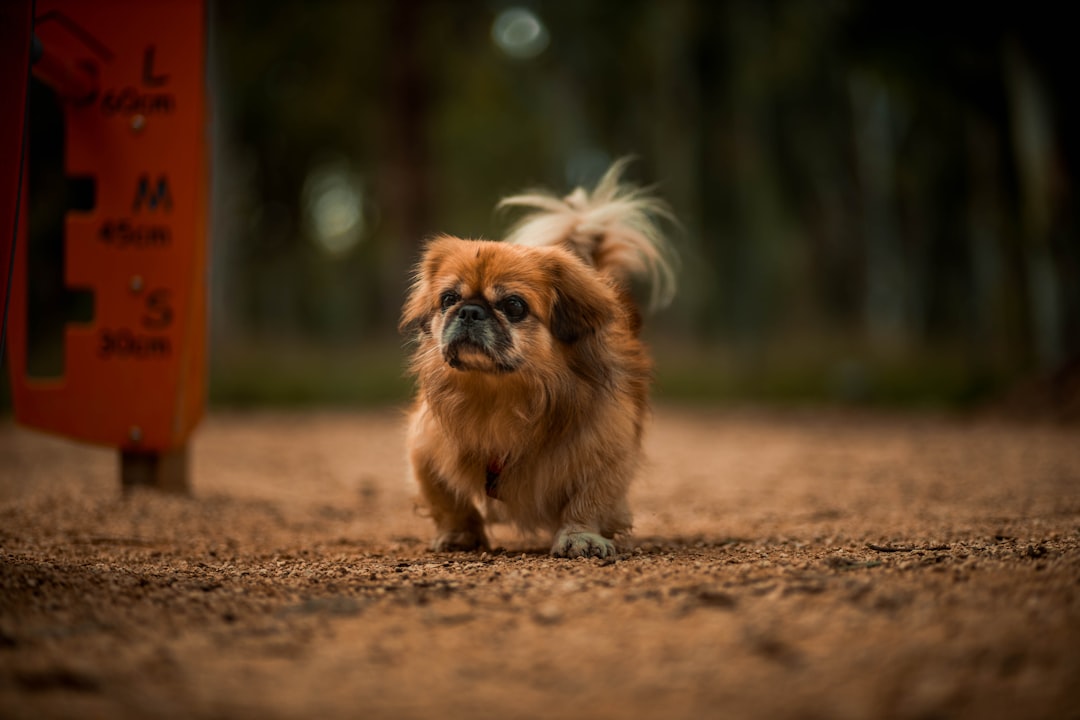
Although training small breeds is still important, the Pekingese is one of the hardest to teach. They were bred as companions to Chinese royalty, and are independent dogs. They are affectionate and loyal to their owners, but that doesn’t always mean they want to listen to them. They can be stubborn and may listen to commands many times before they decide to obey.
Their royal heritage shows in their attitude toward training sessions, where they act like they’re doing you a favor by participating. New owners often mistake their small size for easy management, only to discover these little emperors have big opinions about everything.
#19 – Dalmatian
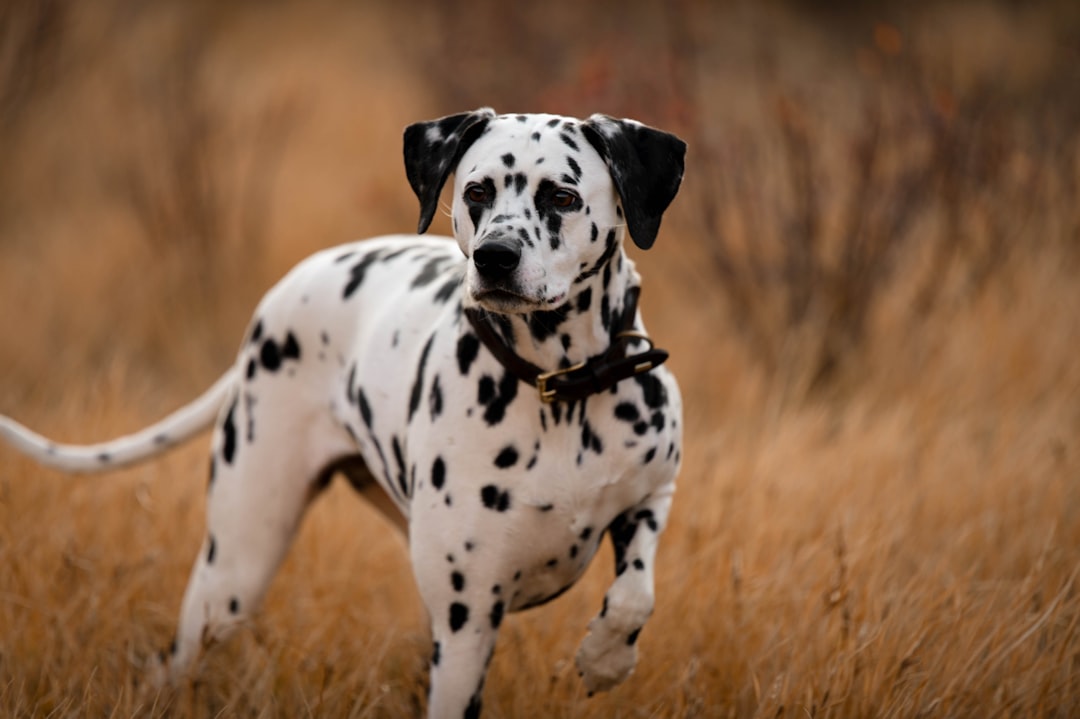
Popularized by the movie 101 Dalmatians, these dogs are notoriously difficult for even experienced owners. They were originally bred to run barking ahead of fire engines, so they need a lot of energy release and can be quite barky. Their spotted coats attract attention, but their exercise needs exhaust unprepared owners.
A protective, loyal dog more apt to cuddle with its favorite people is the Dalmatian. While their personalities are bright, their needs are also high. This breed was used as carriage dogs, including for firemen, so they love a good run and have a lot of energy to burn. First-time owners often underestimate just how much daily exercise these energetic dogs require.
#18 – Bulldog
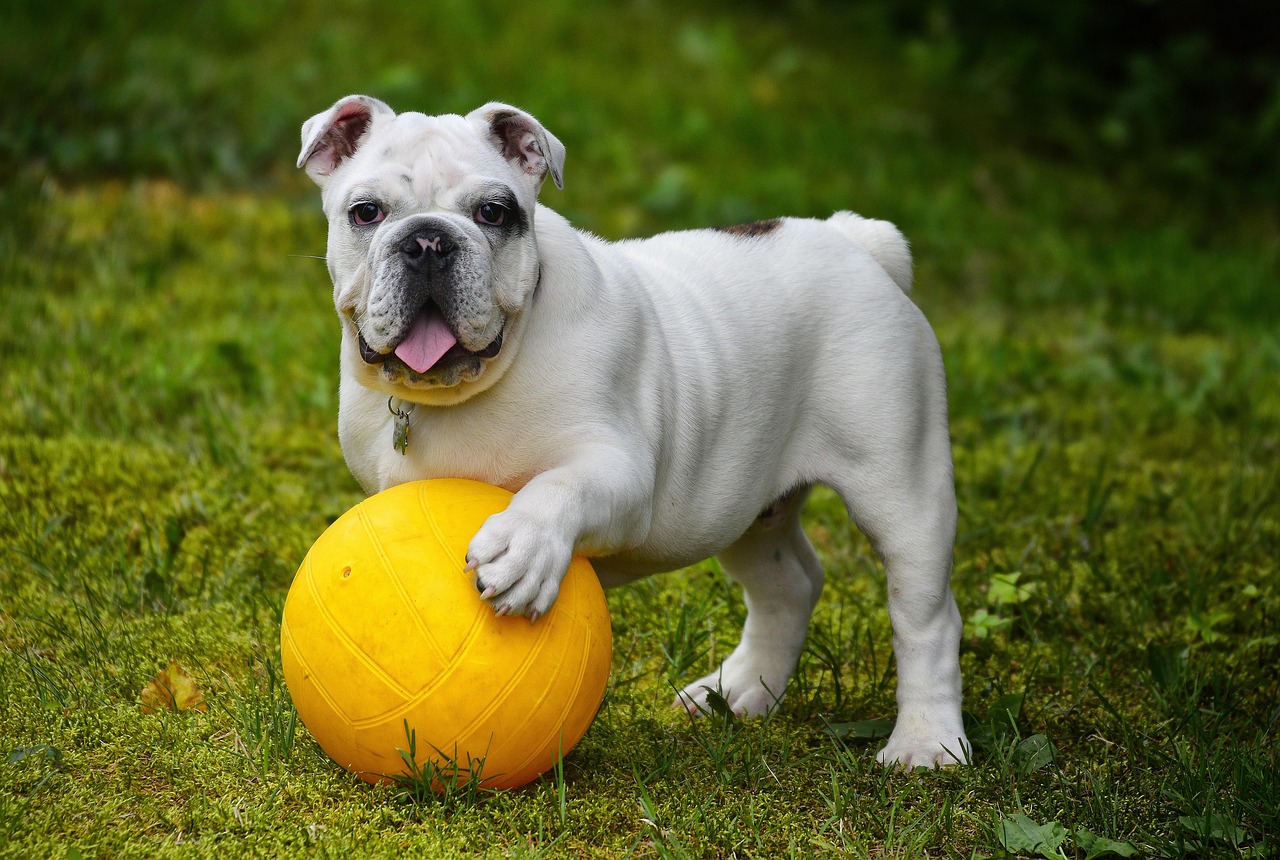
Bulldogs are ideal for experienced owners, even though they’re friendly and goofy. Unlike other breeds on this list, it’s not the aggression or grooming needs that make a Bulldog one of the worst choices for beginners. Instead, it’s the health issues they’re vulnerable to.
The Bulldog is generally good-natured and his goofy, wrinkled mug certainly makes him lovable, but the breed’s heavy build and flat face make him particularly sensitive to heat, exercise and stress. He can’t swim, so if you have a pool, pond or spa, his access should be restricted. He is prone to a variety of health issues Their medical bills can quickly overwhelm new owners unprepared for the financial commitment.
#17 – Bloodhound
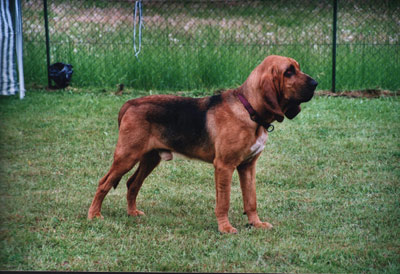
As another hound bred to follow a scent and ignore everything else, the Bloodhound can be challenging to train. The Bloodhound is loyal and affectionate with their family but has a dominant streak that can take over if they aren’t handled firmly. Bloodhounds are independent and stubborn. They’re motivated to stay on the scent track, but not necessarily to please the person trying to keep up with them.
Their incredible scenting ability becomes a liability in suburban settings where they’ll drag unsuspecting owners toward every interesting smell. Training sessions become exercises in futility as their nose overrides their brain, making basic obedience a monumental challenge for beginners.
#16 – Weimaraner
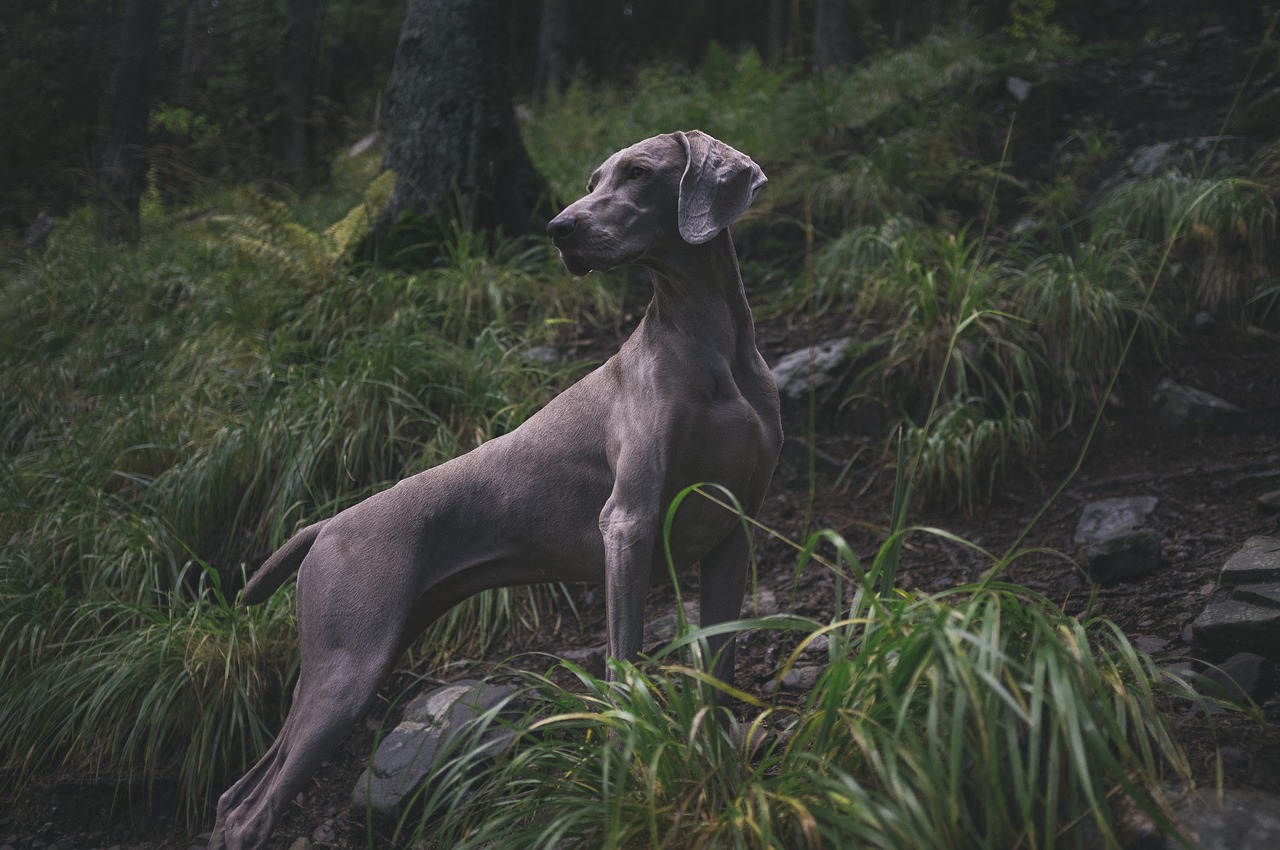
Weimaraners are intelligent dogs that need to be managed by experienced owners. They’re also difficult to train at home since they have a high prey drive and like chasing other pets. Their sleek gray coat and piercing eyes captivate potential owners, but their intensity overwhelms novices.
Weimaraners are athletic, energetic dogs that thrive on activity and adventure. They were bred for hunting and need plenty of physical and mental stimulation to stay content. Weimaraners can suffer from separation anxiety if left alone for too long, and their high energy levels can lead to destructive behavior if they don’t get enough exercise. This breed is also known for its stubbornness, making training challenging for novice owners.
#15 – Saint Bernard
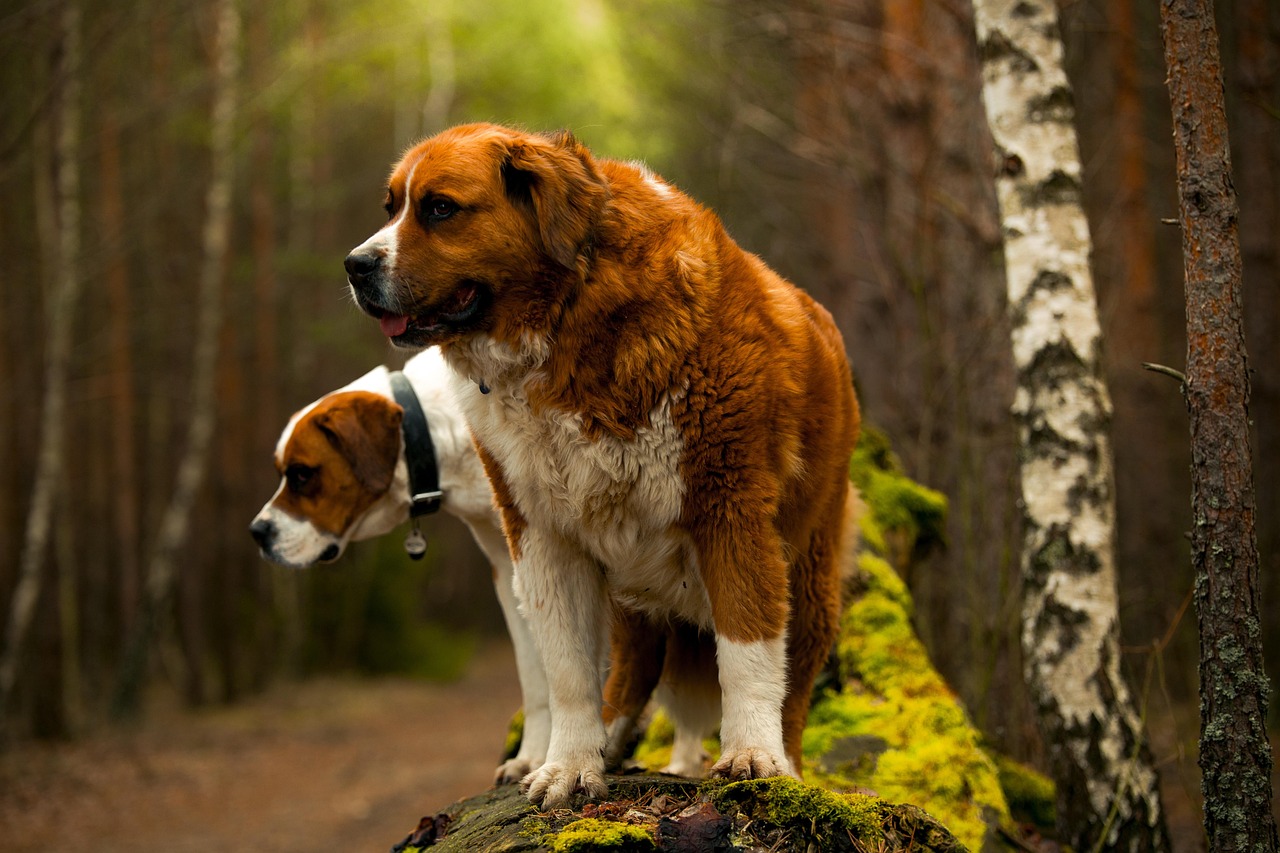
Saint Bernards are a giant breed and require an owner experienced in caring for, training, and exercising very large dogs. Just like the Bullmastiff, their size poses risks for inexperienced owners. Those rescue dog movies don’t show the daily reality of living with a 200-pound puppy.
Another affectionate, loyal companion of a much different size is the Saint Bernard. These dogs are known to be gentle, playful, protective, and good with older kids. However, their size and stubborn streak can be a difficult combination for anyone, especially those without any dog experience. Training needs to begin early to ensure the Saint Bernard’s bulk doesn’t end up causing problems when paired with behavioral issues.
#14 – Chinese Shar Pei
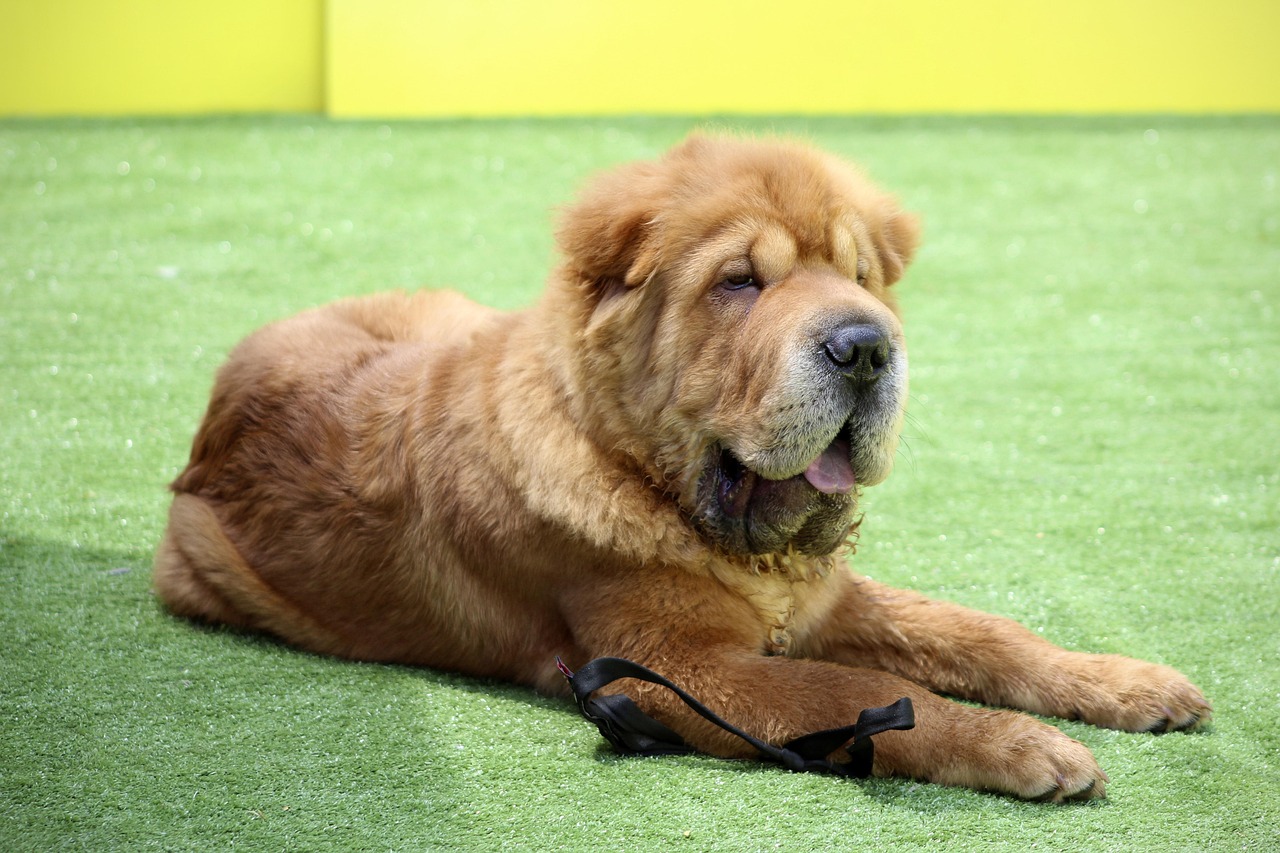
While lovely dogs, Shar Pei have needs that demand an owner with some dog-owning experience behind them. Their health and temperament traits require owners ready to commit fully to the breed. Their wrinkled appearance might seem cuddly, but their personality is anything but soft.
Shar-Peis were bred as hunters and guard dogs in ancient China. They are intelligent, protective, and loyal dogs with a natural disregard or suspicion of strangers. Being independent, with a dominant streak, Shar-Peis can be hard to train, but they can be a handful without it. Their stubbornness makes every training session feel like a battle of wills.
#13 – Australian Cattle Dog
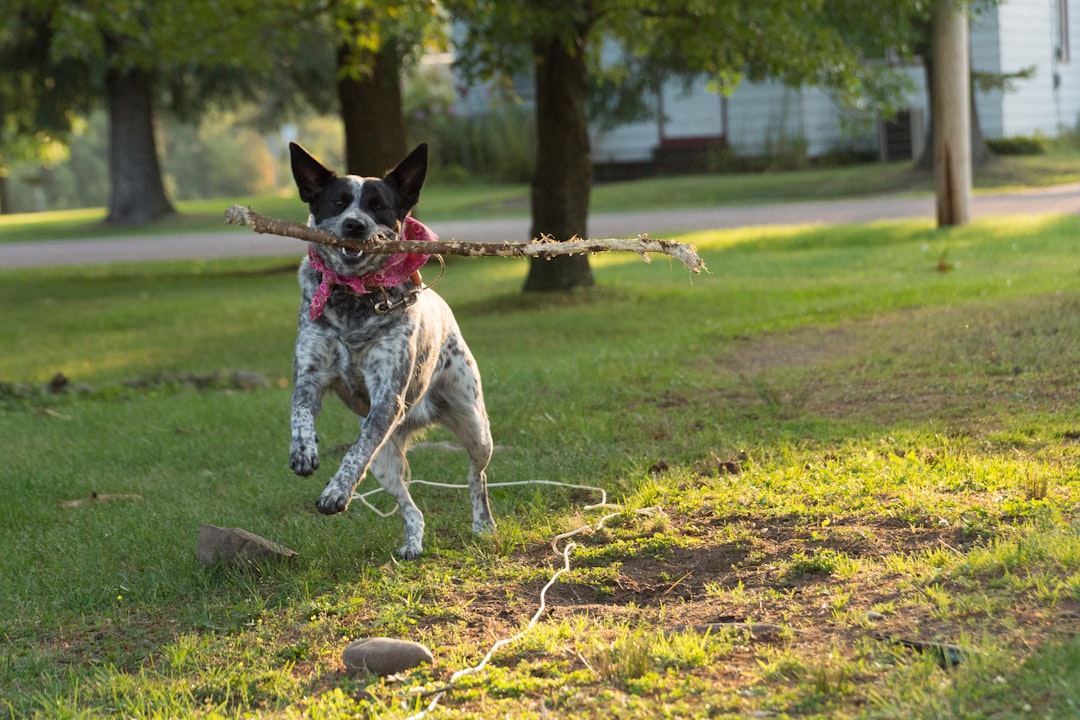
You may know an Australian Cattle Dog as an Australian Heeler or Blue Heeler. They were bred for herding, which is why they are highly energetic. However, they are not ideal for first-time owners due to their stubborn nature. Their work ethic is admirable but exhausting for unprepared owners.
Australian Cattle Dogs, or Blue Heelers, are tough, hardworking dogs bred for herding livestock. They are incredibly intelligent and high-energy, requiring plenty of exercise and mental stimulation to stay happy. Without a job to do or a way to expend their energy, Cattle Dogs can become destructive or develop behavioral issues. First-time owners discover these dogs need ranch-level activity in suburban backyards.
#12 – Alaskan Malamute
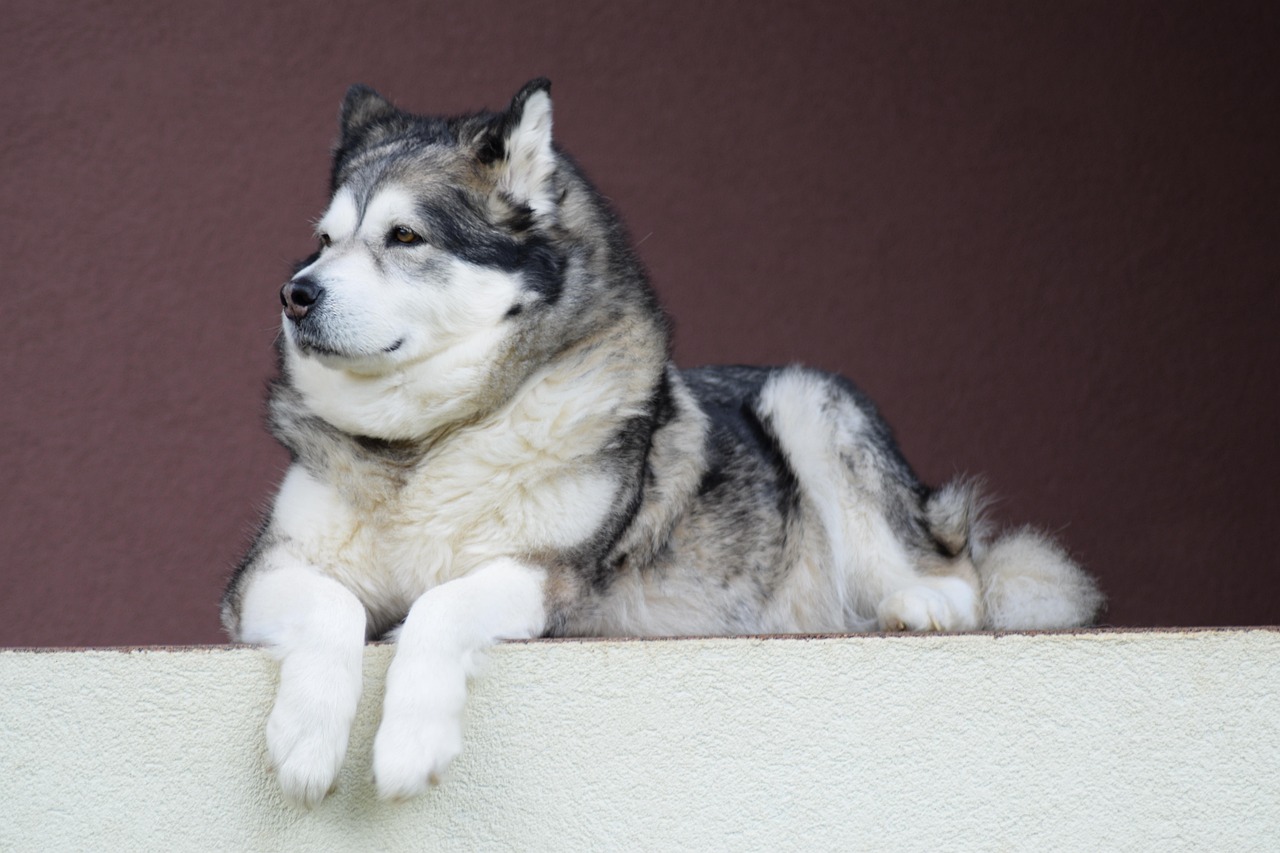
Traditionally bred as sled dogs, Alaskan Malamutes are high energy and shed heavily. They can be prone to pulling on the leash, which is a safety concern with such a large, strong dog. Similar to other high-energy breeds, these dogs require a lot of exercise and can easily become bored. They are escape artists and will run away, given the opportunity.
Alaskan Malamutes are large dogs and have a great deal of energy. Bred as sled dogs, they are known to pull on their leashes, and given their size and strength, this could be a serious issue for children and adults who cannot handle such energetic behavior. Walking them becomes a workout that many first-time owners aren’t prepared for.
#11 – Afghan Hound
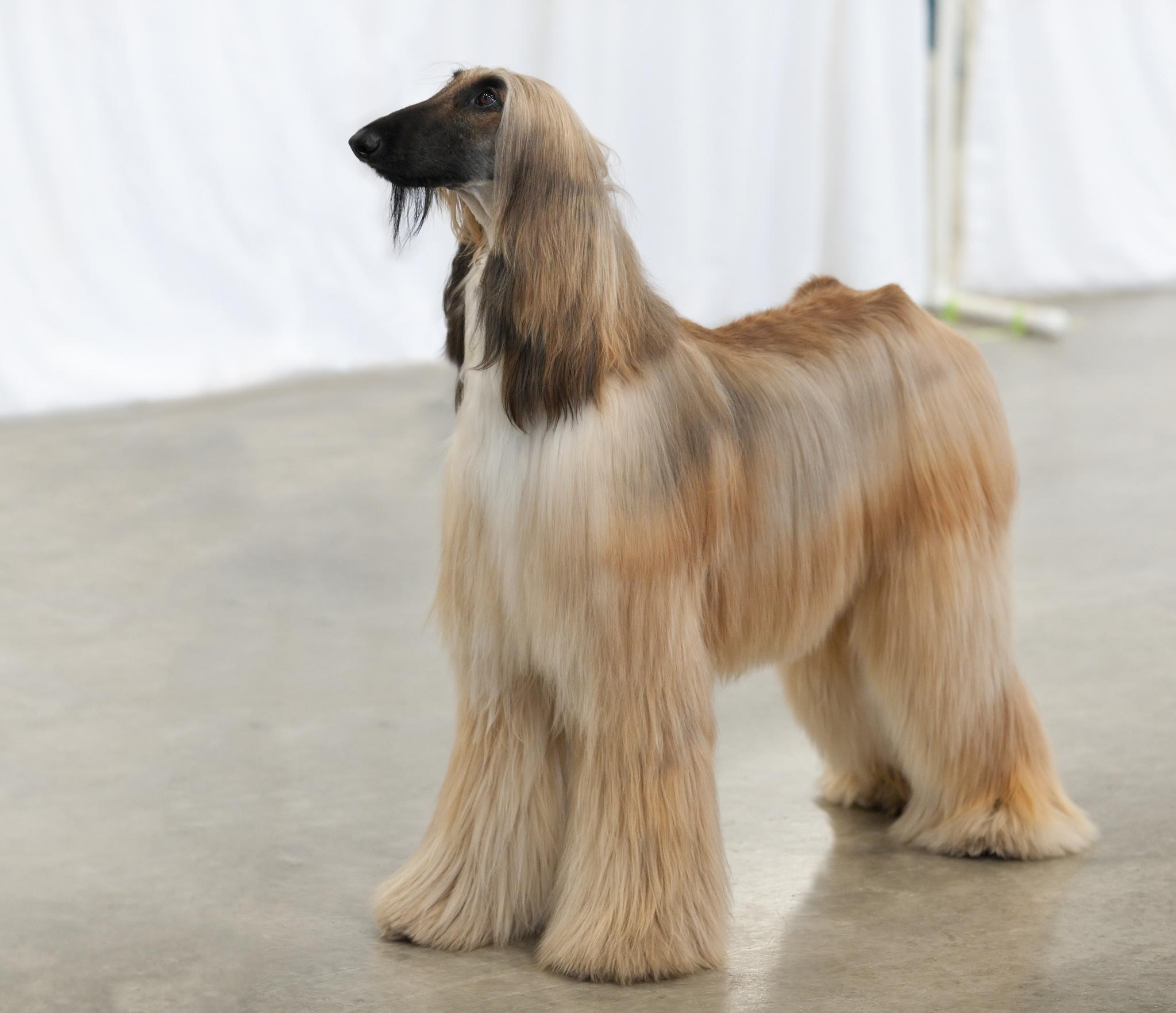
The most famous for being the most stubborn dog breed, the Afghan Hound is a classic example in this case. They are known to show you a trick once, only to not repeat it again, as if to say, “I’ve already shown you once, I can do it. Why should I do it again?” This third-child-like behavior is why they deserve the first spot on this list.
Afghan Hounds are one of the hardest breeds to train for several reasons. First, they are reserved and aloof dogs who bond closely with their owners but may not give anyone else the time of day, including a trainer. Since they’re independent by nature, Afghan Hounds are not used to anyone telling them what to do. If they learn commands, they’re likely to ignore them completely if they feel like it or spot something to chase.
#10 – Shiba Inu
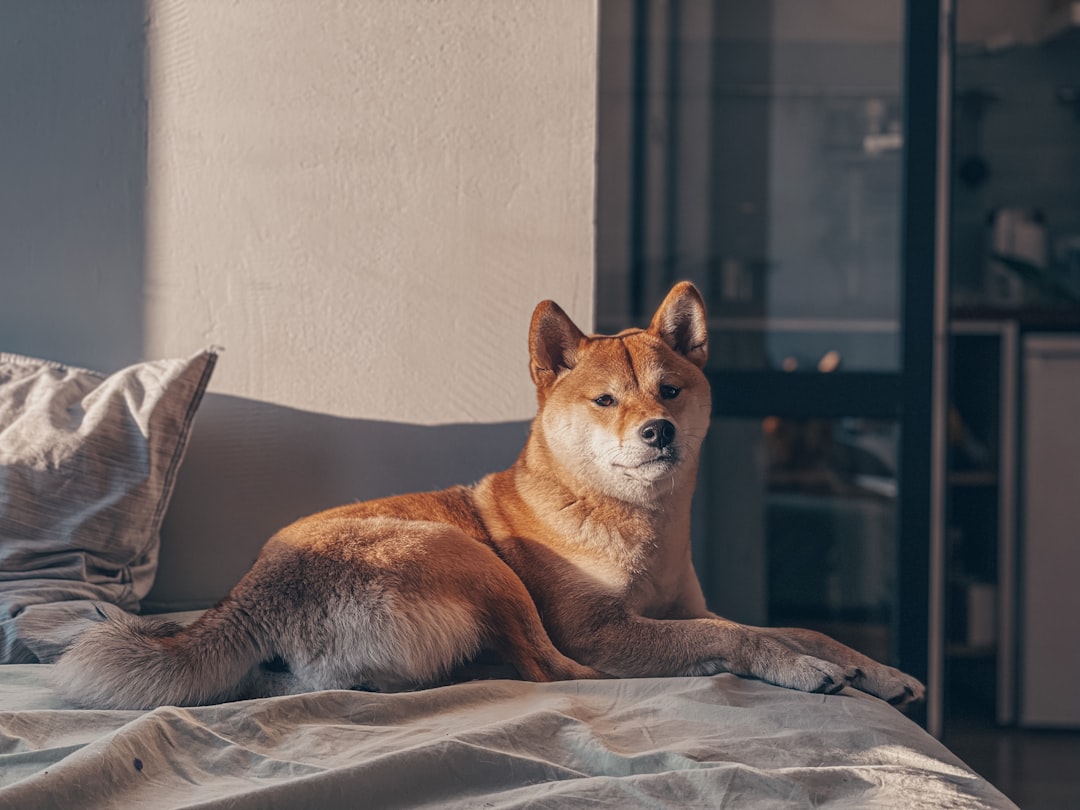
Shiba Inus are potentially the cutest dogs on the internet, but they’re not for beginners. Their independent nature makes people liken them to cats, and they can be very difficult to train. Almost every Shiba Ina I’ve met has been very shy, which is also difficult for some owners.
The Shiba Inu is a naturally dominant dog breed. Ancient dog breeds such as the Shiba Inu, Akita, and Chow Chow, have a greater tendency to be confident, independent, and stubborn. These traits make them more dominant, as they are more likely to do what they want, rather than what we want. Their internet fame creates unrealistic expectations for new owners.
#9 – Jack Russell Terrier
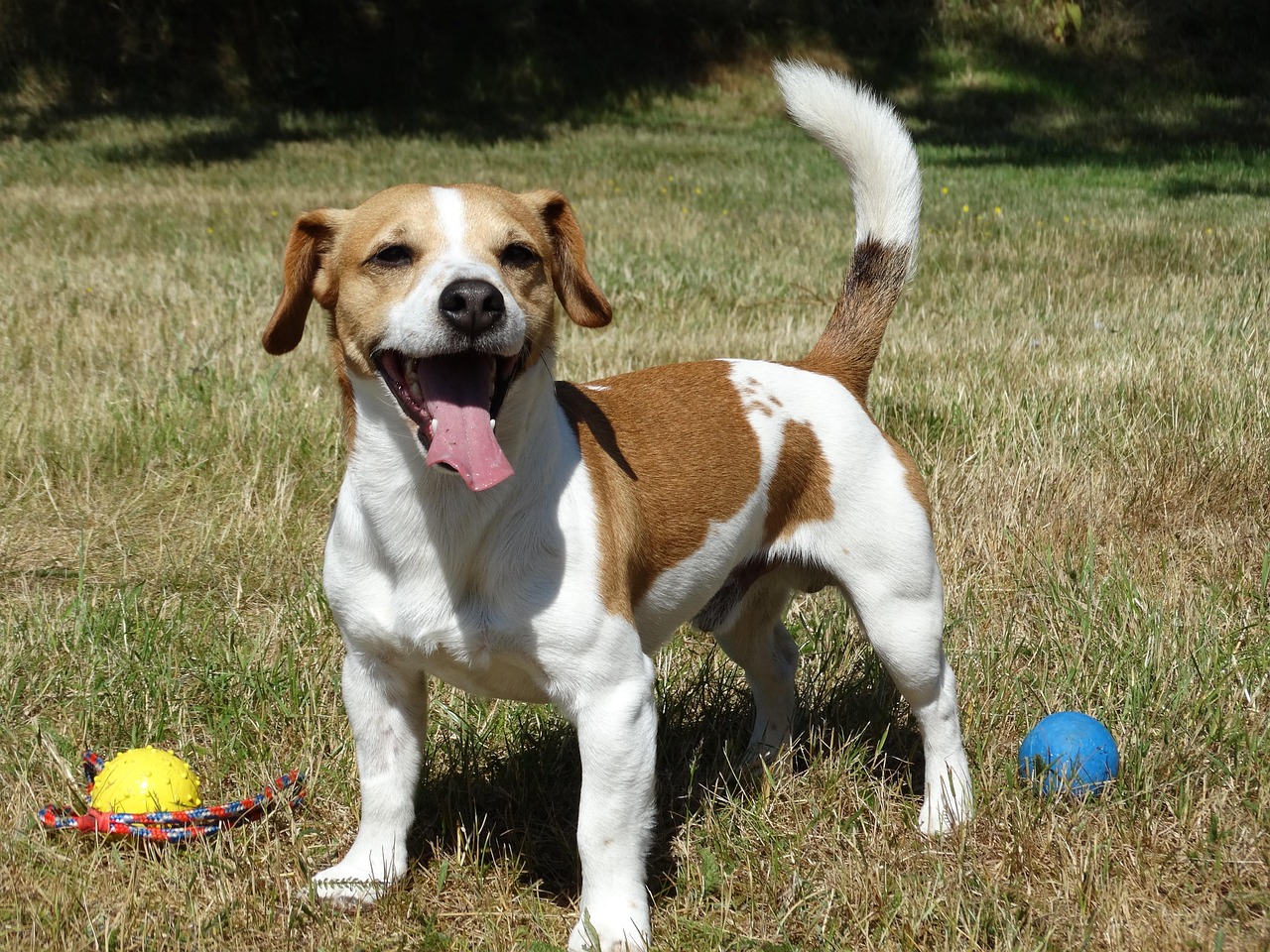
The No. 6 worst pick for new dog owners, according to our readers, was the Jack Russell Terrier. The typically super-active and super-smart JRT was born to dig. And bark. And investigate. An owner ready to celebrate those traits is a great fit, but anyone else might want to look into a different breed.
Jack Russell Terriers are small in size but possess boundless energy and a bold, fearless personality. They are incredibly intelligent and require constant mental stimulation to prevent boredom. Originally bred for fox hunting, their strong prey drive can lead them to chase after small animals, and their boundless energy can be overwhelming without proper outlets.
#8 – Cane Corso
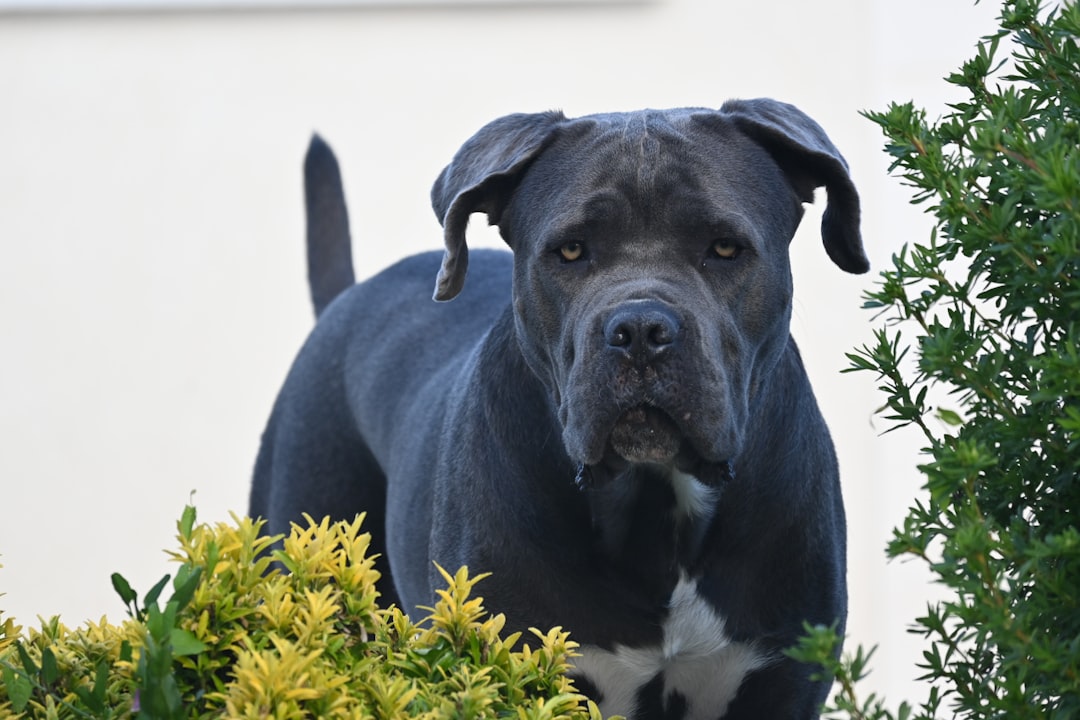
Cane Corsos are a large, powerful breed with strong guardian instincts. They require an experienced owner who can provide confident leadership and handling. Their size and strength could be intimidating or dangerous if not properly trained. An untrained Cane Corso could accidentally knock over or hurt someone.
Cane Corsos are powerful, intelligent guard dogs that require a firm, experienced owner. They are highly protective and do not naturally trust strangers. Without the right training and leadership, they can become dominant and aggressive, making them unsuitable for inexperienced dog owners. Their intimidating presence requires an owner who can match their strength and confidence.
#7 – Doberman Pinscher
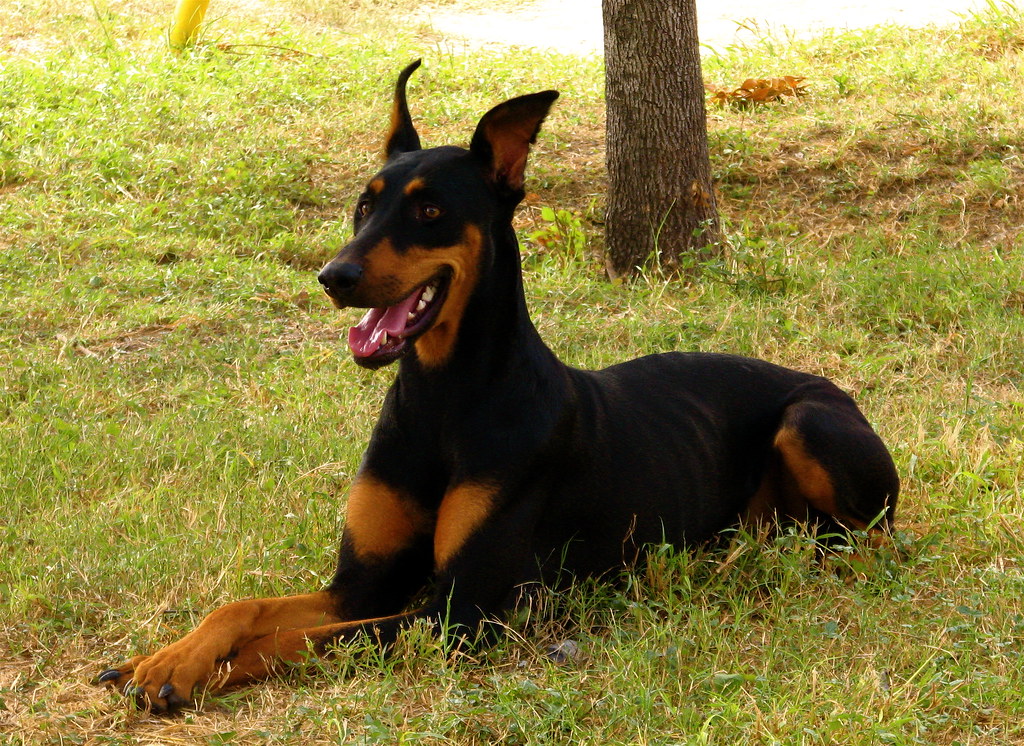
The Doberman Pinscher can have a bit of a reputation as a difficult dog. While she has plenty of devoted fans praising her generally loving and loyal nature, there are reasons she has that rep. Developed as a guard dog, the Doberman typically has an innate ability not only to protect her family but also to anticipate danger and threats.
Dobermans need rigorous physical and mental exercise, proper socialization, and firm handling says Cuevas. If left alone extensively, their protective traits and separation anxiety often create “aggressive incidents.” First-timers rarely meet their demands. Their sleek appearance attracts owners unprepared for their intense protective instincts.
#6 – German Shepherd
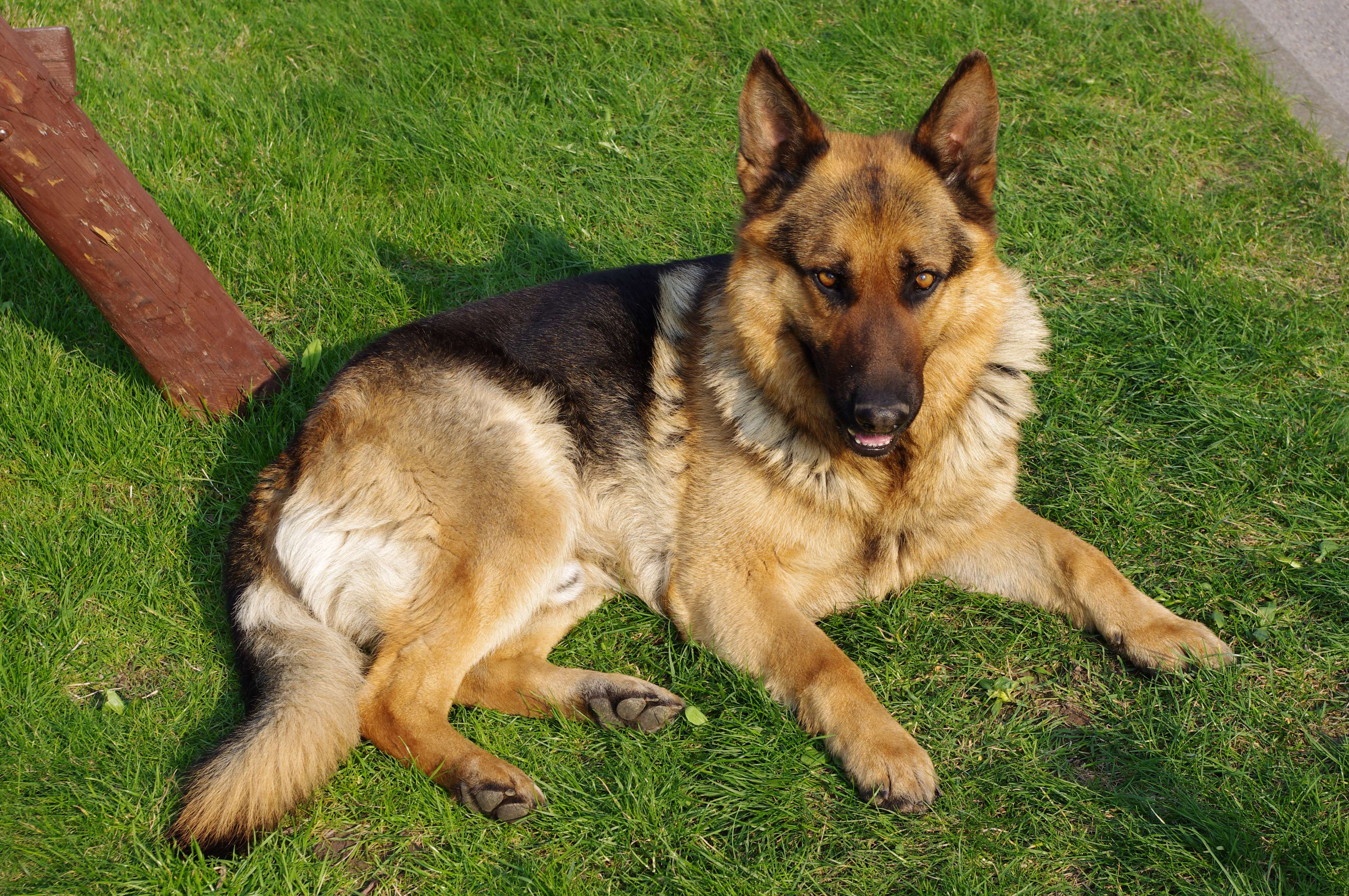
The No. 9 pick among veterinary professionals was the German Shepherd, an extremely popular breed that has been known to outsmart more than a few humans. Their intelligence becomes a liability when channeled toward outsmarting inexperienced owners rather than following commands.
German Shepherds are very smart and require extensive physical and mental stimulation on a daily basis. Naturally protective and defensive, these dogs can exhibit aggressive and dominant behaviors if not properly socialized and trained. German Shepherds are also prone to some serious health issues. New owners often choose them for protection but struggle with their complex needs.
#5 – Chow Chow
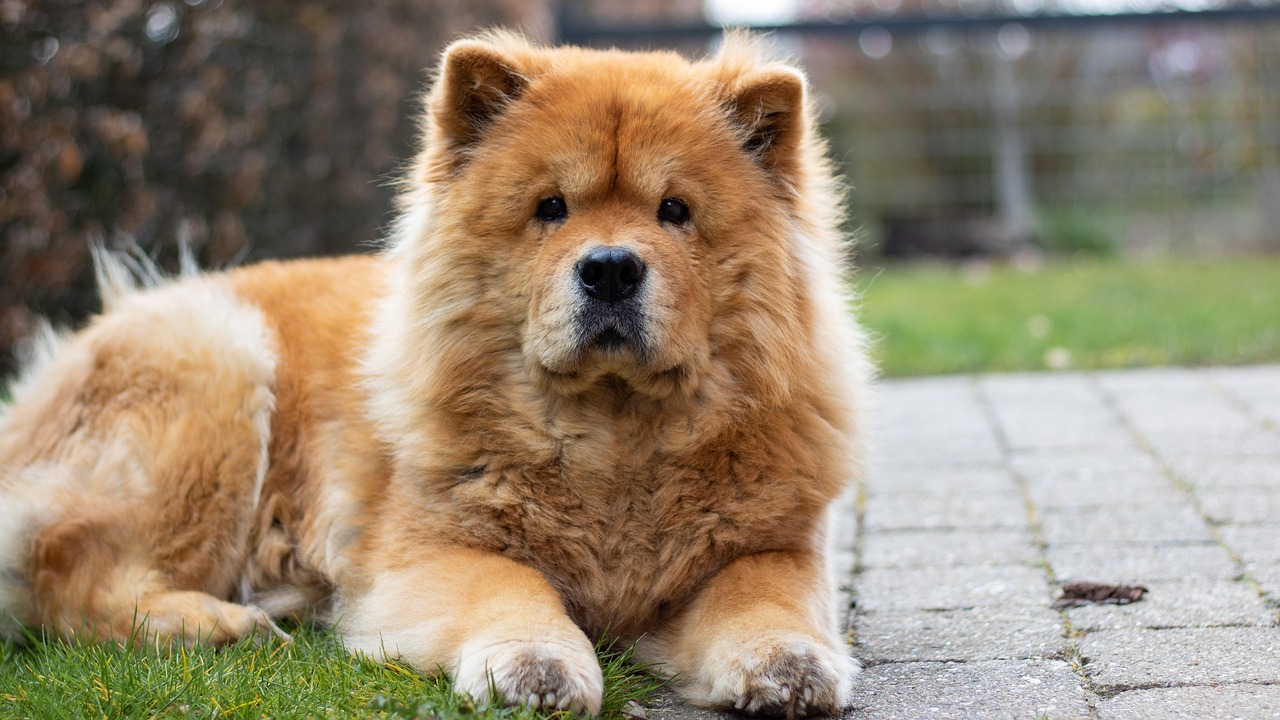
They look cute and cuddly, but Chow Chows can be stubborn and tough to train – not the best combo for first-time pet owners. PetSide also doesn’t recommend them for families, as they can be possessive and need supervision around small children.
They may not look all that scary, but Chow Chows were bred as guard dogs. They tend to be aggressive and reactive towards strangers and other dogs if not properly socialized and trained. Their teddy bear appearance masks a serious guardian personality that catches first-time owners completely off guard.
#4 – Akita
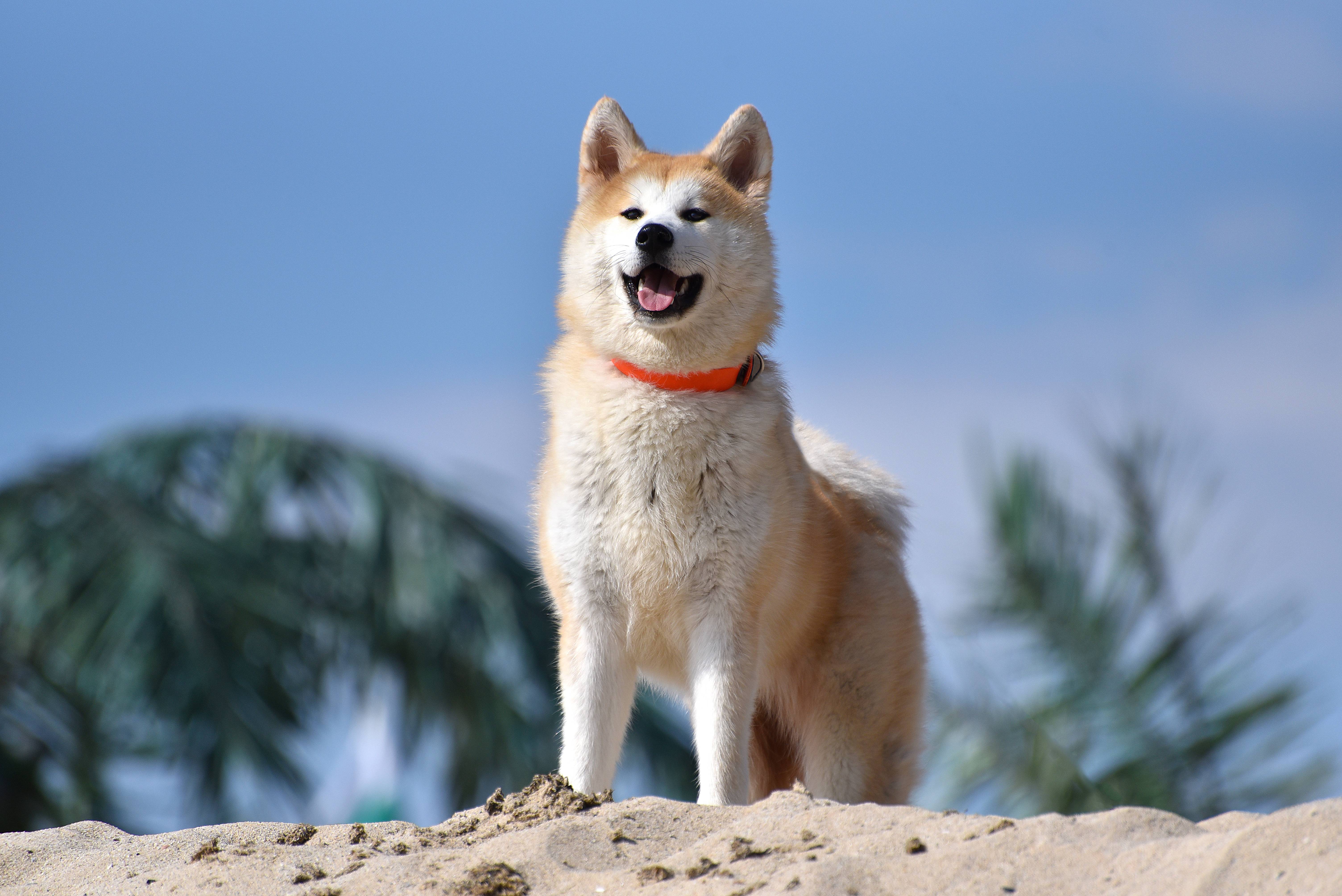
Akitas were bred to hunt big game, so they have a strong prey drive and can be aggressive if not adequately socialized and trained. Highly protective by nature, these dogs are often wary of strangers and do not always get along with other dogs. It takes an experienced pet parent to keep Akitas grounded and trained.
He might be considered a national treasure in his home country of Japan, but the Akita isn’t for everyone, according to our readers who named him the second worst dog breed for new owners. He was developed to hunt big game like bear and elk, and in Japan, he’s often seen working as a police or guard dog. But this large (almost giant) breed can exhibit a strong prey drive, making him a potentially bad choice for homes with cats or other small animals, and he may be aggressive toward other dogs, too. He’s often very protective of his family and aloof toward strangers, and in order to successfully train him, an owner needs to first own his respect – something a new dog owner will likely struggle to do.
#3 – Siberian Husky
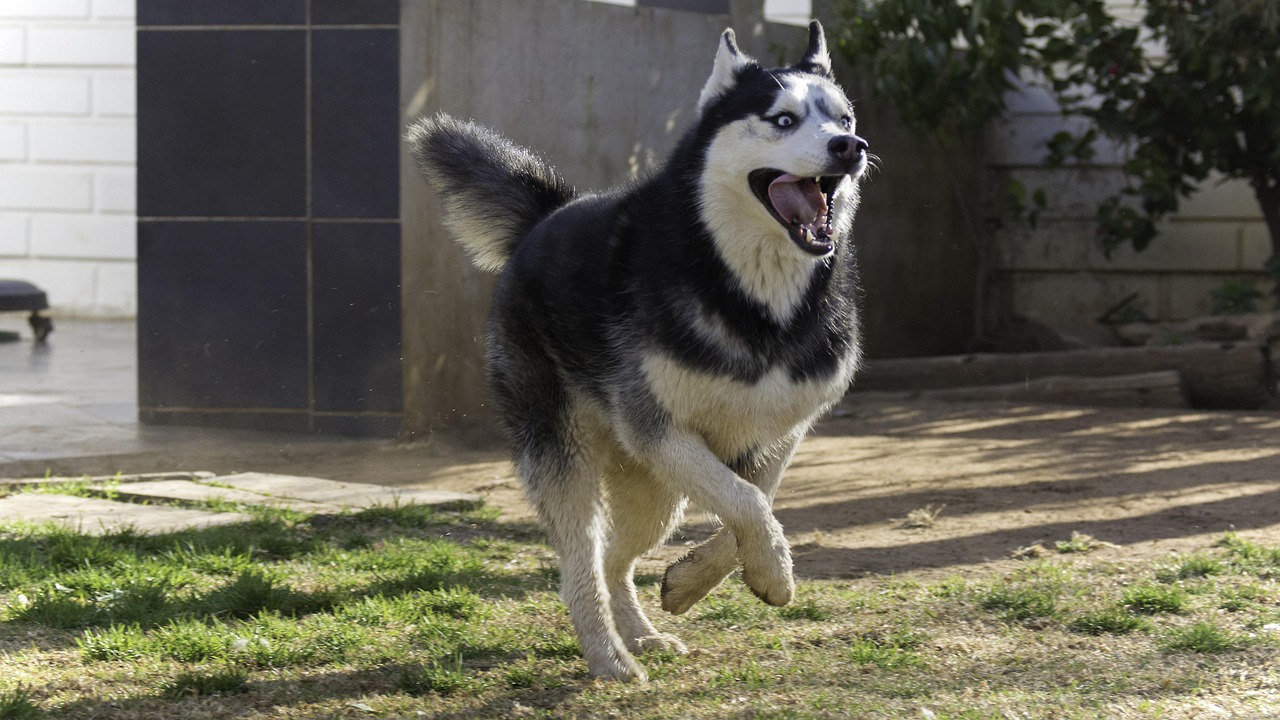
A Siberian Husky is a strong breed requiring extensive training and socialization, making the breed a tough choice for first-time dog owners. The dogs need plenty of exercise and space, so apartment living isn’t ideal according to Dogster. Their wolf-like appearance attracts owners who underestimate their demanding nature.
It might be difficult to resist her stunning eyes and her generally happy, affectionate personality, but the Siberian Husky was the No. 9 pick for readers in this survey. Like many dogs on this list, she’s an enthusiastic and highly peppy breed who requires vigorous daily exercise and consistent leadership. She can also exhibit a strong predatory streak with smaller animals (such as cats), making her a potentially risky fit for many multispecies homes. Additionally, she can be an escape artist who can dig under or jump over many fences with ease.
#2 – Belgian Malinois
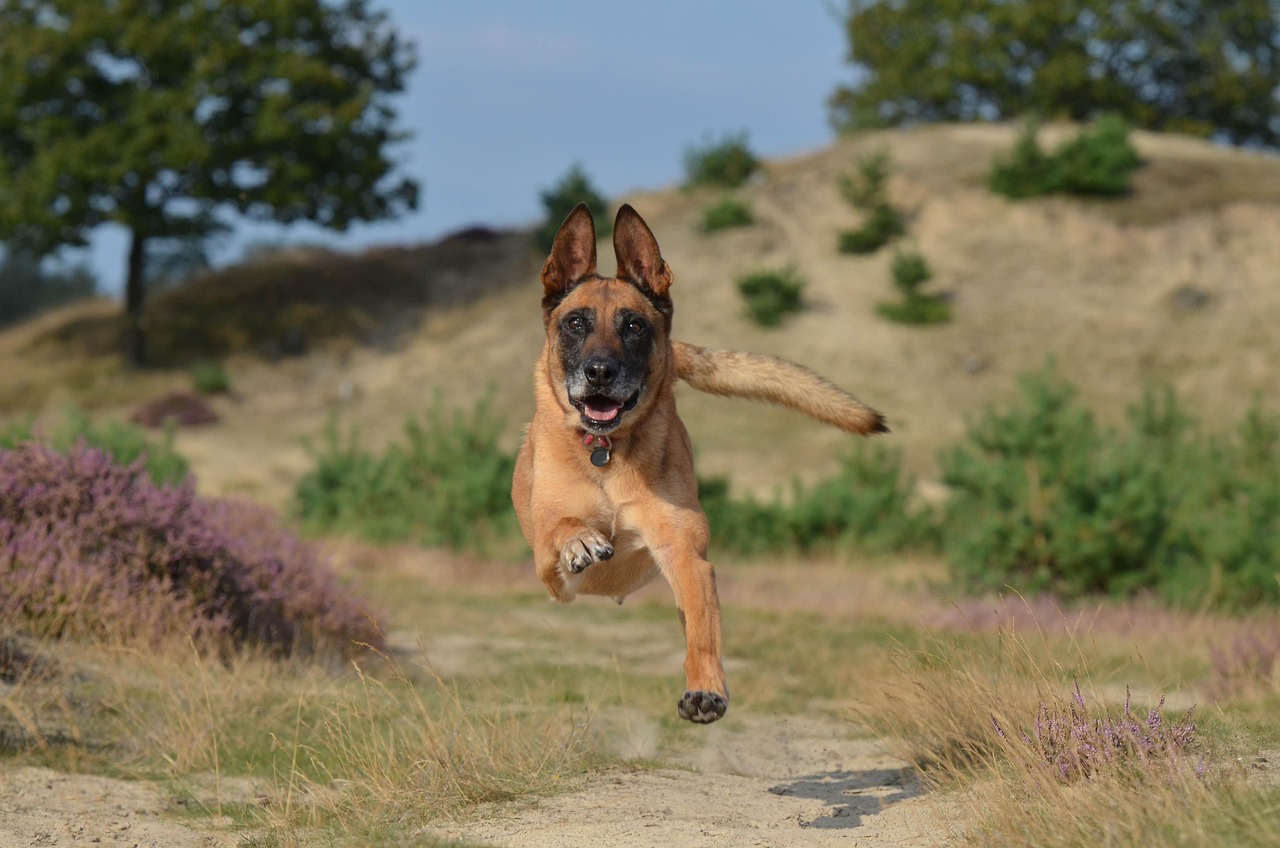
With their immense strength, an untrained Belgian Malinois can easily overpower and injure their owner and others. Malinois dogs are popular for K-9 military, police, and security jobs, with strong instincts for protecting and guarding. Intense training is key to helping them learn basic manners. These dogs must understand how to distinguish between a friend and a potential threat.
Think you want a Belgian Malinois? You might want to reconsider unless you’re ready for a high-drive, ultra-intense working dog. According to PetMD, Belgian Malinois are dogs that look like German Shepherds but are even more energetic, demanding, and less forgiving of training mistakes. That’s why they’re the top choice for military and police forces – but a real challenge for first-time owners.
#1 – Border Collie
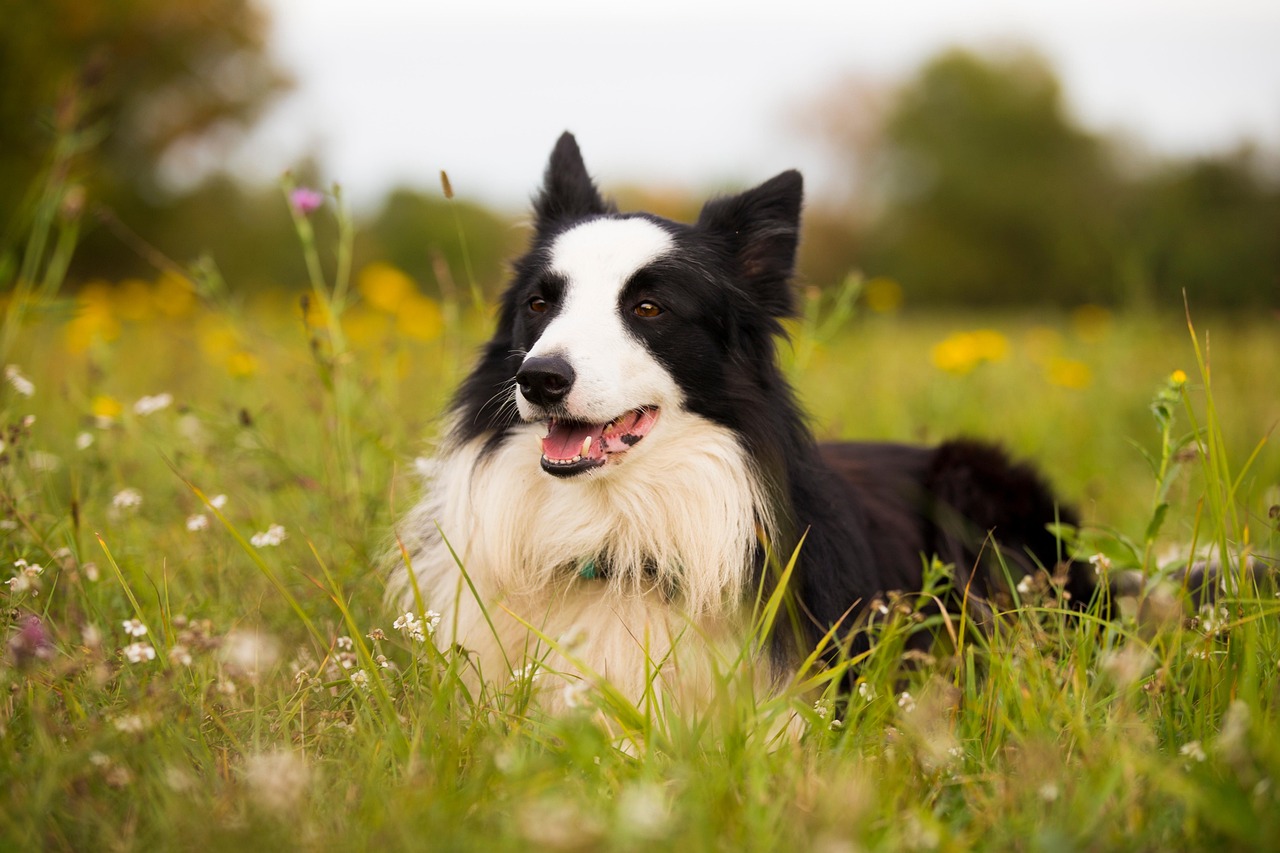
Border Collies top our list because they need up to two hours of exercise daily, making them a challenge if you work all day and come home tired. BeChewy agrees, saying first-time pet owners who don’t keep their Border Collies “sufficiently stimulated” will see them develop behavioral issues. Their reputation as the smartest breed becomes a nightmare for unprepared owners.
Without adequate outlets for their energy and smarts, Border Collies “will be prone to nipping and developing destructive and aberrant behaviors.” Their needs overwhelm novice owners. These dogs don’t just want a job – they demand one, and if you don’t provide it, they’ll create their own, usually involving your furniture and sanity.
Conclusion
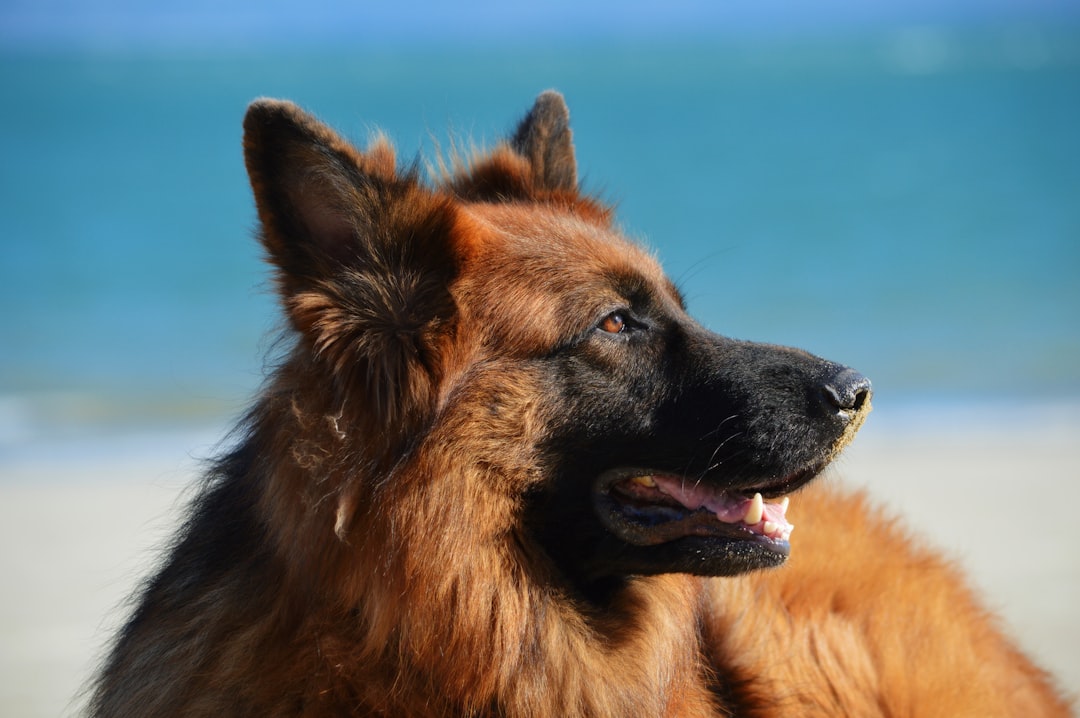
The breeds on this list aren’t inherently “bad dogs” – they’re simply mismatched with inexperienced owners who underestimated their needs. Each requires specific skills, time commitments, and understanding that come only with experience or extensive preparation. From the Border Collie’s relentless intelligence to the Basenji’s cat-like independence, these dogs challenge even seasoned handlers.
Before falling for those adorable puppy eyes or striking appearances, honestly assess your experience level, available time, and living situation. Consider starting with a breed known for being beginner-friendly, then working your way up to more challenging dogs as your skills develop. Your future self (and your chosen pup) will thank you for making a thoughtful decision rather than an impulsive one.
What surprised you most about this list? Did your dream breed make an appearance, or are you now reconsidering your choice?

- Which Bird of Paradise Are You According to Your Zodiac Sign - August 5, 2026
- What Reptile Are You According to Your Zodiac Sign? - August 5, 2026
- The Zodiac Signs That Share The Strongest Connection With Marine Animals - August 5, 2026