
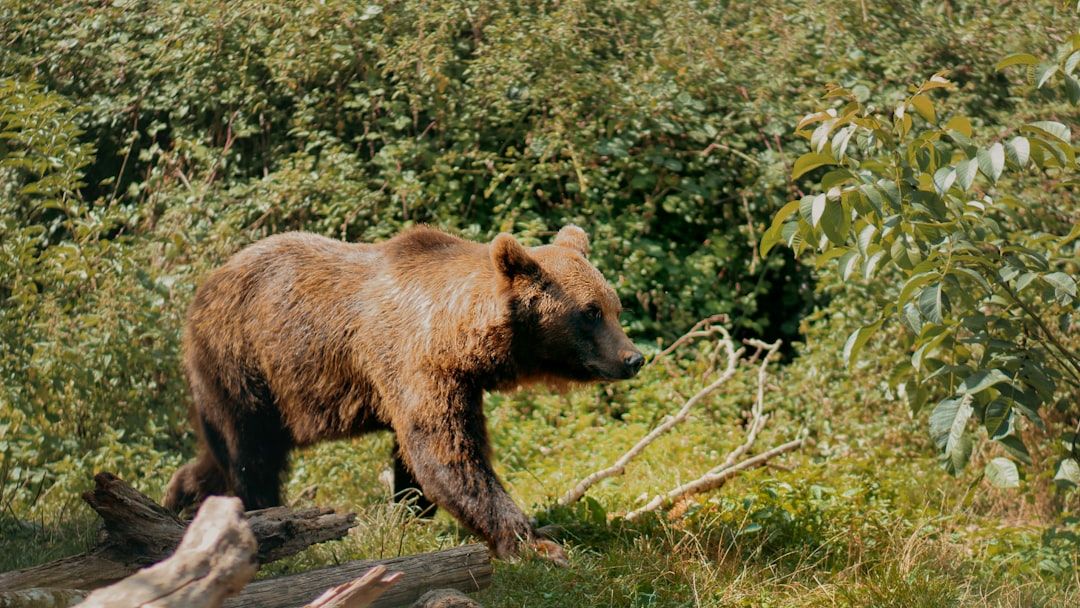
Picture this: you’re hiking through pristine wilderness when suddenly, a massive brown shape emerges from the treeline ahead. Your heart pounds as you realize it’s a grizzly bear, standing nearly seven feet tall and weighing more than most motorcycles. Every fiber in your body screams one word: run. That ancient fight-or-flight response kicks in, and running feels like the obvious choice. After all, you’re in decent shape, maybe you even jog regularly.
The brutal reality might shock you. That decision to run could be the last mistake you ever make. Recent wildlife research has revealed surprising truths about both human and bear capabilities that challenge everything most people think they know about survival in bear country. Let’s explore what science tells us about this deadly mismatch.
The Shocking Speed Gap Between Humans and Bears
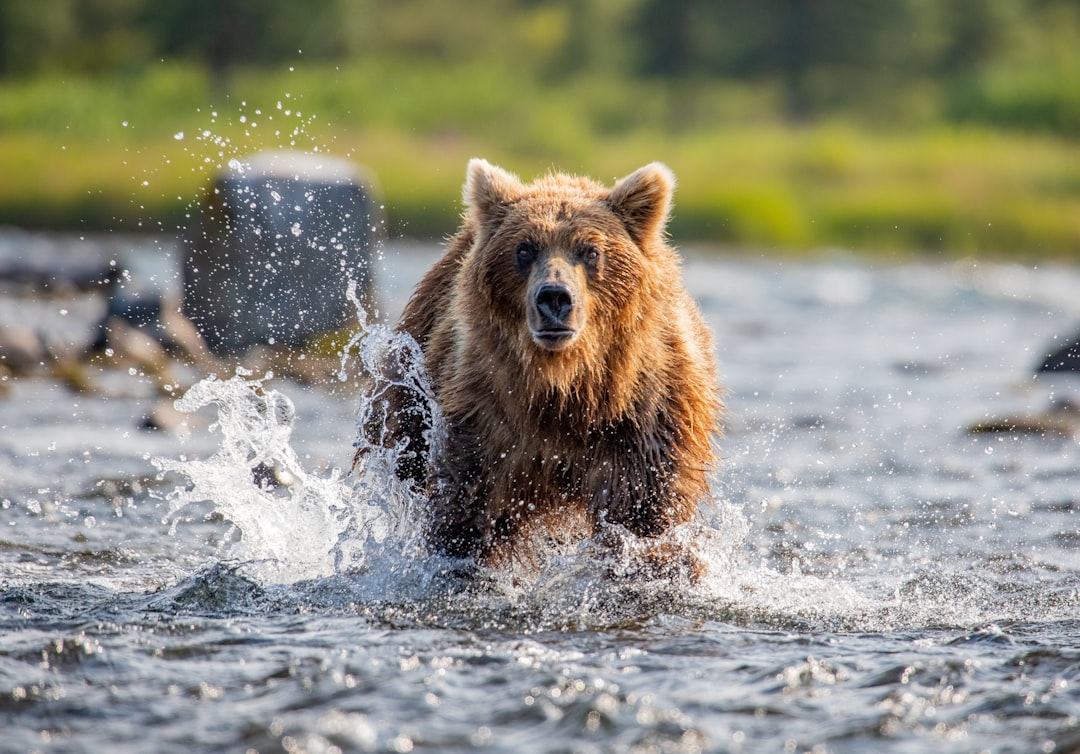
Grizzly bears can sprint at top speeds of up to 35 mph, making them faster than many cars navigating through residential neighborhoods. To put this in perspective, Usain Bolt’s world record sprint of 9.58 seconds translates to just 27.8 mph. Even the fastest human in recorded history would lose a foot race against a grizzly.
The average running speed for men hovers around 7.5 to 8.5 mph, while women typically run at 5.5 to 6.5 mph. This means the average person runs at roughly one-fifth the speed of a charging grizzly. The math here is terrifying and absolute.
Historical Evidence That Changed Everything
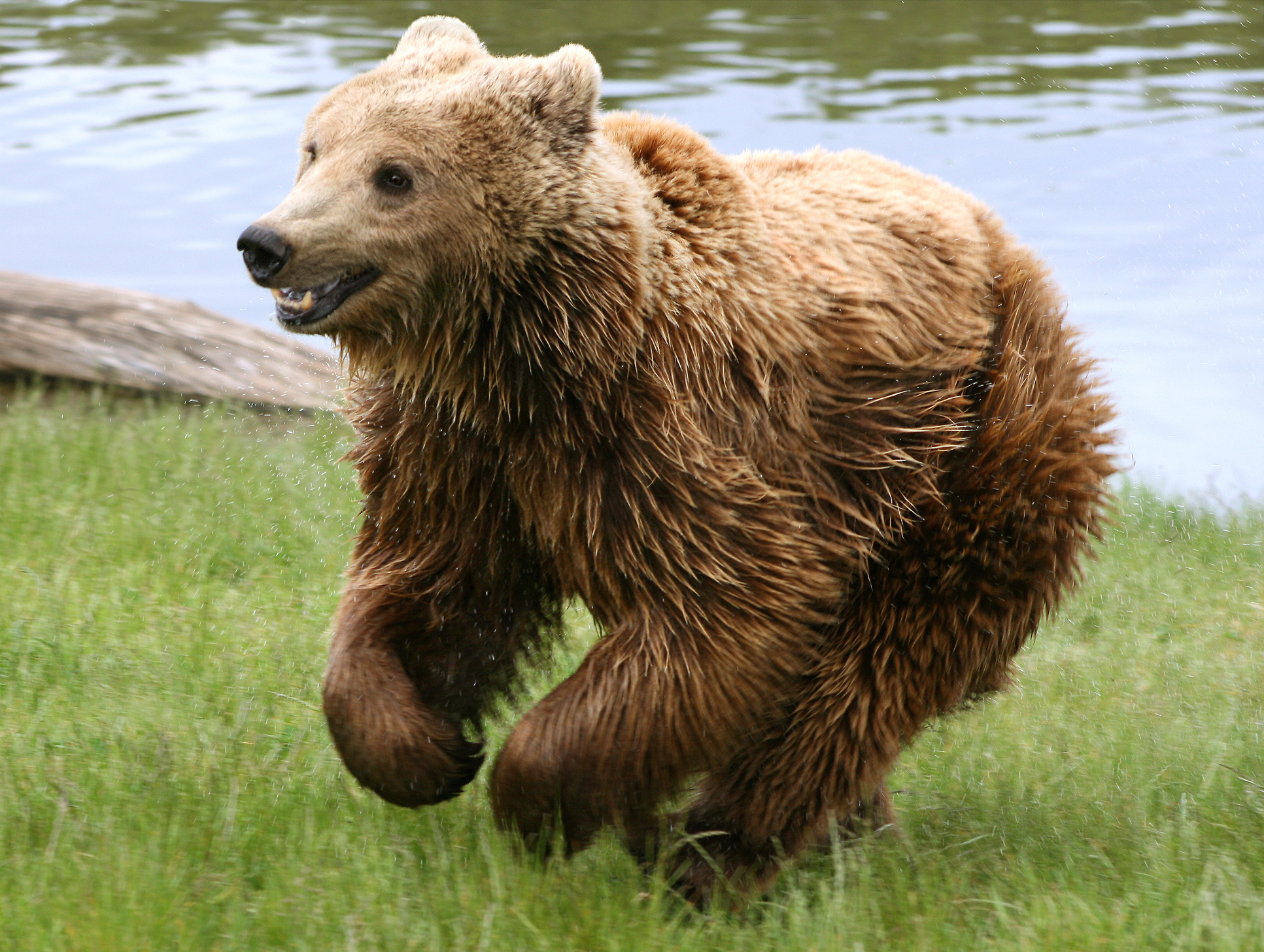
Wildlife researchers often struggle to measure bear speeds in controlled environments. However, historical observations in Yellowstone National Park have documented bears running alongside roads and maintaining high speeds over considerable distances.
These observations proved that grizzlies can maintain high speeds of 25 to 28 mph for distances up to two miles. Think about your last workout. Could you maintain even half that speed for two miles? Most humans can barely sustain their top speed for more than a few seconds.
The Biomechanics Behind Bear Superiority
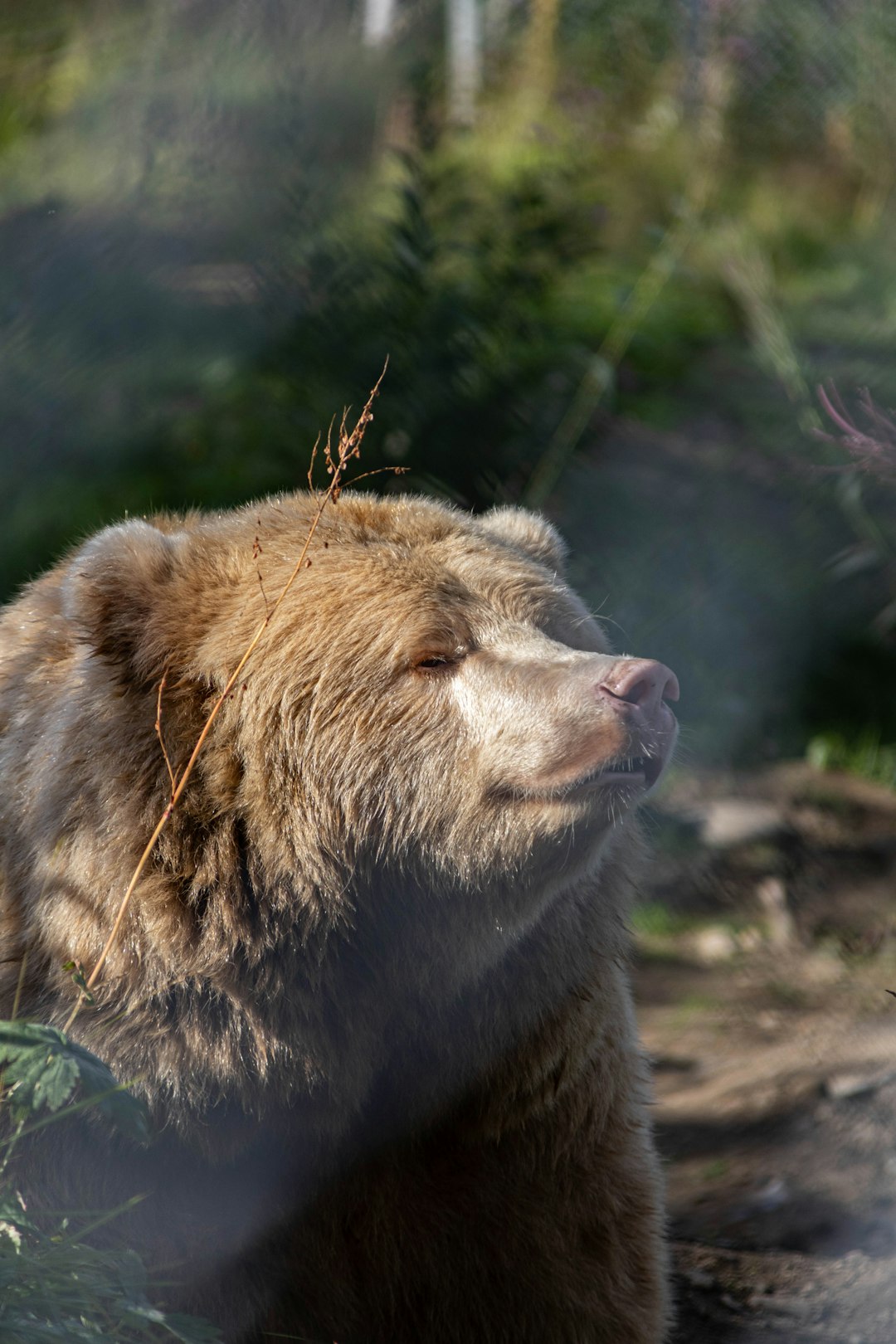
Despite their massive frames, grizzly bears are built for speed, with distinctive shoulder humps composed of powerful muscles that give them exceptional strength in their forelimbs for digging, climbing, and sprinting. These aren’t clumsy, lumbering giants. They’re precision-engineered predators.
Their formidable claws provide impeccable traction on uneven surfaces, amplifying their overall agility. While human runners struggle with loose gravel or wet leaves, bears maintain their grip and momentum across virtually any terrain. Nature gave them every advantage except one thing: the desire to chase humans for sport.
Why Running Triggers the Worst Possible Outcome
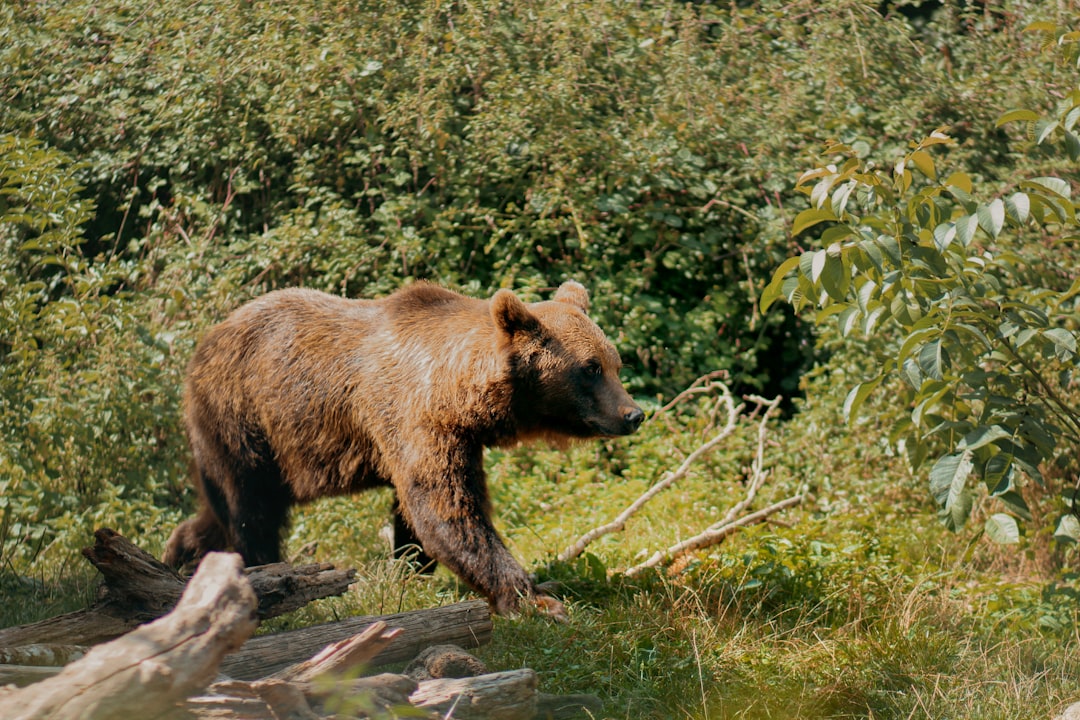
Most bears do not want to attack humans and usually just want to be left alone, but bears may bluff their way out of encounters by charging and then turning away at the last second. Running transforms this bluff into a real chase scenario.
Wildlife experts universally advise against running because bears can outrun anybody. When you run, you trigger their prey drive. Running may trigger a chase response, so instead back away slowly in the opposite direction and wait for the bear to leave. That split-second decision to flee might turn a curious or defensive bear into an aggressive pursuer.
The Endurance Factor Makes It Even Worse
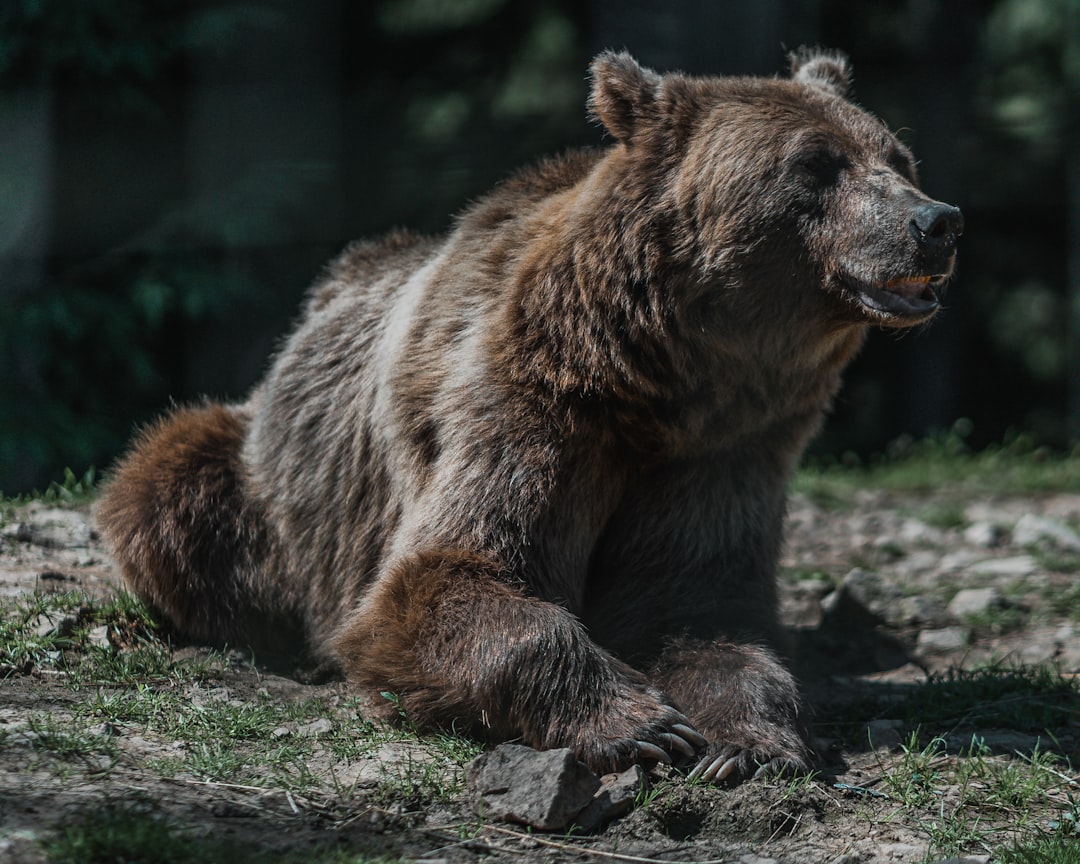
Human sprinters can only maintain top speed for a second or two, while bears maintain their advantage over much longer distances. Your body’s anaerobic system burns out quickly during all-out sprints, leaving you gasping and vulnerable.
The amount of time it takes for a grizzly bear to reach top speed and overtake a human is quick, making it impossible to outrun even what appears to be a lumbering bear. Even if you had a substantial head start, physics and biology work against you in every possible way.
What Actually Works According to Bear Experts
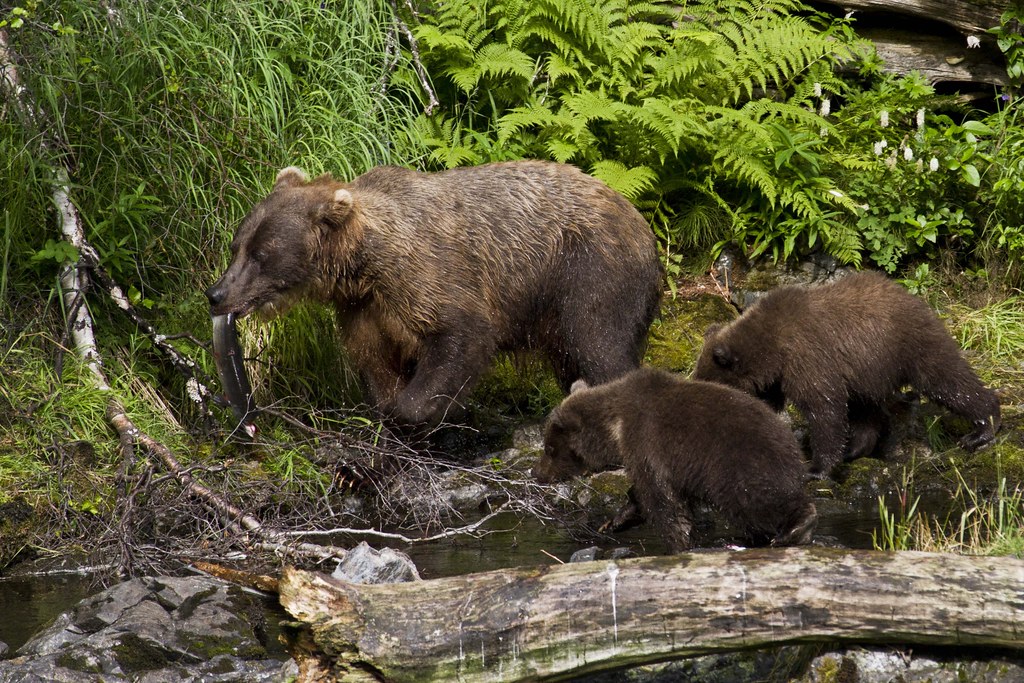
Continue talking to the bear in low tones to stay calmer without being threatening, then slowly wave your arms above your head and tell the bear to back off. This approach acknowledges that you’re dealing with an intelligent animal, not a mindless killing machine.
Research shows that only two percent of people using bear spray suffered injuries during bear encounters, compared to 24 percent of those who tried defending themselves with firearms. Bear spray is proven to be the easiest and most effective way to deter a bear that threatens you. The statistics speak for themselves about what actually saves lives.
The Psychological Reality of Survival
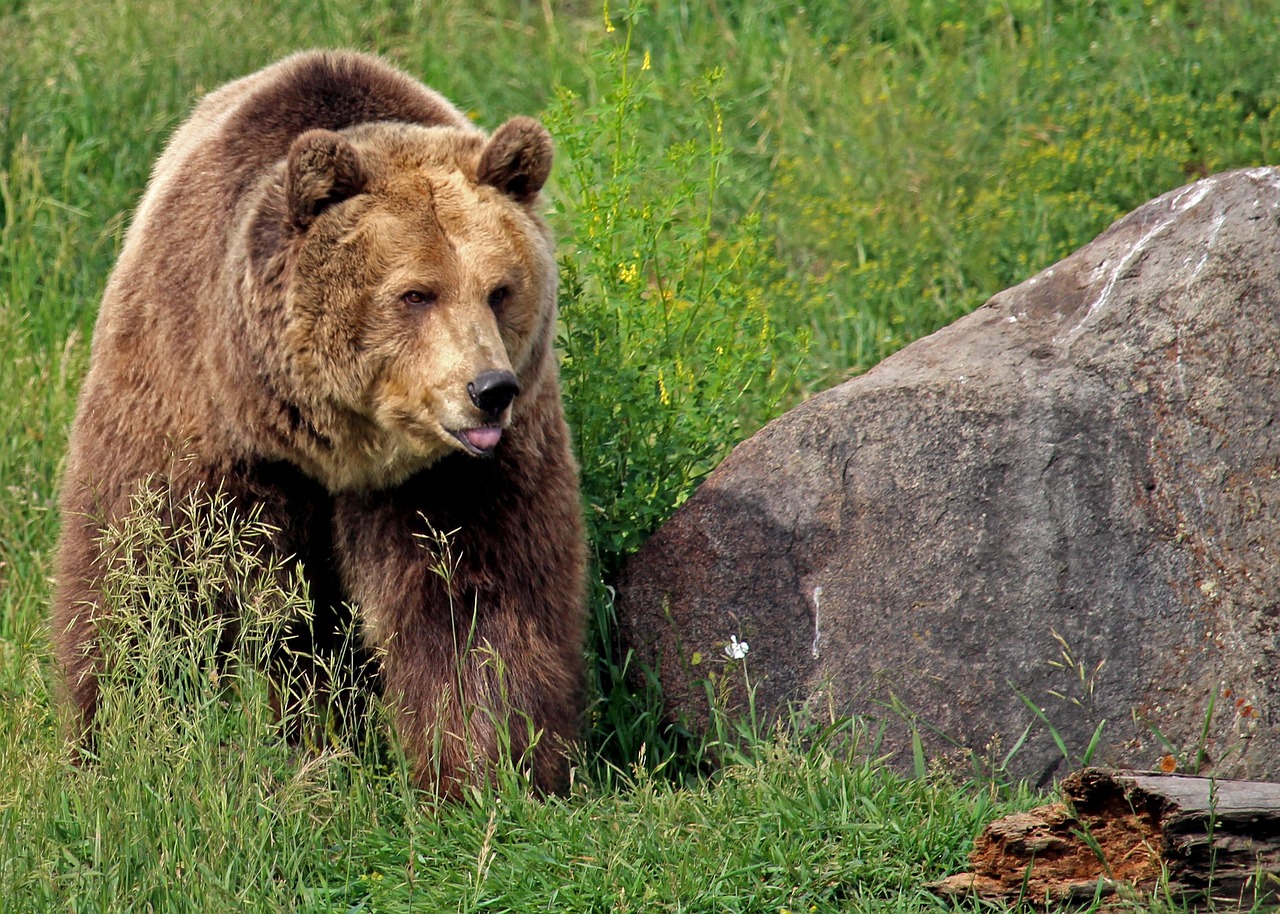
Wildlife experts emphasize developing respect, not fear, for bears since the animals usually want to avoid encounters. Understanding bear behavior helps you make rational decisions instead of panicking into deadly mistakes.
Your safety can depend on your ability to calm the bear, and being mentally prepared can help you have the most effective reaction. The moment you accept that running isn’t an option, you open your mind to strategies that actually work. Standing your ground feels counterintuitive, yet it’s precisely what saves lives.
So could you outrun a grizzly bear? The science is unambiguous: absolutely not. Even Olympic sprinters couldn’t escape a determined grizzly. The good news is that you don’t need to be faster than the bear. You need to be smarter than your own instincts. The next time you’re in bear country, remember that your legs won’t save you, but your brain just might.
What would you do if you encountered a grizzly tomorrow? Share your thoughts and any bear encounter stories in the comments below.

- The Deep Ocean Holds Secrets We Are Only Beginning to Unravel - August 7, 2026
- 15 Animals and Wildlife that Start with G - August 7, 2026
- How Can Crating A Dog Too Much Backfire? - August 7, 2026