


The animal kingdom is full of mysteries that continue to challenge our understanding of intelligence, cognition, and behavior. From deep ocean dwellers to creatures in our own backyards, animals regularly exhibit behaviors that leave even the most experienced scientists scratching their heads. These remarkable displays of intelligence often force us to reconsider what we thought we knew about animal minds and capabilities.
What makes these behaviors particularly fascinating is that they emerge from creatures with vastly different neural architectures than our own. Yet somehow, they’ve evolved solutions to complex problems that rival or even surpass human ingenuity. So let’s dive into the most puzzling examples of animal intelligence that continue to baffle researchers today.
Octopuses Using Tools Like Underwater Engineers
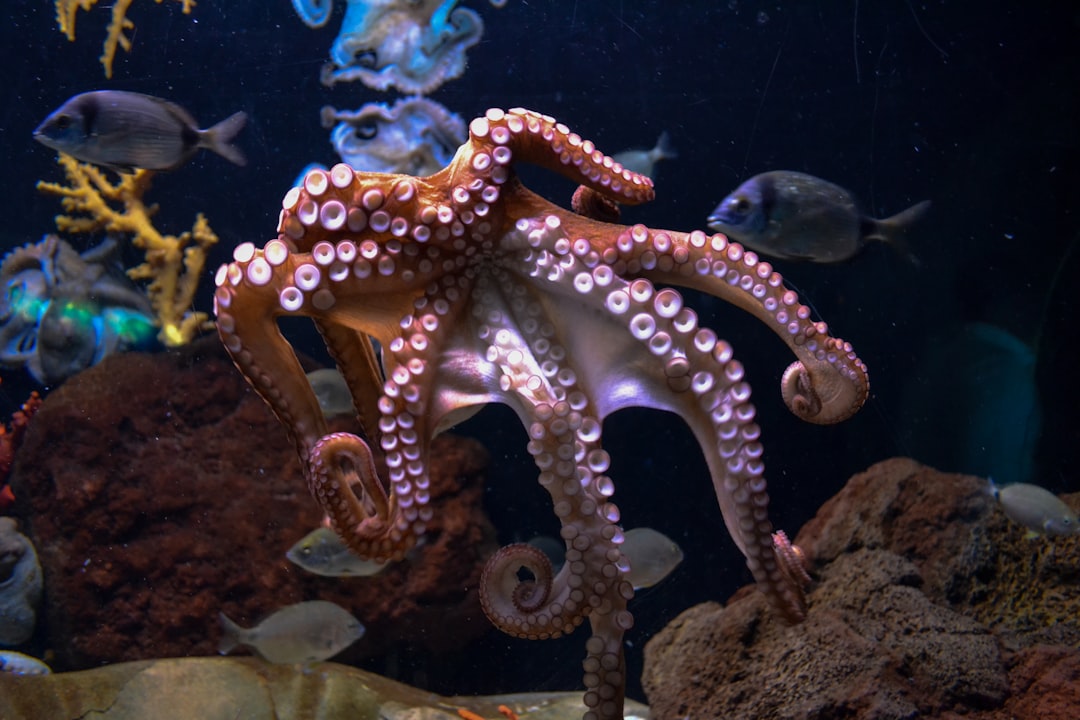
Scientists were flabbergasted when they documented octopuses using coconut shells as portable shelters and defensive tools. Veined octopuses were observed collecting discarded coconut halves from the ocean floor, cleaning them out, and later assembling them to create protective shelters. What makes this behavior particularly remarkable is the planning involved.
This behavior constitutes true tool use, as the octopuses transported the shells specifically for future use. These observations were particularly surprising because octopuses evolved along a completely different evolutionary path than vertebrates, suggesting that high intelligence and tool use can emerge through entirely different neurological structures and evolutionary pressures.
Elephants Recognizing Themselves in Mirrors
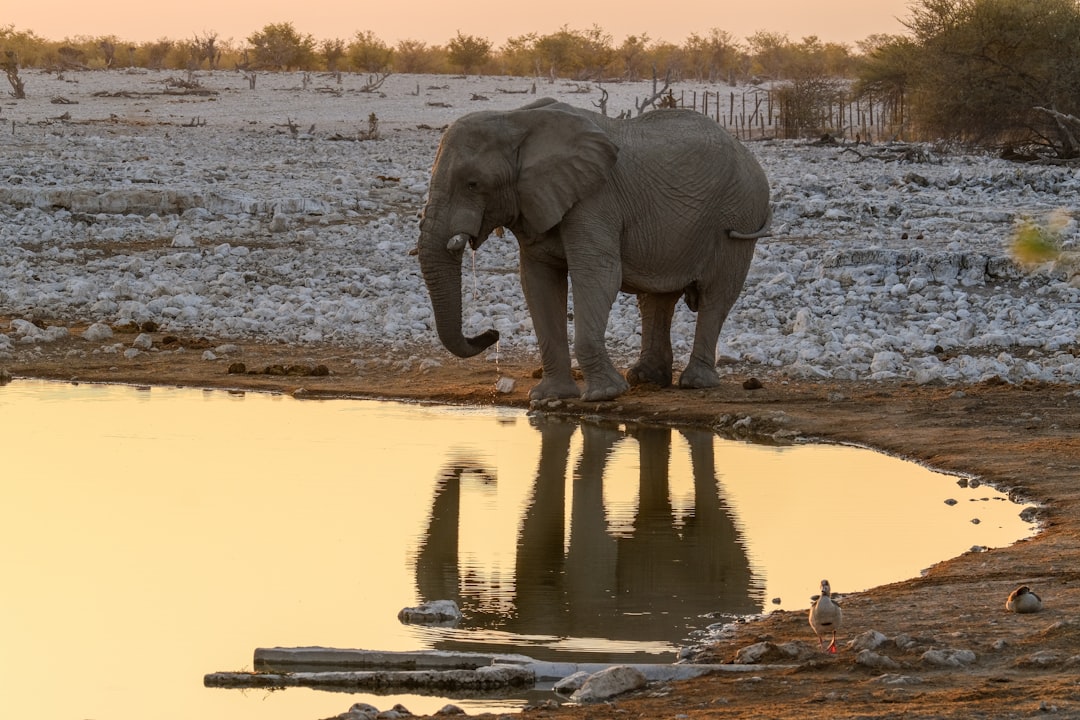
We exposed three Asian elephants (Elephas maximus) to a large mirror to investigate their responses. Animals that possess MSR typically progress through four stages of behavior when facing a mirror: (i) social responses, (ii) physical inspection (e.g., looking behind the mirror), (iii) repetitive mirror-testing behavior, and (iv) realization of seeing themselves. Visible marks and invisible sham-marks were applied to the elephants’ heads to test whether they would pass the litmus “mark test” for MSR in which an individual spontaneously uses a mirror to touch an otherwise imperceptible mark on its own body.
Apart from humans and apes, dolphins and elephants are also known for such capacities. After the recent discovery of MSR in dolphins (Tursiops truncatus), elephants thus were the next logical candidate species. The fact that these massive creatures can understand that the reflection is themselves, rather than another elephant, demonstrates a level of self-awareness that was once thought to be uniquely human.
Crows Creating and Modifying Tools
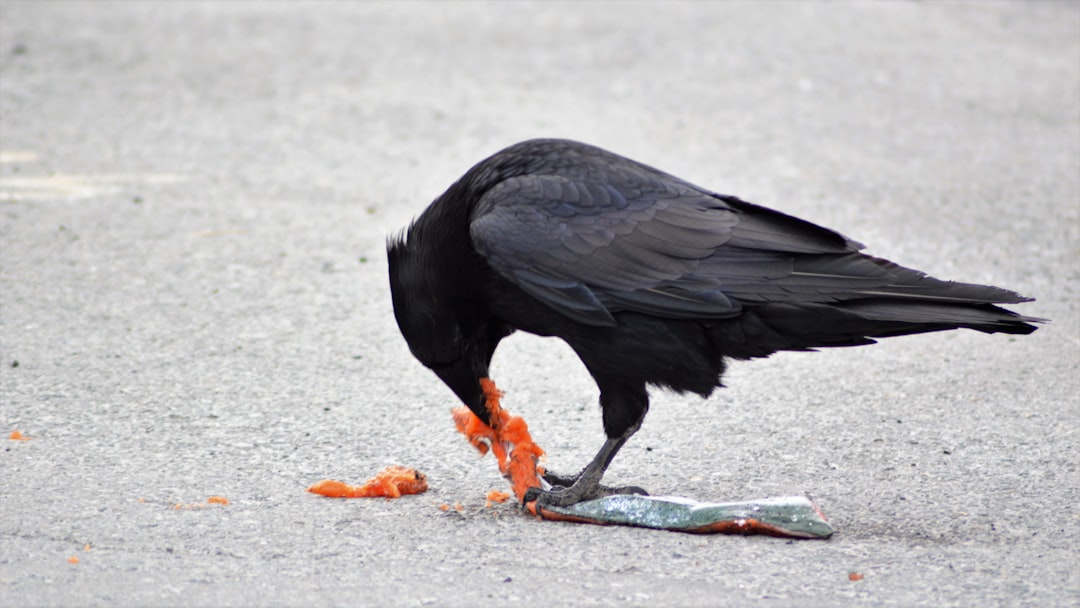
In a groundbreaking study, scientists observed these birds not only selecting appropriate materials but also shaping them into hooks and other specialized tools. What was particularly astonishing was that the crows could plan ahead, visualizing the final tool before beginning the creation process. In one experiment, a crow named Betty spontaneously bent a straight piece of wire into a hook to retrieve food from a tube, showing problem-solving abilities previously thought to be exclusive to humans and some primates.
A study on New Caledonian crows (Corvus moneduloides) revealed that they not only engage in tool usage, but also in tool modification, bending and changing twigs used to reach for insects inside tree and rock cracks. This level of innovation suggests these birds possess cognitive abilities that challenge our understanding of avian intelligence.
Dolphins Calling Each Other by Name
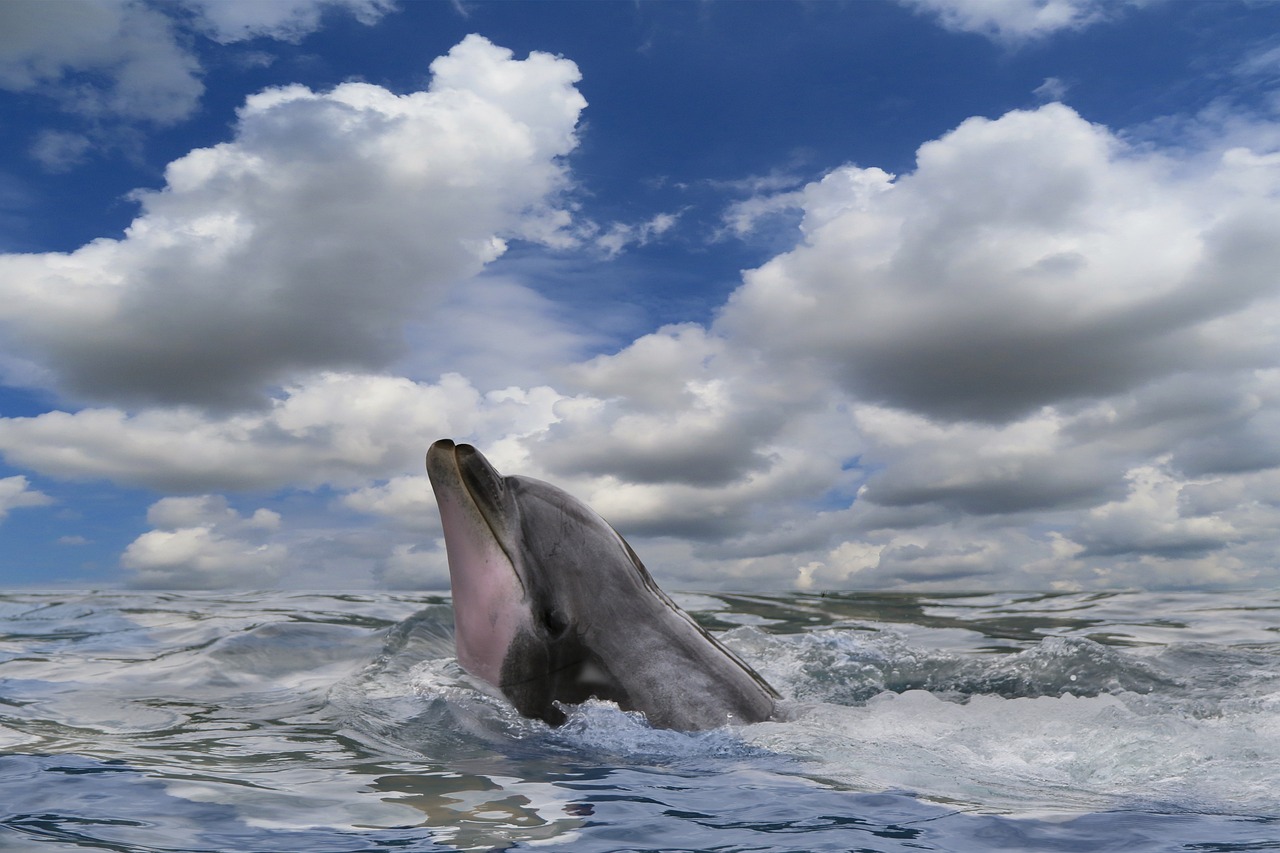
Marine biologists were astounded when they discovered that bottlenose dolphins use distinctive whistles to identify and call to specific individuals – essentially naming each other. Marine biologists were astounded when they discovered that bottlenose dolphins use distinctive whistles to identify and call to specific individuals – essentially naming each other. This discovery revealed a level of social sophistication that was previously underestimated.
Each dolphin develops its own unique signature whistle early in life, much like humans develop their own voice patterns. What astounds researchers is how these marine mammals use these acoustic signatures to maintain complex social relationships across vast ocean territories, calling specific individuals from miles away.
Fireflies Synchronizing Their Light Shows
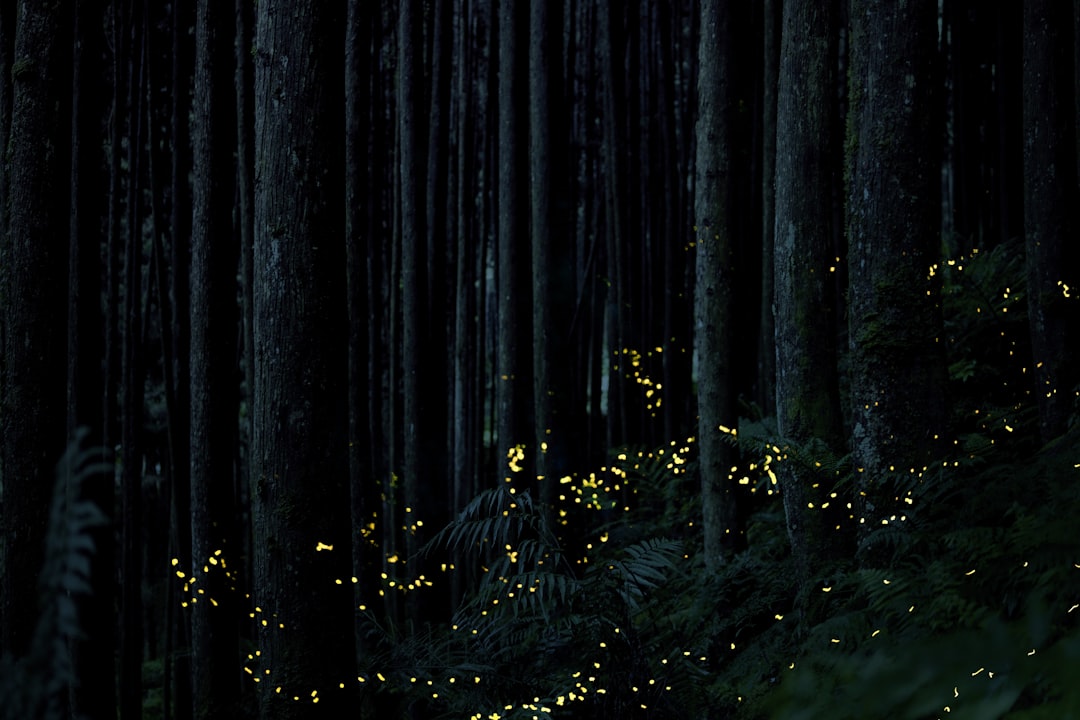
Thousands of fireflies will flash in perfect unison, creating spectacular rhythmic light shows. This phenomenon occurs primarily in a few species, including Photinus carolinus in North America and Pteroptyx malaccae in Malaysia. What baffles researchers is how these insects, with their relatively simple nervous systems, achieve such precise timing without a conductor.
Current theories suggest a combination of individual fireflies responding to the flashes of neighbors and internal biological oscillators, similar to how heart cells synchronize. However, the speed and precision of the synchronization across large groups challenge these explanations. Additionally, scientists haven’t fully determined the evolutionary advantage of this coordinated display compared to the random flashing patterns of other firefly species.
Bees Making Democratic Decisions
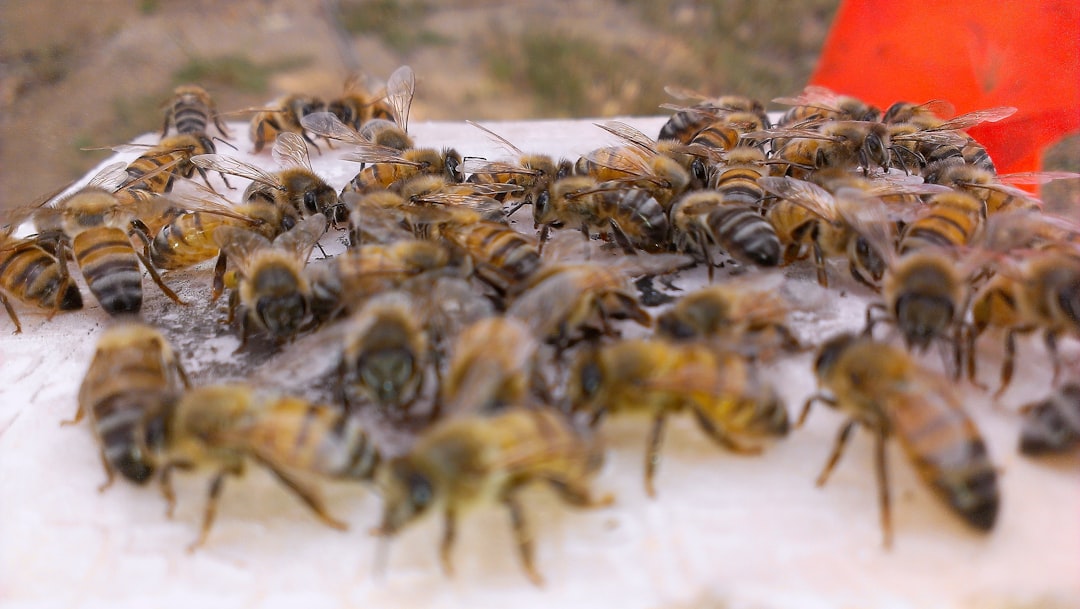
The mystery lies in how thousands of individual bees with limited cognitive abilities can collectively evaluate complex variables – distance, cavity size, predator presence, sun exposure – and reliably select the best available option. Even more baffling is how the final decision emerges without any central authority. Despite decades of research, the precise mechanisms of this democratic decision-making process remain only partially understood.
When a bee colony needs to find a new home, scout bees search for potential nest sites and return to perform waggle dances that communicate the location’s quality. Somehow, through this decentralized process, the swarm consistently chooses the best available option from dozens of possibilities.
Whales Beaching Themselves in Groups
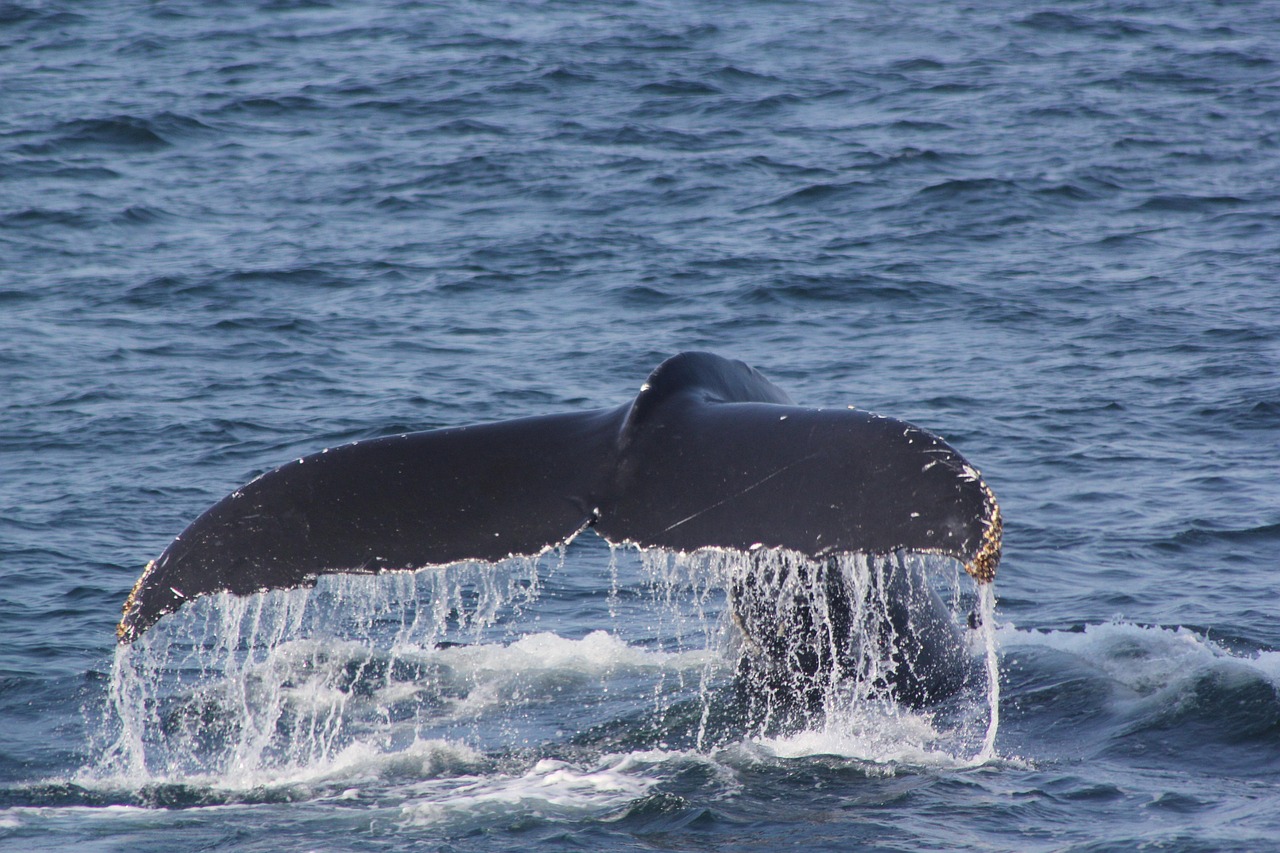
Mass strandings, where groups of whales and dolphins beach themselves, often simultaneously across miles of coastline, continue to baffle marine biologists. While some cases can be attributed to factors like disease, disorientation due to naval sonar, or pursuit of prey too close to shore, many mass strandings defy these explanations. Particularly mysterious are cases where apparently healthy animals repeatedly attempt to return to shore even after being rescued and guided back to deeper water.
The social bonds that may drive healthy whales to follow distressed pod members to their deaths reveal the complex emotional lives of these marine giants. Yet the underlying mechanisms that trigger these tragic events remain largely mysterious.
Army Ants Creating Death Spirals
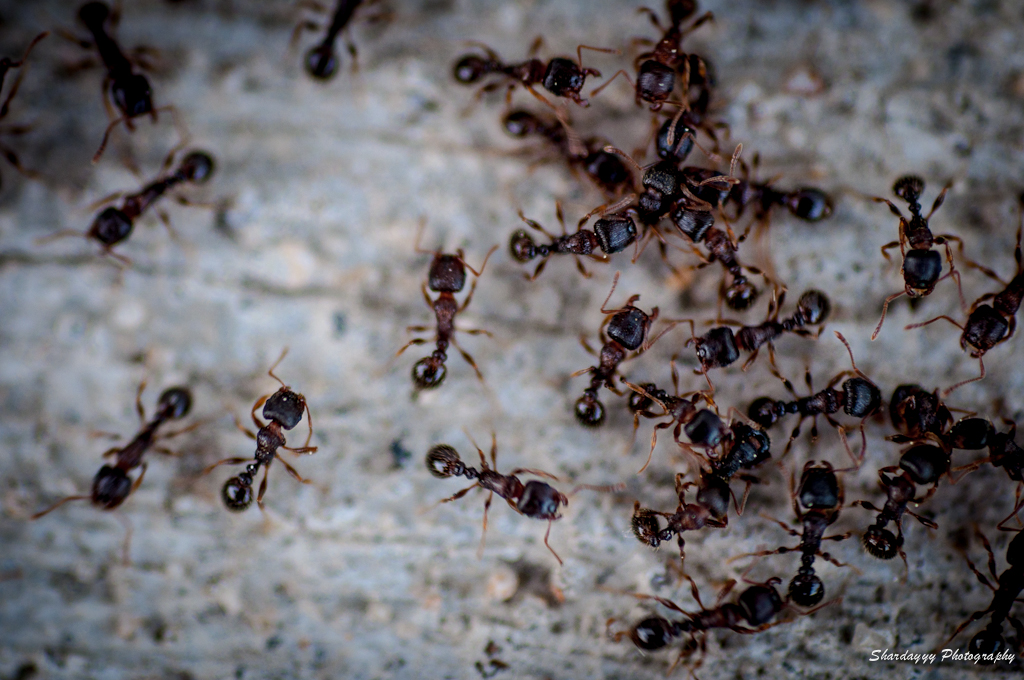
Army ants sometimes form what scientists call “death spirals” or “ant mills” – circular marches where thousands or even millions of ants walk in a continuous loop until they die from exhaustion. This bizarre behavior occurs when a group of ants becomes separated from the main colony and begins following each other’s pheromone trails. Without proper navigation cues, they create a self-reinforcing circular path that can be several meters in diameter.
What puzzles researchers is why this evolutionary flaw persists in otherwise highly successful species, and why the ants’ typically sophisticated collective intelligence fails to correct this fatal error. Some scientists suggest this represents a limitation of decentralized decision-making systems, while others propose it might be an extreme case of disrupted information flow.
The Immortal Jellyfish Reversing Aging
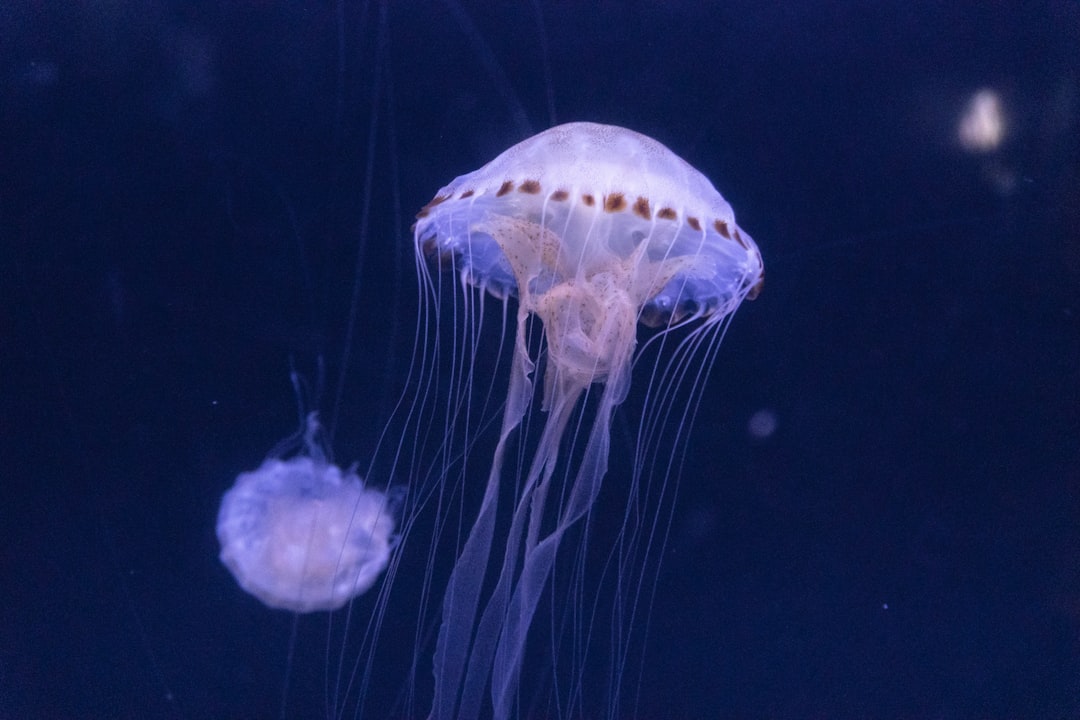
The Turritopsis dohrnii, known as the “immortal jellyfish,” can revert to its juvenile form after reaching maturity. This cycle of regression and regeneration allows it to essentially live indefinitely under the right conditions. While most animals have a defined life span, this jellyfish defies the natural order.
Scientists are fascinated by this regenerative process, which resembles a biological fountain of youth. The mechanism behind this transformation remains largely a mystery, leaving researchers puzzled. This creature essentially cheats death by starting its life cycle over again, a biological capability that challenges our understanding of aging and mortality.
Cows Aligning with Earth’s Magnetic Field
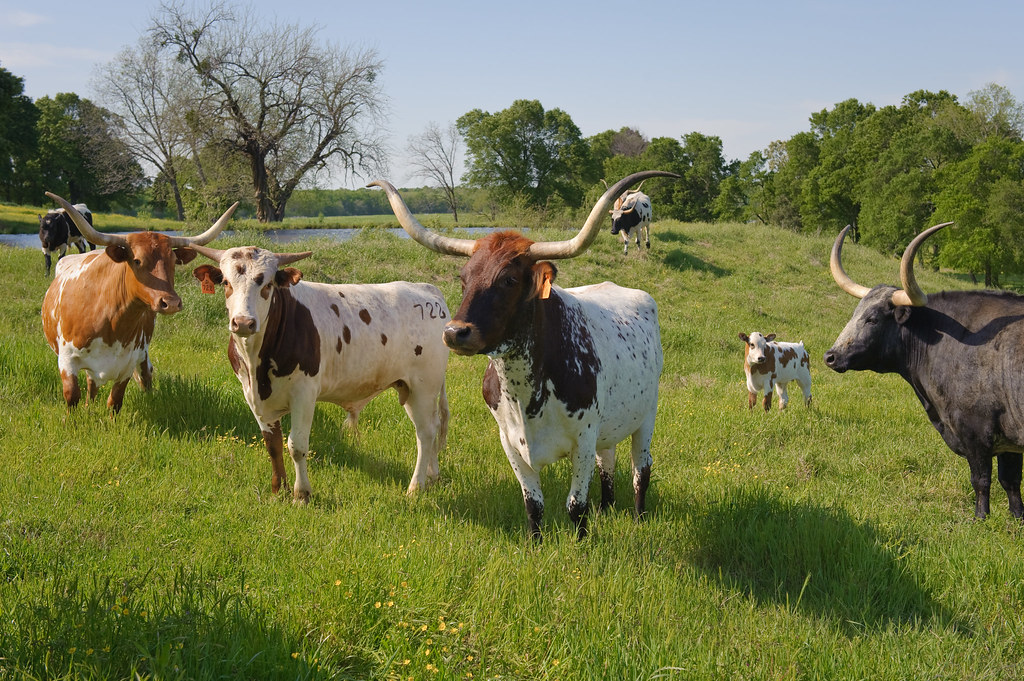
Cows possess an uncanny alignment with Earth’s magnetic field, a behavior that has baffled scientists. Observations reveal that cows tend to face north or south while grazing or resting, a mysterious preference that defies explanation. This behavior is seen worldwide, regardless of environmental factors.
The mechanism behind this alignment is still unknown, with researchers exploring possible magnetic sensitivity similar to that seen in migratory birds. Understanding this behavior could offer insights into magnetic perception across different species. Despite technological advancements, the reasons for this alignment remain speculative, inviting further scientific inquiry.
Conclusion
These ten examples represent just the tip of the iceberg when it comes to animal behaviors that continue to mystify scientists. Each discovery forces us to expand our definition of intelligence and reconsider the cognitive capabilities of creatures we once thought were driven purely by instinct. From octopuses that plan for the future to jellyfish that reverse aging, the animal kingdom constantly surprises us with solutions that seem almost magical in their ingenuity.
What’s truly remarkable is that these behaviors emerge from neural systems that evolved completely independently from our own, suggesting that intelligence and problem-solving abilities are far more diverse and widespread than we ever imagined. As technology advances and our methods of studying animal behavior become more sophisticated, we’re likely to discover even more extraordinary examples of animal intelligence that will continue to challenge and inspire us.
What do you think about these incredible displays of animal intelligence? Tell us in the comments.

- The Pet That Fits Your Travel Bucket List Style - August 6, 2026
- Dog Lost in Woods is Found By Person Whom She Trusted the Most - August 6, 2026
- A Tiny Californian Garden Was Named the Most Beautiful in the World - August 6, 2026