
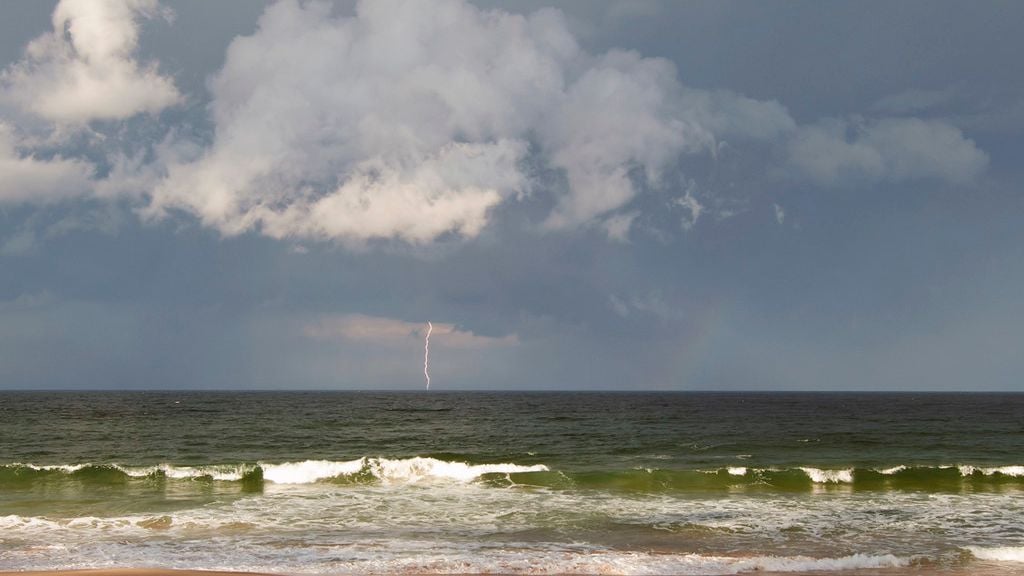
Picture the dramatic scene: a violent thunderstorm rages across the ocean, with crackling bolts of lightning illuminating the dark sky before striking the churning waters below. You might wonder what happens to the countless fish swimming beneath the surface when nature unleashes this tremendous electrical force. The answer reveals fascinating scientific principles that protect marine life in ways you might never expect.
While it seems logical that lightning striking water would electrocute everything swimming in it, the reality is far more complex and surprisingly reassuring for ocean dwellers. The interaction between electricity, saltwater, and marine biology creates a natural protection system that has kept fish populations thriving for millions of years, even through the most violent storms.
Lightning Rarely Strikes the Ocean in the First Place
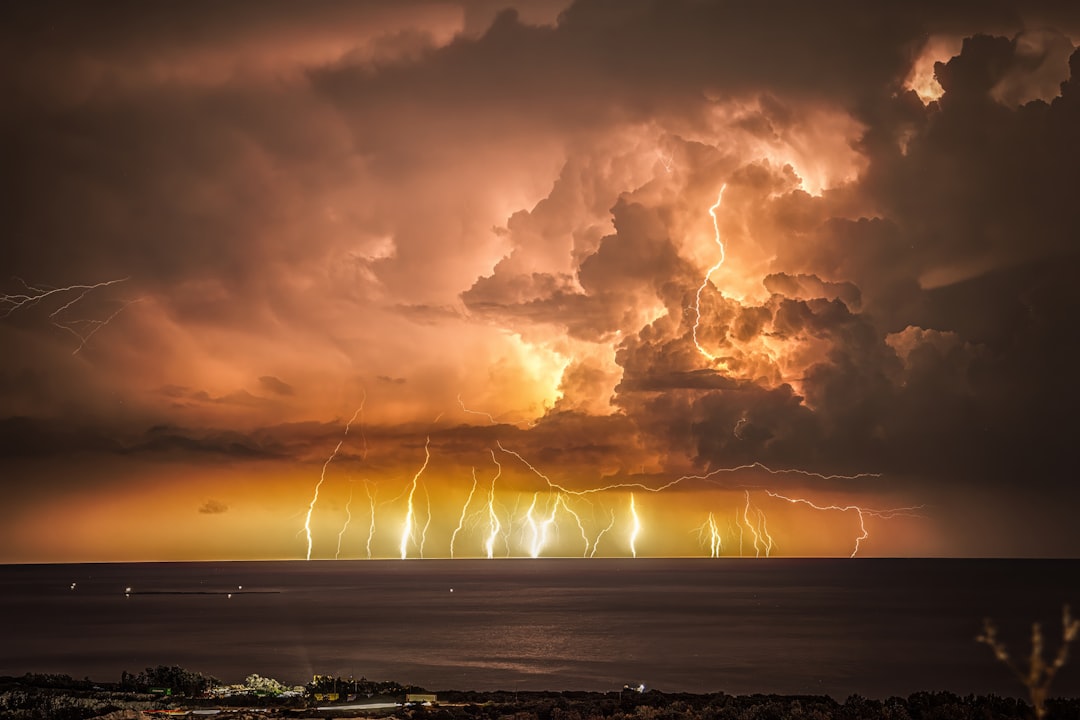
The first line of defense for fish is statistical probability. In 2014, the Journal of Geophysical Research published a map that amassed five years of global lightning-strike data from two weather satellites. It showed that lightning strikes over land 10 times more often than it does over oceans. This dramatic difference occurs because of fundamental physics.
According to the NASA Earth Observatory, this makes sense because of the way lightning forms. Solid earth absorbs sunlight and heats up faster than water does. That heat causes more convection and instability in the atmosphere, which in turn causes more lightning-producing storms to form. The ocean’s thermal stability makes it an unlikely target for lightning strikes compared to land masses.
Saltwater Creates a Natural Electric Shield
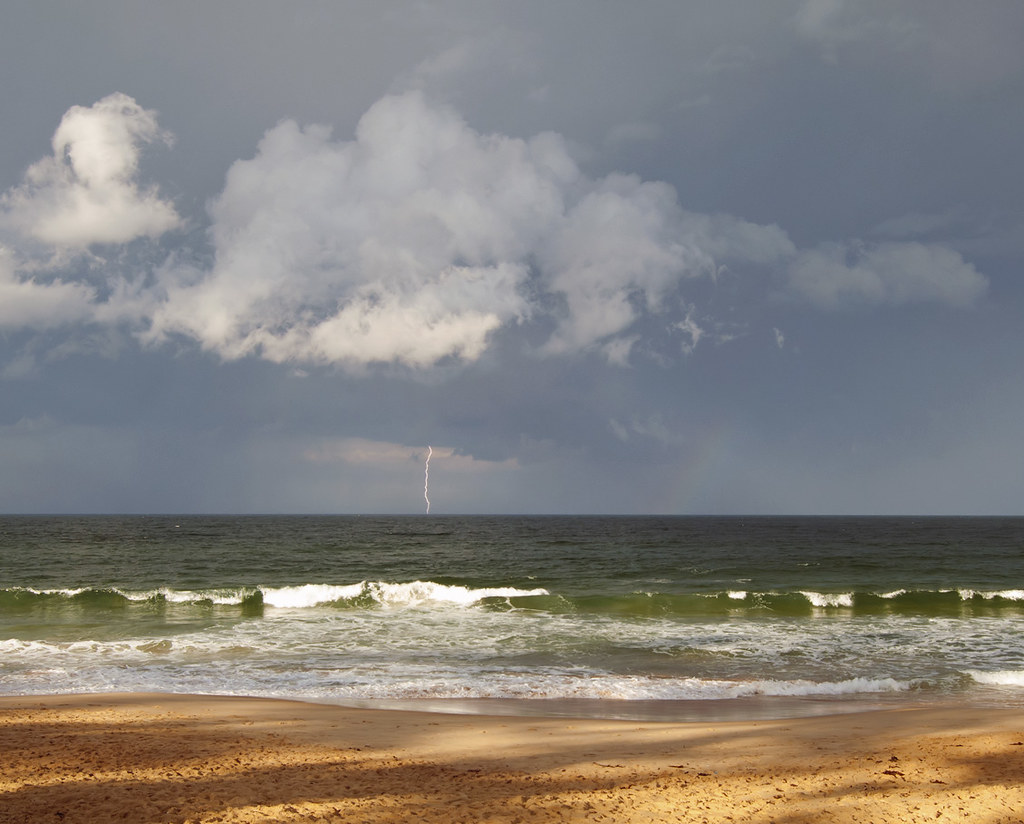
When lightning hits the ocean, the electrical energy spreads rapidly across the surface, not deep into the water. Salt water’s high conductivity allows the current to disperse quickly and horizontally in all directions, limiting its penetration depth. Think of it like dropping a pebble in a pond – the energy radiates outward rather than diving straight down.
Rather than creating an direct narrow, path concentrating the “punch”, the charge from the lightning strike spreads out sideways and downwards in an expanding half sphere from the surface. This dispersal pattern means the electrical energy becomes progressively weaker as it moves away from the strike point, creating zones of safety just below the surface.
The Skin Effect Protects Deeper Waters
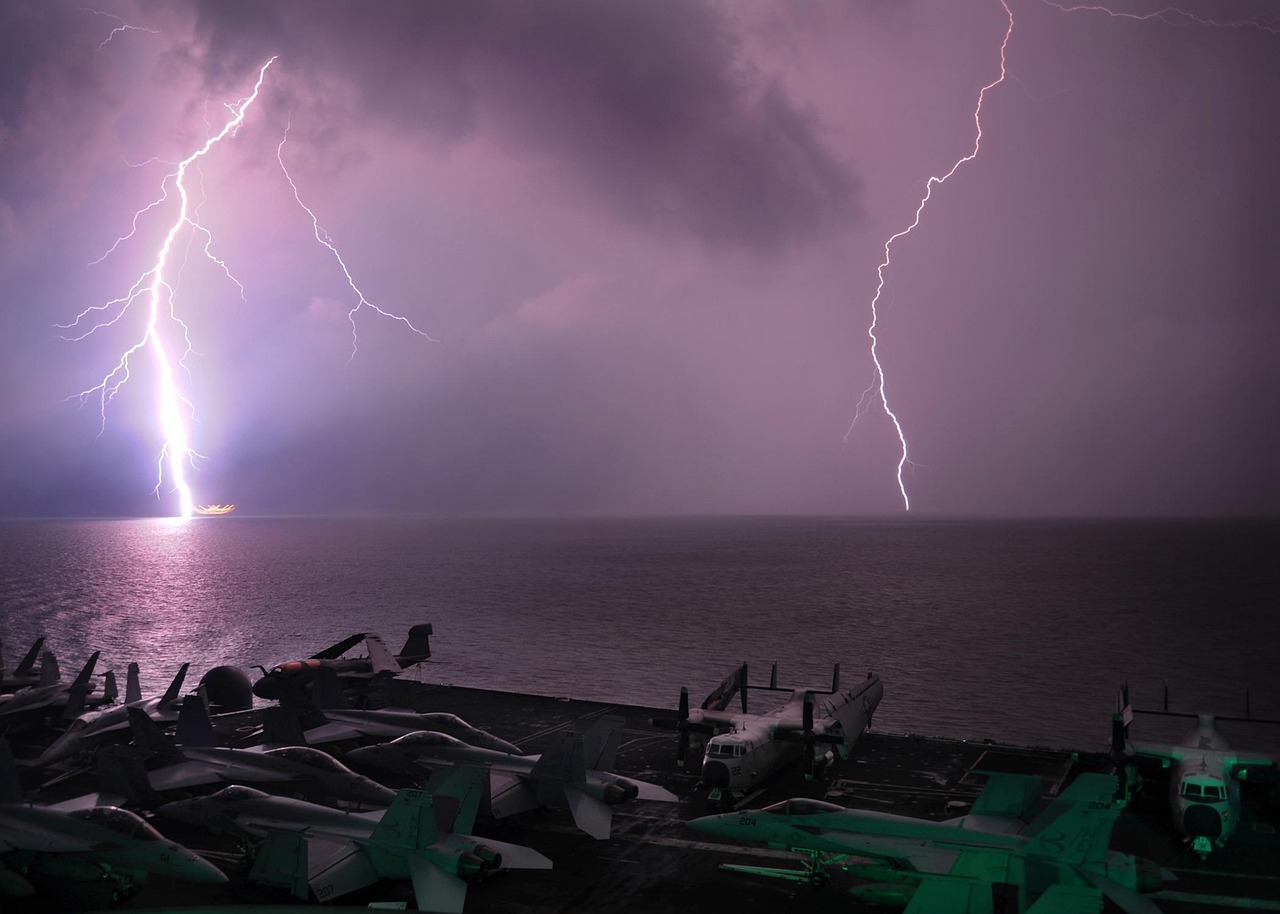
The primary reason for this is the skin effect. This phenomenon causes electrical current to travel primarily along the surface of a conductor, in this case, the saltwater. This scientific principle explains why most marine life remains unharmed during lightning strikes.
Sea water is not a good conductor for fast changing electric discharges, so most of the energy will be deposited near the surface. The rapid nature of lightning discharge means it doesn’t have time to penetrate deeply into the water column. As the current disperses, it loses intensity, making deeper waters safer. Studies suggest that fish swimming as little as one meter below the surface can avoid most of the electrical effects.
Fish Have Natural Protective Behaviors and Biology
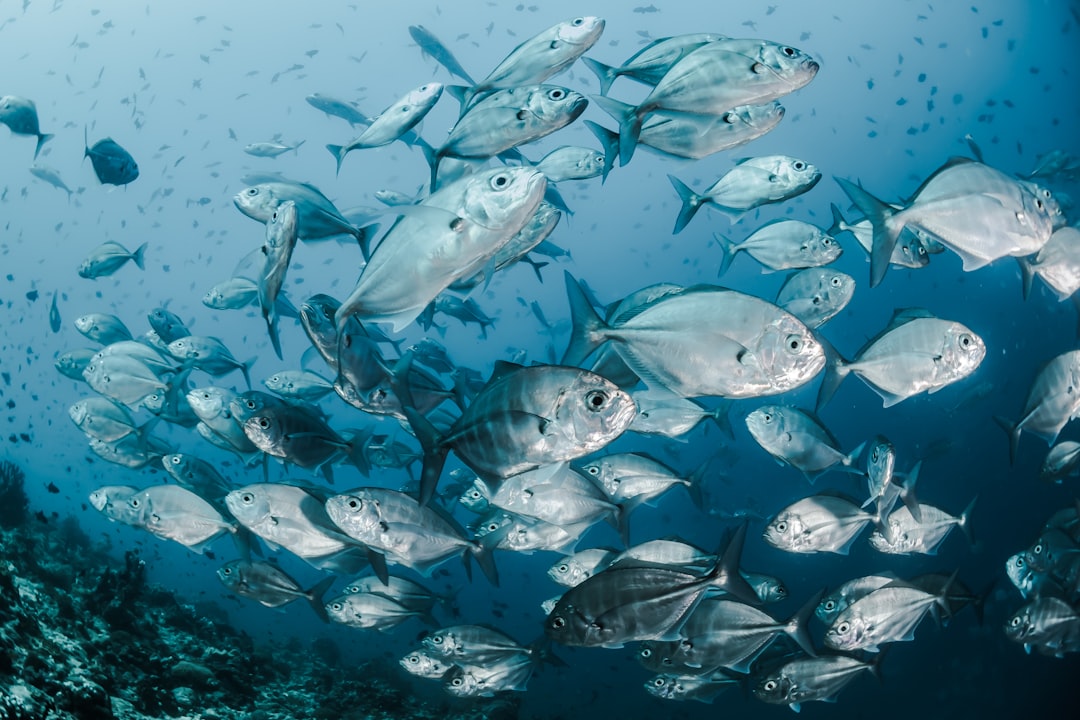
Most fish swim below the surface and are unaffected. Their natural habitat provides them with built-in protection from electrical storms. Fish don’t need to surface for air like marine mammals do, which keeps them in the safer depths during storms.
Fish possess a unique biological makeup that helps them withstand electrical currents. Fish bodies contain fluids that are conductive, but their overall structure offers some resistance. Larger fish and those with a higher fat content tend to have greater resistance, offering them additional protection against electric shocks. Some species even exhibit behavioral adaptations, diving deeper during electrical storms and forming protective schools.
Surface Fish Face the Greatest Risk

While most fish remain safe, those near the surface face genuine danger. Any fish within a few meters of the strike area would probably be killed but beyond that they would probably just feel a tingle. The risk is highly localized to the immediate strike zone.
It can hit boats that are nearby, and electrocute fish that are near the surface. However, there have been cases where people have observed lightning strikes and then seen dead fish floating on the surface. So I think they can be but it’s not something that is a huge problem because it’s not like it’s going to radiate across the whole earth. These isolated incidents remain statistically insignificant compared to overall fish populations.
Marine Mammals Face Different Challenges

Whales, dolphins, and other marine mammals present a more complex case since they must surface to breathe. So if fish are saved because they generally hang around a bit deeper than the surface of the sea, what happens to animals like whales and dolphins who are on the surface a lot and have a large surface area when lightning strikes? Well, we searched and could not find any direct evidence of this happening in the past. Although biologists agree that it is entirely possible that marine mammals do get killed by lightning.
A whale is covered in a layer of conductive salt water so the lightning current will spread out over a large area and so not burn their skin. Although lightning strikes can occasionally affect marine mammals like whales, the conductive salt water helps disperse the current, reducing the likelihood of severe injury. The mathematical probability of such strikes remains extremely low given the vast ocean surface area.
Electromagnetic Effects and Chemical Changes
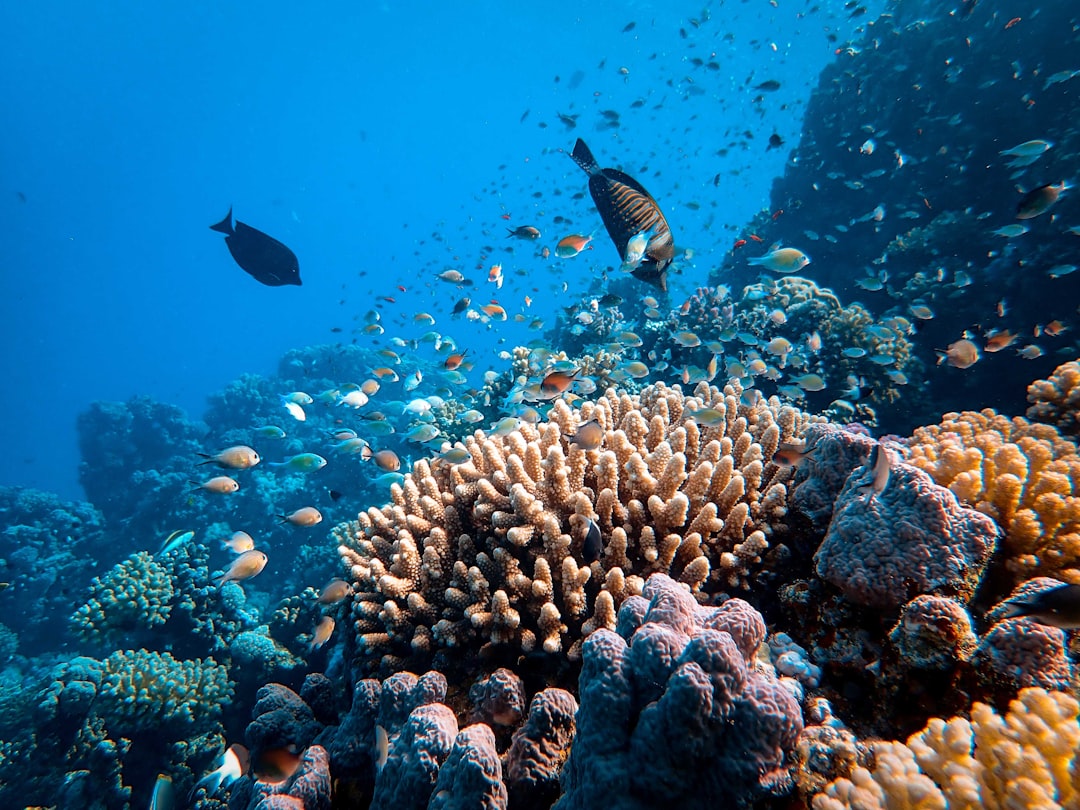
The moment lightning makes contact with the ocean surface, a tremendous amount of energy – often billions of joules – is discharged in a fraction of a second. This creates a narrow channel of intensely heated water, instantly reaching temperatures exceeding 50,000 degrees Fahrenheit (27,760 degrees Celsius), several times hotter than the surface of the sun. This extreme heat instantly vaporizes a small amount of water, creating a localized plasma, a state of matter so energized that electrons are stripped from atoms.
While the visible effects of lightning striking the ocean are brief, some subtle and less apparent changes occur. The discharge generates a strong electromagnetic pulse (EMP) that propagates through the water and into the atmosphere. These electromagnetic effects can impact nearby electronics and create temporary disruptions in the local marine environment, though they quickly dissipate.
Conclusion
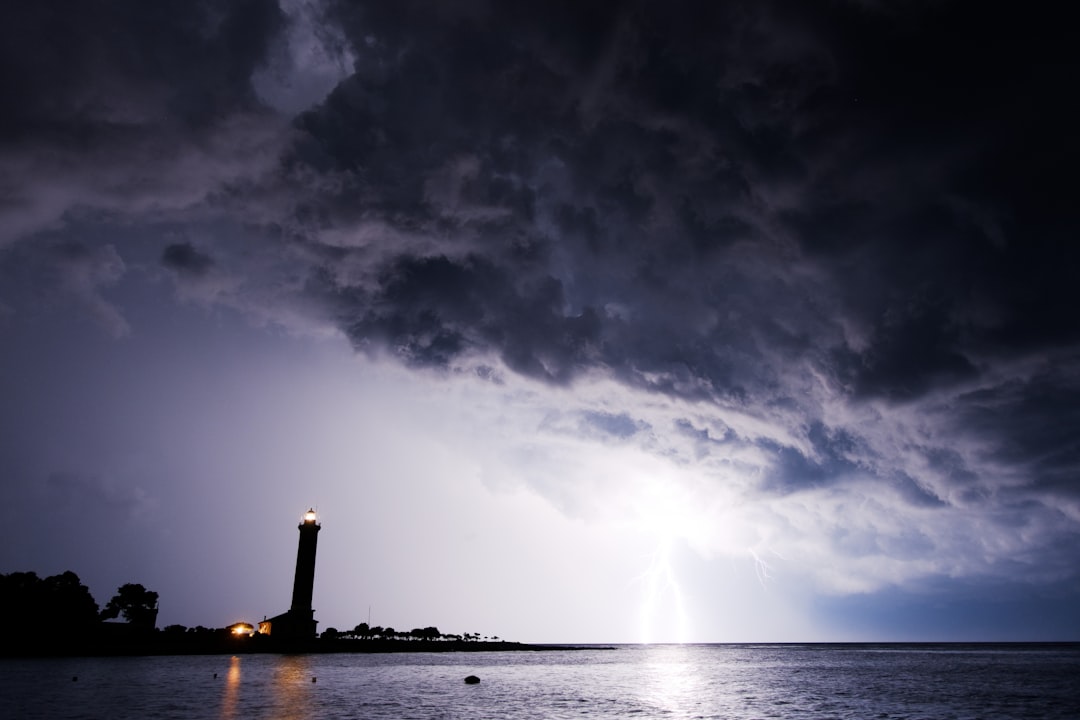
The next time you watch a thunderstorm rage over the ocean, you can appreciate the elegant physics that protects marine life from nature’s electrical fury. The combination of lightning’s preference for land, saltwater’s conductive properties, the skin effect, and fish behavior creates multiple layers of protection that have preserved ocean ecosystems for countless generations.
While isolated fish near the surface might occasionally become casualties, the vast majority of marine life remains safely insulated in the deeper waters. What seemed like a potential aquatic catastrophe turns out to be a remarkable example of how natural systems provide built-in safeguards. What do you think about this fascinating interplay between physics and marine biology? Tell us in the comments.
