
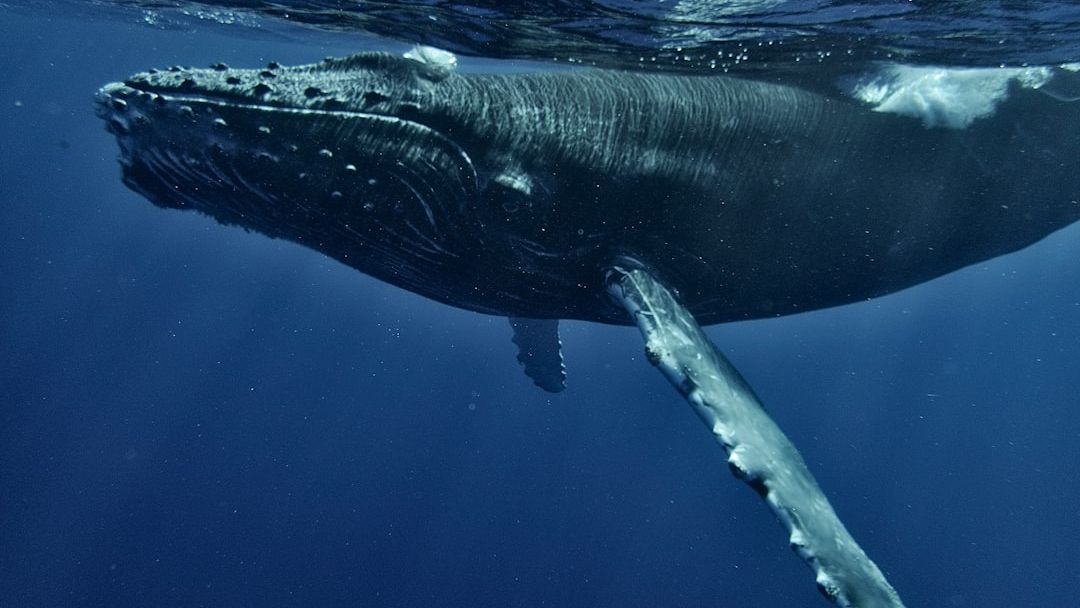
Picture this: miles beneath the ocean surface, molten rock bursts forth from the seafloor in a display of raw geological power. Meanwhile, far above in the sunlit waters, whales go about their daily business of feeding, communicating, and navigating vast oceanic highways. Most people never consider how these two worlds might collide, yet the connections run deeper than you’d imagine.
Roughly three-quarters of all volcanic activity on Earth occurs as deep underwater eruptions, making submarine volcanism far more common than the dramatic land-based eruptions we typically picture. When these underwater giants awaken, they don’t just reshape the ocean floor – they send ripples of change through the entire marine ecosystem above. From the smallest plankton to the largest whales, life in the ocean feels the impact in ways both immediate and lasting.
The Hidden Violence of Underwater Eruptions
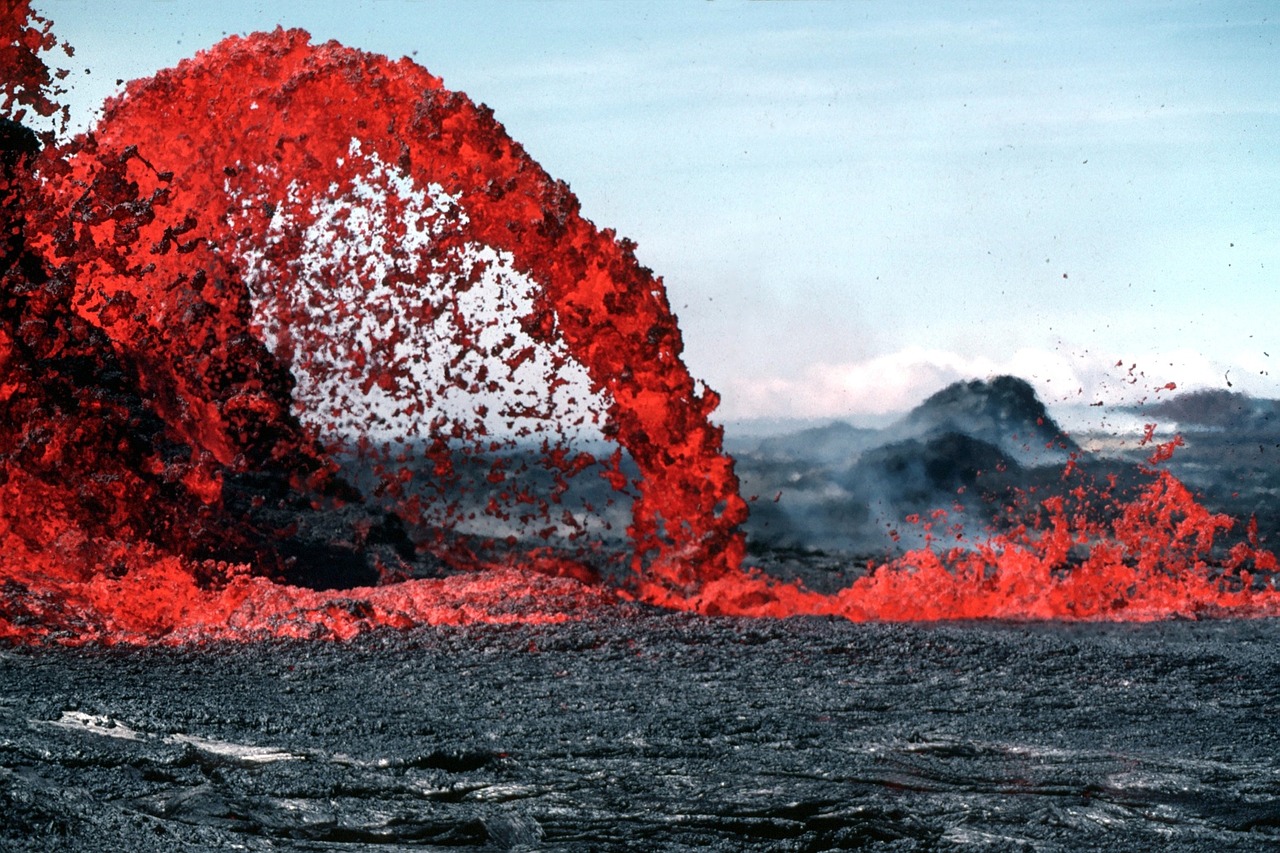
Most underwater volcano eruptions are caused by tectonic plate movement prompting an earthquake on the seafloor. These eruptions can last anywhere from a couple of minutes to several hours and contain a combination of lava and gas. Unlike their explosive land-based cousins, underwater volcanoes are typically less explosive due to high water pressure, with magma that cools quickly thanks to surrounding water.
The moment an underwater volcano erupts, it creates a cascade of changes that whales cannot ignore. When they erupt, they can release toxic gases and heat that can impact marine life. The eruption sends plumes of superheated water, ash, and volcanic gases racing toward the surface, creating a toxic cocktail that transforms the underwater environment in minutes.
When Sound Becomes the Enemy
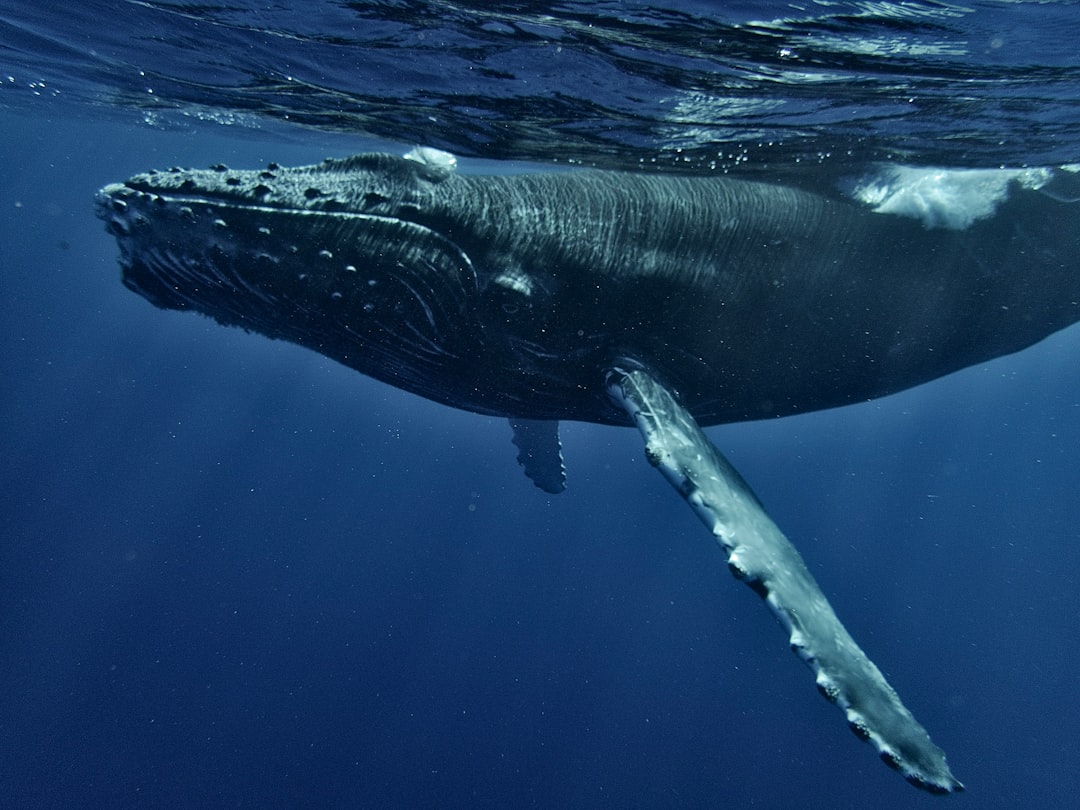
There are two types of sound generated by submarine eruptions: One created by the slow release and bursting of large lava bubbles, while quick explosions of gas bubbles create the other one. For whales, who live in a world dominated by sound, these eruptions represent an acoustic nightmare.
Marine mammals, including whales, use underwater sound as their primary way to communicate and assess their environment. Sound is critical for communication, and important for navigation, finding food, and avoiding predators. Volcanic eruptions shatter this carefully tuned acoustic landscape with sounds that can travel for thousands of kilometers underwater.
The immediate impact on whale behavior can be profound. Observers from ships detected drastic changes in whale behavior in the immediate area. For days, their songs were barely heard in waters where they were usually abundant following volcanic eruptions.
Chemical Chaos in the Water Column
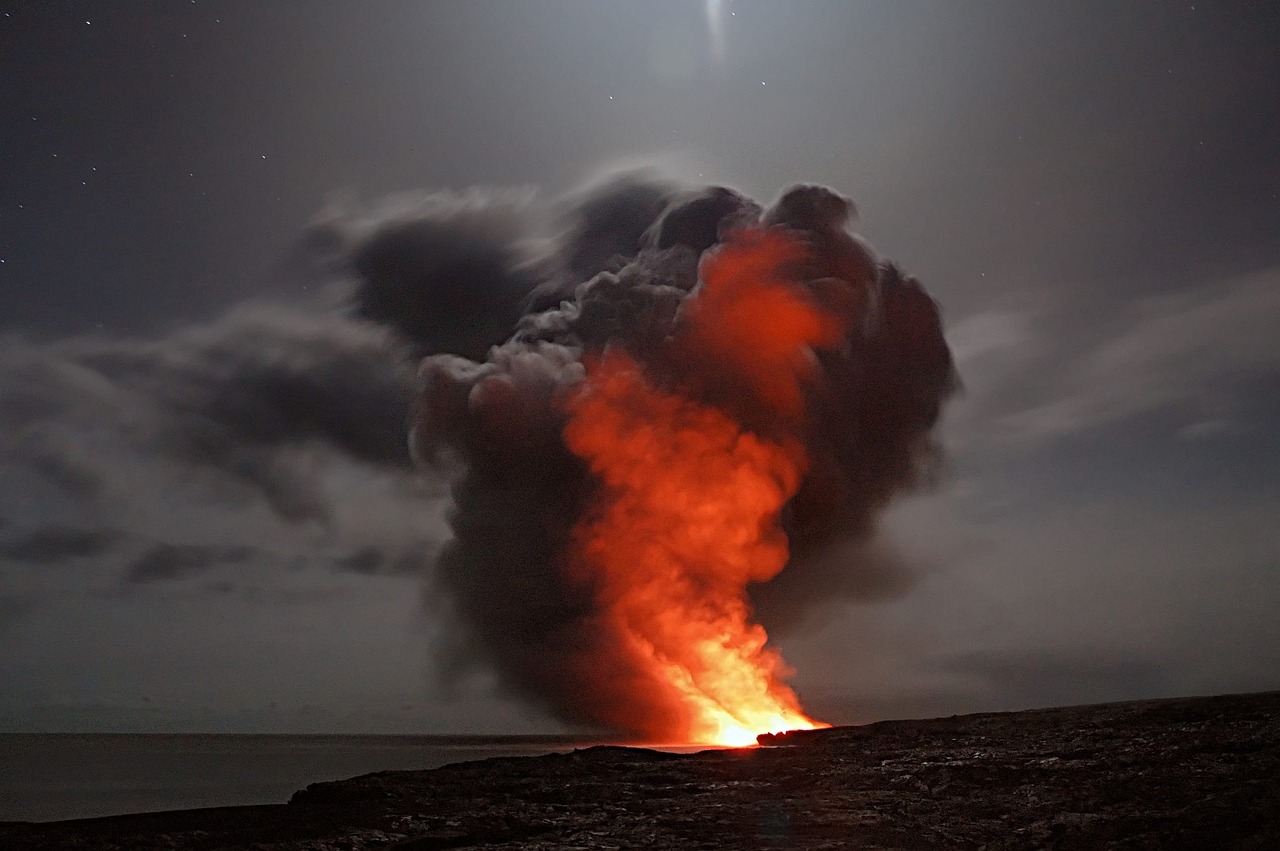
Underwater volcanic eruptions don’t just make noise – they fundamentally alter the chemistry of seawater in ways that spell trouble for marine life. Temperature rise: Boiling lava plumes can heat water and affect marine life. Oxygen depletion: The release of gases such as sulfur dioxide can decrease oxygen levels. Acidification: Volcanic substances can alter the pH of the water and affect aquatic fauna.
Lava flows entering the ocean create new land but also generate acidic plumes and superheated water that can be lethal to marine life. The 2018 Kilauea eruption in Hawaii created a toxic lava haze when lava met seawater, containing hydrochloric acid and volcanic glass particles that endangered marine organisms. Whales swimming through these contaminated waters face chemical burns, respiratory distress, and poisoning from the toxic soup.
The Deadly Domino Effect on Marine Food Webs
When volcanic eruptions poison the base of the marine food web, the effects ripple upward with devastating efficiency. The underwater volcanic eruption had two consequences: first, nutrients were released, which allowed mass feeding and growth of plants and animals. When these organisms died, their decomposition and fall towards the sea floor caused further oxygen depletion.
Additionally, underwater eruptions can cause toxic algal blooms when nutrient-rich materials are suddenly introduced into marine environments. These blooms deplete oxygen and can produce neurotoxins that accumulate in the food chain, affecting species from small fish to large marine mammals like dolphins and whales that feed in the area. The result is a marine ecosystem where the very act of feeding becomes potentially lethal.
Military sonar can reach volumes of up to 235 decibels, while seismic air guns can reach up to 260 decibels. At this level, the force of the vibrations is enough to kill zooplankton, with the number of dead plankton tripling within the surrounding kilometre of ocean. Volcanic eruptions can generate similar acoustic violence, decimating the tiny organisms that form the foundation of whale diets.
Flight Response: When Giants Must Flee
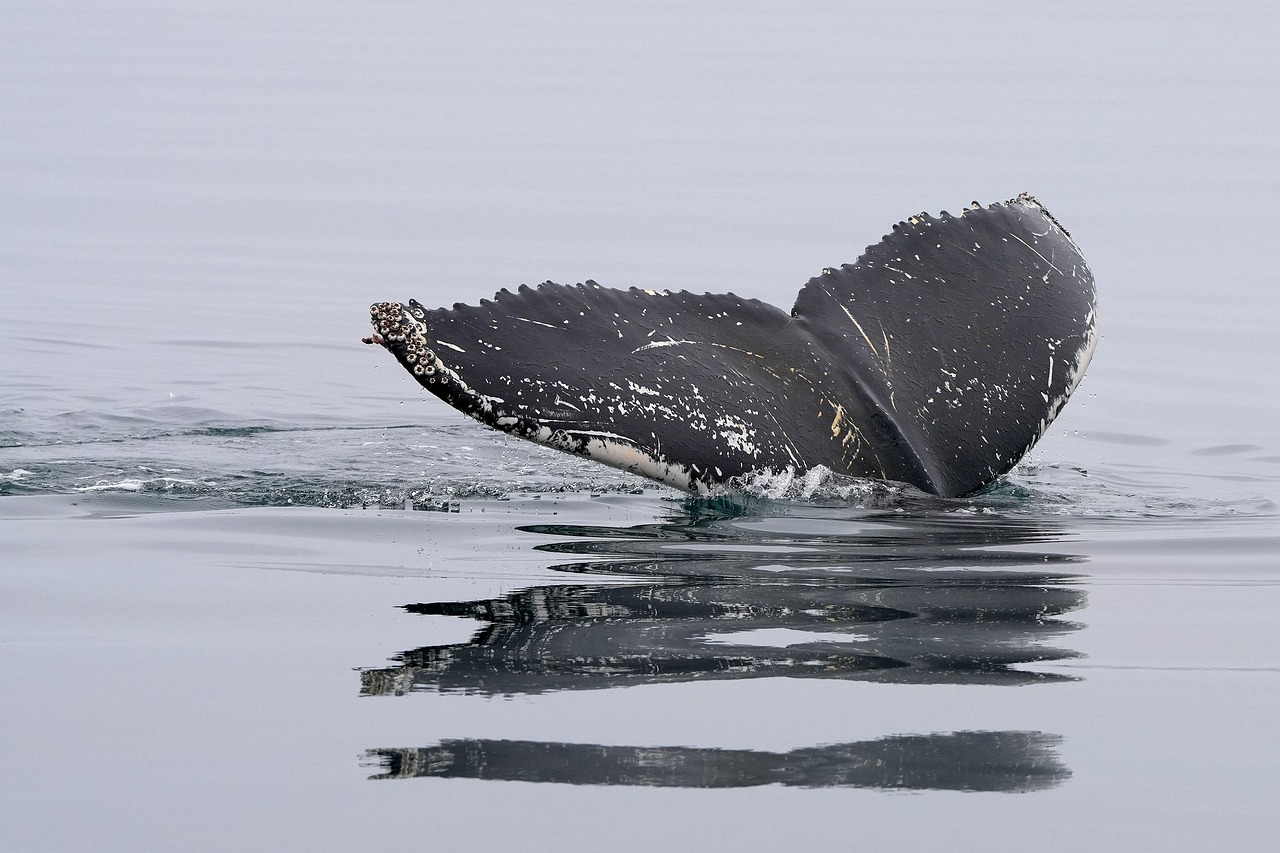
These changes may cause whales to leave their usual routes and look for more stable waters. The flight response of whales to volcanic activity represents one of nature’s most dramatic evacuations, as animals weighing dozens of tons suddenly abandon feeding grounds they may have used for generations.
Some researchers believe that whales detect changes in its environment before an eruption. This is due to their keen sense of hearing and ability to perceive vibrations. Increased seismic activity: Whales may be able to sense small tremors prior to the eruption. Their sensitive acoustic systems, evolved over millions of years, can detect the subtle warning signs that precede major eruptions.
This early warning system, however, comes at a cost. A recent study found that when narwhals exposed to seismic air guns, they immediately begin diving to escape from the noise. These high-intensity dives use much more energy than normal and put the marine mammals’ health at risk. The stress of constant vigilance and emergency evacuations takes a severe toll on whale populations.
Long-Term Habitat Destruction and Recovery
If the habitat of a whale population is severely affected, they may change their migration routes. This may cause them to seek out new breeding and feeding areas. Throughout history, there have been documented cases where a colony of whales did not return to their usual location after natural disasters. These permanent habitat changes can fragment populations and disrupt breeding cycles that have persisted for millennia.
The recovery process is painfully slow and uncertain. Most deep-sea animals have free-floating babies, which can drift through ocean currents for days or months before finding a place to settle down and grow. This means that nearby areas with similar communities can bring new life to sites hit the hardest by volcanic eruptions. In certain cases, ecosystems can recover in just a few years.
The Science of Underwater Destruction
Recent scientific advances have revealed the true scope of volcanic impacts on marine ecosystems. In April 2022, scientists aboard the research vessel Thomas G. Thompson saw the effects of a massive volcanic eruption just four months after it happened. In January 2022, a shallow-water volcano erupted near the small island nation of Tonga. The volcanic boom was heard as far away as Canada and the ash cloud rose 36 miles into the atmosphere.
The devastation at the Lau Basin was not only caused by ash, but also by underwater landslides. Like an avalanche off a mountain, the Hunga eruption loosened over 10 billion tons of sediment from the side of the volcano, which slid down into the nearby Lau Basin. These secondary effects can be even more devastating than the initial eruption, burying entire ecosystems under tons of sediment.
Using a suite of instruments connected to the cable, which continuously stream data in real time, scientists are listening in on the sounds of submarine volcanism, which accounts for 75 to 80 percent of all volcanism on Earth. This technological revolution is finally allowing researchers to study these hidden catastrophes in real-time.
Conclusion: Invisible Connections in a Blue World
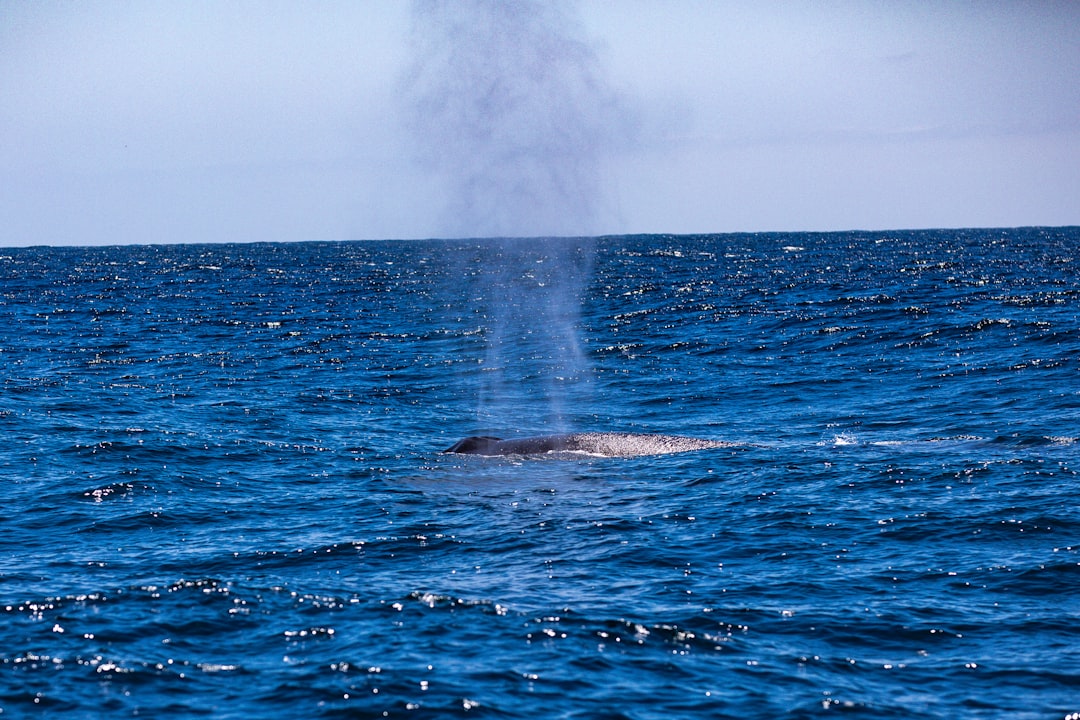
The relationship between underwater volcanoes and the whales above reveals nature’s interconnectedness in its most dramatic form. From acoustic disruption to chemical poisoning, from habitat destruction to food web collapse, the effects of submarine eruptions ripple through the marine ecosystem with consequences that can last for decades.
While whales have survived volcanic activity throughout their evolutionary history, the increasing frequency and intensity of human-caused ocean stressors may be pushing these marine giants beyond their adaptive limits. Understanding these hidden connections becomes crucial as we face an uncertain future for our ocean’s most magnificent residents.
What do you think about these invisible underwater dramas playing out beneath the waves? Tell us in the comments.
