
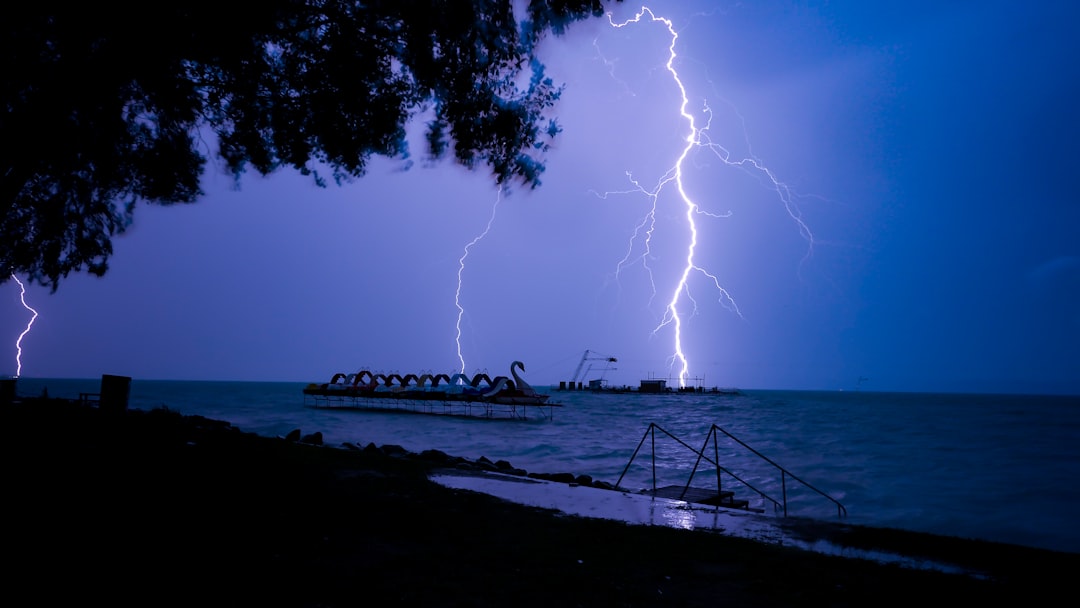
Picture this: dark storm clouds roll across the ocean, crackling with electricity while thousands of fish swim peacefully beneath the waves. When lightning finally strikes the water’s surface with devastating force, what becomes of those underwater creatures? The answer might surprise you more than you’d expect.
While lightning strikes on the ocean may seem unusual to observers on land, oceanic strikes are actually quite common globally due to the ocean’s vast surface area. Yet when these rare oceanic strikes do happen, they reveal fascinating physics at work beneath the surface.
The Ocean’s Natural Shield Effect
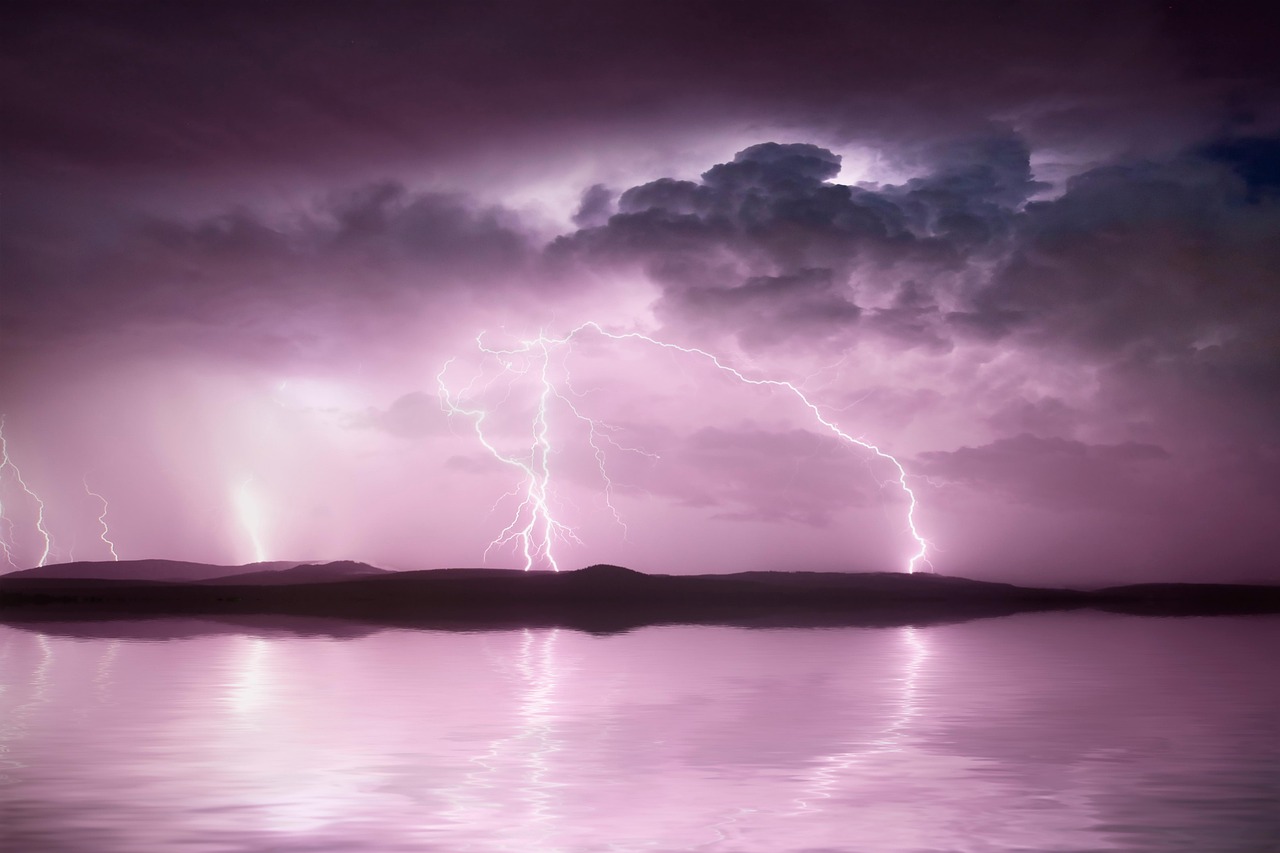
Water is a good conductor, so it encourages the electrical current to travel over its surface rather than delve underneath, the same way a Faraday cage protects its contents from harmful shocks. This natural protection system works remarkably well for underwater life.
Rather than creating a direct narrow path concentrating the electrical punch, the charge from the lightning strike spreads out sideways and downwards in an expanding half sphere from the surface. Think of it like dropping ink into water – the energy disperses rather than concentrating in one deadly beam.
Why Most Fish Stay Safe
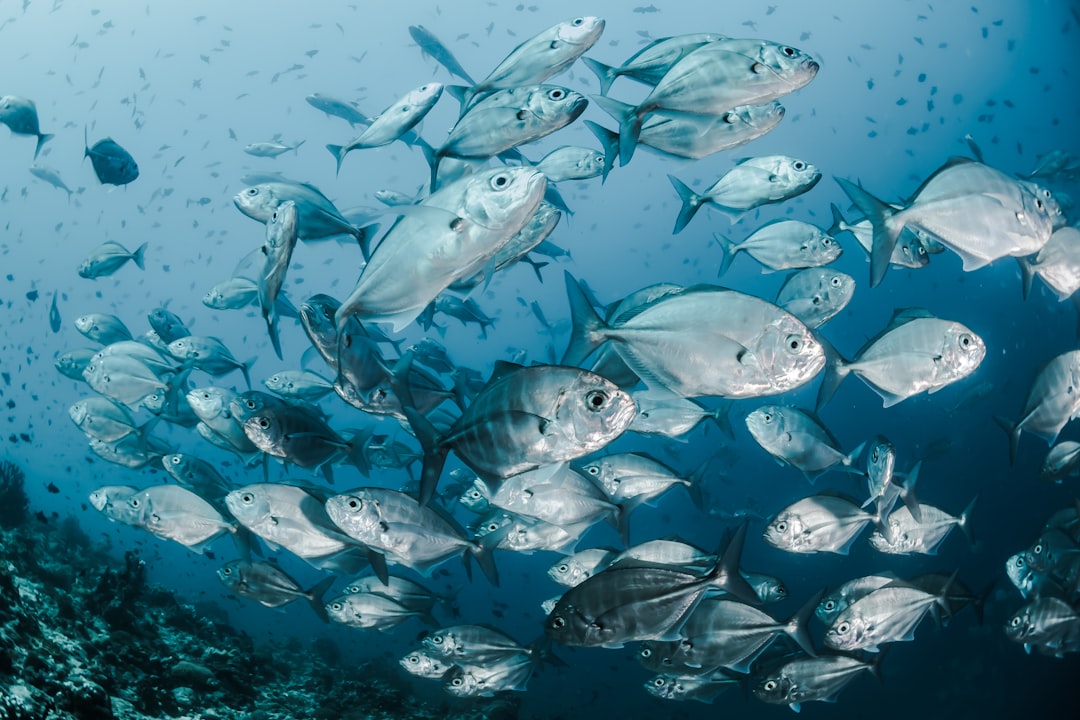
Most fish swim below the surface and are unaffected by lightning strikes. Fish also tend to be a bit deeper in the water and not at the surface where the current is concentrated, so the odds are well stacked in favor of the fish.
Studies suggest that fish swimming as little as one meter below the surface can avoid most of the electrical effects. The deeper they swim, the safer they become from the electrical discharge above.
The Dangerous Surface Zone
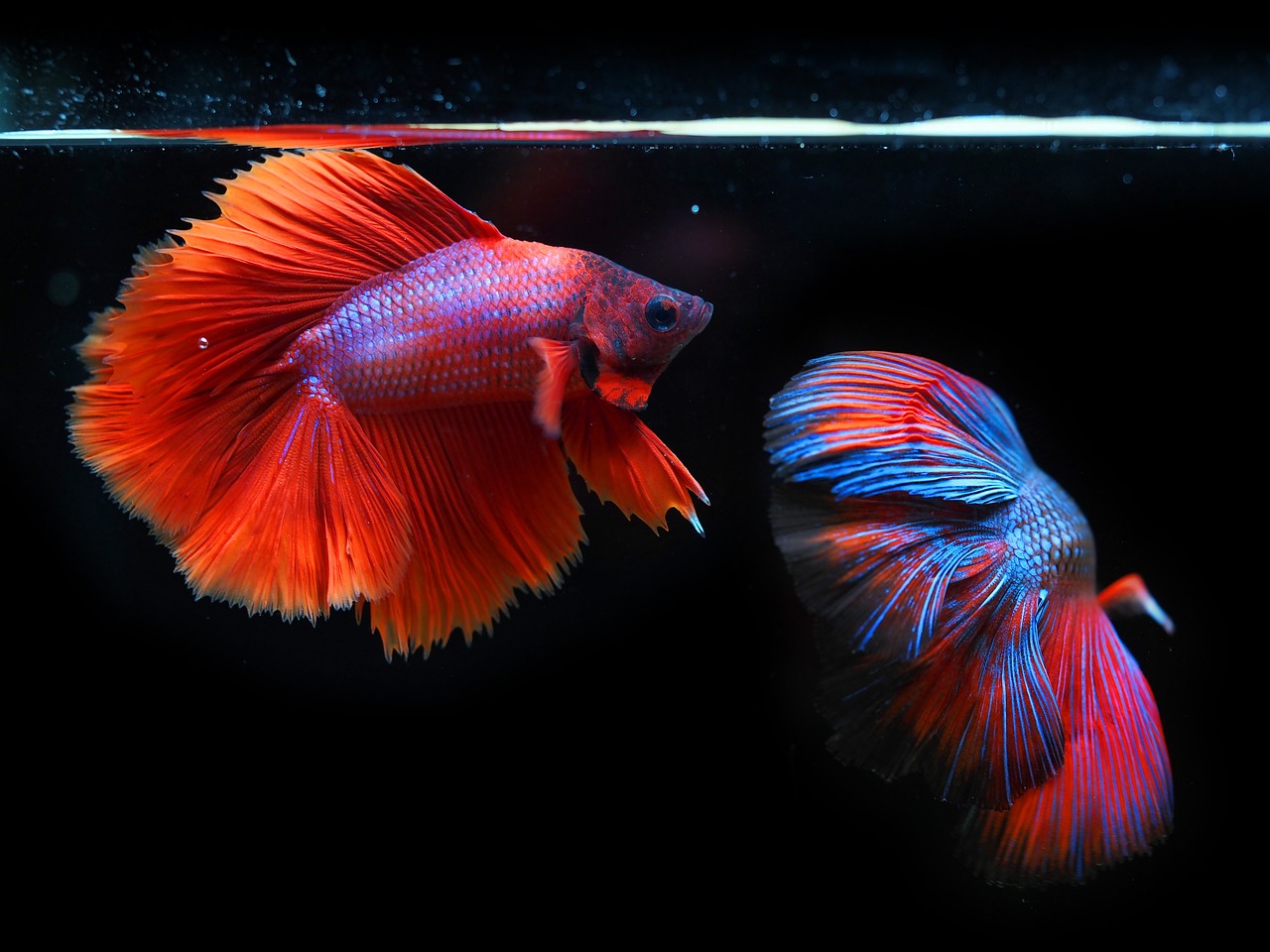
Any fish within a few meters of the strike area would probably be killed but beyond that they would probably just feel a tingle. If a fish surfaces at the wrong moment, it can certainly be hit by lightning.
The immediate strike zone creates a deadly radius, though it’s surprisingly small given lightning’s massive power. While fish swimming within a few metres of the surface might be harmed or killed, those deeper down are unlikely to be affected at all.
How Water Conducts Lightning Differently
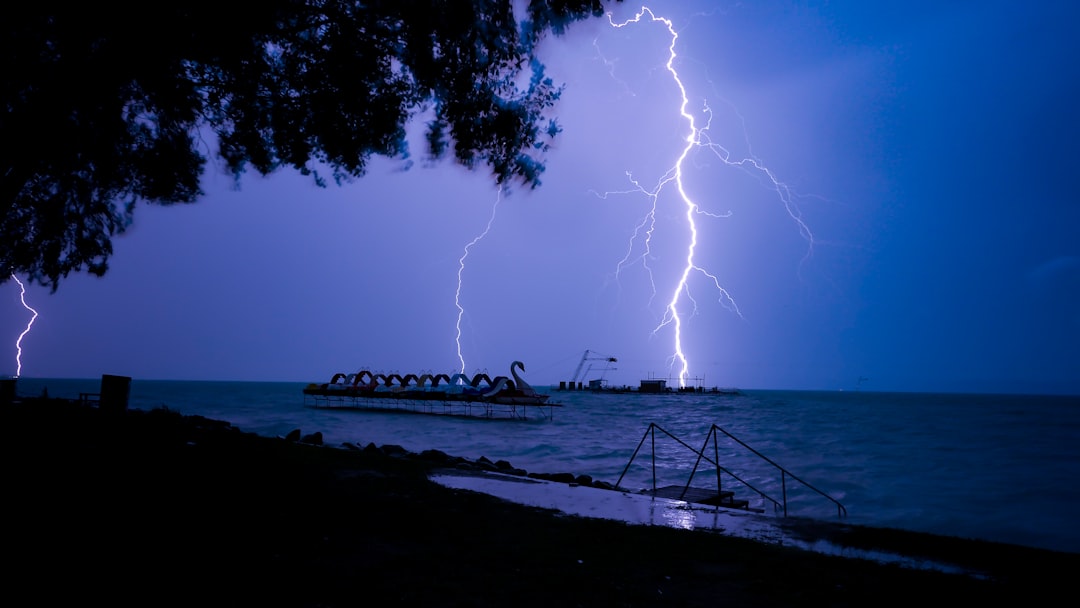
Salt water is an excellent conductor, and that conductivity comes from the ions formed when salt dissolves in water. Since the electricity from a lightning strike stays mostly at the surface, fish are relatively safe in the water during a thunderstorm with very little electricity, if any, traveling deep below the waves.
The physics here work against deep penetration. Lightning strikes in the sea create high current densities but the current spreads across the surface due to water’s high dielectric constant, resulting in lower current density in the water.
What About Marine Mammals?

Larger sea creatures face different risks than fish. Whales and seals will be struck sometimes, and it is possible that some will be killed. However, their size actually provides some protection.
A whale is covered in a layer of conductive salt water so the lightning current will spread out over a large area and so not burn their skin. Still, marine mammals that surface frequently during storms face genuine danger.
The Human Danger Factor

Humans face far greater risks than fish in these situations. Humans are in danger of electrocution, but believe it or not fish usually aren’t, with the reason having to do with how electricity travels when in contact with a good conductor.
We humans aren’t afforded the same safety as fish when it comes to swimming during a thunderstorm. As it’s likely we’ll be breaching the water’s surface, if lightning strikes, we’ll definitely feel it, with current from a lightning strike typically traveling within a radius of several meters to about 20 meters.
Fish Behavior During Storms
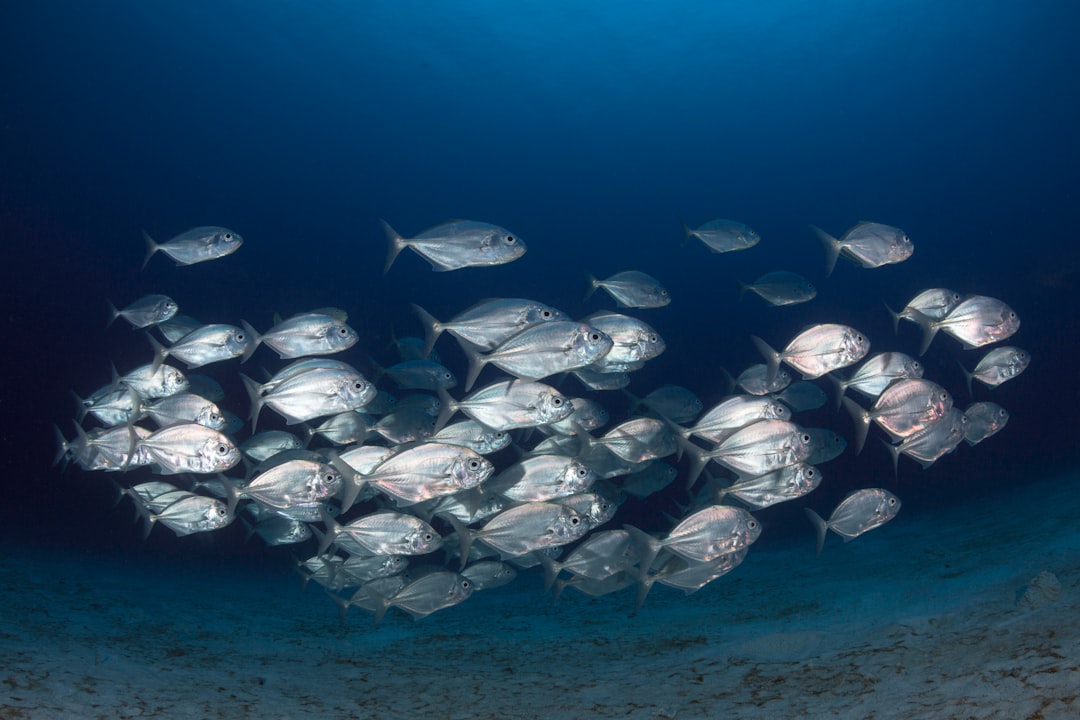
Many fish species have developed instinctive responses to electrical storms. Many fish may seek shelter during storms, often hiding amongst rocks and coral, though specific diving behavior in response to electrical activity varies by species, instinctively avoiding the surface where lightning strikes are most likely to occur.
Many fish use electric fields to navigate, communicate, and locate prey, and this adaptation may also help them sense and avoid electrical currents from lightning strikes. Evolution has equipped them well for these dangerous moments.
Nature has created an elegant survival system where fish benefit from both physics and instinct. The ocean acts as a massive conductor that spreads lightning’s energy across the surface while fish remain safely below in their natural habitat. Though surface fish may suffer casualties, the vast majority of marine life continues undisturbed by even the most powerful lightning strikes.
What do you think about nature’s ingenious protective mechanisms? Tell us in the comments.

- 12 Amazing Facts About Dolphins That Will Change Your Mind About Them - August 10, 2026
- 14 Little-Known Facts About America’s Most Culturally Significant Native Tribes - August 10, 2026
- 15 Fascinating Facts About Horses You Need to Know - August 10, 2026