
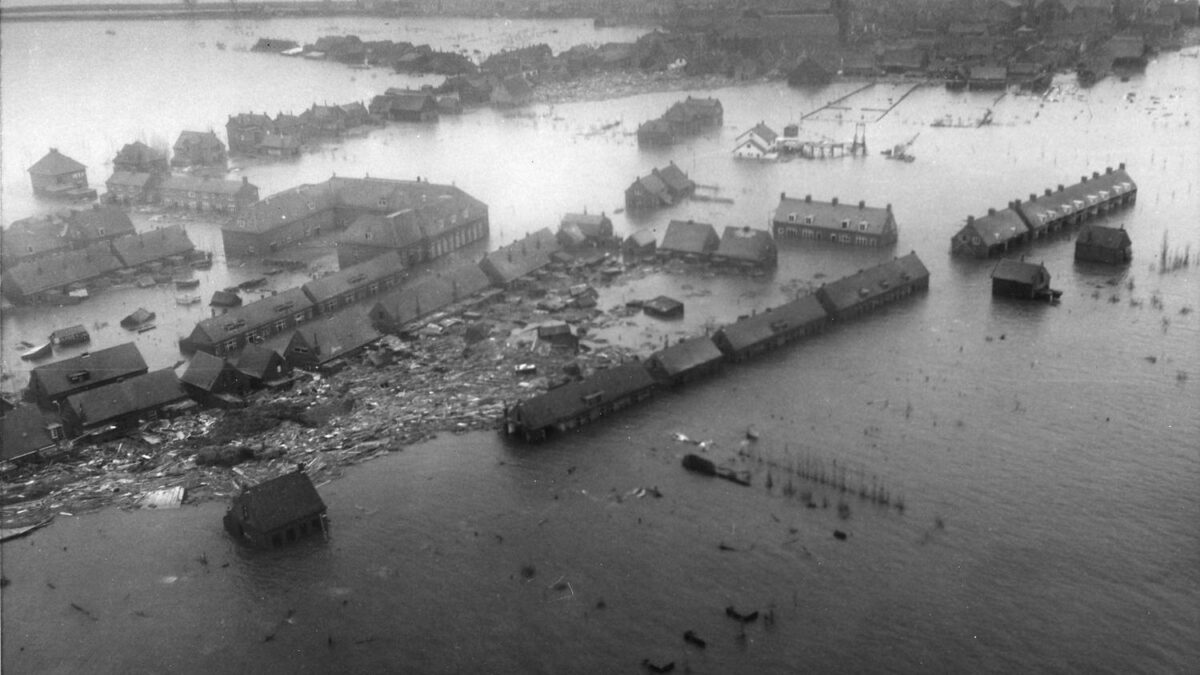
Water sustains life, yet it can also unleash unimaginable destruction. Throughout history, floods have reshaped landscapes, toppled civilizations, and claimed millions of lives. From China’s legendary sorrows to America’s greatest disasters, these catastrophic deluges reveal nature’s overwhelming power.
The stories we’re about to explore aren’t just statistics on a page. They represent human tragedy on a scale that’s difficult to comprehend, yet understanding them helps us grasp both the fury of water and our ongoing battle to tame it. So let’s dive into seven floods that changed the world forever.
1931 China Floods – The Ultimate Catastrophe
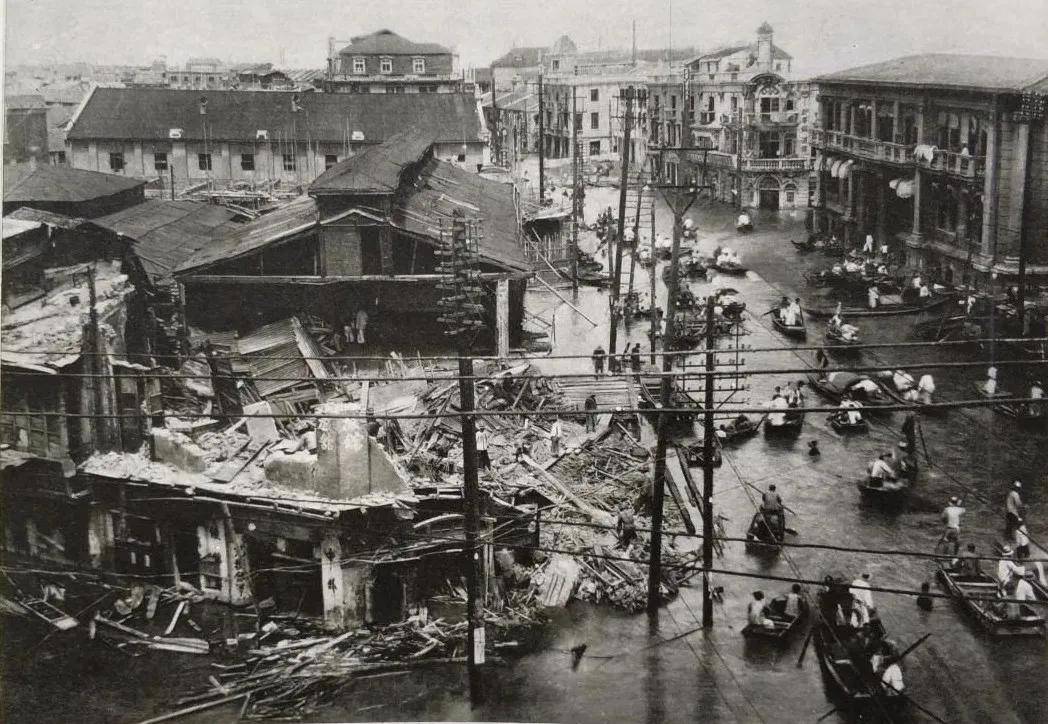
Nothing in recorded history compares to the sheer devastation of the 1931 China floods. Official reports found 140,000 people drowned, with estimates that 3.7 to 4 million died during the flood from drowning or starvation. Yet these numbers might drastically underestimate the true scale of horror.
The floods inundated approximately 180,000 square kilometres – an area equivalent to England and half of Scotland combined. The catastrophe began when three of China’s biggest rivers, the Yellow, Yangtze, and Huai, all flooded after the winter of 1930 experienced huge snowstorms, followed by extremely heavy spring rains. What made this flood particularly devastating was the convergence of multiple disasters into one apocalyptic event.
The 1887 Yellow River Disaster
The 1887 Yellow River flood killed at least 930,000 people and was the single deadliest flood in China. Known as China’s Sorrow due to its frequent and devastating floods, which leave behind a yellow residue from the silt carried in the river, this waterway had been a source of both life and death for centuries.
For many centuries, farmers had built dikes to contain the river, which flowed higher over time because of silt deposition on the riverbed. In 1887, this rising river, swollen by days of heavy rain, overcame the dikes around September 28. More than 50,000 square miles of land were covered, with water swallowing whole towns and leaving an estimated death toll of 900,000 to 2 million.
The 1938 Yellow River Flood – Warfare Weaponized Water
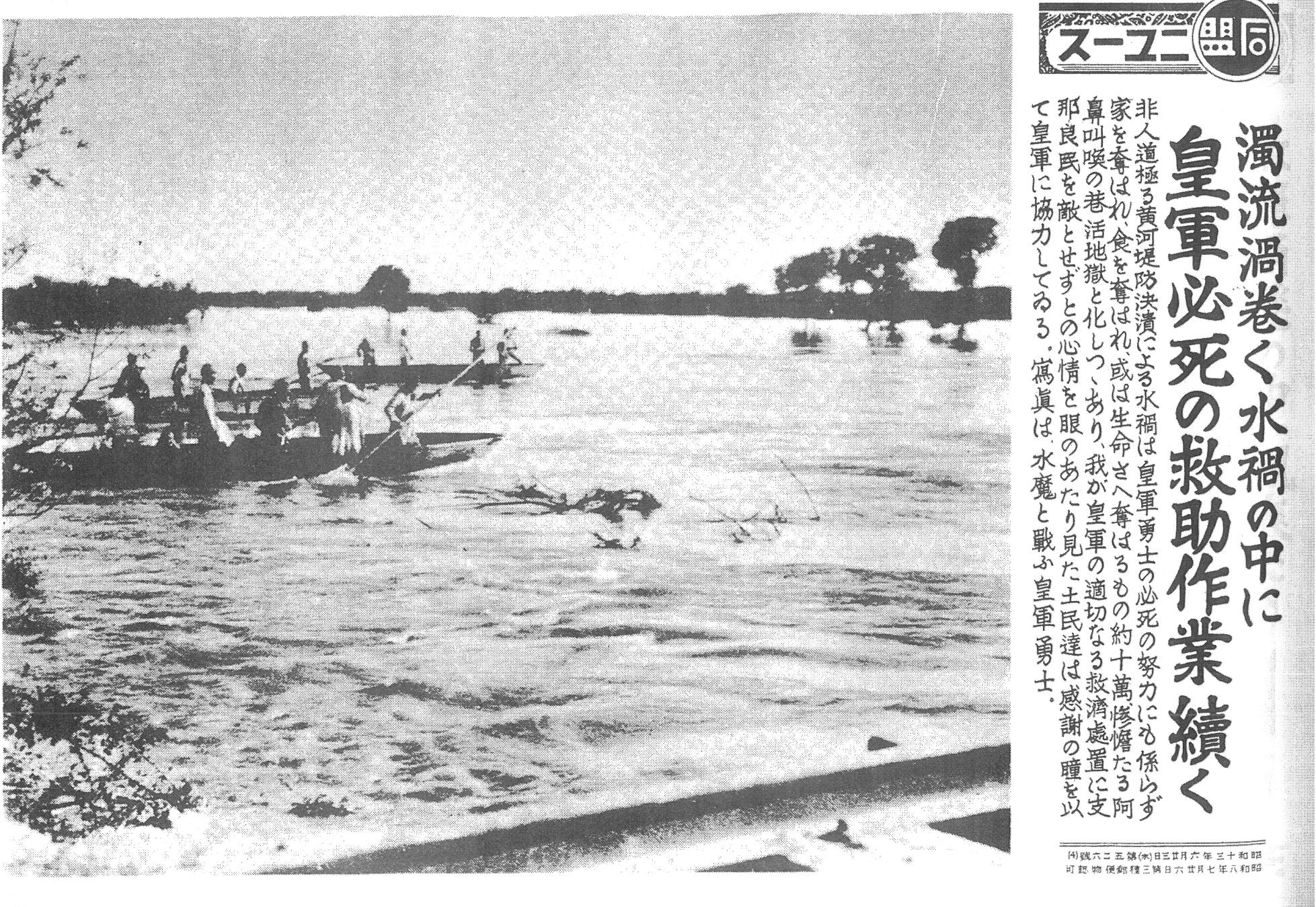
Sometimes humans deliberately unleash nature’s fury for strategic purposes. The 1938 Yellow River flood was a man-made disaster created to slow advancing Japanese troops during the Second Sino-Japanese War. Chinese Nationalist forces under Chiang Kai-shek destroyed dikes near Kaifeng to halt the Japanese advance.
This desperate military strategy came at an enormous human cost. An estimated 400,000 to 500,000 Chinese civilians drowned in the provinces of Henan, Anhui and Jiangsu, while additional hundreds of thousands more died from famine and plague. The flood created widespread destruction over 54,000 square miles. The tragic irony? Chinese citizens paid the ultimate price for a military tactic that only temporarily slowed the enemy.
The Great Mississippi River Flood of 1927
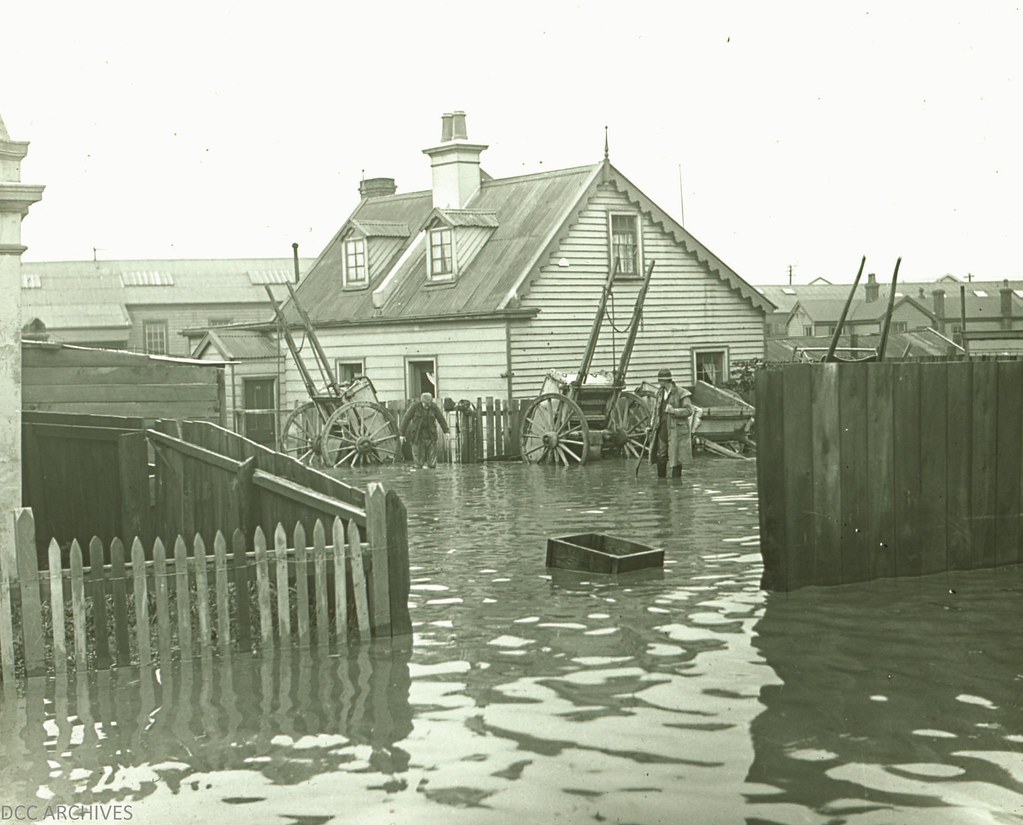
The Great Mississippi Flood of 1927 was the most destructive river flood in United States history, with 27,000 square miles inundated in depths up to 30 feet over several months. This wasn’t just another seasonal flood but a monster that fundamentally changed American society.
Following months of unrelenting rain, the lower Mississippi River overran its levee system. The resulting flood swamped 16 million acres across seven states from Cairo, Illinois, to New Orleans, creating a shallow sea over 75 miles wide in Arkansas, Mississippi and Louisiana. More than 700,000 people went homeless, 500 died, and over 200,000 African Americans lost their homes and joined the Great Migration.
The Johnstown Flood of 1889 – America’s Dam Disaster
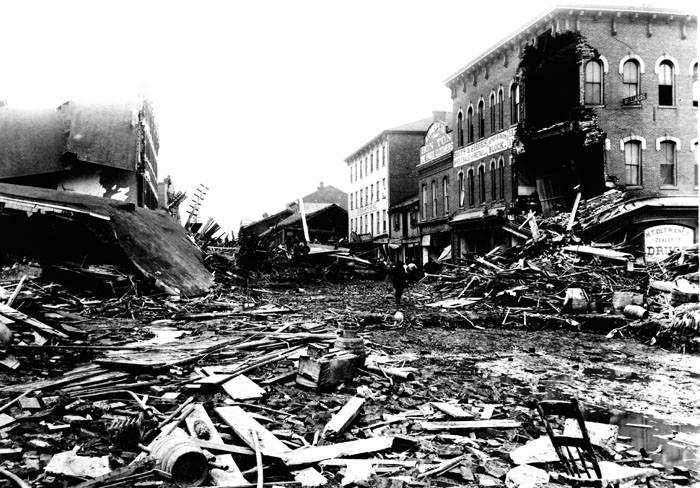
The disaster began shortly after 3 p.m. on May 31, 1889, when a dam on Pennsylvania’s Lake Conemaugh washed away following several days of drenching rain. The collapse unleashed 16 million tons of water, creating a 40-foot-high, half-mile-wide surge of mud and debris.
An hour later, the wave struck Johnstown like a giant fist, crushing 1,600 buildings and sweeping away everything in its path. When waters finally receded, over 2,200 people were dead and many more were injured or homeless. The flood was later blamed on the poorly maintained dam, which was owned by a hunting and fishing club, but no one was ever held financially liable. This tragedy became a turning point for dam safety regulations in America.
The North Sea Flood of 1953 – Europe’s Watery Nightmare
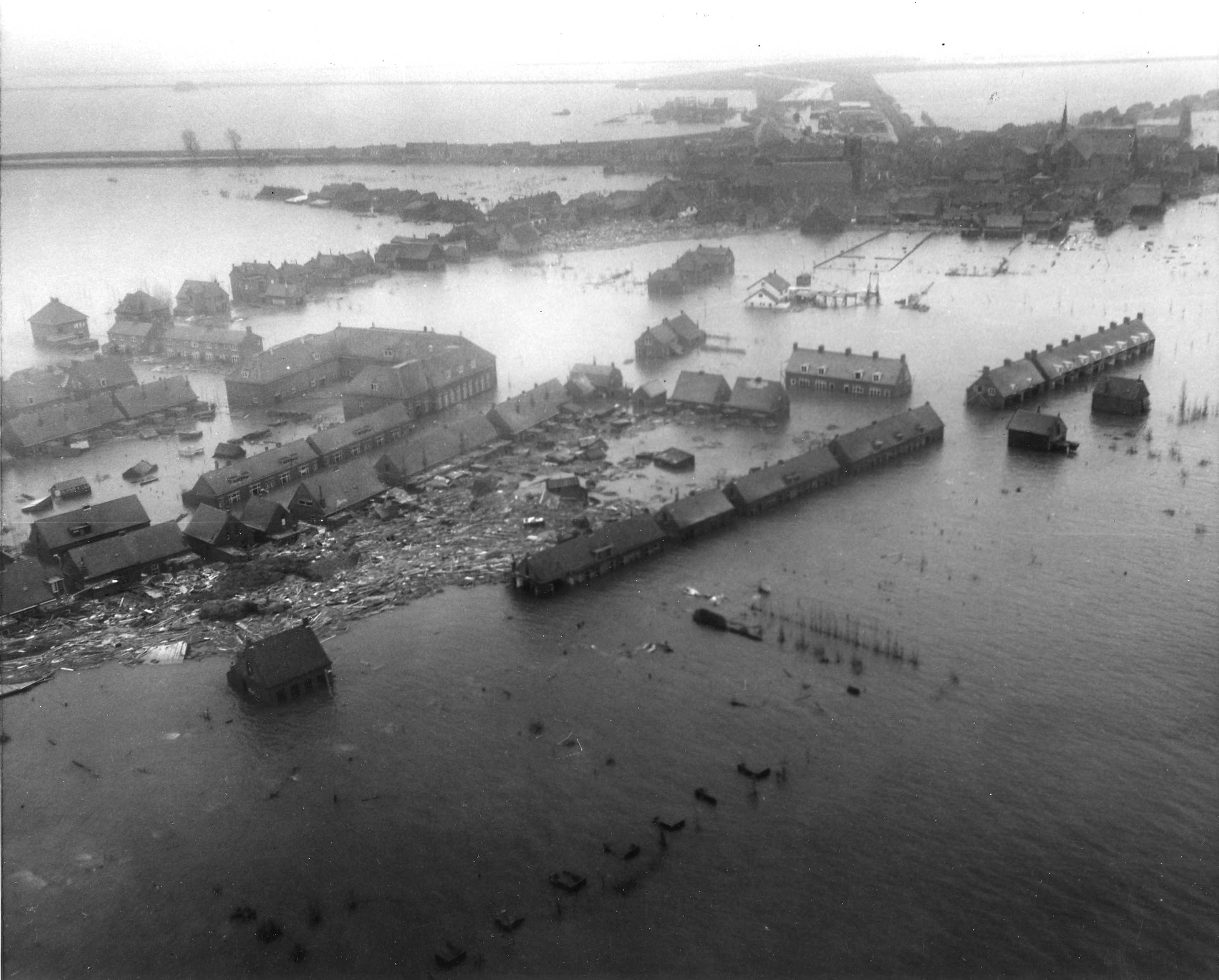
The North Sea flood of 1953 was one of the most devastating natural disasters ever recorded in the UK. This wasn’t a river bursting its banks but the sea itself reclaiming land that humans had painstakingly stolen from it over centuries.
The Netherlands bore the brunt of this catastrophe, with entire communities vanishing beneath the waves. Storm surges combined with high tides to create a perfect storm of destruction that reshaped the Dutch approach to flood defenses forever. The disaster prompted revolutionary engineering projects, including the famous Delta Works, which stand today as monuments to human determination to hold back the sea.
The St. Felix Flood of 1530 – Lost Cities of Europe
St. Felix’s Flood is still considered the worst flood disaster in European history. The flood completely destroyed the Dutch city of Reimerswaal and 18 villages on the day that would eventually be known as “Evil Saturday”. Another name for this flood is Evil Saturday or Bad Saturday, with estimates putting the number of dead at 100,000 in the Dutch Province of Zeeland.
Reimerswaal stood slightly above sea level, so flooding turned the city into an island. Over years of repeated flooding, the few remaining stragglers eventually abandoned the city for good. Today the city has gone the way of Atlantis, completely submerged in the sea. Sometimes nature doesn’t just destroy – it erases entirely.
Conclusion
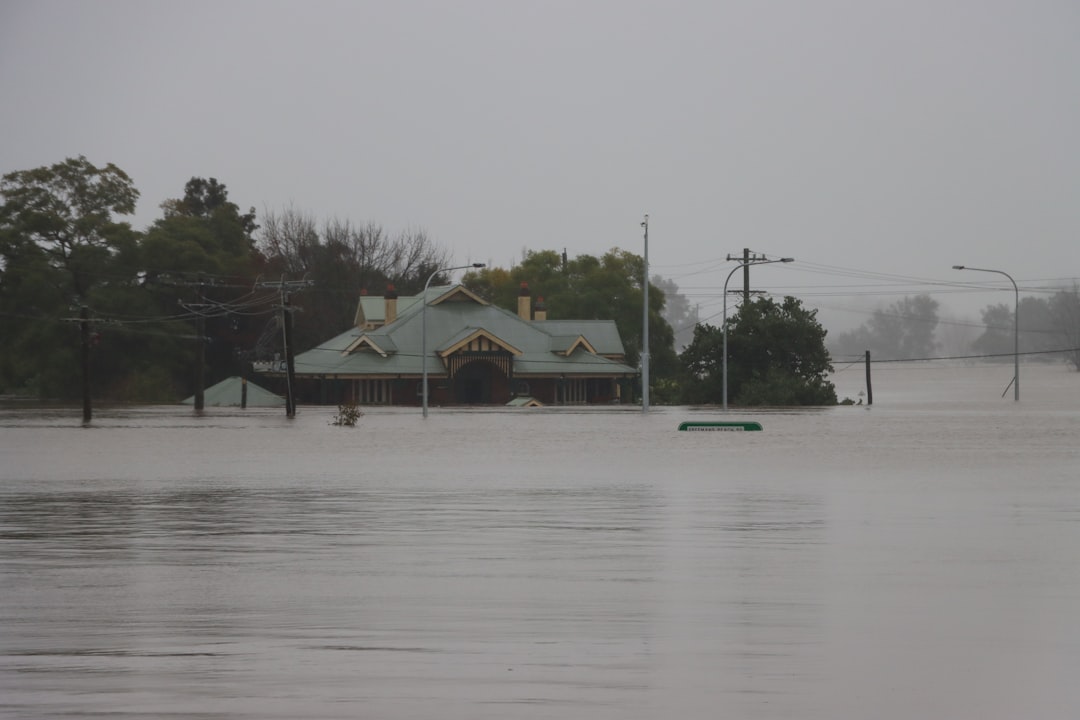
These seven catastrophic floods remind us that water remains one of nature’s most unpredictable and devastating forces. From the apocalyptic scale of China’s 1931 floods to the complete erasure of European cities, each disaster teaches us about both human vulnerability and resilience. Modern flood defenses have certainly improved, yet climate change and growing populations in flood-prone areas mean the threat persists.
Perhaps most sobering is how these tragedies shaped entire societies, from spurring the Great Migration in America to revolutionizing Dutch engineering. The next time you see a simple river flowing peacefully by, remember these stories – and the millions who learned too late that water, given the right conditions, can become humanity’s greatest enemy. What other lessons might future floods teach us that we’re not prepared to learn?

- Why Owls Are Symbols of Wisdom Across Ancient Cultures - August 12, 2026
- 5 Plants That Naturally Repel The Colorado Potato Beetle - August 12, 2026
- 10 Most Dangerous Animals Hiding in Your Backyard Right Now - August 12, 2026