
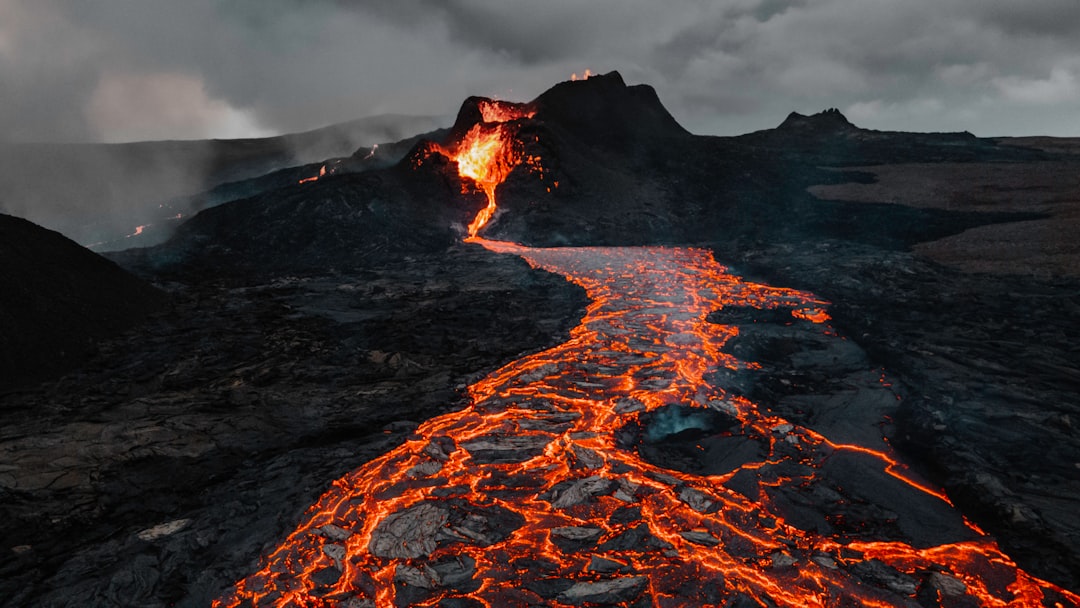
Picture this: a colossal explosion so vast it dwarfs every recorded natural disaster, launching enough ash and toxic gases into our atmosphere to fundamentally alter the planet. While we’ve all seen volcanoes erupt in movies and documentaries, the true monsters of the volcanic world remain hidden beneath our feet, waiting with devastating potential. These are supervolcanoes, geological titans that have already shaped life on Earth through massive extinction events.
Yet despite their terrifying scale, the answer to whether a single volcanic eruption could eliminate all life might surprise you. Let’s dive into the volcanic history of our planet and discover what these underground giants are truly capable of.
The Giants Beneath Our Feet
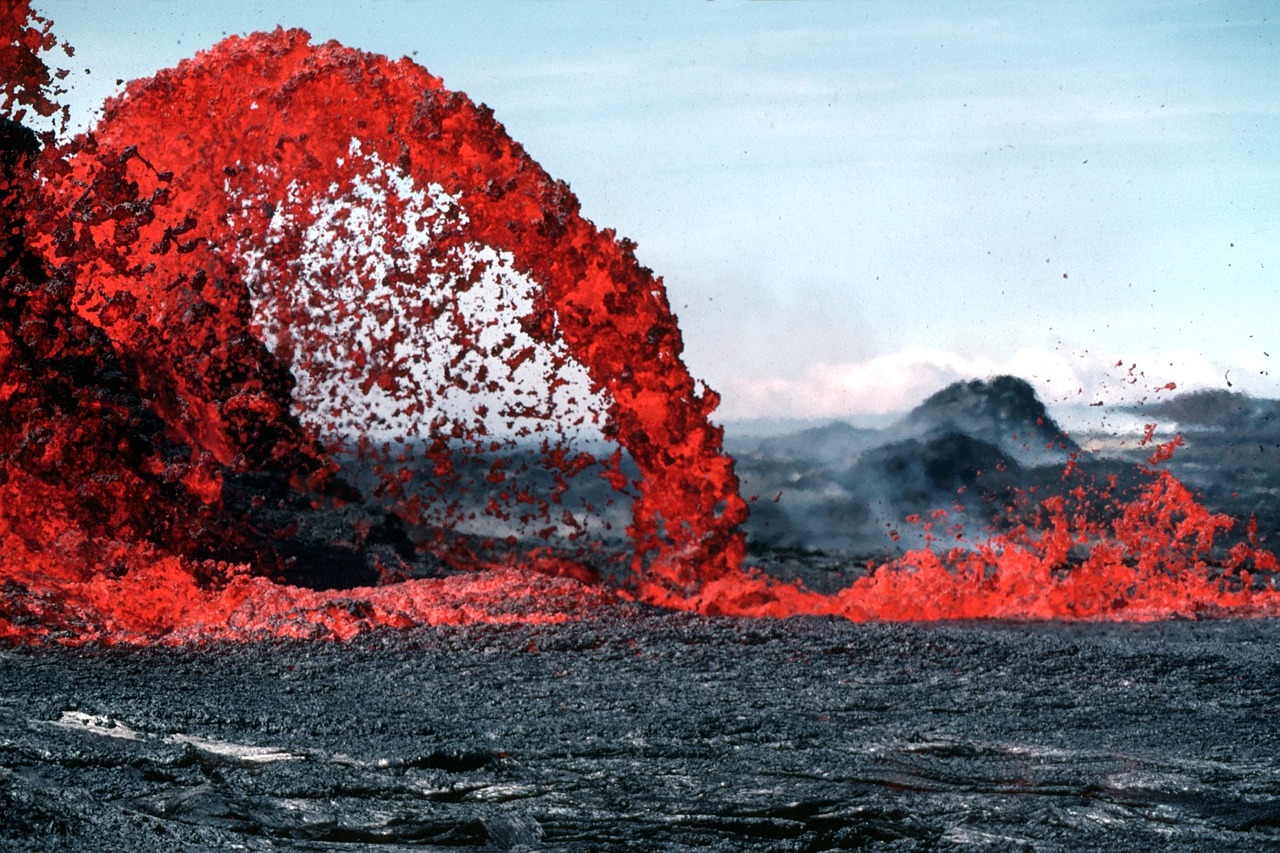
Supervolcanoes have the power to trigger widespread climate change and global starvation. These geological monsters aren’t your typical cone-shaped mountains that most people imagine when they think of volcanoes. Instead, they exist as enormous underground magma chambers, often spanning hundreds of miles across.
Think of them as pressure cookers on an unimaginable scale. LIPs are massive volcanoes that produce millions of cubic kilometres of basaltic magma in a very short time. They are much bigger in scale than the famous super eruptions – like the Yellowstone caldera supervolcano – which typically release less than 5,000 cubic kilometres of magma.
These underground giants don’t announce themselves with the classic volcanic cone we see in textbooks. Many remain completely hidden until they decide to unleash their fury, making them far more dangerous than regular volcanoes.
When Earth Nearly Ended: The Great Dying
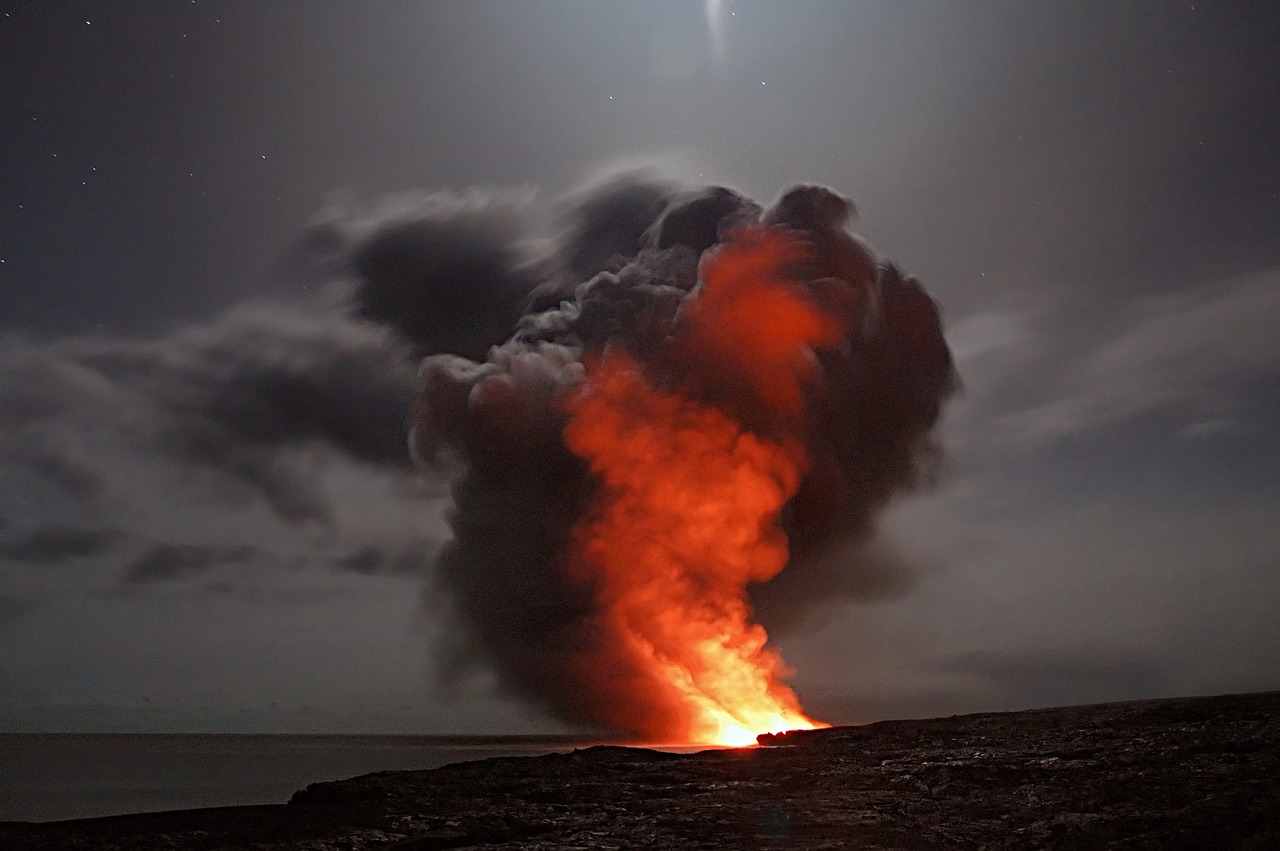
Roughly 251.9 million years ago, our planet experienced what scientists call “the Great Dying.” It is Earth’s most severe known extinction event, with the extinction of 57% of biological families, 83% of genera, 81% of marine species, and 70% of terrestrial vertebrate species. This wasn’t some distant cosmic event, it was volcanic fury unleashed on an unimaginable scale.
The scientific consensus is that the main cause of the extinction was the flood basalt volcanic eruptions that created the Siberian Traps, which released sulfur dioxide and carbon dioxide, resulting in euxinia (oxygen-starved, sulfurous oceans), elevated global temperatures, and acidified oceans. The Siberian Traps weren’t just an eruption, they were a geological apocalypse that lasted for approximately one million years, with the most intensive phase around 600,000 years.
This event came closer to ending complex life on Earth than anything else in our planet’s history. Around 252 million years ago, life on Earth collapsed in spectacular and unprecedented fashion, as more than 96 percent of marine species and 70 percent of land species disappeared in a geological instant.
The Toba Catastrophe: When Humans Nearly Vanished
Fast forward to 74,000 years ago, and humanity faced its own volcanic near-extinction event. Researchers believe that the aftermath of the eruption of Mount Toba pushed humanity to the brink of extinction, creating an evolutionary bottleneck that some of our ancestors thankfully managed to survive. This wasn’t ancient history for some forgotten species, this was our story.
During the Toba supereruption, approximately 672 cubic miles (2,800 km³) of volcanic ash were launched into the stratosphere, forming a massive crater about 1,000 football fields long (62 x 18 miles, or 100 x 30 kilometers). Such an event would have filled the atmosphere with ash, darkening the sky and blocking much of the sunlight, likely leading to years of global cooling.
Some theories suggest human populations dropped to as few as 10,000 individuals worldwide. Some academics posited that the species was reduced to a few thousand individuals with as few as 1,000 mating pairs in total. We came terrifyingly close to joining the ranks of extinct species.
The Modern Reality Check
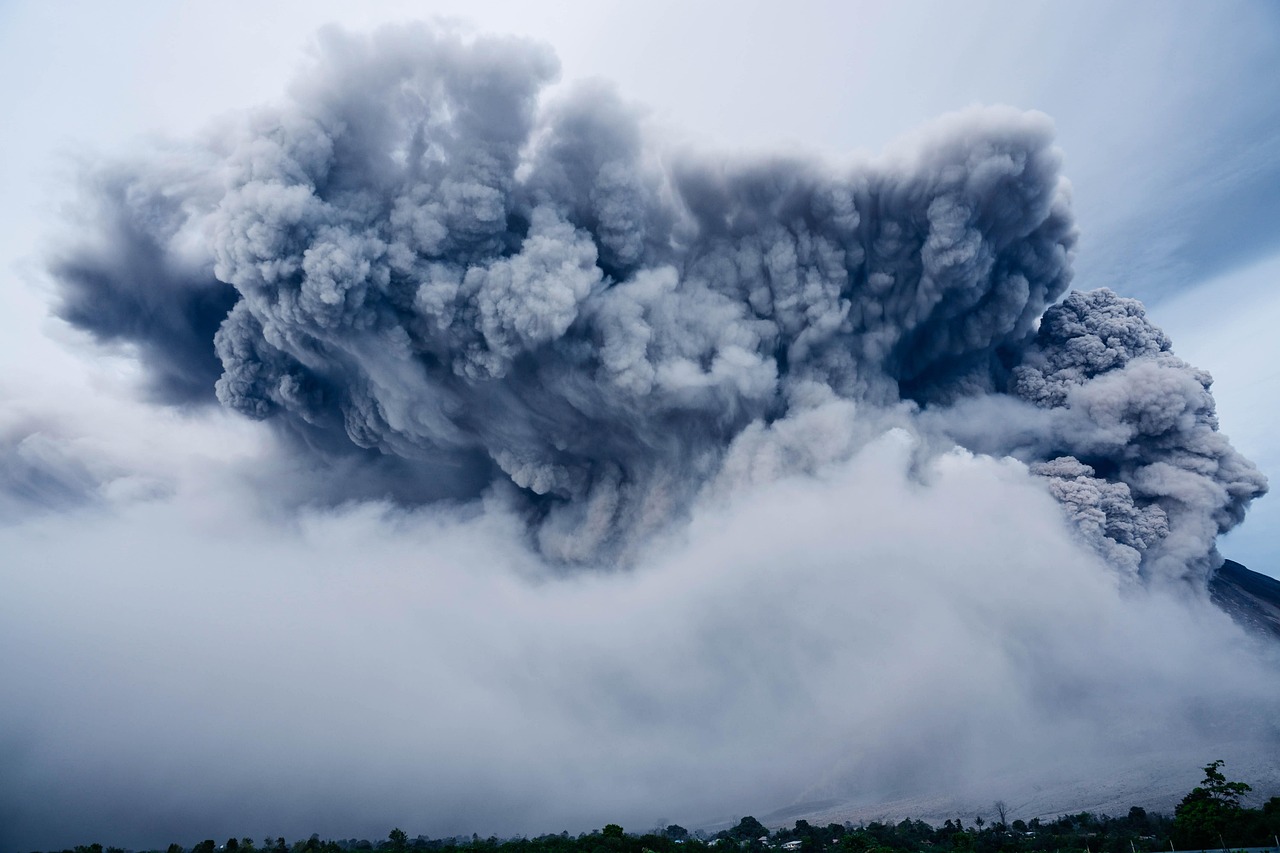
Here’s where the story takes an unexpected turn. Despite the apocalyptic scenarios painted by Hollywood and sensational headlines, modern science offers a more nuanced view. The answer is – NO, a large explosive eruption at Yellowstone will not lead to the end of the human race. The aftermath of such an explosion certainly wouldn’t be pleasant, but we won’t go extinct.
We can be confident of this because there have been two massive explosions while humans were present on Earth, and both of these were actually larger than Yellowstone’s most recent cataclysmic eruption. These eruptions were from Toba, Indonesia, about 74,000 years ago and from Taupo, New Zealand, about 25,600 years ago. Yet here we are, not only surviving but thriving as a species.
But humans are an adaptable species. In fact, there is no evidence of any extinction of any species due to the Toba or Taupo eruptions. This resilience gives us hope for facing future volcanic threats.
The Difference Between Destruction and Extinction
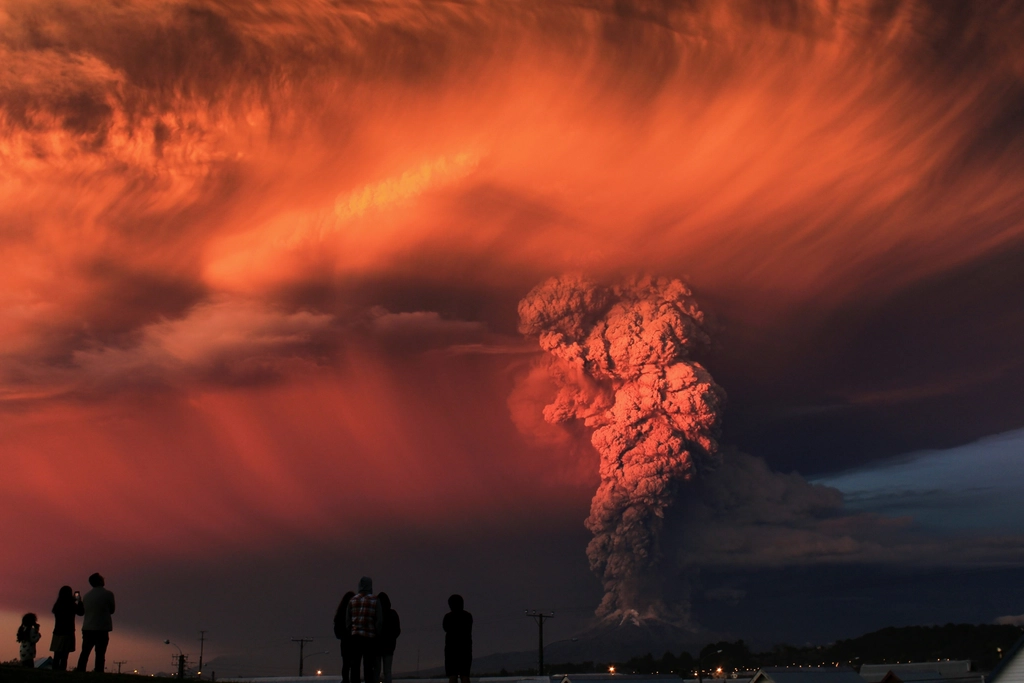
Volcanic activity is now thought to be an important cause of several mass extinctions, but it may not be obvious exactly how this could trigger extinction on a global scale. The key lies in understanding that not all volcanic eruptions are created equal. Most explosive eruptions, even devastating ones, lack the sustained duration needed for total planetary extinction.
Imagine instead massive fissures and vents in the earth that ooze steady pulses of lava over hundreds of thousands of years. This sort of volcanic activity may not be as sensational as a top blown off a volcano, but it generates much more lava and affects vast areas, covering millions of square kilometers with lava, the bulk of which is released in a geologic instant – less than a few hundred thousand years.
The real killers aren’t the explosive moments but the prolonged environmental changes. Although oozing eruptions do directly release gasses that poison animals and plants and contribute to acid rain and climate change, the real catastrophe is likely caused by the rock layers that the lava comes into contact with as it erupts.
Why Total Extinction Remains Unlikely
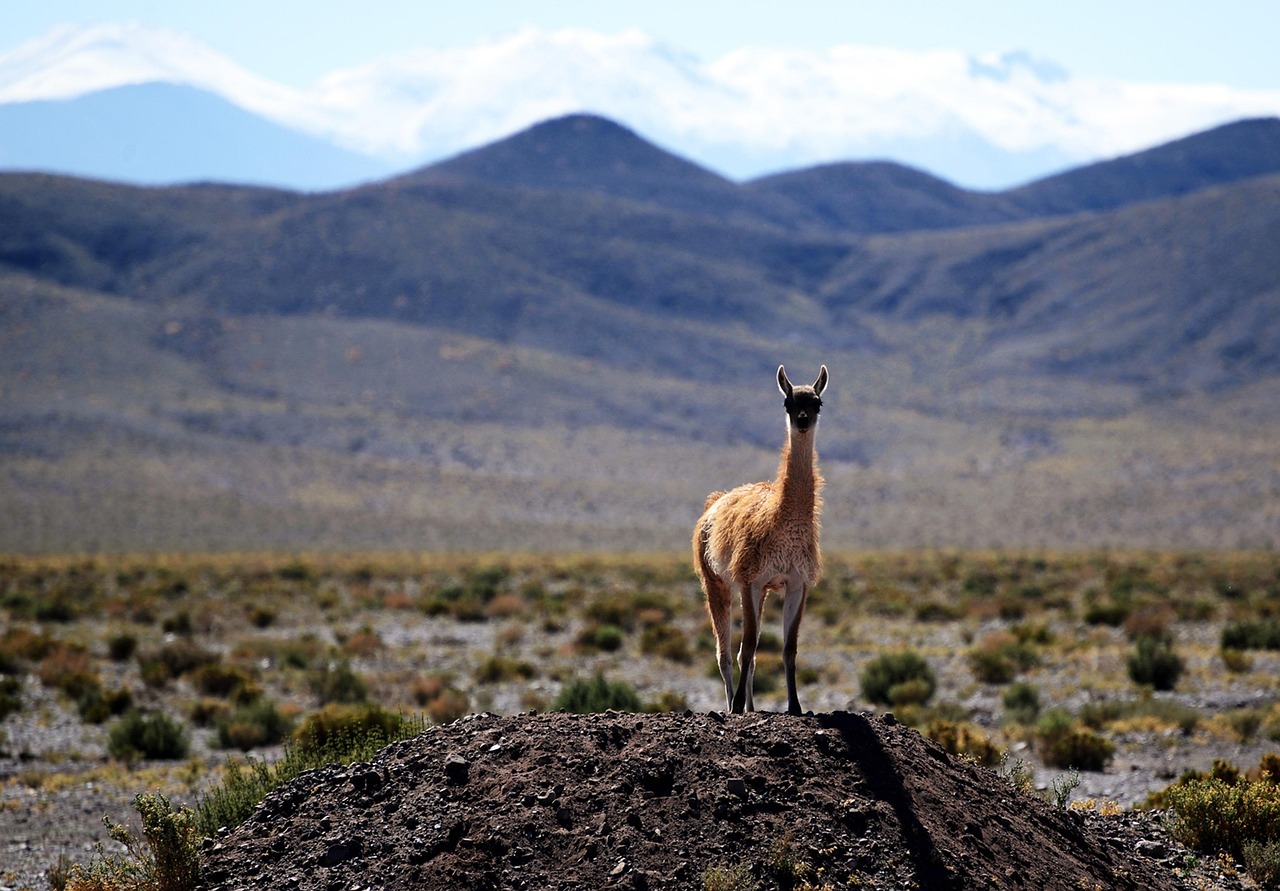
Life on Earth has proven remarkably resilient throughout billions of years of geological upheaval. Even during the worst mass extinction events, some forms of life persist in refugia, protected pockets where conditions remain survivable. Additional archaeological evidence from southern and northern India also suggests a lack of evidence for effects of the eruption on local populations, causing the authors of the study to conclude, “many forms of life survived the supereruption, contrary to other research which has suggested significant animal extinctions and genetic bottlenecks”.
Our dependency on global trade, electricity, and other aspects of modern life will be impacted and create challenges that our stone-age ancestors did not have to deal with, but we are an adaptable species. Humans would not go extinct. While civilization might face unprecedented challenges, complete extinction of our species remains highly improbable.
The planet’s biodiversity creates natural buffers against total annihilation. Different species occupy various ecological niches, and some will inevitably find ways to survive even the most catastrophic volcanic events.
The Threat to Civilization vs. The Threat to Life
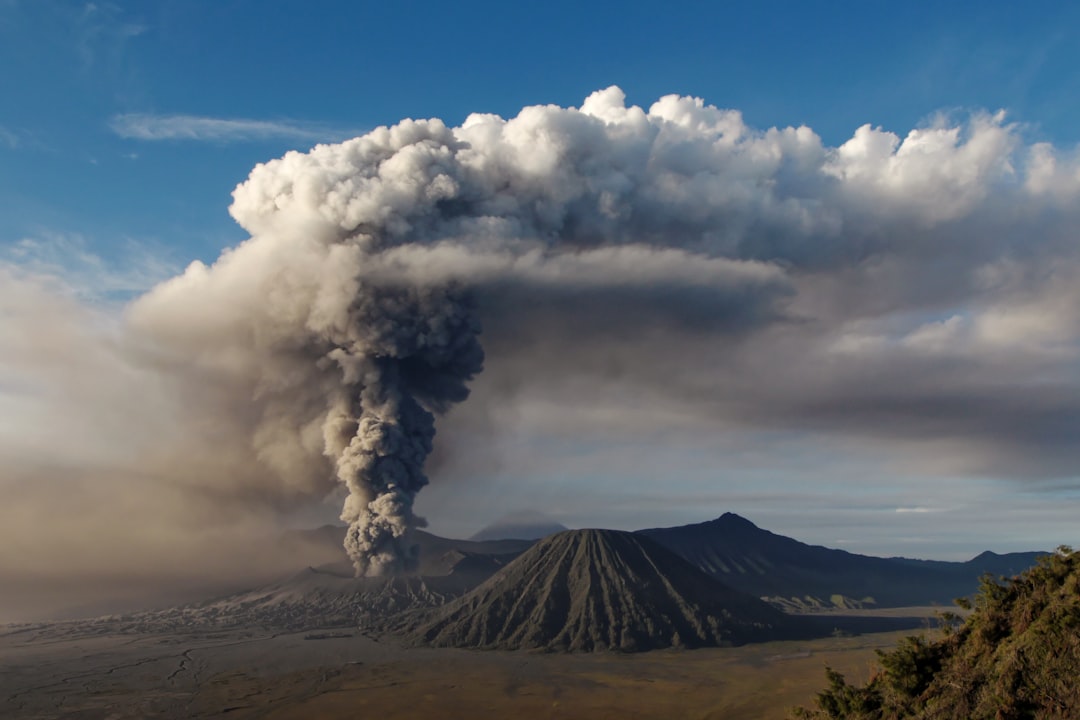
Here’s where we need to distinguish between ending civilization and ending life entirely. According to a team of experts who wrote a paper on catastrophic geohazards for the European Science Foundation in 2015, it would be “the greatest catastrophe since the dawn of civilization”. A major supervolcanic eruption could indeed collapse modern society as we know it.
Longer-term, the impacts could be cataclysmic. A 1 degree Celsius drop in temperature might sound small, but it’s an average. Regional effects could be far more severe, causing crop failures, economic collapse, and mass displacement of populations. In an extreme scenario, similar to Tambora, economic losses could reach more than $3.6 trillion in the first year alone, Lloyd’s calculated.
Yet civilization collapse doesn’t equal species extinction. Humans survived ice ages, pandemics, and previous volcanic winters with far less technology and knowledge than we possess today. Small populations would likely endure in various locations, eventually rebuilding over generations.
The evidence suggests not. While supervolcanoes represent one of nature’s most formidable forces and could certainly bring civilization to its knees, complete planetary extinction appears beyond their reach. Life has weathered these geological storms before, including events far larger than anything we might face today.
The real question isn’t whether we’ll survive the next supervolcanic eruption, but how well we’ll prepare for the inevitable challenges it will bring. What do you think about it? Tell us in the comments.

- 15 Little-Known Facts About DNA That Control More Than You Think - August 10, 2026
- 10 Things Cats Never Forget About Their Owners - August 10, 2026
- 8 Ways Cats Show They're Worried About You - August 10, 2026