
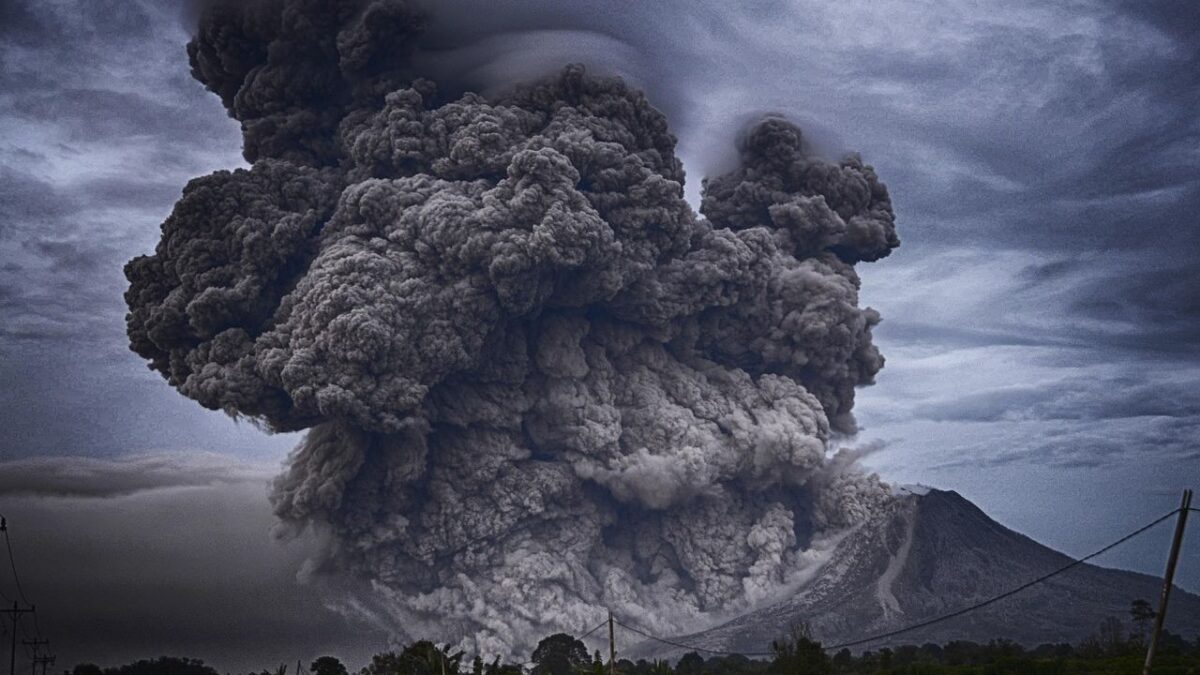
Our planet Earth has kept us alive for millennia, providing the perfect conditions for human civilization to flourish. Yet beneath this nurturing facade lies a world that seems determined to remind us just how fragile our existence really is. From the ground shaking beneath our feet to microscopic predators hunting us down, nature has developed remarkably creative ways to challenge our survival.
The year 2025 has already delivered sobering reminders of our planet’s deadly potential. There were 27 individual weather and climate disasters with at least $1 billion in damages in 2024, which caused at least 568 direct or indirect fatalities. There were 90 declarations of “major disasters” in 2024, translating to a major disaster declaration every four days. Let’s explore the eight most terrifying ways our home planet continues to test humanity’s resilience.
Supercharged Hurricanes and Storm Systems
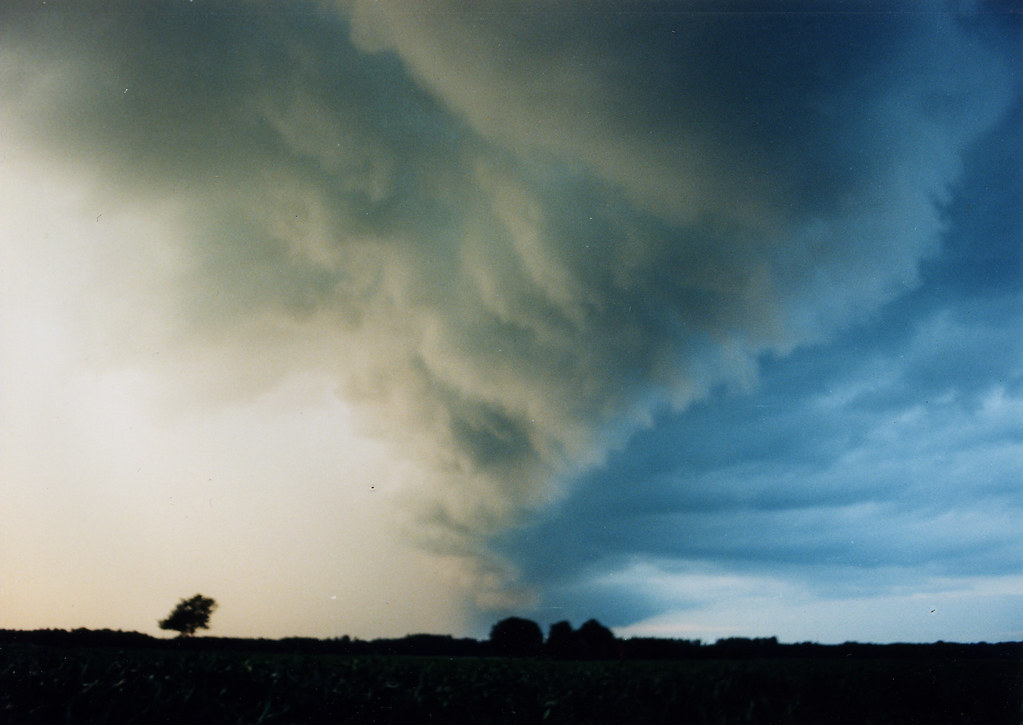
The ocean has become Earth’s weapon factory, churning out monster storms with unprecedented fury. Hurricane Helene resulted in the largest overall losses from natural disasters in 2024 at US$ 56bn, with severe flooding from heavy rain spread northward into the Appalachian regions from Georgia to North Carolina. These aren’t your grandmother’s hurricanes anymore.
Helene was supercharged by ultra-warm water made up to 500 times more likely by global warming, transforming what might have been a manageable storm into a catastrophic monster. Hurricane Milton made landfall in Florida with wind speeds of up to 200 km/h and produced the highest insured losses of the year, totalling US$ 25bn. The warming oceans are essentially adding rocket fuel to these atmospheric beasts, making them stronger, wetter, and more unpredictable than ever before.
Raging Wildfires That Devour Everything
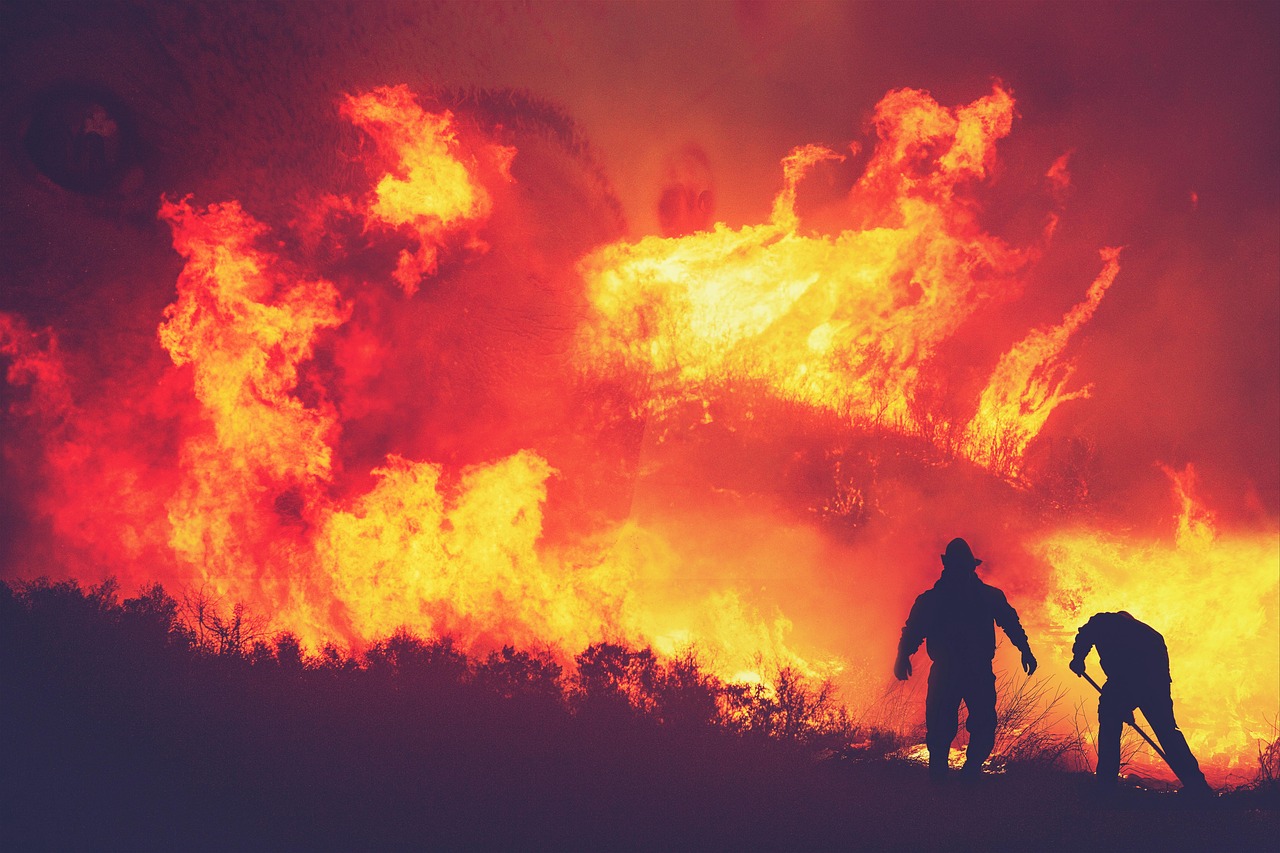
Recent wildfire patterns suggest that urban areas like Los Angeles face unprecedented risk, with potential losses that could dwarf previous disasters. Never before had wildfires caused such extensive damage. These aren’t just forest fires anymore; they’re apocalyptic infernos that can leap across highways and consume entire neighborhoods in minutes.
In 2024, wildfires were intense in many regions, with North and South America being particularly hard-hit. Drought and extreme heat fueled their severity. A horrific wildfire swept through the coastal city of Viña del Mar, Chile, with a death toll of 137 making this Earth’s fifth-deadliest wildfire since 1900. The combination of climate change, urban expansion into wild areas, and decades of fire suppression has created perfect conditions for these mega-fires that seem to have minds of their own.
Catastrophic Flooding That Swallows Cities
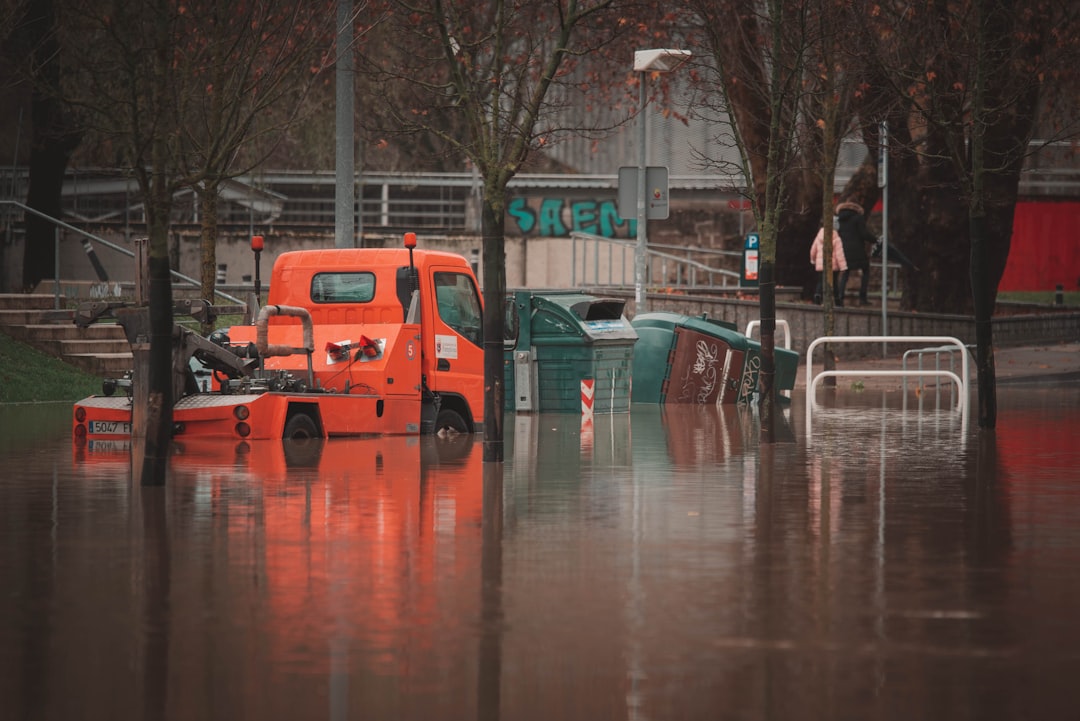
Water, the source of all life, has become one of our greatest enemies when it arrives in overwhelming quantities. In warmer temperatures, the atmosphere holds more moisture, which results in more intense rainstorms and higher flood risks worldwide. Heavy rainfall led to extensive floods across various provinces in Afghanistan and Pakistan. These floods don’t just damage property; they reshape entire landscapes overnight.
A rare atmospheric phenomenon known as a cold drop caused devastating floods in Spain, lasting from October 29 to November 16, bringing extraordinary rainfall, dumping more than a full year’s worth of water in just hours. Heavy rains caused devastating flooding in southern Brazil, forcing more than 400,000 people to leave their homes. The Earth seems to be testing our engineering prowess, sending biblical amounts of water to overwhelm our carefully constructed drainage systems and flood defenses.
Volcanic Awakening From Ancient Slumber
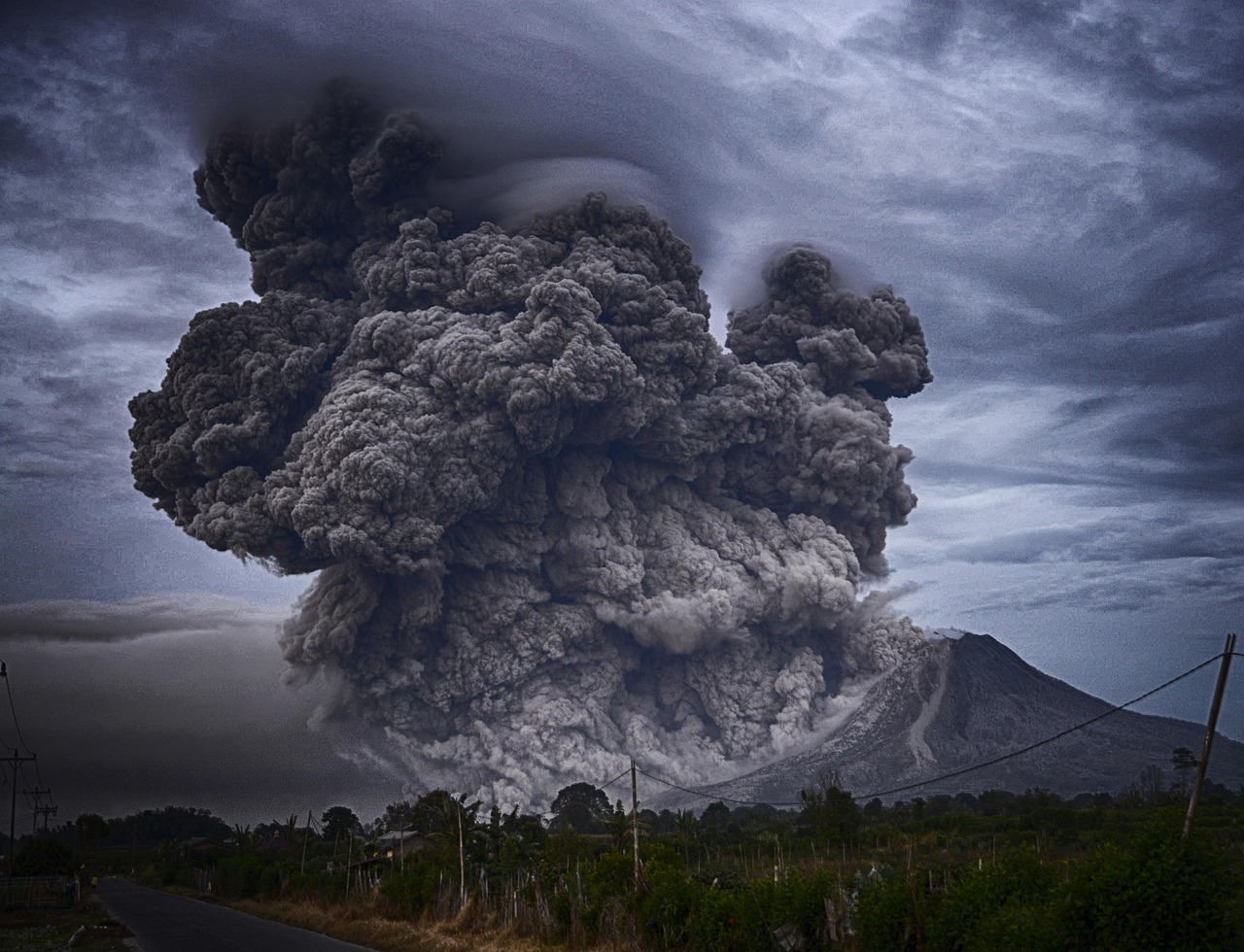
Beneath our feet lies a network of molten rock that occasionally decides to make its presence known in the most dramatic way possible. volcanic activity worldwide has shown concerning increases in recent years, with multiple volcanoes showing signs of unrest. These geological time bombs have been quietly building pressure for decades, and now they’re stirring to life.
Mount Tambora and other historically significant volcanoes continue to be monitored for signs of potential activity. Satellite monitoring of Indonesian volcanoes has detected concerning patterns of ground deformation in recent years. Scientists continue to study Axial Seamount as an important case for improving volcanic forecasting capabilities. The planet is reminding us that the ground we walk on is merely a thin crust over an ocean of molten destruction.
Seismic Fury That Cracks the Earth
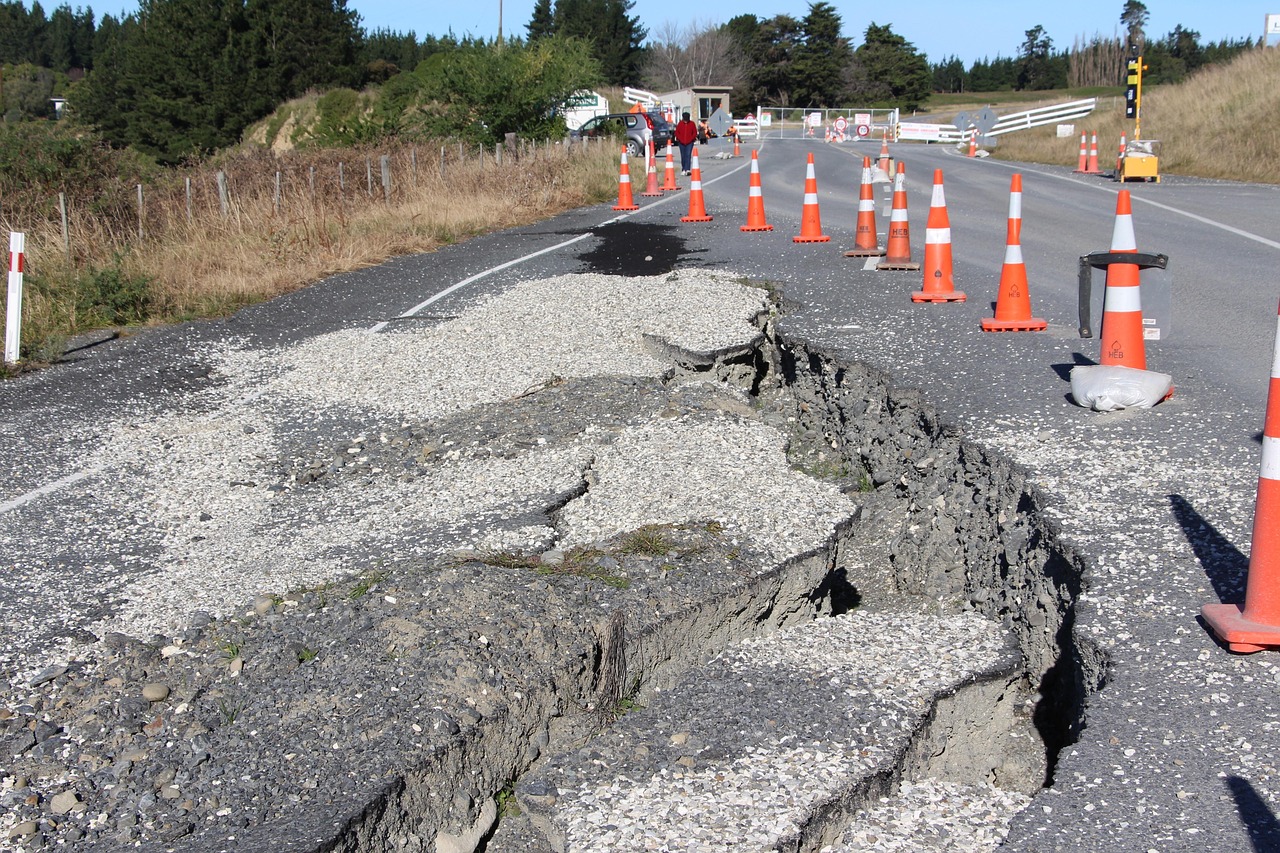
The Pacific Ring of Fire has witnessed an alarming surge in seismic activity throughout 2024 and early 2025, with the region recording over 15,000 earthquakes of magnitude 4.0 or higher in 2024 alone – a 23% increase from the previous year. The Earth’s tectonic plates are becoming increasingly restless, like a giant waking from deep sleep.
Powerful tremors measuring 7.8 on the Richter scale were registered in Ishikawa Prefecture, Japan, leading to the collapse of buildings in the coastal zone, which was hit by a powerful tsunami just 10 minutes later. The Noto Peninsula faced complex damage with ground rising and falling, soil liquefaction, and landslides. Japan’s seismic monitoring network has detected an unprecedented pattern of earthquake swarms along the Nankai Trough, with over 3,200 small to moderate earthquakes in the region during the first quarter of 2025. These aren’t random geological hiccups; they’re systematic reminders that we live on a dynamic, ever-shifting planet.
Deadly Heat Waves That Cook Everything
Earth’s hottest year on record brought three heat waves that killed at least 1,000 people in 2024, with more than 9,000 deaths during the summer heat wave in Europe ranking as the year’s deadliest weather disaster. The atmosphere has become a furnace, trapping heat like never before in human history.
1,301 heat wave deaths occurred in Saudi Arabia June 14-19 during the Hajj, when temperatures exceeding 50 degrees Celsius (122 °F) occurred. Based on NOAA data, the annual average global temperatures in the first half of 2025 reached 1.4°C above pre-industrial levels, making it the second-warmest first half-year on record. These aren’t just uncomfortable summer days; they’re literally life-threatening conditions that can kill healthy people within hours. The planet is essentially turning into a slow-cooking oven, testing the limits of human physiology.
Microscopic Assassins That Hunt in Swarms
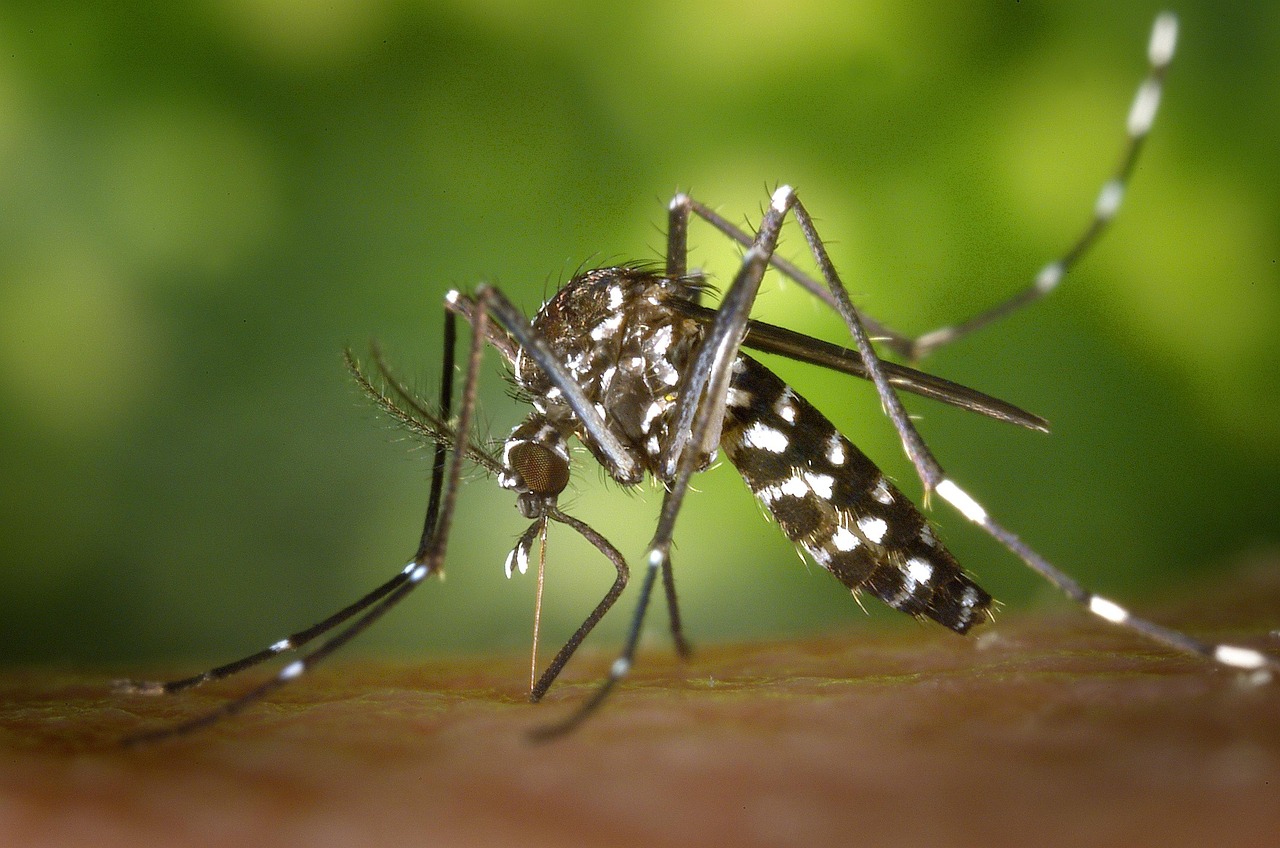
The mosquito is the world’s deadliest animal, spreading diseases like dengue, West Nile, Zika, chikungunya, malaria, and lymphatic filariasis, killing more people than any other creature in the world. These tiny vampires have perfected the art of biological warfare over millions of years of evolution.
Mosquitoes cause around 1 million deaths a year by transmitting diseases, with estimates believing that mosquitoes are responsible for up to 1 million human deaths per year, whereas snakes kill an estimated 100,000 and sharks a mere 10. Each year, mosquito-borne illnesses cause over 700 million infections and malaria is responsible for about 249 million cases worldwide each year, causing over 608,000 deaths, mainly among children under five. What makes them particularly terrifying is their ability to adapt and expand their territory as the climate changes, bringing tropical diseases to previously safe temperate zones.
Economic Destruction That Cripples Nations

Perhaps the most insidious way Earth attacks us is through systematic economic warfare, turning natural disasters into financial catastrophes that ripple across generations. Disaster costs now exceed over $2.3 trillion annually when cascading and ecosystem costs are taken into account, nearly ten times the annual direct losses reported in official figures. This isn’t just about replacing damaged buildings; it’s about the complete unraveling of economic systems.
When disasters occur repeatedly, economic growth often slows and debt increases. Developing countries face the dual challenge of higher exposure to hazard risk and limited access to resources for risk reduction, making it increasingly expensive to insure or otherwise transfer risk. Insurance coverage remains below 1% in countries like Bangladesh, India, Vietnam, the Philippines, Indonesia, Egypt and Nigeria, with an estimated $163 billion of assets worldwide underinsured in 2018. The planet has essentially learned how to bankrupt entire nations without firing a single shot, using weather as its weapon of choice.
Our planet continues to remind us that despite all our technological advances and urban fortresses, we remain vulnerable inhabitants of a dynamic and often hostile world. The rising costs and intensifying frequency of disasters can no longer be treated as isolated events – they are systemic threats that demand a fundamental shift in how risk is understood, financed and managed globally.
The Earth isn’t necessarily on purpose, but it’s definitely not making survival easy either. These eight deadly forces serve as constant reminders that our relationship with this planet is far more precarious than we’d like to admit. What do you think about these planetary threats? Are we doing enough to prepare for what’s coming next?

- Dog Breeds That Can Detect Cancer Before Your Doctor Does - August 13, 2026
- 10 Amazing Facts About Finches That Make Birdwatchers Love Them - August 13, 2026
- 10 Signs Your Dog Might Be Happier Than You Think They Are - August 13, 2026