
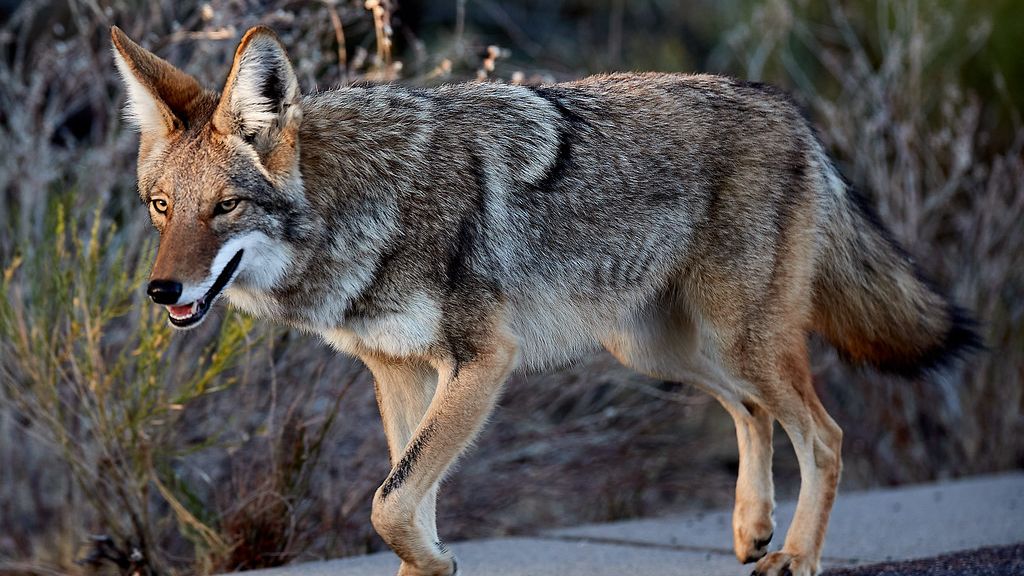
Walking through New Jersey’s suburban neighborhoods or wooded areas, you might catch a glimpse of something that looks like a dog but moves with wild confidence. The coyote population has quietly established itself throughout the Garden State, and recent incidents have many residents wondering about the real risks these adaptable predators pose. With several documented attacks making headlines this fall, it’s time to separate fact from fear when it comes to living alongside these cunning canids.
Understanding New Jersey’s Growing Coyote Population
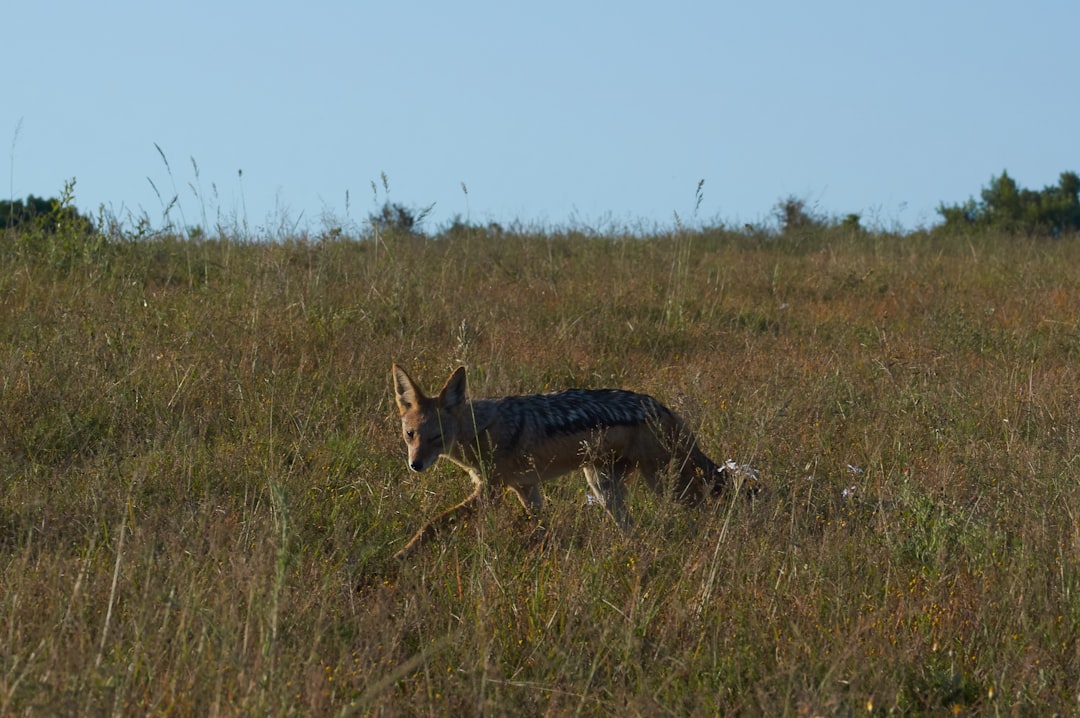
Coyotes have been reported in 453 New Jersey municipalities covering 96% of the state’s land area, with the population estimated between 3,000 to 6,000 animals. The first documented coyote sighting in New Jersey took place in Hunterdon County in 1939, but their presence has exploded in recent decades.
These eastern coyotes are different from their western cousins. Genetic research has shown that eastern coyotes contain a mixture of DNA from the western coyote, grey wolf, eastern wolf, and domestic dog. This diverse genetic background likely contributes to their remarkable adaptability, allowing them to thrive in environments ranging from dense suburbs to the Pine Barrens.
Recent Attacks That Shook Bergen County
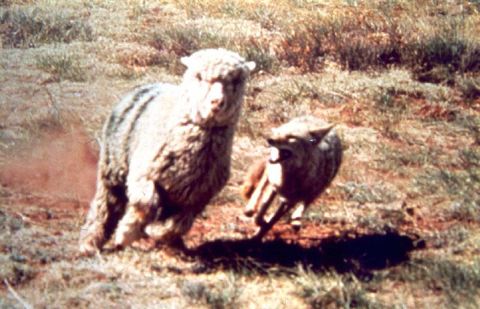
Recent reports describe alarming coyote encounters that put northern New Jersey on high alert. The victim, 31, was in the backyard of a home on Woodcrest Drive in Woodcliff Lake when the animal pounced on her, wounding her shoulder, arm, leg and her back. The incident occurred during broad daylight while she was caring for the family’s golden retriever.
The following day brought another terrifying encounter. A Saddle River resident was knocked to the ground by a coyote while working in their yard and bitten multiple times. The animal was shot by police and tested positive for rabies. Within the same week, a family in Ho-Ho-Kus lost their beloved Shih Tzu to a coyote attack in their own backyard.
How Rare Are Coyote Attacks on Humans Really?
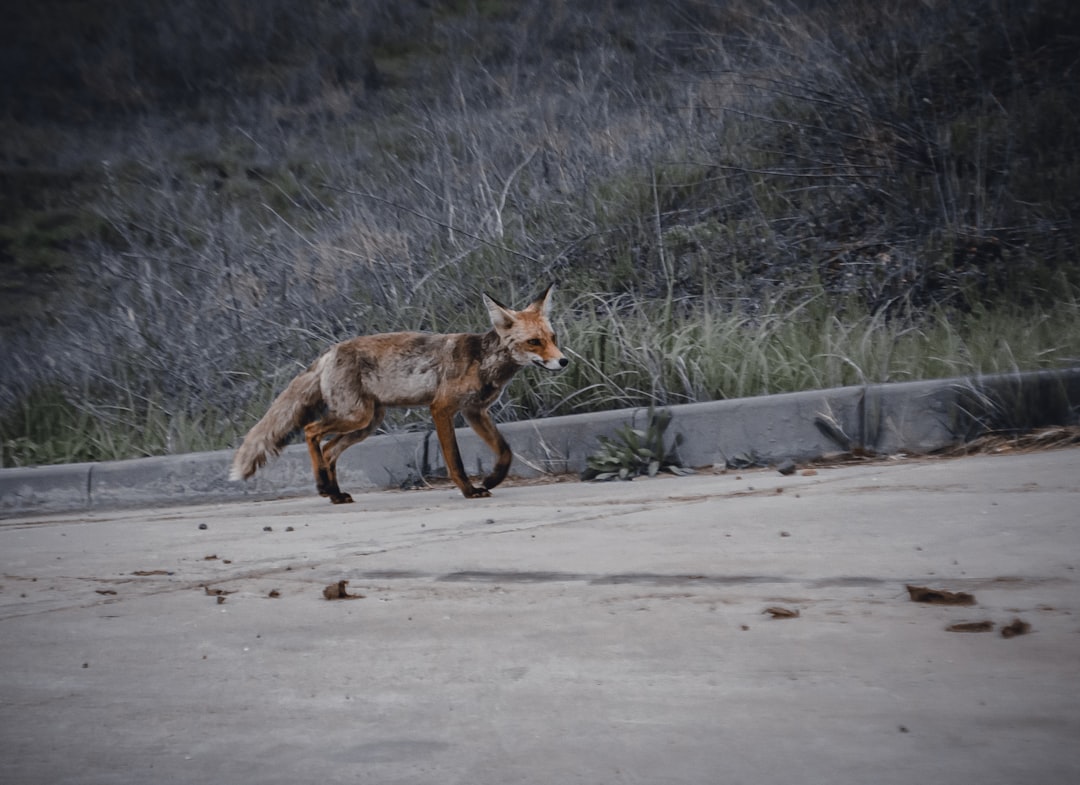
Although extremely rare, coyotes have been known to attack humans, with police noting that coyote attacks on humans are extremely rare. National statistics paint a clearer picture of the actual risk level. Research conducted on coyote attacks in the United States and Canada documented 142 reported incidents resulting in 159 victims, with most attacks classified as predatory (37%) or investigative (22%) in nature.
Coyote attacks on humans are uncommon events and rarely cause serious injuries, but have been increasing in frequency, especially in California. In the 30 years leading up to March 2006, at least 160 attacks occurred in the United States, mostly in the Los Angeles County area. Tragically, only two fatal coyote attacks on humans have been confirmed by experts, including a three-year-old in California and a 19-year-old in Nova Scotia, Canada.
Who Is Most at Risk?
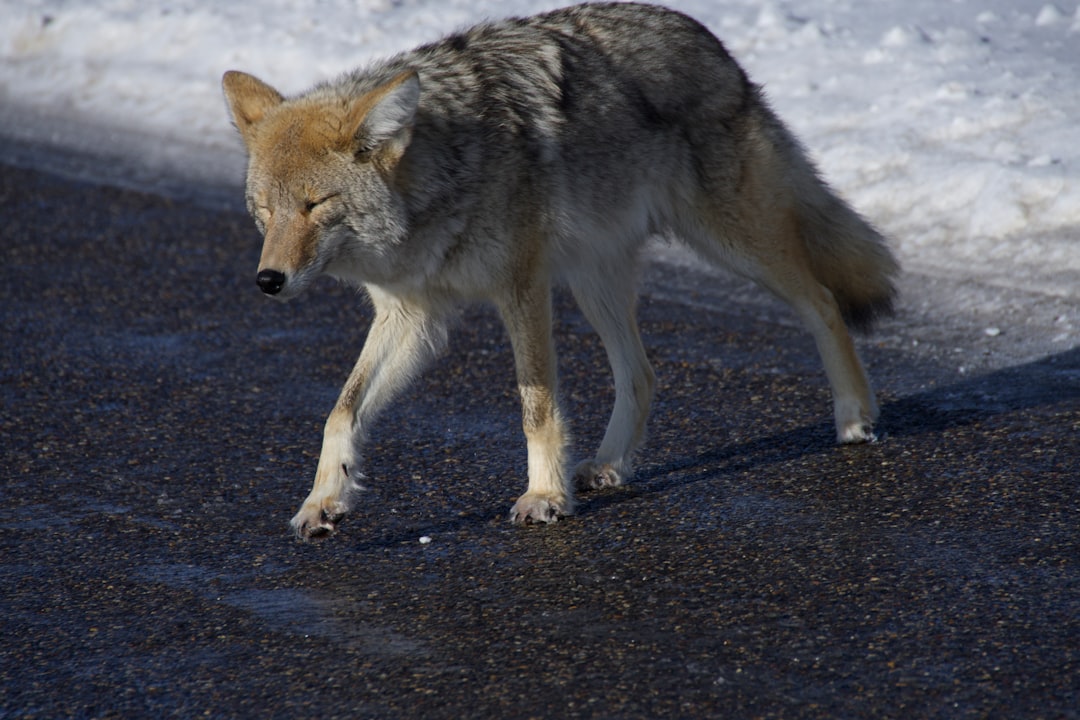
Coyotes are a greater threat to children than to adults. Of 348 total victims of coyote attack, 209 (60%) were adults, and 139 (40%) were children, with children (especially toddlers) at greater risk of serious injury. While their bushy hair can make them look quite large, coyotes rarely weigh more than 20 kilograms (44 lb) and are less likely than other canids to hunt in packs large enough to take down an adult human.
The circumstances matter significantly. The majority of child victims (75%) were playing outside in their yard or driveway prior to the attack, with the next most common type of activity being resting or sleeping outside (19%). This reinforces the importance of supervising children during outdoor activities, even in seemingly safe residential areas.
Why Are Attacks Happening More Often?
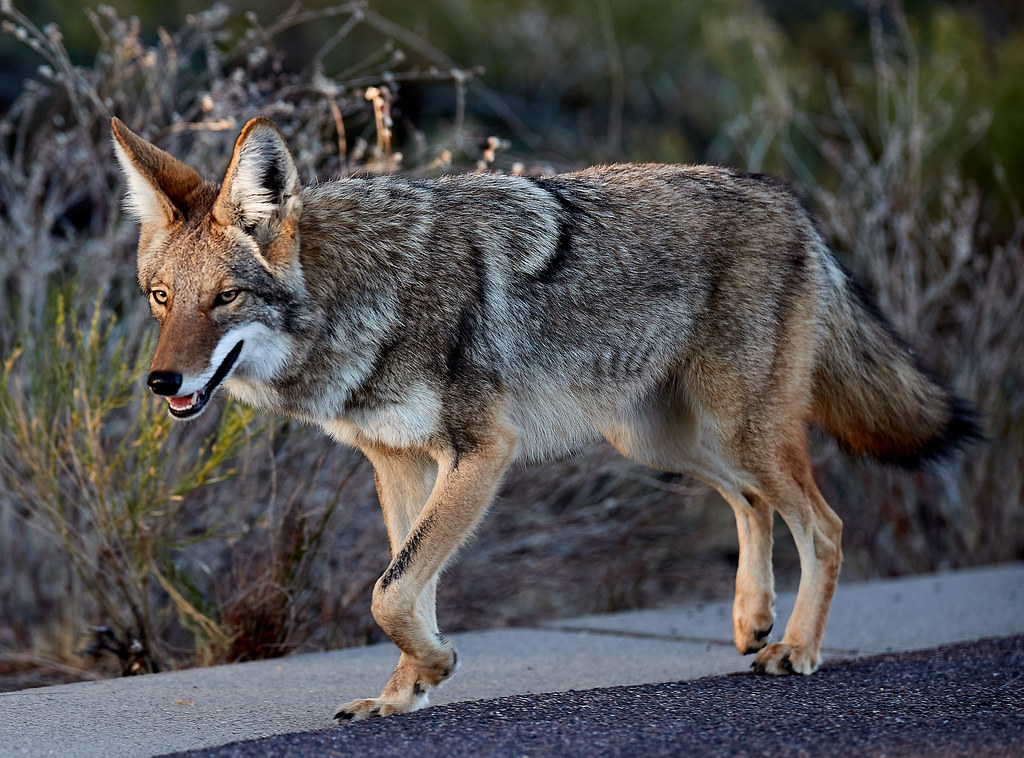
Coyotes are losing their fear of humans, which is further worsened by people intentionally or unintentionally feeding coyotes. In such situations, some coyotes have begun to act aggressively toward humans – chasing joggers and bicyclists, confronting people walking their dogs, and stalking small children.
Food sources prove to be a critical factor. Urban coyotes tend to maintain a natural diet and rarely scavenge through human garbage, with scat analysis showing the most common food sources were small rodents (42%), fruit (23%), deer (22%), and rabbits (18%), with human refuse making up just 1.3% of the diet. However, easy access to pet food, unsecured garbage, and bird feeders can alter this natural behavior pattern dramatically.
Protecting Yourself and Your Family
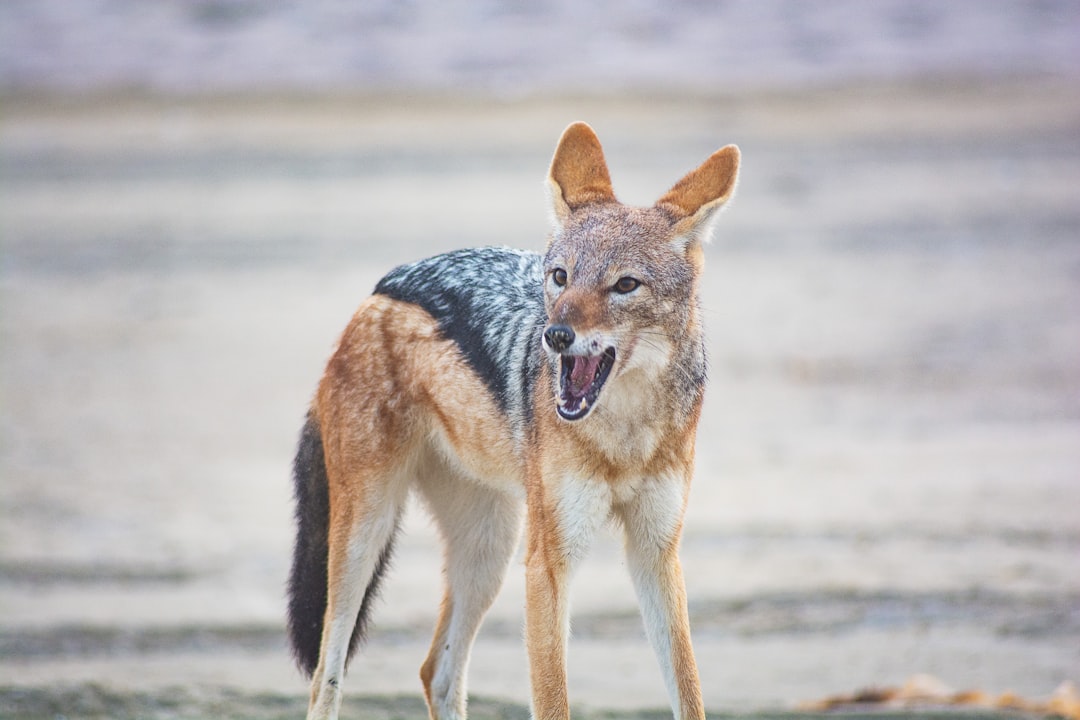
If coyotes are present, make sure they know they’re not welcome by making loud noises, blasting a canned air siren, throwing rocks, or spraying them with a garden hose. Never run from a coyote, as this can trigger their chase instinct. Instead, maintain eye contact, make yourself appear larger, and back away slowly while making noise.
Avoid feeding coyotes, foxes and other wild animals and ensure that any human or pet food sources, including garbage, are sealed securely if they are outside. Bring pets in at night, put away bird feeders at night to avoid attracting rodents and other coyote prey, and clear brush and dense weeds from around dwellings. These simple steps can dramatically reduce the likelihood of unwanted encounters.
When to Contact Authorities
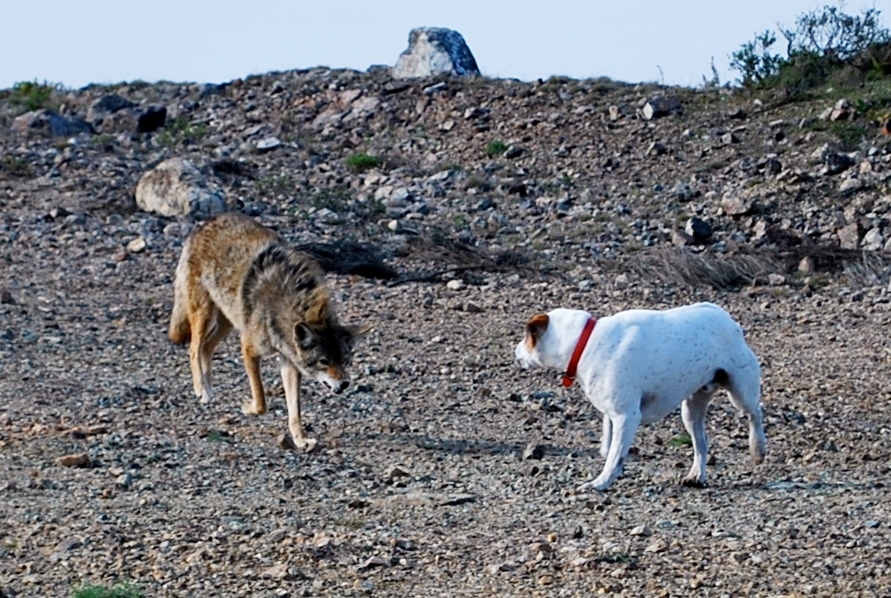
Anyone who sees a coyote in the daytime that shows no fear of humans should contact the Division of Fish and Wildlife at 908-735-8793; outside of normal business hours call the DEP Hotline at 877-WARN-DEP. If you observe coyotes in the daytime that show no fear of humans or if a coyote attacks a person, immediately contact local police.
The Wildlife Services Section of the New Jersey Division of Fish and Wildlife receives about 100 coyote-related calls per year. This suggests that while encounters are not uncommon, the vast majority don’t result in aggressive behavior. Still, any unusual coyote behavior should be reported promptly to prevent potential escalation.
Living with coyotes in New Jersey requires awareness rather than panic. These intelligent predators have earned their place in our ecosystems, but respecting their wild nature while taking proper precautions keeps both humans and coyotes safe. The recent attacks serve as important reminders that wildlife encounters can happen anywhere, even in suburban backyards. What matters most is staying informed and prepared. Have you taken steps to make your property less attractive to coyotes?

- What Happens to Your Brain in the Final 60 Seconds Before Death – Neuroscientists Just Mapped It - August 13, 2026
- The Most Dangerous Myths About Tornadoes at Night - August 13, 2026
- How To Ride A Horse Safely - August 13, 2026