
The ocean’s darkest depths hide secrets that would make even the bravest souls question their next beach vacation. Far beneath the waves, where sunlight never reaches and crushing pressure would kill most life forms instantly, nature has crafted beings that seem torn from nightmares themselves. These aren’t just mindless movie monsters, but real creatures that have evolved over millions of years to survive in Earth’s most hostile environment.
What lurks in these abyssal depths defies imagination. Think your worst underwater nightmare, then multiply it by ten. Ready to meet the ocean’s most terrifying residents? Let’s dive into the abyss where beauty and horror dance together in eternal darkness.
The Black Swallower – Nature’s Most Gluttonous Monster
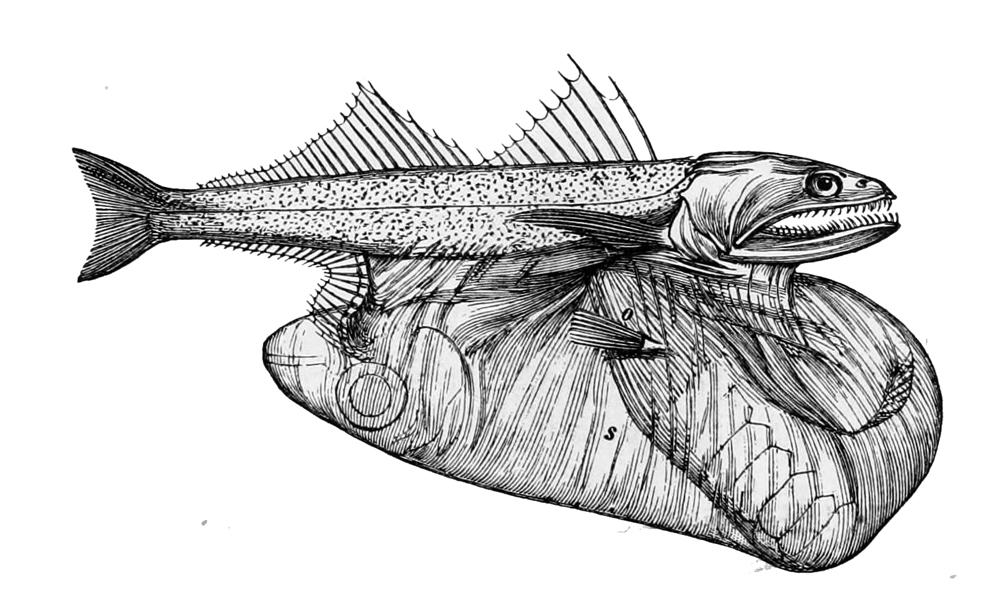
Imagine a fish so hungry it literally eats itself to death. The black swallower is a predator, even though it’s kind of bad at being one. Because these monsters live so deep, food is scarce, so they often resort to eating creatures much larger than them. Sometimes, these fucking geniuses eat things so big their stomach ruptures and they die in the least dignified way ever.
This deep-sea nightmare lives in the crushing darkness where meals are few and far between. The black swallower has an elastic stomach that is able to open up and accommodate whatever it can get through its mouth. Picture a snake trying to swallow an elephant, except this actually happens underwater at depths that would crush a human instantly.
Giant Isopods – Underwater Cockroaches From Hell
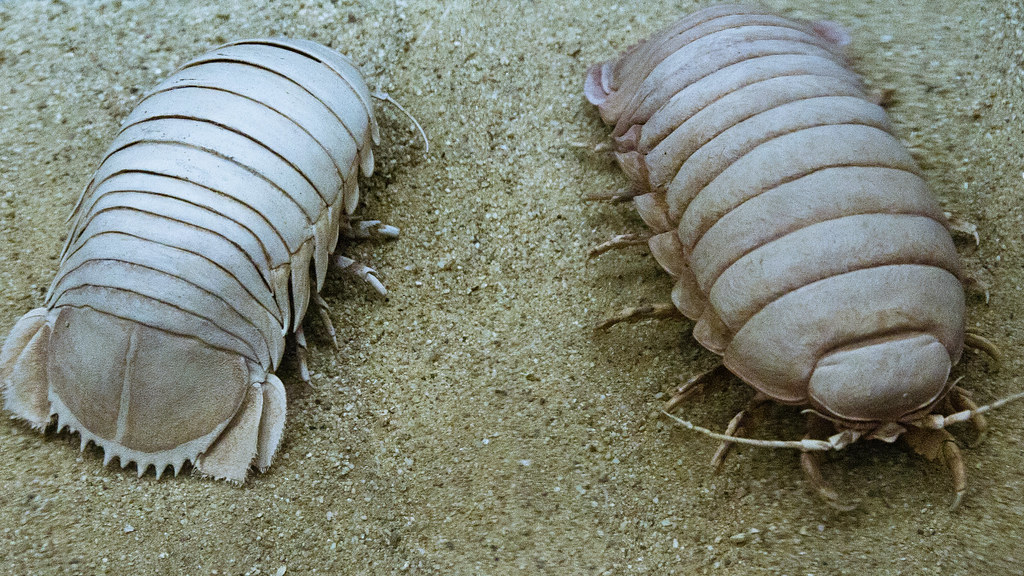
Imagine a pill bug the size of a cat. Now imagine it underwater. Giant isopods live in the deep sea, crawling along the seafloor. These armored monstrosities look like something that crawled out of a prehistoric nightmare and decided to stay for dinner.
These little monsters, which can grow to be anywhere from 7.5 inches to over 20 inches long, are straight up scavengers. According to a 2003 paper published in Deep Sea Research Part I: Oceanographic Research Papers, giant isopods have no shame in feasting on squid and fish remains. The most disturbing part? Giant isopods can fast for up to five years. They’re basically underwater zombies that refuse to die.
Anglerfish – Living Fishing Rods of Terror
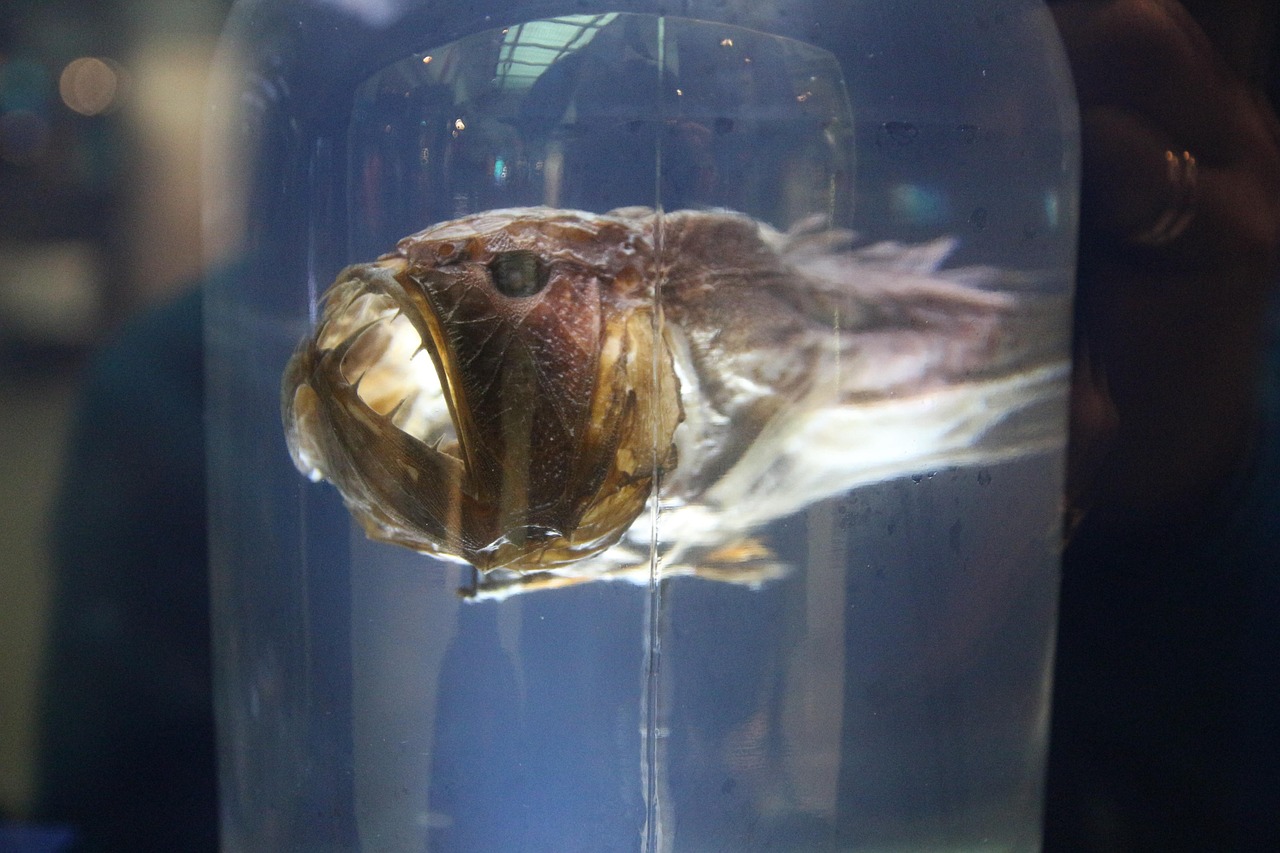
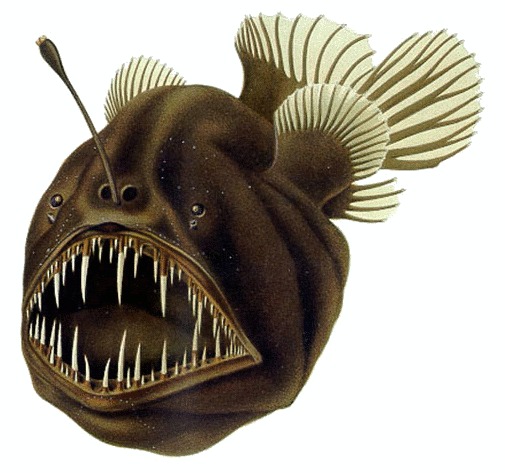
There are over 200 known species of anglerfish but the most recognizable is the black seadevil. It is usually found lurking in the pitch-black depths of the ocean and is a master of deception. The female is extremely scary with its bioluminescent lure, dangling like a glowing fishing rod from its head, attracting unsuspecting prey right into its gaping jaws.
The horror doesn’t stop at their appearance. The real horror lies in the mating habits: the tiny male bites into the female and fuses with her body, becoming a parasitic mate for life. Though they seem like huge monsters, female black seadevils only grow up to six inches while the male is much smaller. It’s like a twisted underwater romance where love literally consumes you.
Vampire Squid – The Devil’s Own Pet
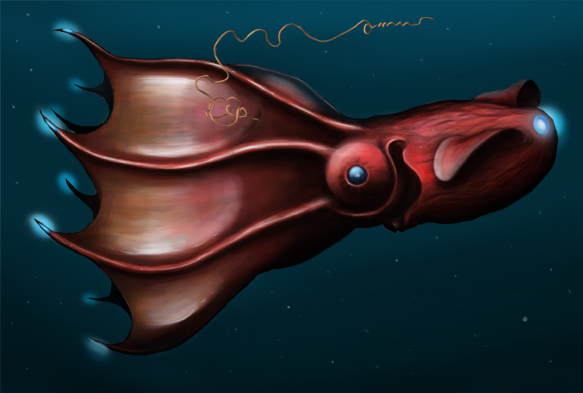
It’s a deep-sea enigma; its ghostly pale eyes, crimson skin, and cloak-like webbing between its arms evoke the classic image of a vampire gliding through the abyss. Hidden beneath this eerie ‘cape’ are fleshy spikes called cirri, which it dramatically unfurls when threatened, creating a nightmarish display that resembles a mouth full of teeth.
Its Latin name, Vampyroteuthis infernalis, translates to “vampire squid from hell,” but this creature is more misunderstood than monstrous. Still, when you see those glowing red eyes and cape-like appendages floating through the eternal night, understanding its peaceful nature becomes remarkably difficult. Instead of ink, it releases glowing mucus to confuse predators with a dazzling light in the pitch-black void.
Viperfish – Nature’s Underwater Dentist’s Nightmare
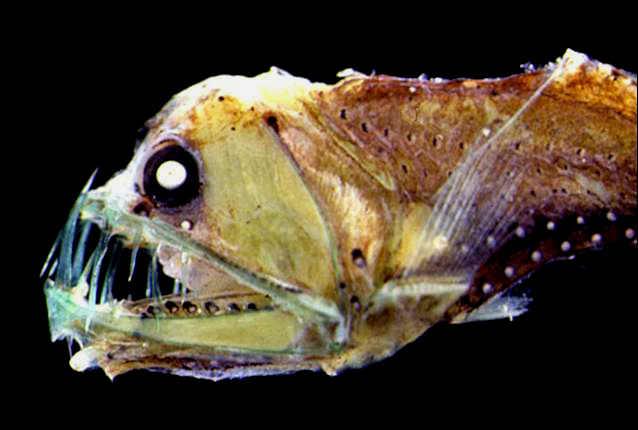
With light-producing organs, fang-like teeth and a long, ribbon-like body, the black dragonfish looks like it swam out of a nightmare. Females do the hunting while males barely eat. It thrives at extreme depths, where it uses bioluminescence to lure in prey.
Viperfish are extremely elusive, but when these beasts reveal themselves, it’s always a bad time. The creatures have long fangs, which act like a trap. Unsuspecting fish wander into that mouth trap, and it’s game over. Their teeth are so massive they can’t even close their mouths properly, giving them a permanent sneer of underwater malevolence.
Frilled Shark – The Living Fossil of Horror
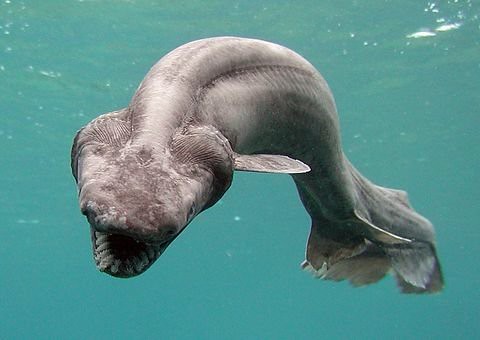
This deep sea creature looks like an eel with shark teeth. It has a mouth full of backward-facing fangs and a body shaped like it hasn’t evolved in millions of years. It rarely comes near the surface, but when it does, people mistake it for something from a horror movie.
The 7-foot (2-meter) frilled shark looks more like an eel than a great white shark. “The head on it was like something out of a horror movie,” fisherman David Guillot, who accidentally caught a frilled shark in 2015, told 3AW radio. Honestly, when actual fishermen describe your catch as looking like a horror movie prop, you know you’ve encountered something truly terrifying.
Gulper Eel – The Ocean’s Living Garbage Bag
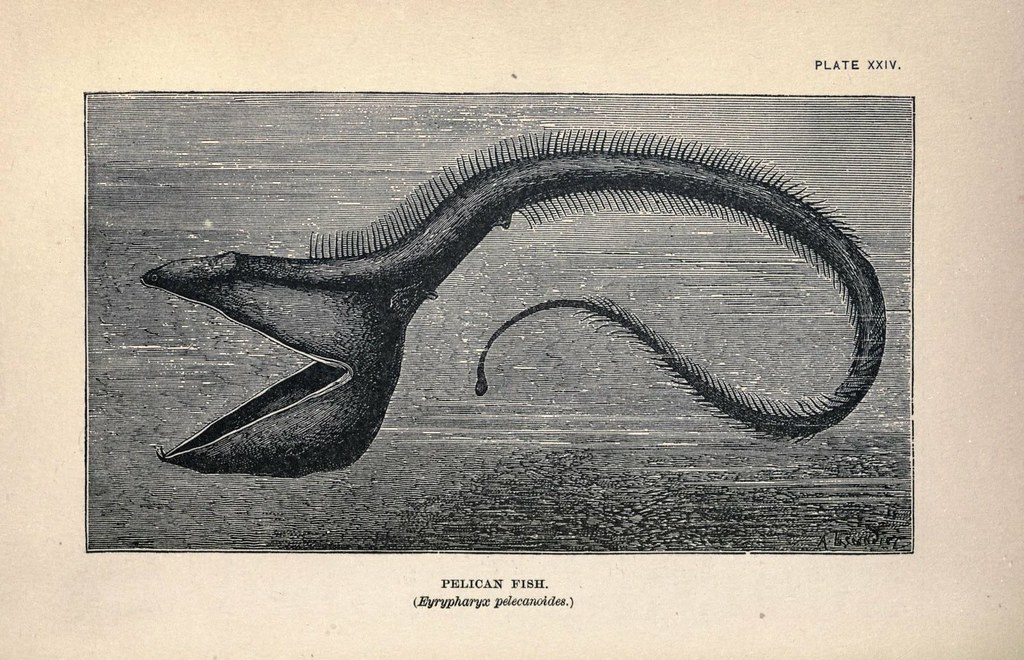
The gulper eel, also known as the pelican eel, looks like something out of an Alien movie. This monstrosity can live at depths of 3,000 feet below sea level, where it hunts for its prey. These animals get their name from their bizarre mouths, which can inflate like a balloon to enormous sizes. The eel’s mouth has evolved in this way due to the intense scarcity of food in the deep sea.
The pelican eel uses its large, pelican-like mouth to gulp up its prey. Like other members of the Eurypharyngidae family, the pelican eel’s mouth can actually be longer than its tapered body, which can expand to fit the prey it swallows whole. Pelican eels live in the bathypelagic zone at depths ranging from 1,600 to 9,800 feet.
Giant Squid – The Real Kraken
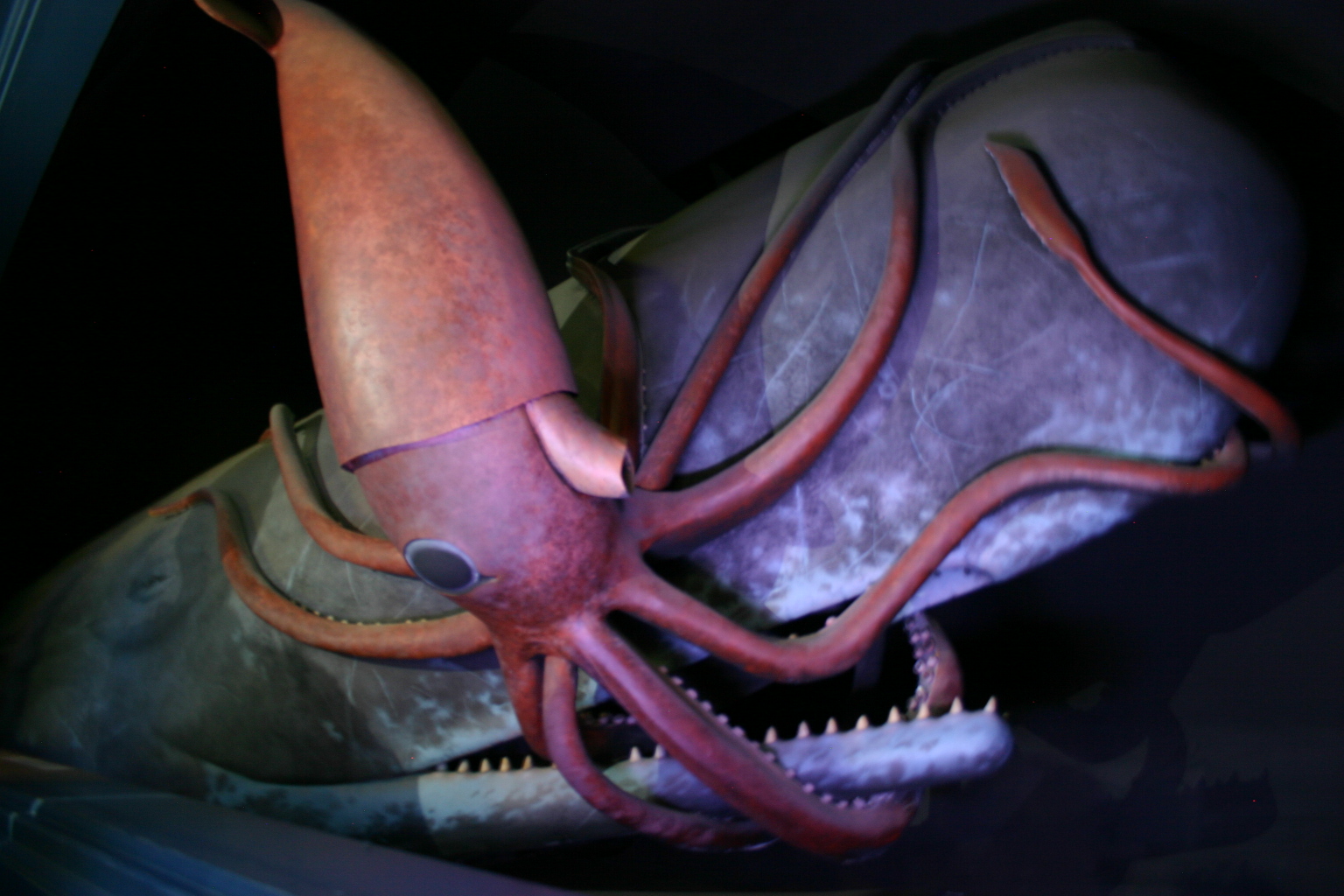
Giant squid are mysterious deep-sea predators with dinner plate-size eyes and tentacles that can stretch to 33 feet long. Giant squid sightings are likely what inspired tales of the ship-destroying Kraken from Scandinavian mythology. Real giant squid live at depths of at least 2,950 feet below the ocean’s surface and aren’t known to attack ships.
They can use these tentacles, known as feeding tentacles, to grab prey from up to 33 feet away with the tips known as tentacle clubs. They can then use suckers to exert suction forces of over 100 pounds per square inch. To put that in perspective, that is about the same strength as the pressure of a human bite. Their eyes are the size of dinner plates, evolved to spot the faintest glimmer of light in the abyssal darkness.
Goblin Shark – The Ocean’s Most Hideous Predator
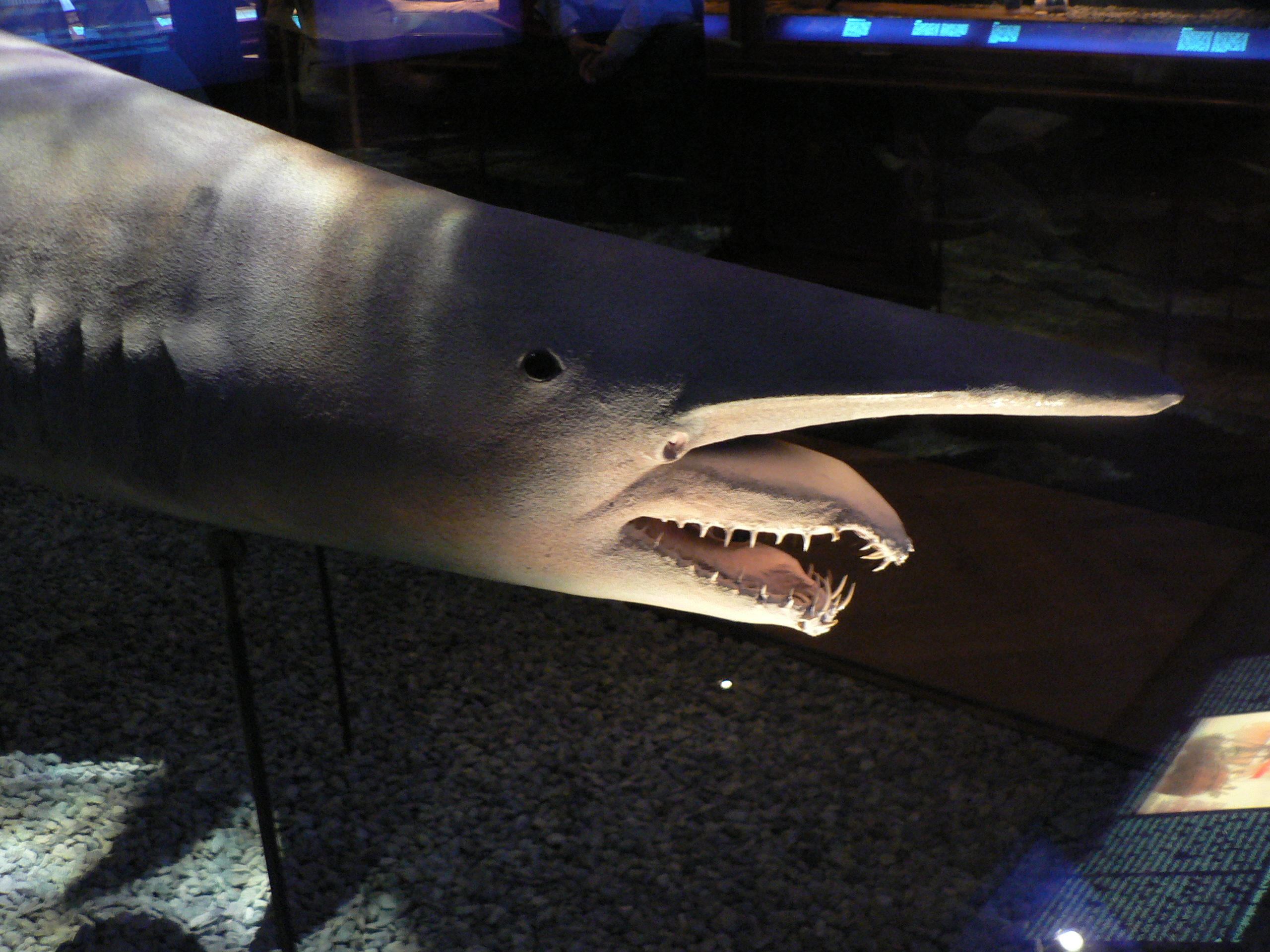
This odd-looking shark has a long, flat snout and jaws that spring forward to snatch prey. It’s rarely seen and inhabits deep waters worldwide, including around Japan and Australia. Its pink skin and eerie profile make it one of the creepiest creatures in the ocean.
There are goblin sharks as long as 13 feet, though they may be able to grow much larger! Apart from their noticeably long snouts, goblin sharks have protruding mouths that are outfitted with several rows of teeth that can both catch prey and crush through shellfish. When they attack, their jaws shoot forward like some underwater alien face-hugger, making them the stuff of aquatic nightmares.
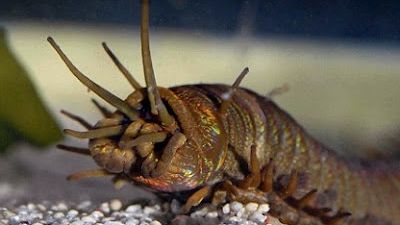
Bobbit Worm – The Ocean’s Hidden Chainsaw
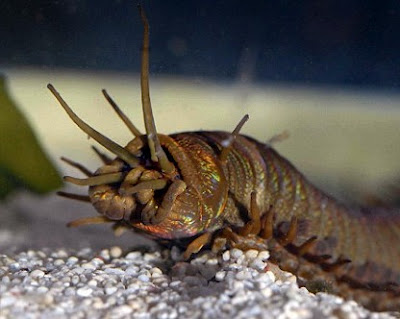
It lies in wait beneath the seabed, exposing only its antennae to detect vibrations. When prey passes by, it strikes, using its scissor-like jaws to slice victims in half. It can then drag them down into its mucus-lined burrow away from prying eyes, leaving no trace of the attack having ever happened.
The bobbit worm has no eyes but can grow up to 10 foot long and is thought to inject a toxin to subdue its catch which, though not enough to kill a person, can leave the affected area numb afterwards. With a name inspired by a notoriously gruesome and graphic crime which involved cutting off a man’s appendage, this worm is one of the most scary marine creepy crawlies.
Conclusion
The deep ocean remains our planet’s final frontier, harboring creatures that challenge every assumption about life on Earth. These ten horrifying inhabitants of the abyss remind us that nature’s creativity knows no bounds, especially when it comes to survival in the most extreme environments imaginable. From the self-destructive gluttony of the black swallower to the surgical precision of the bobbit worm, each creature has evolved its own brand of underwater terror.
What makes these creatures truly fascinating isn’t just their nightmarish appearance, but their incredible adaptations to a world of eternal darkness, crushing pressure, and scarce resources. Next time you’re floating peacefully on the ocean’s surface, remember that thousands of feet below, these living nightmares are going about their daily business in ways that would make horror movie directors weep with envy. What do you think about these deep-sea monsters? Tell us in the comments.

- The Secret Lives of Nocturnal Animals: What Happens After Dark - August 10, 2026
- 12 Incredible Facts About Monarch Butterflies and Their Migration - August 10, 2026
- Why the World is Obsessed with This Iridescent Spider: The Psychedelic Earth Tiger - August 10, 2026