

Imagine standing at the edge of the world, where every breath could be your last and every step might lead to disaster. Our planet harbors places so perilous that they challenge the very essence of human survival. These aren’t your typical vacation destinations with five-star hotels and scenic overlooks.
From war-torn territories where bullets fly across invisible borders to toxic wastelands that glow with deadly radiation, these locations represent the extreme margins of what can throw at humanity. They’re places where nature unleashes its most brutal forces, where human conflict reaches its most devastating peaks, and where the very ground beneath your feet might literally be on fire. So let’s dive into the shadows of our world and discover why these ten places earned their terrifying reputations.
Syria – A Nation Under Siege
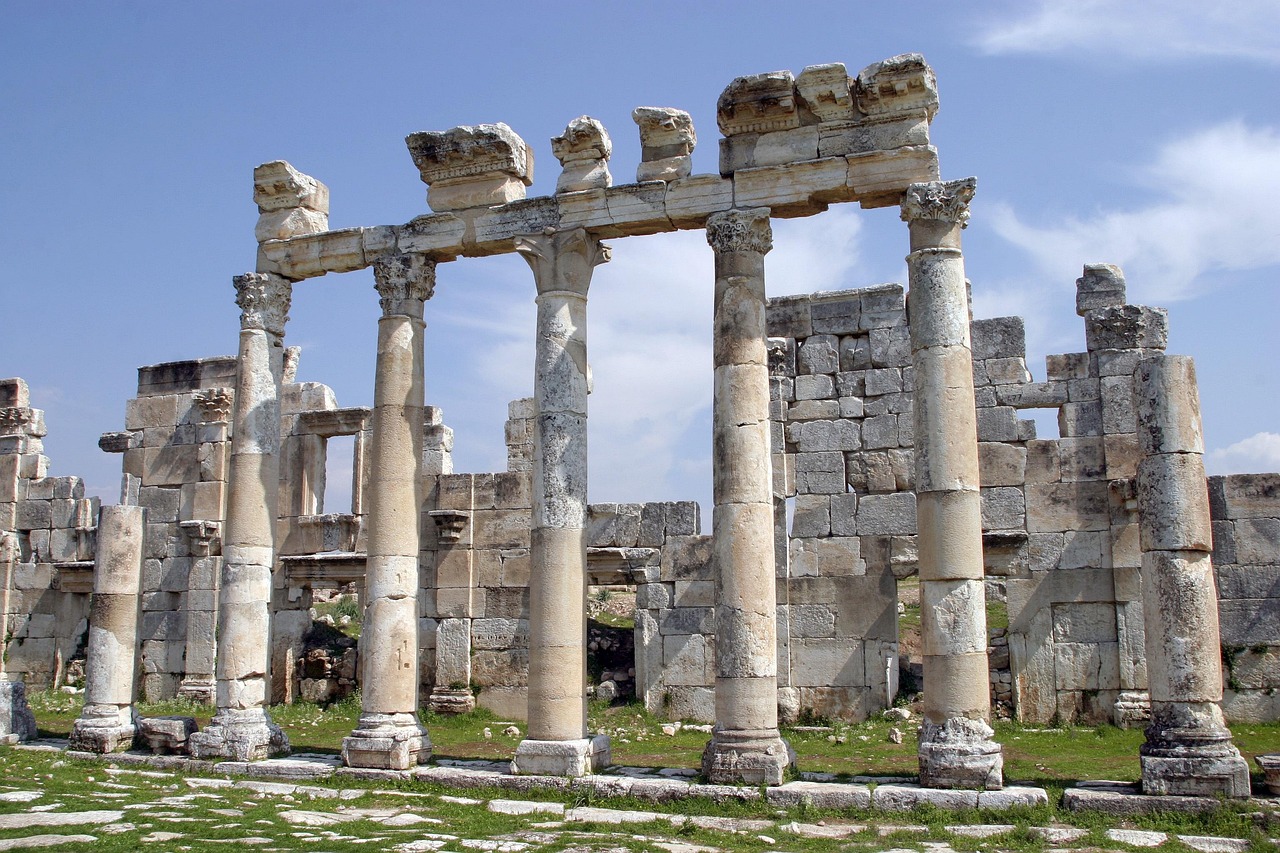
Syria remains the world’s most dangerous country, with ongoing conflict and civil unrest plaguing the nation since the Syrian civil war began in March 2011. The numbers tell a devastating story: over 5.7 million people have fled Syria, and more than 6 million have been displaced internally. Walking through Syrian streets today means navigating a landscape where widespread violent crime, including robberies, assaults, carjacking, and kidnappings has become the norm.
Armed conflict exists mostly between the government and opposition groups, with little to no rule of law or order in place outside the country’s capital of Damascus. This complete breakdown of social order has transformed once-thriving cities into battlegrounds where survival depends more on luck than anything else.
North Korean DMZ – The World’s Most Dangerous Border
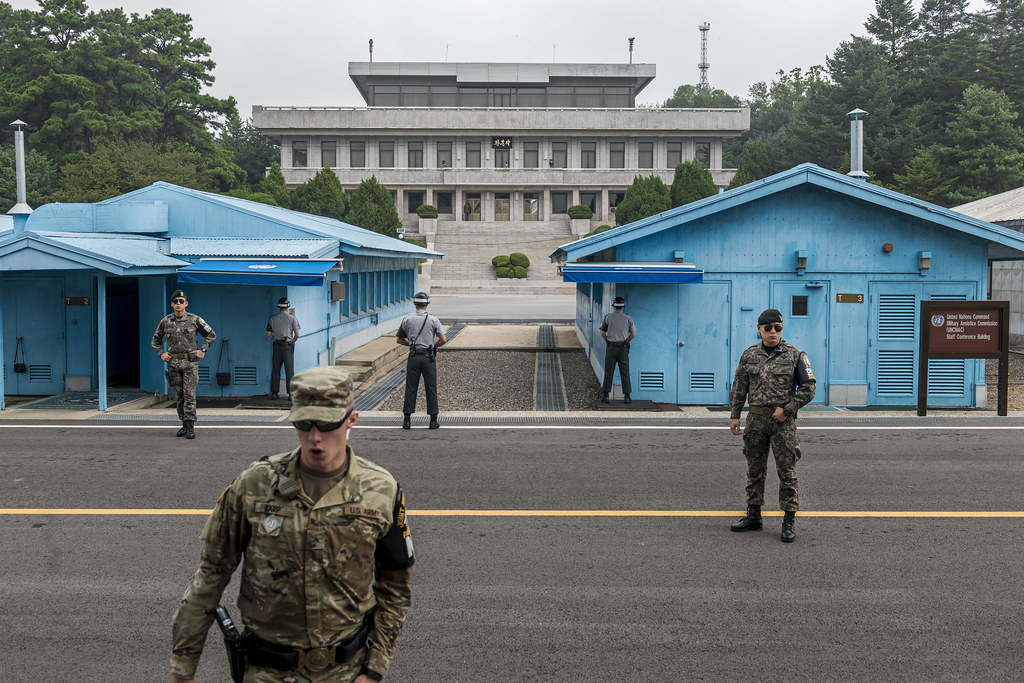
The Demilitarized Zone or DMZ acts as a border between North and South Korea, yet you’re walking into a war zone where soldiers may be on truce, but the land mines are still there. This 155-mile stretch of land represents more than just a political boundary. The DMZ is 250 kilometers long and about 4 kilometers wide, with various incidents in and around the zone resulting in military and civilian casualties on both sides.
You can’t know where to walk safely, which is why you’ll need a guide to show you the way. The irony strikes deep: despite being dangerous, this place is visited by over a million tourists every year, making it perhaps the world’s most popular deadly tourist attraction.
Snake Island, Brazil – Serpent’s Sanctuary
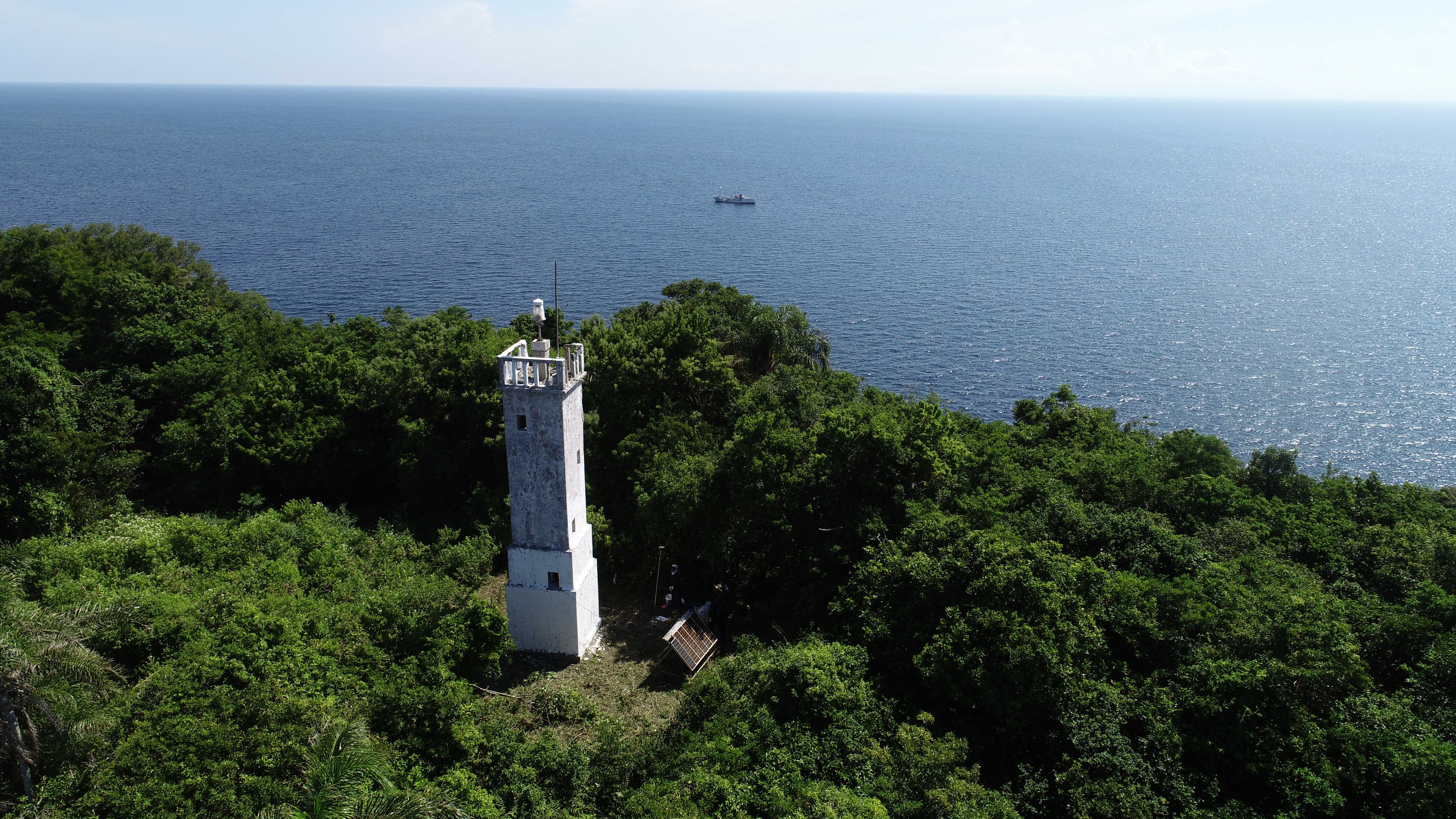
Welcome to Ilha da Queimada Grande, also known as Snake Island, where you’re given about an hour to save yourself from the notorious golden lancehead pit viper. This isn’t your garden-variety nature preserve. These snakes are among the most venomous in South America, packing a bite that can melt flesh and cause organ failure.
This small island off Brazil’s coast is infested with golden lancehead vipers, one of the deadliest snakes in the world, and the Brazilian navy prohibits access without special permission. The concentration of danger here defies comprehension: the island has an estimated snake population of one per square meter.
Death Valley, USA – Nature’s Furnace
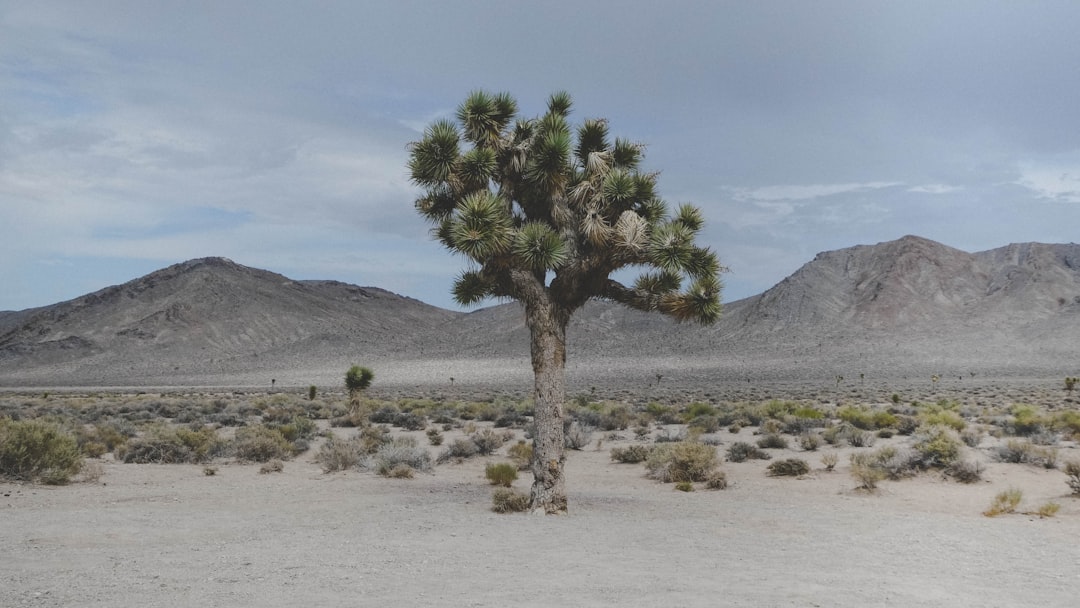
Located in the heart of Death Valley, Furnace Creek isn’t exactly known for its welcoming hospitality. On July 10, 1913, the United States Weather Bureau recorded a temperature of 134°F at Furnace Creek, which stands as the highest ambient air temperature ever recorded on the surface of the Earth. The biggest dangers here are dehydration and heatstroke, where even a short hike can be life-threatening, and your body can quickly shut down, leading to organ failure and even death.
Surprisingly, heat-related emergencies aren’t the leading cause of death in Death Valley – more visitors are killed in car accidents than any other cause. The vastness and isolation create a false sense of security that proves deadly.
Fukushima Exclusion Zone, Japan – Radioactive Wasteland
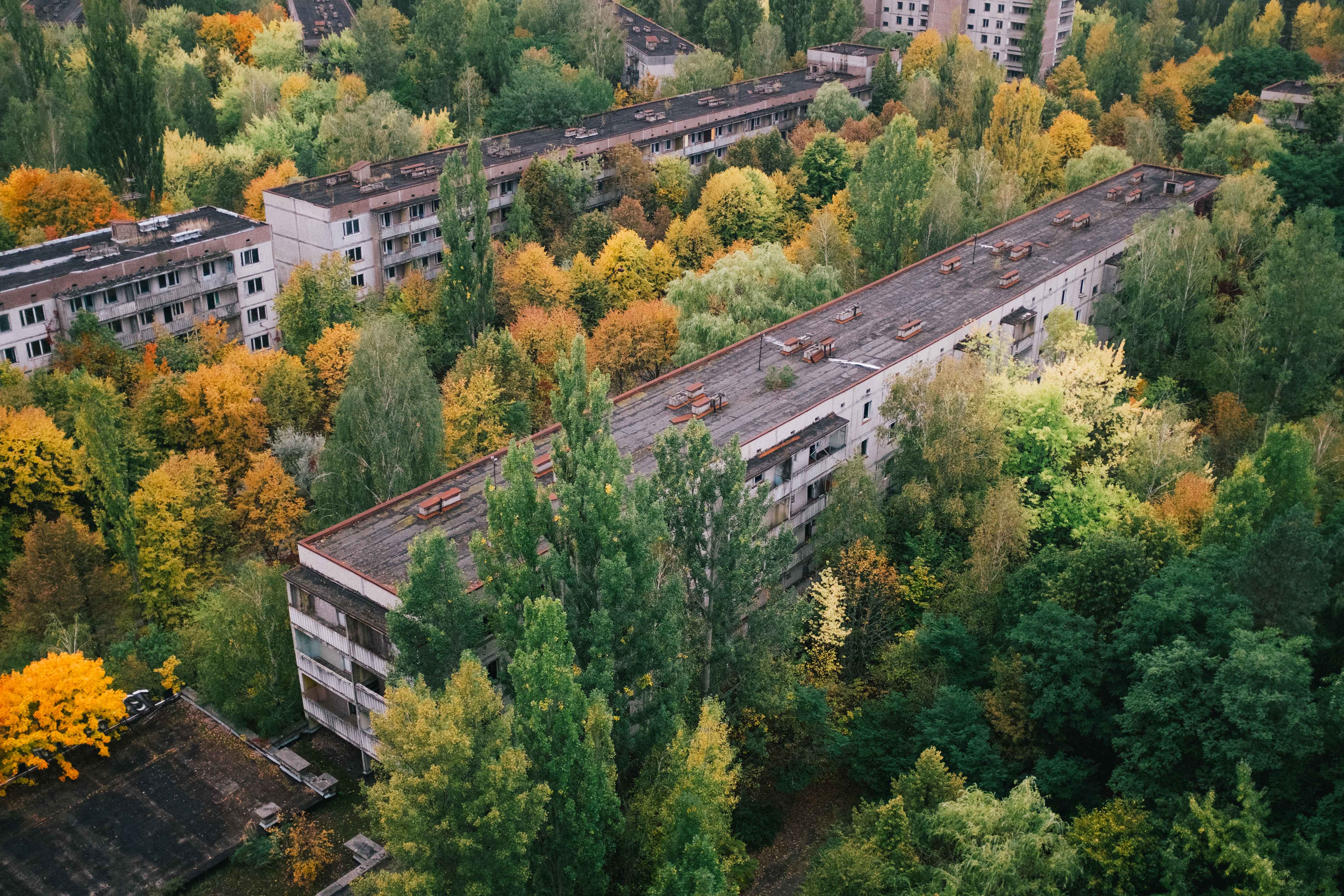
You’re about to land in Fukushima, Japan, where everything changed on March 11, 2011, when a devastating earthquake and tsunami triggered a nuclear disaster at the Fukushima Daiichi Nuclear Power Plant. The Pacific coast of Japan experienced an earthquake with a magnitude upwards of 9.0, and the tsunami destroyed Fukushima along with its nuclear plant.
The disaster resulted in the leakage of radioactive materials and contaminated wastewater into the Pacific Ocean, and although the reactors have been shut down, the impact is still felt today. The invisible threat of radiation makes this zone particularly terrifying because you can’t see, smell, or feel the danger until it’s too late.
Democratic Republic of Congo – Lawless Mineral Kingdom
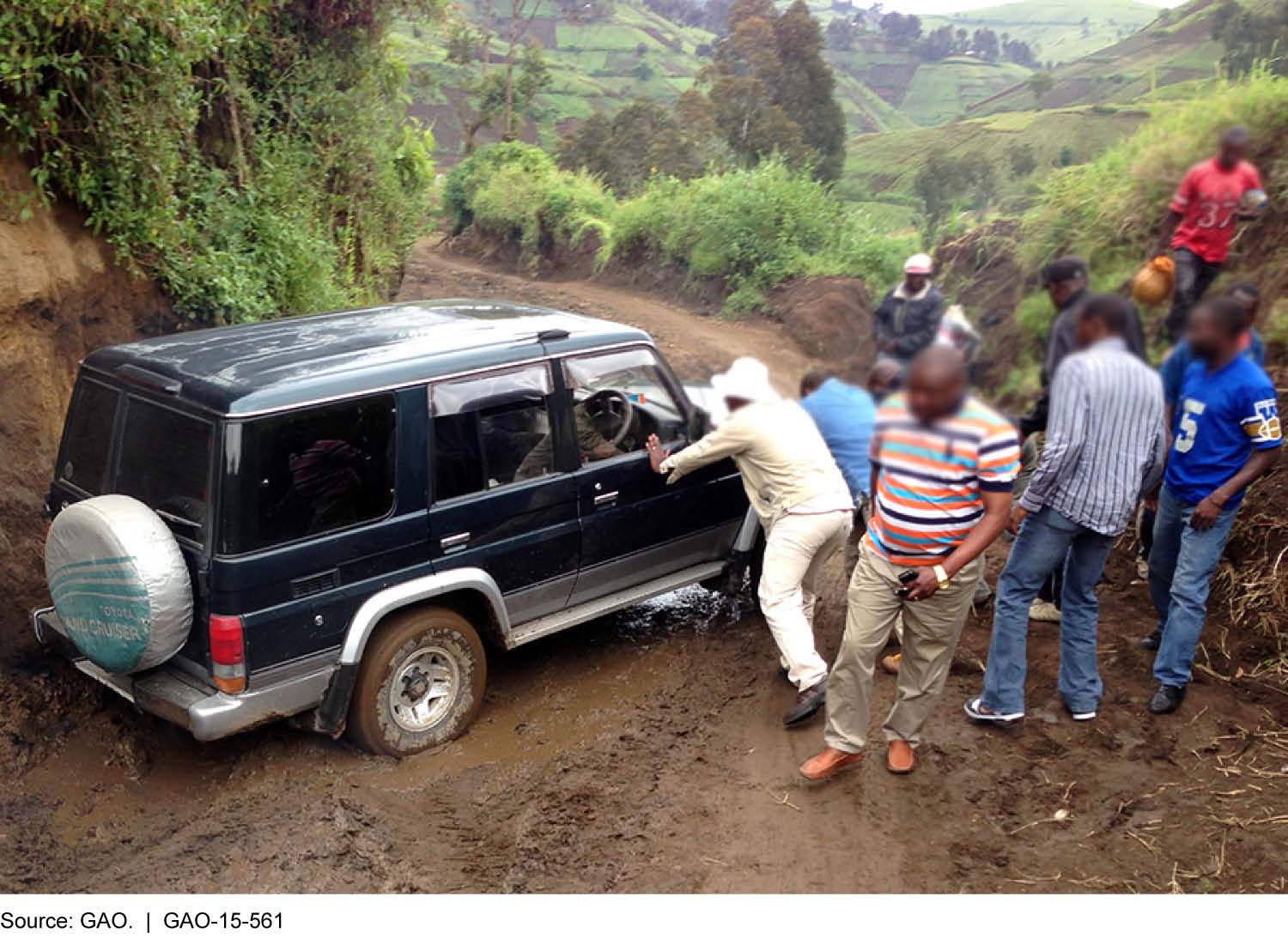
Poverty and political unrest are an everyday occurrence in the Democratic Republic of the Congo, with rebels and armed forces wandering certain areas at will, while crimes including murder, rape, kidnapping, carjackings, burglaries, muggings, and highway robberies are fairly common. This mineral-rich region faces ongoing violence, displacement and civil unrest, with armed groups operating in the area and limited public security, regularly ranking on the Global Peace Index as one of the most dangerous countries due to armed conflict and crime.
The tragic irony lies in the nation’s wealth: sitting atop some of the world’s most valuable mineral deposits, yet its people suffer from extreme poverty and violence. Even natural disasters, such as floods, earthquakes, and volcanic eruptions, are a concern, adding environmental threats to the human-made chaos.
Port Moresby, Papua New Guinea – Pacific’s Danger Zone
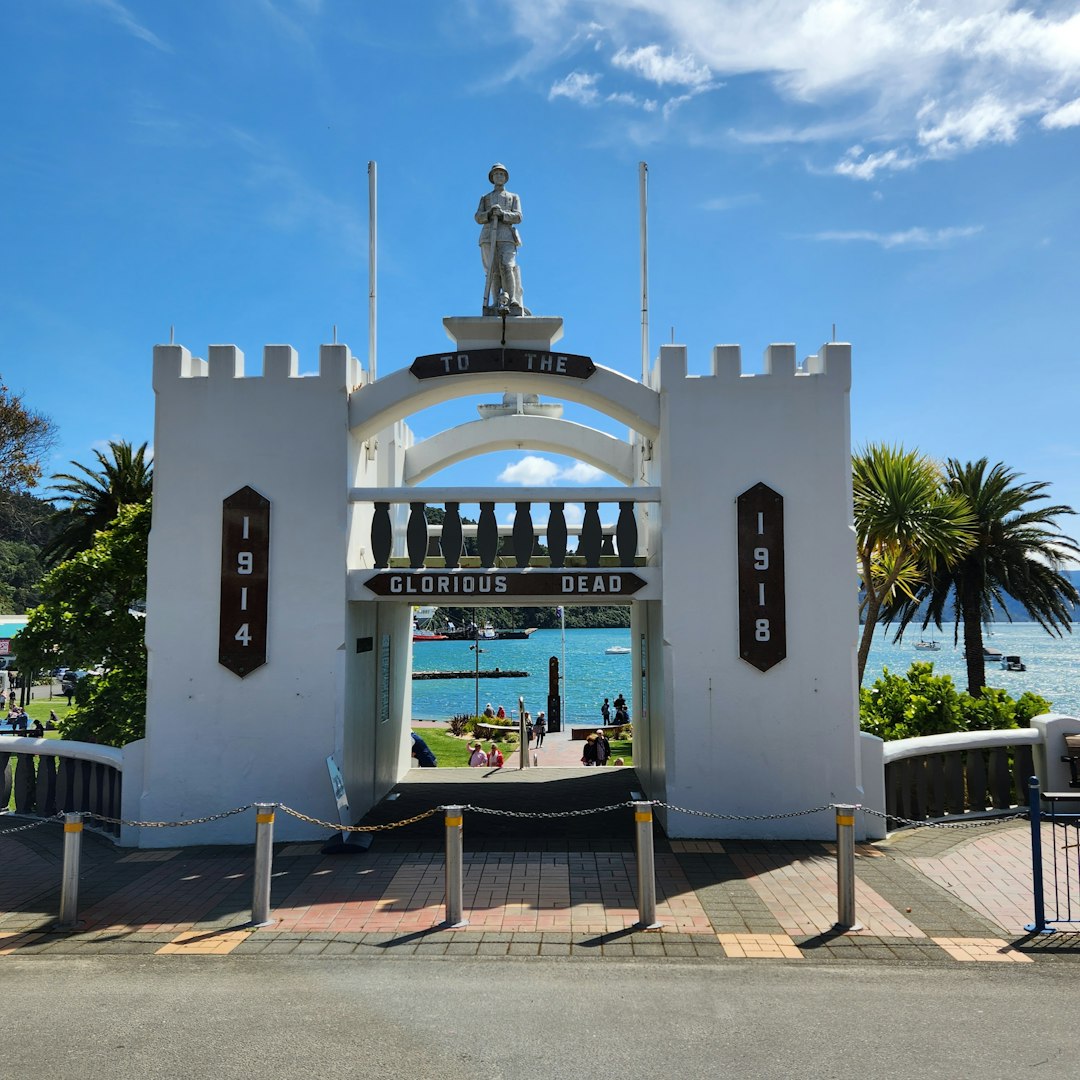
Port Moresby, Papua New Guinea, is considered to be the most dangerous city in Oceania, ranking fourth globally as a dangerous city. Raskol gangs dominate settlements and main roads, waging armed robberies, machete assaults and carjackings. The city’s position as a supposedly tropical paradise makes its violent reality even more jarring.
Despite its rich history and coastal beauty, Port Moresby faces issues like organized crime and limited access to security solutions, particularly in urban areas. The contrast between the stunning natural setting and the brutal urban reality creates a particularly dangerous environment for the unprepared.
Aleppo, Syria – City of Ruins
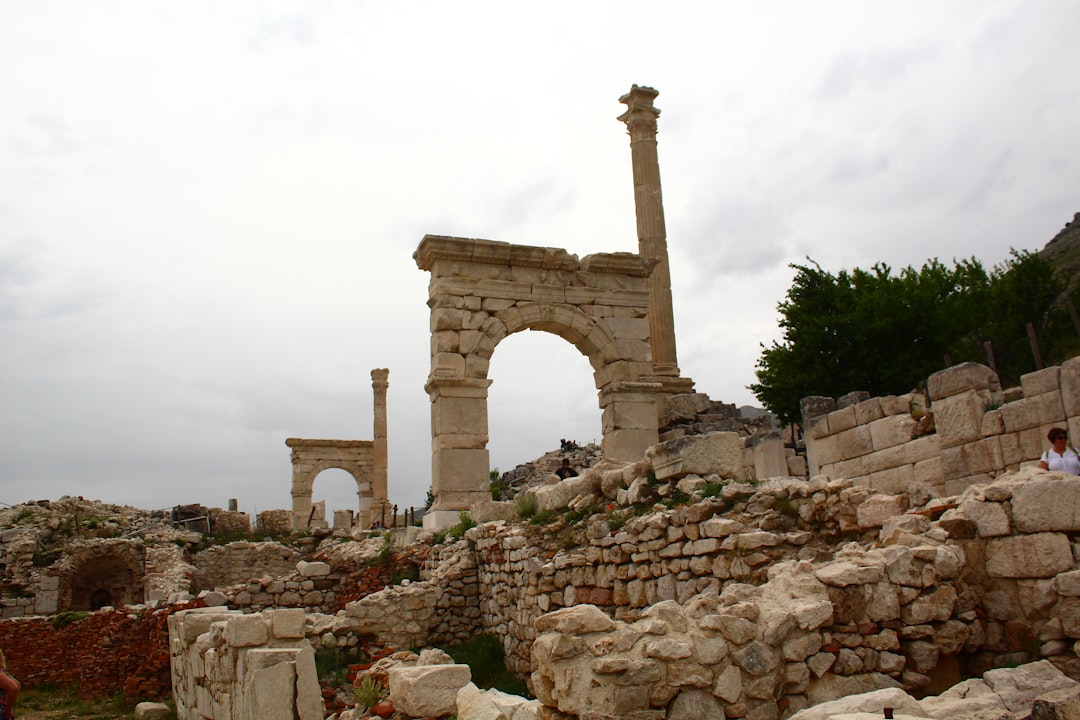
A focal point in the Syrian civil war, Aleppo has faced years of military conflict, bombings and humanitarian crises, with ongoing conflict and the presence of multiple armed groups making this one of the most dangerous places in the Middle East. Once a thriving commercial hub and UNESCO World Heritage site, Aleppo now stands as a testament to the devastating power of modern warfare.
The ancient city that once served as a vital crossroads for trade has been reduced to rubble and ruin. Streets that echoed with the sounds of commerce for millennia now ring with the sounds of conflict, making daily survival a constant challenge for those who remain.
Danakil Desert, Ethiopia – Hell on Earth
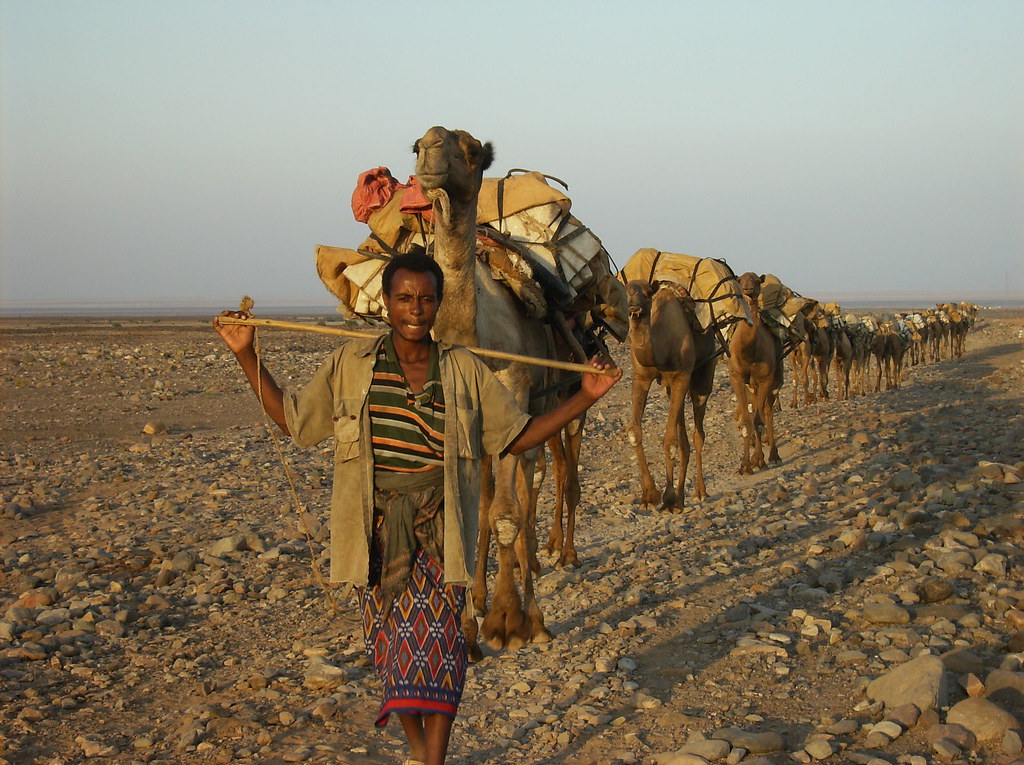
Located in the Horn of Africa, the Danakil Desert is known for its extreme temperatures, volcanic activity and toxic gases, and it’s also in a region marked by political instability, which adds another layer of risk for travelers. This otherworldly landscape sits at one of the lowest and hottest , where the very air can become poisonous.
The desert’s alien-like terrain, with sulfur springs, salt flats, and active volcanoes, creates a hostile environment that challenges human survival on multiple fronts. The combination of natural hazards and regional instability makes it doubly dangerous for anyone brave or foolish enough to venture there.
Centralia, Pennsylvania – The Town That’s Always on Fire
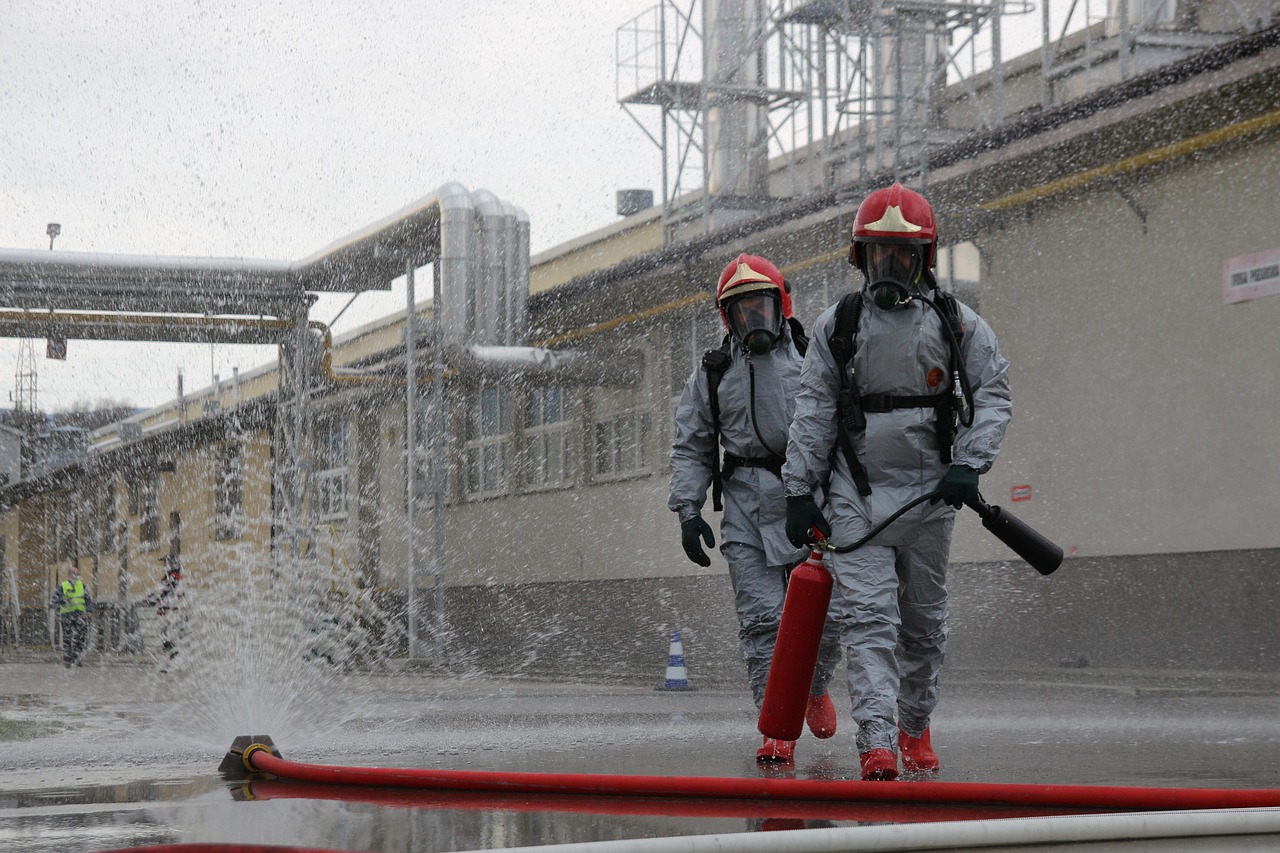
Toxic gases pose a certain risk, so keep on high ground and avoid hollows where gases could accumulate, remembering that carbon monoxide may be odourless but potentially deadly. The best visible evidence of the underground fire is to be found on the rugged hillside just to the west as you enter Centralia, with a small sign saying “fire” on a tree.
People who don’t know about the fires often aren’t even aware that they’re passing through anything special, though the place still features on maps despite its ZIP-code being revoked, making it a ghost town in a more literal sense. The underground coal fire has been burning since 1962, turning an entire town into a slow-motion disaster zone.
Conclusion
These ten locations represent the extreme edges of our world, where human survival hangs by the thinnest of threads. From the radiation-soaked zones of Fukushima to the snake-infested beaches of Brazil, from the war-torn streets of Syria to the eternally burning ground of Centralia, each place tells a story of how quickly paradise can transform into hell.
What makes these places truly terrifying isn’t just their individual dangers, but what they reveal about our planet’s capacity for creating environments utterly hostile to human life. Yet remarkably, people continue to visit, study, and even live in some of these locations, proving that human curiosity and resilience often triumph over common sense. What do you think drives people to seek out such dangerous places? Tell us in the comments.

- 5 Fascinating Bird Species with Unbelievable Courtship Rituals - August 10, 2026
- 12 Amazing Ways Your Cat Shows You Love You Might Not Notice - August 10, 2026
- Why Do Geese Fly in a ‘V’ Formation? The Scientific Reason Explained - August 10, 2026