

Picture this: America’s oldest national park, celebrating its 150th anniversary, suddenly transformed into a raging torrent of destruction. In just four days, what started as a quiet June weekend became one of the most devastating natural disasters in Yellowstone’s recorded history. The 2022 flood wasn’t just a weather event – it was an unstoppable force that rewrote landscapes, shattered records, and left an entire region scrambling for survival.
This wasn’t your typical spring runoff. An atmospheric river – a narrow band of tropical moisture – struck the Yellowstone National Park region from June 10-13, 2022, carrying Pacific moisture thousands of miles inland. Combined with an above-average snowpack that was 144 percent of normal for the time of year, the stage was set for catastrophe. Let’s explore how this perfect storm of conditions created a disaster that would forever change one of America’s most treasured landscapes.
When Rivers Turned Into Monsters
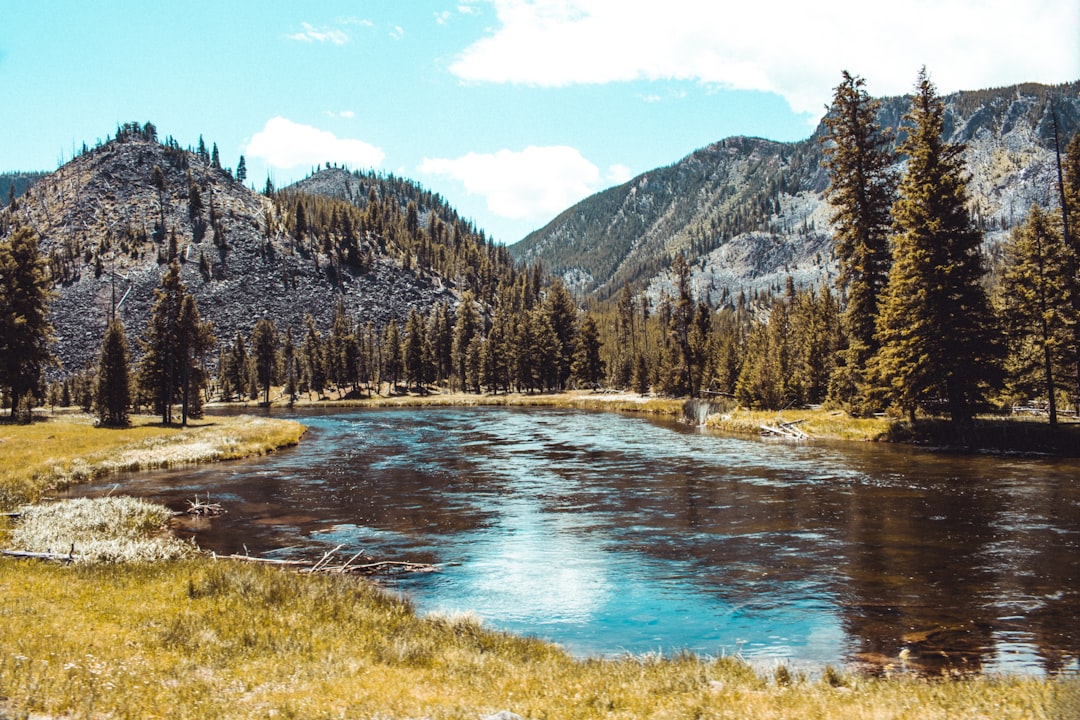
The Yellowstone River didn’t just flood – it became an entirely different beast. On June 13, 2022, the Yellowstone River at Corwin Springs reached 13.88 feet, about 2.5 feet higher than the previous record flood event in June 1918. To put this in perspective, the discharge peaked at approximately 51,500 cubic feet per second, much greater than the previous peak flow of about 32,100 CFS from 1918.
The sheer volume of water was mind-boggling. The amount of water flowing through the gage in four days between June 11th and June 15th was more than 70 billion gallons – enough to fill more than one hundred thousand Olympic swimming pools. Imagine trying to contain that much water behind walls on a football field that would need to be three miles high.
The Perfect Storm: Rain on Snow
What made this flood so catastrophic was the deadly combination of factors that meteorologists call a “rain-on-snow event.” Several inches of rain fell in the northern parts of Yellowstone National Park, which was blanketed by a large snowpack at the time that was late to melt because of a cool spring. More than 2–3 inches of rain, combined with warm overnight temperatures, melted a large amount of snow that had not previously melted.
The atmospheric river that caused this devastation was unusually powerful for June. The AR that contributed to the Yellowstone floods was unusually strong for June, bringing significant amounts of rain for over 60 hours with up to 7 inches falling in the Oregon Cascade Mountains. When this moisture-laden system reached the Northern Rockies, it still carried enough Pacific moisture to fuel the historic flooding.
Roads Swallowed by Raging Waters
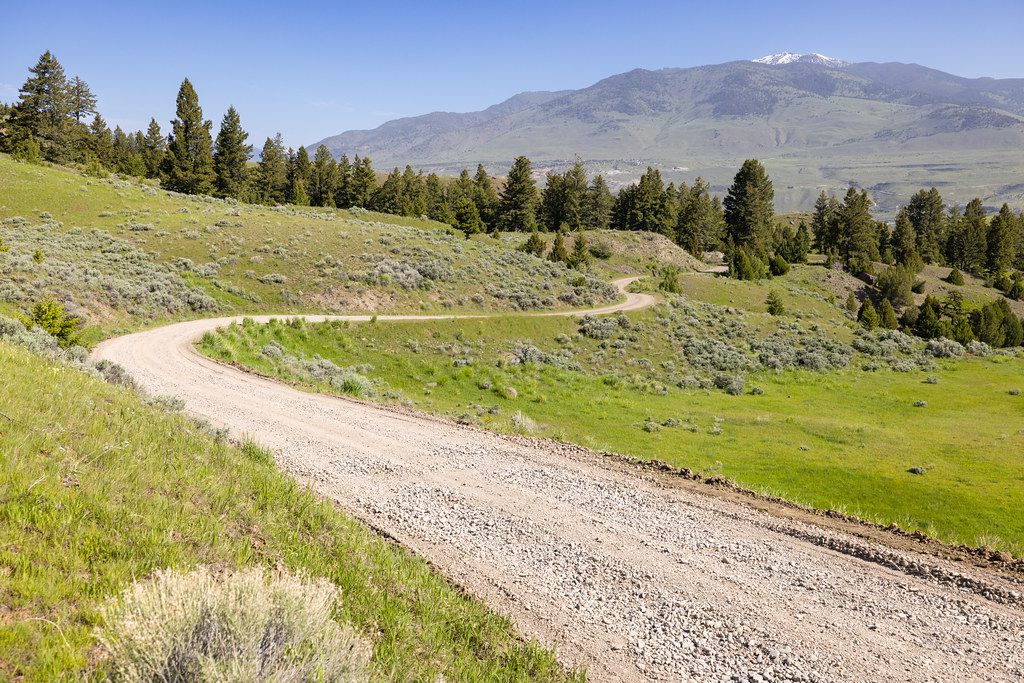
The infrastructure damage was immediate and catastrophic. The northern part of the park, where the river flows through steep canyons, suffered the most damage as the Yellowstone River cut a new course, washing out the road between Gardiner and the park headquarters near Mammoth Hot Springs. This wasn’t just surface damage – entire sections of roadway disappeared.
The flooding washed out sections of both the North Entrance Road, which connects Gardiner and Mammoth, and the Northeast Entrance Road, which connects Mammoth and Cooke City, making both roads impassable. The Gardner River alone saw peak flows nearly four times higher than normal, reaching 2890 cubic feet per second compared to an average peak snowmelt flow of 800 CFS.
The Great Evacuation: 10,000 People in Peril
Park officials faced an unprecedented crisis that required swift action. On June 13, park officials closed Yellowstone and announced the evacuation of more than 10,000 visitors due to safety concerns. This wasn’t a gradual closure – it was an emergency shutdown of America’s first national park.
The evacuation process revealed the park’s preparedness and the dedication of its staff. The concessioner facilitated the relocation of guests and employees to nearby communities to the south, east, and west of the park while the Mammoth area was without power for over 24 hours, with one building maintaining power to allow seasonal employees and others to contact family members.
Communities Cut Off From the World
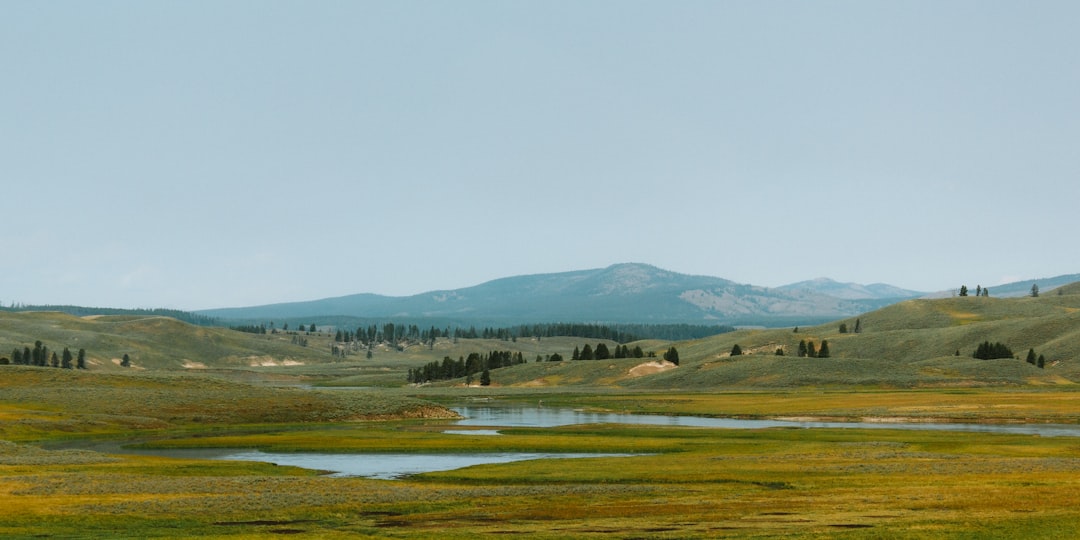
The flood’s impact extended far beyond the park boundaries, isolating entire communities. Communities adjacent to Yellowstone National Park, like Gardiner and the area of Cooke City in southern Montana, were completely isolated by floodwaters and damage to roads with power lost in many places, as was access to clean drinking water.
Gateway communities that had thrived on tourism for generations suddenly found themselves stranded. Roadways between the park and the towns of Gardiner, Red Lodge and Cooke City, Montana, were wiped out, stranding community members. These weren’t just inconveniences – they were life-threatening situations that required immediate intervention from emergency services.
The Economic Tsunami That Followed
The flood’s economic impact was as devastating as the physical destruction. Some 10,000 people were evacuated from the park in mid-June, representing the front edge of a reverse-deluge of present and future tourists from the region, and it’s hard to overstate the impact that Yellowstone National Park has on the southern Montana economy.
Local businesses faced catastrophic losses. Slightly more than half of respondents expect to see their summer income cut in half compared with last year, while after seeing a record number of visitors in the summer of 2021, June of 2022 saw a 20% decline in visitor numbers, and for a lot of the businesses in the gateway communities, 60-80% of their revenue is made during the summer months.
A Billion-Dollar Recovery Challenge
The financial toll of the disaster was staggering. Based on other infrastructure projects in the park, it wouldn’t be surprising for costs to near $1 billion to repair and rebuild roads, bridges, sewer systems and other facilities inside and outside the park in an environmentally sensitive way. This wasn’t just about fixing what was broken – it was about rebuilding for a climate-changed future.
Federal assistance came quickly but the scale was enormous. Yellowstone’s recovery is ongoing as the park continues to chip away at over $1 billion in estimated damages nearly two years after the 500-year flood event, with the U.S. House of Representatives appropriating $916 million for the park. Even with this massive investment, the work continues today.
Nature’s Incredible Resilience and Recovery
Despite the destruction, the recovery process revealed nature’s remarkable ability to heal. Yellowstone National Park chose to reroute a main road away from the vulnerable river canyon as part of its recovery work, with this new section of Old Gardiner Road opening to the public in October 2022. The park’s decision to build back better, rather than simply replacing what was lost, showed forward-thinking leadership.
The reopening process was carefully managed to balance safety with economic needs. Yellowstone implemented the Alternating License Plate System upon reopening the south loop June 22, 2022, to ensure visitor traffic did not overwhelm the south loop, and the interim system worked very effectively at moderating traffic within the park.
This extraordinary flood that devastated Yellowstone in June 2022 serves as a stark reminder of nature’s awesome power and our vulnerability to extreme weather events. The flood was classified as a 500-year event, meaning that the chances of a flood of this magnitude happening was just 0.2% in any given year, yet it happened during what should have been the park’s busiest tourist season. While the immediate crisis has passed and most of the park has reopened, the lessons learned from those four terrifying days in June continue to shape how we prepare for an uncertain climate future.
What would you have done if you’d been one of those 10,000 visitors caught in the path of this unstoppable flood? Tell us in the comments.

- The Largest Mountain Lion Ever Recorded in California - August 13, 2026
- 14 Birds of Prey That Dominate the Skies of North America - August 13, 2026
- Signs Your Cat Is Trying to Warn You About Danger - August 13, 2026