

The ocean held secrets for millions of years that we’re only beginning to unravel. Picture a predator so massive it dwarfed everything we know today, gliding through ancient seas with jaws that could crush a small car. The megalodon wasn’t just another shark – it was the ultimate ocean ruler, a leviathan that made today’s great whites look like minnows.
Yet this apex predator vanished from the seas roughly three and a half million years ago, leaving behind nothing but scattered teeth and endless questions. What could possibly bring down such a formidable creature? Recent scientific discoveries are rewriting everything we thought we knew about this ancient giant, revealing a story far more complex than simple climate change or competition. Let’s dive into the fascinating mystery of what really megalodon.
The True Monster Revealed
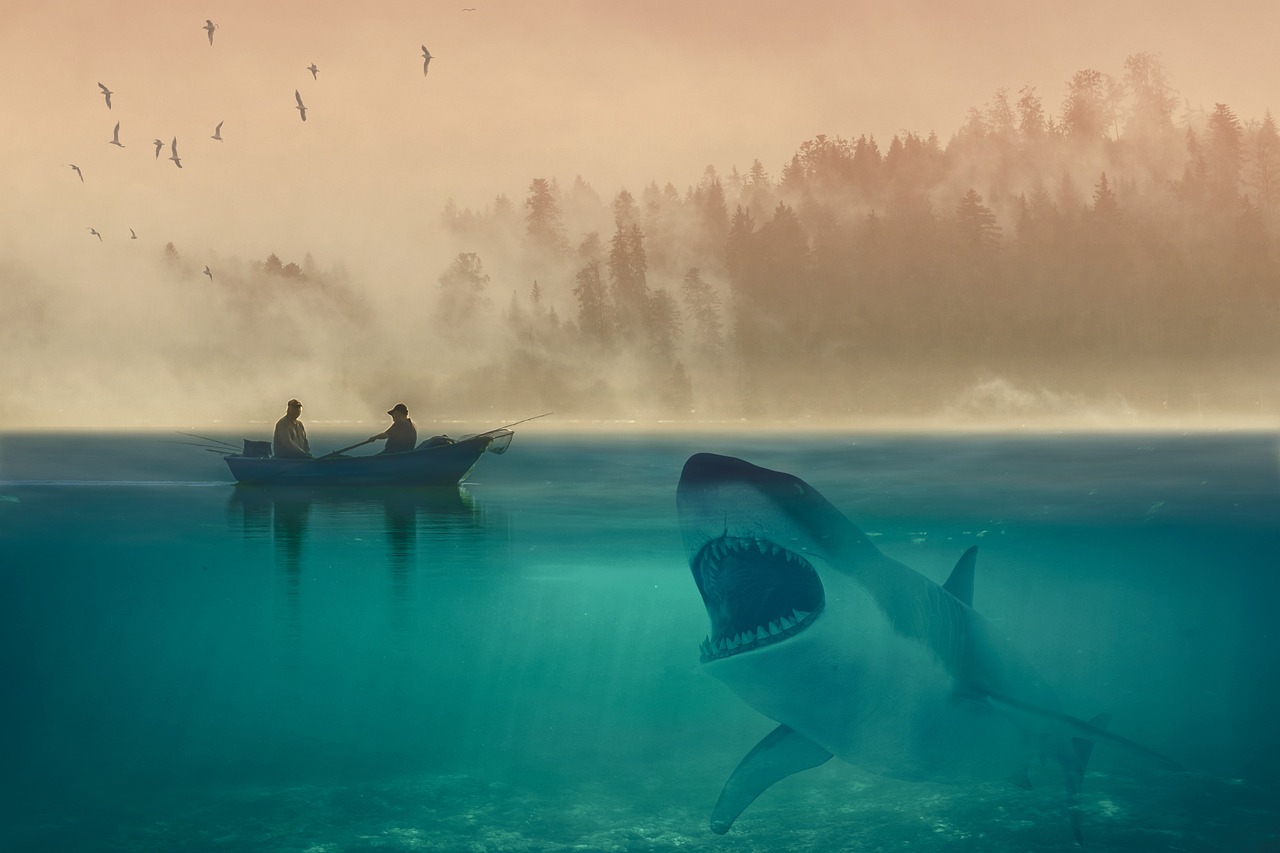
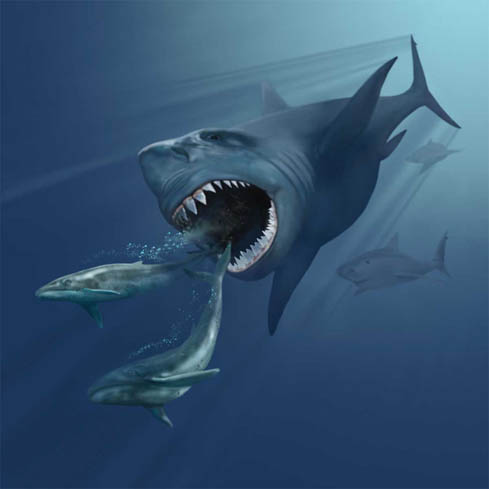
Recent research shows the Megalodon was a gigantic shark that went extinct 3.6 million years ago, though scientists are still debating its exact appearance. New estimates suggest megalodon may have reached about 80 feet in length, making it roughly the size of two school buses lined up end to end.
The study finds the prehistoric hunter had a much longer body – closer in shape to a lemon shark or even a large whale rather than the stocky great white shark most people imagine. Researchers have estimated that megalodon had a bite force between 108,514 and 182,201 Newtons, powerful enough to crush almost anything in its path.
Not the Great White Giant We Imagined
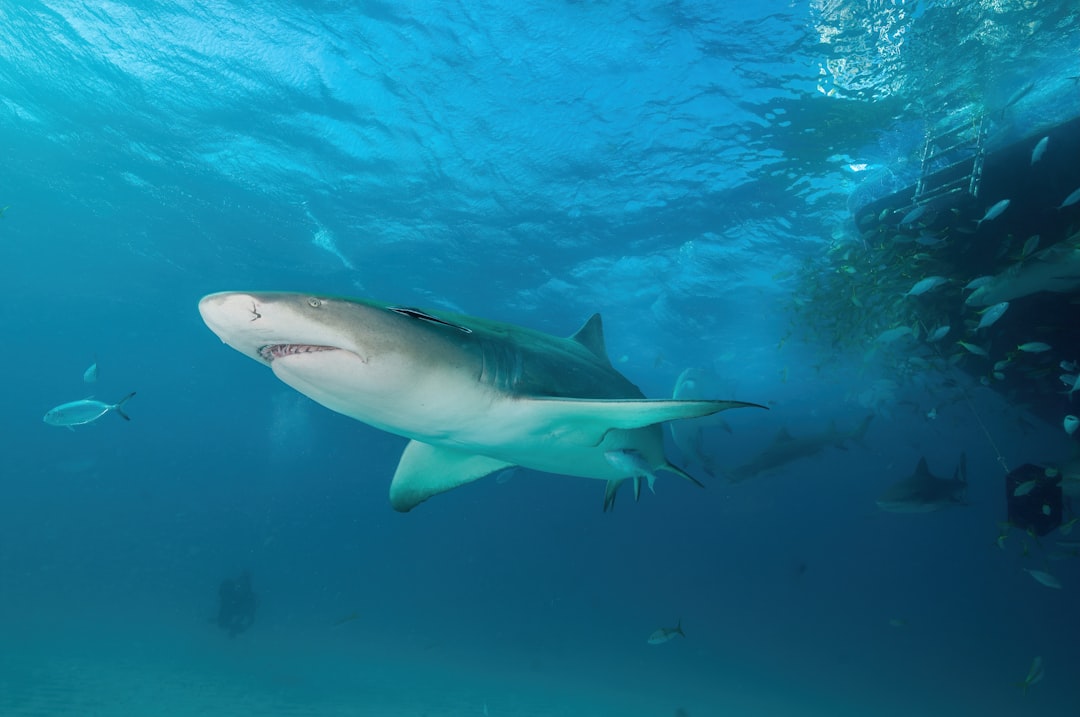
The modern great white shark was traditionally used as a model for Megalodon bodies in previous studies, leading researchers to conclude that the shark was round and stocky like great whites. Hollywood has perpetuated this image for decades, showing megalodon as simply a supersized version of today’s most feared shark.
Scientists identified the lemon shark as the best living analog for megalodon’s proportions, and when researchers scaled up the proportions of a lemon shark to megalodon’s estimated length, it was a near-perfect match. This revolutionary discovery completely changes how we envision this ancient predator swimming through prehistoric seas.
A Warm-Blooded Ocean Furnace
The new study provides the first empirical evidence of warm-bloodedness in the extinct shark, confirming what scientists had long suspected. Megalodon had an elevated body temperature compared to white sharks and the surrounding water, which meant they could likely swim faster, go deeper and have access to different prey.
However, they needed a lot more energy to be able to survive, creating a precarious balance between energy intake and expenditure. To maintain their endothermy, megalodons had to eat a lot. We’re talking a lot, with some estimates suggesting they needed to consume thousands of pounds of food daily just to survive.
The Perfect Storm Begins
Around 3.5 million years ago, when the climate started to change, the presence of the great white, along with the decline of megalodon’s prey, presented challenges for this massive fish. The Earth was entering a cooling period that would eventually lead to the ice ages, fundamentally altering ocean ecosystems worldwide.
The cooling of the oceans during the Pliocene might have restricted the access of megalodon to the polar regions, depriving it of the large whales which had migrated there. Sea level changes disrupted potential nursery areas where megalodon pups were living, meaning less habitat for the shark and also less prey availability.
When Giants Competed for Scraps
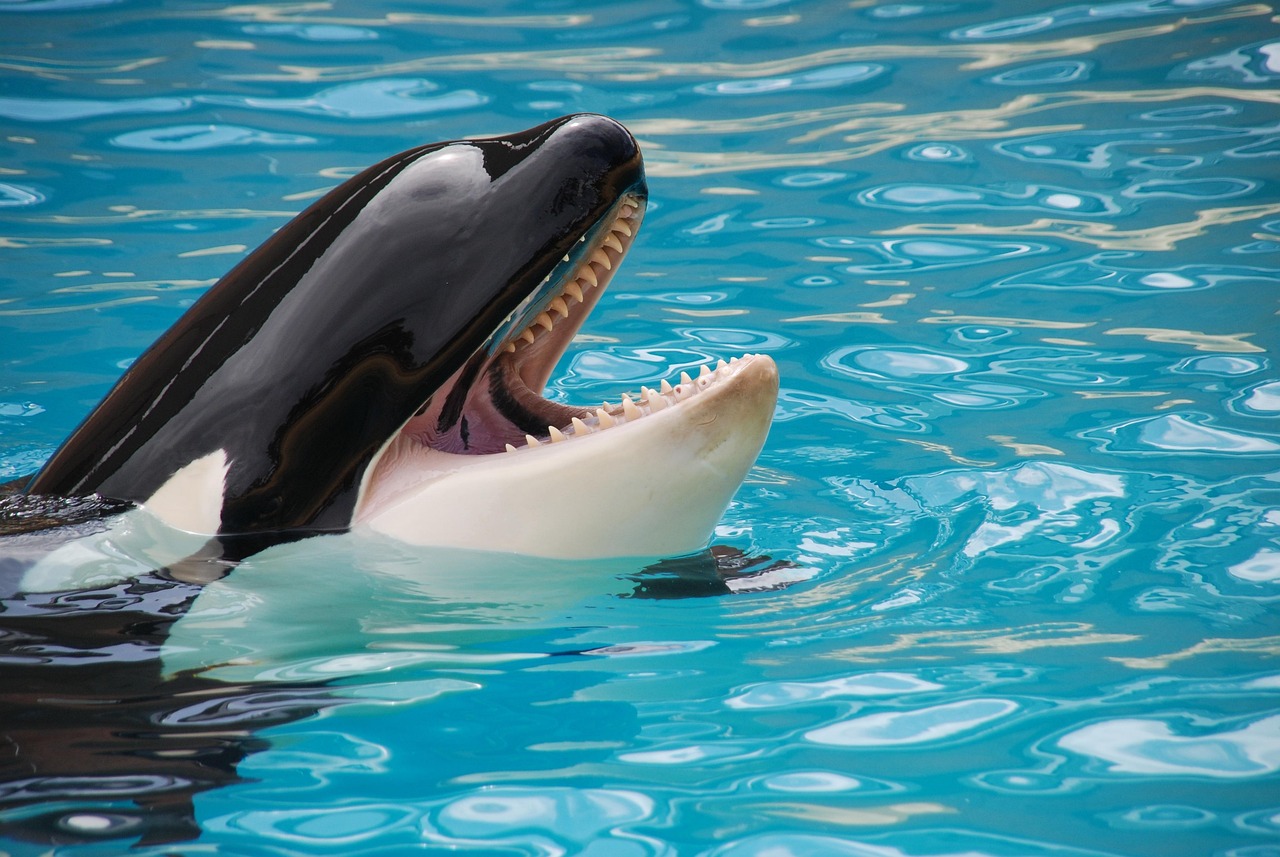
Shifting food-chain dynamics may have been the primary factor in megalodon’s demise, as the availability of its primary food source, baleen whales, decreased and the numbers of its competitors increased. The megalodon wasn’t facing extinction alone – it was part of a massive marine ecosystem collapse.
The Late Miocene saw the disappearance of many species of small to medium-sized baleen whales and the appearance of some powerful competition: orcas. Competition from large odontocetes, such as macropredatory sperm whales and members of the killer whale genus, is assumed to have contributed to the decline and extinction of megalodon.
The Great White Revolution
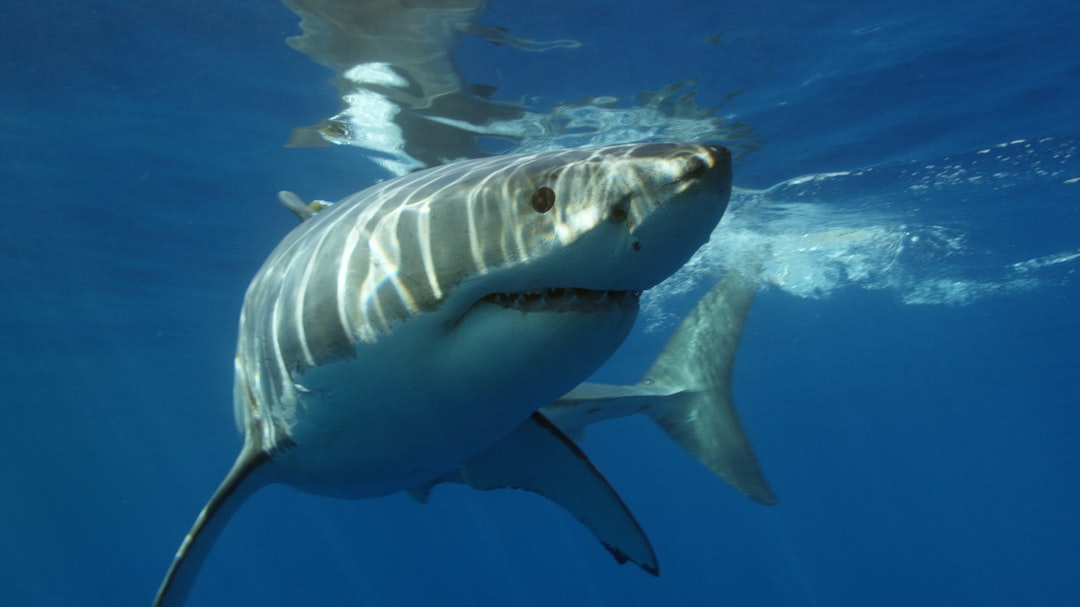
The great white shark’s evolution, alongside the megalodon’s extinction, isn’t a coincidence, according to researchers studying this prehistoric puzzle. One factor may have been the emergence of the great white shark, which was possibly more agile, making it an even better predator than the Megalodon.
The appearance of the white shark approximately five million years ago might have played a role in the extinction of megalodon around 3.5 million years ago, as adult white sharks may have outcompeted young megalodons for food. The great white was starting to evolve and may have potentially been outcompeting the smaller megalodons through a combination of less prey availability, more competition, and less habitat.
Too Big to Survive
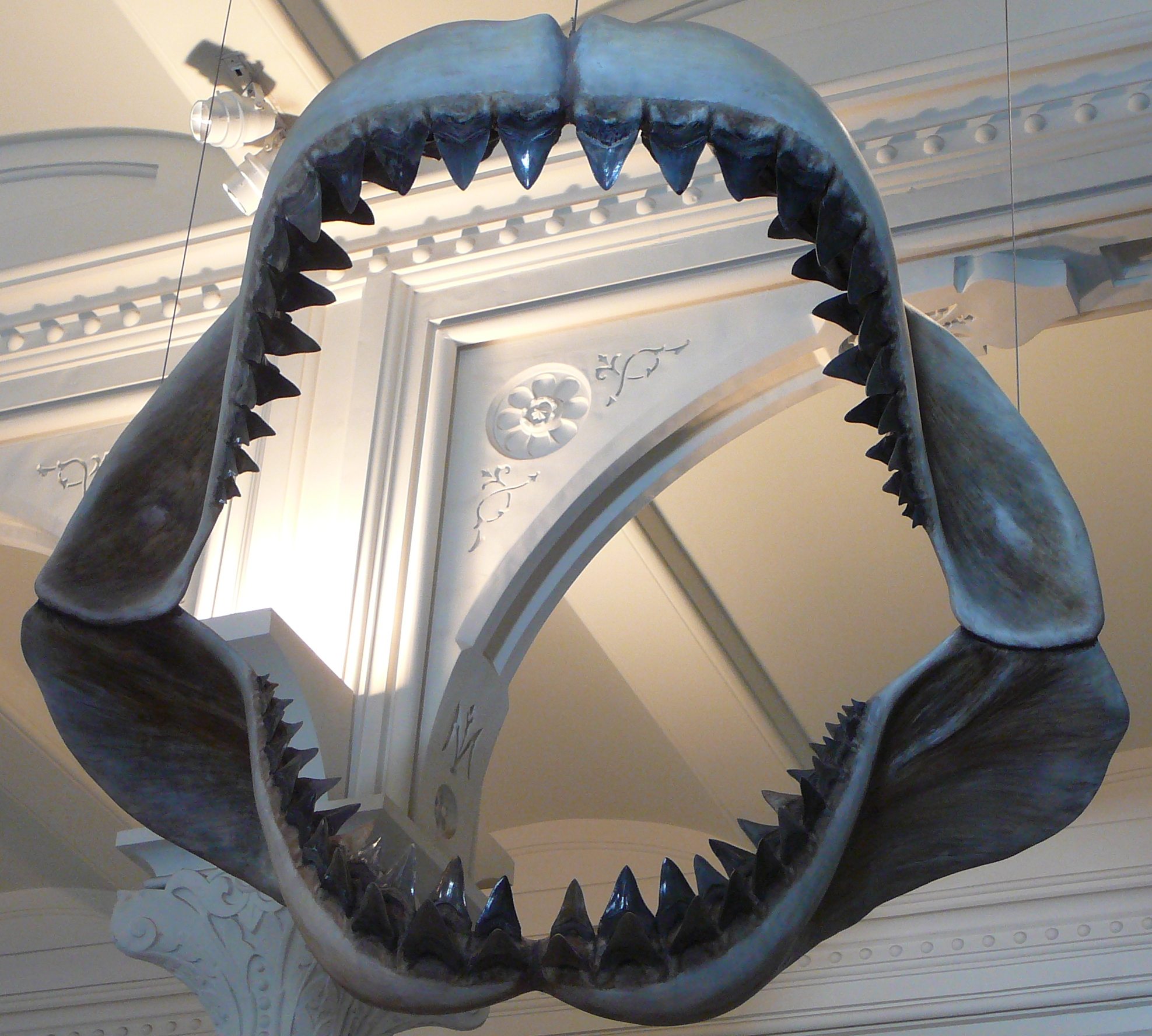
Megalodon may have been too large to sustain itself on the declining marine food resources. Being the ocean’s apex predator became a liability when food became scarce and competition intensified throughout the marine ecosystem.
If the water is getting cooler, megalodons would have to eat even more food to keep their body temperature up because environmental stress from cold water would be hard on the body. Based on their estimated size, they needed to eat 2,500 pounds of food every day just to survive, and the main driver of their disappearance was that they ran out of food.
The Fossil Record Speaks
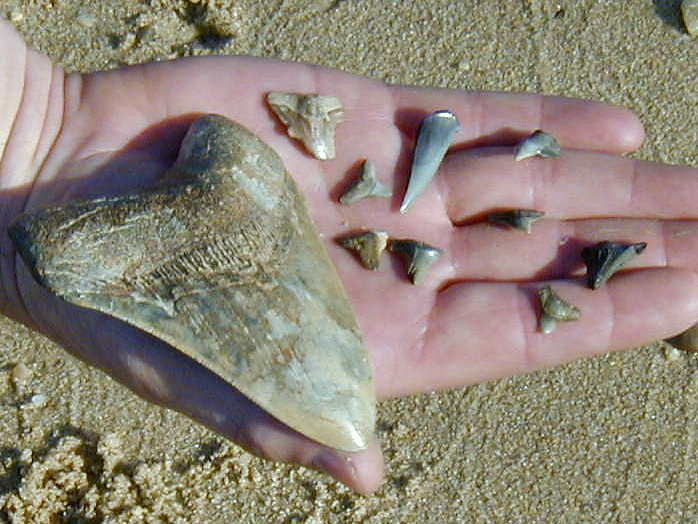
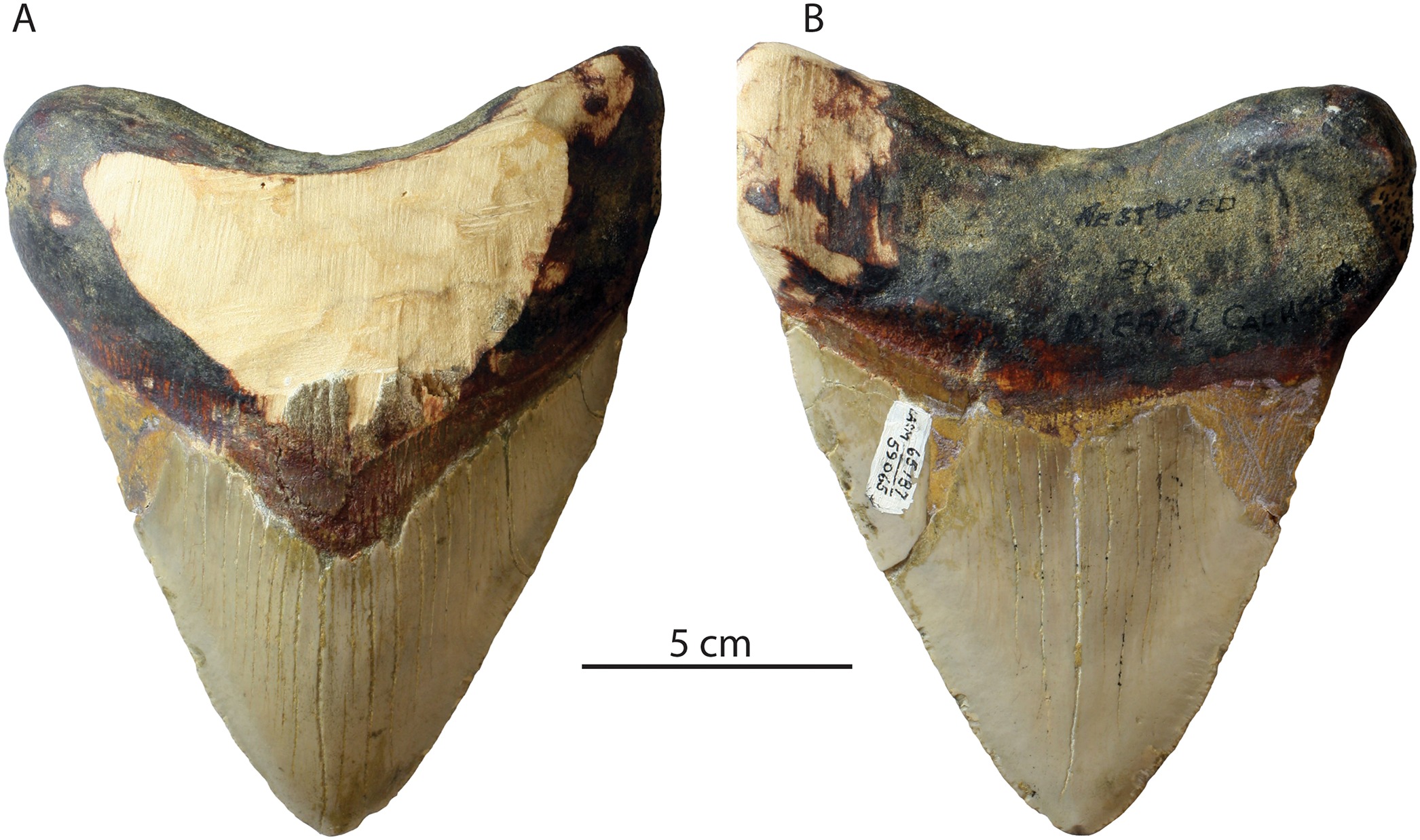
No megalodon teeth younger than 2.6 million years old have been discovered, providing strong evidence that these giants truly vanished from Earth’s oceans. The Megalodon is largely known only from its teeth and vertebrae in the fossil record – a rather incomplete set of data.
Because shark skeletons are made of cartilage, which doesn’t fossilize, everything we know about the megalodon comes from numerous teeth, protected by their enamel and one well-preserved vertebral column. Teeth from Megalodon have been found in coastal regions all around the world, from the Caribbean to Japan, and the earliest remains have been dated to around 23 million years ago.
A Cascade of Ocean Changes
A marine megafauna extinction during the Pliocene eliminated 36% of all large marine species including 55% of marine mammals, 35% of seabirds, 9% of sharks, and 43% of sea turtles. The megalodon’s extinction was part of a much larger ecological catastrophe affecting marine life worldwide.
The extinction of megalodon set the stage for further changes in marine communities, and the average body size of baleen whales increased significantly after its disappearance. Megalodons succumbed to global cooling due to the shrinking of their habitat, the vanishing of their favorite prey, and competition from other predators 3.5 million years ago.

- Why Do Penguins Huddle Together in Antarctica? The Physics of Survival - August 15, 2026
- 10 Best Prehistoric Entertainers That Delighted Us as Kids in the 80s and Still Hold a Special Place in Our Hearts - August 15, 2026
- Eagles vs. Coyotes: Which U.S. Predator Would Be the Ultimate Boss Battle? - August 15, 2026