
When we think about , humans might feel quite accomplished reaching into their eighties or nineties. Yet scattered across our planet are creatures that would consider our few decades merely a brief moment in time. From the depths of frigid oceans to the canopies of ancient forests, these remarkable animals have unlocked secrets to longevity that continue to amaze scientists and challenge our understanding of aging itself.
These extraordinary beings don’t just live longer than expected. They often defy the very biological rules we thought governed lifespan, with some showing no signs of aging while others continue growing throughout their centuries-long lives. Let’s dive into the fascinating world of nature’s most enduring residents.
Greenland Sharks: The Ancient Swimmers of Arctic Waters
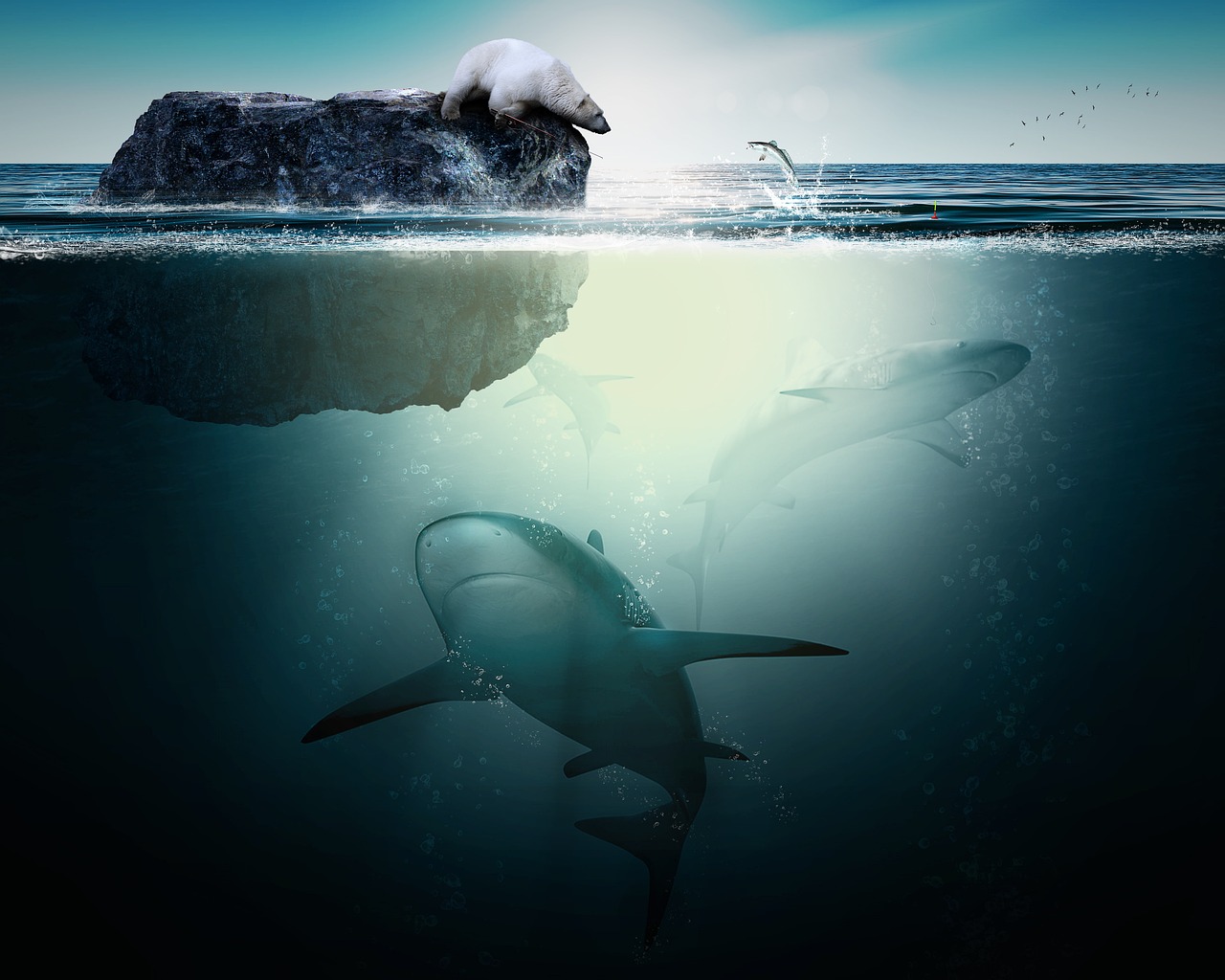
Greenland sharks are the longest-living vertebrates in the world. The oldest known individuals recorded by scientists have been about 400 years old, though with the large margin of error, it’s possible that they could live for more than 500 years. These mysterious creatures cruise through the icy waters of the North Atlantic and Arctic Oceans, their slow movements belying their incredible age.
What makes their longevity even more remarkable is their late-blooming lifestyle. It’s thought that female Greenland sharks aren’t ready to breed until they are 156. Imagine waiting over a century and a half just to start your family! Researchers think that living in such cold waters of the North Atlantic and Arctic Oceans probably helps slow down the metabolic processes and biochemical activity of these sharks, extending their .
Unfortunately, these ancient mariners face modern threats. Classed as vulnerable in 2025, the global population of these sharks is in decline, as they face significant threats from overfishing and bycatch. Their extraordinary , which once seemed to guarantee their survival, now make them especially vulnerable to human interference.
Ocean Quahogs: The Clams That Outlived Empires
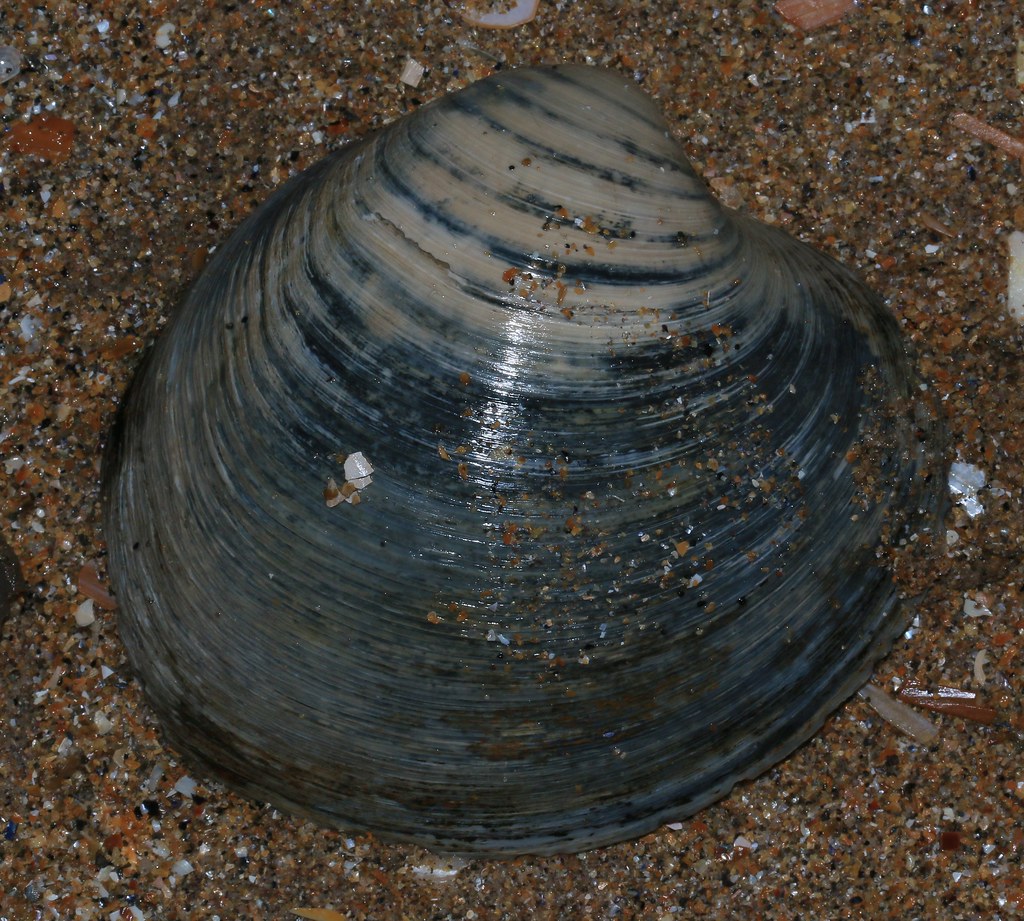
A specimen, “Ming” of the Icelandic cyprine Arctica islandica (also known as an ocean quahog), a mollusk, was found to have lived 507 years. This humble clam, discovered off the coast of Iceland, had been quietly filtering seawater since before Shakespeare was born. Sadly, Ming died during the process of determining its age, making it a bittersweet record holder.
These clams have slow metabolisms and grow very slowly, which helps them conserve energy and live longer. However, natural conditions such as predation and diseases can significantly impact the ocean quahog’s potential maximum age, preventing many from reaching such impressive . The secret to their longevity lies in their patient approach to life, something we might all learn from.
Giant Barrel Sponges: Living Reefs of the Caribbean
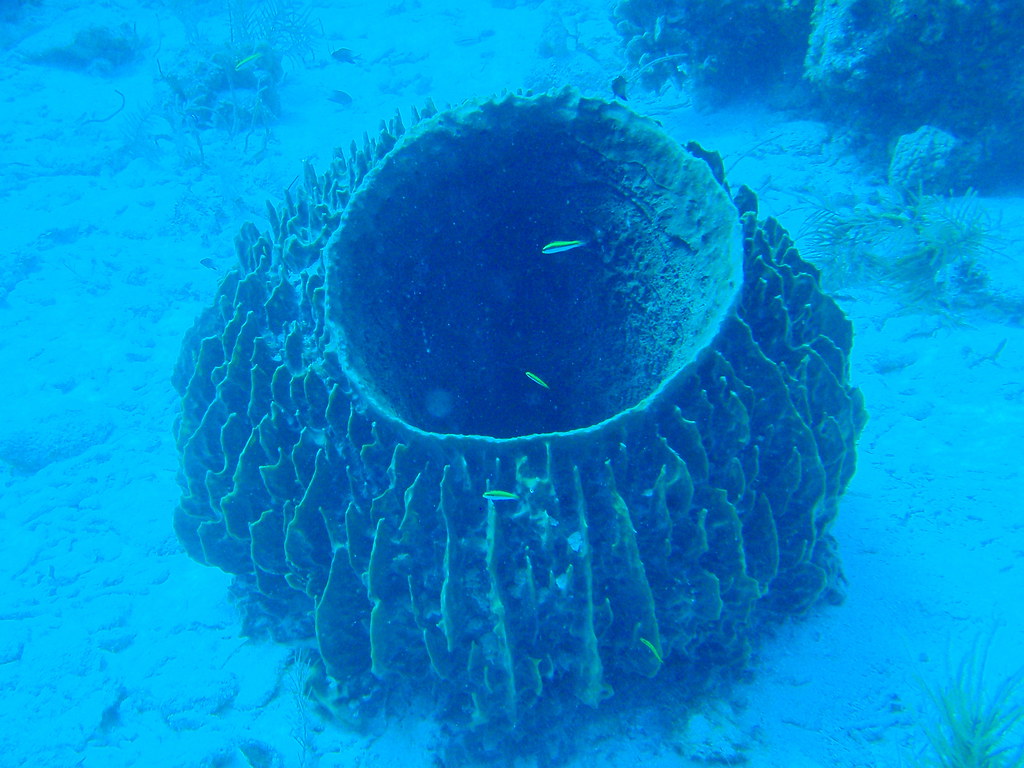
Another sea sponge makes the top three of the oldest animals on Earth – the giant barrel sponge, found in the Caribbean Sea. Researchers estimate that some individuals may live several hundred to over 1,000 years – meaning they began their lives during the time of the Roman Empire. These magnificent organisms have been silently watching civilizations rise and fall from their underwater perches.
This species is called the ‘redwood of the reef’ because of its large size and long lifespan. It’s also an important organism for increasing habitat complexity and filtering seawater in its ecosystem. As these amazing organisms live on coral reefs, they face the same threats as corals themselves. Human activity, like fishing and trawling, impacts their survival, and warming ocean temperatures are doing serious damage.
Their incredible age makes them living libraries of ocean history. Each barrel sponge has witnessed countless changes in marine ecosystems, making their preservation crucial not just for biodiversity but for understanding our planet’s oceanic past.
Bowhead Whales: Arctic Giants with Anti-Cancer Superpowers
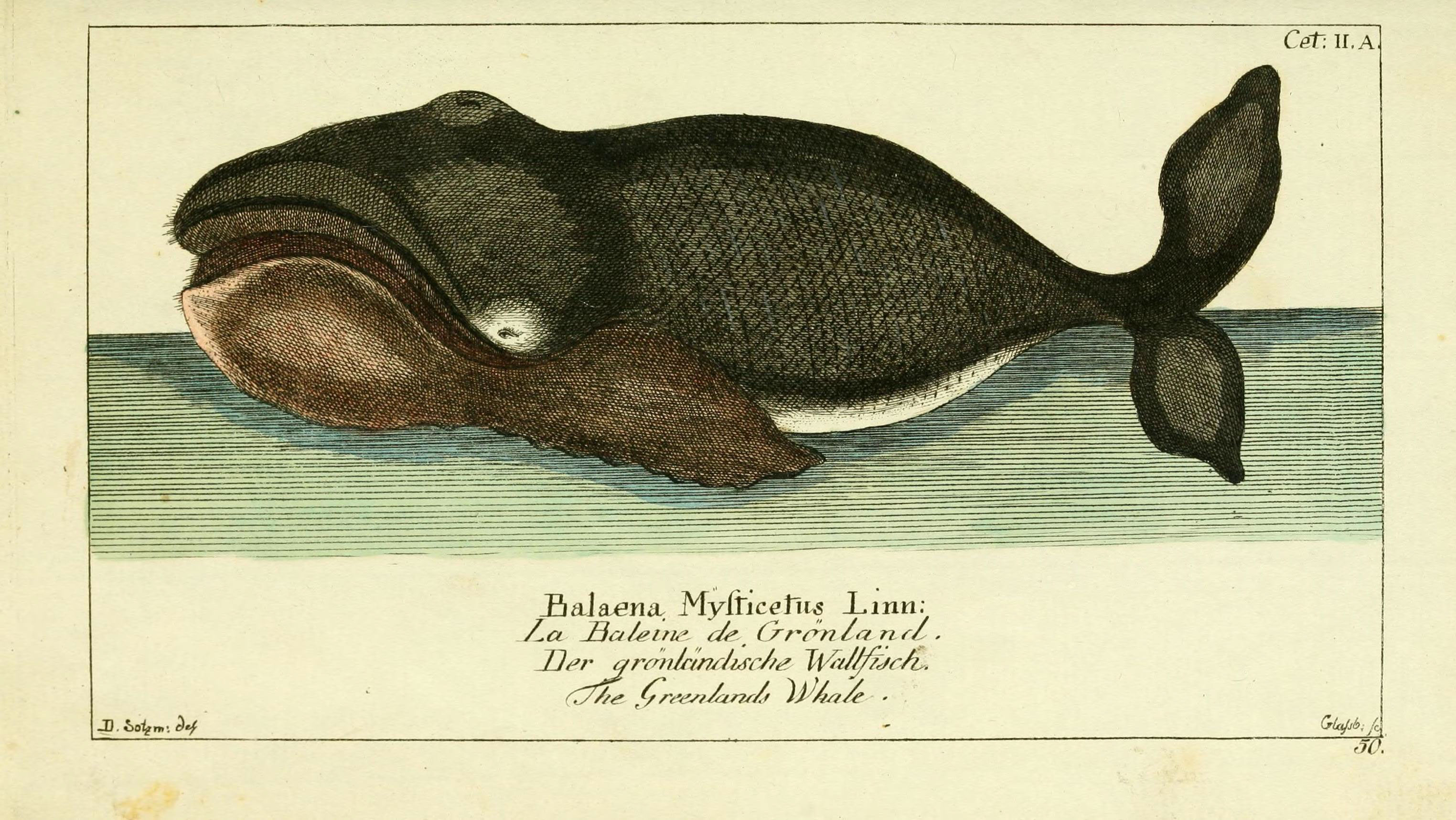
There are a number of marine species that outlive humans, and the mammal species that holds the record for longevity is the bowhead whale, which can live for 200 years – or more. In fact, some individuals have been found with 19th-century harpoons embedded in their bodies, showing just how long they’ve been around. These massive whales carry the scars of history literally embedded in their flesh.
Cold temperatures tend to slow metabolism and extend lifespan. But these whales also have anti-cancer genes to keep them healthy. They switch on genes that help keep skin cells from growing out of control, which would cause cancer. This remarkable adaptation allows them to maintain their enormous bodies without succumbing to the cellular chaos that often accompanies great size and age.
Their longevity strategies offer fascinating insights for human medicine. “It’s like the emergency brake on the car,” Vazquez explains. These biological emergency brakes help bowhead whales live centuries while maintaining their health and vitality throughout their extraordinarily long lives.
American Lobsters: The Curious Case of Biological Near-Immortality
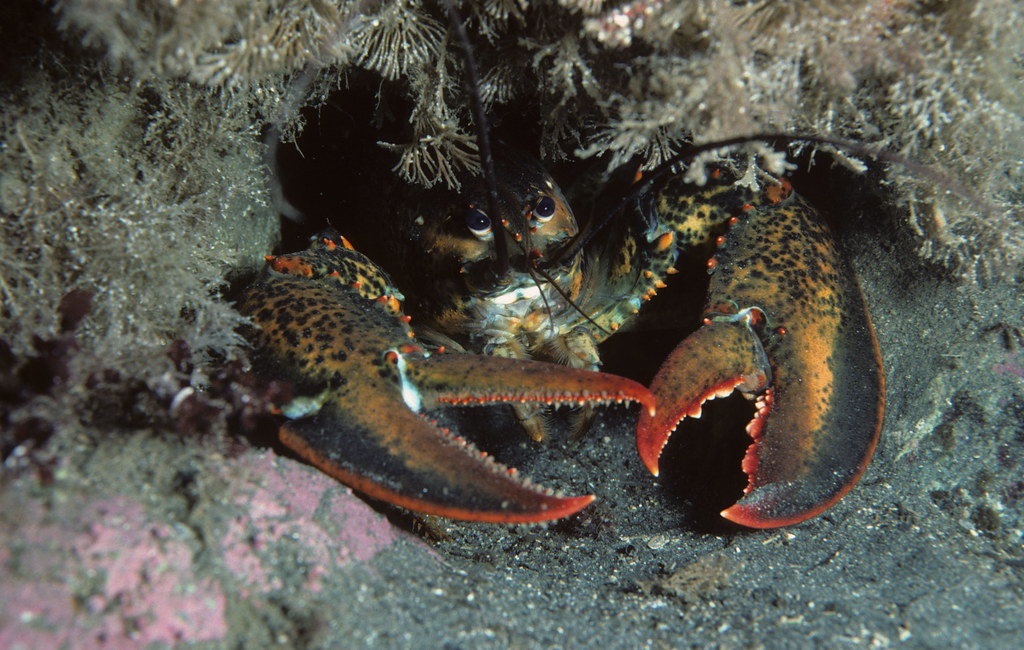
Some lobsters have extraordinarily long life spans. The American lobster can live to at least 100 years, in part thanks to its cool environment. The cold Atlantic waters help to slow down the American lobster’s metabolism, allowing it to age more slowly and live longer – if it manages to escape predators. But there’s something even more intriguing about these armored crustaceans.
A study of American lobsters suggested that the reason these animals don’t seem to slowdown in old age is due to them having an infinite supply of an enzyme called telomerase throughout their cells. This enzyme is the secret to lobster longevity, extending a cell’s life by regenerating telomeres, putting off senescence – like a cellular fountain of youth.
However, this apparent immortality comes with a catch. According to Carl Wilson, lead lobster biologist with the Maine Department of Marine Resources, between 10 and 15 percent of lobsters die naturally each year as they shed their exoskeletons because the exertion proves to be too much. Each molting process requires more and more energy than the one before it as lobsters grow in size. Lobsters do not die from old age but exhaustion (as well as disease and New England fisherman).
Cockatoos: Feathered Companions for Multiple Generations
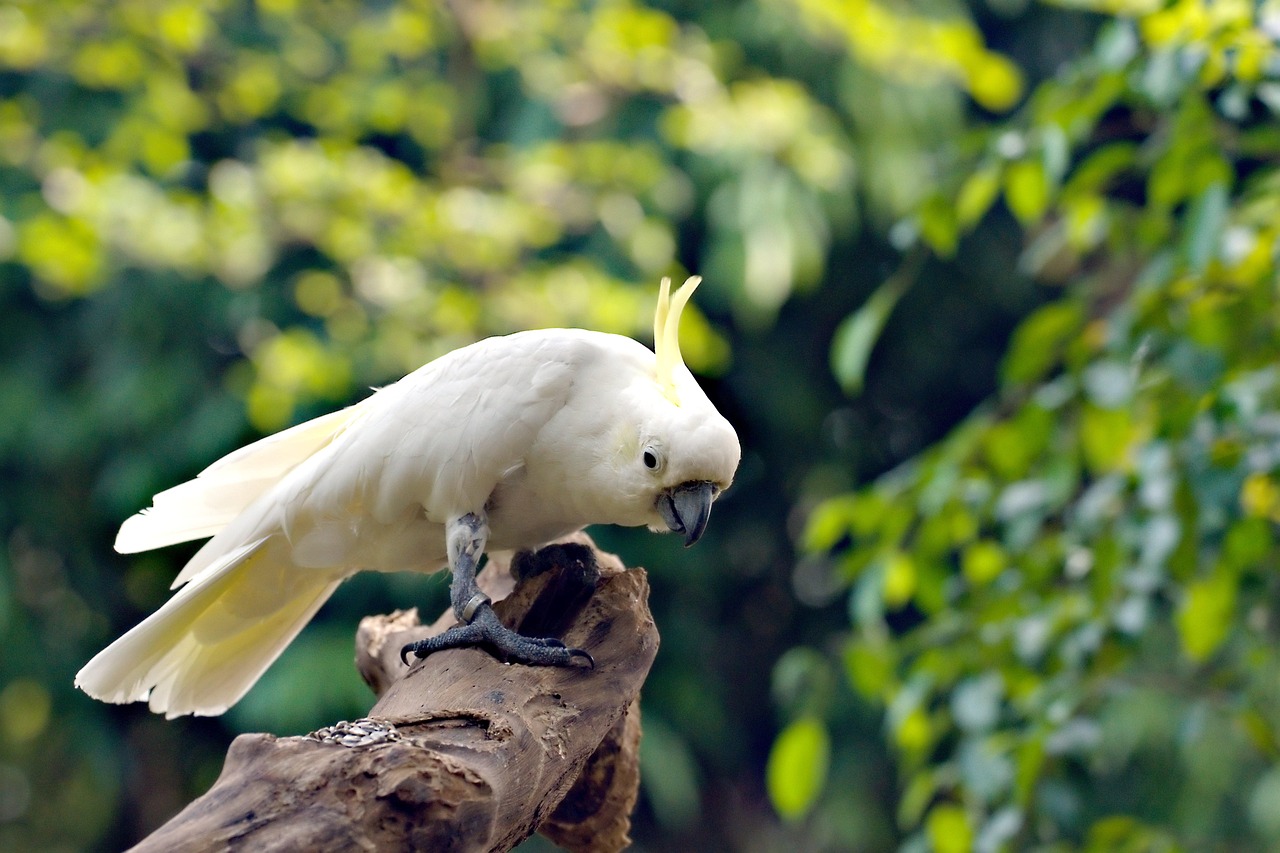
Cockatoos – a type of bird known to form strong bonds with humans when kept as pets – have an average life span of 50 to 70 years, depending on the species. With reaching up to 70 years, these birds form strong bonds with their caregivers. Cockatoos: With reaching up to 70 years, they are affectionate companions known for their playful nature. Some exceptional individuals have lived even longer, creating multigenerational bonds with human families.
The highest maximum lifespan recorded was 92 years in Cacatua moluccensis. The highest maximum lifespan recorded was 92 years for the salmon-crested cockatoo (Cacatua moluccensis). Some exceptional individuals have been reported to reach advanced ages, though verification of such claims can be challenging without proper documentation.
Cockatoos are known for their intelligence and ability to solve complex puzzles, which contributes to their long-term mental health and longevity. Their remarkable intelligence, combined with strong social bonds, seems to be key factors in their impressive . These birds often outlive their human companions, requiring careful planning for their care across multiple generations.
Ravens: The Intelligent Survivors
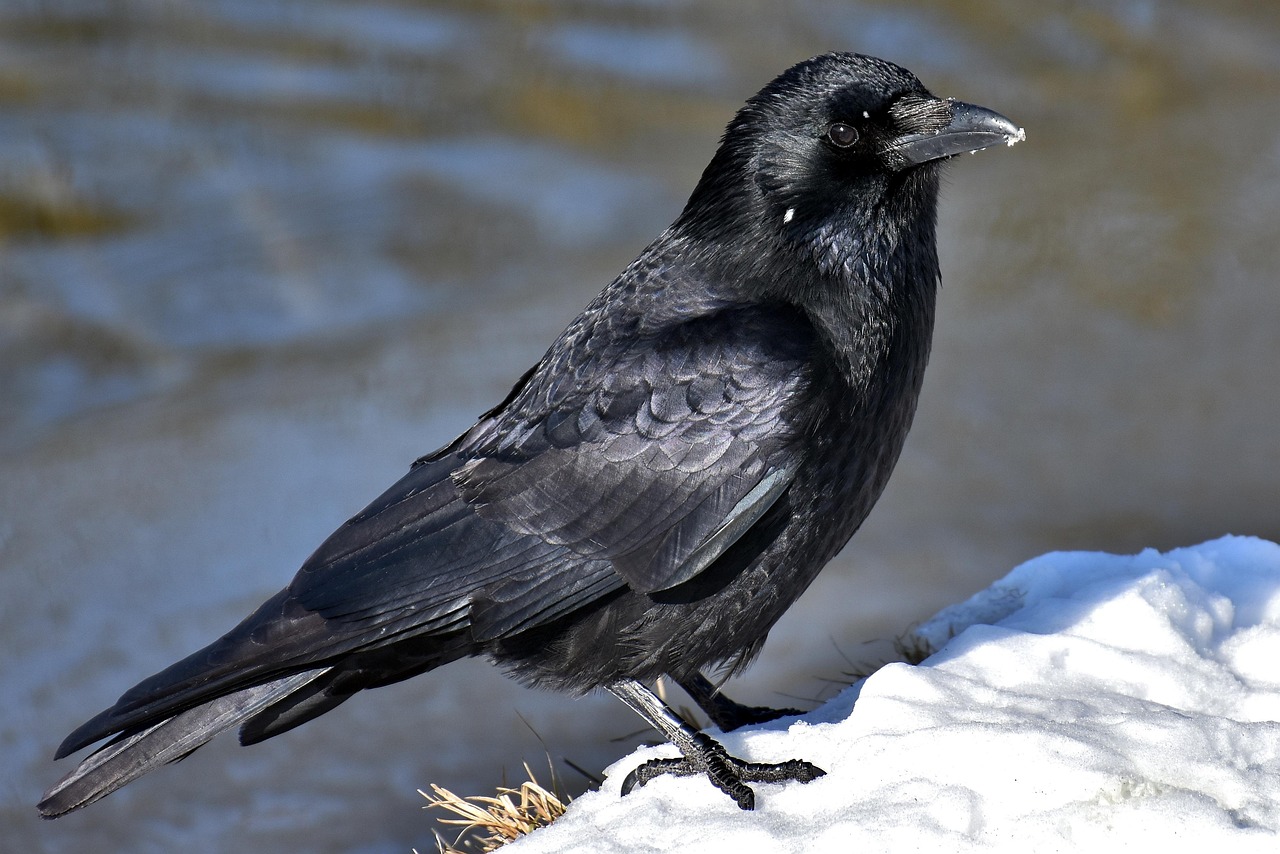
You may be surprised to learn that many birds can live as long as the average human – ravens have been known to live for 69 years, and many parrots can live up to 60, 70, or 80 years. You may be surprised to learn that many birds can live as long as the average human – ravens have been known to live for 69 years, and many parrots can live up to 60, 70, or 80 years. These jet-black corvids have captivated human imagination for centuries, and their longevity is just as remarkable as their legendary intelligence.
Common ravens usually stick around for 10 to 15 years in the wild, sometimes passing 20. In captivity, they can reach 40 years, and some even hit 60 with good care. While wild individuals generally live between 10 and 15 years, the longest recorded lifespan for a banded wild raven is 23 years and 3 months. In managed care, ravens have far exceeded this: multiple individuals have lived beyond 40 years, particularly those kept at the Tower of London, where their longevity has become part of tradition and l
Their smarts and ability to adapt might give them an edge, especially when things get tough. Unlike many birds, ravens show remarkable problem-solving abilities and complex social behaviors that may contribute to their survival. Their intelligence, combined with their adaptability to various environments, helps them navigate the challenges of both wild and captive life.
Aldabra Giant Tortoises: The Gentle Giants of Time
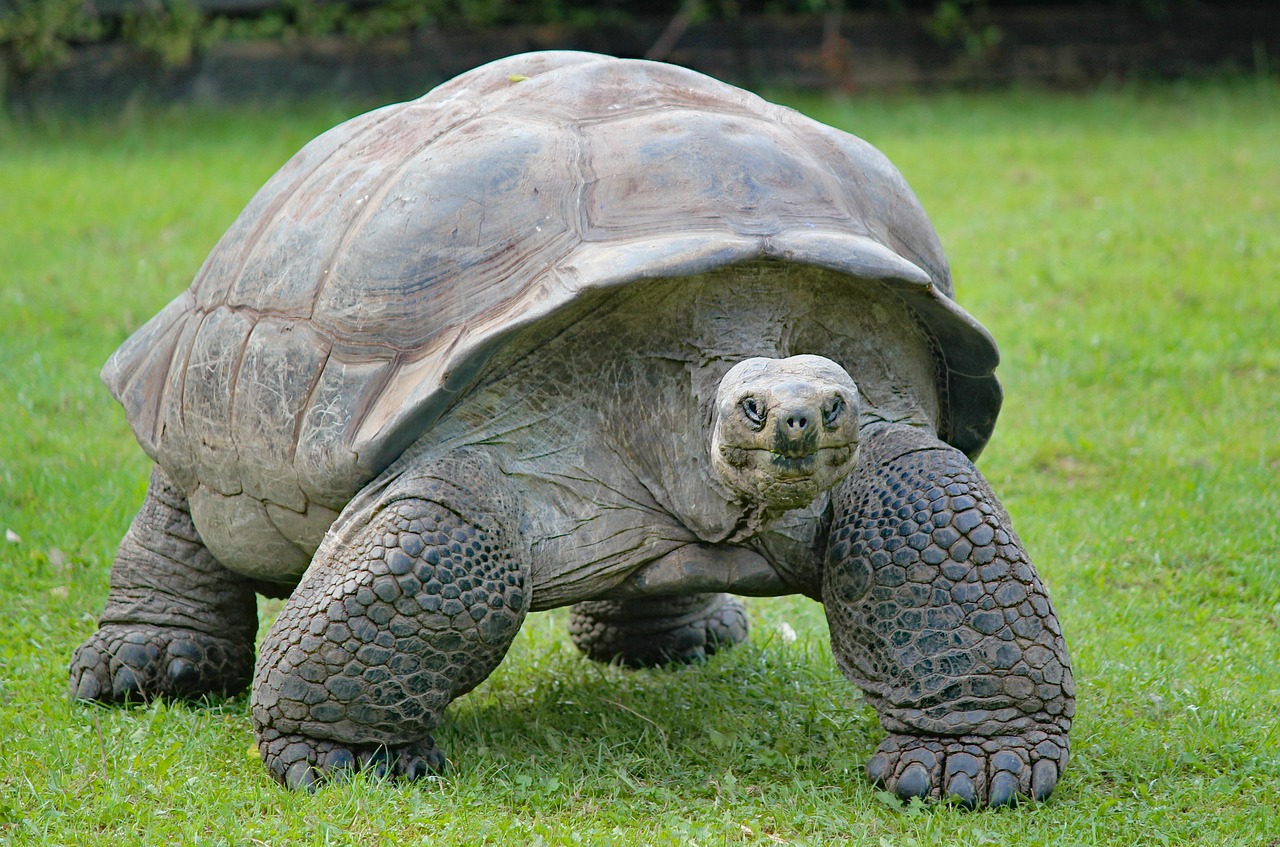
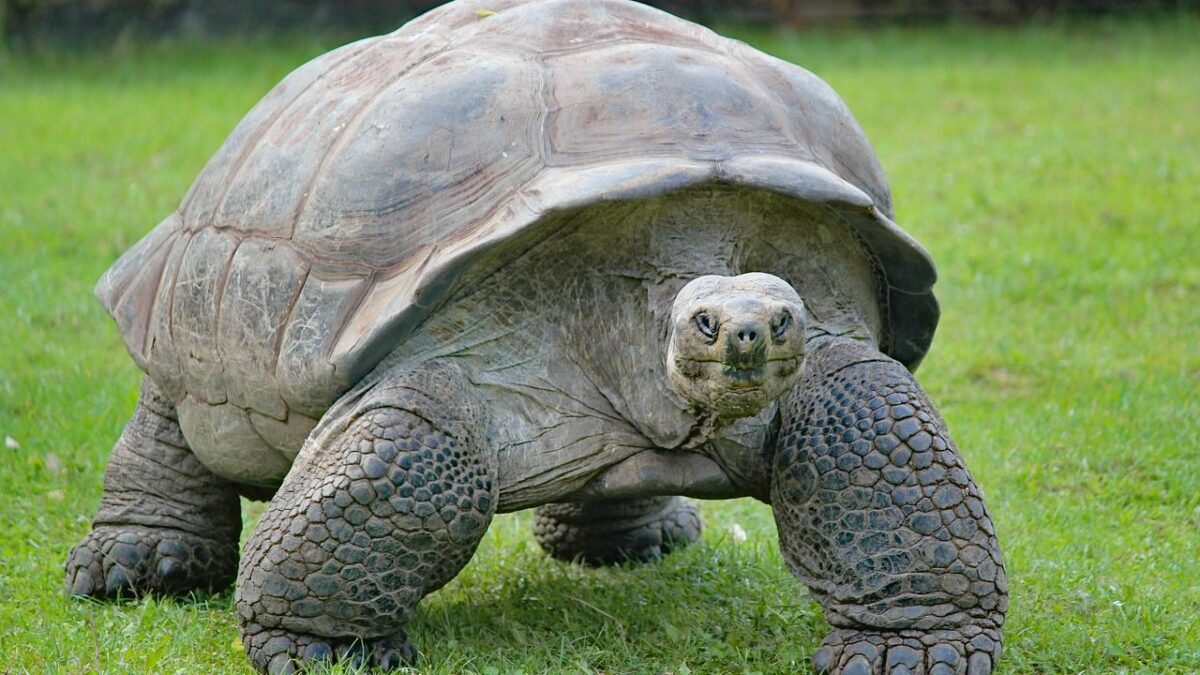
Tortoises are well known as some of the longest-living animals on Earth. One long-living species is the Aldabra giant tortoise, which is also one of the largest tortoises. Giant tortoises are the longest-lived of all vertebrates, averaging over 100 years – but they can live for a lot longer. A giant tortoise called Tommy, who resides in Zimbabwe, is believed to be between 200 and 300 years old.
Adwaita, an Aldabra giant tortoise, died at an estimated age of 255 in March 2006 in Zoological Garden, Alipore, Kolkata, India. If confirmed, the tortoise would have been the oldest known terrestrial animal to have ever existed. Jonathan, a Seychelles giant tortoise living on the island of Saint Helena, is reported to be around 191-192 years old, hence the oldest currently living terrestrial animal.
These magnificent reptiles embody the phrase “slow and steady wins the race.” Add in a strong, protective shell and large size, and there aren’t many predators that can eat tortoises. Those traits allow these animals to win the race against time – as long as people let them be. Their remarkable longevity has made them living witnesses to centuries of environmental change, and their conservation has become crucial for maintaining these links to our planet’s past.
Conclusion
The animal kingdom’s approach to longevity reveals nature’s incredible diversity in solving the puzzle of aging. From lobsters that repair their DNA endlessly to sharks that live in biological slow motion, each species has evolved unique strategies that challenge our understanding of what it means to grow old. These remarkable creatures don’t just live longer lives – they rewrite the rules of biology itself.
Perhaps most fascinating is how these animals maintain their vitality across centuries, continuing to reproduce, grow, and thrive while barely showing signs of aging. Their secrets offer tantalizing glimpses into possibilities for extending healthy human , though we’re still far from unlocking their biological mysteries.
What strikes me most about these ancient beings is their quiet resilience. While human civilizations have risen and fallen, these creatures have continued their patient existence, adapting and surviving through countless environmental changes. What do you think we could learn from their approach to time itself?

- Where to Go Birdwatching in Florida - August 15, 2026
- The Spirit Animals That Reflect The Traits of Zodiac Sign Virgo - August 15, 2026
- What Native American Philosophy Says About The Horse Spirit Animal - August 15, 2026