
When most of us think about winter, we imagine bundling up in cozy layers and seeking warmth by a crackling fire. Yet while humans retreat indoors during harsh weather, some remarkable animals actually thrive when temperatures plummet. These incredible creatures have evolved extraordinary adaptations that not only help them survive in freezing conditions but allow them to flourish like nowhere else.
From the Arctic tundra to snowy mountain peaks, nature has produced some truly amazing cold-weather specialists. Their survival strategies are nothing short of genius, involving everything from specialized body heat management to behavioral tricks that would make even the most resourceful humans jealous. Let’s dive into the fascinating world of animals that embrace the chill and discover what makes them winter warriors.
Polar Bears
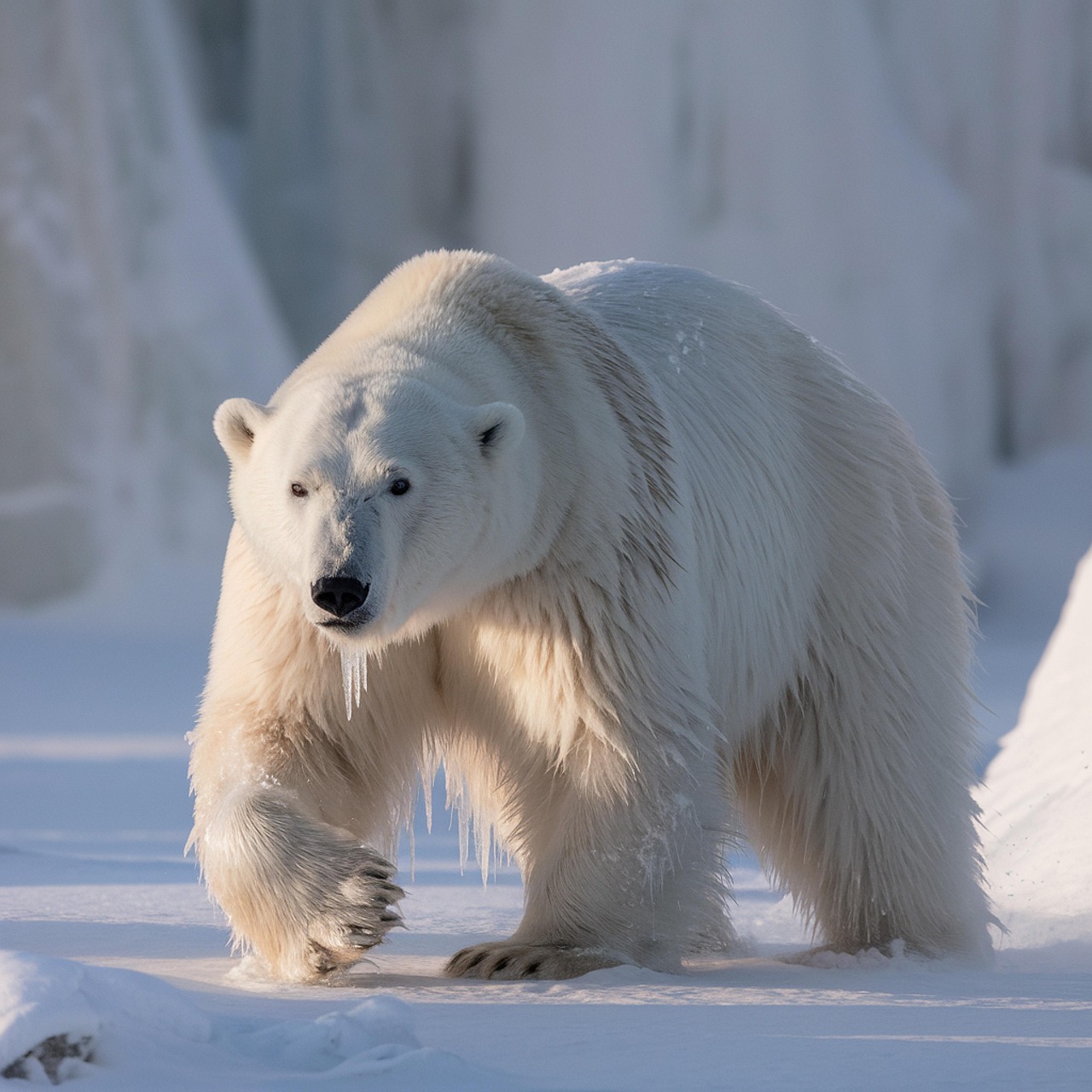
Polar bears’ enormous size and substantial amounts of fat help to insulate them from the cold. These arctic giants rely on their thick blubber and two layers of fur to keep them warm. These large fluffy animals have not one, but TWO thick layers of fur plus a layer of blubber under their skin to keep them warm in some of the coldest places on earth.
Thanks to these adaptations, polar bears can survive temperatures as low as -50 degrees Fahrenheit. Did you know that their bottom paws also are covered in fur? It helps them move around on the ice!
Arctic Foxes
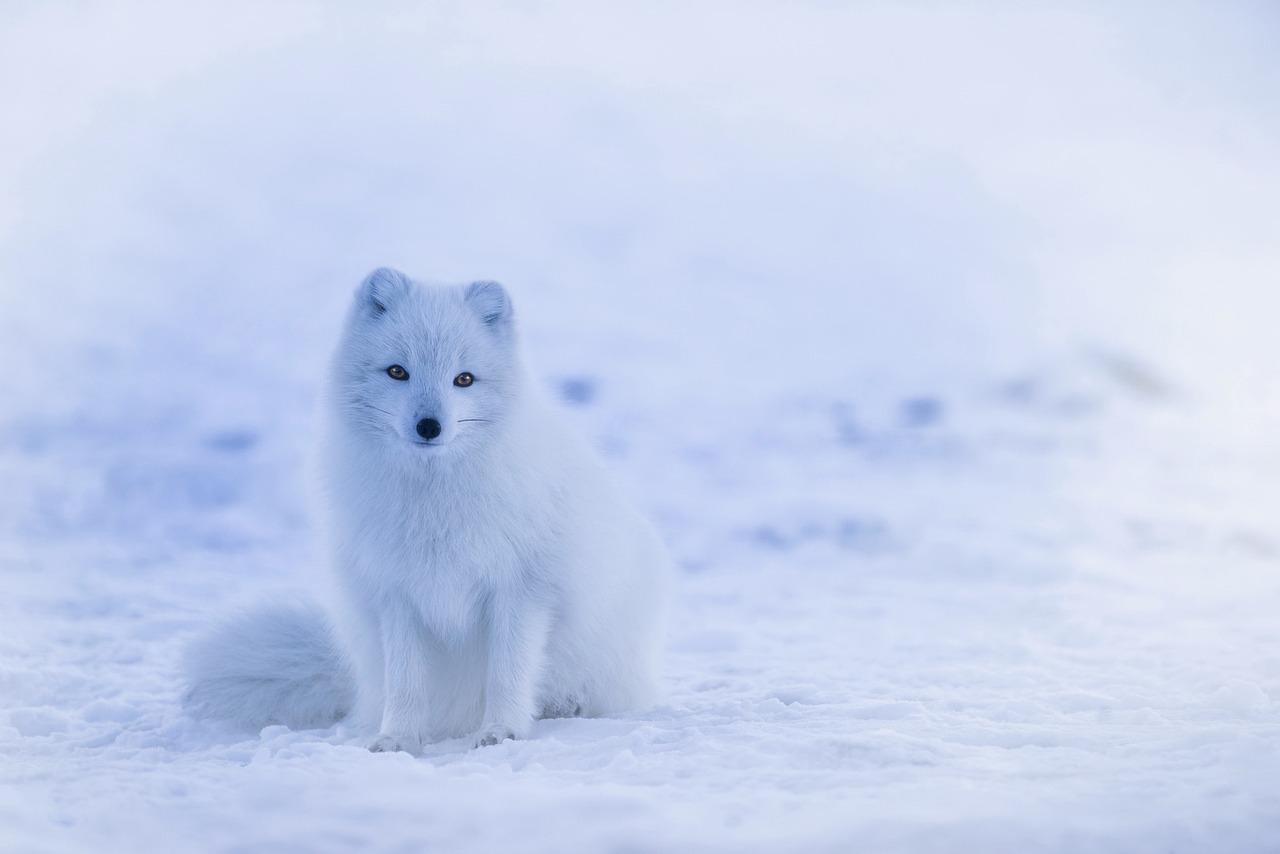
Arctic foxes are sub-zero specialists, able to withstand temperatures as low as -50 degrees. Their compact body, stubby little legs and small ears reduce exposure and conserve heat. Their fur is pure white during the winter but changes to brown/gray during the warmer months to help it stay camouflaged.
Unlike other canines, Arctic foxes grow fur on their paw pads. Their wide, furry paws are filled with polyunsaturated fats that don’t harden at extremely low temperatures, and unique membranes also help prevent tissue damage, two adaptations that work together to prevent frostbite.
Emperor Penguins
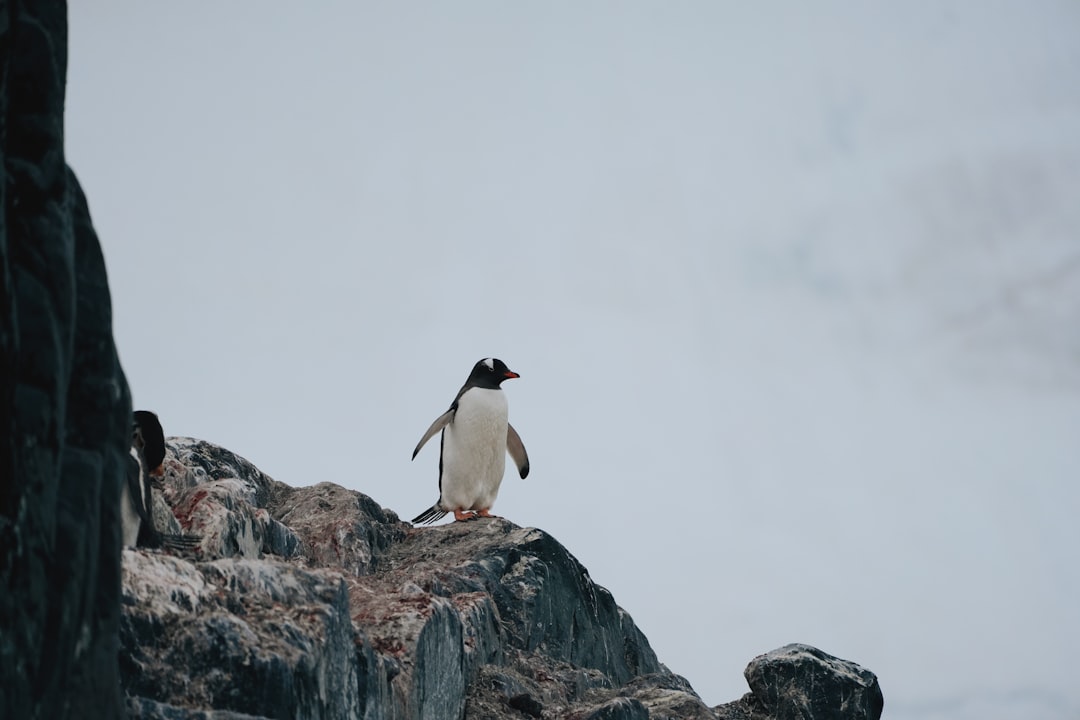
Emperor penguins live in probably the most extreme conditions endured by any warm-blooded animal on earth. They even breed in the depths of the Antarctic winter at temperatures of -30°C (-22°F) and below while putting up with winds of up to 150 kmh (93mph). Emperor penguins are able to survive the harsh Antarctic climate because of specialized anatomical, physiological and behavioural adaptations for minimizing heat loss.
Emperor penguins can recapture approximately 60-70% of the heat escaping through their breath thanks to a complex heat exchange system in their nasal passages. They have four layers of overlapping feathers that provide excellent protection from wind, and thick layers of fat that trap heat inside the body.
Snow Leopards
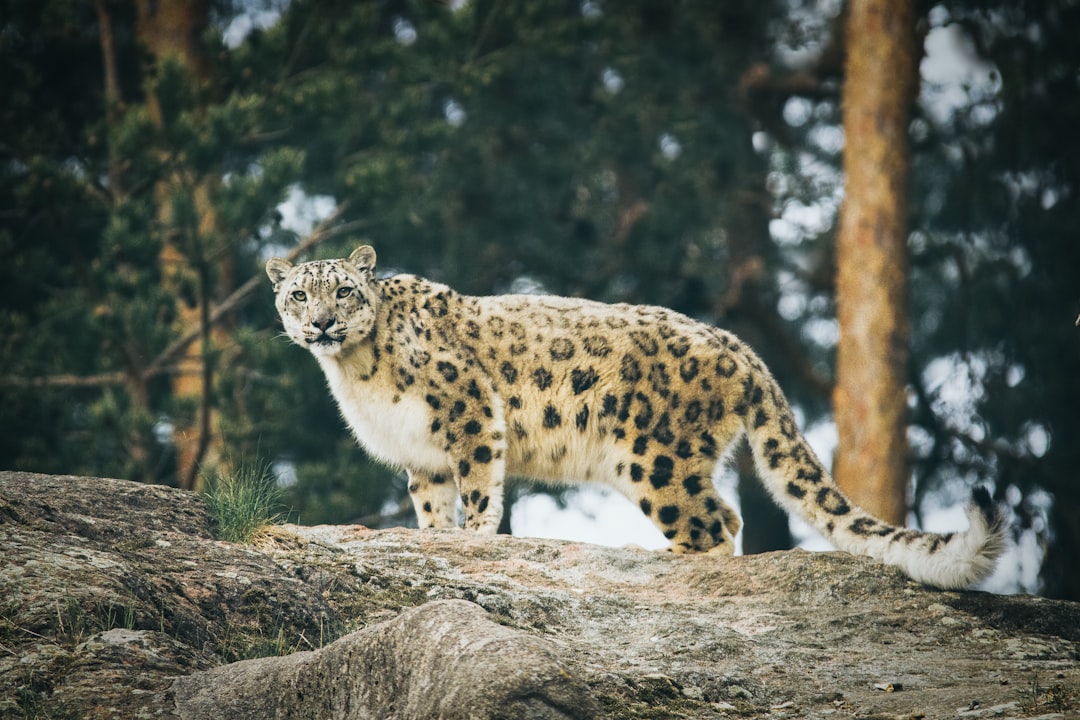
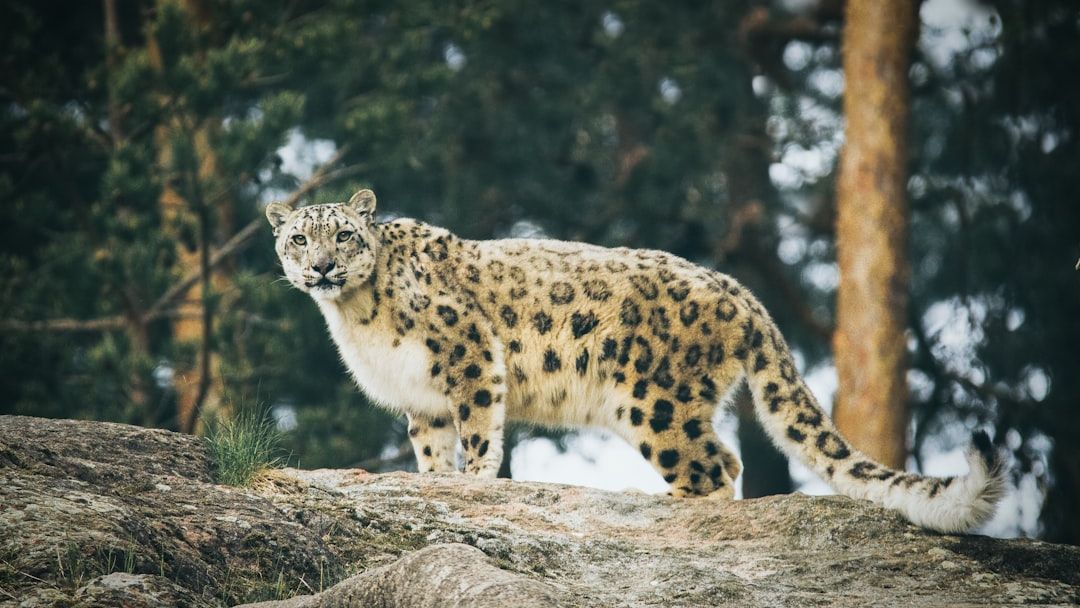
Snow leopards have big paws that act as natural snowshoes in winter weather, keeping them from sinking deep into the snow. Snow leopards have short and round ears to aid in reducing heat loss. Just like the other animals mentioned, a snow leopard’s thick fur helps keep them warm during extreme cold.
Snow Leopards are found in the high, rugged mountain ranges of Central Asia and are well adapted to living in cold, mountainous environments. Along with their thick fur coat, the extremely long tail of the snow leopard is dense with fur that provides oodles of warmth.
Arctic Hares
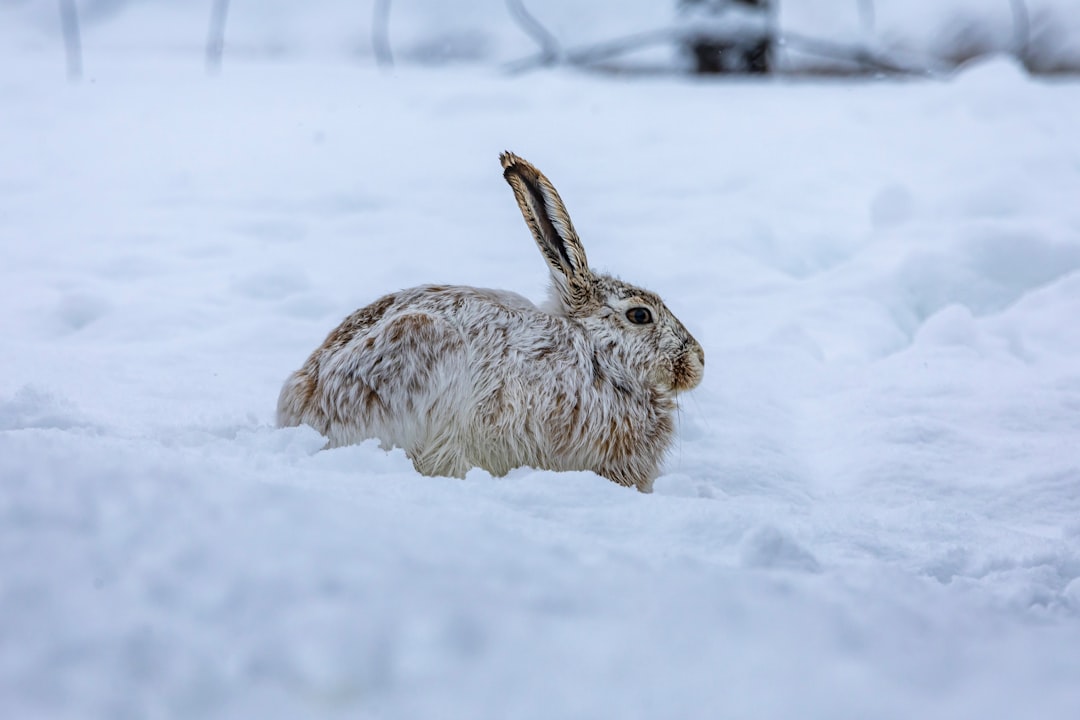
The Arctic hare is without a doubt one of the most adorable cold-weather animals around. Unlike other rabbit breeds, Arctic hares do not hibernate during the winter. Instead, they have adapted to the tundra with their thick fur and shortened ears. Unlike other hares, the Arctic hare evolved special adaptations to survive Arctic weather conditions. Its low metabolic rate allows it to easily conserve energy, a perfect trait for its barren environment.
The Arctic hare is one of the most popular hare species in the world and is adjustable to the harshest weather conditions. This fluffy white creature thrives in the Arctic Tundra. It features a thick white coat that helps it preserve heat in its body and keep it warm all through the winter.
Snowy Owls
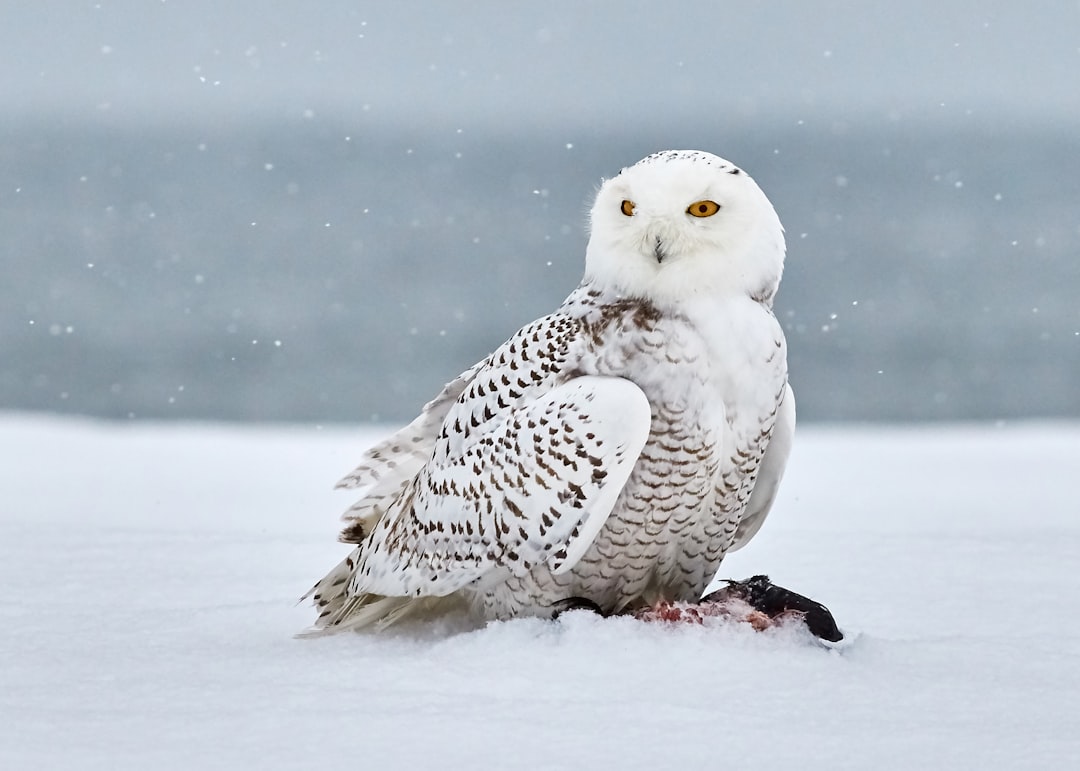
Snowy Owls wintering in Montana are well-adapted to the cold and can maintain normal body function down to -40° F. While most owls are nocturnal, snowy owls sleep at night and hunt in daylight. Snowy is an appropriate descriptor for this type of owl, based on its snow-white feathers and the winter territories it likes to occupy.
The toes of the snowy owl are extremely thickly feathered white, while the claws are black. The toe feathers are the longest known of any owl, typically measuring 28-32mm. Once winter falls, the snowy owls’ nest is vacated as they pursue the (to them) warmer weather of the Canadian arctic and other snowy parts of the world.
Walruses
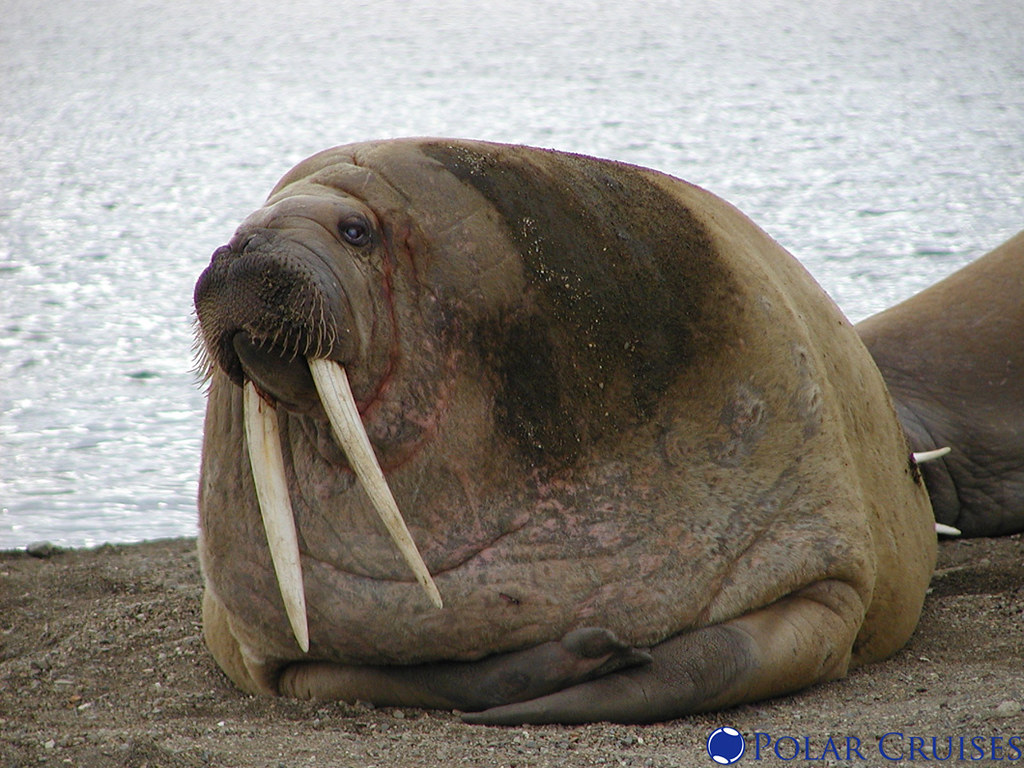
The walrus is a unique-looking cold-weather animal. They can grow up to 11 feet long and weigh over 1 ton! Aquatic mammals, such as walrus, seal, sea lion, narwhals, beluga whales and killer whales, can store fat called blubber that they use to help keep warm in the icy waters.
Walruses primarily feed on invertebrates, especially mollusks like clams. They use their sensitive whiskers (vibrissae) to detect prey on the ocean floor. They are a vital part of the marine ecosystem and are known for their adaptations to the Arctic environment.
Reindeer and Caribou
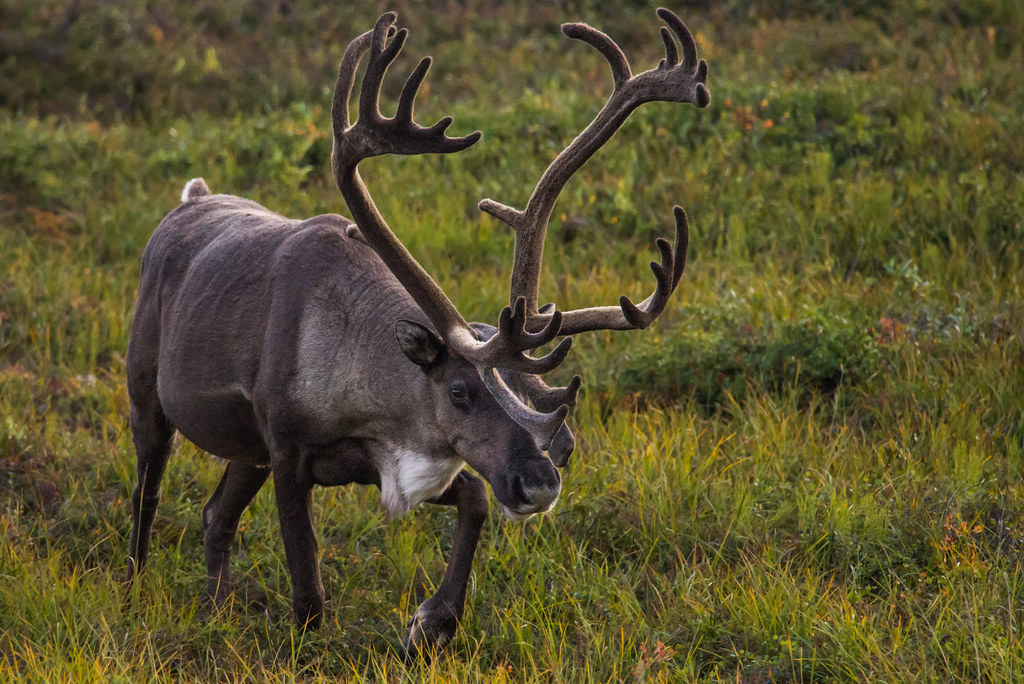
Reindeer have ultraviolet vision! With eyes that are very sensitive to UV light, reindeer are able to spot predators. Reindeer have two layers of fur, the upper layer being hollow (like a polar bear’s). This helps provide insulation.
Did you know that caribou and reindeer are the same animal? Obviously, Rudolph and his fellow reindeer love the cold! These beautiful animals live in the Arctic, subarctic, and mountain regions in North America, Europe, and Siberia.
Great Horned Owls
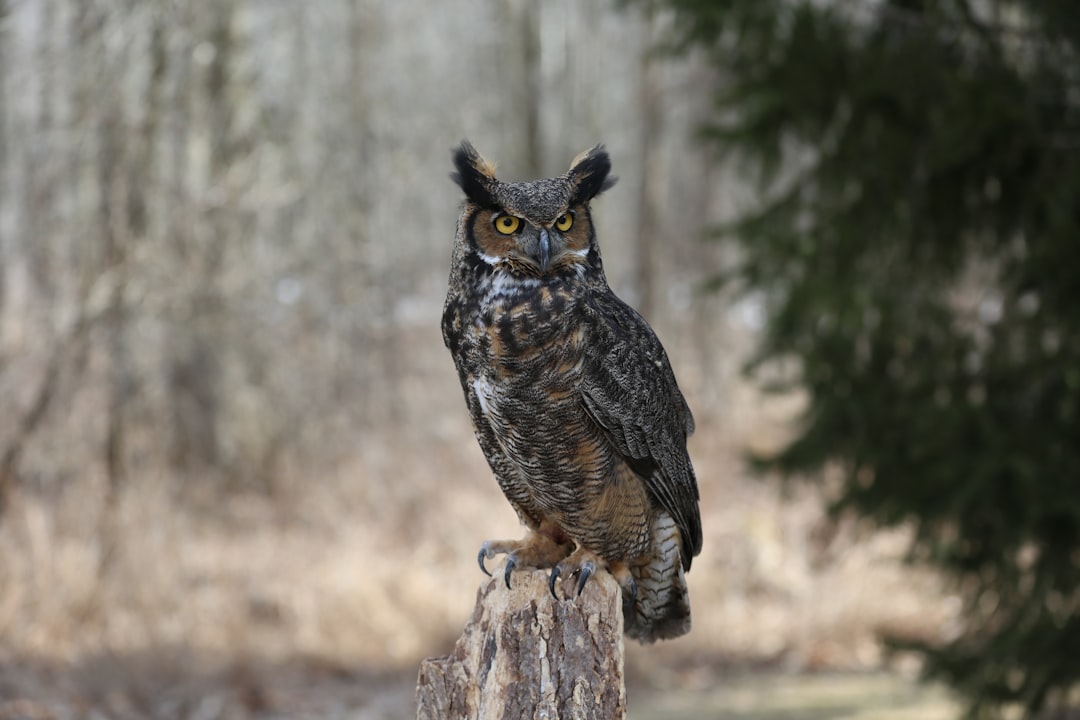
Great Horned and Great Gray Owls have large size and insulative, downy feathers that combat the cold, and both are known to be able to detect and capture prey through the snow. They have feet that are covered with feathers that reach all the way to the tips of their toes. This allows their feet to stay nice and toasty in the coldest temps.
To the great horned owl, February is the ideal month to breed, nest, incubate eggs and rear young. During freezing winters, they store large prey, returning in warmer weather to defrost and eat the carrion.
Muskoxen
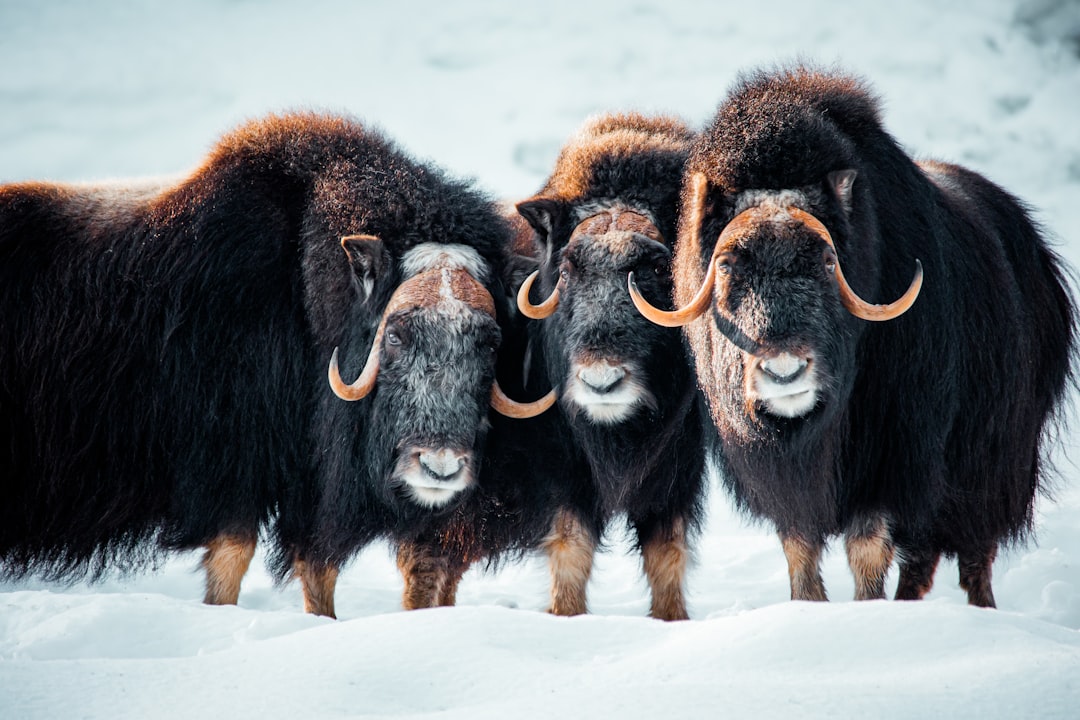
Humans long ago discovered that wearing a layer of wool under your clothes keeps you extra warm. For muskoxen, that layer grows automatically. Called qiviut (“kiv-ee-ute”), this soft underwool grows every winter. Able to withstand frigid Arctic winters, these handsome fellas have an outer coat over a second undercoat! Seen in far north areas of Canada and Greenland, they feed on roots and mosses of the frozen tundra.
These impressive creatures are perfectly designed for Arctic survival, with their massive woolly coats providing multiple layers of insulation. Their unique double-coat system ensures they stay comfortable even when temperatures drop to bone-chilling levels that would be deadly for most mammals.
Conclusion
Nature has an incredible way of adapting to even the harshest conditions our planet can offer. These ten remarkable animals prove that isn’t something to merely endure but can actually be embraced and conquered through amazing evolutionary adaptations. From the polar bear’s multiple layers of insulation to the emperor penguin’s incredible heat-recovery system, each species has developed unique solutions to thrive in frozen environments.
What’s truly fascinating is how these animals don’t just survive the cold but actually prefer it to warmer temperatures. Their specialized features, from furry paw pads to internal heating systems, showcase millions of years of evolutionary brilliance at work. What do you think about these incredible winter warriors? Tell us in the comments.

- The Unseen Heroes: How Therapy Animals Make a Real Difference - August 10, 2026
- 10 Incredible Facts About Raccoons That Make Them Backyard Geniuses - August 10, 2026
- 5 Fascinating Bird Species with Unbelievable Courtship Rituals - August 10, 2026