

Choosing a feline companion during your golden years requires careful consideration beyond just adorable appearances and charming personalities. While cats can provide wonderful companionship for seniors, certain breeds present unique challenges that can become overwhelming for older adults who may have limited mobility, energy, or resources to manage demanding care requirements.
Veterinarians consistently advise that some breeds require intensive daily grooming, specialized medical attention, or present behavioral challenges that could prove difficult for senior pet owners. Understanding these potential complications helps ensure both pet and owner can enjoy a harmonious, stress-free relationship for years to come.
#15 Sphynx
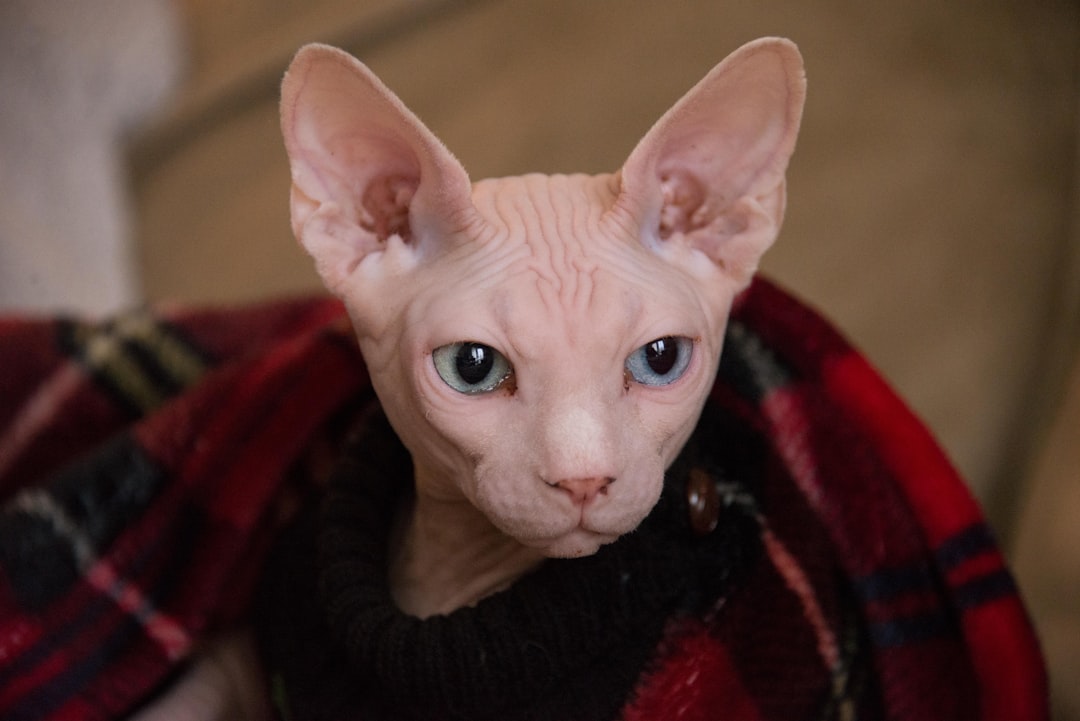
Sphynx cats commonly have issues with their lack of fur. Yeast or bacterial skin infections, sunburn, hypothermia and ear infections are common. These hairless felines require extensive skin care that can prove challenging for seniors with arthritis or limited mobility. Their lack of fur leaves their sensitive skin exposed to the elements, making them vulnerable to sunburn, acne, and fungal infections. To protect their delicate skin, it’s important to apply sunscreen and moisturizer regularly and maintain proper hygiene.
They need weekly or twice weekly maintenance to stay healthy, which includes regular bathing and skincare routines that many seniors find physically demanding. Additionally, Hypertrophic Cardiomyopathy is the most common heart condition of these cats, and it is possibly genetic too though genetic testing is available for some HCM-related mutations in this breed. This breed can develop other heart conditions too, but this is the most common.
#14 Scottish Fold
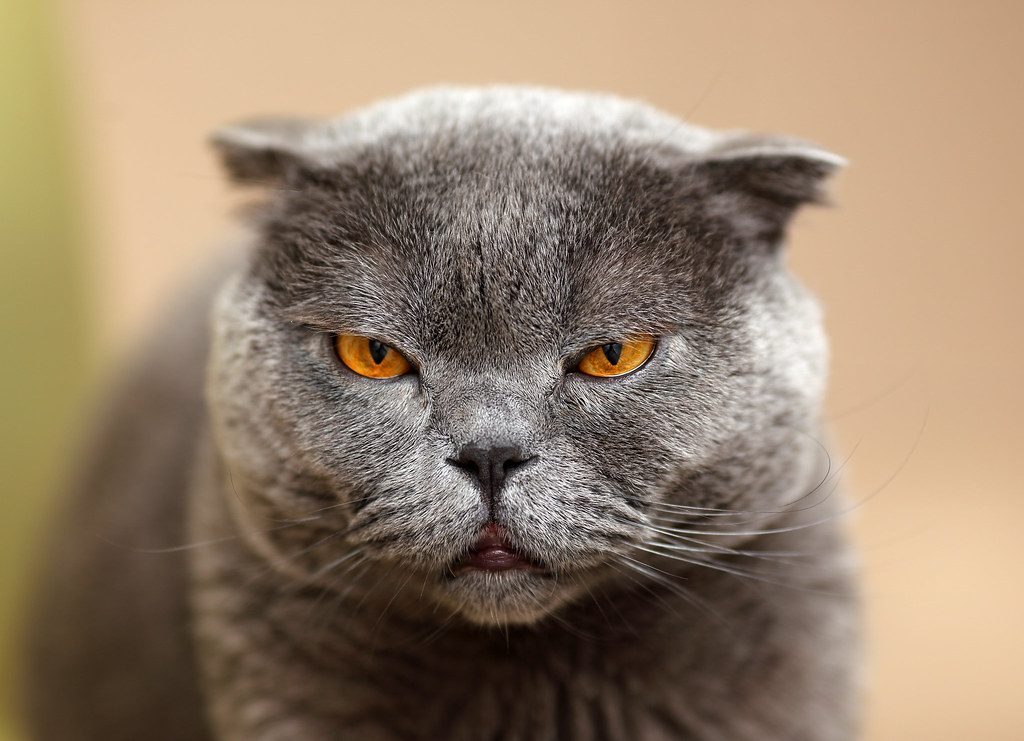
This veterinarian considers them among the most problematic breeds due to the genetic condition responsible for their signature ear fold, which causes severe joint problems throughout their lives. The genetic trait that creates the folded ears in Scottish Folds is osteochondrodysplasia, a cartilage and bone development disorder that affects not only the ears but joints throughout the entire body. This condition leads to progressive, painful arthritis that often becomes debilitating as the cats age.
The gene that results in the Scottish fold’s distinctive folded ears also causes degenerative joint disease, which results in painful, crippling arthritis. All Scottish fold cats are affected by this. There is no cure. Many affected cats must be euthanized at an early age to end their suffering. This breed’s inevitable health decline creates emotional and financial burdens that can be particularly difficult for seniors to manage.
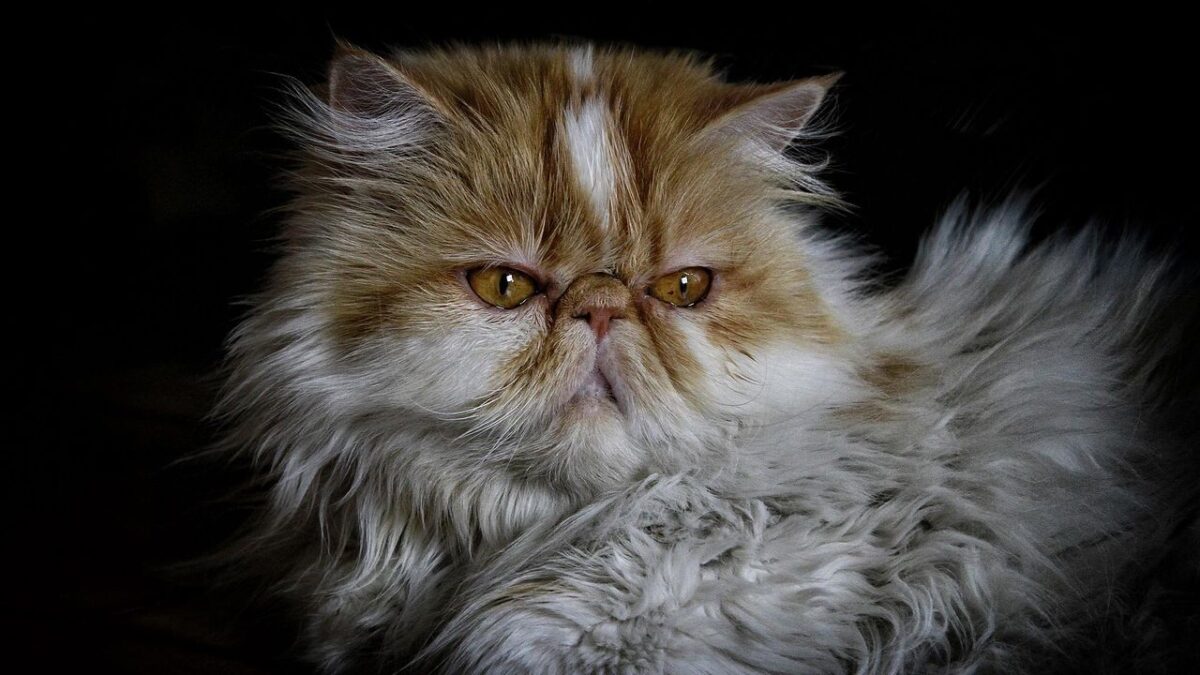
#13 Persian
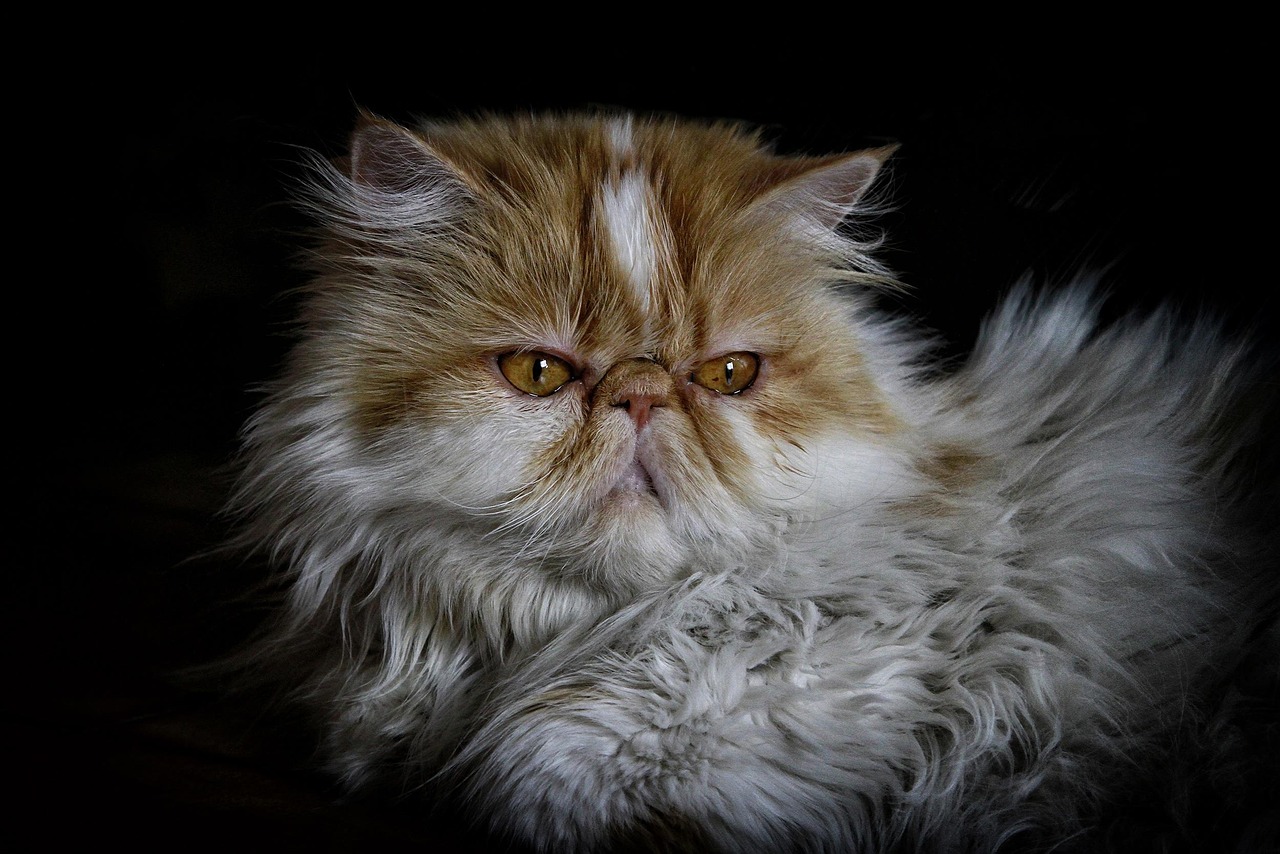
Persian cats are high maintenance. There’s a lot of care associated with them, whether you’re trying to prevent them from developing certain issues, or they already have them, and you need to treat them. Persians are “high-maintenance cats” with thick, long coats and flat facial features that require some extra special care. Their daily grooming needs can become overwhelming for seniors with limited dexterity or energy.
The characteristic flat face of Persian cats leads to brachycephalic airway syndrome, causing chronic breathing difficulties that can range from mild discomfort to life-threatening respiratory distress. These cats often struggle with normal activities like eating, drinking, and sleeping due to their compromised airways. The facial structure abnormalities also contribute to persistent eye drainage issues, with many Persians suffering from chronic tear staining and increased risk of eye infections. These ongoing medical issues require constant monitoring and frequent veterinary visits.
#12 Bengal
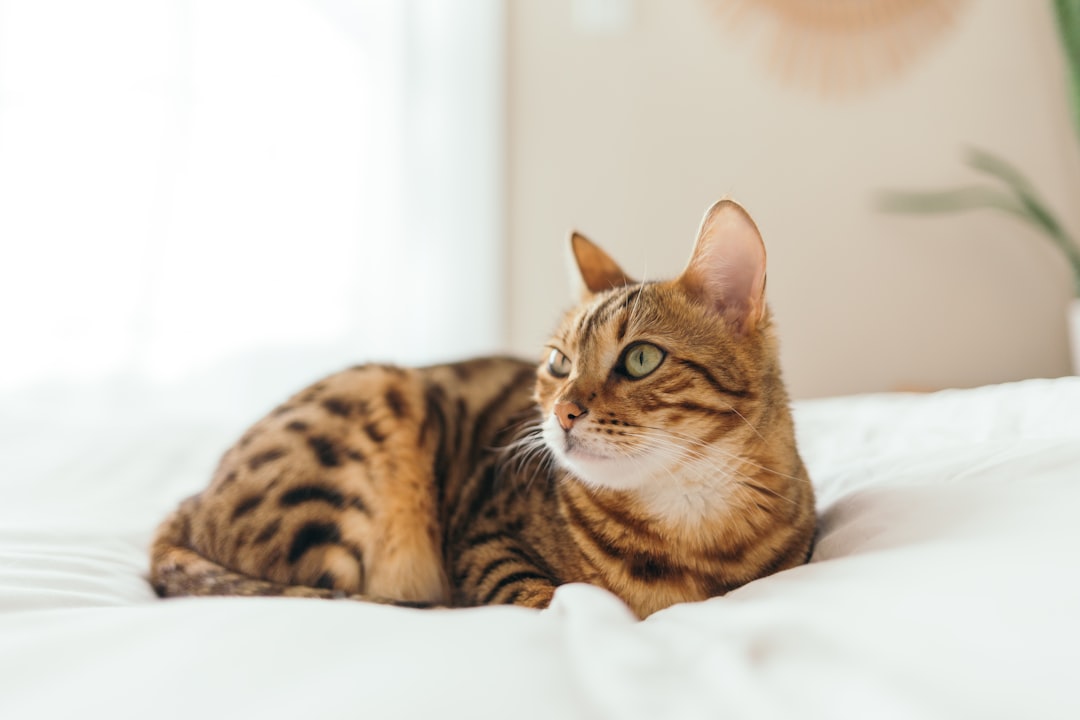
This veterinarian’s concerns about Bengalkatzen stem from their hybrid nature as crosses between domestic cats and wild Asian leopard cats. This genetic heritage brings significant behavioral and care challenges that many households are unprepared to handle. Bengals are known for their high energy levels and need for extensive activity, often displaying more aggressive tendencies than typical domestic cats. Their wild ancestry manifests in behaviors that can be problematic in home environments, including territorial marking, destructive scratching, and difficulty with standard litter box training.
Note that Bengals demand attention – leaving them alone for too long could result in aggressive behaviour. They love to play, be active, and long to roam outside, so some finicky tantrums may occur if they’re not allowed to tap into their wild nature. This high-energy breed requires constant stimulation and engagement that many seniors cannot provide.
#11 Maine Coon
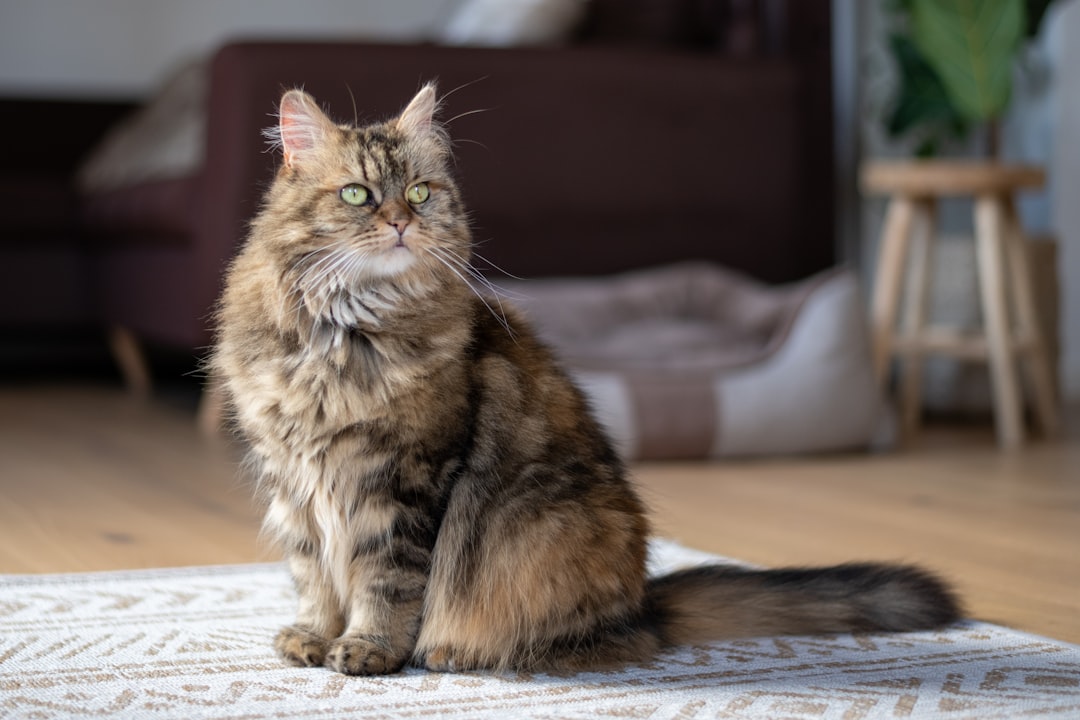
While generally gentle, Some breeds are very big and heavy, making them difficult for seniors to lift. Maine Coons are the largest breed of domestic cats and are instantly recognizable due to their distinctive appearance and playful nature. These big cats can end up maturing to weigh up to 15 pounds, although their long coats can make them look bigger! Their substantial size creates challenges for seniors who need to transport them to veterinary appointments or handle them during emergencies.
Maine Coon cats can develop hypertrophic cardiomyopathy, hip dysplasia, spinal muscular atrophy, and obesity. Maine coon and Ragdoll cats are especially prone to HCM. Cats with HCM are at high risk for congestive heart failure and saddle thrombosis (aortic thrombosis) from the formation of blood clots. These serious health conditions require ongoing monitoring and can result in emergency situations that seniors may struggle to handle.
#10 Siamese
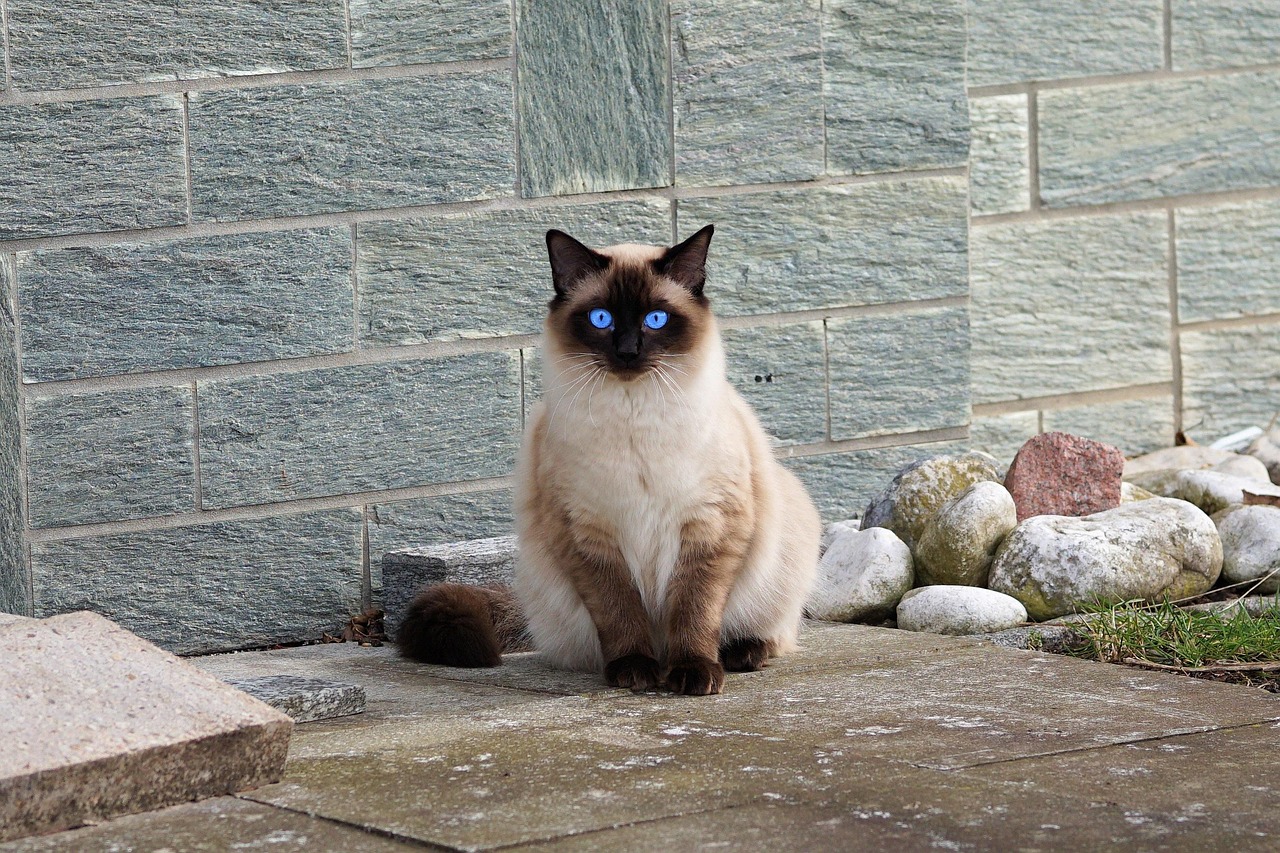
Siamese, with their striking blue eyes and sleek bodies. However, these cats are also at risk for dental issues such as gum disease and tooth decay. Their narrow nasal passages make them susceptible to respiratory infections. These vocal cats require significant attention and can become destructive when bored or lonely. Siamese cats also have an increased risk of genetic diseases such as progressive retinal atrophy (PRA) and amyloidosis. PRA is a degenerative eye disease that can lead to blindness, while amyloidosis is a liver disease that can cause organ failure.
Siamese cats may also be more prone to behavioral issues such as anxiety and aggression. Proper socialization and training from a young age can help prevent these behavioral issues from developing. Their demanding personalities and potential behavioral problems can be overwhelming for seniors seeking a calm, low-maintenance companion.
#9 Himalayan
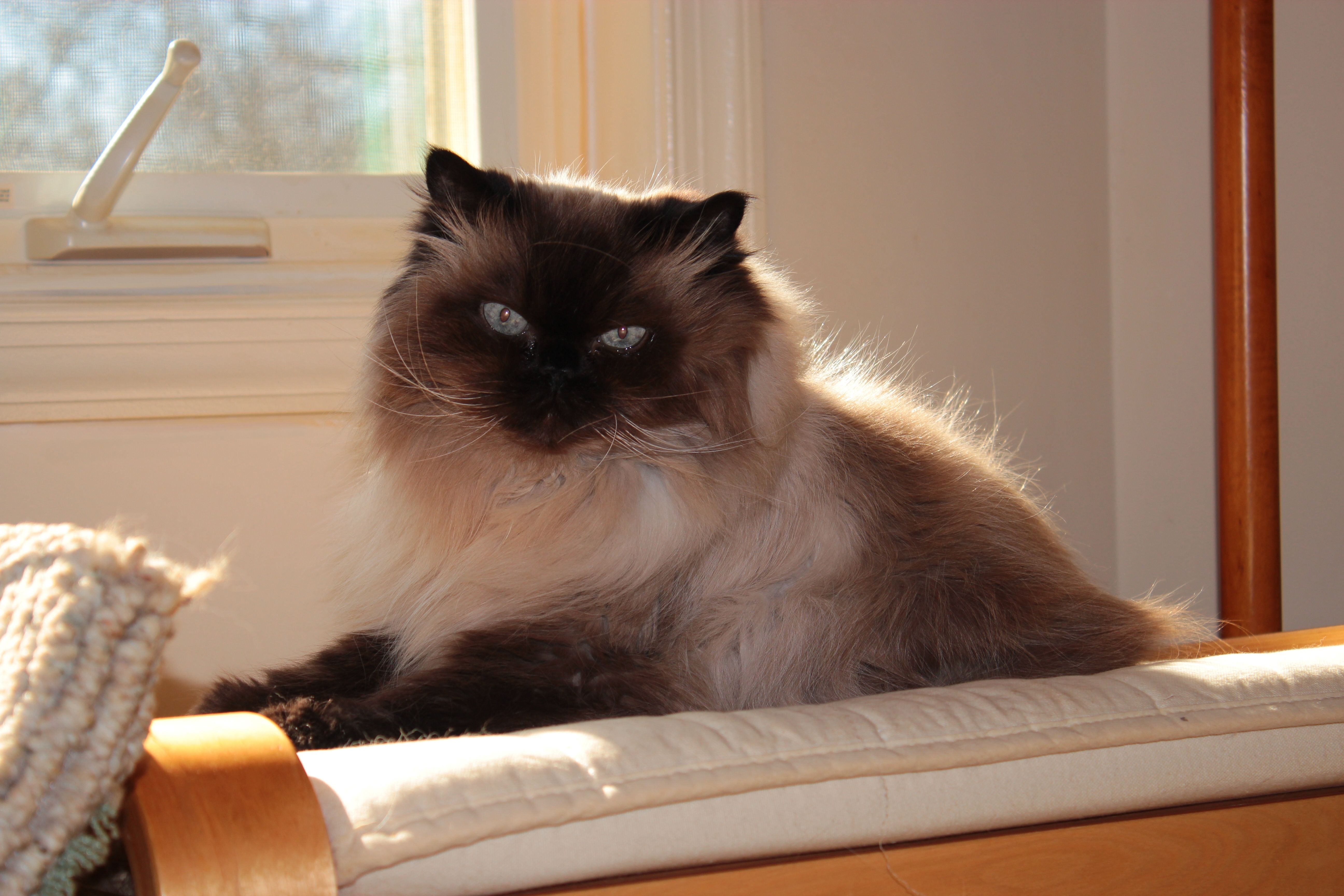
While the Himalayan cat is certainly a magnificent breed, it is important for owners to be aware of their special needs. Himalayans need regular (daily) grooming to remove mats and tangles from their long fur. These Persian-type cats combine the worst aspects of high maintenance grooming with serious health concerns. Like many of the flat-faced cats, Himalayans often have breathing problems due to deformed nasal passages. The breed is also at risk for polycystic kidney disease, which can cause kidney problems in adult animals.
The daily grooming requirements alone make Himalayans unsuitable for seniors with arthritis or limited mobility. Their flat facial structure also requires constant monitoring for breathing difficulties and eye infections, adding to the caregiving burden that can become overwhelming for older adults.
#8 Ragdoll
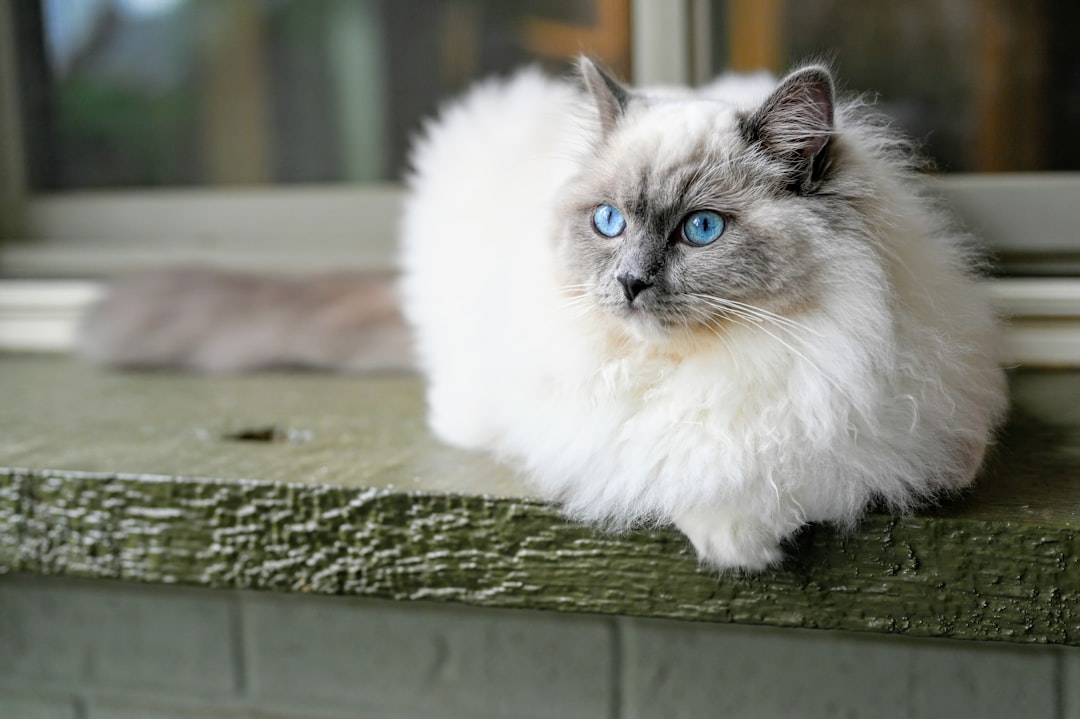
Known for being friendly, the Ragdoll typically gets along with other cats, dogs, new people, and children, which is perfect for grandparents who babysit the grandkids on occasion. It has a semi-long coat of silky hair that requires daily brushing to avoid knotting, but is otherwise low maintenance. Keep in mind that Ragdoll cats are on the larger side and may require more space and be difficult to carry for some seniors.
While personality-wise they may seem suitable, their substantial size creates practical challenges. Maine coon and Ragdoll cats are especially prone to HCM. Cats with HCM are at high risk for congestive heart failure and saddle thrombosis (aortic thrombosis) from the formation of blood clots. The combination of size, grooming needs, and serious cardiac risks makes them challenging for senior owners.
#7 Exotic Shorthair
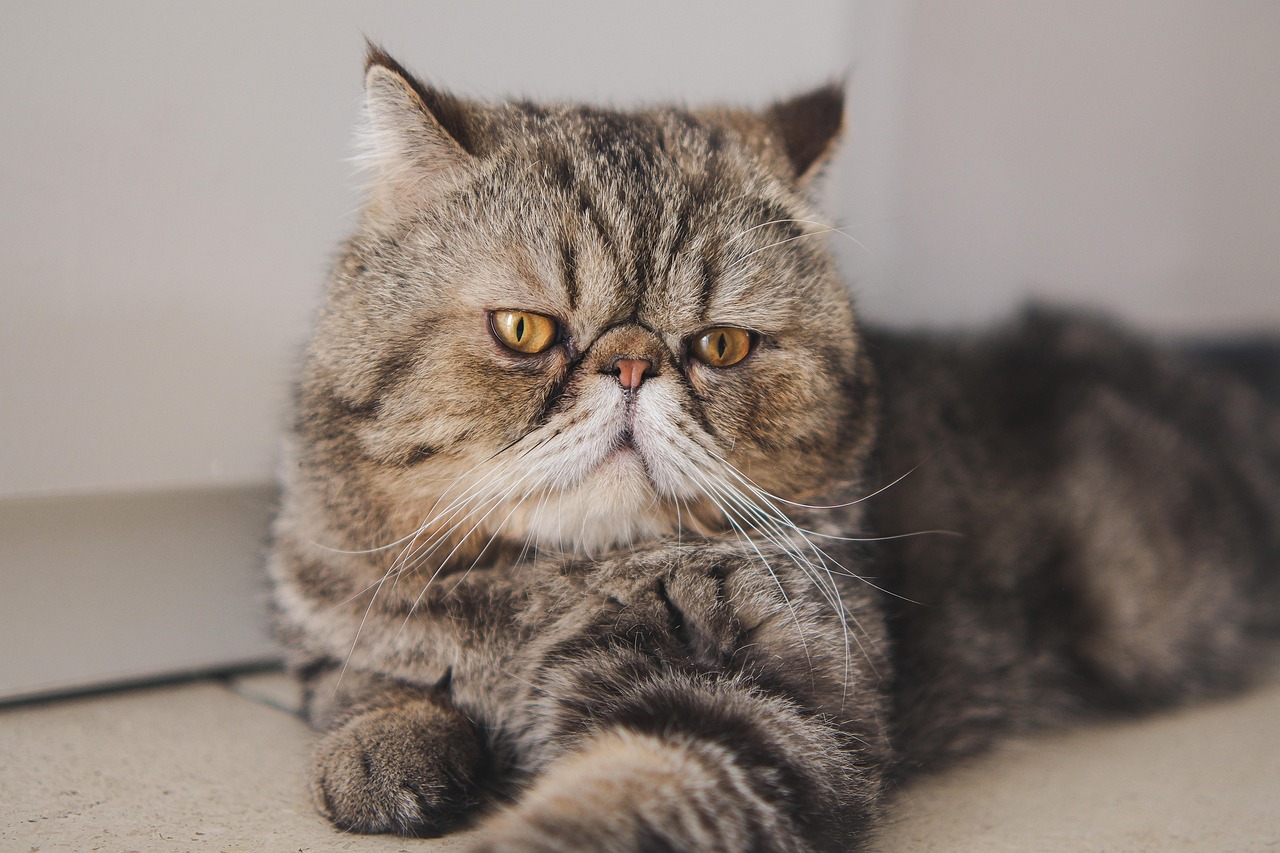
Often called the “lazy Persian,” Exotic Shorthairs maintain the same problematic facial structure as their long-haired cousins while adding their own unique challenges. These cats suffer from the same brachycephalic airway syndrome that affects Persians, requiring constant monitoring for breathing difficulties. Their flat faces also contribute to chronic eye discharge and tear staining that demands daily cleaning.
Despite having shorter coats than Persians, Exotic Shorthairs still require regular grooming and are prone to skin fold infections around their facial wrinkles. Their sedentary nature can also lead to obesity, which exacerbates their breathing problems and creates additional health complications that seniors may find difficult to manage effectively.
#6 Munchkin
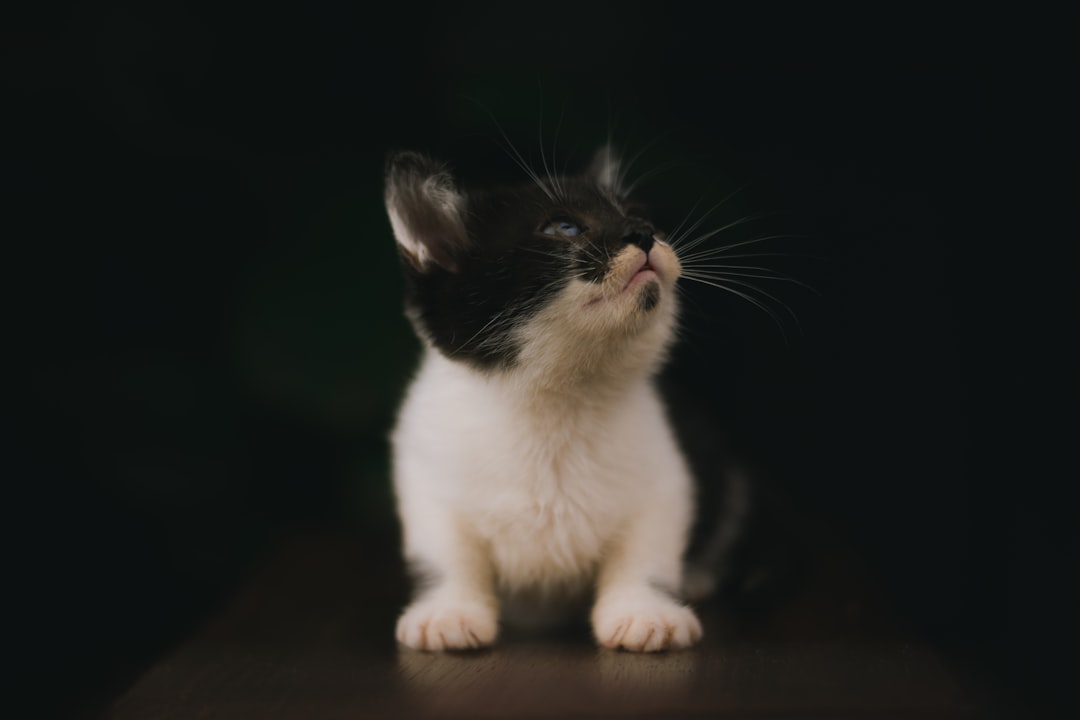
As the name implies, Munchkins are known for their small stature and short legs. Interestingly, this newer breed has relatively few congenital health problems. There are, however, a few cautions. Because of their short legs, Munchkins don’t jump as well as other cats, so you’ll have to lift them to and from chairs and beds to help avoid injury. Also, obesity can present very real physical challenges to the breed as it can make even normal mobility difficult.
While they might seem manageable due to their size, Munchkins require constant assistance with mobility that can strain seniors physically. Their inability to jump normally means owners must frequently lift and move them, which can be challenging for those with back problems or limited strength. Their predisposition to weight gain also requires careful dietary monitoring.
#5 Turkish Angora
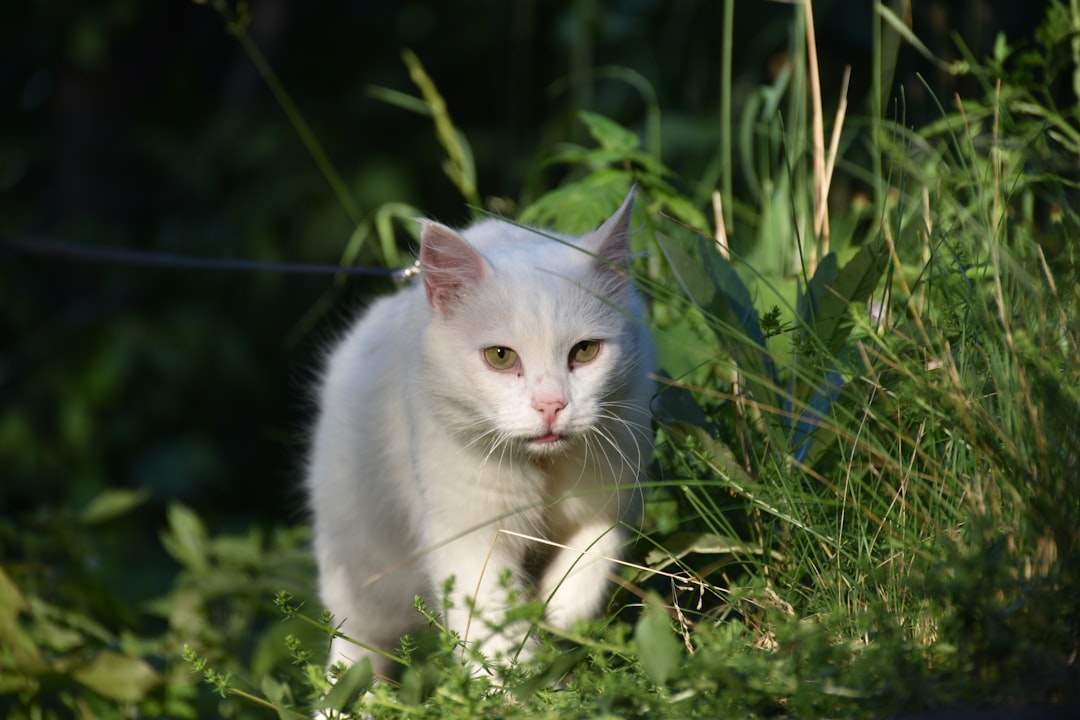
The Turkish Angora might be the most extroverted cat breed we’ve ever met. They’re happiest in a multi-pet and busy household where there will always be someone to entertain them or to be entertained by their playful antics. Their extremely high energy levels and need for constant stimulation make them exhausting for seniors seeking a calm companion.
These cats demand interactive play sessions multiple times daily and can become destructive when their entertainment needs aren’t met. Their long, silky coats require daily brushing to prevent matting, and their athletic nature means they need tall cat trees and extensive vertical space. The combination of grooming demands and high activity requirements creates a care burden that many seniors find overwhelming.
#4 Oriental Shorthair
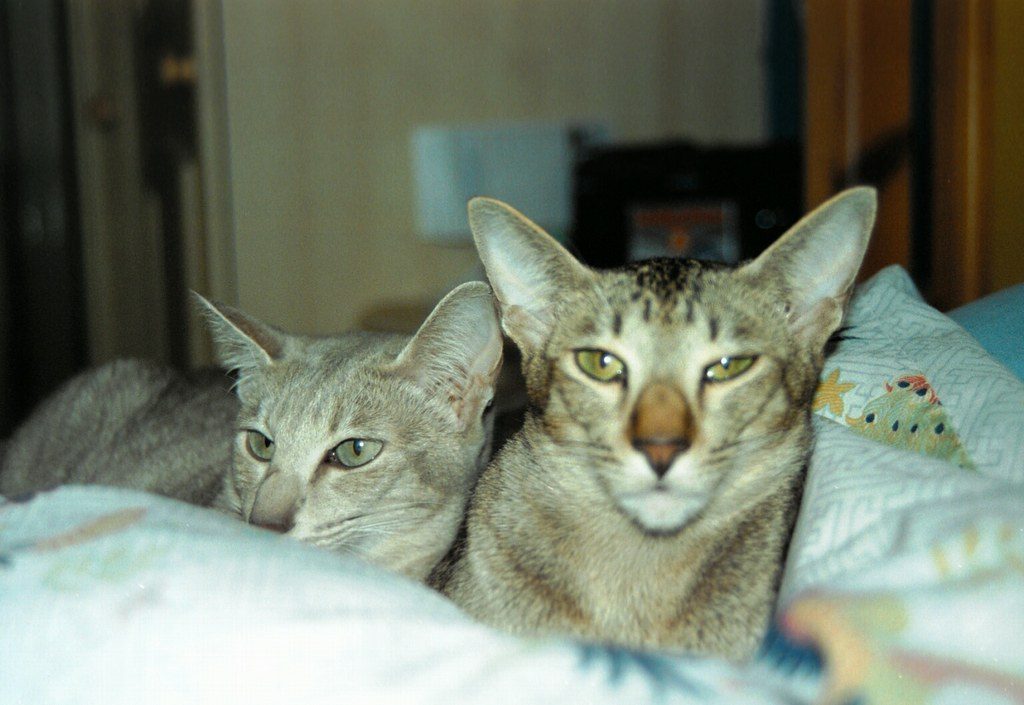
Oriental Shorthairs share many characteristics with their Siamese relatives, including extreme vocalization and demanding personalities. These cats are known for their loud, persistent meowing and tendency to “talk” constantly to their owners. Their high intelligence combined with strong-willed personalities creates cats that can be manipulative and attention-seeking to an exhausting degree.
Like Siamese cats, Orientals are prone to respiratory issues, dental problems, and genetic conditions including progressive retinal atrophy. Their need for constant interaction and mental stimulation, combined with their potential health issues, creates care requirements that can quickly become overwhelming for seniors who prefer quieter, more independent companions.
#3 Burmese
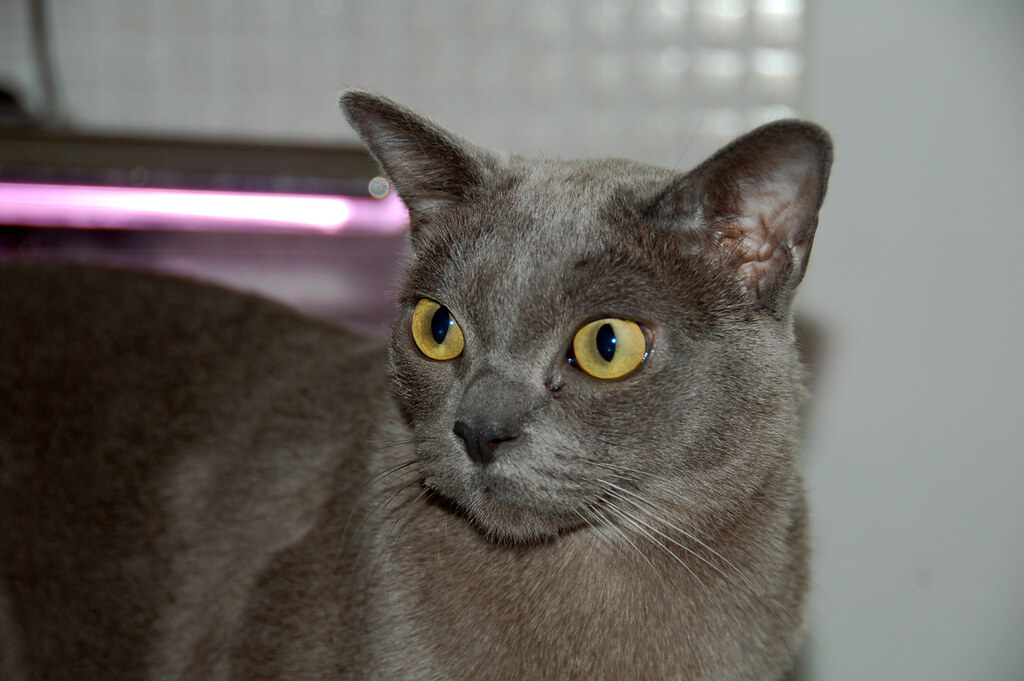
Purebred Maine coon, Ragdoll, sphynx, Siamese, and Burmese breeds are at a higher risk of developing heart conditions such as hypertrophic cardiomyopathy, dilated cardiomyopathy, and congenital heart conditions. Burmese cats are extremely people-oriented and can develop severe separation anxiety when left alone. Their clingy nature means they follow owners constantly and demand attention throughout the day.
These cats are also prone to a condition called Burmese Head Defect, which can cause facial deformities and breathing problems. Their high maintenance personalities combined with potential genetic health issues create ongoing care demands that can be particularly challenging for seniors who value independence and quiet companionship.
#2 Abyssinian
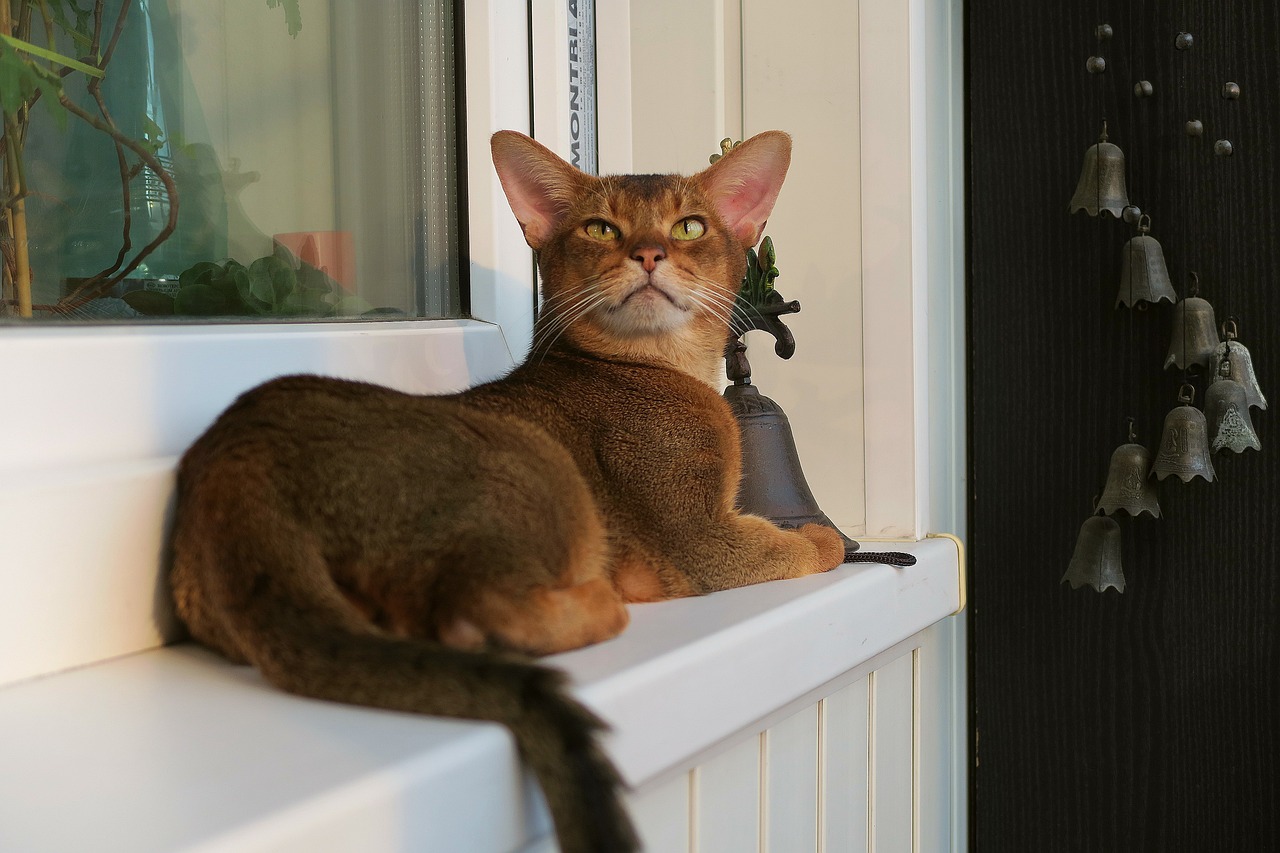
The Abyssinian cat might be small, but they’re incredibly playful and love to learn new tricks. They’re nicknamed “Aby-grabbys” due to their love of stealing your belongings! Watch out for any shiny small items, which will likely be carried off. They love to climb up high, so you’ll need to provide perches and cat trees to give them places to watch you from above.
Their mischievous nature and tendency to steal objects can create safety hazards for seniors, particularly those who rely on medical devices or small personal items. Abyssinians require extensive vertical territory and constant mental stimulation. Their high activity levels and climbing abilities mean they need cat-proofed environments with multiple tall structures, creating setup and maintenance challenges for older adults.
#1 Cornish Rex
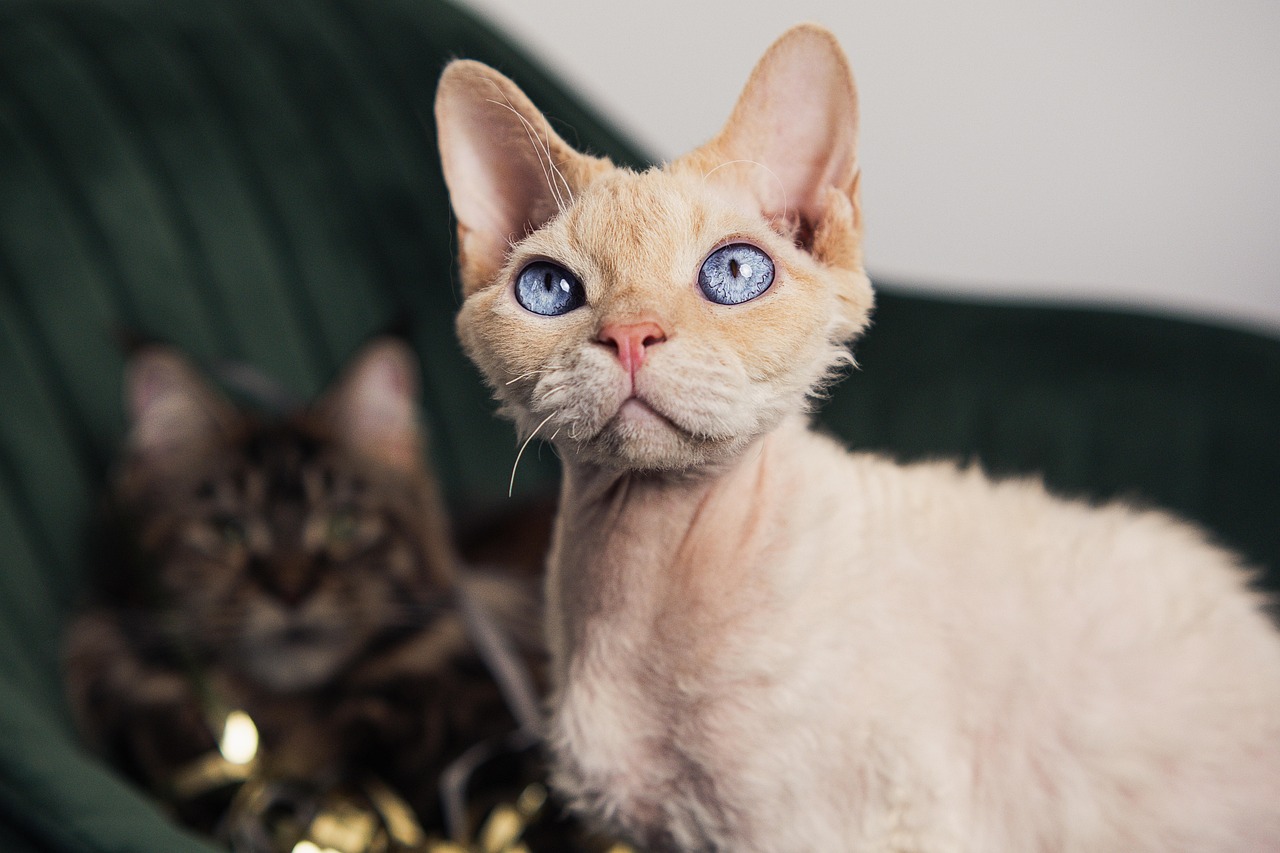
Cornish Rex cats possess an extremely high energy level that rivals that of dogs, requiring multiple interactive play sessions daily to prevent destructive behavior. Their unique curly coat, while requiring less brushing, is prone to breakage and needs special care to maintain. These cats are also more susceptible to temperature fluctuations due to their thin coat and require controlled indoor environments.
Their extroverted personalities and need for constant engagement make them unsuitable for seniors seeking low-maintenance companions. Cornish Rex cats are known for their ability to open cabinets, drawers, and even doors, creating safety concerns for seniors who may have medications or hazardous items that need to remain secure. Their combination of high energy, special grooming needs, and mischievous intelligence creates care demands that can quickly overwhelm older adults.
Conclusion
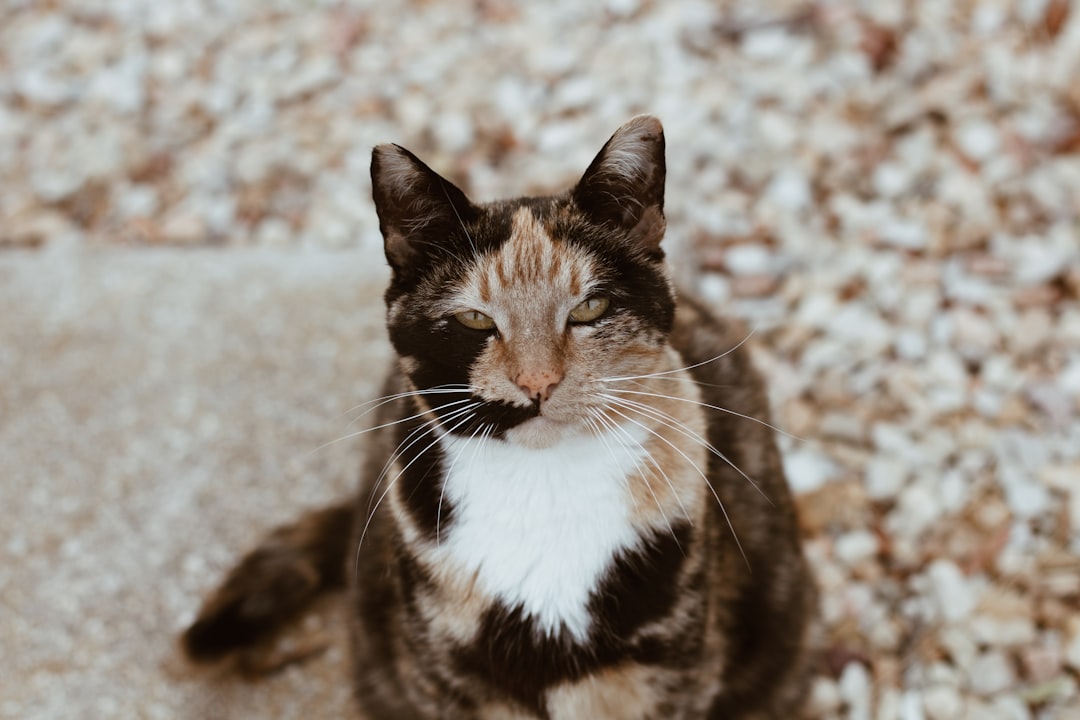
Selecting the right feline companion during your senior years is about finding balance between companionship and manageable care requirements. While these 15 breeds may present challenges for older adults, countless loving cats in shelters await homes and often make ideal companions for seniors. Consider adopting mature, calm cats whose personalities and care needs are already established and manageable.
The key to successful pet ownership in your golden years lies in choosing a companion whose needs align with your lifestyle, energy level, and physical capabilities. What matters most is finding a feline friend who brings joy without overwhelming your daily routine. Have you considered what type of cat would truly complement your golden years?

As a little kid, I fell in love with nature, wildlife, and animals. Living in the USA, South Africa, Italy, China and Germany gave me the opportunity to discover the world's Wildlife. My favorite animals are Mountain Gorillas, Siberian Tigers, and Great White Sharks.
I'm a certified PADI Open Water Diver, went to Everest Base Camp and Trekked Gorillas in Uganda. I hold a Master of Science in Economics and Finance.
Please send any feedback to feedback@animalsaroundtheglobe.com
- 13 Stunning Bird Migrations Threatened by Global Warming - August 14, 2026
- 15 Animals That Do Not Need Oxygen Like We Do - August 14, 2026
- 12 Dogs That Can Sense Human Illness - August 14, 2026