

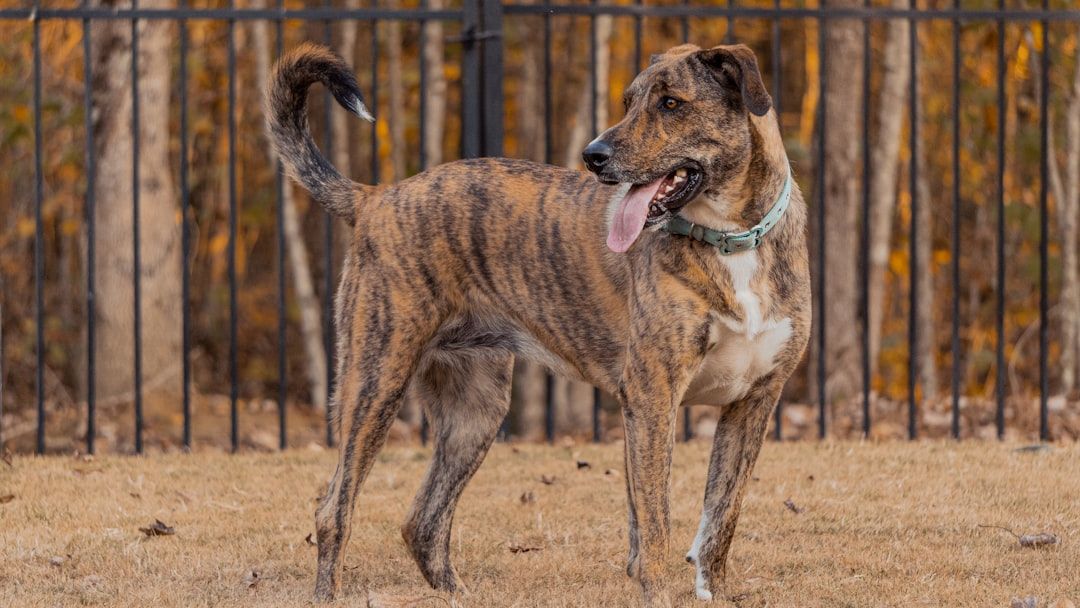
While most dog lovers easily recognize Golden Retrievers, Labradors, and French Bulldogs wandering through local parks, there exists an entire universe of extraordinary canines that rarely cross our paths. These remarkable breeds carry fascinating histories, unique characteristics, and personalities that would enchant any dog enthusiast. Some originated from remote islands where they hunted specific prey, while others were bred by ancient civilizations for purposes that seem almost mythical today.
The world of rare dog breeds opens windows into different cultures, historical periods, and human ingenuity. Each of these remarkable dogs tells a story of adaptation, survival, and the incredible bond between humans and their four-legged companions. Let’s embark on a journey to discover these hidden gems of the canine world.
#17 Catalburun – The Split-Nosed Hunter of Turkey
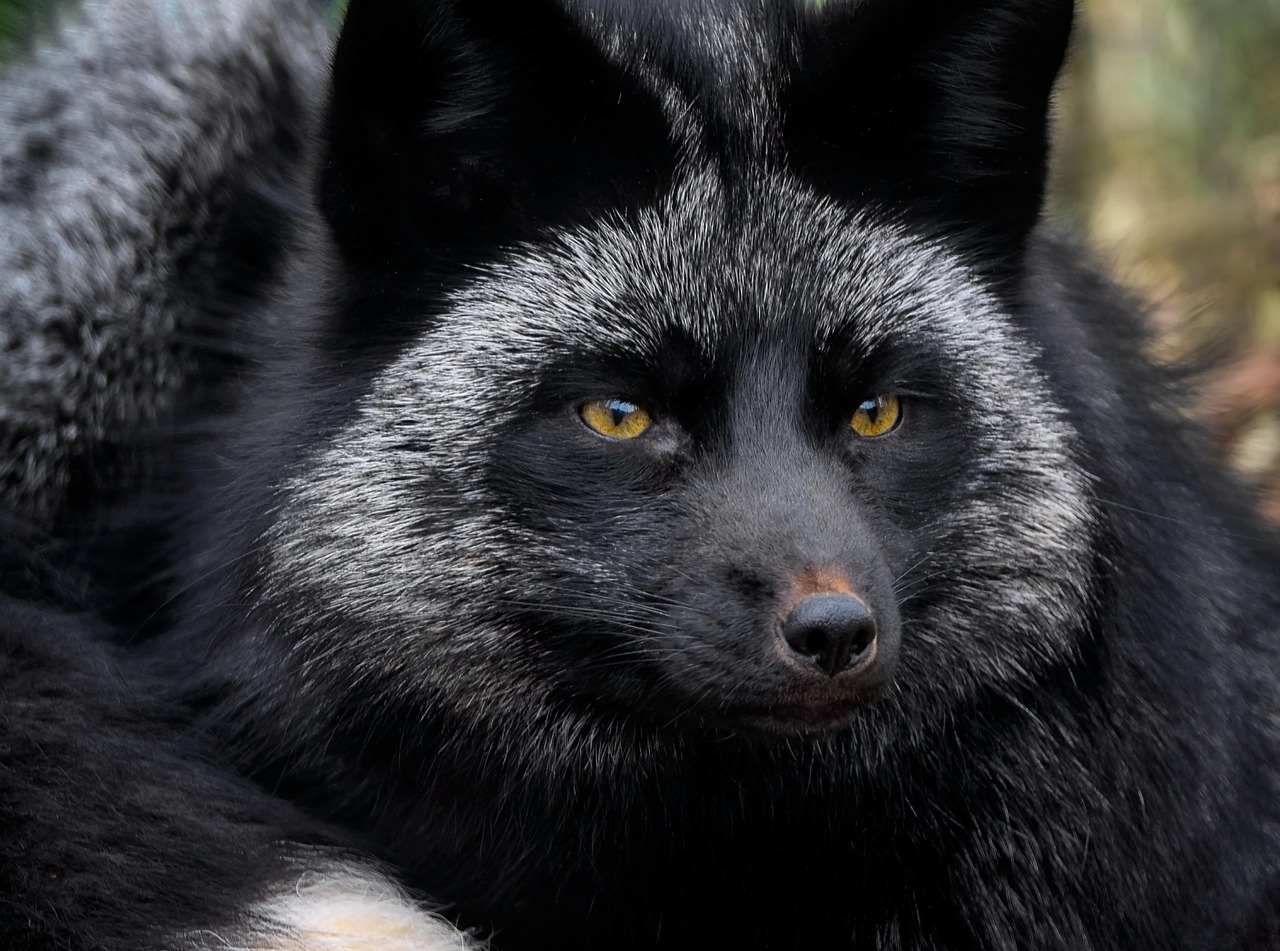
One of Turkey’s most unusual breeds, the Catalburun is notable for its split nose and excellent scent-tracking capabilities. This breed is so rare that it is almost exclusively found in one region of Turkey and is seldom seen elsewhere. Traditionally used for hunting, the Catalburun’s split nose is believed to enhance its ability to track scents, making it an exceptional working dog.
Catalburun dogs can be kept indoors or in a small yard without disturbing the neighbors. They don’t bark too much and are very good with kids. Their distinct physical feature is a divided or forked nose, which appears as if it is two noses in one. Unfortunately, only about 200 of them exist today. This incredibly low population makes encountering one outside Turkey virtually impossible.
#16 Norwegian Lundehund – The Six-Toed Puffin Hunter
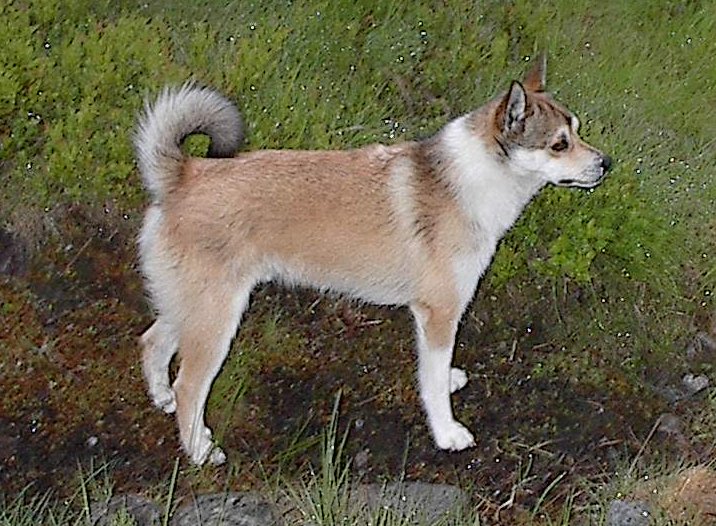
The Norwegian lundehund was the one-and-only dog breed created to hunt puffins, yes, puffins. Now that puffins are an environmentally protected species, Norwegian lundehunds have become loyal family dogs that usually have six toes on each foot instead of the usual five on front feet and four on back feet. This dog was bred to scale rocks, slippery crags, and dig burrows to hunt puffins along coastal cliffs. Due to this, it developed some unique characteristics, including six toes on each paw, the ability to crane its neck back to its spine, and fold its ears closed.
Their extraordinary flexibility allowed them to navigate the treacherous cliff faces of Norway’s coast. They may no longer need their extra toes for scaling rocky coastlines, but the extra digits could prove useful in agility courses. Lundehunds are an easy-to-live-with breed, as long as their day is full of activities to expend their boundless energy. These remarkable adaptations make them one of nature’s most specialized hunting breeds.
#15 Lagotto Romagnolo – The Truffle-Hunting Teddy Bear
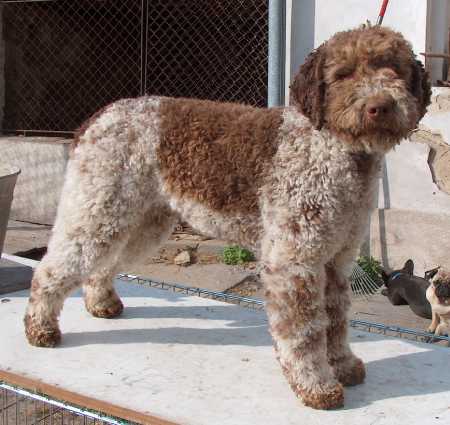
Originally from Italy, the Lagotto Romagnolo is known as the truffle-hunting dog due to its exceptional ability to sniff out this valuable fungus. This breed is characterized by its curly coat and sharp hunting instincts, though it is equally adept as a family pet. While it is gaining popularity, the Lagotto Romagnolo remains relatively rare and is a wonderful choice for families or individuals who enjoy outdoor activities and want a trainable, friendly dog.
With a thick coat of teddy bear curls, it’s easy to fall in love with a Lagotto Romagnolo dog at first sight. And it’s not just looks that draw you in-these adorable dogs are also allergen-friendly. While no dog is truly “hypoallergenic,” their double-coat of wooly curls rarely shed, so they could be a good fit for people who tend to sneeze around dogs. Lagottos are the only dogs bred specifically for truffle hunting in modern times. Their keen sense of smell and natural tendency to dig make them experts at the task.
#14 Azawakh – The Elegant Desert Sprinter
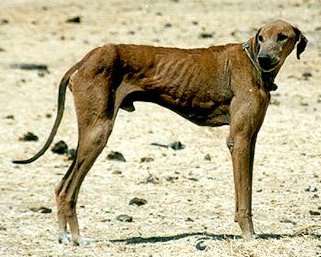
The Azawakh is a West African sighthound that originated in Burkina Faso, Mali, and Niger. This slender hound has a refined appearance, but don’t be fooled. This is a hardy, long-lasting hunter who has been chasing gazelle over the blistering sands of the Sahara for over a thousand years. The Azawakh is a West African sighthound characterized by incredible speed, durability, and stamina that make it the perfect hunting dog for the scorching hot and rugged Sahara. Historically owned by Tuareg nomads, the lineage of the Azawakh can be traced back more than 1,000 years. Although independent and self-motivated, the Azawakh is also a loving and affectionate family dog with unyielding loyalty.
Azawakhs are elegant, lean dogs that move with a light, graceful gait. Azawakhs are relatively calm indoors, but they have tremendous energy and endurance. They also have a strong prey drive, so a tall fenced yard is a must. Azawakhs bond strongly with their owners, and their protective nature and aloofness towards strangers make them excellent protection dogs. Their aristocratic bearing and devotion to family make them truly captivating companions for the right owner.
#13 Kai Ken – Japan’s Tiger Dog
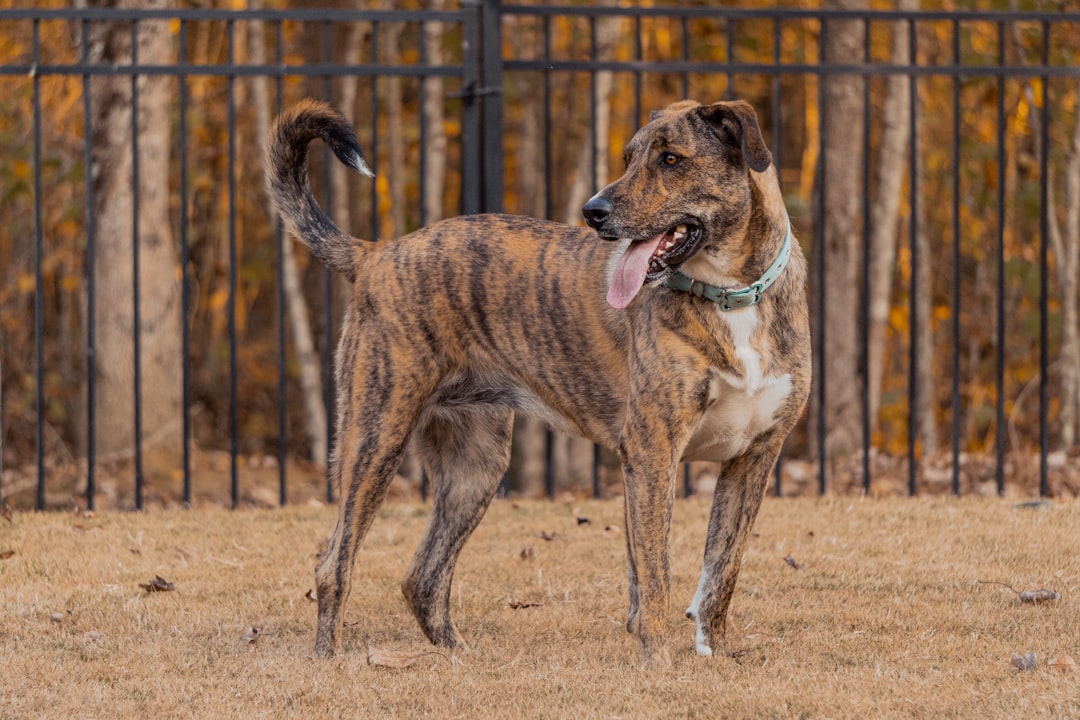
Brindle coats are among the breed’s most distinctive features, earning the Kai Ken the nickname “Tiger Dog.” The Kai Ken’s name comes from its place of origin: the Kai province near Mount Fuji. Locals appreciated the breed for its stamina and strong prey drive. They used these dogs for hunting all types of game – from pheasants to bears. The Japanese declared the Kai Ken a Natural Monument, or protected breed, in 1934. But it’s rare to find a Kai Ken outside of Japan.
To this day, Kai Kens are still a rare breed, even in Japan. This makes them one of the least common dog breeds you can find in the United States. What’s more, Kai Kens are nearing extinction, even in Japan. It is famously devoted to its people – forming strong attachments and working as a steadfast guardian. Bred as a hunting dog, the Kai Ken retains a strong desire to hunt and may view smaller animals as prey. These dogs are excellent climbers known to climb trees in pursuit of game during hunts.
#12 Xoloitzcuintli – The Ancient Aztec Treasure
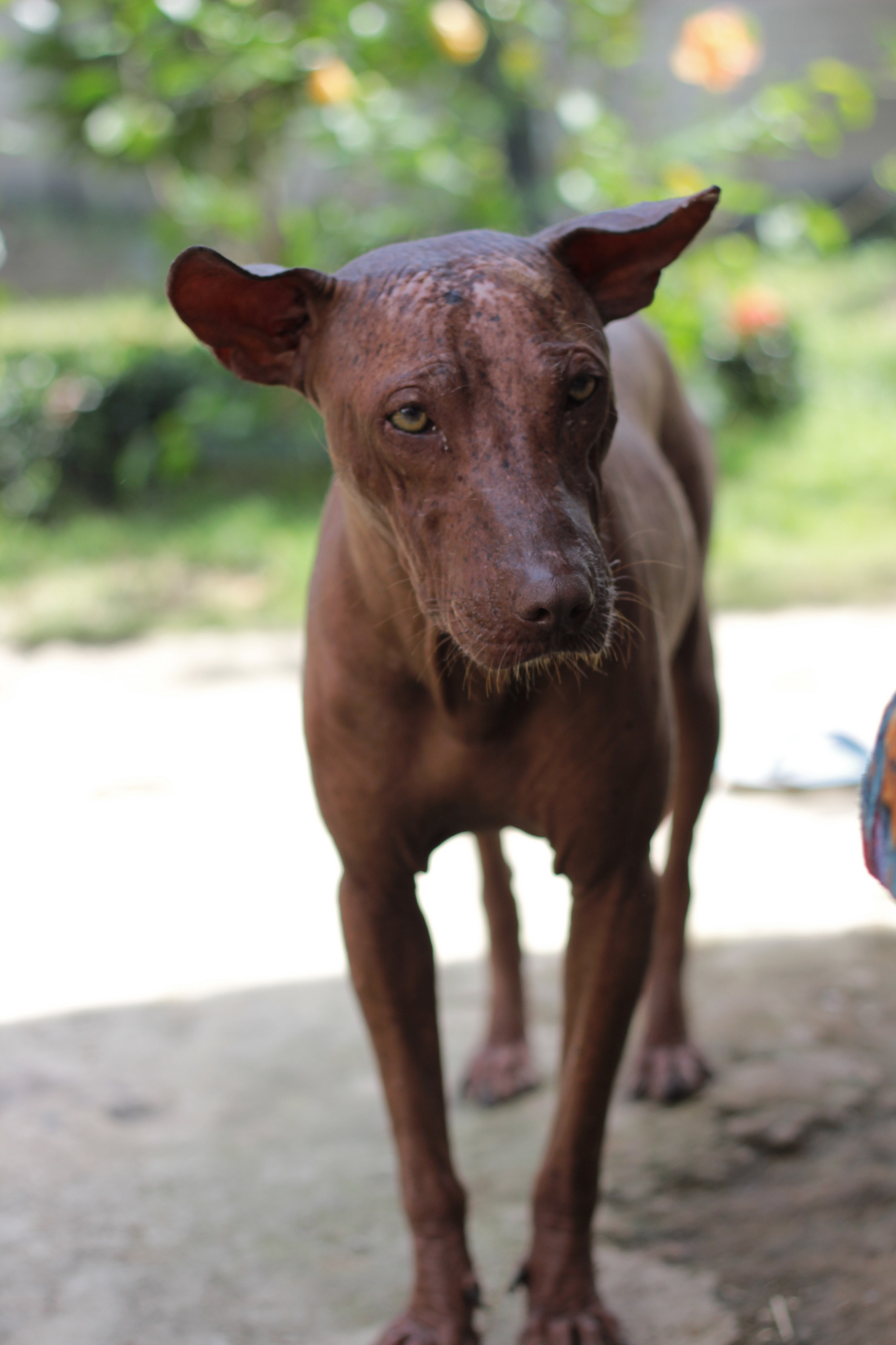
The Xoloitzcuintli, or Xolo, is one of the oldest and rarest breeds in the world, known for its striking appearance due to its hairless body. Originating from Mexico, where it was revered by ancient civilizations such as the Aztecs and Mayans, the Xolo was believed to possess healing and protective properties. Today, this breed is cherished for its loyalty, intelligence, and hypoallergenic coat. The Xoloitzcuintli, or Xolo for short, is an ancient Mexican breed that dates back over 3,000 years. Revered by the Aztecs, this hairless breed was believed to have healing powers and was often used in religious ceremonies.
The Xolo comes in three sizes (toy, miniature, and standard), making it versatile for various living situations. Its calm demeanor and affectionate nature make it a great companion, especially for those with allergies. Xoloitzcuintlis are extremely sensitive to heat and cold and are primarily indoor dogs. They are also prone to skin lacerations, especially in the heat, and need skin lotions and sunscreen to keep their skin healthy. They sweat through their skin, unlike other dogs, and therefore, do not pant as much as other dogs.
#11 Peruvian Inca Orchid – The Elegant Hairless Beauty
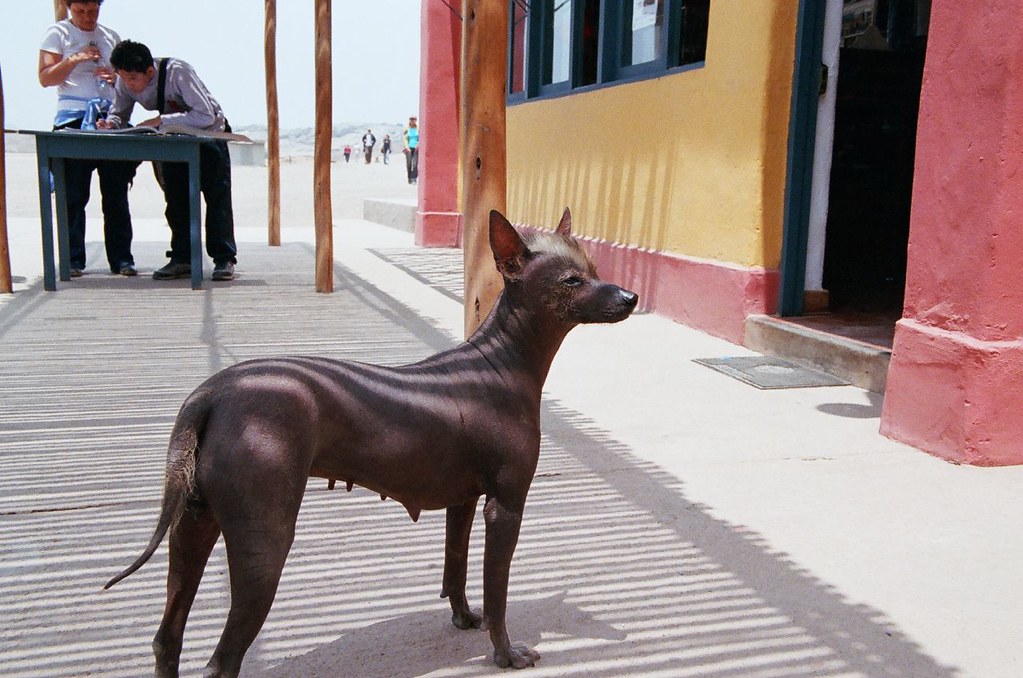
Not only is the Peruvian Inca Orchid a rare ancient dog breed, but they are also unique because of their hairless physique. Also known as the “Peruvian Hairless Dog,” this pup is easy to groom. Travel back to 750 A.D. and you might spot this South American pooch depicted on pottery and textiles! These remarkable dogs carry an artistic legacy spanning over a millennium.
A striking breed with deep historical roots, the Peruvian Inca Orchid is known for its sleek, hairless body and affectionate nature. These dogs thrive on human companionship and are incredibly sensitive to their owner’s emotions, making them great therapy animals and loving family pets. However, they can be sensitive to harsh climates and require proper skin protection in the cold and heat. Their emotional intelligence makes them exceptional companions for those seeking a deeply connected canine relationship.
#10 Sloughi – The Noble Arabian Greyhound
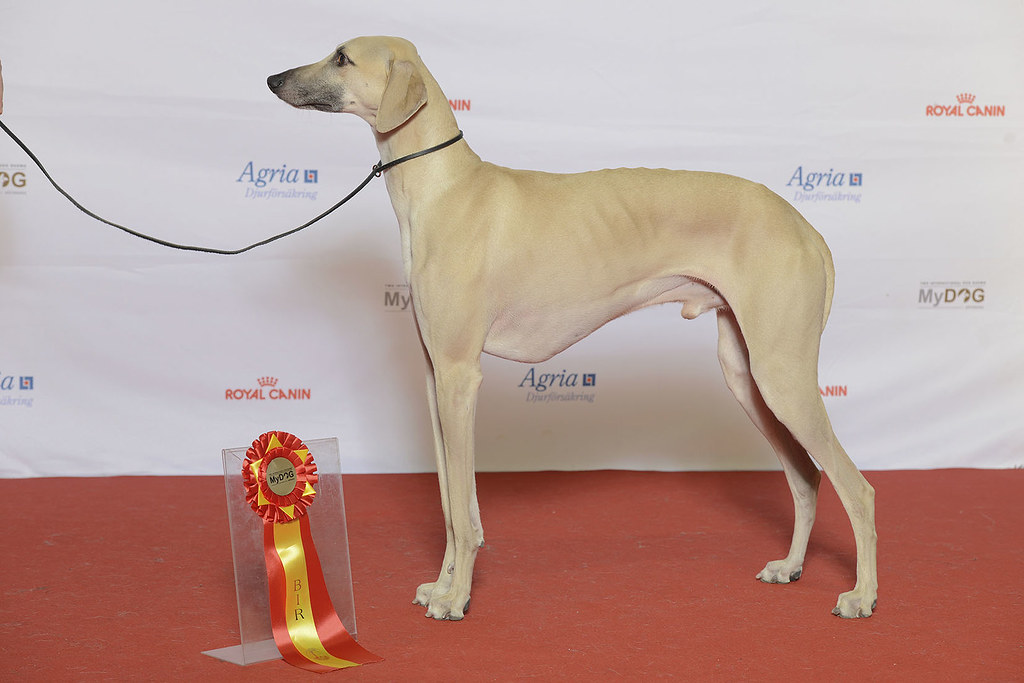
The ancient Sloughi, sometimes known as the “Arabic Greyhound,” is a slender, fast, coursing dog that hunted a variety of game in the North African deserts. The Sloughi is a traditional sighthound who is distant with strangers yet compassionate with family. The Sloughi, or Arabian Greyhound, is a striking breed originating from North Africa, where the dogs are prized for their speed, agility, and grace. Historically used for hunting in the desert, they have a sleek, athletic build and a short, smooth coat that comes in various colors.
Today, Sloughis remain relatively rare outside of their native region, with only a few hundred registered in the U.S. The alert, intelligent Sloughi is reserved around strangers but bonds closely with people they want to please. Well-socialized Sloughis get along well with children. They are generally good with other dogs but are not recommended for homes with other small pets. The life span of the breed is 12-16 years. Their regal bearing and selective affection make them fascinating companions.
#9 Otterhound – The Shaggy Water Expert
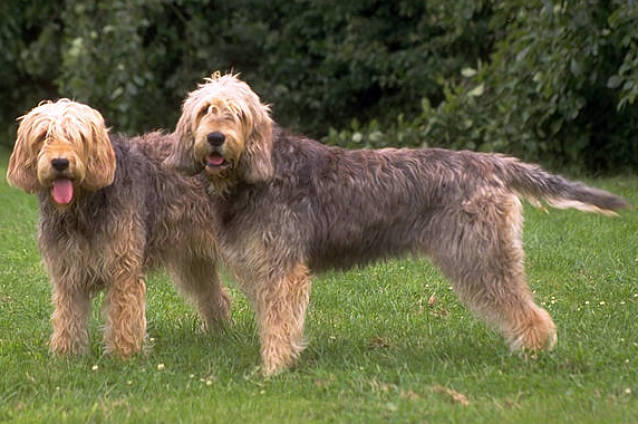
Amiable and boisterous, the Otterhound is a large hunting breed originating in England. As its name suggests, the breed was developed for otter hunting. Because its quarry was found on land and in water, it differs from other hounds with its rough, double coat and webbed feet. They may appear laid-back, but the Otterhound was once an expert otter hunter in England! While this 19th century activity is no longer legal, this shaggy pup is still a dog breed that loves to swim. They have webbed feet and a waterproof coat that helps them excel at this activity. Plus, their nose is even strong enough to follow scent trails underwater.
Otterhounds are one of the rarest scenthound breeds. Fewer than 60 puppies are registered by kennel clubs each year. The hardy, tousled-haired hounds were kept by King John for finding otters that were depleting the fish in local streams. Despite their ability to hunt otters like no other (thanks to their webbed feet and super sensitive noses), Otterhounds are one of the rarest British dog breeds. They’re playful, friendly, and easy to train, but after otter hunting became banned in the UK in 1981, these shaggy-haired dogs fell out of favor.
#8 Chinook – The American Sled Dog Hero
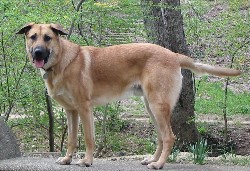
The Chinook is not only an uncommon breed, but they also have a very unusual history! Named after one dog that accompanied an Antarctic expedition in the late 1920s, the Chinook was bred by an explorer seeking a companion with speed, power, endurance, and a good temperament. Today, this rare breed is a member of the Working Group and one of the best sledding dogs around. Chinooks were originally bred as sled dogs and have been known to accompany explorers on expeditions in Alaska and Antarctica. Today, it is one of the rarest breeds out there. They make excellent family pets because they are adaptable, patient and eager to please.
The name Chinook is pronounced Sha-Nook. Today, the breed is considered one of the world’s rarest dog breeds. As per the Chinook Owner’s Association, there are only about 600-800 Chinooks existing today. The Chinook is a relatively rare dog breed that was bred in New Hampshire in the early 1900s and was used as an all-purpose sled dog. At one point there were said to be only 28 of these dogs remaining! The Chinook is also the official state dog of New Hampshire.
#7 Finnish Spitz – The Golden Barking Bird Dog
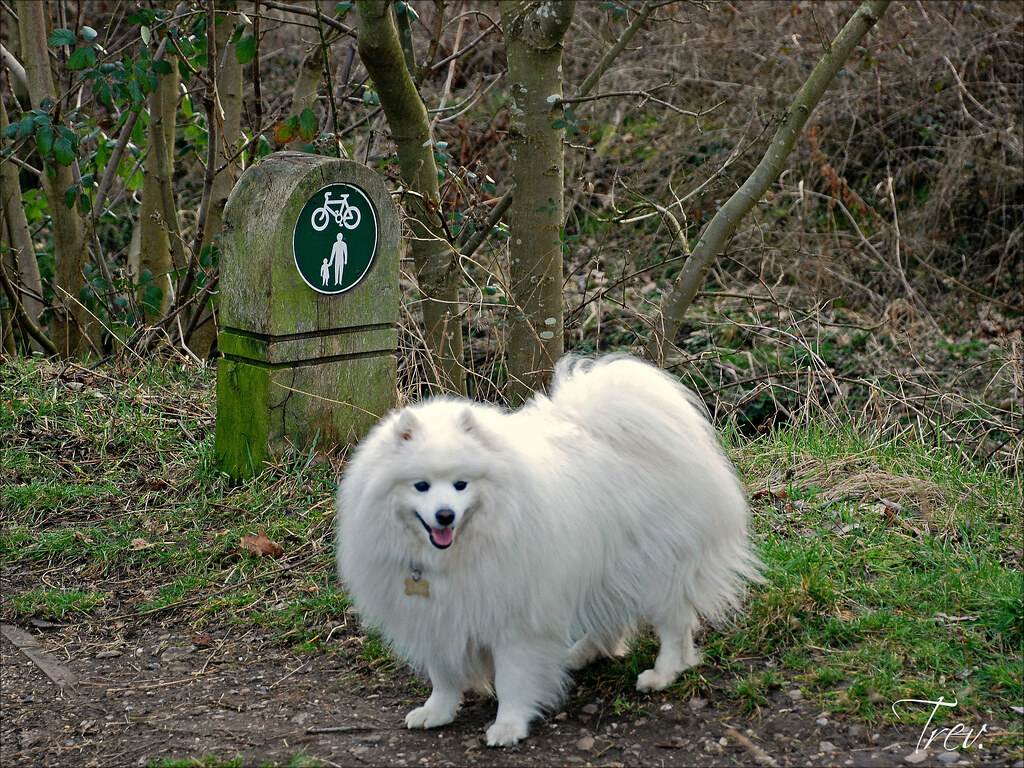
Friendly, alert, and playful, the Finnish Spitz is one of the cutest rare dog breeds, known for having a foxlike appearance, golden-red coat, and distinctive yodel-like bark used in hunting. Originating from Finland, this breed is independent and intelligent, requiring early and consistent training with positive reinforcement. This breed is highly energetic, so early socialization and regular exercise are crucial. While common in Finland, the Finnish Spitz is rare globally due to limited breeding.
Red and gold in color, foxy-faced and coming with a swishing tail, Finnish spitz dogs are the national dogs of Finland and make for a great family pet because of their lively and loyal nature. Although well known in the EU, ‘Finkies’, as they are known for short, are still considered a rare breed in the U.S. after they nearly became extinct in the 19th century. Their melodious barking earned them recognition as Finland’s national bird dog, making them both beautiful and vocal companions.
#6 Belgian Laekenois – The Forgotten Herder
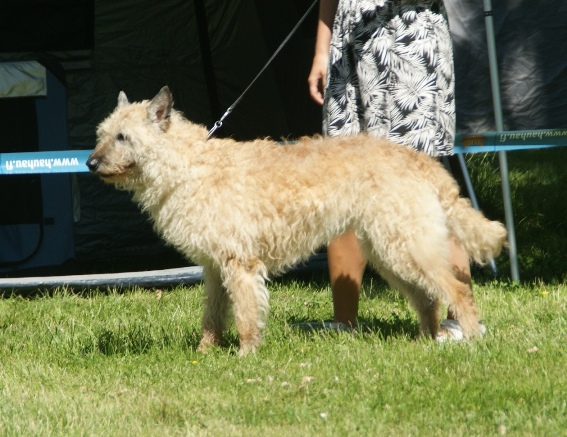
The Belgian Laekenois is the rarest of the four closely related Belgian herders – the Belgian Sheepdog, Malinois, and Tervuren. A large rare dog breed, the Belgian Laekenois is related to Belgian Sheepdogs, Belgian Malinois, and Belgian Tervuren. Like their cousins, the Laekenois originated in Belgium, where they were used as working dogs to herd and guard livestock. Laekenois are known for their intelligence, loyalty, and highly energetic nature. Despite sharing ancestry with more famous Belgian breeds, the Laekenois remains largely unknown outside breeding circles.
Their distinctive wiry coat sets them apart from their smooth and long-haired Belgian cousins. These versatile working dogs excel at various tasks from herding to protection work, yet their rarity means few people have witnessed their remarkable abilities. Their intelligence and work ethic make them exceptional partners for those who understand their high energy requirements and strong drive to work.
#5 Mudi – The Hungarian Farm Dog Virtuoso
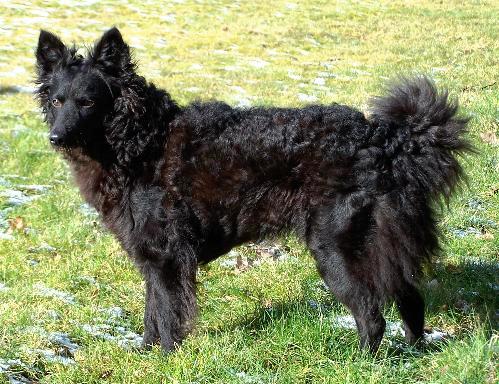
The Mudi is a versatile, medium-sized Hungarian farm dog available in black, blue-merle, ashen brown, and piebald colors. They were developed to exterminate rodents and also used for herding and guarding flocks. Mudis have versatile talents and pleasant dispositions but are not as popular as other Hungarian dogs like the Puli and Komondor. Mudis are highly trainable and energetic and excel in agility and obedience. They make wonderful companions for active individuals and families with kids.
Due to their rarity, they are not commonly found outside their native Hungary. No more than a few thousand Mudis are available worldwide. The lifespan of the Mudi is 13-14 years. The Mudi is a versatile herding dog from Hungary, known for its courage and versatility. This breed excels in a variety of tasks including herding, guarding, and ratting. Despite its many talents, the Mudi remains largely unknown outside of Hungary. They are medium-sized dogs with curly coats and an alert demeanor.
#4 Telomian – The Malaysian Ladder-Climbing Dog
Although their rich history dates back thousands of years, the Telomian wasn’t officially discovered until 1963! Located in isolated villages near the Telom River, the Telomians or “Kampung Dogs” are considered one of the rarest breeds in the world. In addition to their athleticism, this pooch also developed extraordinary paw control to climb ladders used throughout villages in the Malaysian jungles.
The only breed on our list not recognized by the American Kennel Club is the Telomian. It’s one of the rarest breeds in the world, found only among the Orang Asli, the indigenous people of Malaysia, until the 1960s when they were brought to America. According to Dr. Michelle Burch and SafeHounds, Telomians are true members of the family, participating in protecting the home and gathering food. Their unique ladder-climbing ability developed from necessity, making them one of the most specialized breeds in terms of physical capabilities.
#3 Thai Ridgeback – The Independent Ridge-Bearer
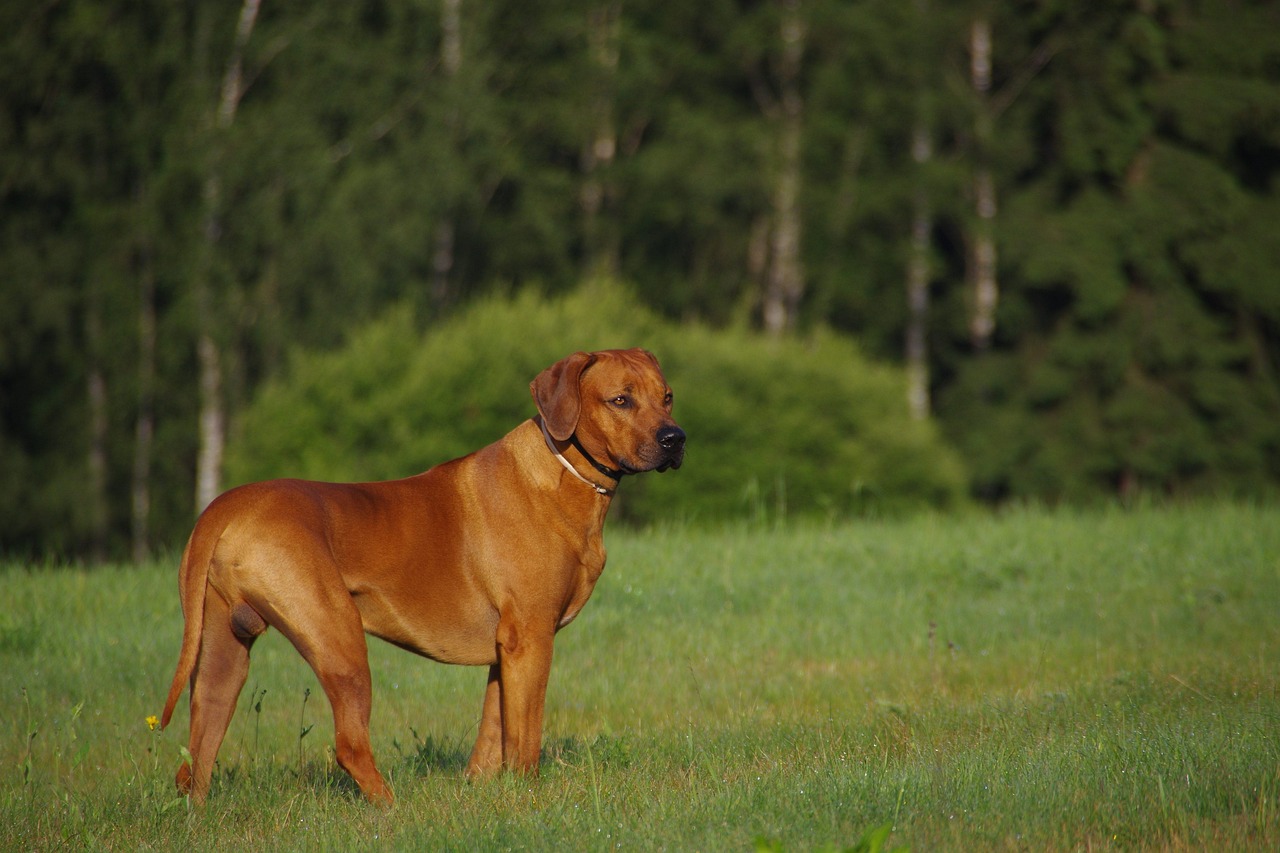
The Thai Ridgeback may be one of the most easily recognizable rare dog breeds in the world! If you look at their back, you will notice the distinguished ridge pattern down the spine, which is formed by hair growing in opposite directions. It would be incredibly rare to see a Thai ridgeback outside of Thailand. You might mistake a Rhodesian ridgeback for one, as both have the trademark ridge of hair on their back that grows in the opposite direction of their coat. Thai ridgebacks are faithful companions and exhibited their devotion to family back in the day by keeping cobras away from their humans, killing the dangerous snake if necessary.
The Thai Ridgeback is an ancient breed from Thailand, known for the distinctive ridge on its back. It was originally bred for hunting in the Eastern provinces of Thailand due to its agility and excellent jumping ability. Thai Ridgebacks are independent, strong-willed, and protective, making them suitable for experienced dog owners. Their low maintenance coat and general good health are added bonuses for those looking to adopt a rare, robust breed. These fearless snake-fighters embody the independent spirit of Southeast Asia.
#2 Bergamasco Sheepdog – The Living Mop
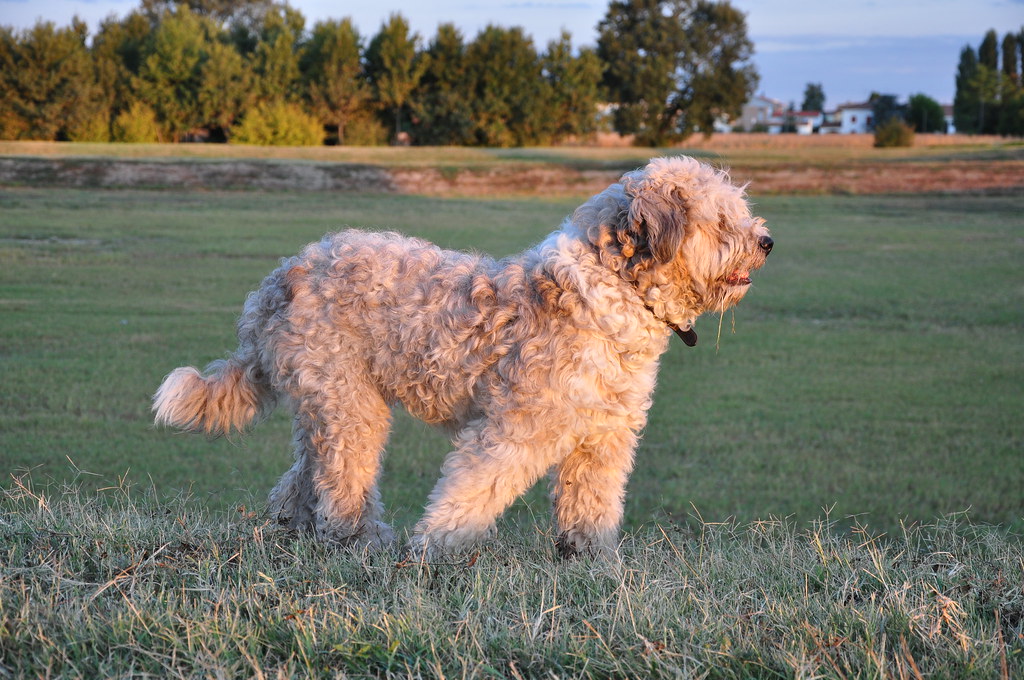
The Bergamasco is a unique breed easily recognized by its coat. With three types of hair, the coat forms flocks of hair weaved together, giving it a felted look. The Bergamasco is an ancient sheepdog breed, originating in Persia’s harsh mountain climates, where their coat protected them from the environment. Independent yet sociable, the Bergamasco is an intelligent dog that requires regular exercise if they are to be a family pet.
Calm, patient, and a true leader, for thousands of years, the Bergamasco Sheepdog is a herding breed used to herd and guard flocks in extreme cold climates. In the 1960s, the Bergamasco teetered on the brink of extinction, and though they remain rare today, there is an International Bergamasco Sheepdog Association to help protect their interests. Of all the rare dog breeds, the “flocks” on the Bergamasco sheepdog are certainly unique, with hair that makes them look like a mop. Their remarkable coat requires no brushing once the flocks form, making maintenance surprisingly simple despite their unusual appearance.
#1 New Guinea Singing Dog – The Melodious Wild Canine
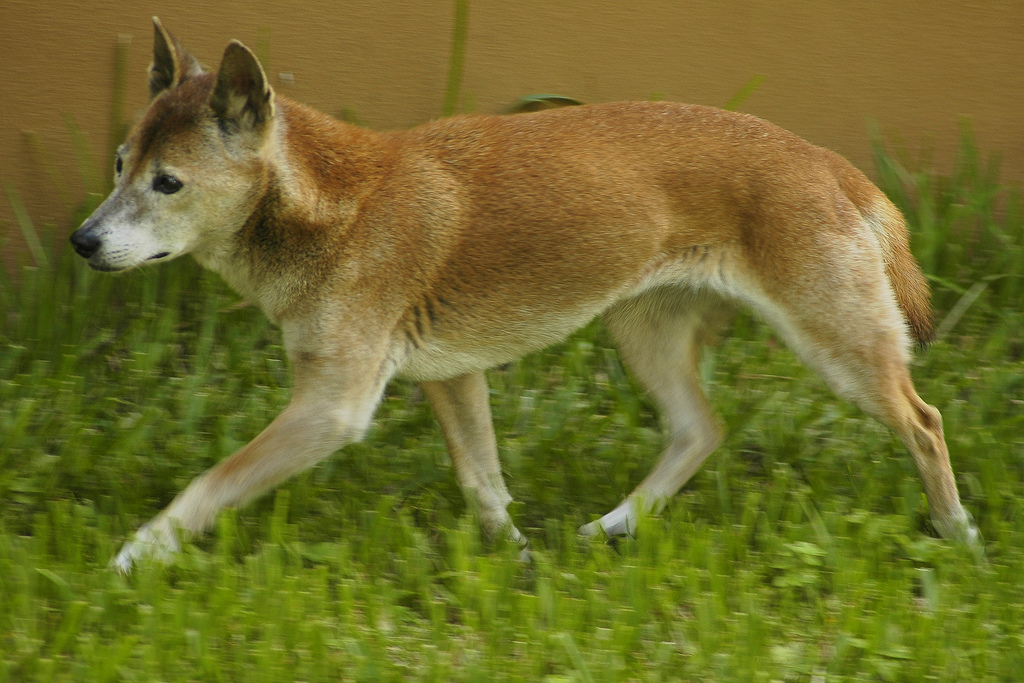
The New Guinea Singing Dog is one of the most unique and rare breeds in the world. Known for their melodious howls, these dogs are native to the highlands of New Guinea. The New Guinea Singing Dog is known for its unique vocalization, which resembles singing. Originating from the remote highlands of New Guinea, this breed remains relatively undomesticated. These dogs are agile and intelligent, known for their ability to adapt to challenging environments. Their hauntingly beautiful vocalizations earned them their poetic name and set them apart from every other canine on Earth.
Living in some of the world’s most remote locations, these dogs developed an extraordinary vocal range that sounds almost supernatural. Their songs can carry for miles across mountainous terrain, serving as communication between pack members. Few people have ever heard their otherworldly chorus in person, making encounters with these remarkable canines incredibly precious. Their wild nature and singing abilities represent one of the most magical examples of canine evolution.
Conclusion
These seventeen remarkable breeds remind us that the dog world extends far beyond our neighborhood favorites. Each carries unique traits forged by geography, necessity, and centuries of careful breeding. From the split-nosed Catalburun hunting in Turkish hills to the melodious New Guinea Singing Dog echoing through remote highlands, these canines showcase the incredible diversity within our beloved species.
Their rarity makes each one precious, yet it also puts many at risk of disappearing forever. Supporting breed preservation efforts helps ensure future generations can marvel at the Norwegian Lundehund’s six toes or witness the Bergamasco’s remarkable coat formation. What fascinates you most about these hidden canine treasures? Have you ever encountered any of these rare breeds in person?

- 12 Creatures That Survive on Earth’s Highest Altitudes - August 15, 2026
- 8 Things That Happen To Your Body on Everest’s Death Zone - August 14, 2026
- 5 Amazing Native Flowers for Your Garden - August 14, 2026