
Picture this: you walk into your living room to find your beloved feline chasing what looks like a perfectly innocent hair tie across the hardwood floor. Your heart probably melts a little at the sight, right? Yet that seemingly harmless playtime could actually be setting the stage for a life-threatening emergency that might land you both at the veterinary hospital. Your home is filled with everyday items that seem completely benign to us humans, but they pose genuine dangers to our curious and adventurous cats.
This stark reality hit me years ago when a friend’s cat needed emergency surgery after swallowing a rubber band. What should have been a routine Tuesday evening turned into a frantic midnight rush to the emergency vet and a hefty surgical bill. The truth is, our feline companions don’t distinguish between safe entertainment and potentially deadly hazards. Their natural curiosity and hunting instincts can lead them straight into trouble, often before we even realize what’s happening. Let’s explore the most common household dangers lurking right under our noses.
Household Cleaning Products
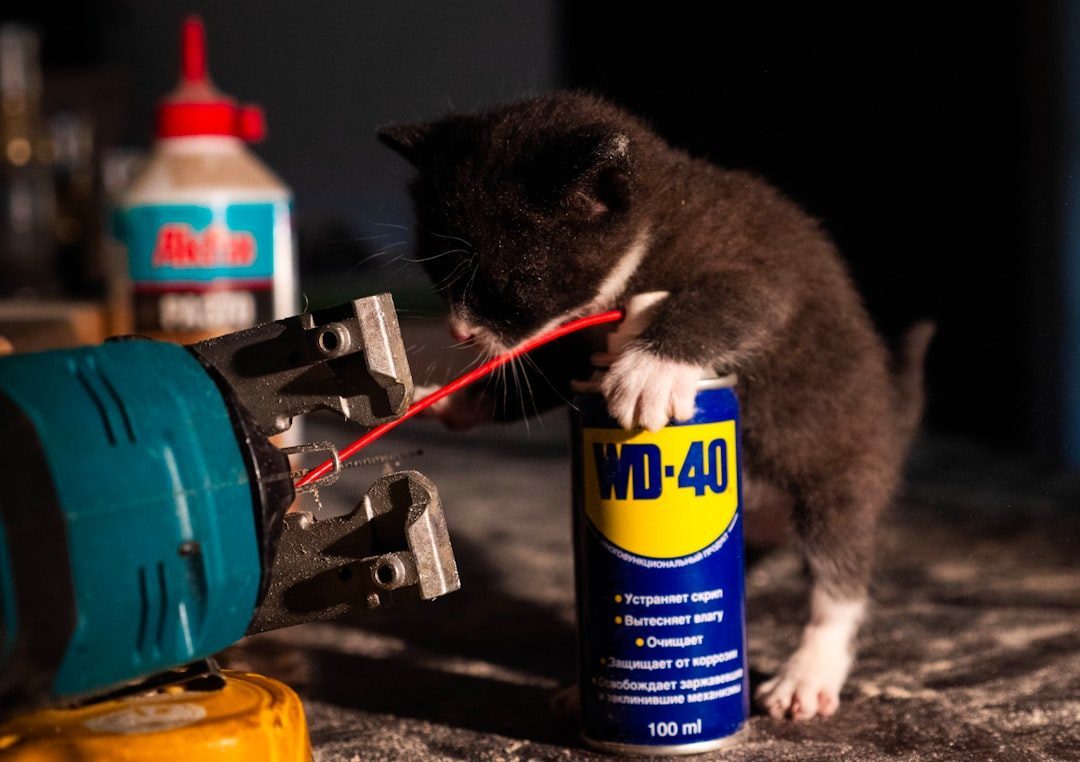
Many household cleaning products contain chemicals that are toxic to cats. For example, bleach is harmful if ingested and can cause serious damage to your cat’s mouth, throat, stomach, and intestines. Ammonia-based cleaners are also dangerous because they can irritate a cat’s skin and eyes. Even if your cat doesn’t directly consume these products, they can still be harmed by walking across freshly cleaned surfaces and then grooming their paws.
Examples of bleach-based cleaning products include disinfectants, toilet bowl cleaners, and mold and mildew removers. Ammonia is found in products like pet stain removers, bathroom cleaners, and oven cleaners. The fumes from these products can also cause respiratory irritation, especially in small, enclosed spaces. Combined with bleach, ammonia becomes even more dangerous, forming toxic chloramine vapor.
Lilies and Other Toxic Plants

Even a small bite of certain lilies – including Easter lilies, tiger lilies, and daylilies – can cause acute kidney failure in cats. This isn’t just about keeping cats away from the flowers themselves. The pollen can be deadly too, as cats often get it on their fur and then ingest it during grooming. But some common plants, such as tulips, daffodils, lilies, philodendrons, Dieffenbachia, foxglove, and Japanese yew, are very dangerous for cats.
Certain houseplants, including lilies, philodendrons, and pothos, can be toxic if nibbled on. Chewing these plants can result in vomiting, drooling, or more severe complications like kidney failure. Honestly, the safest approach is to assume any plant could be problematic until you’ve specifically verified its safety. Many cat owners don’t realize that even plants considered “mildly toxic” can cause serious distress for sensitive cats.
String, Yarn, and Ribbon
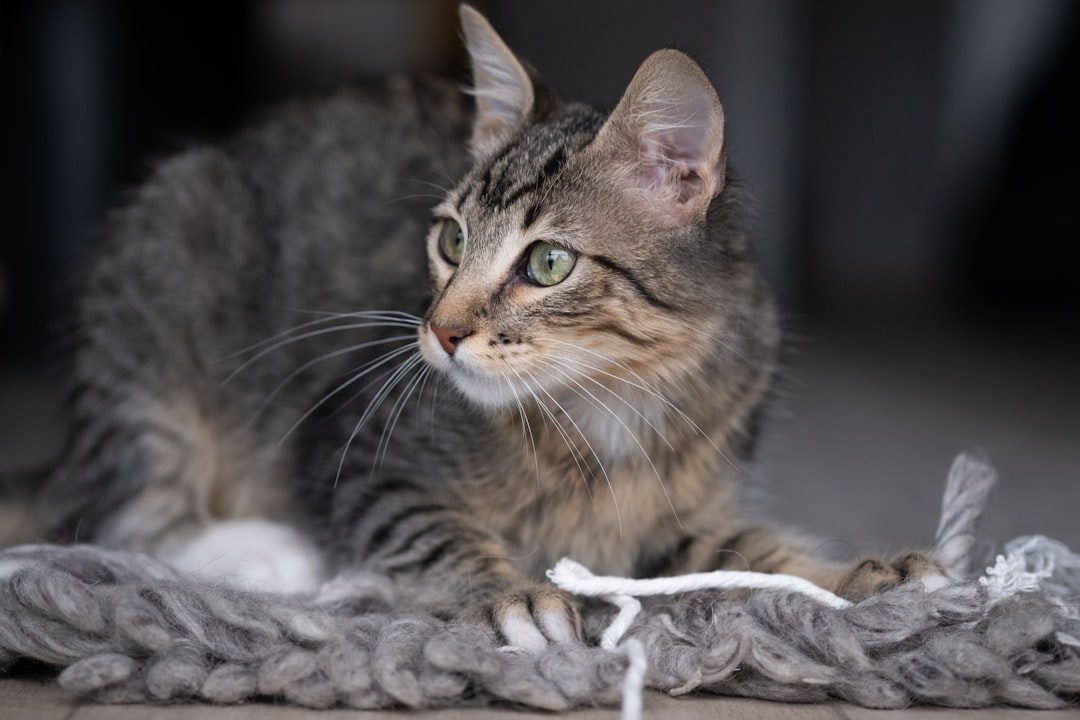
Because of the multiple issues of a cat’s barbed tongue, a linear foreign body causing plication of the intestinal tract, and entanglement dangers, strings, yarn, ribbon, and other linear objects are extremely dangerous for cats. The barbs on a cat’s tongue, because of the direction they face, do not allow a cat to spit anything out once it is caught on the tongue. Fabrics and strings are easily captured on the barbs, and then the item can only be swallowed unless the cat manages to hook it with his paws and pull it out.
String, ribbon, or yarn can get tangled in the digestive tract, causing blockages or tears. This can be life-threatening if not addressed promptly. String-related injuries are particularly common during the holiday season. This is because tempting objects are left unattended where cats can get tangled in them or consume them. This includes dental floss, hair ties, and even thread attached to sewing needles.
Human Medications
Cats are often attracted to certain human antidepressants. They love the smell of common antidepressants such as Effexor, Prozac, Cymbalta, and Zoloft and can’t resist eating the pill. However, instead of improving their mood and energy level, human antidepressants can cause lethargy, tremors, seizures, vomiting, diarrhea, and hyperthermia in cats.
Non-steroidal anti-inflammatory drugs (NSAIDs) are commonly used in both people and dogs. Examples of human NSAIDs include ibuprofen (Advil® or Motrin®) and naproxen (Aleve®). Unfortunately, these medications are some of the deadliest for cats, due to cats’ decreased ability to metabolize them compared to humans and dogs. When ingested in toxic doses, NSAIDs can result in kidney failure and stomach ulcers. Even a single pill dropped on the floor can be deadly if your cat finds it first.
Small Objects That Cause Choking
Rubber bands, hair ties, and other small objects can be dangerous to cats if ingested. They can become lodged in a cat’s digestive system, leading to serious health problems like gastrointestinal issues, intestinal blockages, and even death. But what you might not know is that earplugs left out in the open could become toys cats play with and possibly swallow. Earplugs are the perfect size to lodge in a cat’s intestines.
This category extends beyond the obvious suspects. Paper clips, coins, buttons, and even small toy parts can pose choking hazards or cause internal blockages. Small chewable items like coins, paperclips, and rubber bands are choking risks. What’s particularly concerning is that cats often swallow these items so quickly that owners don’t realize anything has happened until symptoms develop hours or even days later.
Essential Oils and Diffusers
Essential oils contain potent chemicals that can be rapidly absorbed both orally and through the skin. Cats are particularly susceptible to the harmful effects of essential oils, as they have difficulty metabolizing them. While they may give your home a fresh scent, essential oils like tea tree, eucalyptus, or citrus are dangerous for cats.
You might be wondering whether essential oils and oil diffusers can be dangerous to cats. At the moment, the jury is out on a definitive answer. Some articles have reported conflicting views on the subject, but there hasn’t been enough scientific information to draw a conclusion. Given this uncertainty, it’s best to keep all essential oils in any form out of your cat’s reach, turn them off when you’re not home, and never put any essential oils directly on your cat. Even passive exposure through diffusers can cause respiratory irritation in sensitive cats.
Antifreeze
Antifreeze is a common household product that contains ethylene glycol, which can cause kidney failure if ingested. Unfortunately, cats are drawn to the sweet taste of antifreeze, but just a few licks can be fatal for them. This substance is not only lethal to cats but also incredibly appetizing to them due to its sweet taste.
The danger here isn’t just from direct consumption of antifreeze stored in your garage. Spills in driveways or parking lots create puddles that cats might encounter during outdoor adventures. Even indoor cats can be at risk if antifreeze is tracked into the house on shoes or clothing. To keep your cat safe from antifreeze poisoning, always store it out of reach in a securely sealed container.
Laundry and Dishwashing Products
Whether it’s a powder detergent or those seemingly harmless pods, dish and laundry cleaning solutions can be highly toxic to cats. Swallowing detergent can lead to drooling, vomiting, and severe gastrointestinal upset. Laundry pods are particularly dangerous because their colorful appearance and squishy texture can make them seem like toys to curious cats.
The concentrated nature of modern detergents means even small amounts can cause significant problems. These include bleach, laundry detergent, drain cleaners, toilet bowl cleaners, and certain types of floor cleaners. Aerosol products, in particular, can spread chemicals through the air where they can be inhaled by your cat or settle on surfaces where your kitty might lick them off. Fabric softener sheets pose an additional risk, as cats might play with them and accidentally ingest pieces.
Electrical Cords and Wires
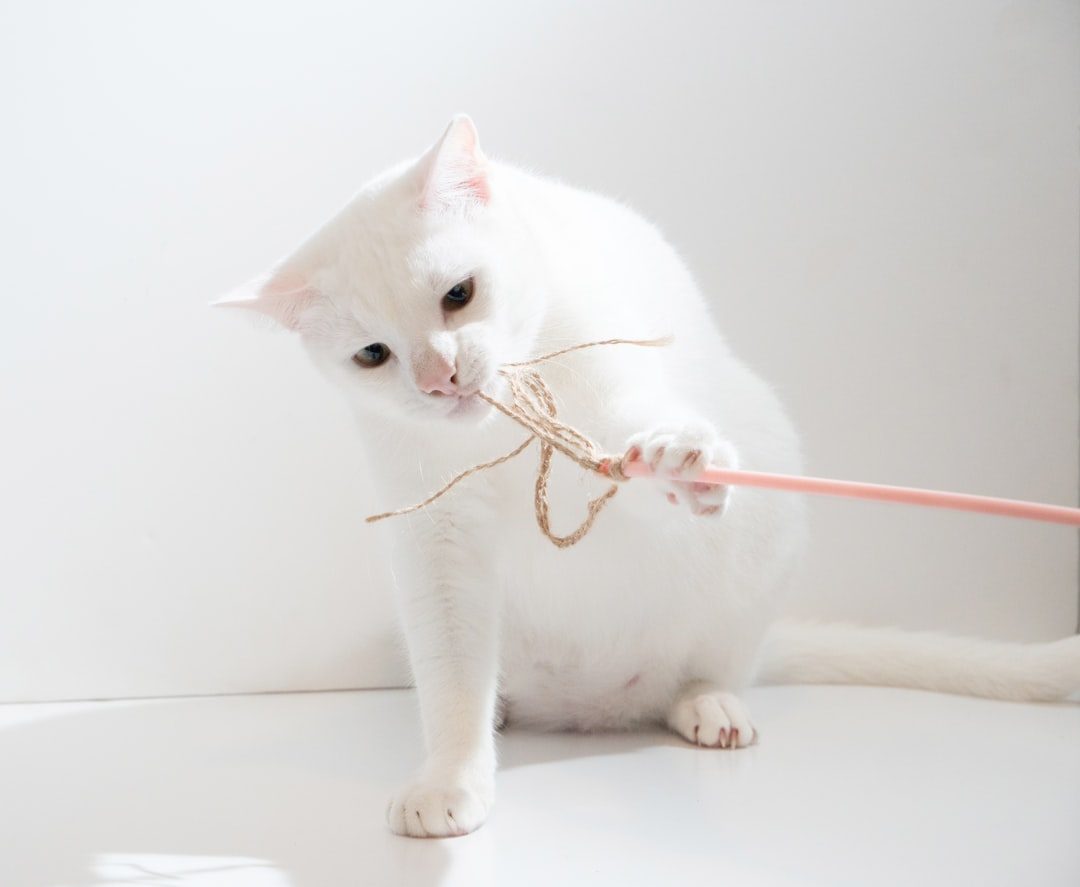
Electrical cords are fascinating to cats for two reasons. For one, similar to string, they can appear prey-like when they move. Additionally, their rubbery texture is fun to chew, especially for nibble-happy kittens. Unfortunately, electrical cords are also dangerous – cats chewing wires are at risk of choking and electrocution.
Young cats and kittens are particularly drawn to cords, possibly because the texture satisfies their need to chew during teething. The danger extends beyond electrocution too. Curtain cords can pose a strangulation hazard, while electric cords, if chewed, could lead to electrocution. Phone chargers, computer cables, and lamp cords are all common targets for curious cats.
Pest Control Products
Bug sprays, ant baits, and rat poisons are extremely toxic to cats – either directly or when they eat a poisoned insect or rodent. Use pet-safe alternatives and keep all pest control products locked away. Pesticides and ant baits are designed to attract pests, but they can also attract curious cats. These products can cause neurological or gastrointestinal issues when ingested.
The secondary poisoning risk is particularly concerning because it can happen without any obvious exposure. If your cat catches a mouse that has eaten poison bait, they can become seriously ill from toxins in their prey. Dog-specific insecticides containing pyrethroids, such as permethrin, are highly toxic to cats. Poisoning occurs when dog flea products are directly applied on cats or cats lick these medications off dogs, leading to neurologic stimulation.
E-cigarettes and Vaping Products

E-cigarettes are a relatively new product that are growing in popularity. Unfortunately, they also contain harmful chemicals that can be dangerous to our feline friends. The nicotine, artificial flavors, and other chemicals in e-cigarettes can cause dangerous symptoms like vomiting, diarrhea, and seizures in cats.
Aside from the e-liquid itself, there’s also the risk of your cat chewing on e-cigarette components like the cartridges, casing, or batteries. The concentrated nicotine in vaping products makes them particularly dangerous. Even the residue left on surfaces or the vapor lingering in the air can cause problems for cats with sensitive respiratory systems. If you’re using e-cigarettes around your cat, make sure to keep them out of reach and never leave them unattended.
Glow Sticks and Novelty Items

Glow sticks and glow jewelry: These irresistible “toys” contain a chemical called dibutyl phthalate. When it contacts the mouth, pain and excessive foaming occurs, but the signs quickly resolve when the cat eats food or drinks water. While this might seem less serious than other toxins, the immediate distress can be quite alarming for both cats and their owners.
The appeal of glow sticks lies in their movement and the crackling sound they make when bent, which can trigger a cat’s hunting instincts. Cats tend to gravitate toward plastic bags, but as they’re playing, they can get their heads stuck in the handles. Next thing you know, your cat is running through the house trying to escape from the bag. Shopping bags, gift bags, and even ordinary plastic bags can create entanglement and suffocation hazards.
Creating a Cat-Safe Environment
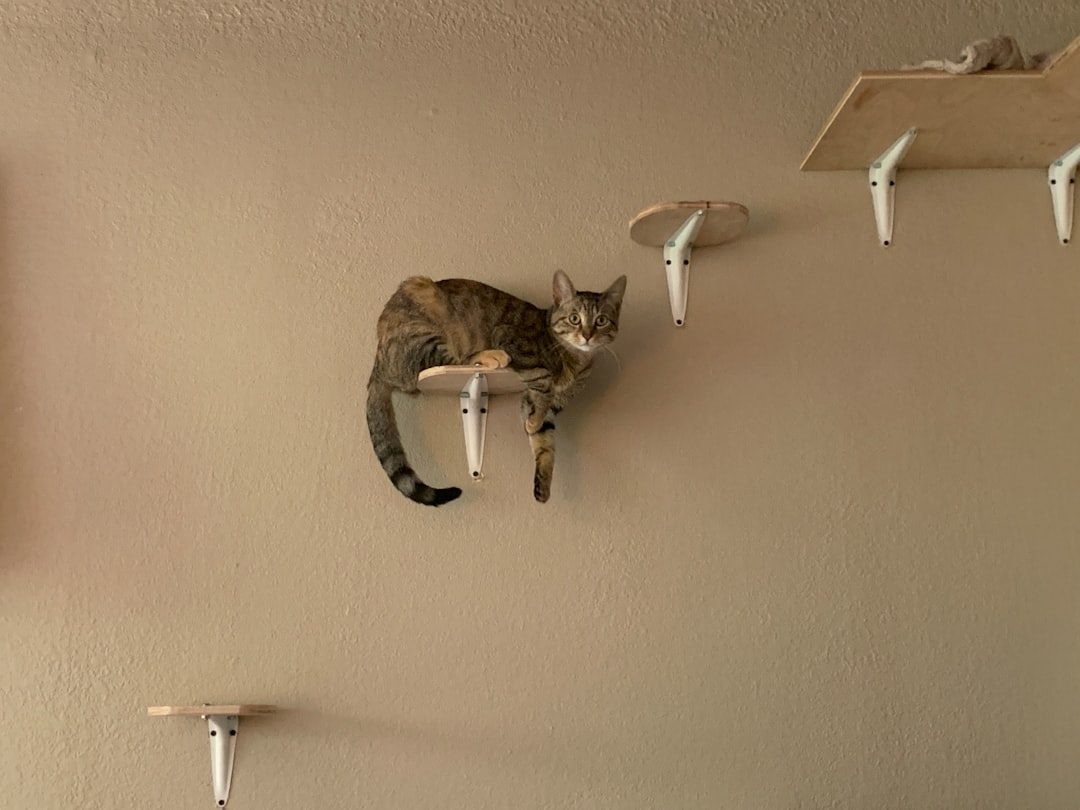
Creating a truly safe environment for your cat requires a complete shift in how you view your living space. What seems like a cozy, comfortable home to us can be a minefield of potential dangers for our feline friends. The key is developing what I call “cat vision” – learning to see your home through the eyes of a curious, agile predator who views nearly everything as either prey, a toy, or something worth investigating.
Start with the basics: secure all medications in cabinets with childproof latches, store cleaning products in high, locked areas, and replace toxic plants with cat-friendly alternatives. Many brands now offer non-toxic cleaners designed with pets in mind, which are available at most major grocery retailers. A simple mix of white vinegar and water can handle most cleaning tasks without putting your cat in harm’s way. Remember that cats are excellent climbers, so “high up” doesn’t always mean “out of reach.”
The most important lesson here is that prevention is always easier than treatment. By knowing the top cat toxins, you can protect your feline friend and avoid an emergency vet visit. If you think your cat has ingested something toxic, call your veterinarian immediately or the ASPCA Animal Poison Control Center at 888-426-4435. Trust me, the peace of mind that comes from knowing your home is truly safe for your furry family member is worth every small inconvenience of cat-proofing. What steps will you take today to make your home safer for your beloved companion?
