

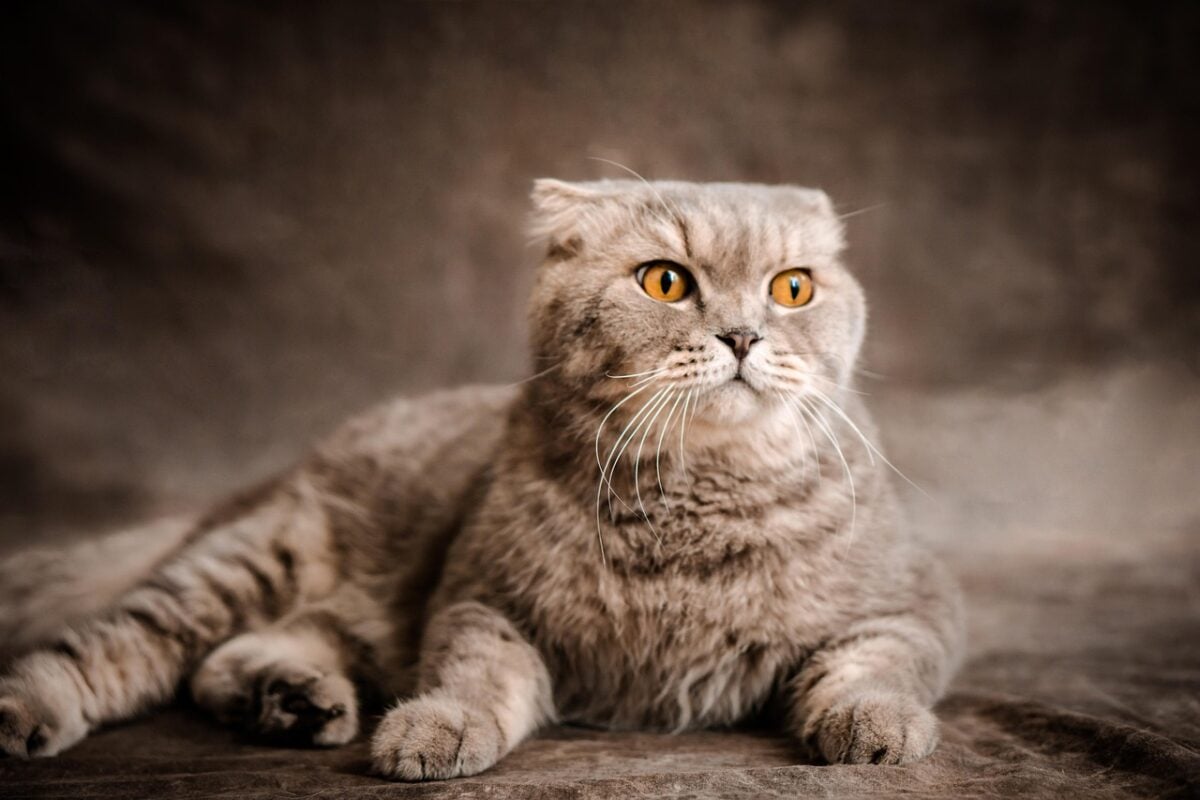
Ever wondered why your cat acts like they’ve never heard your commands? While dogs eagerly sit, stay, and fetch on cue, cats seem to have perfected the art of selective hearing. Some feline friends are naturally more cooperative than others when it comes to training. Veterinarians across the globe have observed distinct patterns among different breeds, noting which ones show remarkable resistance to even basic training attempts.
These observations aren’t meant to discourage cat lovers but rather to set realistic expectations. Understanding your cat’s natural personality traits can help you work with their instincts rather than against them. So let’s dive in and discover which breeds have mastered the fine art of feline independence.
Persian Cats
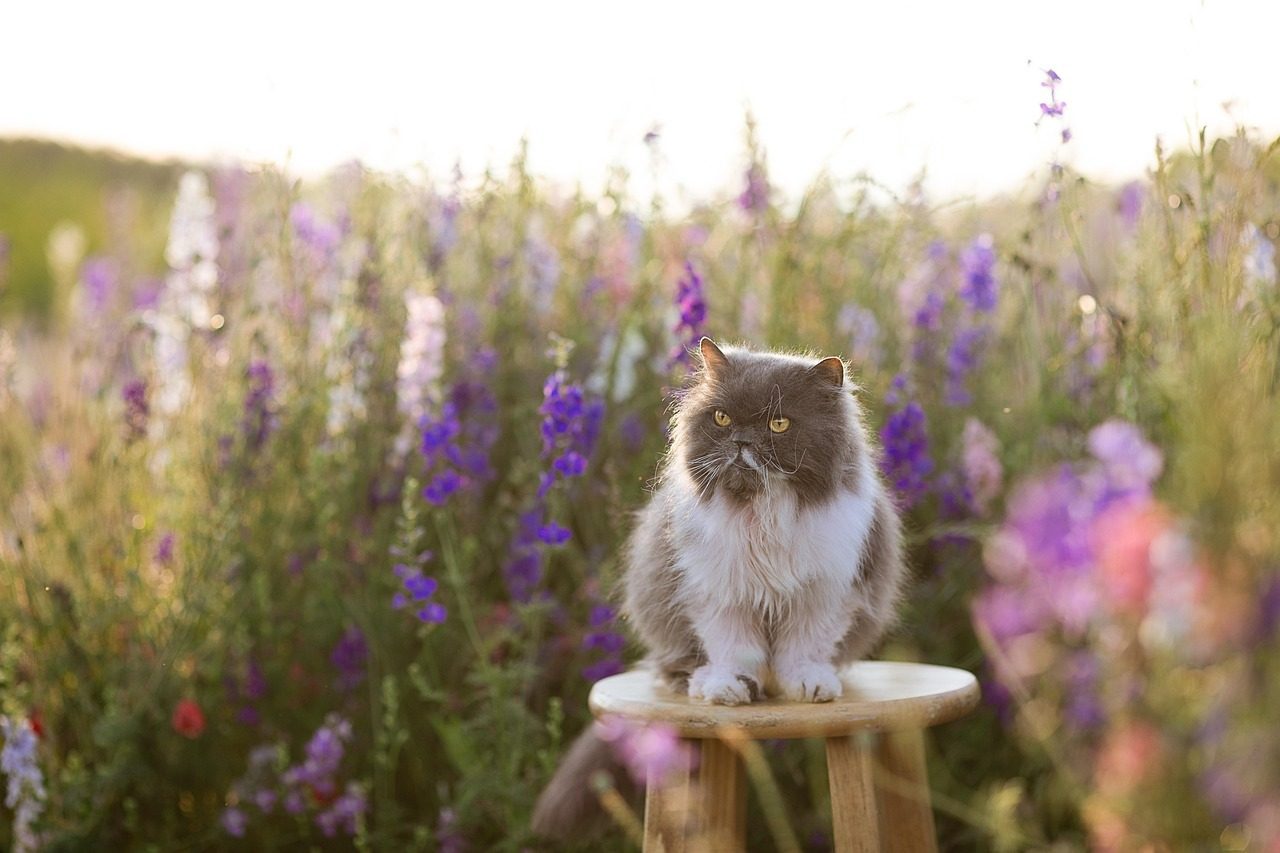
Persian cats top many veterinarian lists of breeds that resist training due to their extreme flat-faced structure and the health complications it creates. The breed can be affectionate and good companions, but they are incredibly difficult to motivate. They constantly ignore their owners and spend their time grooming their thick coats.
Getting a Persian cat to listen to their owner will be incredibly difficult unless training starts when they are kittens. It’s highly unlikely that you’re going to find a Persian jumping through rings of fire (which actually may make them the most intelligent of cats). Those cats simply take a more relaxed view of life. Their laid-back nature often translates to complete disinterest in pleasing their humans through tricks or commands.
Scottish Fold Cats
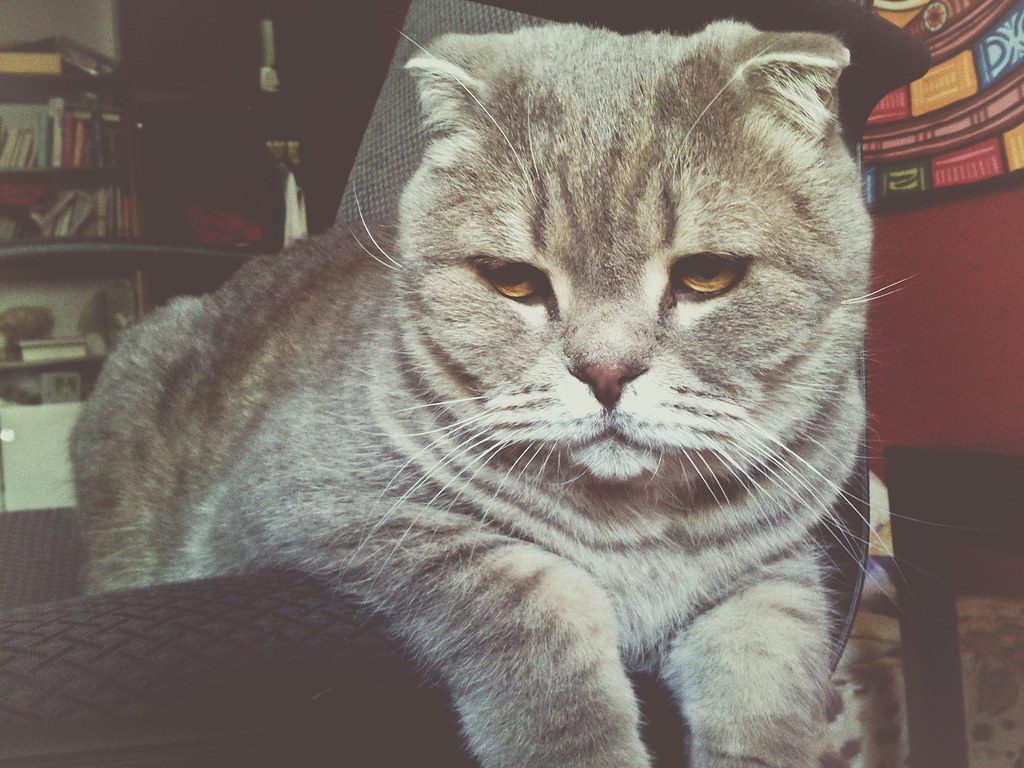
Scottish Fold cats face significant challenges due to the genetic condition responsible for their signature ear fold, which causes severe joint problems throughout their lives and affects their ability to focus on training. Scottish fold owners debate whether the breed has trouble hearing or prefers to just ignore their owners. Veterinarians indicate Scottish folds have good hearing to assess their surroundings, making it likely the breed is stubborn.
Their chronic pain issues can make them particularly resistant to training sessions. When a cat is dealing with ongoing discomfort, the last thing on their mind is learning to sit on command. This breed’s stubbornness appears to be both genetic and circumstantial, creating a perfect storm for training resistance.
Himalayan Cats
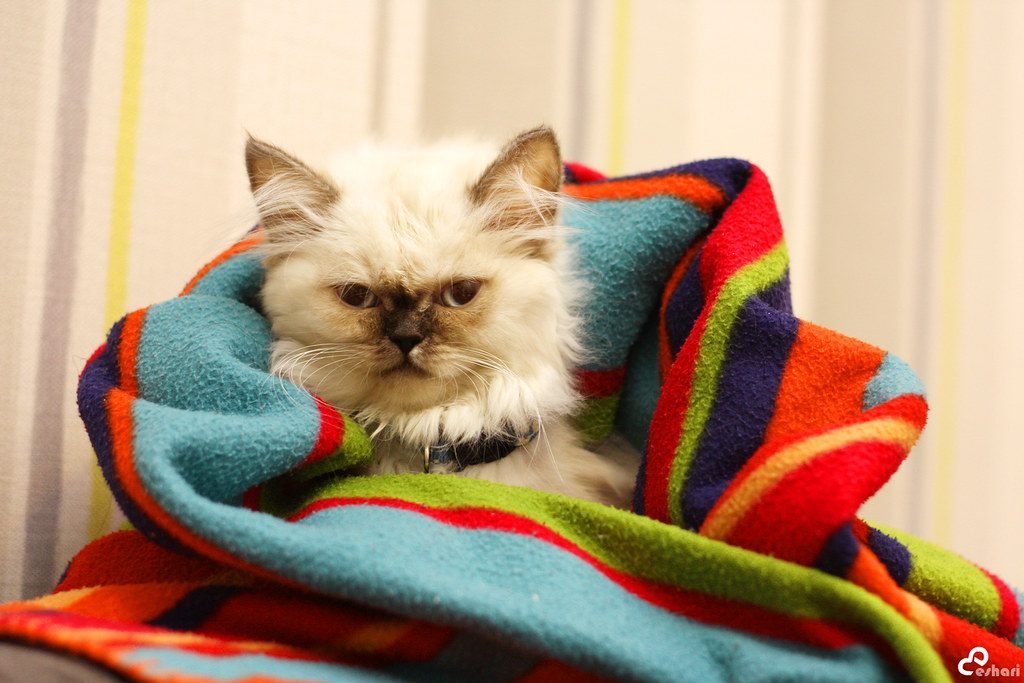
Himalayan cats are a combination of Persian and Siamese. They are incredibly stubborn animals with loving hearts. The breed is highly intelligent in most categories but frequently dismisses their owners’ commands. Despite proving capable of problem solving, they prefer to wait for their owners to solve their problems for them.
This breed combines the worst training traits from both parent breeds. They inherit the Persian’s disinterest in pleasing humans and the Siamese’s strong-willed nature. While their independent personality makes them less clingy than some other breeds, Himalayans have a long fur coat that needs daily brushing to stay free of matting and tangles. Their grooming needs often take priority over any training efforts.
Russian Blue Cats
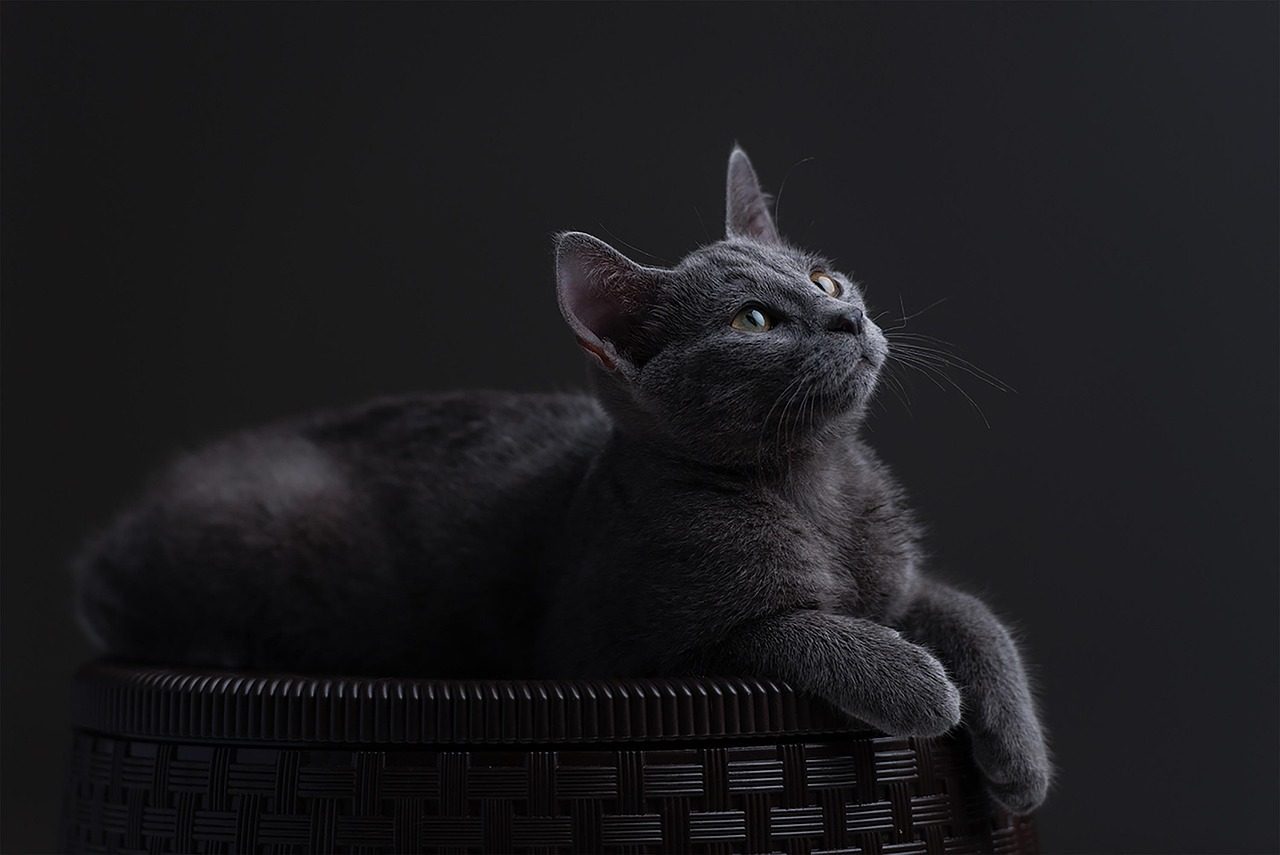
Unlike other cats, the Russian Blue does not demand being the center of attention. In fact, they may refuse to come out from under the bed on a whim. These cats become stubborn when you try to change up routine or invite new people over. They need plenty of alone time and much prefer watching from the outside before deciding to join in the party.
Russian Blue cats are described as intelligent, playful, and reserved. Their reserved nature makes them particularly challenging to train because they simply don’t see the value in performing for humans. They’d rather observe from a distance than participate in what they might view as unnecessary human activities.
British Shorthair Cats
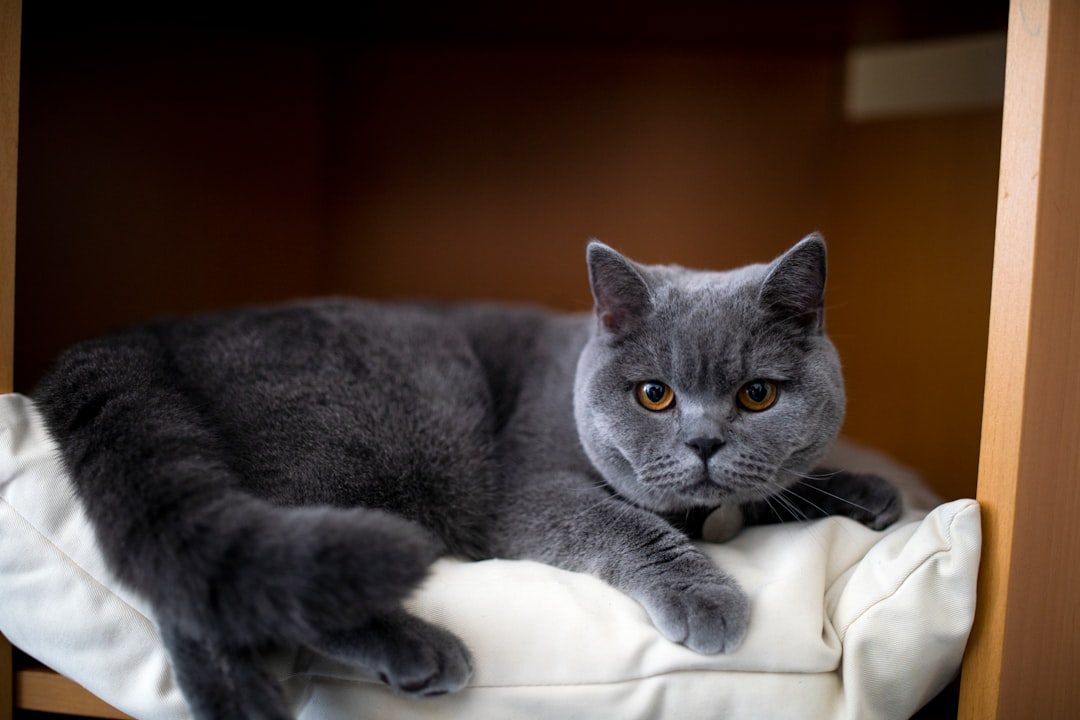
A British Shorthair is an independent cat breed with a laid-back, easygoing personality. While this sounds appealing, their extreme independence can work against training efforts. These cats prefer to do things on their own terms and in their own time.
Their naturally calm demeanor might fool you into thinking they’ll be easy to train, but the opposite is often true. British Shorthairs have perfected the art of polite indifference. They’ll acknowledge your training attempts with a slow blink and then proceed to do exactly what they intended to do originally.
Devon Rex Cats
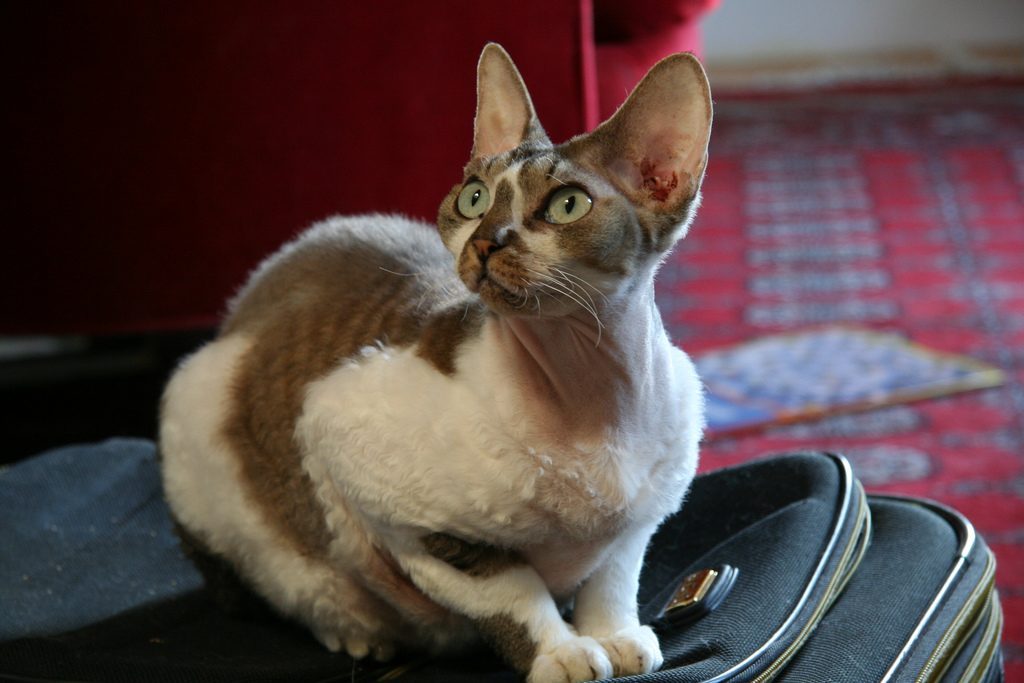
Devon Rex cats are incredibly strong-willed and do not stop bothering you until they get what they want. They can beg forever for food and attention and are very vocal until you give it to them. If you think that by ignoring them you teach them obedience, you are very wrong.
Their persistence works both ways when it comes to training. While they might learn commands quickly, they’re equally likely to train you instead. These cats are masters of manipulation and will use their vocal abilities to redirect any training session toward their own agenda. Their curly coats and pixie faces hide determined little personalities that refuse to be molded by human expectations.
Balinese Cats
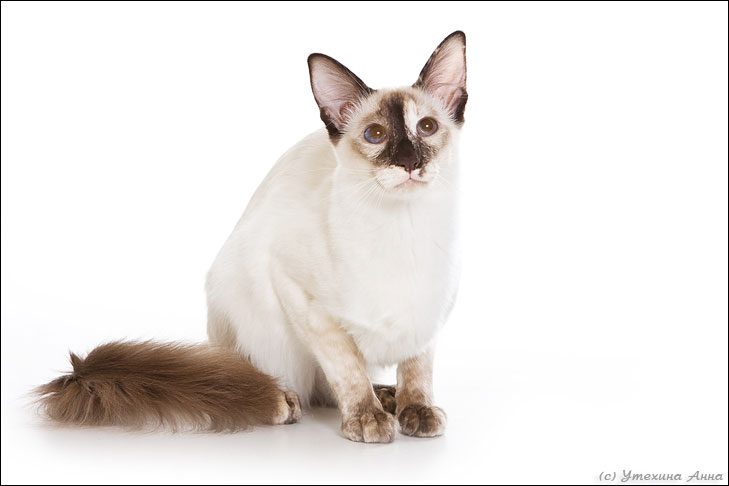
Balinese cats demand a lot of attention and will follow you everywhere. Not only that, but they will make sure you know where they are, as they are very vocal and like to talk with their human friends. Like the Balinese, they demand attention constantly and become destructive when they don’t get enough.
Their high attention needs can actually work against formal training because they’re too focused on getting immediate gratification. Rather than learning structured commands, they prefer to engage in constant dialogue with their owners. Training sessions often devolve into chatting sessions where the cat does all the talking.
Sphynx Cats
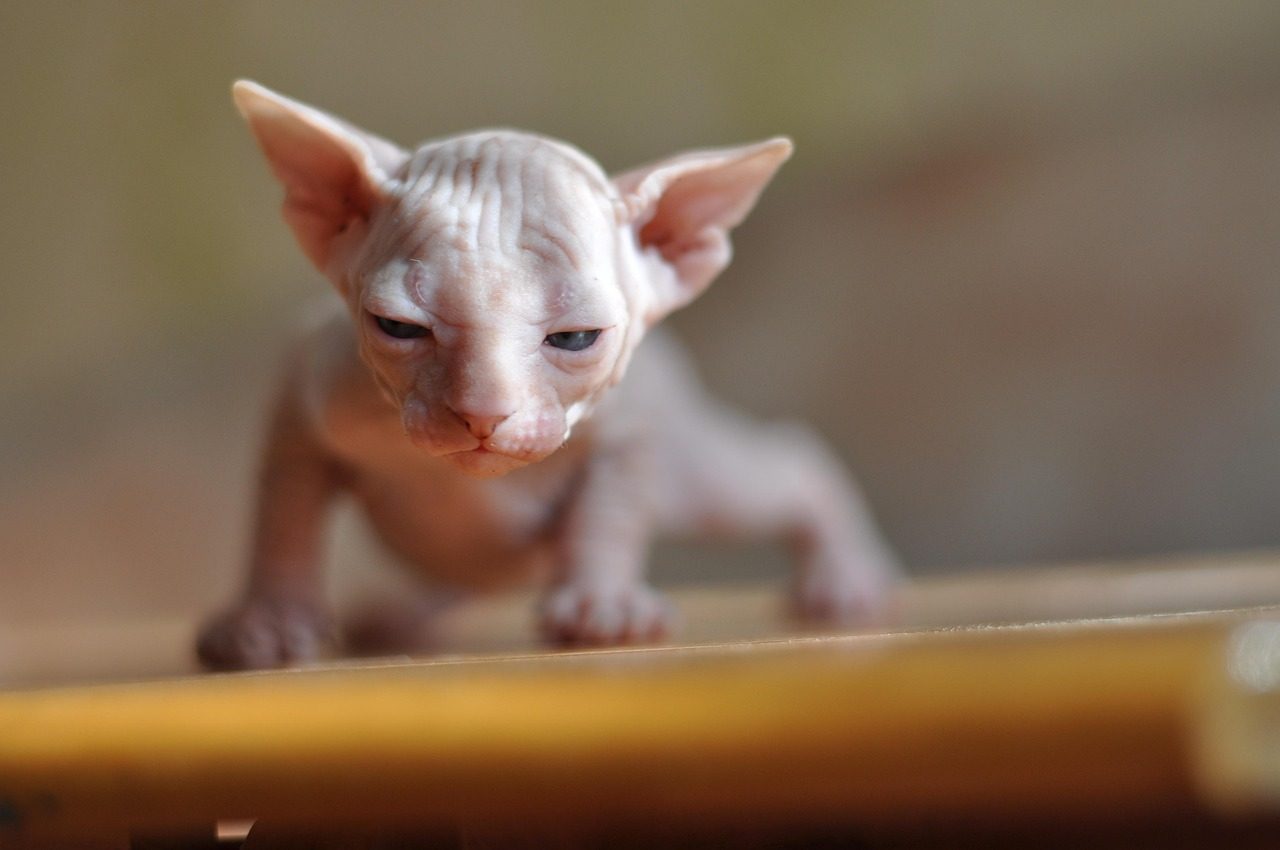
Sphynx cats love interacting with humans and love games. Additionally, they have large appetites and will demand more food than other cat breeds. Their food obsession can make them challenging to train because they’re perpetually focused on their next meal rather than learning commands.
These completely hairless cats are very social, active, and devoted. Even though they look moody, their personalities are actually quite the opposite. Talkative and constantly hungry, a Sphynx cat will be sure to inform you when dinner is late. Their single-minded focus on food and warmth often overshadows any training efforts.
Chausie Cats
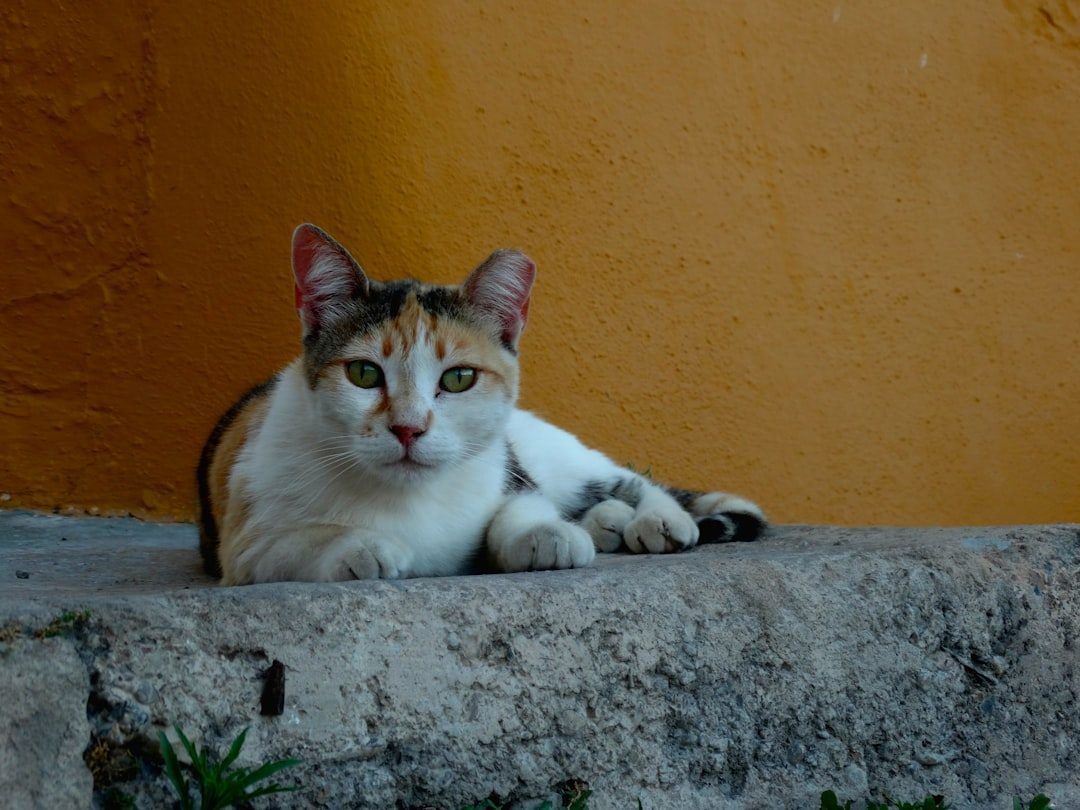
As one of the largest domestic cat breeds, Chausies bring a lot to the table. In fact, they’ll take over the table, the tops of shelves, the small spaces you never think they’ll fit into, and more. These are curious adventure seekers through and through; Chausies won’t give up until they’ve seen it all.
Incredibly vocal, they’re not afraid to let you know where they are, and since they’ve been known to jump six feet into the air, they could be anywhere. Their wild heritage makes them far more interested in exploration than obedience. Training a Chausie is like trying to teach a miniature leopard to sit pretty, which rarely ends well for the human involved.
Korat Cats
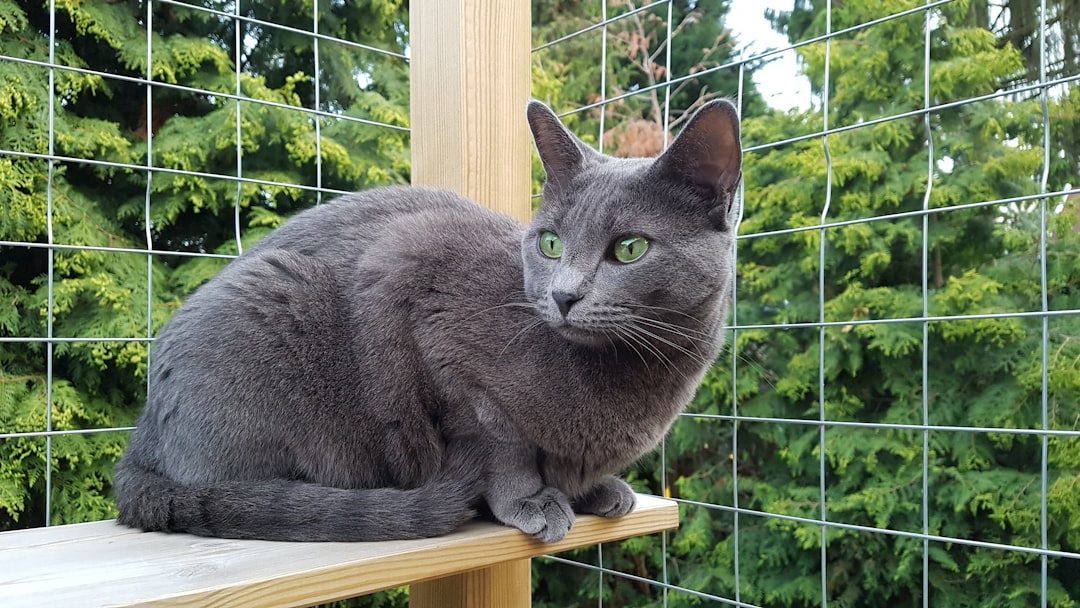
Korats are relatively rare, which may be good, as few owners are equipped to have one in their house. They love peace and quiet. In fact, they’ll insist on it, and they may just lash out violently if they can’t get it. As a result, they may be a good fit for single owners who keep to themselves, but if you have kids in the house, bringing a Korat home is asking for trouble.
The Korat is a rare cat breed from Thailand. They’re known for their gray coat, green eyes, and independent and intelligent personality. These smart cats are active and love to play with their pet parents, though they may take some time to warm up to new people. Their need for tranquility conflicts directly with the energy required for training sessions.
Munchkin Cats
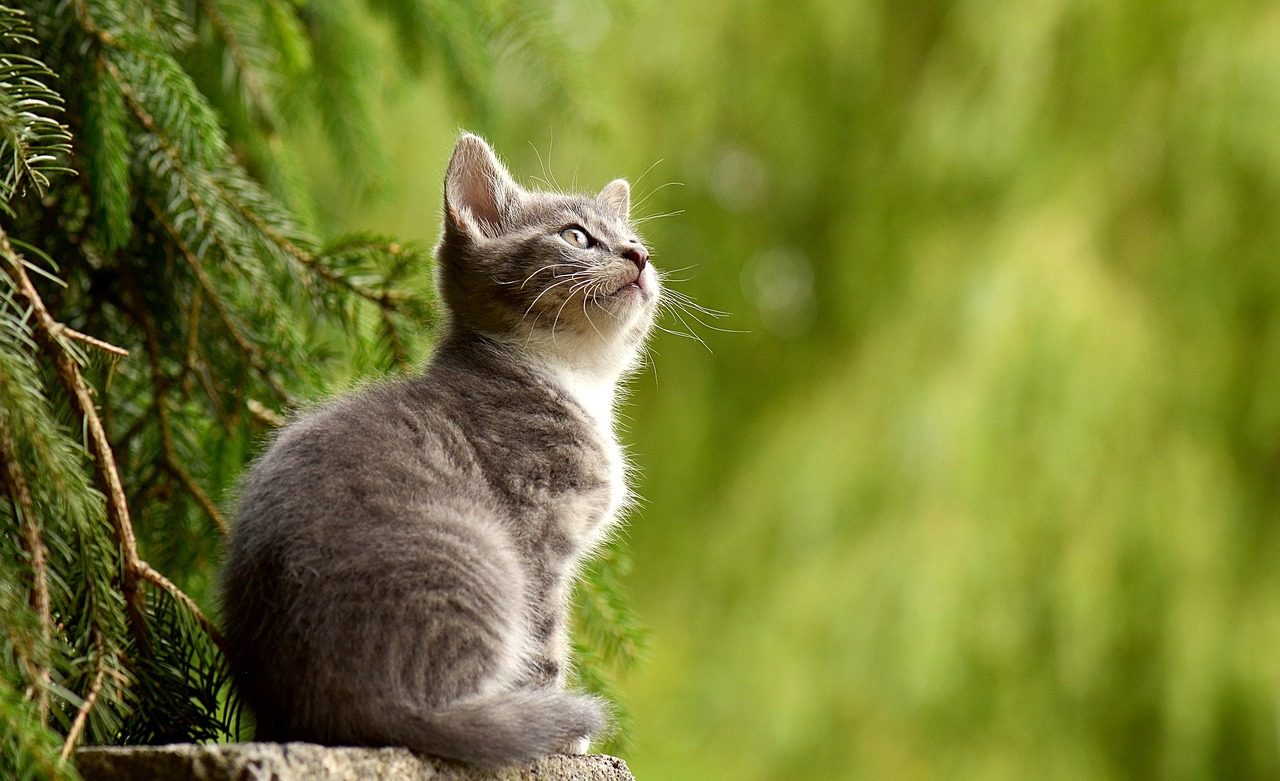
Recognised officially in 1995, the Munchkin cat has notably short legs due to a genetic mutation, and it’s widely believed to be the original dwarf cat breed. Though they have a sociable and loving nature, their distinctive appearance can lead to a number of health issues and pain for the sweet creatures.
Their physical limitations from their shortened legs can make many training activities uncomfortable or impossible. While they might want to please their owners, their bodies often can’t keep up with training demands. This creates frustration for both cat and owner, leading many Munchkins to simply opt out of training altogether.
Turkish Angora Cats
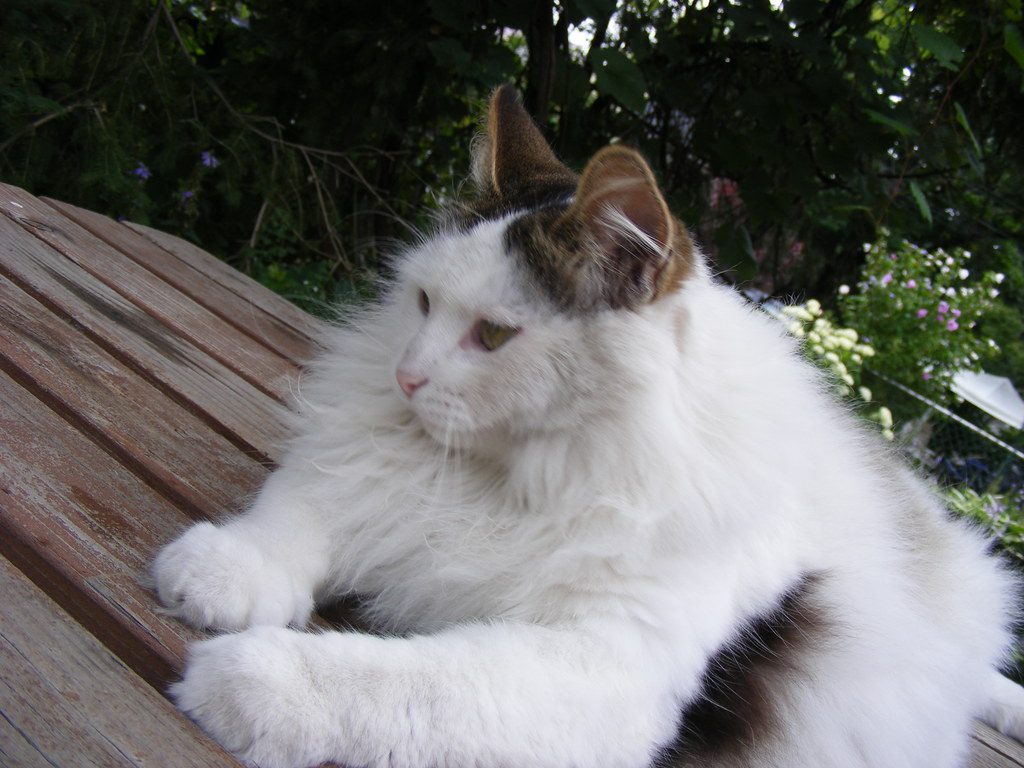
Another independent longhaired cat, the Turkish Angora is elegant, smart, and loyal. True to their independent nature, Turkish Angoras typically don’t like to be held, but they’re known to be playful throughout their life. Their intelligence works against training because they’re smart enough to know they don’t have to comply.
The studied cat breeds grouped into four clusters, with the Turkish Van and Angora cats alone forming one of them. This unique behavioral clustering suggests these cats have developed particularly independent traits that set them apart from other breeds. Their elegance comes with an attitude that training is beneath their dignity.
Singapura Cats
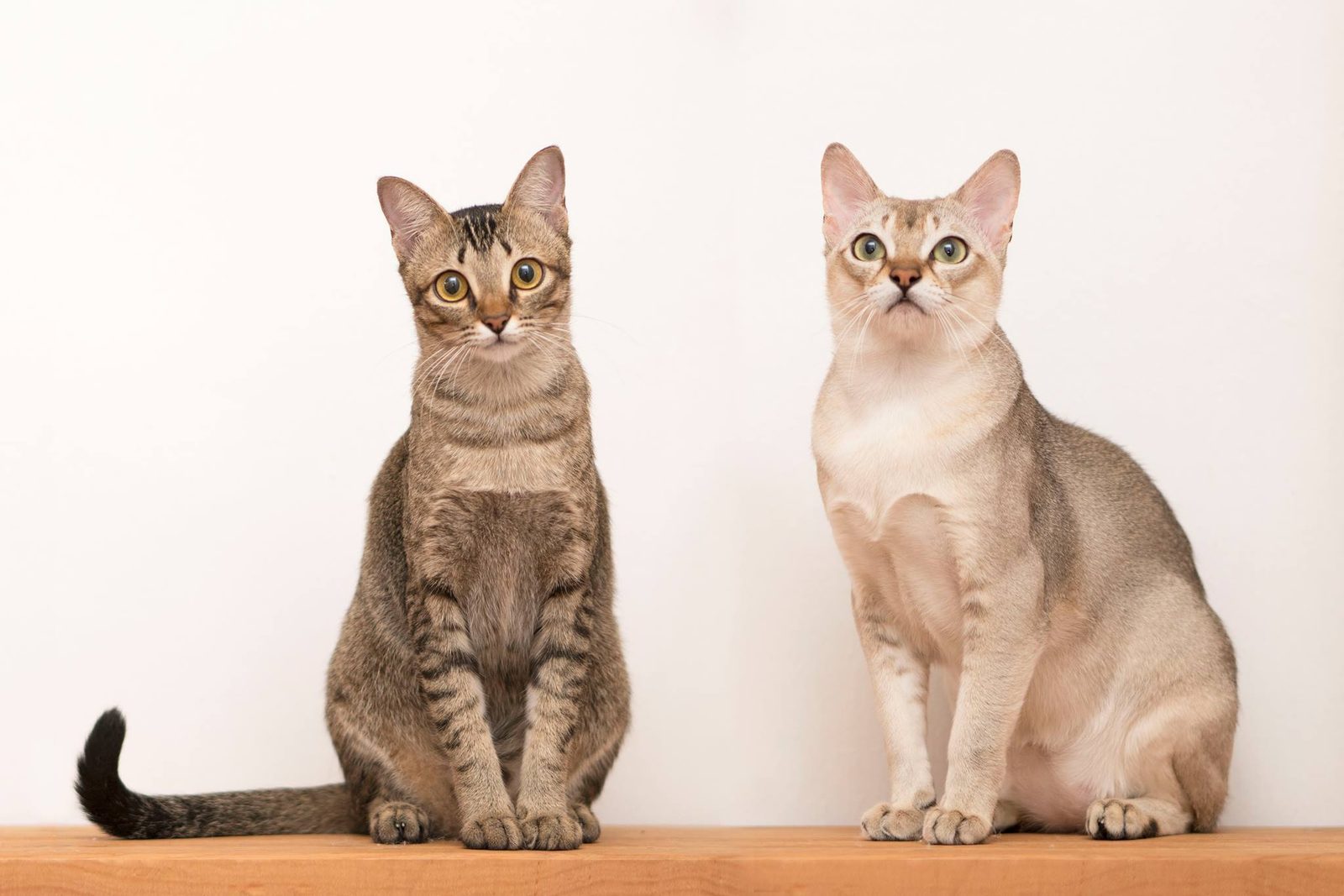
Singapura cats have a varied life expectancy, from 9 to 18 years. While they are one of the smallest cat breeds, weighing only 5–8 pounds, they have enough energy to outplay a cat three times its weight. Sleeping all day isn’t their thing, and they want human interaction.
They won’t give up and will demand more playtime even if you say ‘no’. Their high energy levels mean they’re constantly moving and exploring rather than sitting still for training sessions. These tiny dynamos are far too busy investigating their environment to pay attention to human commands.
Egyptian Mau Cats
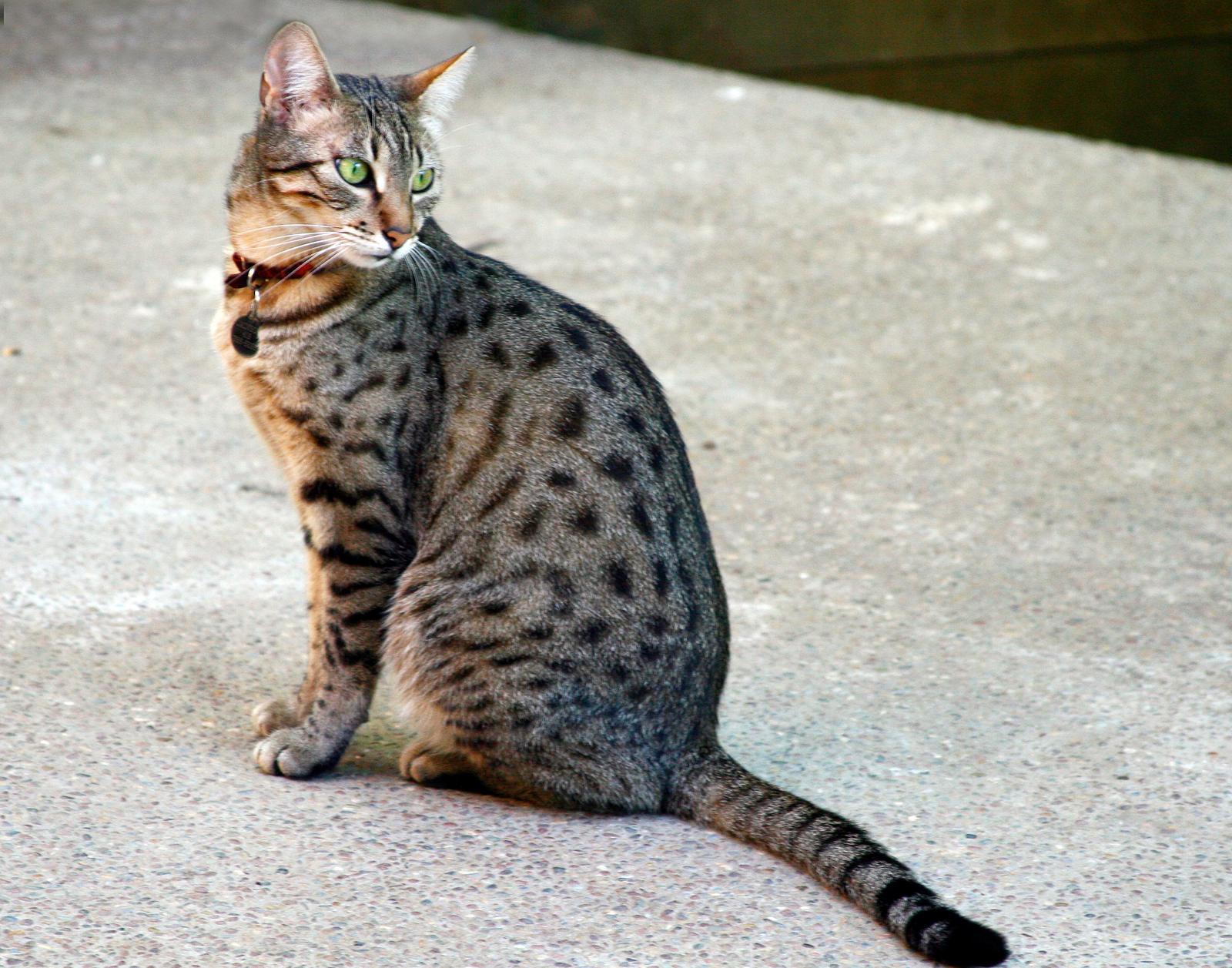
This intense breed wants to be “the center of your world,” and a typical Egyptian mau will “command your attention,” not allowing owners to push it away, “as it craves the touch of the special person(s) that are his and his alone”.
Most Egyptian Maus have very distinct ideas about who can handle them and when. They are sensitive, people-oriented cats, but they like things on their terms and dote on their people. Their need to control every interaction makes formal training nearly impossible. They prefer to train their humans rather than the other way around.
Oriental Shorthair Cats
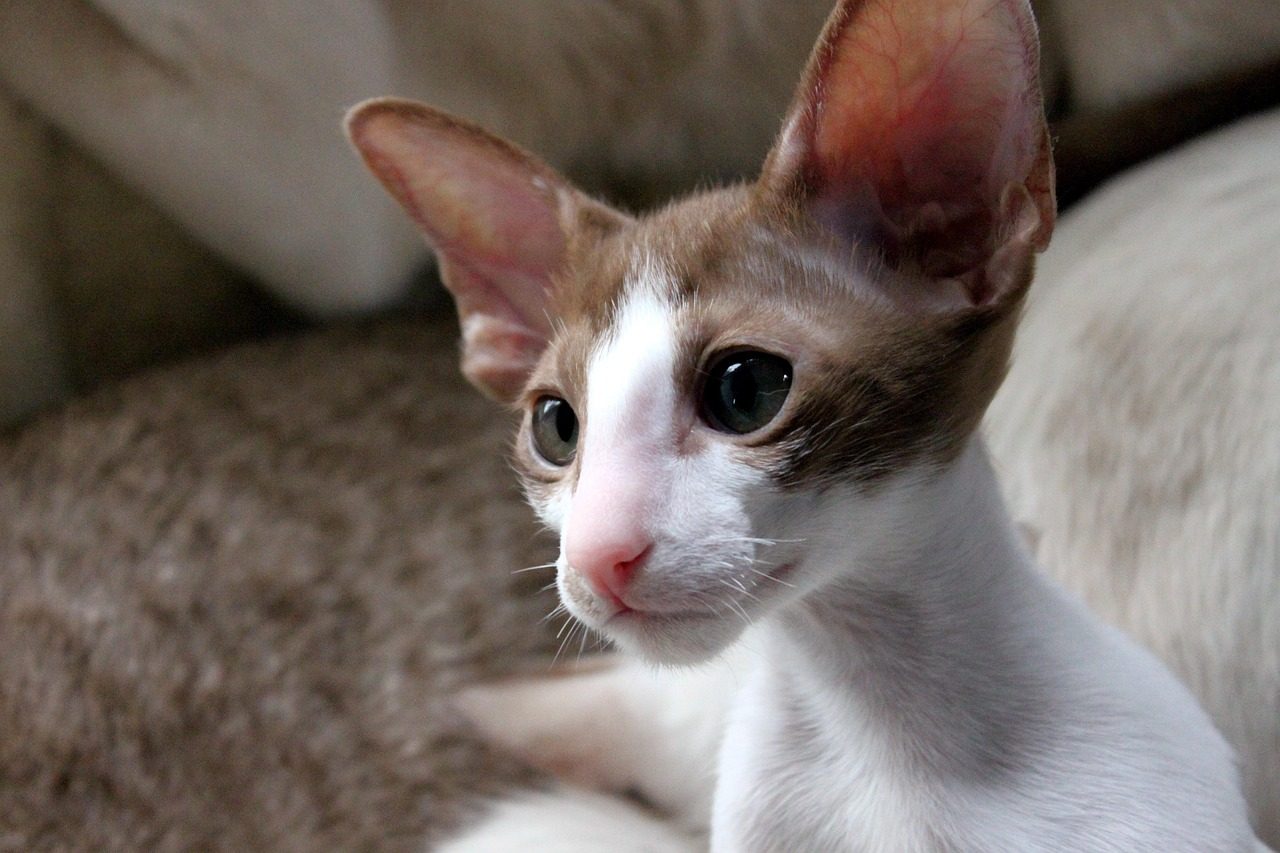
Oriental Shorthair cats can be found in just about any and every color. They thrive when surrounded by their family members. In fact, if you’re not around enough, these cats happily become destructive until you get home and play with them.
Like their Siamese ancestors, Oriental Shorthairs will meow, chirp and trill often. They will not only interrupt your activities, they’ll open drawers if it means getting your attention. Their attention-seeking behavior means they’re more interested in disrupting your activities than participating in structured training. They view training sessions as just another opportunity to redirect focus back to themselves.
Conclusion
Understanding these challenging breeds doesn’t mean they’re bad pets or impossible to live with. Rather, it helps set realistic expectations about what training can accomplish. What seems like stubbornness is often just a lack of motivation or unclear communication. With the right rewards and timing, even the sassiest cat can pick up new behaviors.
Remember that every cat is an individual, and breed tendencies don’t guarantee specific behaviors. Some Persian cats surprise their owners with their eagerness to learn, while some typically trainable breeds can be remarkably stubborn. The key lies in working with your cat’s natural personality rather than against it. What do you think about these feline training rebels? Tell us in the comments.
