

Transforming your home into a pet-friendly haven doesn’t require a complete renovation or breaking the bank. Whether you’ve just welcomed a furry friend into your family or you’re looking to upgrade your space for better safety and comfort, these practical changes can make a huge difference. Your pets will be happier, safer, and less likely to get into trouble, while you’ll gain precious peace of mind.
Let’s be honest, our beloved companions see the world differently than we do. That dangling electrical cord looks like the perfect chew toy, and your precious houseplant might just be their next snack. The good news is that creating a pet-friendly environment is easier than you might think, and many solutions work double duty to benefit both you and your four-legged family members.
Secure Hazardous Items and Toxic Substances
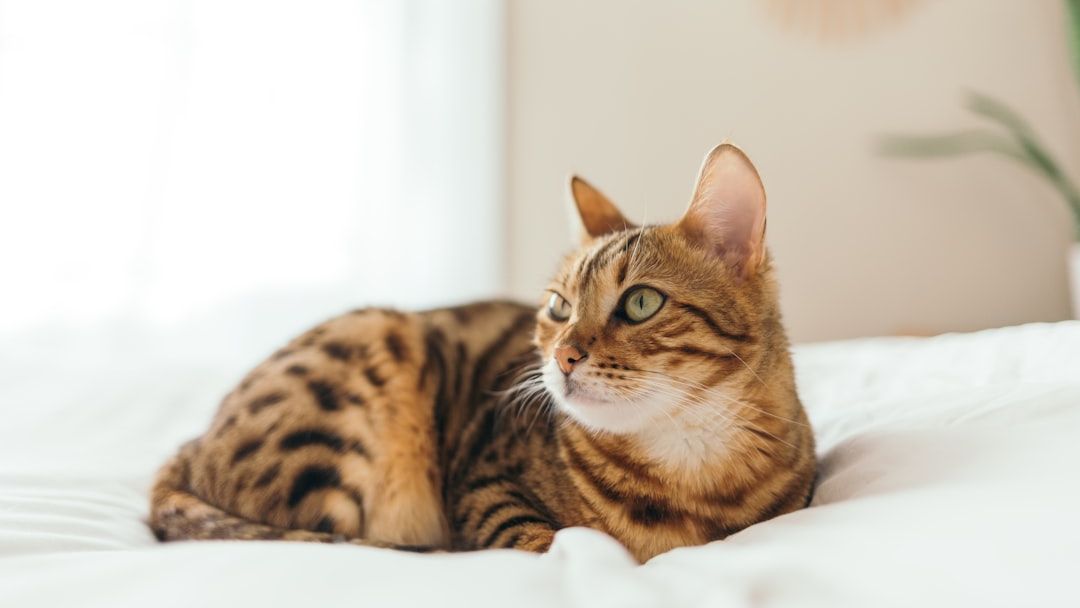
Think of this as the most important baby-proofing job you’ll ever tackle, except your “baby” might have sharp claws and an insatiable curiosity about everything. Secure loose wires and cords, cover electrical outlets, remove toxic plants, and keep cleaning supplies and medications out of reach in a secure cabinet. Many human foods and medications are toxic to pets and should never be left out where pets can swipe them from countertops. Similarly, household cleaners and chemicals should always be stored securely out of your pet’s reach. I honestly can’t stress this enough – what seems harmless to us can be life-threatening to our pets.
Brands like Seventh Generation, Puracy, and Method offer a wide range of pet-friendly cleaning solutions that effectively clean your home without exposing your pets to harmful chemicals. It is essential to store all prescription and over-the-counter medications in a secure, closed container and keep them out of pets’ reach. Here’s the thing – pill organizers aren’t just for grandparents anymore. They can be lifesavers when you have curious pets who might mistake your medication for treats.
Choose Pet-Friendly Flooring
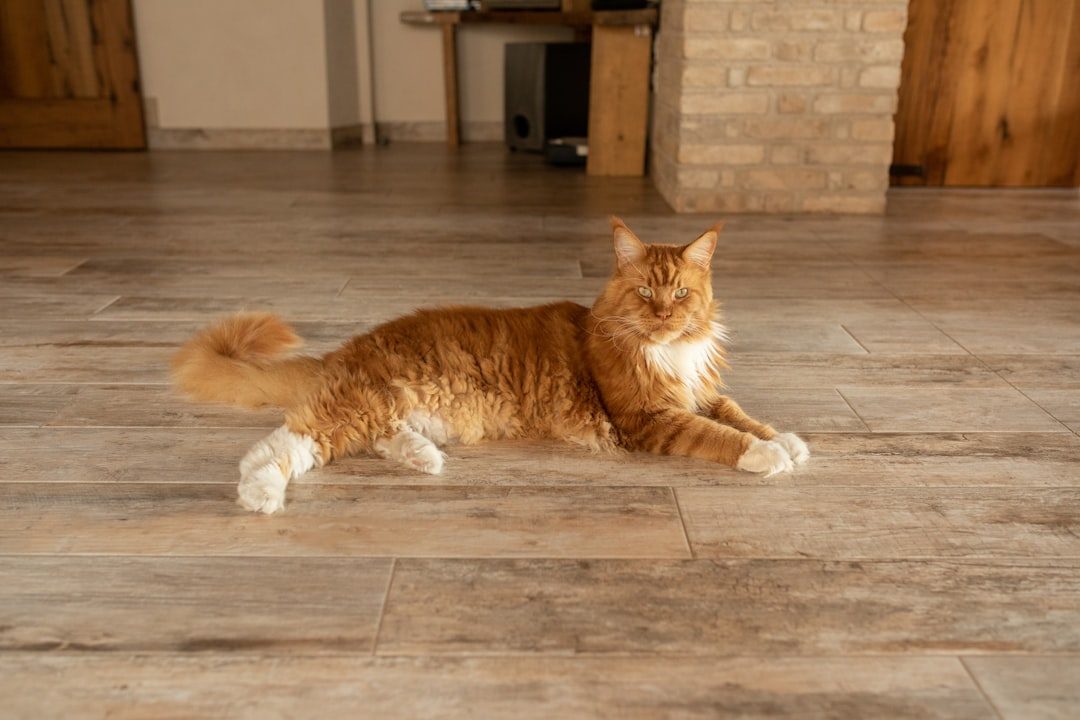
Your floors take the biggest beating from pets, so choosing the right material is crucial for both durability and your sanity. LVP checks all the boxes: It’s waterproof, scratch-resistant, and affordable. It’s a top pick for anyone needing dog-proof flooring that holds up against heavy paws and unexpected accidents. Trust me, there’s nothing worse than discovering that expensive hardwood flooring has water damage from a missed accident.
Tile flooring is easy to clean, waterproof, stain- and scratch-resistant. It also comes in beautiful designs, is durable and long-lasting. Look for slip-resistant options, which is especially important with older dogs. The beauty of modern pet-friendly flooring is that you don’t have to sacrifice style for function. For eco-conscious pet owners, bamboo and cork deliver sustainable alternatives with impressive resilience. Your home deserves flooring that withstands everything your pets throw at it – from muddy paws to accidental spills.
Install Strategic Pet Gates

Pet gates are like invisible boundaries that keep your furry friends safe while giving you control over where they can roam. Use safety gates to restrict your pet from any dangerous areas, ensure window screens are secure to prevent falls, and remove any small objects that your pet might ingest or choke on. The modern options available today are far more sophisticated and attractive than the basic baby gates of the past.
HIDEAGATE stores inconspicuously inside the wall when not in use and easily folds out and latches into doorways. Its contemporary, cutting-edge design makes it an attractive addition to any home. HIDEAGATE can be used as a dog gate to keep every family member safe. I think what’s really clever about modern pet gates is how they’ve evolved from purely functional eyesores to stylish home accessories that actually enhance your decor.
Create Safe Zones and Designated Pet Areas
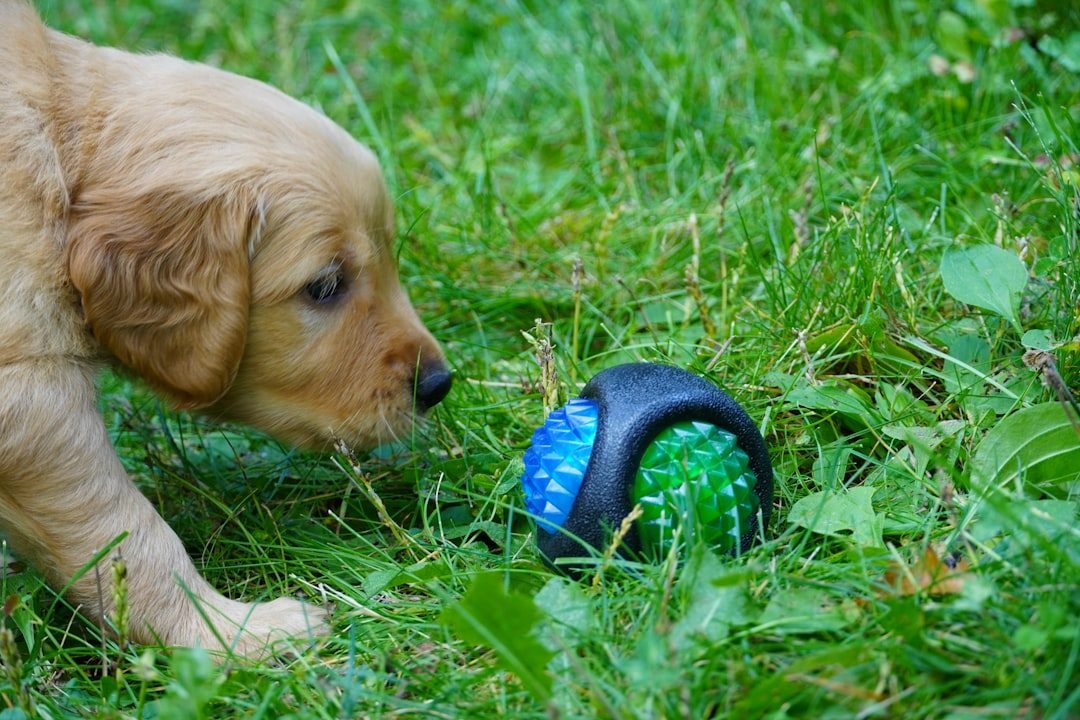
Every pet needs their own sanctuary – a place where they feel secure and comfortable. If you realize that a room contains valuable rugs, brand-new carpet, expensive furniture, or other items you’d rather your pet not damage, make these rooms off-limits initially. You should still pet-proof them to some degree in case they sneak in, but consider installing walk-through pet gates as a temporary fix. As your pet learns the house rules, you can gradually increase their access to off-limits areas. It’s like establishing house rules, but with physical boundaries that actually work.
Honestly, creating designated pet areas isn’t just about containment – it’s about giving your pet confidence and reducing their anxiety. In fact, many dogs feel more comfortable having a designated area of the home that is “theirs,” which gives them solace. Puppies are especially easily scared of new spaces, and they can easily get themselves in an unsafe place. A dog gate sections off and turns a specific room to puppy territory, and this will immensely help in the development of your puppy’s confidence.
Upgrade Your Storage Solutions
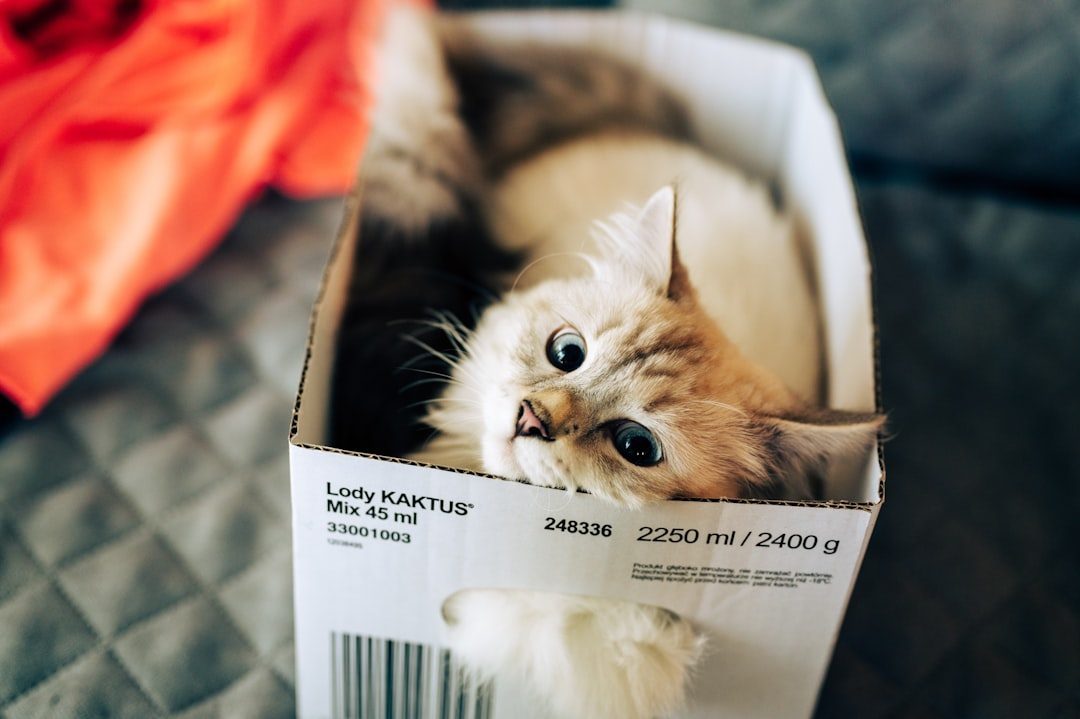
Think of storage as your secret weapon against pet-related chaos and potential hazards. Trash cans are best hidden inside cabinets, but if that’s not an option, invest in cans with locking lids. Never underestimate your pet’s ability to break into the trash! Some pets can learn to open doors, drawers, and cabinets, and you’ll need to prevent them with baby-proofing latches. Your kitchen trash can might as well be a treasure chest to your curious pet.
Keep toxic substances, like household cleaning supplies, securely stowed away or on high shelves. Consider labeling storage bins with lids to keep everything organized while ensuring your pet stays safe from potential hazards. Let’s be real – organization isn’t just about having a pretty home anymore when you have pets. It’s literally a safety measure that could save your pet’s life and your sanity.
Pet-Proof Your Kitchen and Bathroom
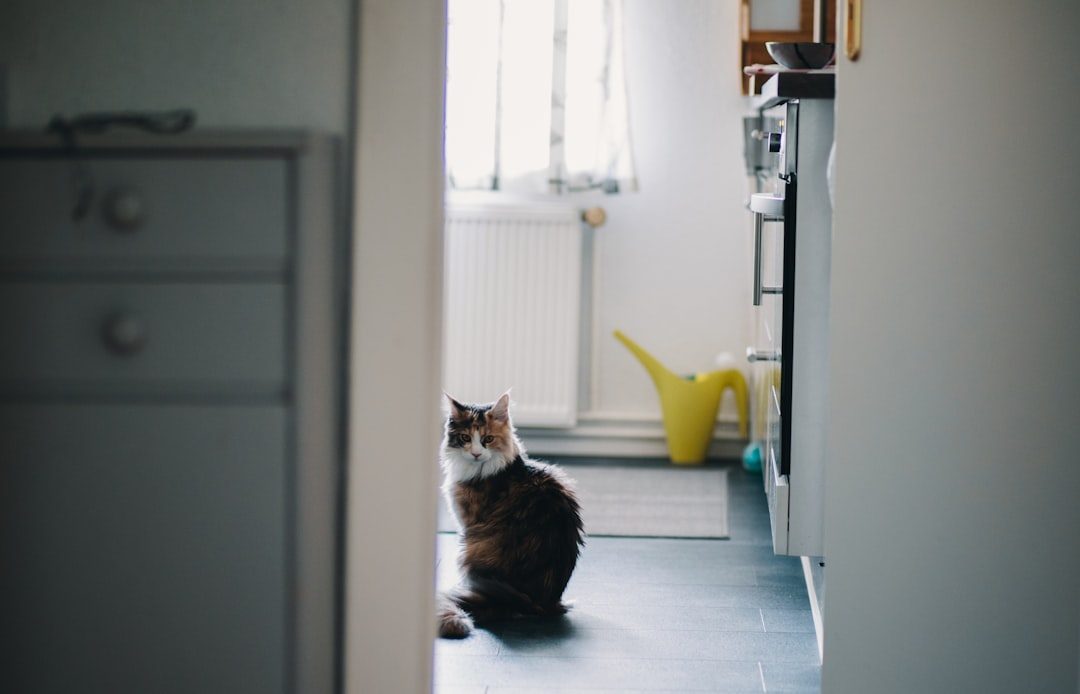
These rooms are like danger zones for pets, packed with tempting but potentially harmful items. The kitchen can be a dangerous place for pets due to the presence of food, sharp objects, and potentially toxic substances. To pet-proof this area, follow these steps: Store human foods, especially those toxic to pets, in secure cabinets · Use childproof latches on lower cabinets to prevent access to cleaning supplies The kitchen is where most pet emergencies originate, so a little extra attention here goes a long way.
These rooms often contain chemicals and small spaces that can be hazardous to pets. Here are some tips: Keep toilet lids closed, especially if you use automatic bowl cleaners · Store cleaning products, medications, and personal care items in secure cabinets · Keep laundry baskets closed and check washers and dryers before use · Secure any exposed pipes or wires that pets might chew on I know it sounds like a lot, but once you establish these habits, they become second nature.
Establish Emergency Preparedness and Safety Protocols
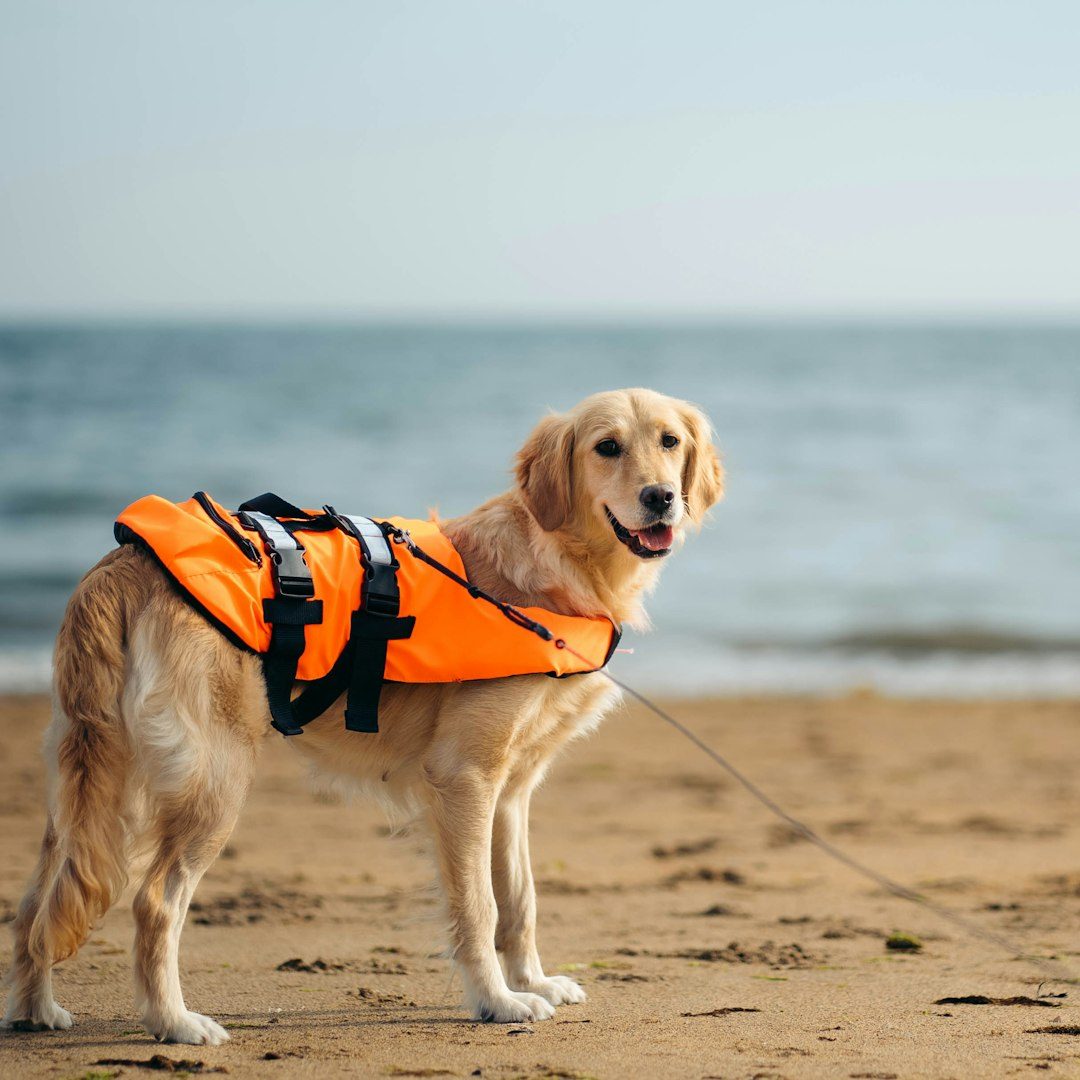
All families should have a fire escape plan that includes their pets and know what to do in case of an emergency. Investing in technology like a pet camera can give you peace of mind that you can check in on your pet at any time from anywhere to see exactly what they’re doing. Some cameras have features like two-way audio or treat dispensers so you can even interact with your pet when you’re not home. Technology has made pet monitoring so much more sophisticated and reassuring for worried pet parents.
Here’s what many people don’t think about: proper identification is your pet’s ticket home if something goes wrong. Anytime your pet is outdoors, ensure they are wearing an identification tag that lists your contact information. If your pet escapes, anyone who finds your pet can contact you immediately. QR pet tags provide a modern way to keep your pet safe. Scanning the tag links to your pet’s profile, making it easy for anyone to access contact details and medical info – ensuring a quick reunion if they get lost. These small steps make a huge difference when every minute counts.
Creating a truly pet-friendly home isn’t about making your space less beautiful or functional – it’s about making smart choices that benefit everyone who lives there. From choosing durable flooring to establishing safe zones, each change you make contributes to a happier, safer environment for your beloved companions. The best part? Many of these modifications actually improve your home’s overall functionality and value.
Remember, every pet is different, and what works for a calm senior cat might not work for an energetic puppy. Take your time implementing these changes and adjust them based on your pet’s specific needs and behaviors. What surprised you most about making ?

- 5 Disaster Theories That Keep Scientists Up at Night - July 11, 2026
- 7 Easy Ways to Make Your Home Pet-Friendly - July 11, 2026
- Why Does Death Valley Sit Below Sea Level? - July 11, 2026