
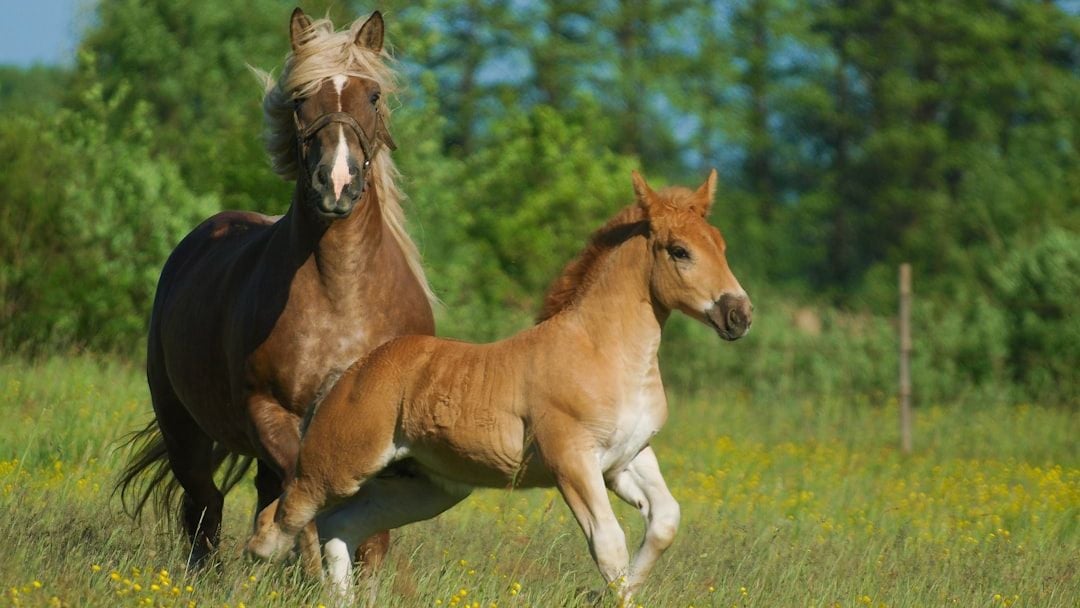
When you think of American horses, the Quarter Horse or perhaps the wild Mustang likely comes to mind. These iconic breeds dominate rodeos, racetracks, and Western films. Yet hidden across the vast American landscape, from the swamps of South Carolina to the badlands of North Dakota, are horse breeds most people have never encountered.
These lesser-known equines carry stories of survival, adaptation, and deep connection to American history. Some helped win the Revolutionary War, others kept Native American tribes thriving for generations. Their numbers have dwindled dangerously low, making them some of the rarest horses on the planet. Let’s dive in.
Nokota Horse
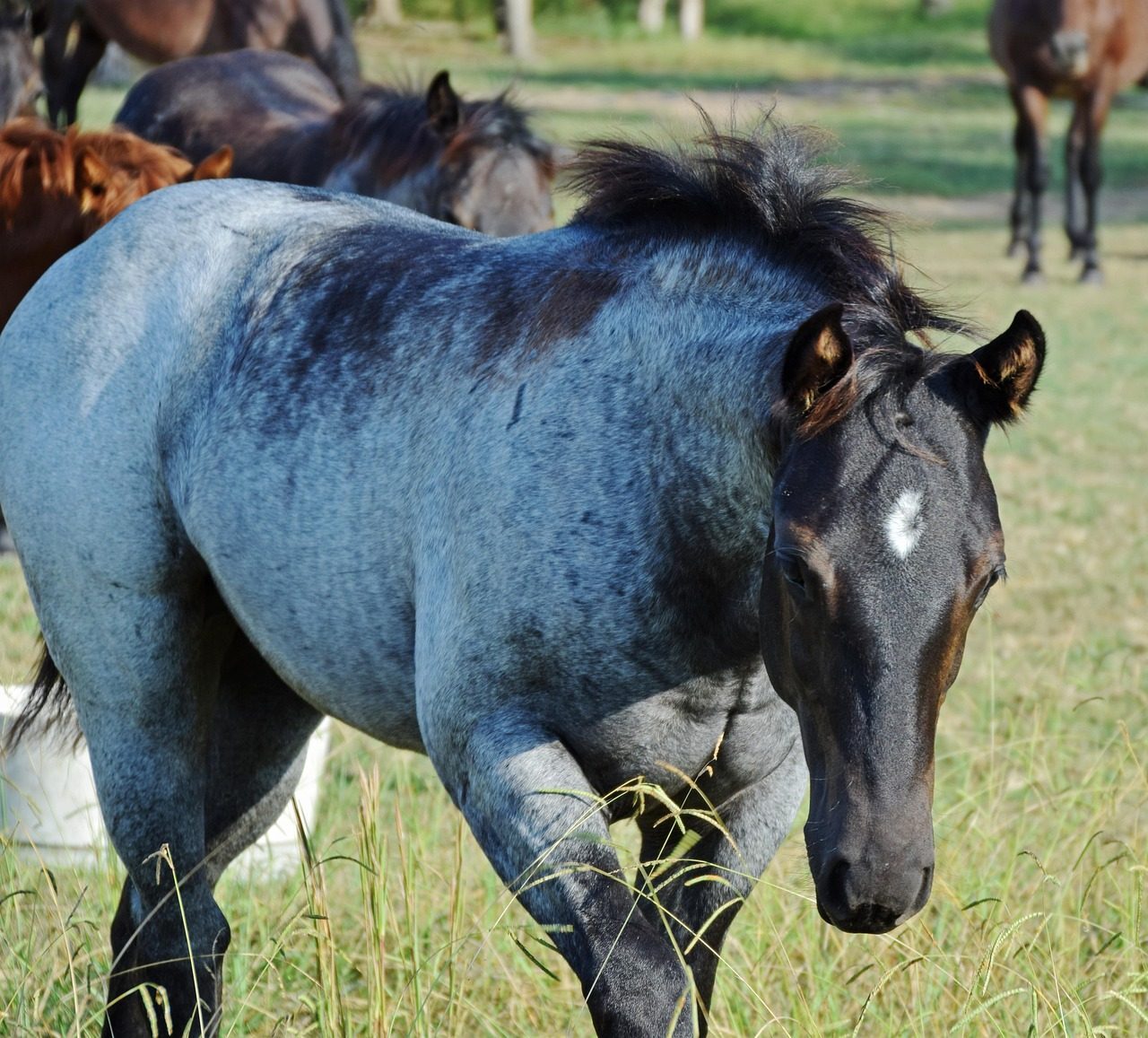
The Nokota is a mustang breed native to the badlands of North Dakota, descended from a mix of Native American, Thoroughbred, and Spanish horses, and most commonly appears in blue roan coloring with white blaze markings. These horses are often a rare blue-roan color and have been used throughout their history as war horses, buffalo runners, and riding horses. Their striking appearance immediately catches your eye.
Described as athletic, brave, intelligent, and sure-footed with a fantastic natural jump, they’re sometimes called an “equine all-terrain vehicle”. This nickname, coined by owner Margaret Odgers, perfectly captures the athleticism, durability, and stamina that define Nokota characteristics, along with their sound, low maintenance nature with extremely solid legs and strong hooves. DNA evidence shows the Nokota descended from early 20th century ranch and Indian stock that had all but disappeared since the 1950s.
Carolina Marsh Tacky
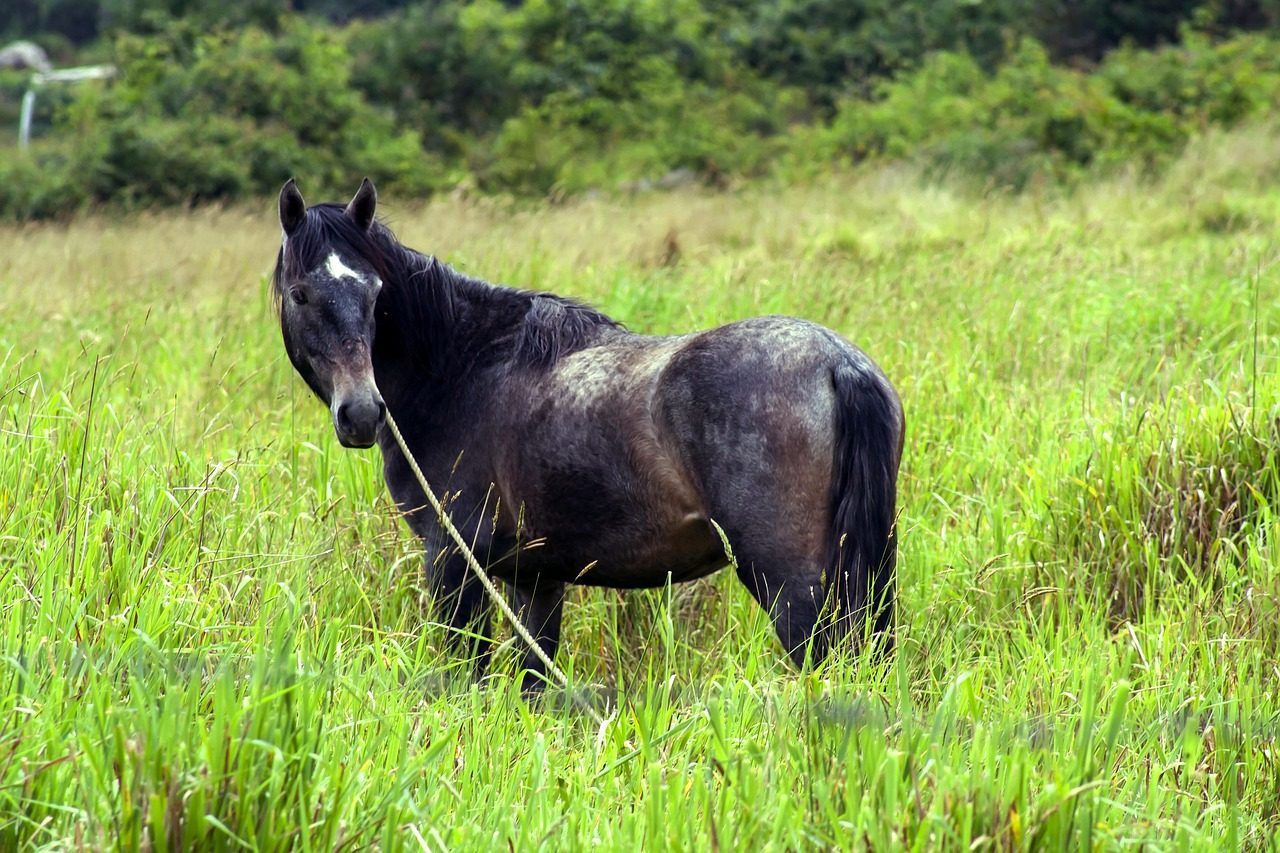
The Marsh Tacky developed from Spanish horses brought to the South Carolina coast by Spanish explorers, settlers and traders as early as the 16th century. Considered critically endangered by both the Livestock Conservancy and the Equus Survival Trust, there are only around 400 Marsh Tackies in existence today. That’s shockingly low for a breed with such historical importance.
The breed was used during the American Revolution by many of the irregular forces of Francis Marion, nicknamed the “Swamp Fox,” and the swamp savvy of the Marsh Tacky may have given Marion’s forces an advantage, as British cavalry mounted on larger European breeds couldn’t maneuver as easily in the dense lowland swamps. Marsh Tackies don’t flee when the unexpected happens and adapt easily to new situations, and as one rider noted, they don’t panic when wrapped up in briars or mired in a bog up to their chest. In 2010, the Carolina Marsh Tacky became the official state horse of South Carolina.
American Cream Draft
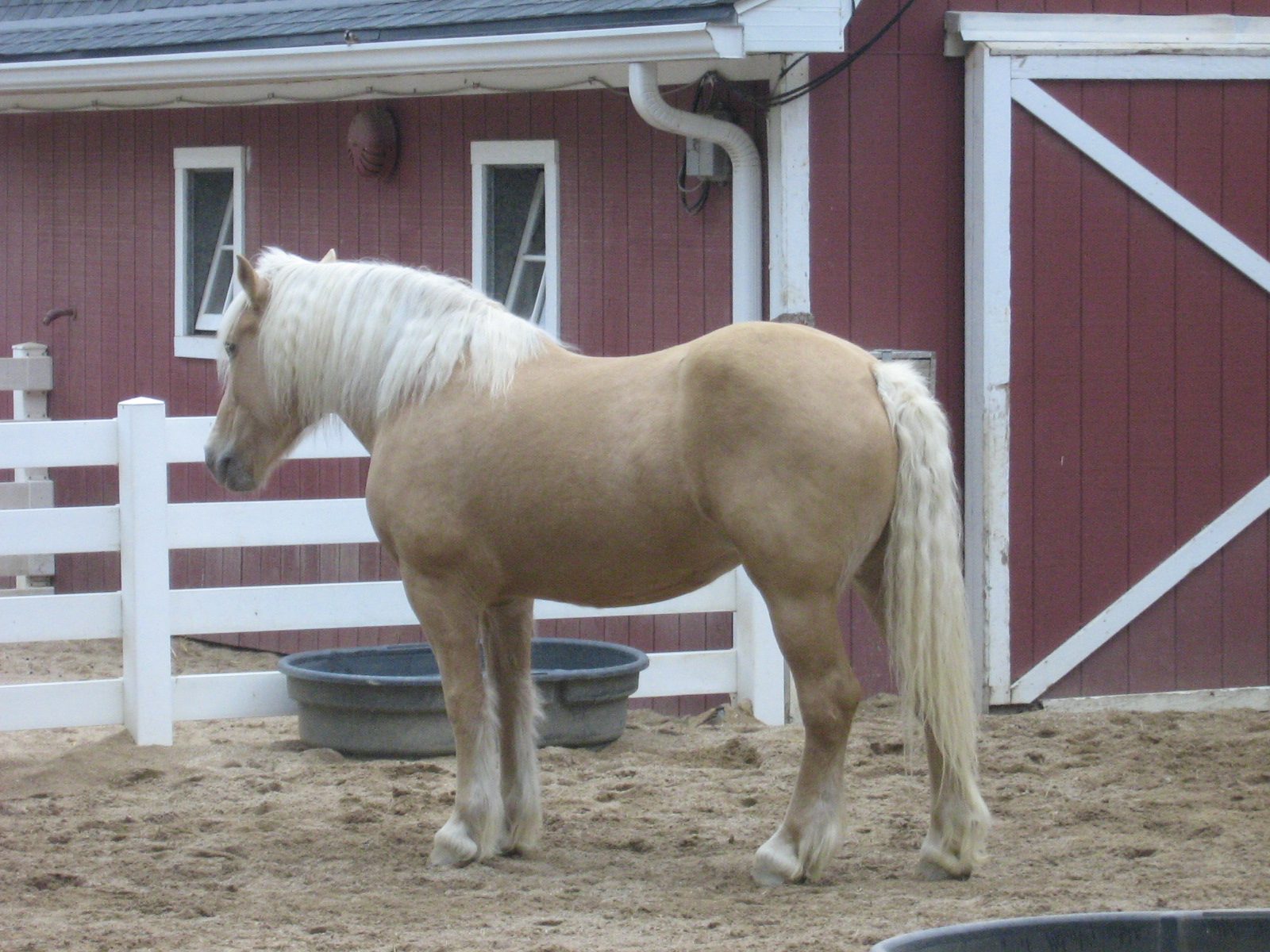
Here’s something remarkable: American Cream Draft horses are the only breed of draft horse originating from the US. They were developed in Iowa in the early 20th century from a mare named Old Granny, have always been a rare breed, and their distinctive trait is their cream coloring, which ranges from pale cream to rich gold, with pale mane and tail, and amber eyes.
The breed is also the rarest, with fewer than 200 registered each year. American Cream Draft horses have a medium-heavy build and calm temperament, making them a great choice for those new to handling draft horses, and while they historically played a significant role in the development of agriculture and transportation, nowadays these horses make great family companions as they are people-oriented, docile, and trustworthy. Their champagne-colored coats truly set them apart from any other draft breed in the world.
Nez Perce Horse
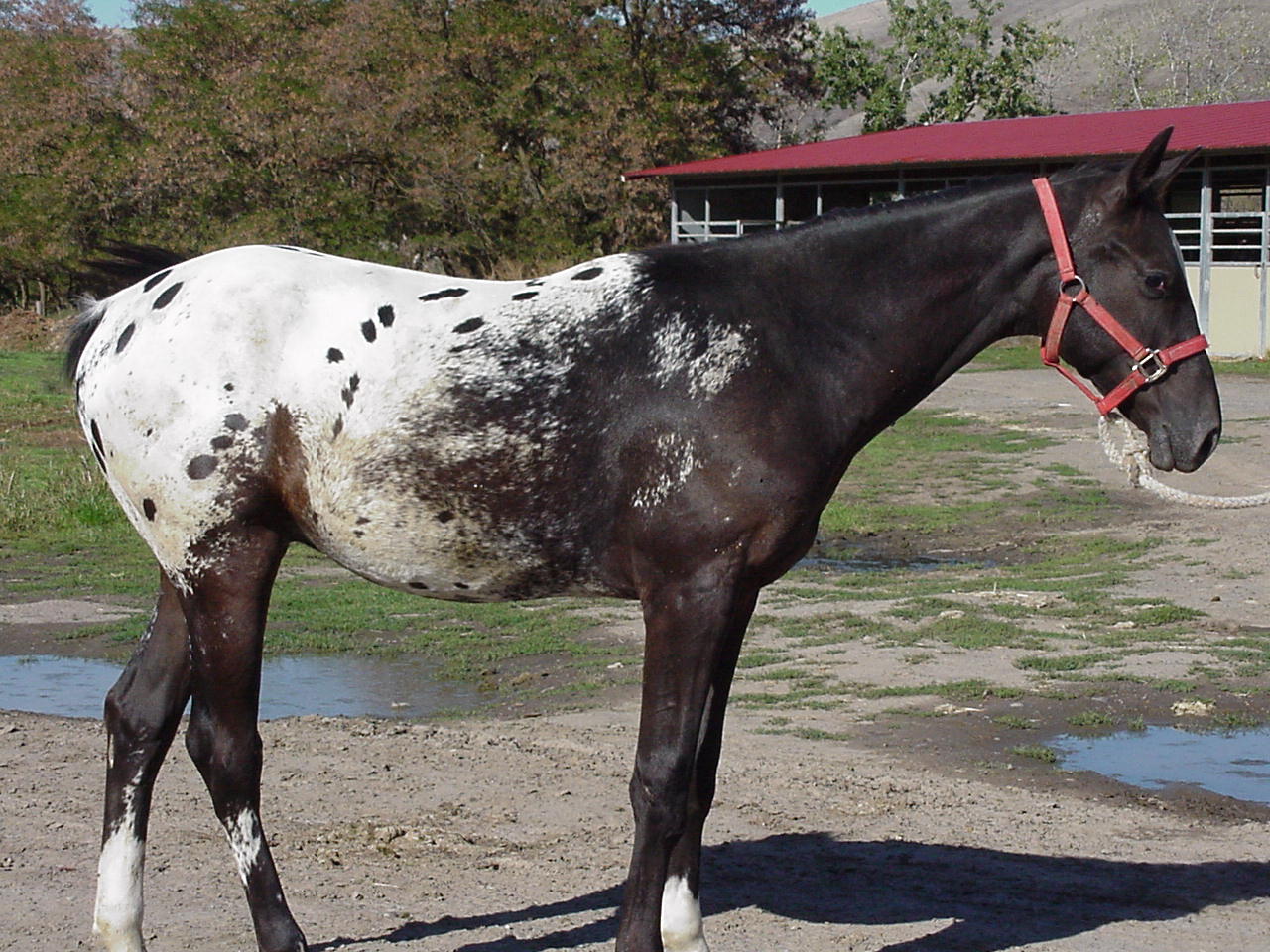
The Nez Perce was developed in Idaho in the late 20th century by the Native American Nez Perce tribe, crossing Appaloosas with the Akhal-Teke, a central Asian breed, with the aim of re-establishing the type of horse traditionally bred and kept by the tribe. This isn’t some ancient breed, it’s a modern recreation born from cultural pride and determination.
Typically the Nez Perce is buckskin or palomino, often with mottled or spotted coats, and their physique is like a lean quarter horse, with great ability in endurance races. The ancient Akhal-Teke breed’s introduction gave the Nez Perce Horse back its original elegance, athleticism, and outstanding endurance, making the breed especially good at long-distance riding and jumping. Many Nez Perce Horses are gaited and able to perform the running walk, a trait found in some Appaloosa bloodlines.
Virginia Highlander
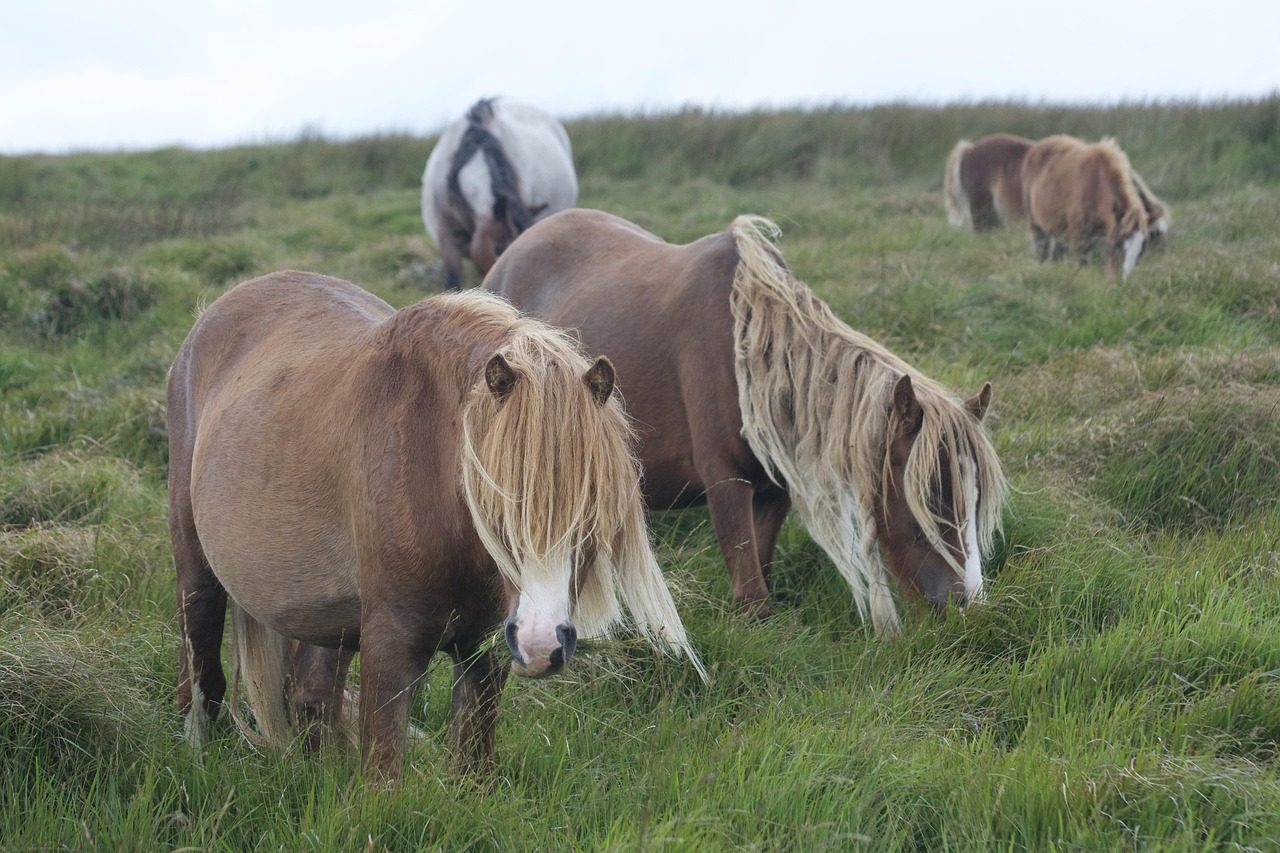
Located in the beautiful Blue Ridge Mountains of Virginia near Mount Rogers, Virginia Highlanders were developed by breeder William M. Pugh, who began a quest for a smaller, gentler horse that would be perfect for women and children, and wanted an enduring horse with easy gaits that anyone could sit. The process began around 1960 when he brought home a small Arabian-Tennessee Walking Horse mare from Kentucky that foaled a lovely colt, thought to have been sired by a Welsh Pony, who was exceptional in that he was small, flashy looking, extraordinarily gentle, and could both trot and single-foot like none other, and the foal was named Pogo, becoming the inspiration and prototype for the Virginia Highlander.
Pugh’s efforts produced a unique breed founded upon the combination of several others: Welsh and Hackney Ponies for their hardiness, Arabians for their legendary endurance and sparkle, American Saddlebred and Tennessee Walking Horses for their gait, and as the final key ingredient, he carefully added Morgan blood for their size, powerful compact correctness, and gentle, tractable temperament. Although the breed is quite rare, registered Virginia Highlanders can be found in nine states, and the number of registered non-foundation stock is now over two hundred.
Choctaw Horse
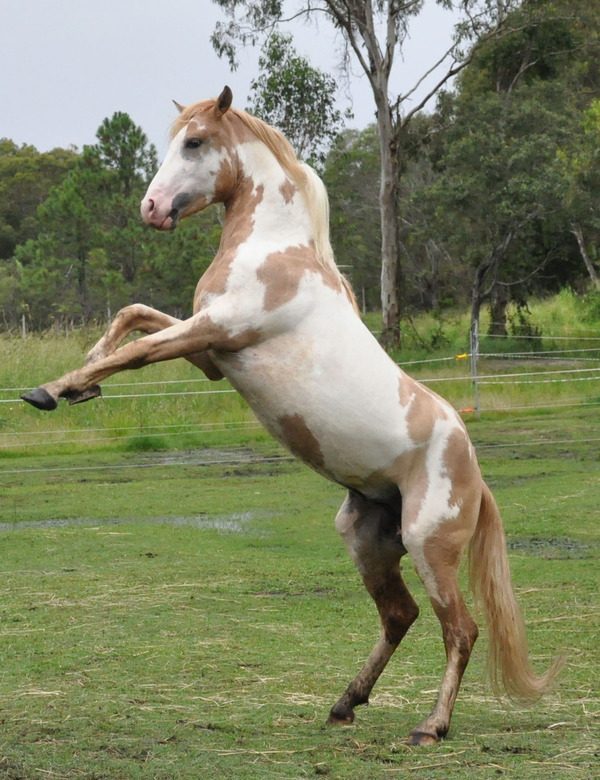
The Choctaw Horse was produced by the Choctaw tribe over hundreds of years in the southern land of today’s Mississippi, where they purposely bred their horses for long hunting trips, and to the Choctaws, these horses symbolized honor, glory, wealth, and prestige. These weren’t just working animals but cultural treasures.
They are small in size, ranging from 13.2 to 14.2 hands, have strong hooves and good endurance, and resemble Spanish Mustangs with pinto being the most common color. Unfortunately, after the Choctaw Nation’s relocation in 1831, most of their valuable herd was lost, and today the breed survives in sanctuaries and private farms with conservationists working relentlessly to preserve the Choctaw Horse for the future. It’s hard to grasp how close this breed came to vanishing entirely, taking centuries of careful breeding with it.
Cayuse Indian Pony
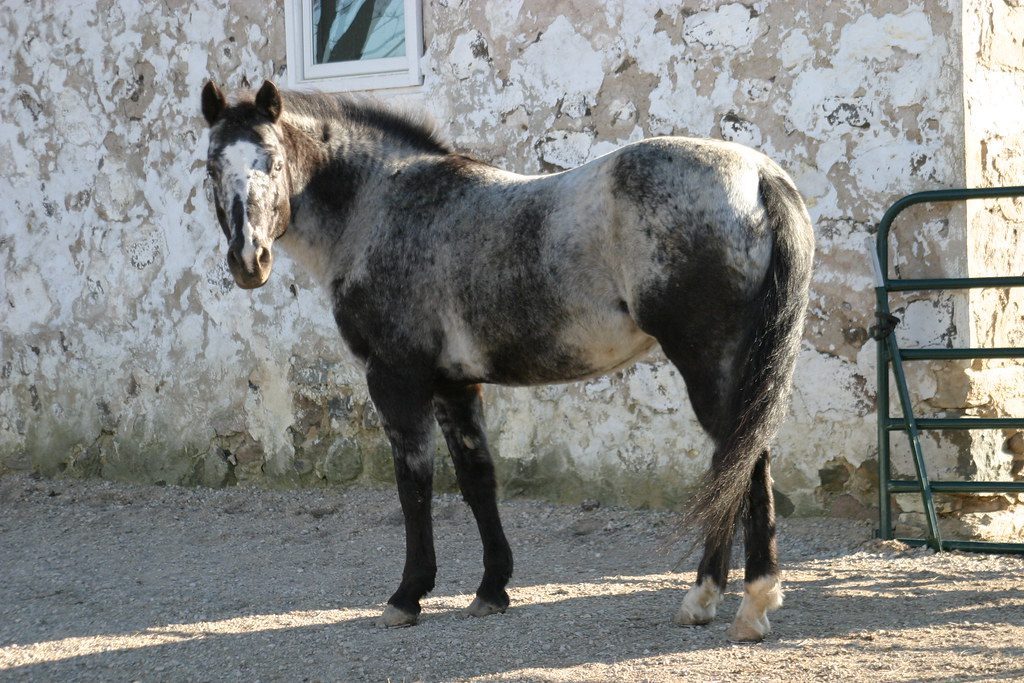
One little known horse from American history is the famed Cayuse Indian Pony of the Northwest, a distinct breed which originated in the 1800s, and its conformation and background set it apart from the Mustang, Spanish Barb or other wild horses. Small and stocky, the Cayuse Indian Pony has high withers, an unusually long canon bone, and a distinctly sloped pastern that gives it a broken walking gait, making it an extremely pleasant and easy seat for any rider, especially younger children.
The Indians crossed their sturdy French horses with the lighter Spanish Barbs to produce a horse which had not only speed but endurance, and by the 1800s, the Cayuse Indian Pony had become a separate breed. Because the French horse had the ability to pass on its tendency for spots or a profusion of white markings, the Cayuse Indians were able to produce some very colorful horses, and the Appaloosa, Paint and Pinto breeds have all been influenced by the blood of the Cayuse Indian Pony. However, the breed is now considered extinct.
Conclusion
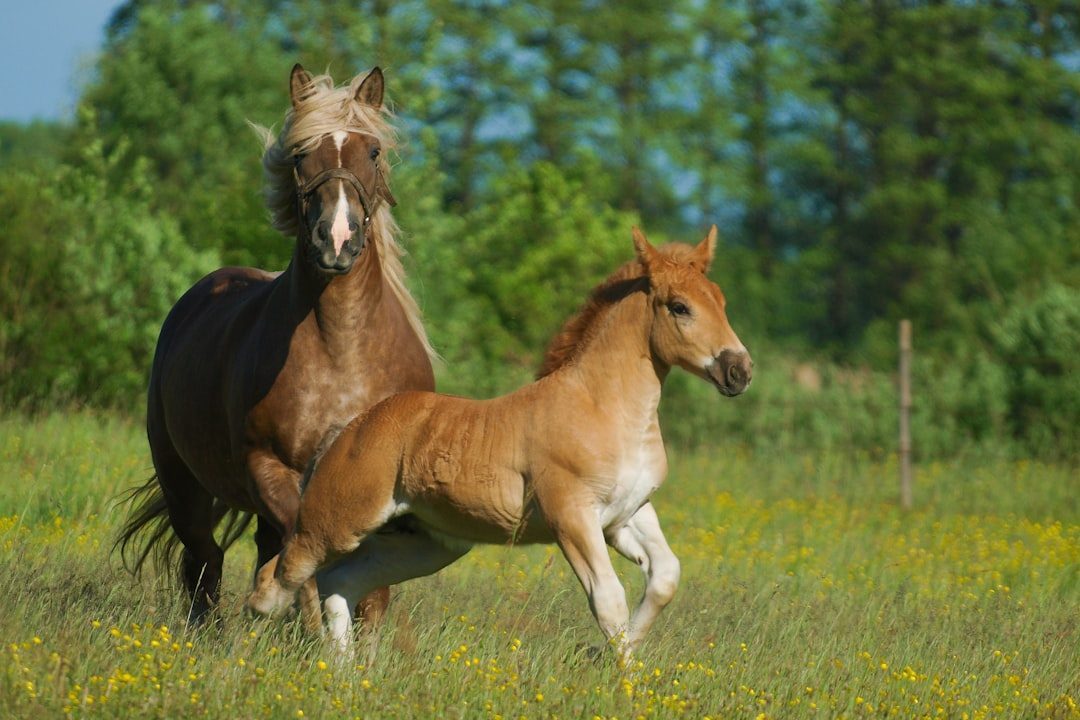
These seven breeds represent more than just unusual genetics or rare bloodlines. They’re living pieces of American history, survivors of near extinction, and testaments to the cultures that shaped them. From Francis Marion’s Revolutionary War victories on Marsh Tackies to the Nez Perce tribe’s modern efforts to restore their ancestral horses, each breed carries stories worth remembering.
The numbers tell a sobering story. With some breeds counting fewer than 400 individuals worldwide, the window for preservation is closing rapidly. Conservation efforts continue, but they need awareness and support. These horses adapted to swamps, mountains, and plains over centuries, yet mechanization and changing agricultural practices pushed them to the brink within decades. What stands between these breeds and extinction? Dedicated breeders, registries, and people who recognize that losing these horses means losing irreplaceable pieces of our heritage. Have you ever seen any of these rare breeds in person?
