
Worried about unexpected vet bills?
Pet insurance can cover thousands in unexpected vet costs. Get a free quote from Lemonade in under 2 minutes.
Get My Free Quote →Sponsored · Opens Lemonade.com
There’s something about ancient mysteries that pulls us in. Maybe it’s the idea that people thousands of years ago accomplished things we still can’t fully wrap our heads around today. Or maybe it’s the thrill of knowing there are still secrets the earth hasn’t given up, puzzles archaeology hasn’t cracked.
Whatever it is, these places exist all over the globe, silent witnesses to civilizations that rose and fell long before anyone wrote down their stories. They challenge what we think we know about human capability, ingenuity, and belief. So let’s dig into ten ancient sites that continue to baffle researchers, spark wild theories, and leave us with more questions than answers.
Göbekli Tepe: The Temple That Shouldn’t Exist
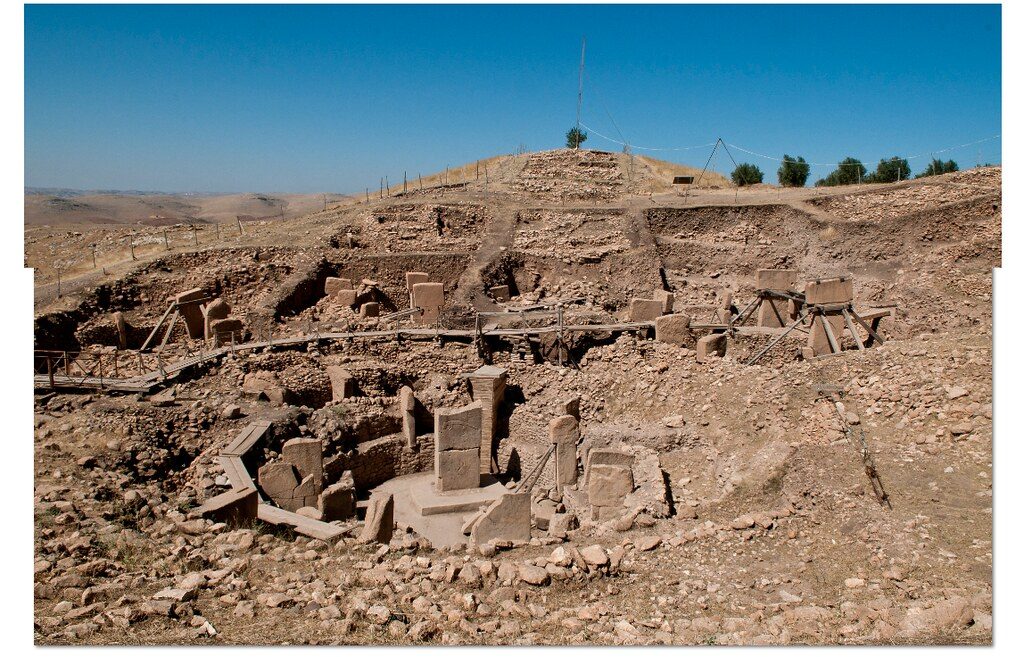
Predating Stonehenge by 6,000 years, Turkey’s Göbekli Tepe upends conventional views of civilization’s rise. Picture this: roughly 11,000 years ago, before farming, before pottery, before people supposedly knew how to build monumental structures, someone carved massive stone pillars and arranged them in circles on a hilltop in southeastern Turkey.
Schmidt called it “the first human-built holy place”, describing the site as essentially a cathedral on a hill. Most carvings depict animals, mostly serpents, foxes, and boars, but also gazelle, wild sheep, onager, ducks, and vultures, with animals often depicted with aggressive postures. The bigger mystery? These hunter-gatherers supposedly had no reason to stay in one place, yet they built something permanent and complex.
Recent discoveries keep shaking things up. In 2025, a life-size human statue was found deliberately embedded in the base of a wall between two buildings, believed to be a votive offering. The really mind-bending part is that excavations revealed living quarters, disproving earlier theories that the site served solely as a ceremonial pilgrimage destination. Honestly, every time archaeologists think they’ve figured out Göbekli Tepe, it throws them another curveball.
Stonehenge: Stones From Across an Island
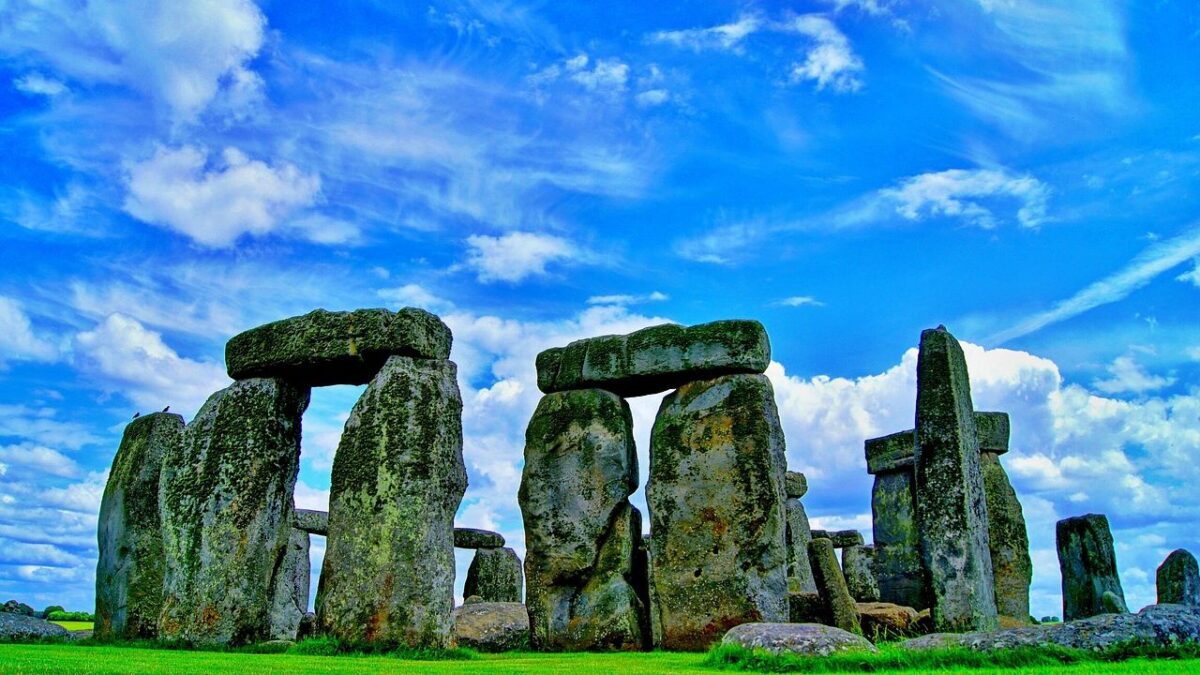
One of England’s famous landmarks, the prehistoric wonder that is Stonehenge, remains as mysterious as the first day it was recorded by Roman chroniclers, with historians generally agreeing that early Britons constructed it sometime 5,000 years ago, though it has never been clear why. The massive stone circle on Salisbury Plain has spawned countless theories over centuries.
Here’s where things get fascinating. The Altar Stone came from northeast Scotland, over 450 miles away, and the roughly 12,000-pound, 16-foot long rock somehow traveled hundreds of miles before the invention of the wheel. Let’s be real, driving from North Scotland to England is exhausting today with modern roads and cars.
Moving the stone from Scotland would have required unexpectedly advanced transport methods and societal organization, likely involving a marine shipping route along Britain’s coast, implying long-distance trade networks and higher societal organization than widely understood for the Neolithic period. The fact that all its stones originated from distant regions, making it unique among over 900 stone circles in Britain, suggests the monument may have had a political as well as religious purpose, possibly serving as a monument of unification for the peoples of Britain. I know it sounds crazy, but it seems Stonehenge might have been less about aliens and more about bringing communities together.
Easter Island’s Walking Statues
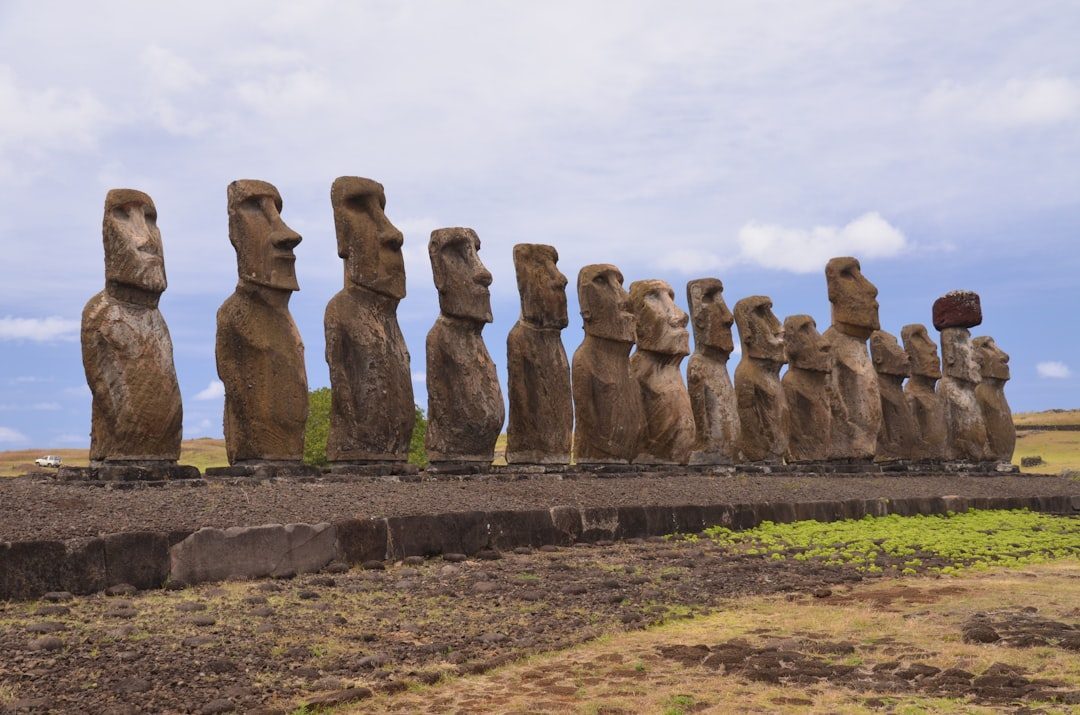
The moai of Easter Island have become iconic symbols of archaeological mystery. These monolithic human figures were carved by the Rapa Nui people between 1250 and 1500 CE, with the average height about 4 meters and weighing around 12.5 tonnes each. Nearly a thousand of these massive stone faces dot this remote Pacific island.
Archaeologists believe that the statues were a representation of the ancient Polynesians’ ancestors, serving as powerful protectors watching over communities. The construction process was impressive enough, but how did they move them?
Recent research argues the heads were “walked” vertically from quarries, with experiments revealing that the forward-leaning design enabled efficient transport, covering 328 feet in 40 minutes with 18 people, requiring minimal resources compared to horizontal transport hypotheses and aligning with Rapa Nui oral traditions describing moai “walking”. Scientists identified 30 distinct sites of quarrying activity suggesting multiple independent work areas, with evidence indicating manufacture wasn’t under centralized management as the entire production chain stayed within individual zones. Turns out, the islanders’ legends about statues walking weren’t so far-fetched after all.
The Nazca Lines: Desert Drawings Visible From the Sky
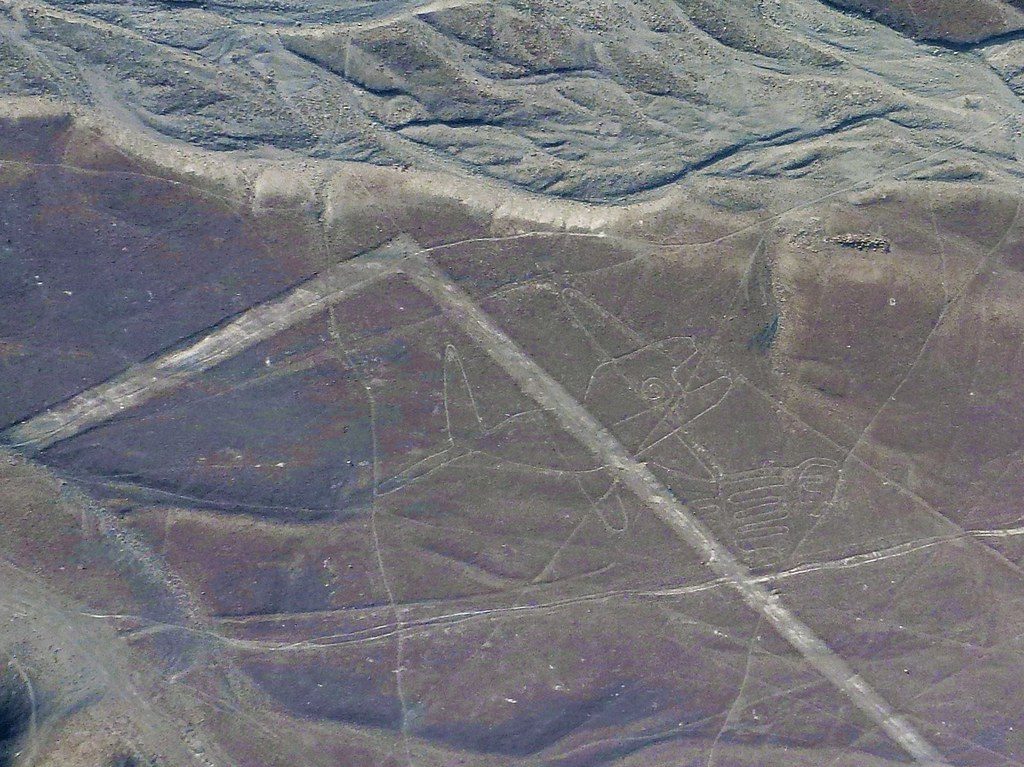
The Nazca Lines are a group of over 700 geoglyphs in the soil of the Nazca Desert in southern Peru, created between 500 BC and 500 AD by people making depressions in the desert floor, with the combined length of all lines more than 1,300 kilometers covering about 50 square kilometers. From ground level, they’re just trenches. From the air, they transform into massive animals, plants, and geometric shapes.
In 2024, archaeologists using artificial intelligence discovered 303 previously unknown geoglyphs depicting parrots, cats, monkeys, killer whales, and even severed heads, with field surveys requiring 1,440 labor hours. The scale is truly staggering when you think about it.
Research clearly showed that straight lines and trapezoids are related to water, not used to find water but rather used in connection with rituals, with rituals likely involved with the ancient need to propitiate gods and probably plead for water. Animal symbolism is common throughout the Andes, with spiders believed to be a sign of rain, hummingbirds associated with fertility, and monkeys found in the Amazon, an area with abundant water. In one of the driest places on earth, water would have been everything.
Pumapunku: Precision Without Technology
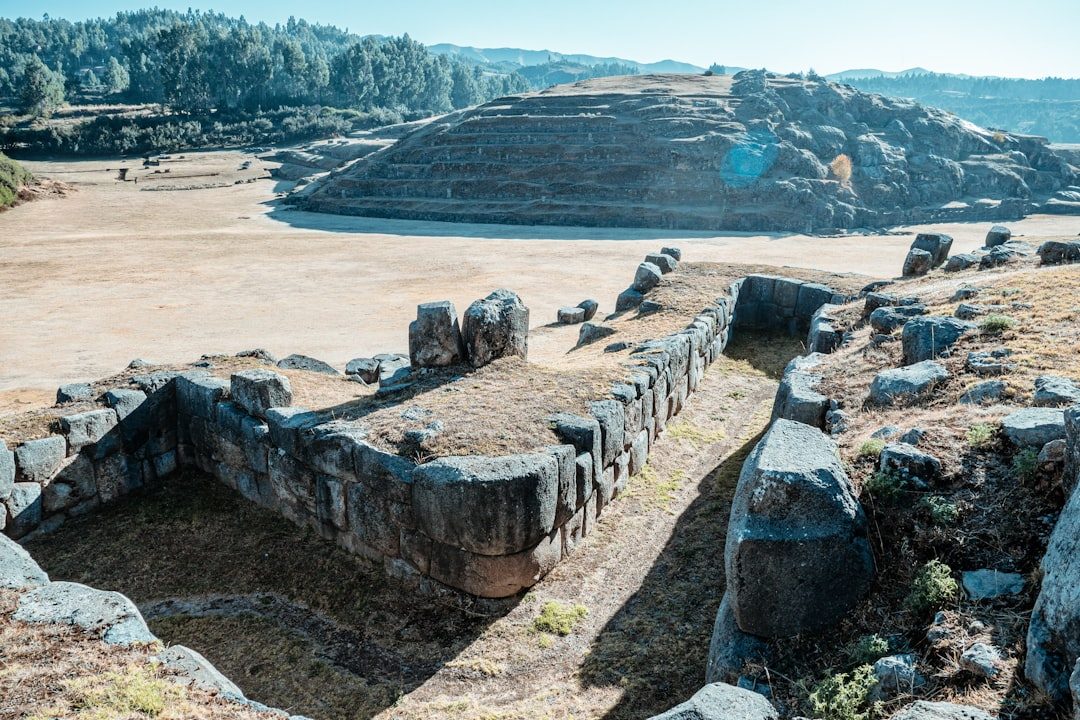
This ancient archaeological site in Bolivia, dated by some historians to be 17,000 years old, contains incredible stonework that looks as if stones were cut using a diamond tool, with enormous blocks weighing up to 800 tons consisting of perfectly straight edges that lock perfectly into each other and contain no chisel marks. The precision is frankly unsettling when you realize the tools available.
Attempts to replicate the precision of the stonework have failed and archaeologists, as well as stone masons, are at a loss to explain how they accomplished such precise cuts without advanced technology. The mystery is how builders calculated and cut such precise stonework working only with stone tools, with stonework so regular that some historians suggested they may have mass-produced temple parts like building blocks.
The craftsmanship challenges everything we assume about ancient capabilities. These weren’t rough carvings or approximate fits. We’re talking about joints so tight you can’t slip a piece of paper between them, angles so exact they’d make modern engineers jealous.
The Plain of Jars: Laos’ Stone Mystery
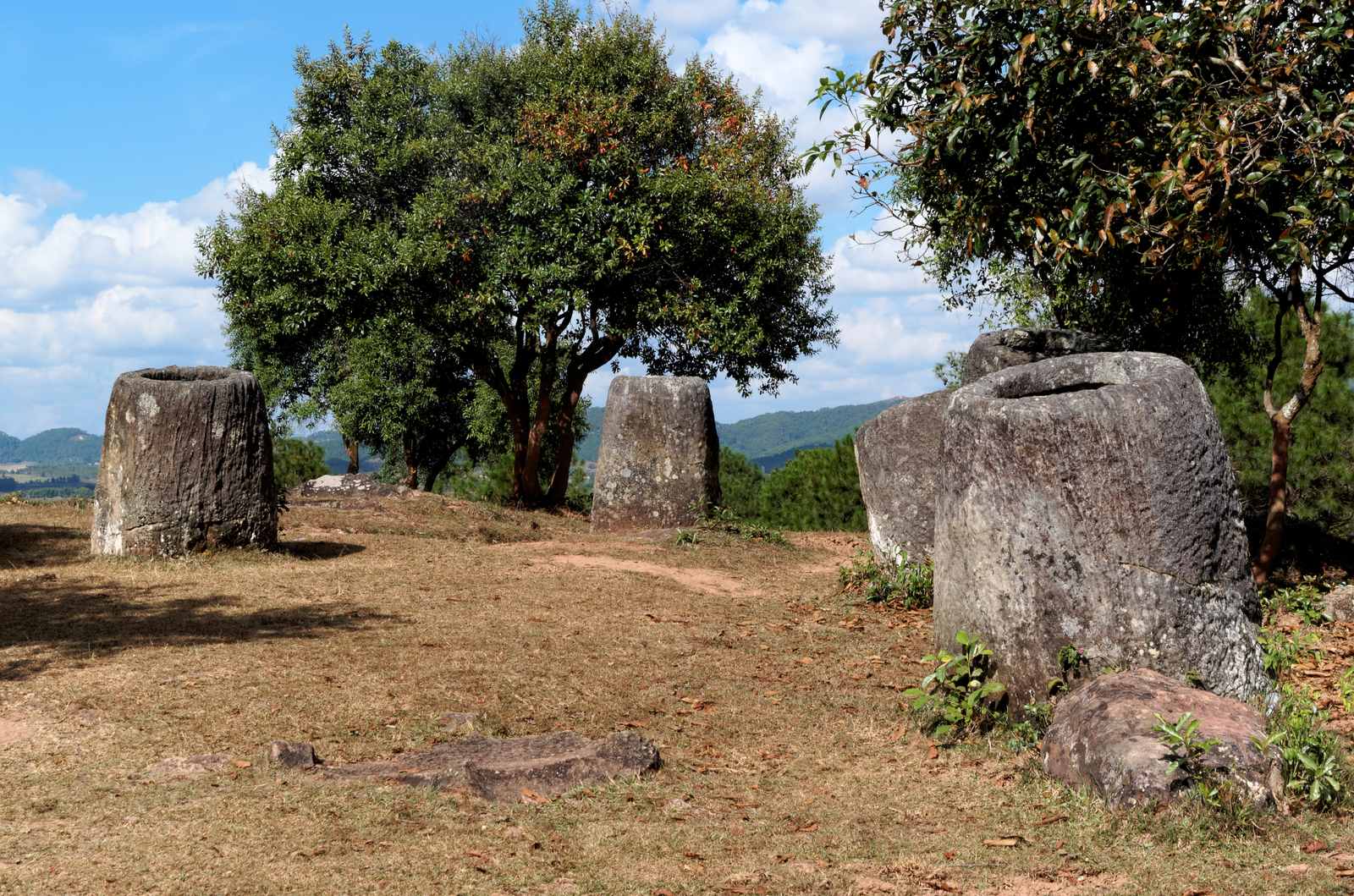
The Plain of Jars in the Xieng Khouang plain of Laos is one of the most enigmatic sights on Earth. Scattered across the landscape are thousands of massive stone jars, some standing over three meters tall and weighing several tons. Nobody knows who made them, why, or how they were moved.
The unexplained 2,500-year-old Plain of Jars has sites where undetonated U.S. bombs from the Vietnam War are still scattered, so only seven of the 60 sites are open to the public. The danger makes investigation challenging, adding modern tragedy to ancient mystery.
Theories range from funeral urns to food storage vessels to fermentation containers for rice wine. Some jars have lids, others don’t. Some sites have a single jar, others have hundreds. The inconsistency is part of what makes them so puzzling.
Çatalhöyük: The City Before Cities
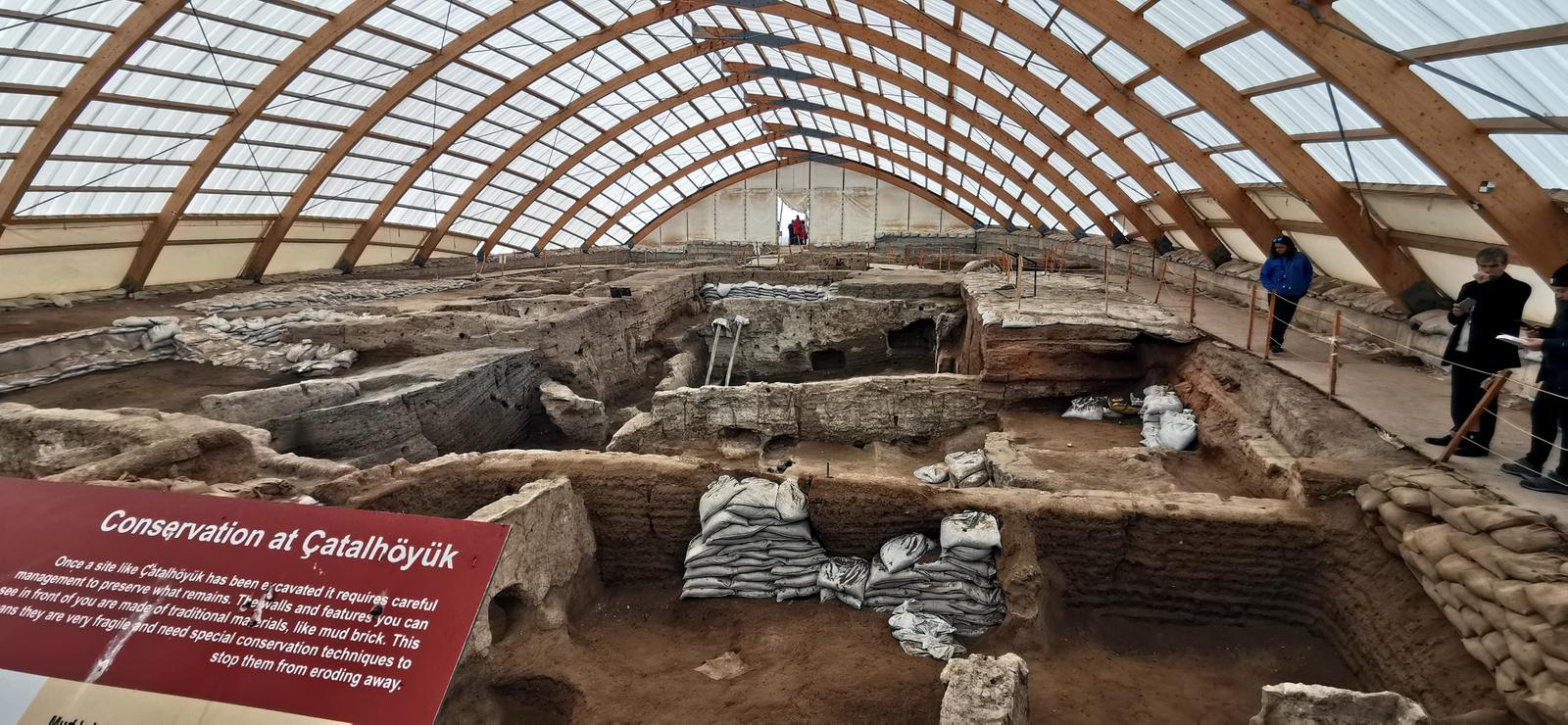
Çatalhöyük stands out as the oldest city on Earth, built between 7100-5700 BCE, long before humans had even invented farming, writing, wheels, or metals. Wait, let me repeat that. Before farming. Before the wheel. So what exactly were thousands of people doing there?
The people were probably nomadic hunter-gatherers who maybe only lived indoors during winter, with remains showing very little social division, suggesting they lived a very equitable, communal lifestyle. With no streets between buildings, the main entrance was a ladder in the roof, and they were scrupulously clean but buried their dead under the floors of their own homes.
The layout is bizarre by any standard. Imagine living in a city where you accessed your house through the roof and your ancestors were literally beneath your feet. What’s mysterious is that it was built long before humans invented farming, writing, wheels, or metals, challenging our entire timeline of human development.
The Hypogeum of Ħal Saflieni: Underground Labyrinth
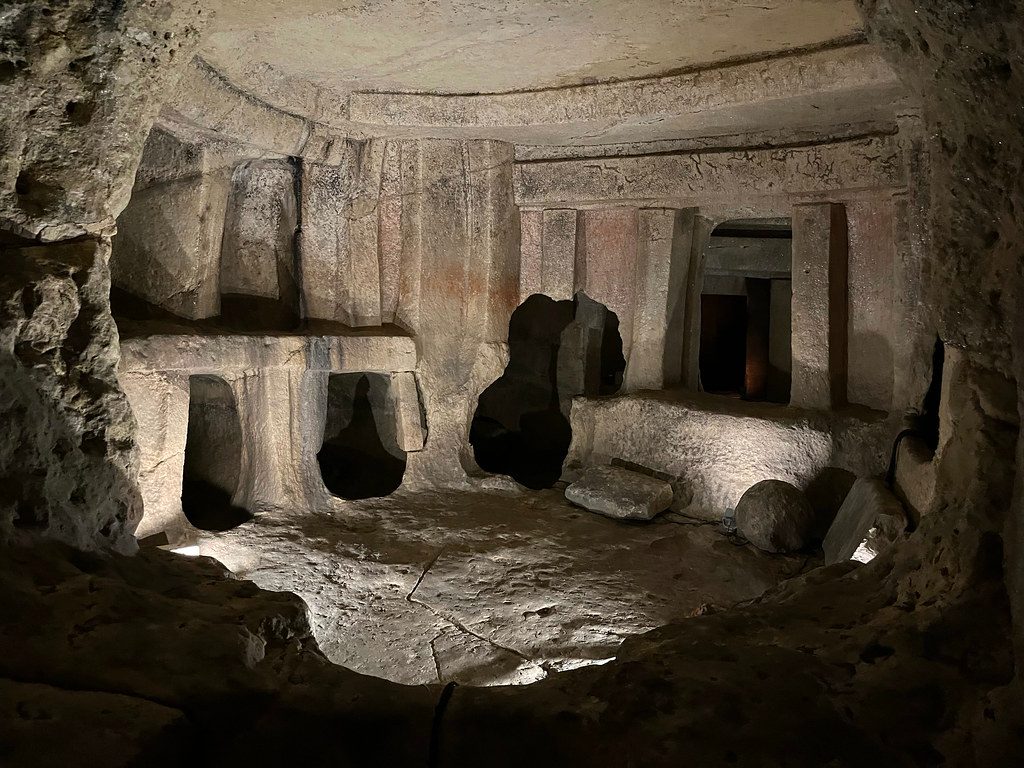
The Hypogeum of Ħal Saflieni was discovered in 1902 by workmen digging cisterns for new houses in Paola, Malta, and is an exquisitely preserved example of prehistoric Maltese architecture, thought to be a neolithic temple and necropolis dating to 3300–3000 BCE. This underground structure sprawls across three levels carved directly into the limestone.
Archaeologists discovered remains of over 7,000 individuals buried in these subterranean chambers. Seven thousand people. In Malta’s dry heat, that’s a staggering number for a prehistoric burial site. Some skulls show signs of artificial elongation, similar to those of ancient Egyptian priests, prompting speculation about who built these tombs.
The acoustic properties of certain chambers are eerily precise, amplifying specific frequencies in ways that seem intentional. Standing in those rooms today, you can hear whispers carrying impossibly far, voices resonating with strange clarity. Accident or design? Nobody’s certain.
The Lost Labyrinth of Egypt
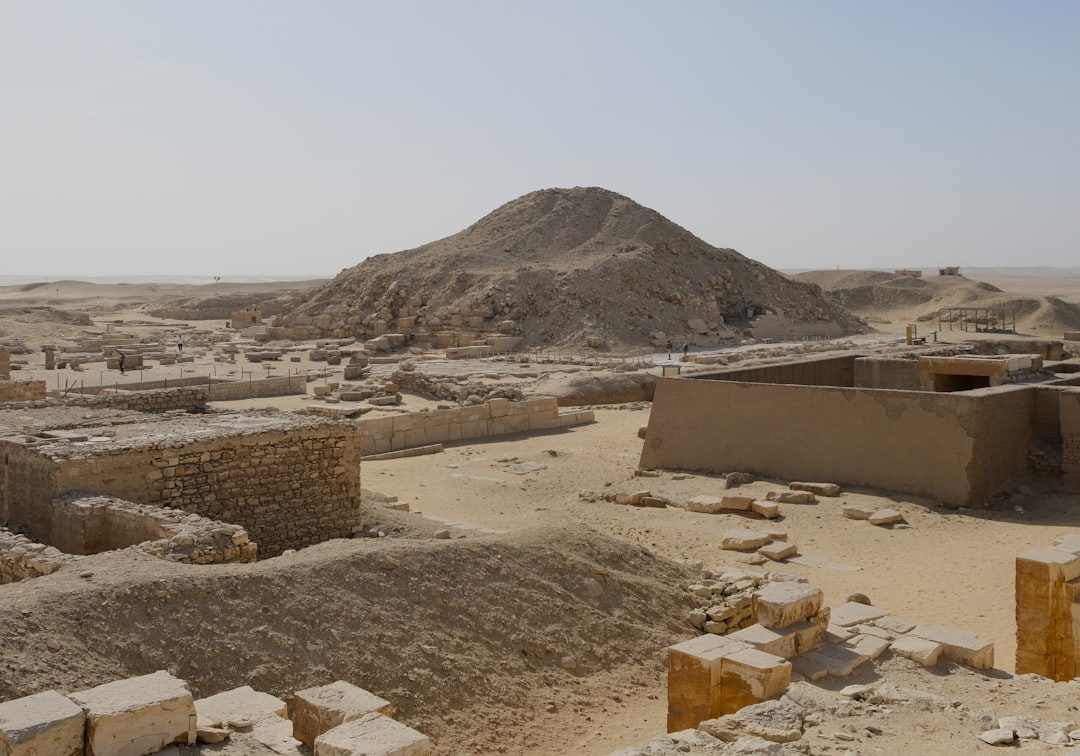
Ancient Greek historian Herodotus wrote in the 5th century BC describing a colossal temple said to contain 3,000 rooms full of hieroglyphs and paintings, saying it surpassed even the pyramids. He claimed to have seen it with his own eyes, describing chambers both above and below ground, filled with countless passages and courts.
Here’s the problem: nobody’s found it. Not properly, anyway. Herodotus wrote that if anyone put together the buildings of the Greeks and display of their labors, they would seem lesser in effort and expense to this labyrinth, stating even the pyramids are beyond words yet the labyrinth surpasses them.
Some researchers believe they’ve identified possible locations near the pyramid of Amenemhat III at Hawara, but nothing matching Herodotus’ description has been excavated. Did it exist? Was he exaggerating? Or is one of the ancient world’s greatest structures still buried beneath Egyptian sand, waiting?
Thonis-Heracleion: The Real Atlantis?
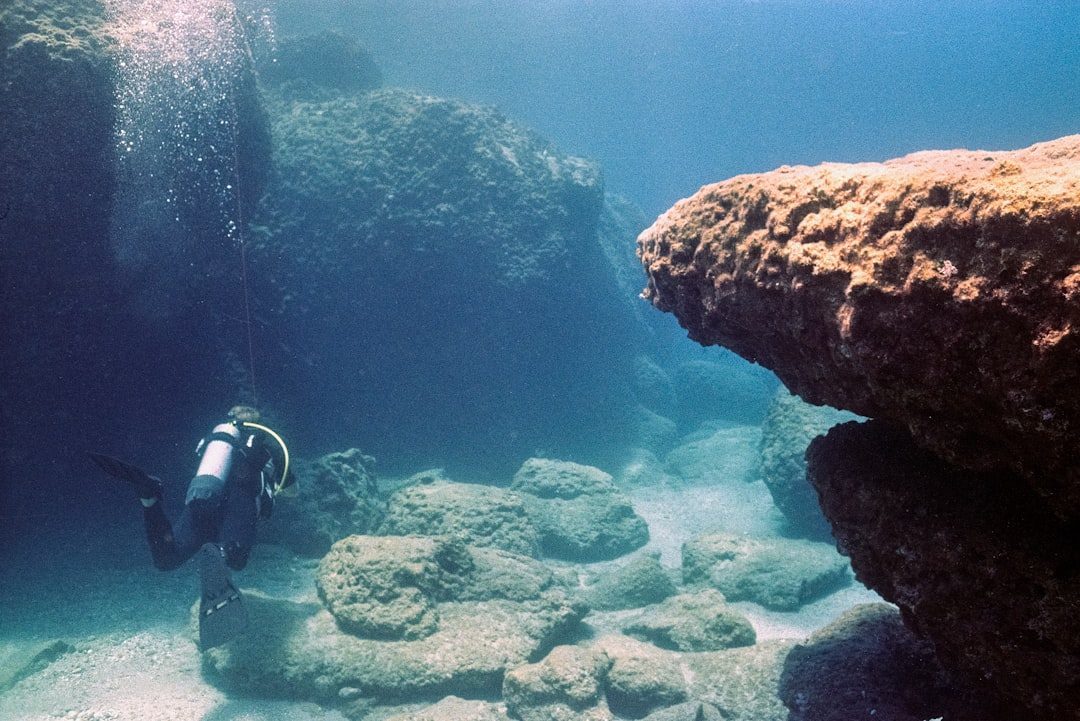
It was not until the early 2000s that a team of divers discovered what can only be explained as the real-world Atlantis, with the port city of Thonis-Heracleion once a thriving port in Ancient Egypt that mysteriously vanished from written records for thousands of years. For over a millennium, the city was completely forgotten, erased from history.
Then suddenly, there it was underwater, remarkably preserved. Massive statues, inscriptions, gold coins, and the remains of ships emerged from the Mediterranean seabed. The city sank around 1,200 years ago, likely due to liquefaction of the soil following earthquakes or tsunamis.
What fascinates researchers is how completely it disappeared from memory. Major Egyptian cities usually left extensive records, but Thonis-Heracleion simply vanished from texts. Did people deliberately forget? Or did something happen so catastrophic that survivors couldn’t pass the story down? The underwater ruins hold answers we’re only beginning to understand.
The Minoan Civilization: Vanished Without a Trace
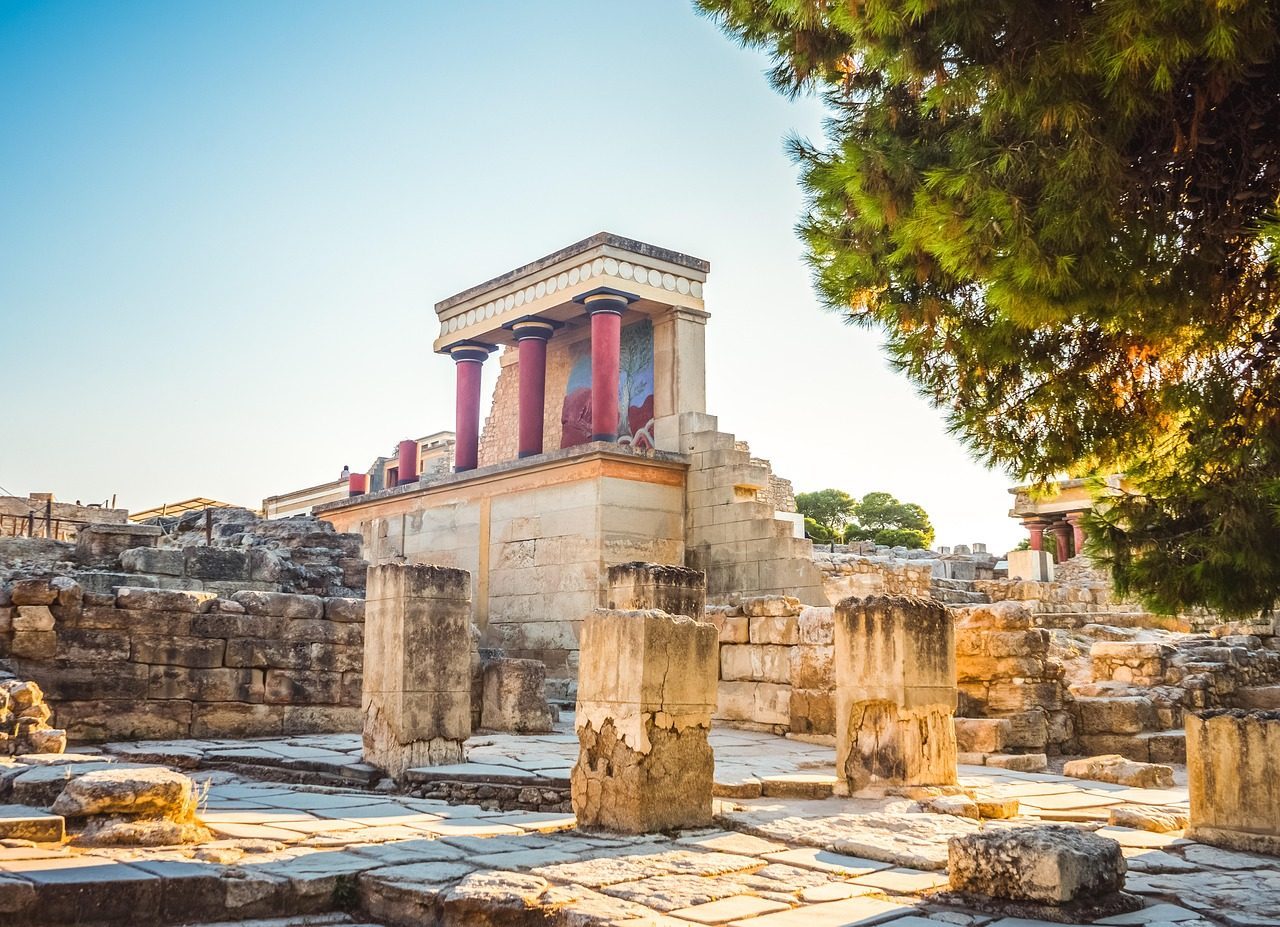
The Minoan civilization lasted for centuries in what is today called Crete in modern Greece, establishing themselves as one of the notable powers in the Ancient Mediterranean Bronze Age, but their civilization disappeared almost as quickly as it appeared. Many of their cities were destroyed in a series of floods, earthquakes, and tsunamis.
The only written language they left behind was something researchers call Linear A, and if it can be cracked, it can open the door to a better understanding of the Minoan people and their untimely fate. Scholars have successfully deciphered Linear B, used by later Mycenaeans, but Linear A remains stubbornly opaque. Every symbol, every inscription holds potential answers locked away.
The Minoans built elaborate palaces, created stunning art, and established far-reaching trade networks. Then, within a generation or two, they were essentially gone. The volcanic eruption at Thera certainly played a role, possibly inspiring the Atlantis legend. Yet the speed and completeness of their collapse continues to puzzle historians. How does an entire sophisticated civilization just vanish?
Conclusion: The Enduring Power of Mystery
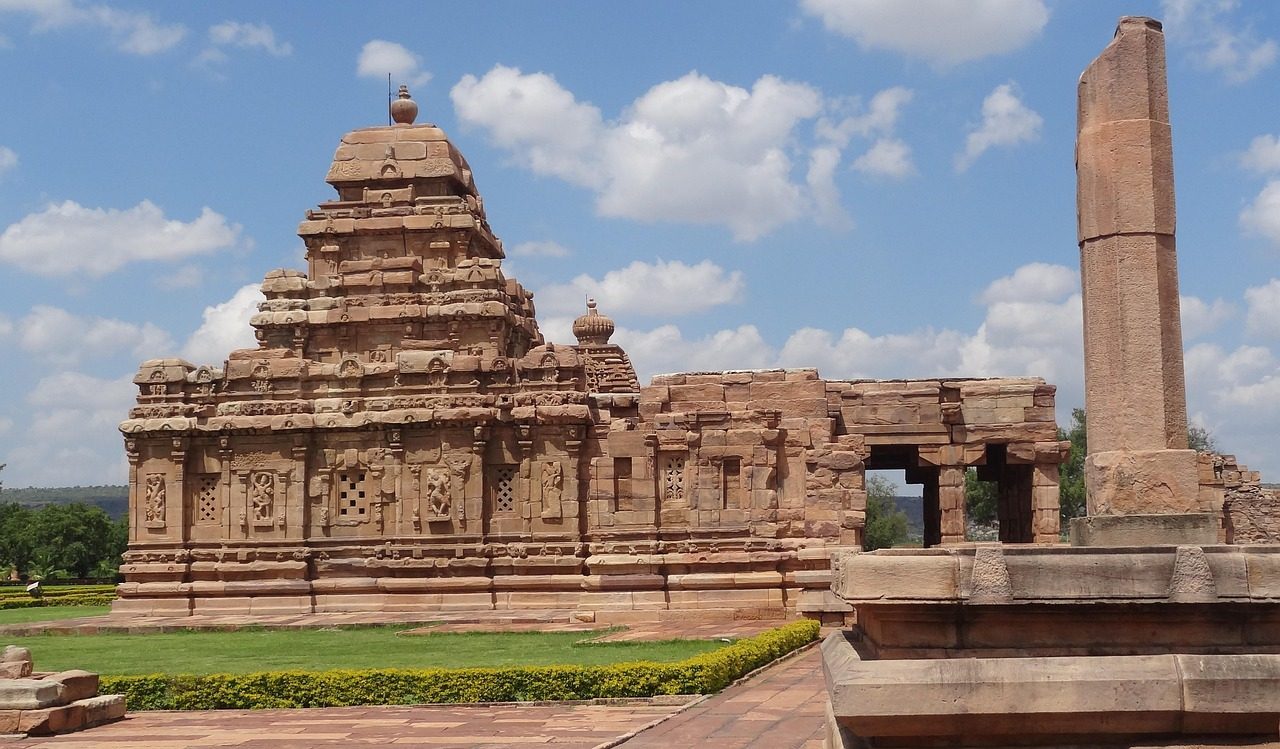
These ten sites represent just a fraction of the ancient mysteries scattered across our planet. From Turkey to Peru, from Malta to Laos, evidence of remarkable human achievement sits alongside questions that may never be fully answered. What did our ancestors know that we’ve forgotten? What drove them to undertake such monumental projects?
Perhaps that’s the real gift these places offer. They humble us, reminding us that human history is far deeper and stranger than we often acknowledge. They challenge our assumptions about progress, suggesting that ancient peoples were every bit as clever, creative, and capable as we are today, just working with different tools and different worldviews.
As technology advances and archaeological methods improve, we’ll undoubtedly solve some of these puzzles. Yet I suspect there will always be mysteries, always sites that refuse to give up their secrets completely. That tension between knowing and not knowing, between evidence and speculation, keeps us searching, keeps us wondering. What do you think these ancient peoples were trying to tell us? Are we even asking the right questions?
Worried about unexpected vet bills?
Pet insurance can cover thousands in unexpected vet costs. Get a free quote from Lemonade in under 2 minutes.
Get My Free Quote →Sponsored · Opens Lemonade.com
