
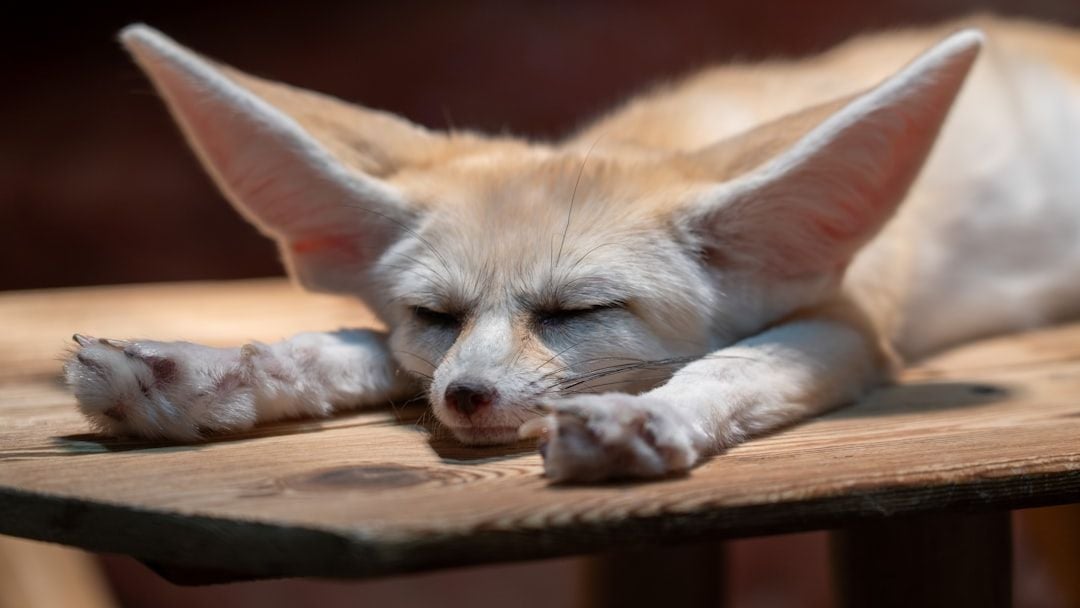
Foxes are far more diverse than most people imagine. When you think about these elusive creatures, you likely picture the classic red fox trotting through a forest or maybe a fluffy white arctic fox against a backdrop of snow. Here’s the thing though: foxes come in an astonishing variety of shapes, sizes, and habitats across the planet. Some foxes have ears nearly as long as their bodies, others can climb trees like cats, and still others thrive in the harshest deserts imaginable.
What makes foxes so fascinating is their incredible ability to adapt to practically any environment. From scorching sand dunes to frozen tundra, from dense woodlands to open grasslands, these clever canids have figured out how to survive where few other predators can. It’s not just about survival, either. Each fox species has developed unique traits that tell the story of millions of years of evolution, crafting specialized hunters perfectly suited to their particular corner of the world. So let’s dive in and explore these remarkable animals, their secret lives, and the wild places where you might just catch a glimpse of them if you’re lucky enough.
Red Fox: The Most Widespread Wild Canid on Earth
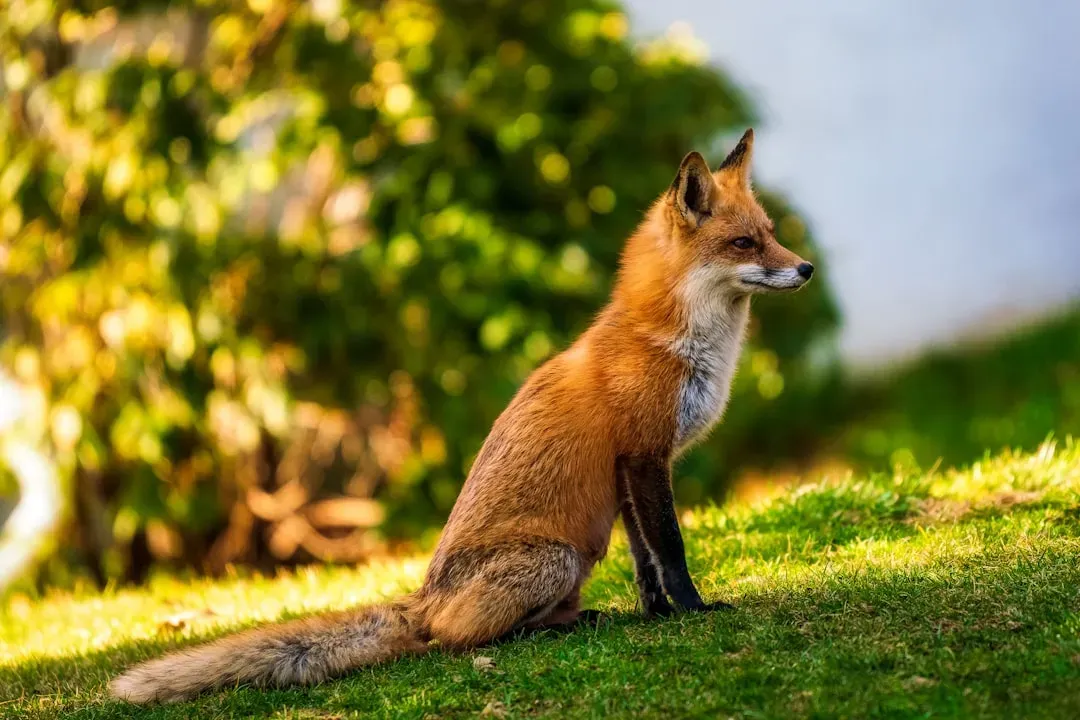
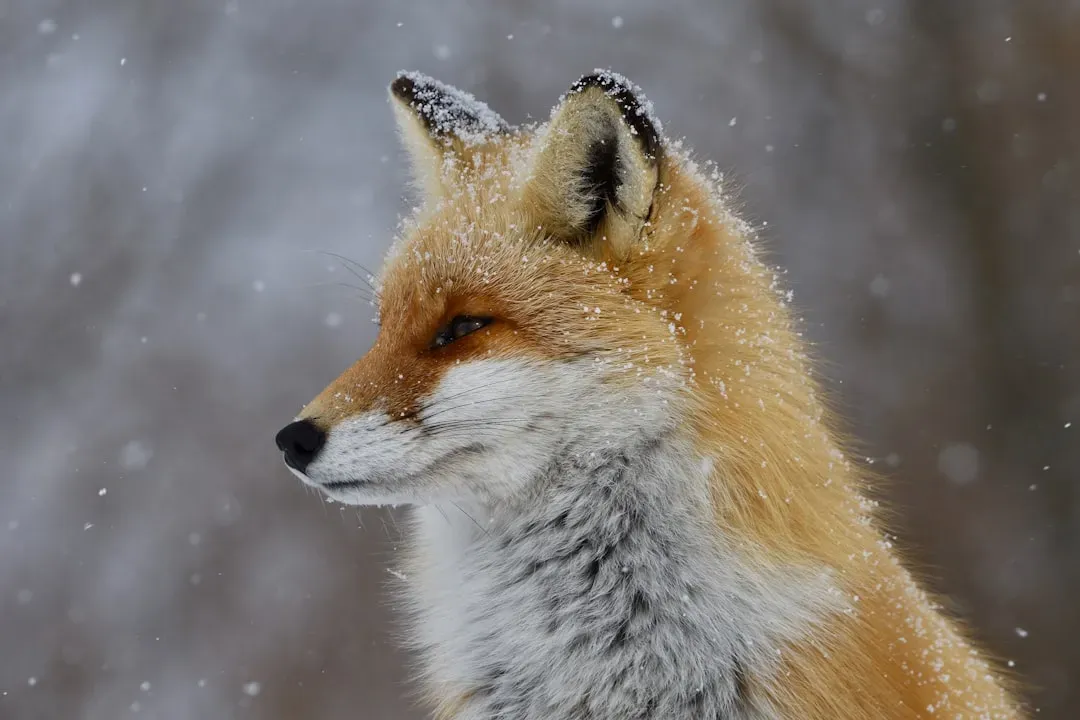
The red fox is the most common and widespread species of fox with about 47 recognized subspecies. This striking species is known for its reddish-orange fur, bushy tail, and black-tipped ears, inhabiting a vast range including North America, Europe, Asia, and North Africa. What’s really impressive about red foxes is their adaptability. They’re equally at home in rural farmland, suburban neighborhoods, dense forests, and even bustling city centers.
Red foxes can be found throughout the continental United States from Alaska to Florida, though the smallest population is in the Southwest. If you want to see one in the wild, try visiting national parks like Yellowstone or exploring woodland edges at dawn or dusk. They prefer farmland, pastures, brushy fields and open forest stands, frequently hunting the edges of these open habitats. Honestly, your best bet might be closer than you think. These foxes have become surprisingly comfortable around humans and increasingly show up in backyards and city parks across North America and Europe.
Arctic Fox: The Master of Frozen Wastelands
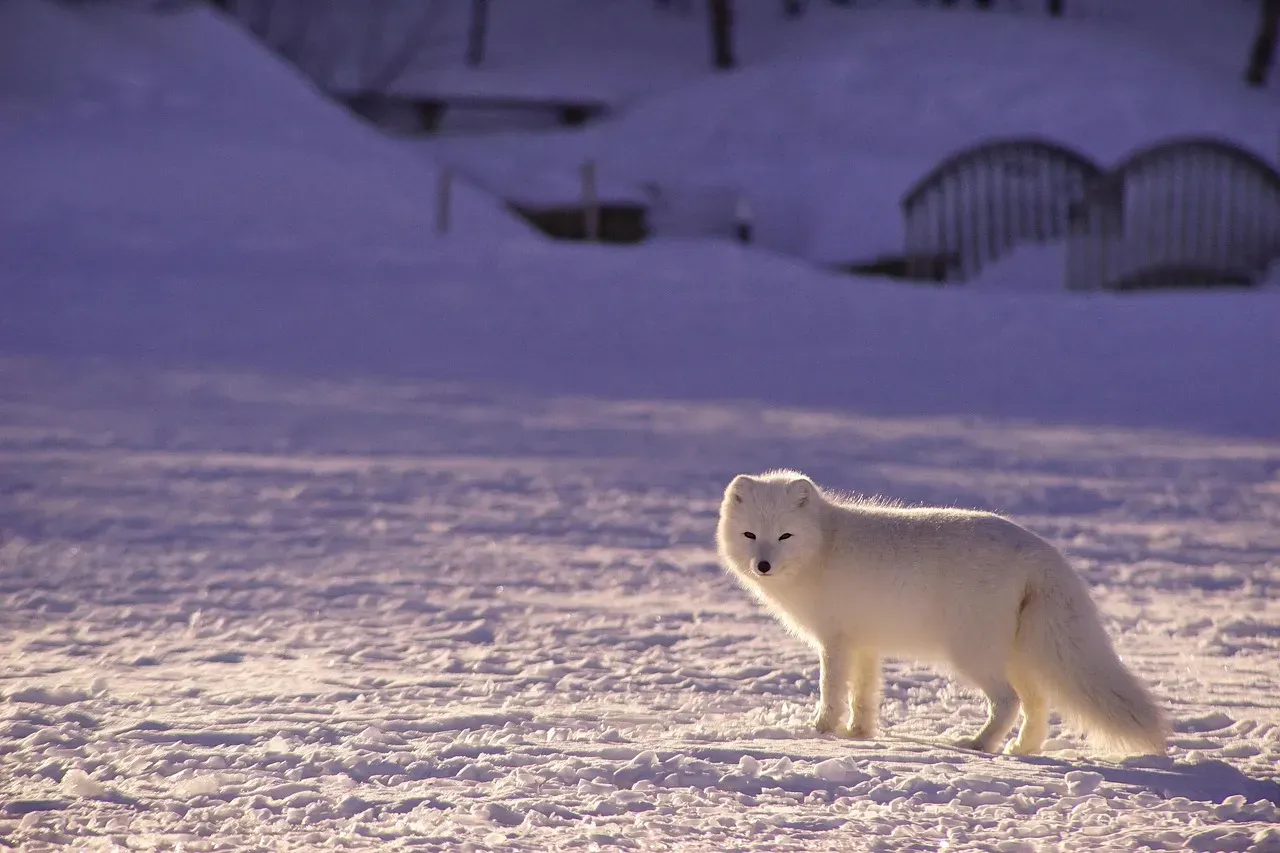
Talk about surviving the impossible. Arctic foxes live in the tundra regions of Alaska, Canada, Greenland, Russia, and Scandinavia, as well as Iceland, and they can survive frigid temperatures as low as -50 degrees Fahrenheit. Their secret weapon is an incredibly thick, insulating coat that changes color with the seasons. Arctic foxes wear a double-layered coat of thick fur that changes from white during winters to brown in the summer.
These compact little foxes have rounded bodies designed to conserve heat, and their ears are much smaller than those of other fox species for the same reason. Found in the Arctic regions of North America, Europe, and Asia, the Arctic fox primarily feeds on lemmings, birds, and carrion. To spot one in the wild, head to the Arctic tundra regions of northern Canada, Greenland, or Iceland during summer months when they’re more active. Winter expeditions to Svalbard can also offer sightings, though you’ll need to bundle up just as well as the foxes do.
Fennec Fox: The Tiniest Desert Dweller
The Fennec Fox is the smallest of all fox types, easily recognized by its enormous ears, which help dissipate heat and locate prey underground, and it’s native to the Sahara Desert and other arid regions of North Africa. Seriously, those ears can be half the length of their entire body. Let’s be real, there’s something almost cartoonish about how disproportionately large they are, yet they serve critical survival functions in one of the planet’s most unforgiving environments.
The fennec fox is distributed throughout the Sahara, from Morocco and Mauritania to northern Sudan, through Egypt and its Sinai Peninsula, inhabiting small sand dunes and vast treeless sand areas with sparse vegetation. These foxes live in deserts and semi-desert habitats with their home range widespread throughout the deserts of the Sahara and throughout North Africa, burrowing into sand dunes during the day to avoid the extreme heat. Spotting one requires a nighttime desert safari in places like Morocco’s Sahara or Tunisia’s desert regions, as they’re primarily nocturnal. You’ll need patience and maybe some local guides who know where fennec families den.
Gray Fox: The Tree-Climbing Wonder
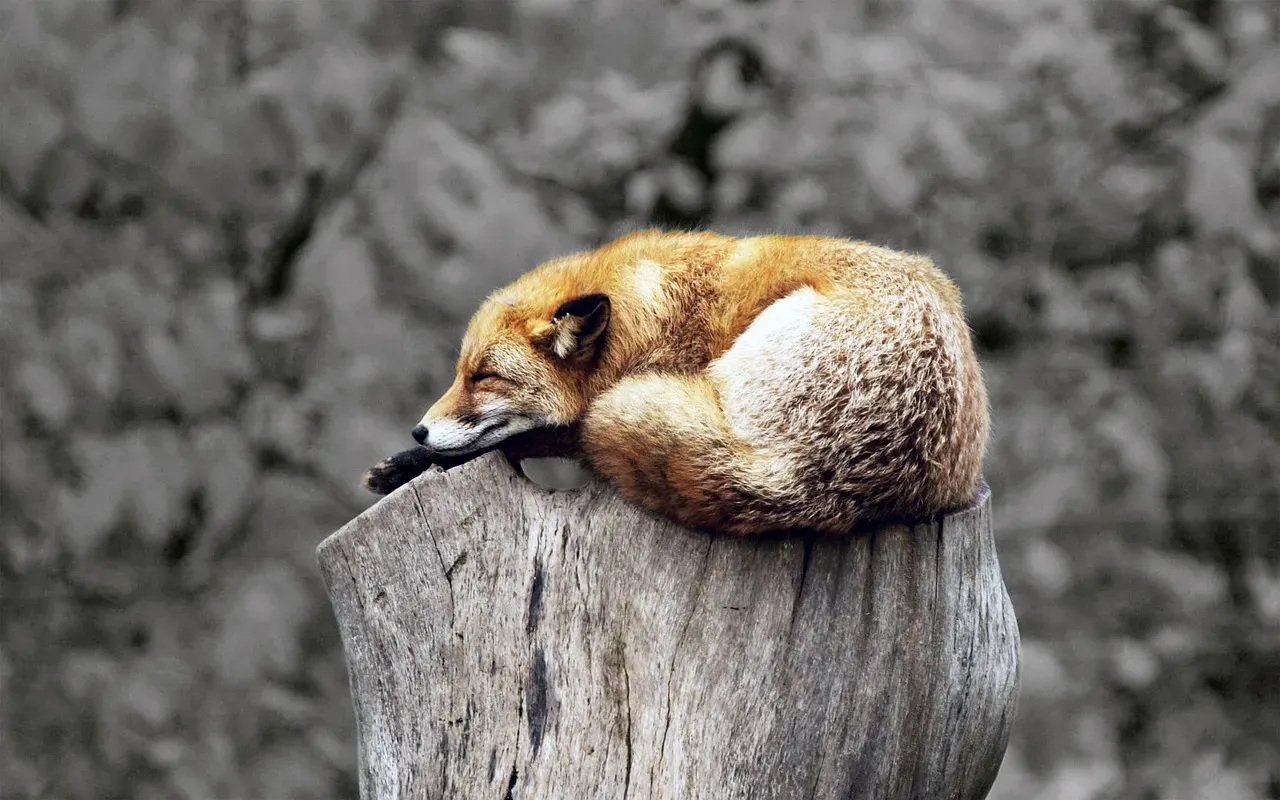
Here’s something that surprises people: not all foxes stay on the ground. The Gray Fox is known for its grizzled gray coat and its remarkable ability to climb trees, and is found in North and Central America. The gray fox is one of only two canine species known to regularly climb trees. They have rotating wrists and semi-retractable claws that allow them to scramble up vertical trunks and even jump from branch to branch.
The Gray fox has a broad distribution throughout North and Central America, preferring to live in wooded, bushy, rocky habitats from southern Canada to Venezuela and Columbia. This preference for forests sets them apart from red foxes, which favor more open terrain. Your best chance of seeing gray foxes is in deciduous forests and woodland areas of the eastern United States, particularly in places with rocky outcrops and dense brush. They’re more secretive than red foxes, so spotting one feels like winning a wildlife lottery.
Kit Fox: The Southwest’s Smallest Canine
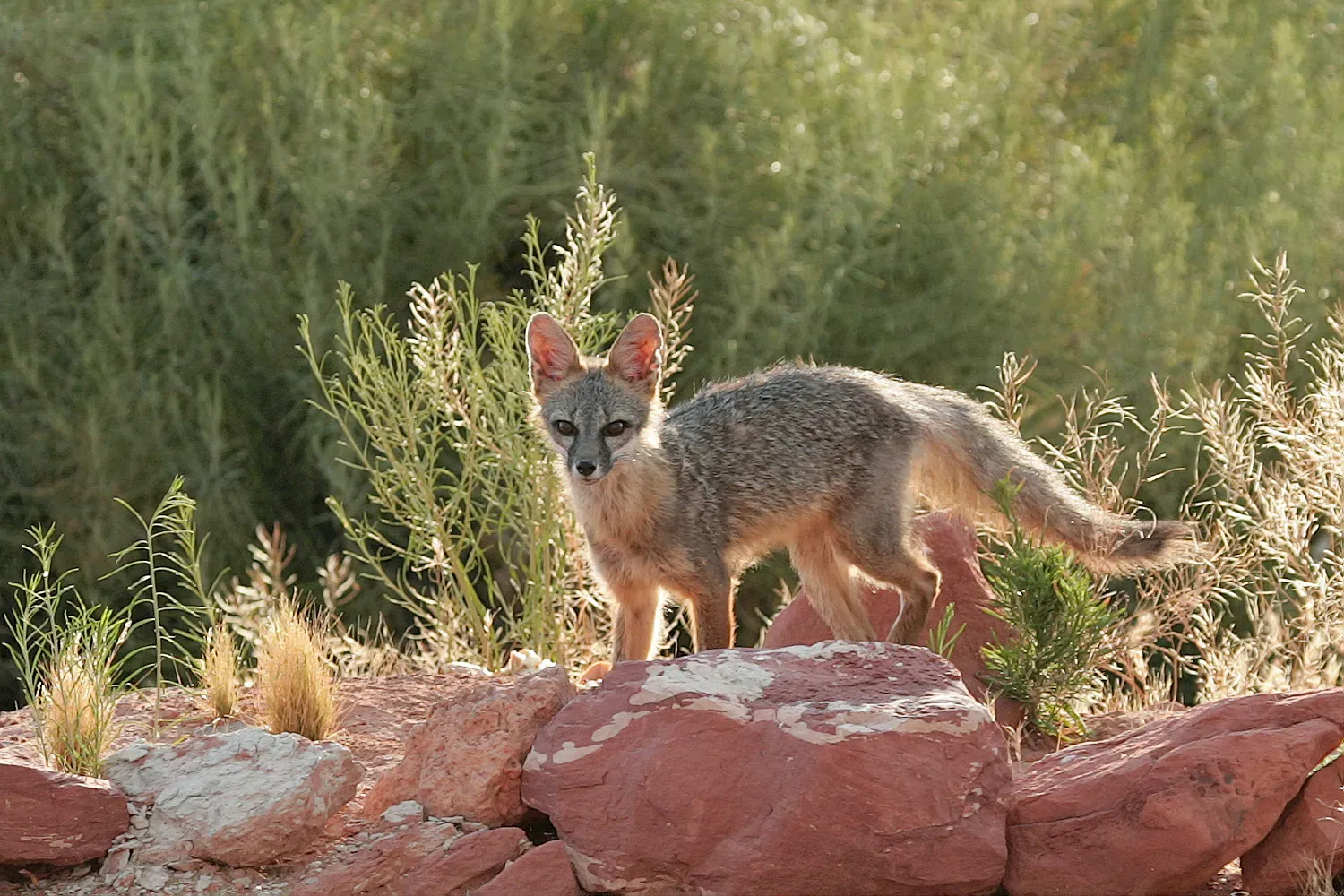
The kit fox is a small mammal of the Southwest desert weighing only about three to six pounds, making them about the size of a full-grown jackrabbit, and the smallest fox in North America. They’re perfectly engineered for desert survival with their pale gray to yellowish coats that blend seamlessly into sandy landscapes. Kit foxes occupy sparsely-covered, semi-desert shrublands of saltbrush, shadscale and greasewood, spending most of their days in dens scattered around the landscape.
The northernmost part of its range is the arid interior of Oregon, with its eastern limit being southwestern Colorado, and it can be found south through Nevada, Utah, southeastern California, Arizona, New Mexico, and into western Texas. If you want to see kit foxes in the wild, try California’s Mojave Desert or Colorado Desert, particularly in areas with loose, sandy soil where they can easily dig their extensive den systems. Good places to see Kit foxes in the wild are California’s Mojave and Colorado deserts.
Swift Fox: The Prairie Speedster
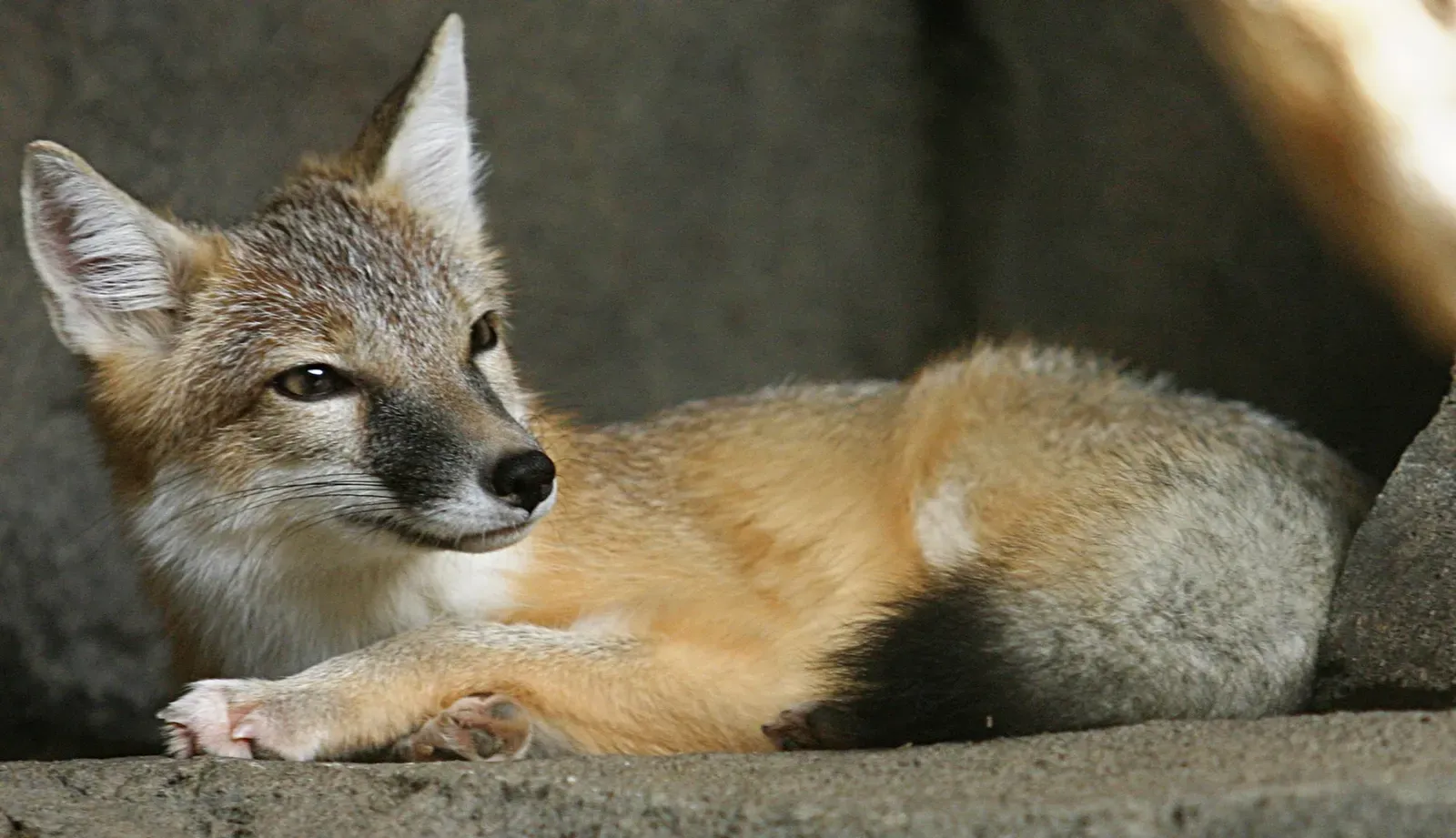
The swift fox is a small light orange-tan fox around the size of a domestic cat found in the western grasslands of North America, such as Montana, Colorado, New Mexico, Kansas, Oklahoma and Texas, and it also lives in southern Manitoba, Saskatchewan and Alberta in Canada. Don’t let their diminutive size fool you. These foxes are built for speed, though the name is somewhat misleading since their quickness comes more from agility and sudden direction changes than pure velocity.
The swift fox is native to the shortgrass and midgrass prairie ecosystems of the Great Plains region of North America, with its historical range extending from central Alberta to central Texas and from western Iowa and Minnesota to central Colorado. The swift fox lives in short-grass prairies and western grassland, forming their dens in sandy soil on open prairies, in plowed fields, or along fences. To observe them, head to shortgrass prairie regions in eastern Colorado, western Kansas, or parts of the Texas Panhandle. They’re most active at dawn and dusk, emerging from their dens to hunt.
Fennec’s Cousin: The Pale Fox of the Sahel
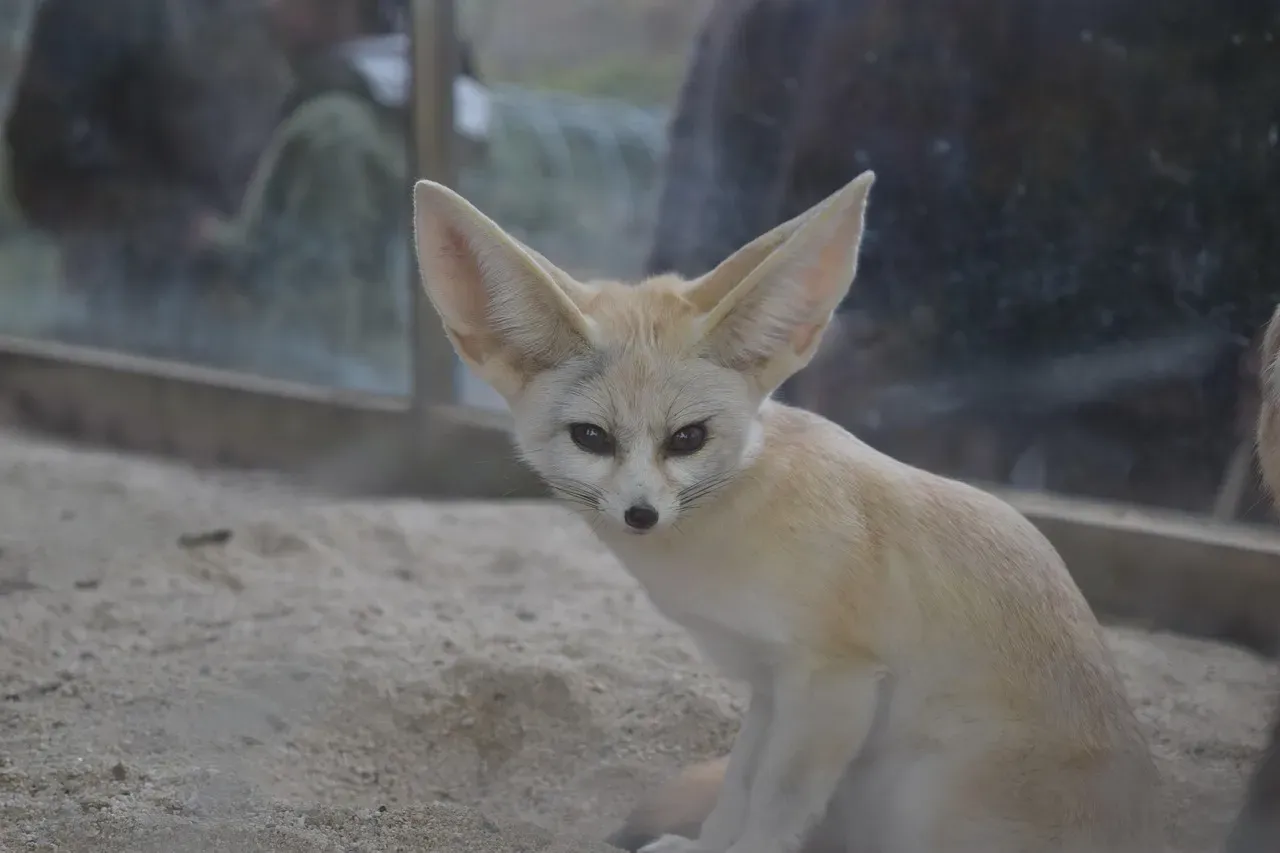
The pale fox is one of the least-studied canines in the world, living in a very remote part of the African Sahel between Sudan and Senegal, and the species prefers arid environments where its pale fur can blend in with the desert sand. This elusive creature remains shrouded in mystery compared to its better-known relatives. Its sandy coloration provides excellent camouflage in the sparse, sun-bleached landscapes it calls home.
The Pale Fox is a Vulpes species found in the Sahel region of Africa, and due to the remoteness of its habitat, very little has been studied about its behavior. The Sahel is that narrow band of semi-arid land stretching across Africa just south of the Sahara. Spotting a pale fox requires serious dedication, likely involving expeditions to remote areas of Mali, Niger, or Chad. These aren’t tourist-friendly regions, and sightings are incredibly rare even for researchers who specifically seek them out.
Blanford’s Fox: The Cliff-Dwelling Acrobat
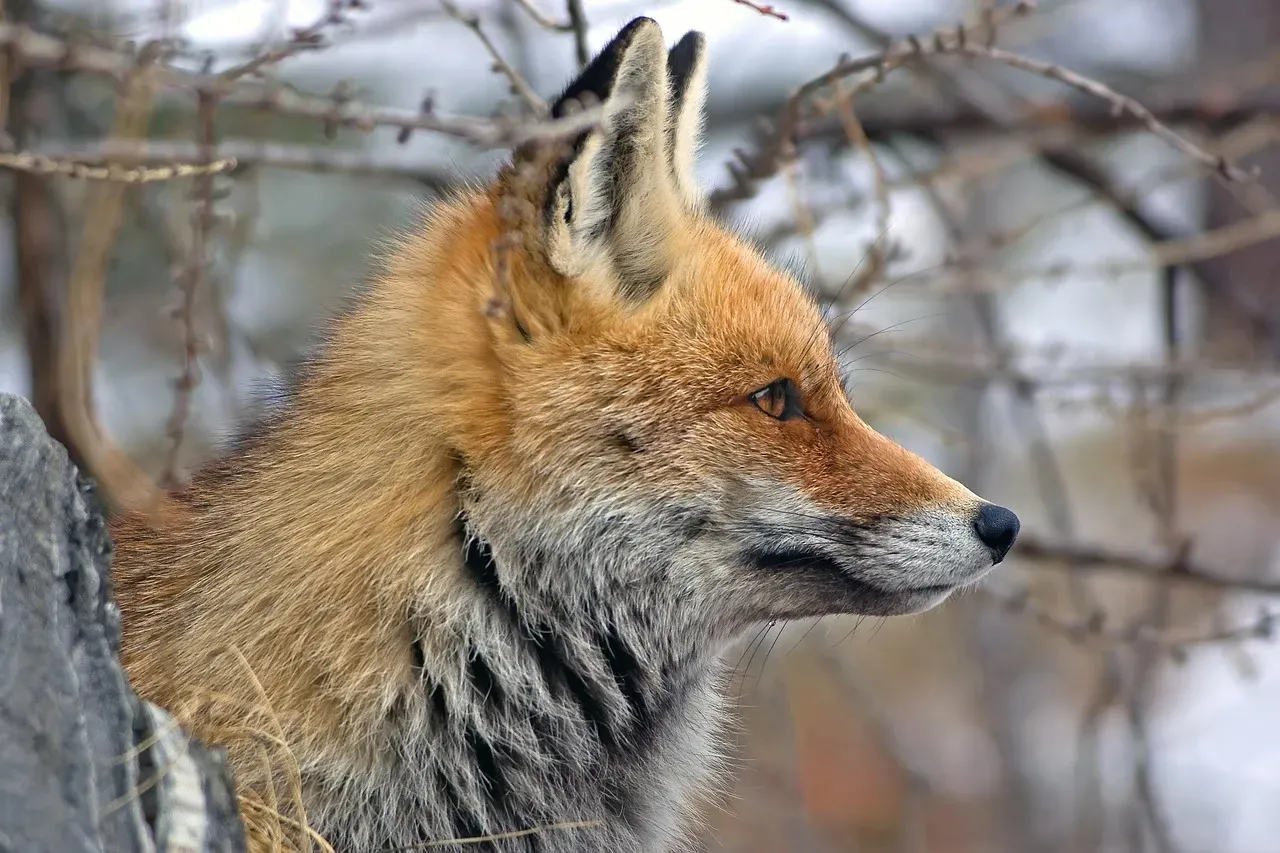
The Blanford’s fox is one of the smallest types of foxes in the world, occurring in the Middle East and Central Asia from Israel throughout the mountainous regions to Afghanistan, and it prefers areas with steep, rocky slopes, cliffs, and canyons. What makes this species truly remarkable is its climbing ability. It is an agile climber able to jump up to 3 meters between narrow ledges along sheer cliff walls, and it has the sharpest claws among all species of foxes.
These nocturnal foxes have adapted to life on vertical landscapes where few predators can follow. Also known as the Afghan fox, dog fox, king fox, and other names, the Blanford’s Fox is a small species living in parts of Central Asia and the Middle East, with its habitat including mountains, steppes, and semi-arid plains regions. Seeing one requires traveling to rocky desert areas in Israel, Jordan, Oman, or parts of Iran. Wildlife tours focusing on Middle Eastern fauna sometimes offer opportunities to spot them, though their nocturnal nature and preference for inaccessible terrain make sightings challenging.
Cape Fox: Southern Africa’s Arid Land Specialist
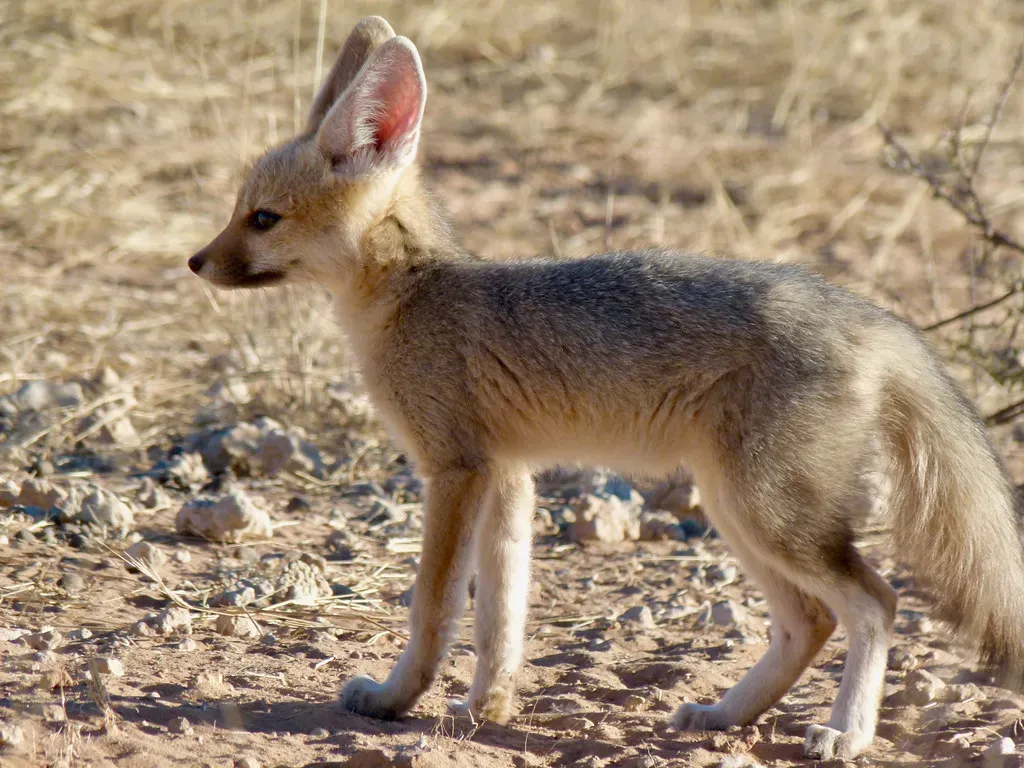
The Cape fox is a small species of fox native to southern Africa, and it is the only “true fox” occurring in sub-Saharan Africa, retaining primitive characteristics of Vulpes. Also known as the silver-backed or cama fox, the Cape Fox occurs in the open country habitats of Southern Africa with significant populations in South Africa, Zimbabwe, and Botswana, and has a black-tipped tail and a silver gray fur with yellow sides.
The Cape fox is nocturnal and most active just before dawn or after dusk, typically sheltering in burrows underground, holes, hollows, or dense thickets during the day. For wildlife enthusiasts hoping to see one, the Kalahari Desert region offers your best chances. National parks in South Africa, particularly those in arid regions, occasionally provide sightings during guided night drives. In South Africa, Bat-eared foxes are most often seen in the dry centre of the country, in the Cape fynbos and the Kalahari, and they are often seen on private nature reserves.
Bat-Eared Fox: The Insect-Eating Oddity
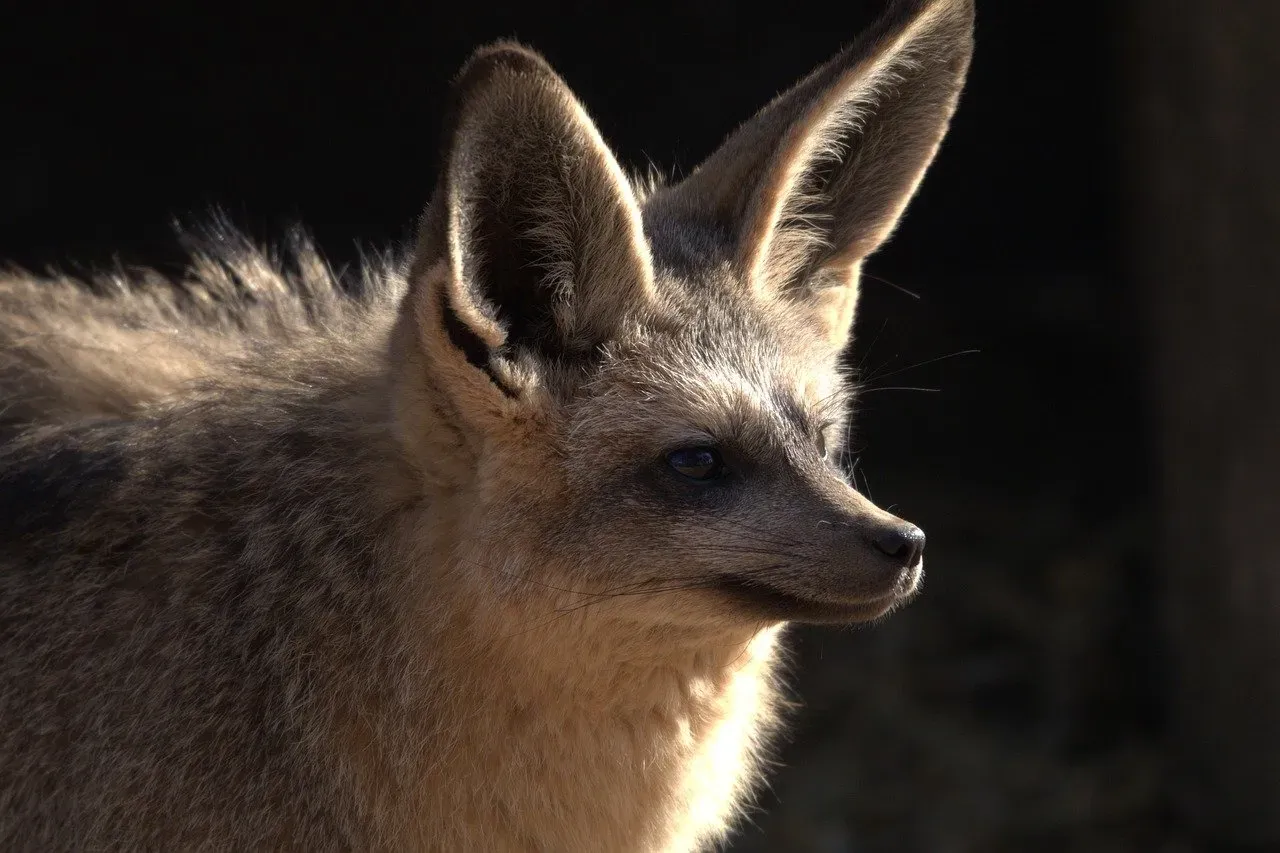
This fox is unlike any other canid on the planet. The Bat-eared fox is native to the African savannah, easily recognizable by its huge ears second in size only to the Fennec fox, and is distributed across two distinct populations including Sudan, Ethiopia, Somalia, Uganda, and Kenya, and another in Southern Africa including Namibia, Angola, Botswana, South Africa, Mozambique, and Zimbabwe. This odd-looking fox is the only canid in the world with an entirely insectivorous diet that consists 80% of termites, and it has more teeth (50) than any other type of fox or any other placental mammal.
They are commonly found in short grasslands, as well as the more arid regions of the savannas, along woodland edges, and in open acacia woodlands, preferring bare ground and areas where grass is kept short by grazing ungulates. You can observe bat-eared foxes in East African savannas, particularly in Tanzania’s Serengeti or Kenya’s Masai Mara. A good place to see bat-eared foxes in the wild is Karoo National Park in South Africa. They’re active both day and night depending on the season, making them easier to spot than many fox species.
Corsac Fox: The Nomadic Steppe Wanderer
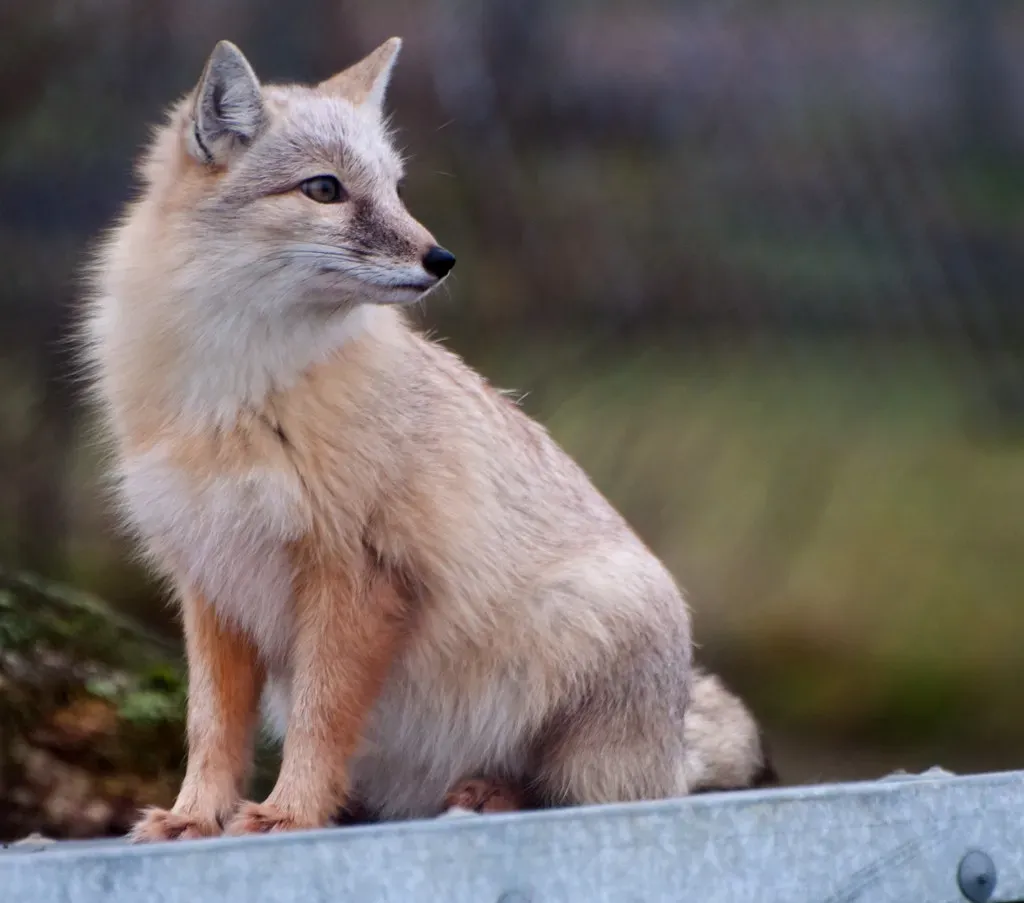
Corsac foxes live in the steppes and semidesert of central and northeast Asia, found throughout Kazakhstan, Uzbekistan, and Turkmenistan, and through all except the northernmost regions of Mongolia. In the south, their range extends into the more northern parts of Iran, Tajikistan, Kyrgyzstan, Afghanistan, and China, and they can also be found in neighbouring regions of Russia. Unlike most fox species that are territorial, corsac foxes are nomadic and sometimes form packs.
These foxes inhabit open grassy steppes and semideserts, avoiding dense vegetation and mountainous regions, and true deserts with drifting sands are also avoided, as are snowfields more than about 15 cm deep. Seeing corsac foxes requires venturing into the remote steppes of Mongolia or Kazakhstan. Most sightings occur on wildlife watching trips in Mongolia. They’re elusive animals in vast, sparsely populated landscapes, so hiring local guides familiar with their movements increases your chances significantly.
Tibetan Sand Fox: The High-Altitude Enigma
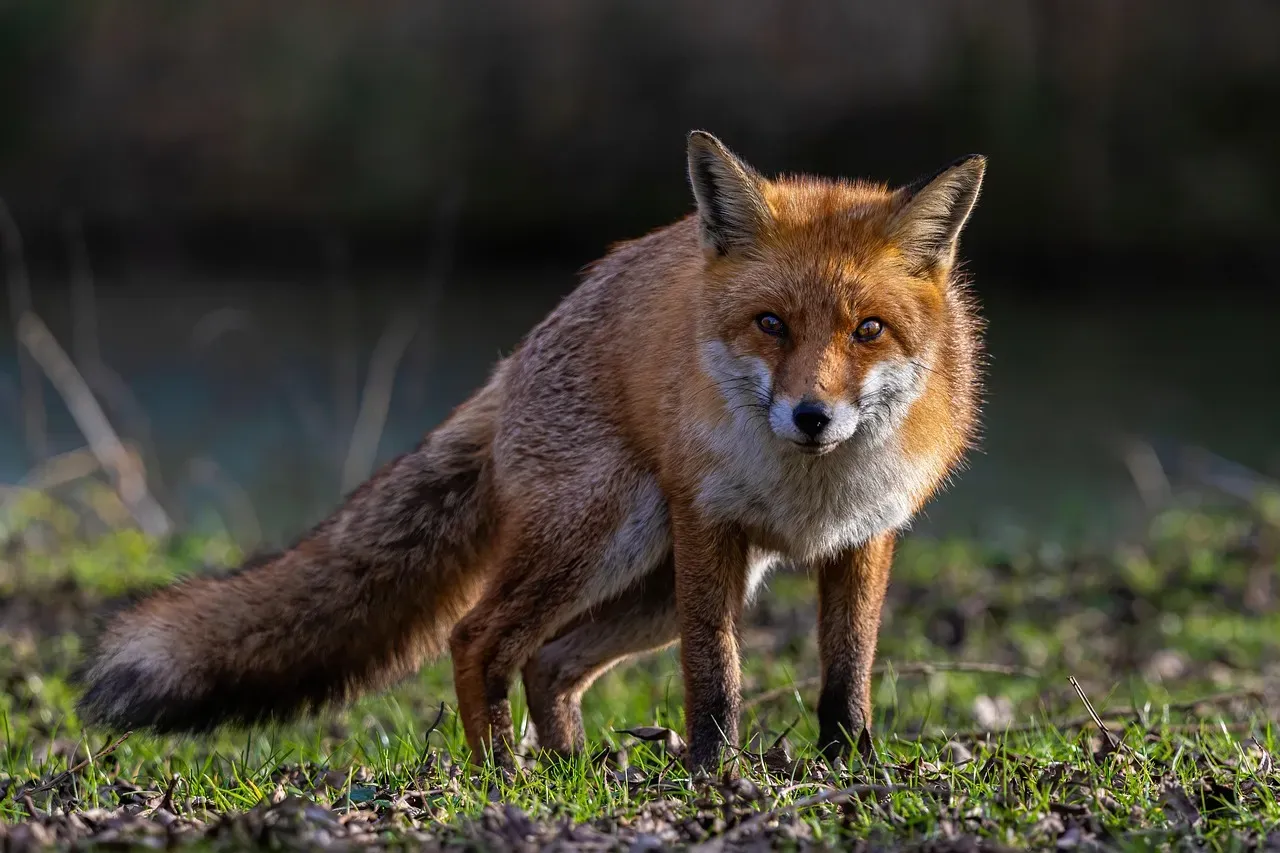
The Tibetan sand fox inhabits the high-altitude Tibetan Plateau, one of the most inhospitable environments on Earth. Living at elevations exceeding 4,000 meters, these foxes endure extreme cold, intense solar radiation, and thin air that would leave most mammals gasping. Their thick, woolly coats provide essential insulation against the harsh climate, while their compact build minimizes heat loss in the frigid mountain environment.
This species has a distinctive square-shaped face and small, narrow eyes that give it an almost perpetually unimpressed expression. Tibetan sand foxes primarily hunt plateau pikas, small rabbit-like mammals that share their high-altitude habitat. Observing them in the wild requires expeditions to remote areas of the Tibetan Plateau in China, typically at elevations where altitude sickness becomes a real concern for human visitors. Wildlife tours focusing on rare Tibetan species occasionally venture into these regions, though political restrictions and accessibility challenges make such trips logistically complex.
Rüppell’s Fox: The Arabian Desert Survivor
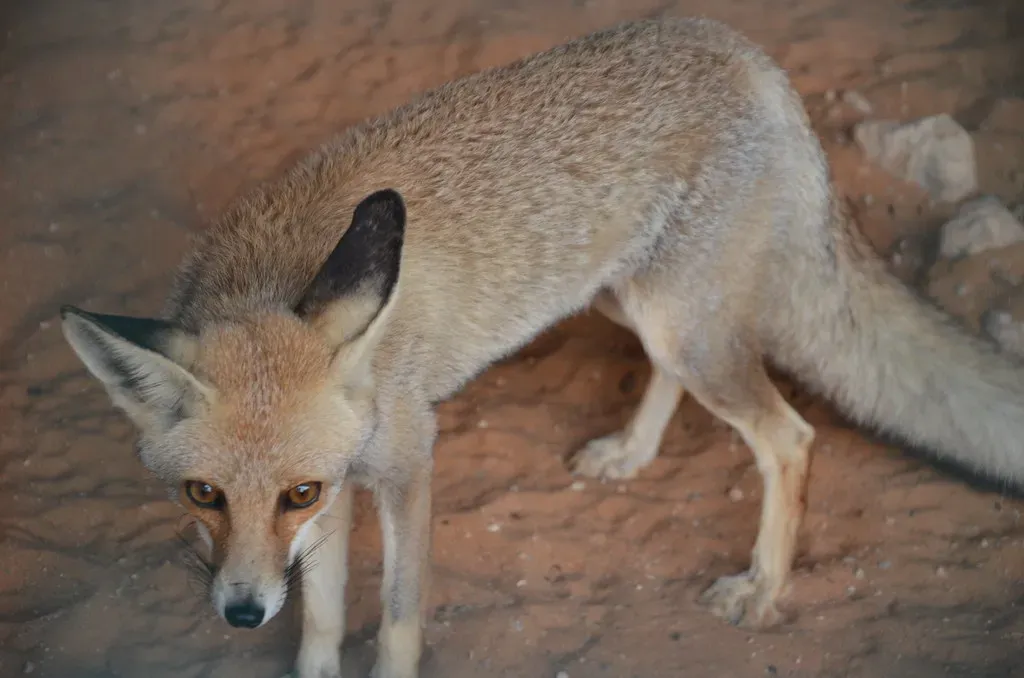
Rüppell’s fox occupies some of the driest desert regions across North Africa and the Arabian Peninsula. These medium-sized foxes have adapted to extreme aridity, capable of surviving without access to standing water by obtaining all necessary moisture from their prey. Their large ears help dissipate heat, much like their fennec cousins, though Rüppell’s foxes are considerably larger and more robust.
This species ranges across the Sahara Desert, the Arabian Desert, and eastward into parts of Afghanistan and Pakistan. They’re opportunistic omnivores, feeding on insects, small mammals, birds, and whatever vegetation they can find. Their sandy-colored fur with silver guard hairs provides excellent camouflage against desert terrain. Spotting Rüppell’s foxes in the wild typically requires night drives in protected desert areas of Morocco, Oman, or the United Arab Emirates, where they sometimes appear near desert camps or wadis where prey concentrates.
Island Fox: California’s Miniature Endemic
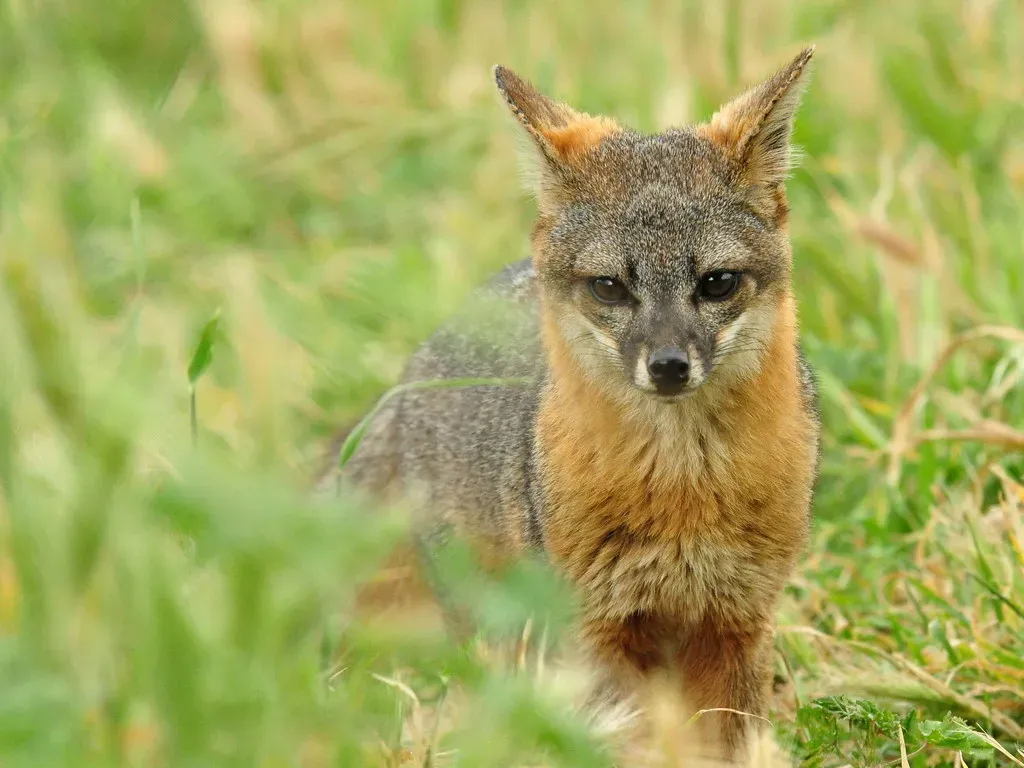
The island fox is one of North America’s smallest fox species and exists only on six of California’s Channel Islands. The island fox, though considered a near-threatened species throughout the world, is becoming increasingly endangered in its endemic environment of the California Channel Islands. These diminutive foxes evolved from gray foxes that colonized the islands thousands of years ago, then underwent rapid dwarfism as they adapted to limited island resources.
Each island population has developed into a distinct subspecies, making these foxes a living laboratory of evolution. They’re diurnal, unlike most fox species, which makes them easier to observe during daylight hours. Visiting Channel Islands National Park offers opportunities to see them, particularly on Santa Cruz Island where recovery programs have successfully brought populations back from the brink of extinction. Camping on the islands and hiking established trails during early morning hours provides your best chances of encountering these charismatic miniature foxes.
Bengal Fox: India’s Grassland Specialist
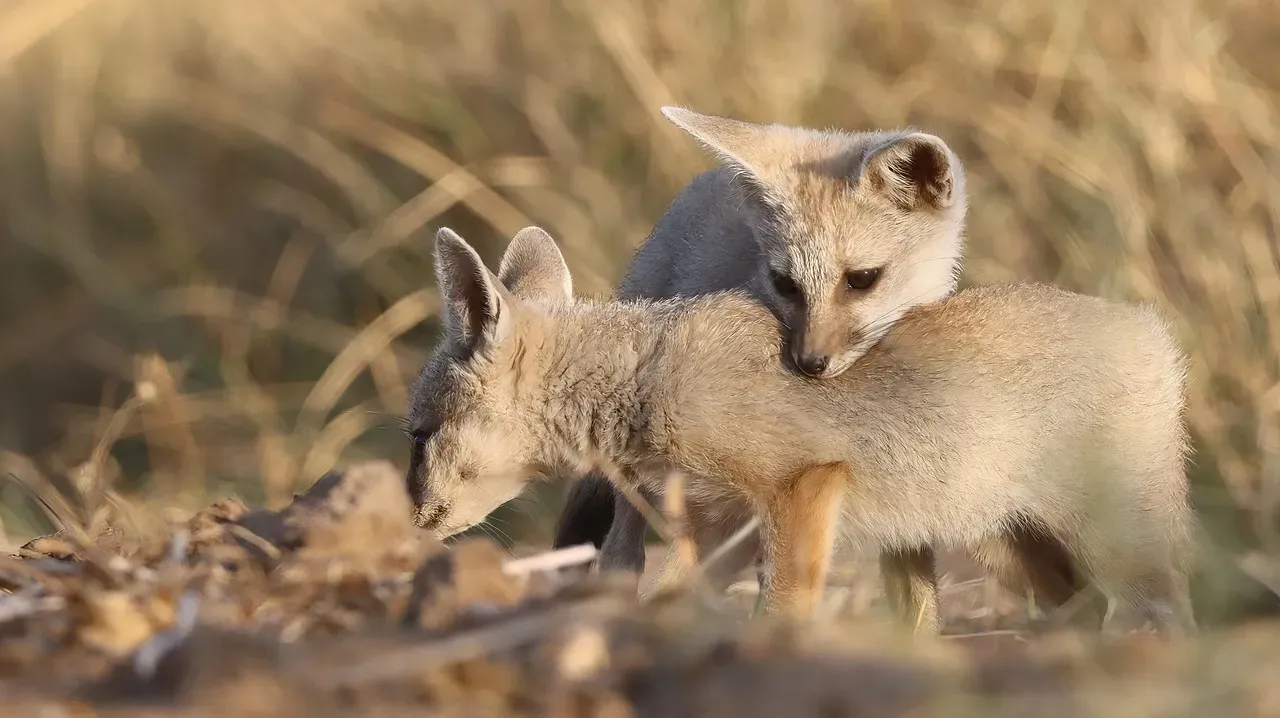
The Bengal fox ranges across the Indian subcontinent, from the foothills of the Himalayas southward through India, Nepal, and Pakistan. These medium-sized foxes prefer semi-arid grasslands, scrub forests, and agricultural areas where they can dig their extensive underground burrow systems. Unlike many fox species, Bengal foxes are highly social, often living in small family groups and maintaining complex den networks with multiple entrances.
They’re active mainly at dawn and dusk, hunting rodents, birds, insects, and occasionally scavenging on larger carcasses. Their grayish-brown coats blend perfectly with the dusty, sun-baked landscapes they inhabit. Bengal foxes face increasing pressure from habitat loss as agricultural expansion transforms their grassland homes. Wildlife enthusiasts can spot them in grassland reserves and agricultural regions throughout India, particularly in states like Rajasthan, Gujarat, and parts of Maharashtra. National parks that include grassland habitats sometimes offer sightings during safari drives.
Conclusion: Protecting Earth’s Remarkable Fox Diversity
The extraordinary diversity of fox species reveals nature’s incredible capacity for adaptation and specialization. From the fennec’s enormous ears radiating desert heat to the arctic fox’s seasonal camouflage, from the gray fox’s tree-climbing abilities to the bat-eared fox’s termite-focused diet, each species tells a unique evolutionary story. These remarkable canids have conquered nearly every terrestrial habitat on Earth except Antarctica, demonstrating resilience and versatility that few other mammal groups can match.
Seeing foxes in their natural habitats offers glimpses into ecosystems functioning as they have for millennia. It reminds us why conservation matters. Many fox species face mounting pressures from habitat loss, climate change, and human-wildlife conflict. Still, there’s hope in the success stories, like the island fox’s recovery and reintroduction programs bringing swift foxes back to Canadian prairies. The next time you venture into wild places, keep your eyes open at dawn or dusk. You might just spot one of these incredible survivors going about their ancient business, carrying on traditions millions of years in the making. Did any of these foxes surprise you with their unique abilities or extreme habitats?

- Can Animals Truly Predict Major Weather Events Before Humans? - July 18, 2026
- 15 Types of Foxes And Where To See Them in The Wild - July 18, 2026
- 7 Incredible Ways Animals Communicate That We Are Just Beginning to Understand - July 18, 2026