
Standing before a living monument that has witnessed millennia is not something most people get to experience in their lifetime. Yet tucked away in the misty forests of California’s Sequoia National Park, there exists a tree so massive, so ancient, that it challenges everything we think we know about the natural world. The General Sherman Tree isn’t just big. It’s the biggest living tree on Earth, measured by sheer volume. Forget the tallest or the widest for a moment. This tree owns the record that truly matters when we’re talking about the absolute amount of living wood on the planet. What makes this particular giant sequoia so special, though? Let’s dive in and discover some remarkable facts about this natural wonder.
It’s Not the Tallest, But It’s Definitely the Biggest
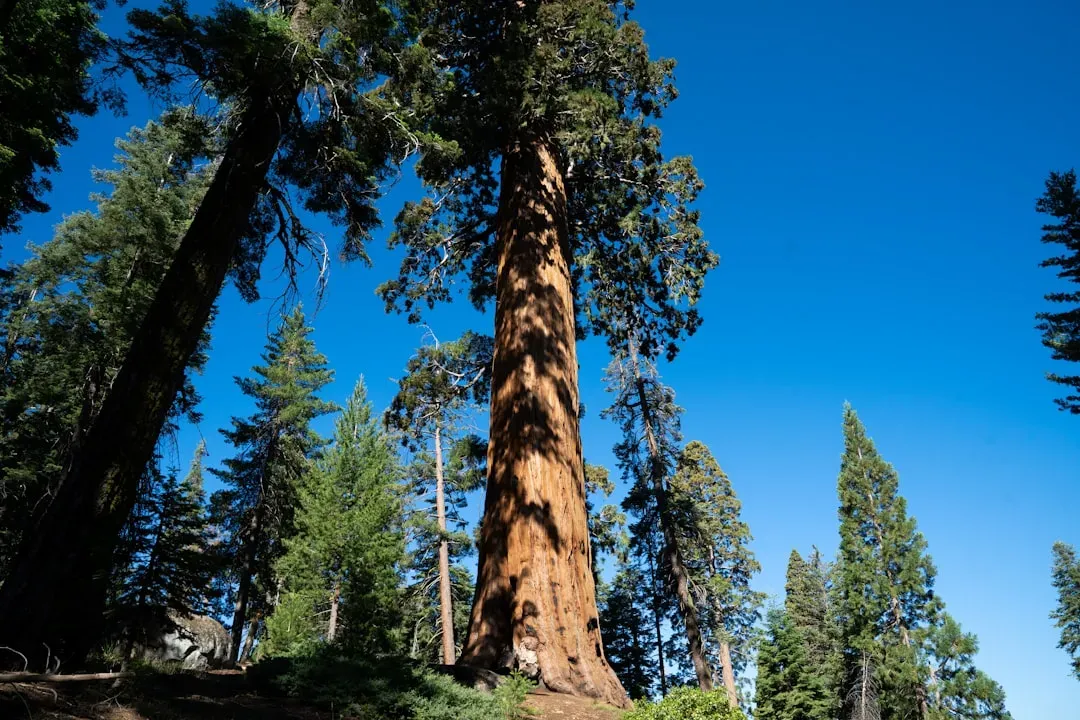
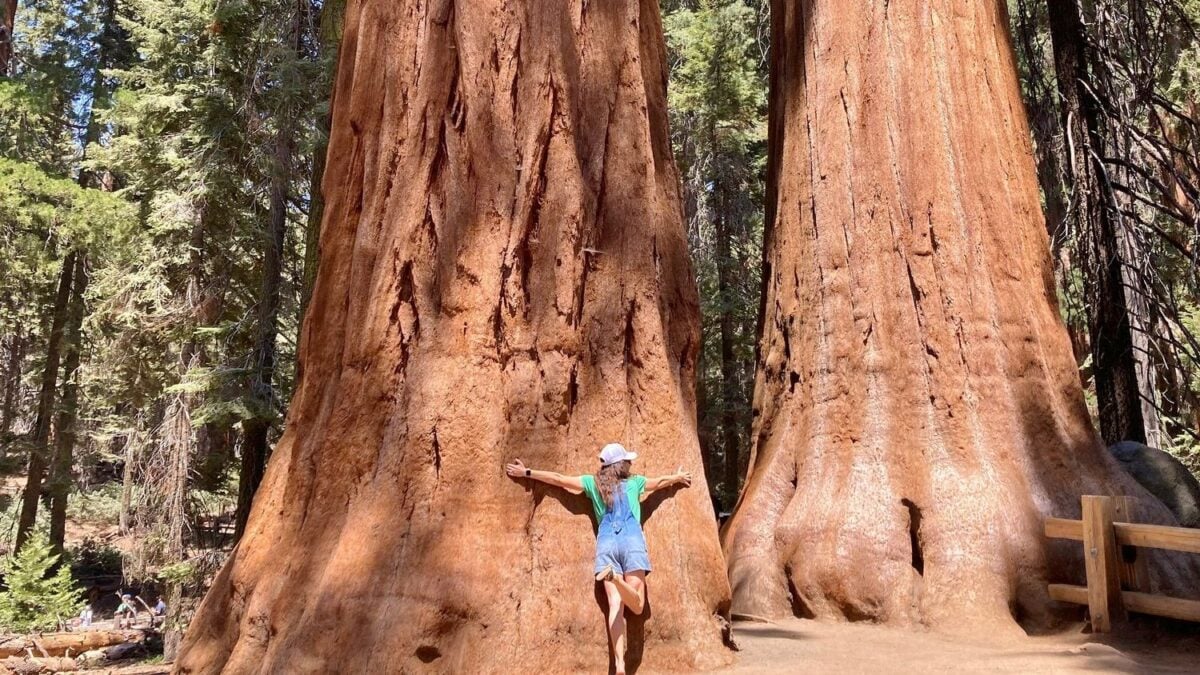
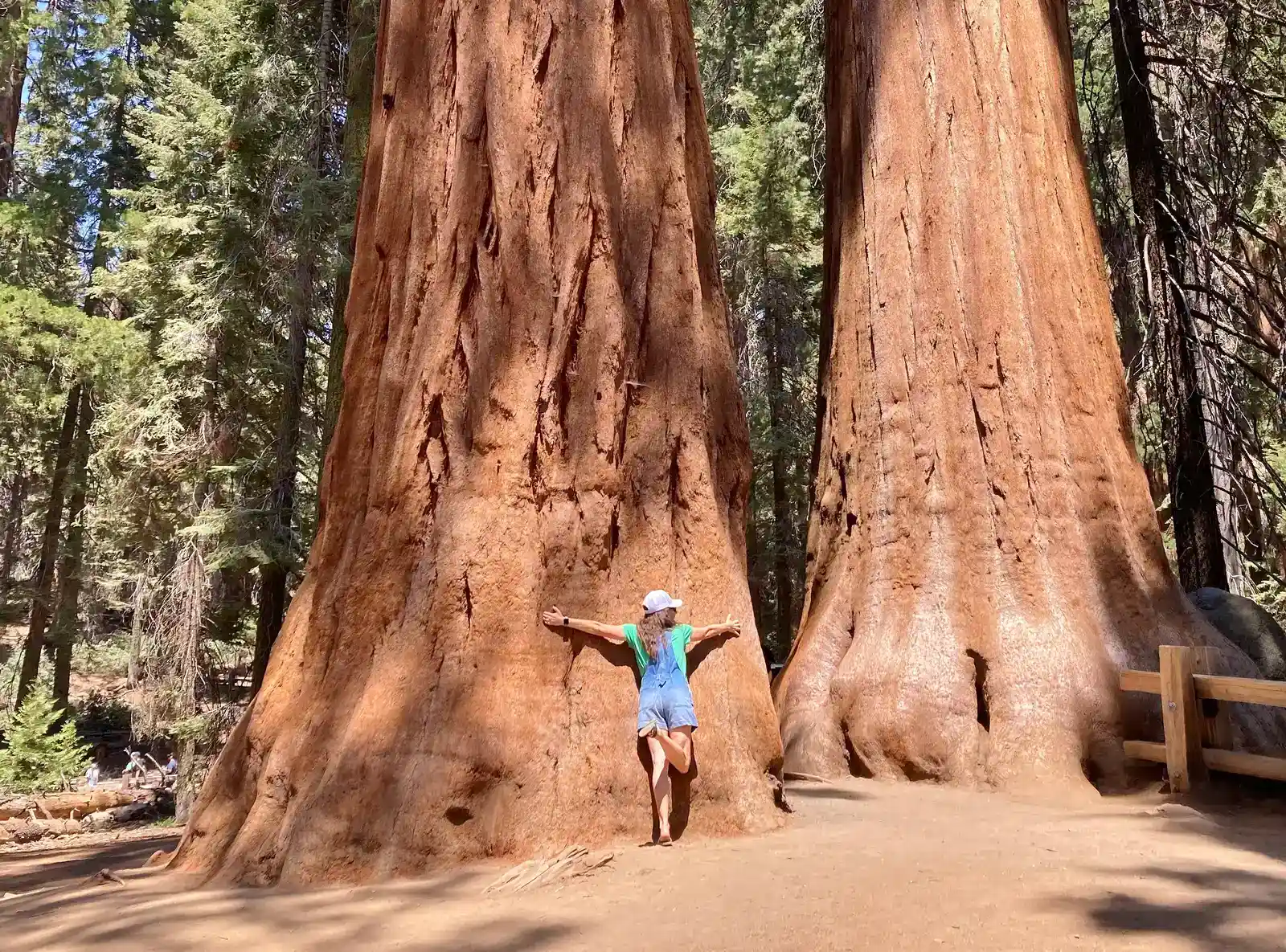
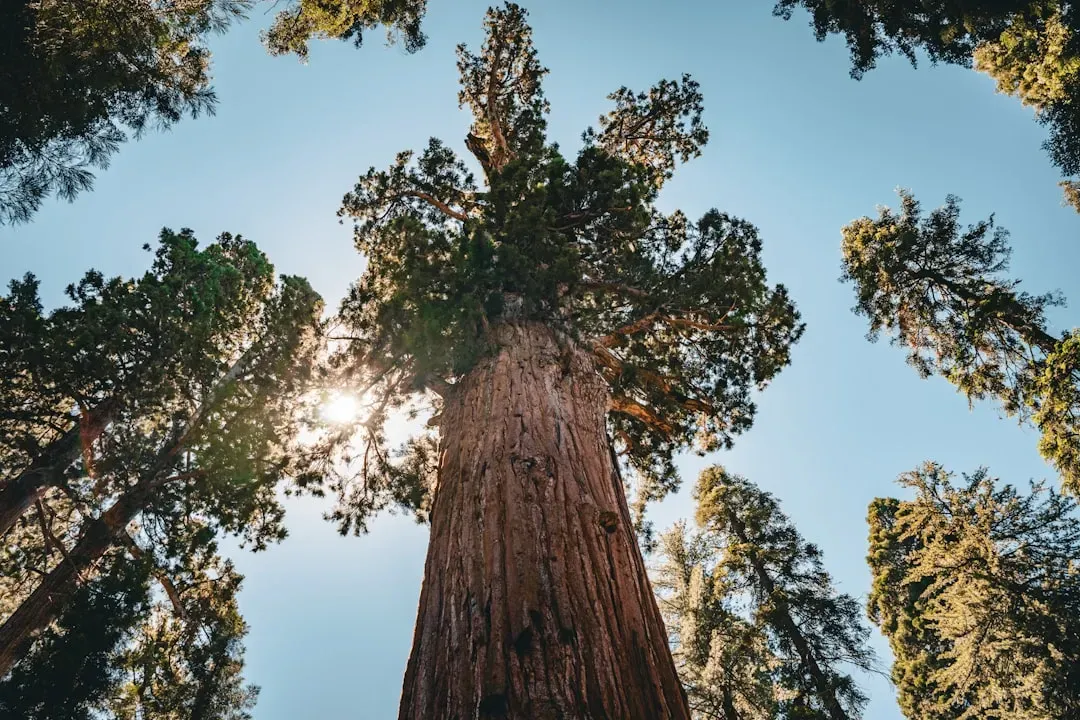
Here’s the thing most people get wrong about General Sherman. While it is not the tallest tree on Earth (that distinction belongs to Hyperion, a coast redwood), nor is it the widest, it still claims the crown for something far more impressive. With a height of 275 feet, a diameter of roughly 25 feet, and an estimated trunk volume of about 52,513 cubic feet, this tree is absolutely unmatched when it comes to total wood volume.
It weighs over 2,000 tons, the same weight as 400 elephants, and its base measures 36 feet in diameter, which means you could park a couple of cars end to end and still hide them behind this giant. Think about that for a second. The tree has more mass than hundreds of elephants combined. What really sets giant sequoias like Sherman apart from other trees is that they maintain a massive diameter even as you climb higher up the trunk. Sixty feet above the base, the Sherman Tree is still over 17 feet in diameter.
It’s Over 2,000 Years Old and Still Growing
The tree is estimated to be between 2,300 and 2,700 years old, which makes it squarely middle-aged in the world of giant sequoias, some of which make it past 3,000 years. Let that sink in for a moment. This tree was already ancient when the Roman Empire was just getting started. This enormous tree began growing during the earliest years of the Roman Empire.
The wildest part? The General is adding volume faster than ever, overturning previous theories that trees grow more slowly as they get bigger. You’d think something this old would be slowing down, taking it easy, maybe dropping a branch here and there. Nope. General Sherman is still packing on the pounds, growing each year like a tree a fraction of its age. It’s hard to say for sure, but the data tells us this ancient giant isn’t done expanding just yet.
A Tree With Two Names and a Controversial Past
The official story claims the tree was named in 1879 by naturalist James Wolverton, who had served as a lieutenant in the 9th Indiana Cavalry under Sherman. Wolverton admired the Union general so much that he decided to immortalize him by naming the largest tree he’d ever seen in his honor. Seems simple, right? Not quite.
Seven years later, in 1886, the land came under the control of the Kaweah Colony, a utopian socialist community whose economy was based on logging, and noting the pivotal role that Sherman had played in the Indian Wars and his forced relocation of native American tribes, they renamed the tree in honor of Karl Marx. The tree briefly became the Karl Marx Tree. However, that name didn’t last long. The community was disbanded in 1892, primarily as a result of the establishment of Sequoia National Park, and the tree reverted to its previous name. History, as they say, is written by those who remain standing.
It Dropped a Massive Branch, and Nobody Saw It Happen
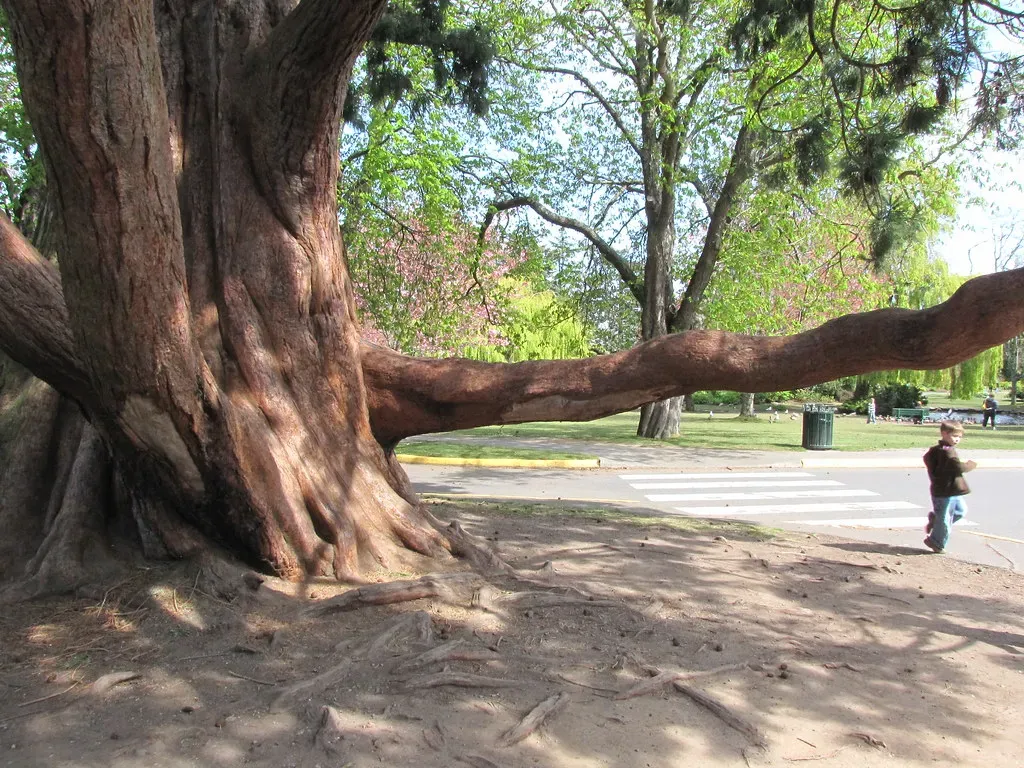
In January 2006, the largest branch on the tree broke off, and the branch with a diameter of over 6 feet and a length of over 98 feet, larger than most tree trunks, smashed part of the perimeter fence and cratered the pavement of the surrounding walkway. There were no witnesses. Nobody saw or heard this giant limb fall, despite its size being larger than entire trees found in most forests.
Honestly, it’s a little unsettling to imagine a branch that massive just crashing down without warning. The breakage is not believed to be indicative of any abnormalities in the tree’s health and may even be a natural defense mechanism against adverse weather conditions. Scientists think the tree was actually protecting itself, shedding weight to survive. Even more incredible? The loss of this branch didn’t impact its status as the world’s largest tree at all, since that honor is based strictly on trunk volume, not branches.
Firefighters Wrapped It in Foil to Save It From Wildfires
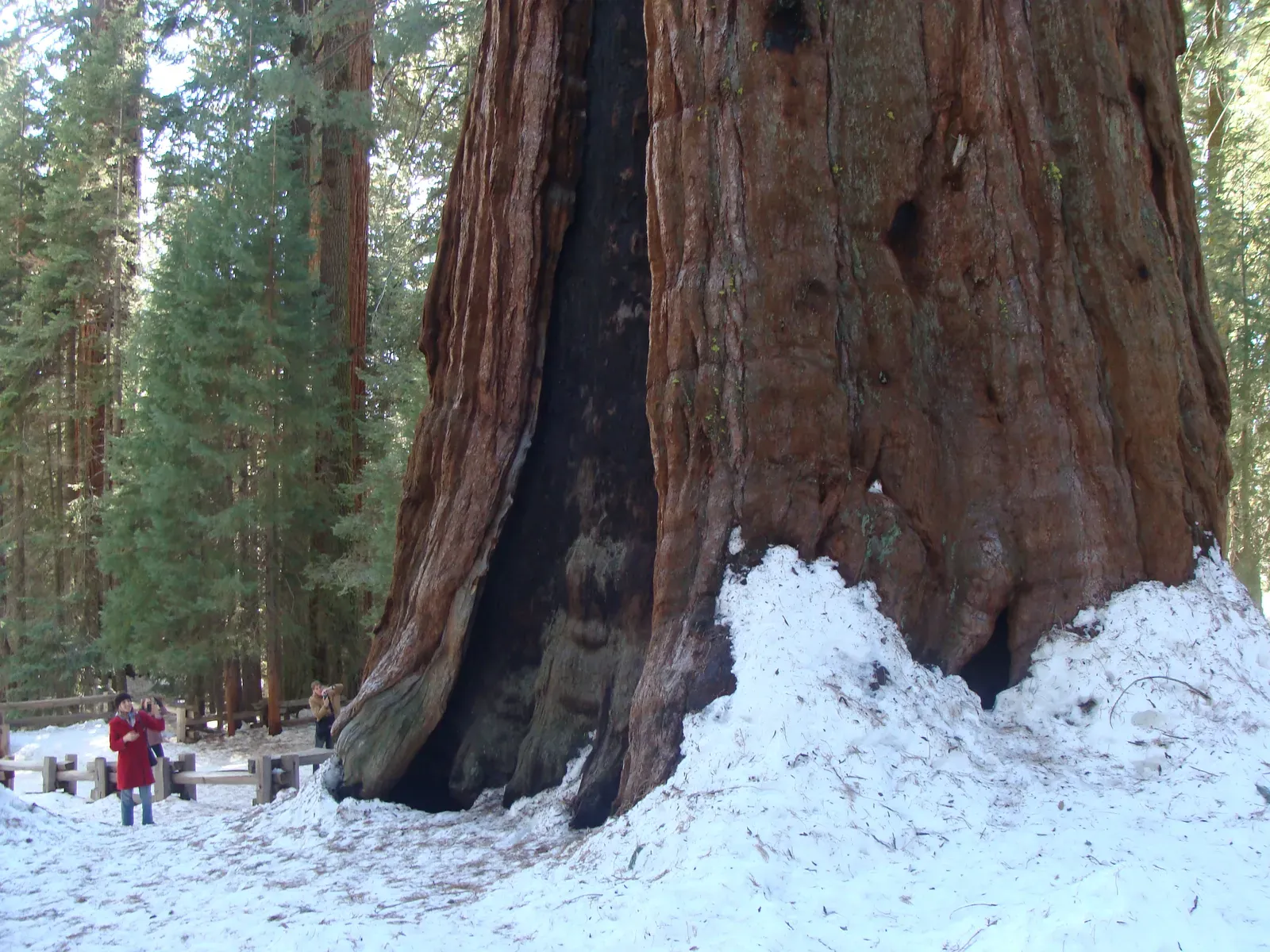
On September 16, 2021, the tree was threatened by the KNP Complex Fire in Sequoia National Park, and park and firefighting personnel wrapped the tree’s base in a protective foil usually used on structures. Picture this: teams of firefighters racing against time, wrapping aluminum foil around the base of a 2,000-year-old tree to protect it from encroaching flames. It sounds almost absurd, like something out of a science fiction novel.
The aluminum foil acts as a heat shield, reflecting intense heat away from the tree and helping to ensure its survival. Thankfully, it worked. The tree survived unharmed, though many other giant sequoias in the area were not so lucky. The fact that we’ve reached a point where wildfires are so severe that we have to wrap ancient trees in protective foil is a sobering reminder of how fragile our natural world has become. General Sherman may have survived thousands of years of natural disasters, but the threats it faces today are unlike anything it has weathered before.
Conclusion
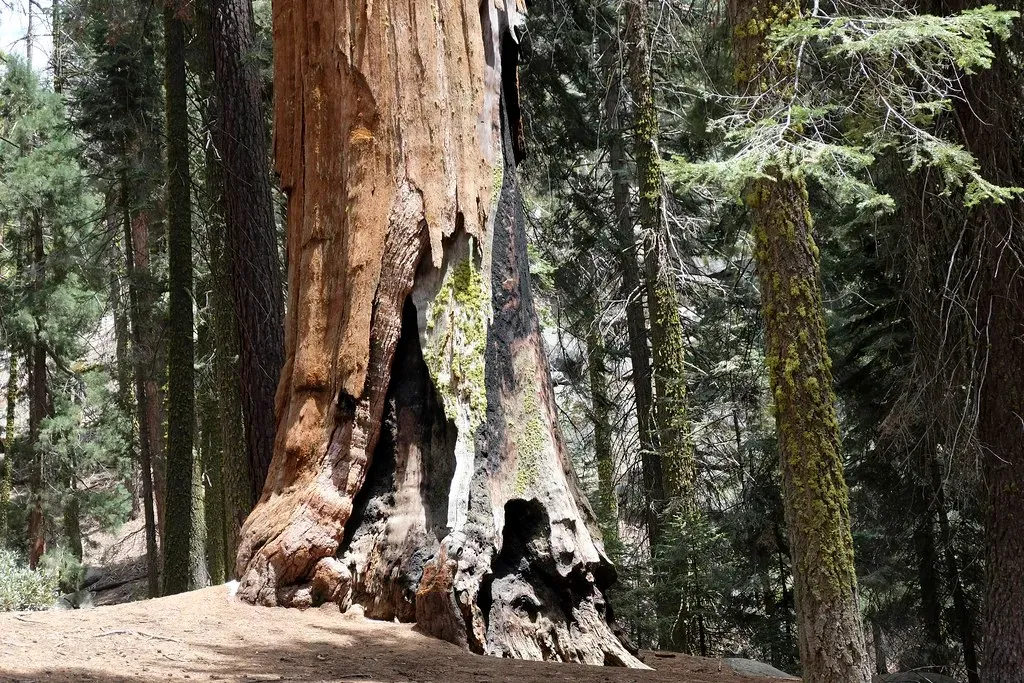
The General Sherman Tree is more than just a record holder. It’s a living connection to the distant past, a survivor of millennia, and a symbol of resilience in an ever-changing world. From its incredible size and age to its dramatic history and the modern challenges it faces, this tree tells a story that transcends simple statistics. Standing in its presence is a humbling experience, one that reminds us just how small and fleeting our time on this planet really is. What do you think? Did any of these facts surprise you?
