
Ever notice how the world has a way of swallowing up entire civilizations? Places that were once teeming with life, power, and beauty just vanish beneath sand, jungle, or the weight of centuries. The monuments crumble, the names get lost, and before you know it, thousands of years slip by like they never happened.
Yet here’s the thing. These cities aren’t gone forever. They’re still out there, waiting beneath layers of history, practically begging to be rediscovered. From Roman outposts buried in the Sahara to medieval capitals swallowed by jungle vines, these forgotten places tell stories we absolutely should be listening to. Let’s dive in.
Timgad: Algeria’s Perfectly Planned Roman Metropolis
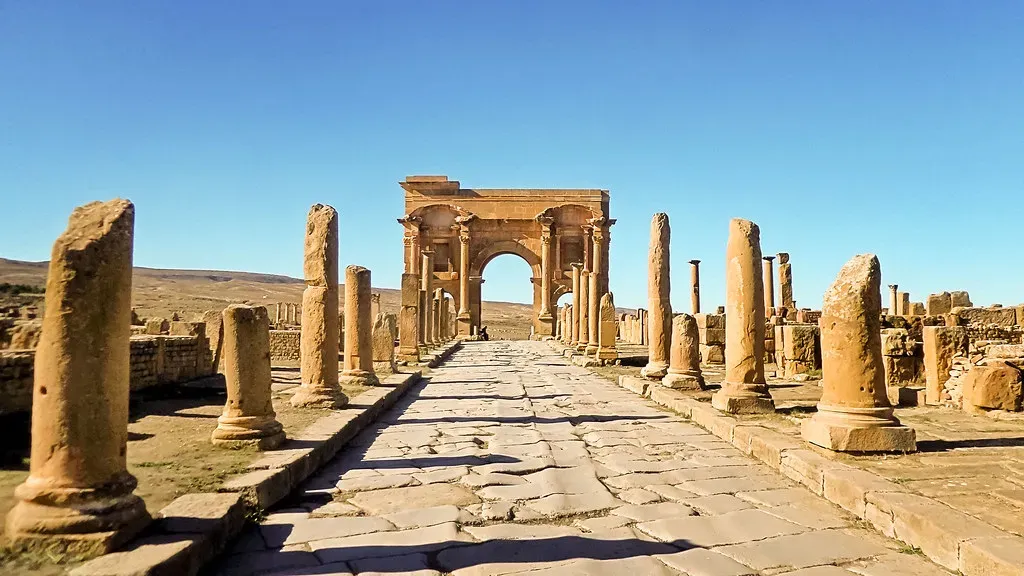
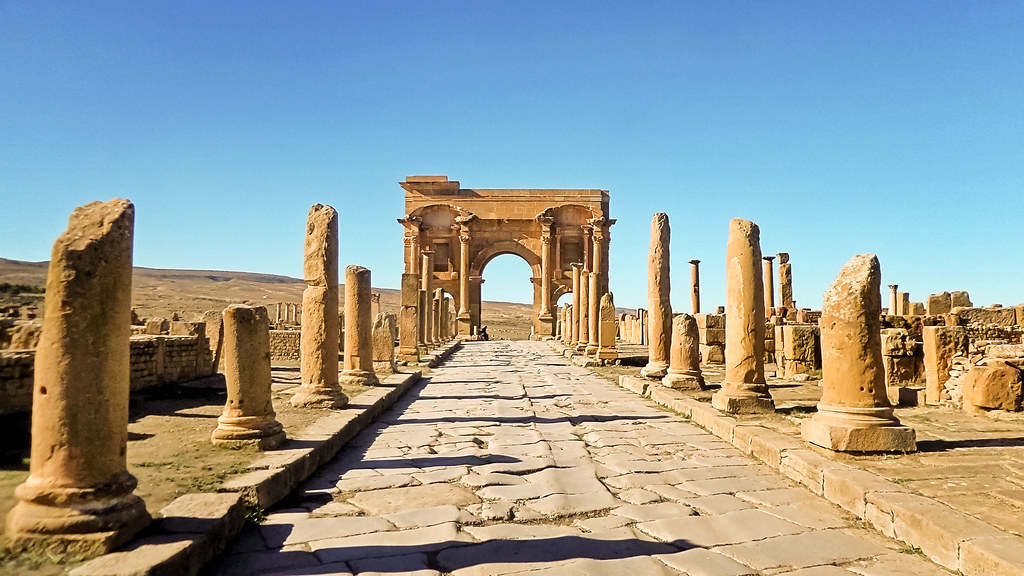
Picture this: you’re standing in the middle of the Sahara Desert, and suddenly, out of nowhere, a complete Roman city materializes. Founded by the Roman Emperor Trajan around 100 AD, Timgad in Algeria remains one of the most jaw-dropping examples of Roman urban planning you’ll ever encounter. Built nearly 2,000 years ago, by the Roman Emperor Trajan, the city is laid out in great precision and is one of the best surviving examples of the grid plan used by the ancient Roman city planners. The streets intersect at perfect right angles, and remarkably, you can still walk them today.
What makes Timgad even more fascinating is how it managed to survive. After the fall of the Roman Empire, Timgad was abandoned and forgotten. It wasn’t until 1,000 years later that its ruins, largely preserved by the desert, were rediscovered. The sand basically mummified the entire place. When Scottish explorer James Bruce stumbled upon it in 1765, nobody back in Europe believed his accounts of finding a lost Roman city. The ruins of Timgad are so well-preserved that some visitors call it the Algerian Pompeii.
The city featured everything a proper Roman settlement needed. The Library at Timgad was a gift to the Roman people by Julius Quintianus Flavius Rogatianus at a cost of 400,000 sesterces. As no additional information about this benefactor has been unearthed, the precise date of the library’s construction remains uncertain. Based on the remaining archaeological evidence, it has been suggested by scholars that it dates from the late 3rd or possibly the 4th century. There’s also a theater, temples, a triumphal arch, and even public baths. Walking through the ruins now, it’s hard not to imagine the soldiers, traders, and families who once called this remote desert outpost home.
Ani: Armenia’s Haunting City of a Thousand Churches
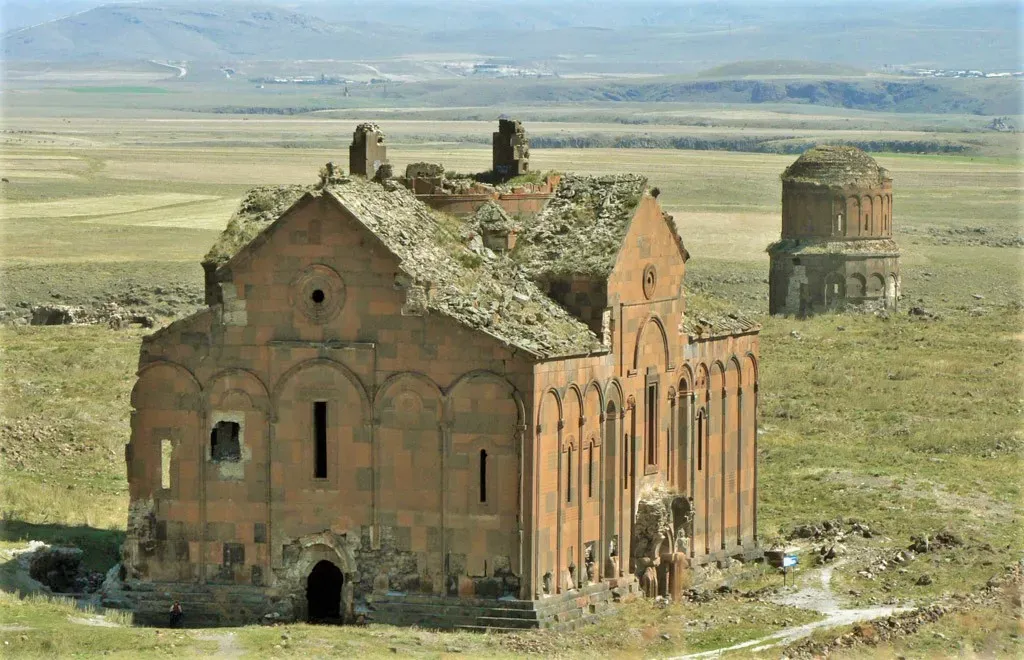
Founded more than 1,600 years ago, Ani was situated on several trade routes, and grew to become a walled city of more than 100,000 residents by the 11th century. This medieval Armenian capital was once a rival to Constantinople and Baghdad in terms of wealth and splendor. The iconic city was often referred to as the “City of 1,001 Churches,” though the number was significantly less. To date, 50 churches, 33 cave chapels and 20 chapels have been excavated by archaeologists and historians.
Today, Ani sits as a ghost city on the Turkish-Armenian border, and honestly, it’s heartbreaking to see. It remained the chief city of Armenia until Mongol raids in the 13th century, a devastating earthquake in 1319, and shifting trade routes sent it into an irreparable decline. Eventually the site was abandoned. The ruins stand as silent witnesses to centuries of conquest, earthquake, and neglect. Yet what survives is breathtaking.
The Cathedral of Ani stands above the city, and despite its collapsed dome and destroyed northwest corner it remains imposing in scale. It was completed in 1001 by the Armenian King Gagik I, at the peak of prosperity in the city, and designed by Trdat, the renowned Armenian architect who also served the Byzantines by helping them repair the dome of Hagia Sophia. The architecture here influenced Gothic and Romanesque styles across Europe. Despite this, the site has been seen as a place of extreme beauty, architectural marvel, and rich history for both the Turks and Armenians. Walking among these red stone churches, you can almost hear the prayers that once echoed through them.
Hampi: India’s Boulder-Strewn Kingdom of Temples
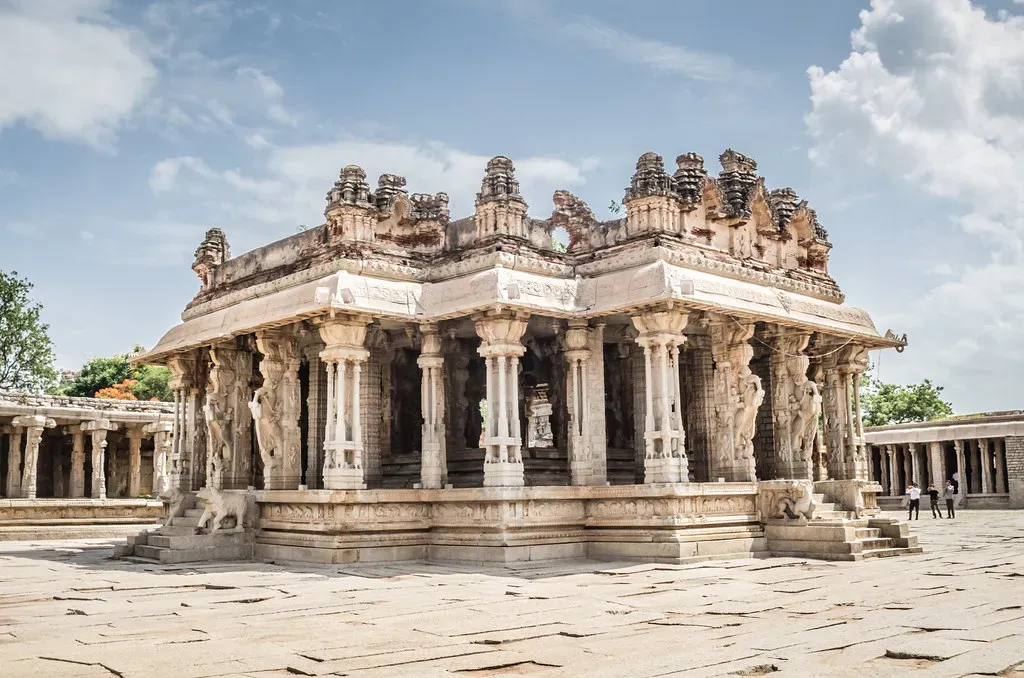
Let’s be real, Hampi is like something out of a fantasy novel. Hampi was the capital of the Vijayanagara Empire from 1336 to 1565 (as Vijayanagara), when it was abandoned. Situated in Karnataka, close to the contemporary town of Hampi with the city of Hosapete 13 kilometres away, Hampi’s ruins are spread over 4,100 hectares and it has been described by UNESCO as an “austere, grandiose site” of more than 1,600 surviving remains of the last great Hindu kingdom in South India. We’re talking temples carved out of massive granite boulders, palaces that once dazzled foreign travelers, and a landscape so surreal it doesn’t seem entirely of this world.
Chronicles left by Persian and European travellers, particularly the Portuguese, say that Hampi was a prosperous, wealthy and grand city near the Tungabhadra River, with numerous temples, farms and trading markets. Then came disaster. Conquered by the Deccan Muslim confederacy in 1565, the city was pillaged over a period of six months before being abandoned. The once-magnificent capital became a field of ruins almost overnight.
But here’s where it gets interesting. The temples never fully stopped being sacred. Hampi continues as a religious centre, with the Virupaksha Temple, an active Adi Shankara-linked monastery and various monuments belonging to the old city. So you’ve got this incredible juxtaposition of ancient ruins and living spirituality. One of the coolest features? The SaReGaMa pillars are load-bearing columns that are made entirely of granite and emit musical notes or rhythmic sounds when tapped gently. I know it sounds crazy, but musical pillars carved from solid rock actually exist at the Vittala Temple. How did they even figure that out?
Palenque: Mexico’s Jewel Hidden in the Jungle
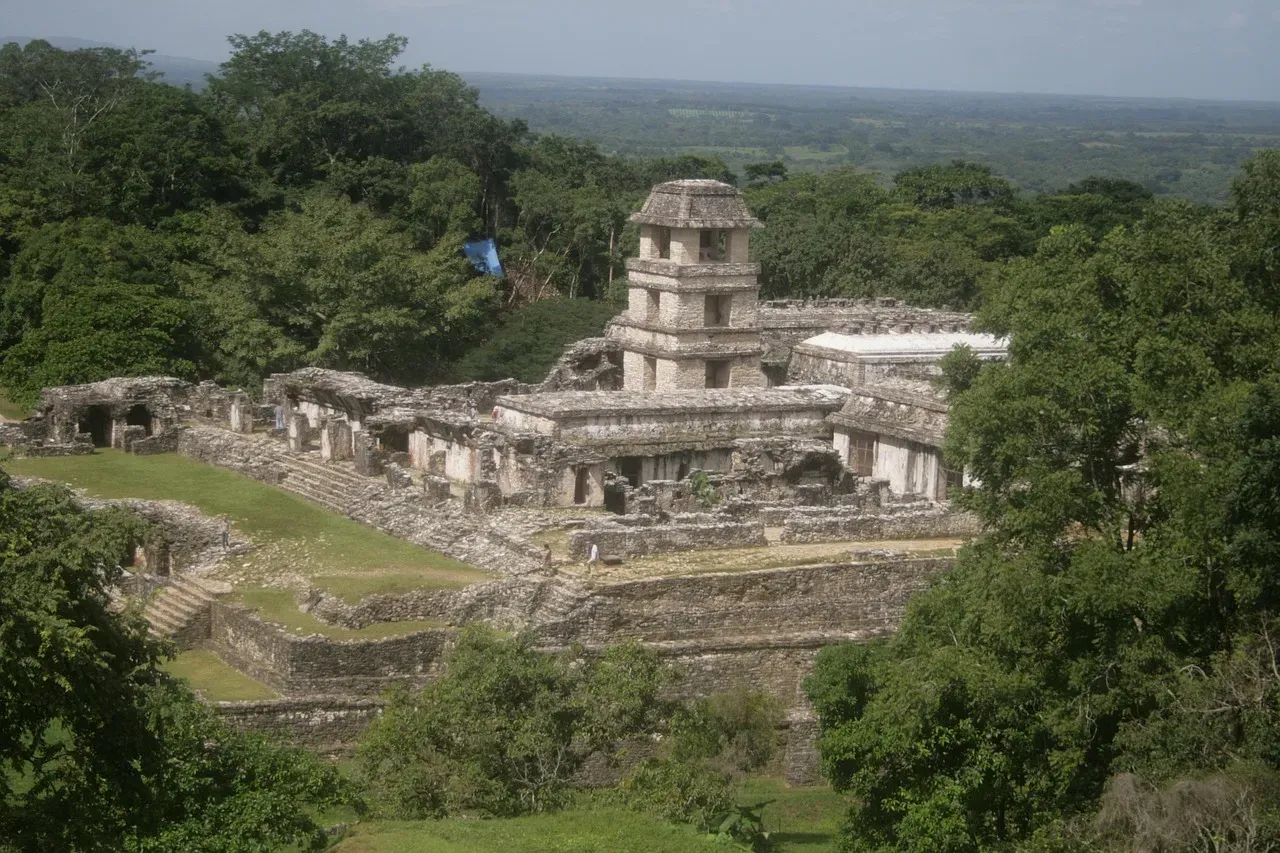
If Hampi is a fantasy novel, then Palenque is the opening scene of an adventure film. After its decline, it was overgrown by the jungle of cedar, mahogany, and sapodilla trees, but has since been excavated and restored. It is located near the Usumacinta River in the Mexican state of Chiapas, about 130 km south of Ciudad del Carmen, 150 meters above sea level. This Maya city reached its peak between 500 and 700 AD, and the temples rising from the dense green canopy are nothing short of spectacular.
A prime example of a Mayan sanctuary of the classical period, Palenque was at its height between AD 500 and 700, when its influence extended throughout the basin of the Usumacinta River. The elegance and craftsmanship of the buildings, as well as the lightness of the sculpted reliefs with their Mayan mythological themes, attest to the creative genius of this civilization. The real showstopper here is the Temple of the Inscriptions. It was Ruz Lhuillier who was the first person to gaze upon Pacal the Great’s tomb in over a thousand years. Ruz worked for four years at the Temple of the Inscriptions before unearthing the tomb.
The crazy part? By 2005, the discovered area covered up to 2.5 km2, but it is estimated that less than 10% of the total area of the city is explored, leaving more than a thousand structures still covered by jungle. Imagine what’s still buried under all that vegetation. Every rainstorm reveals something new, every archaeological dig uncovers another piece of the puzzle. Palenque isn’t just a ruin you visit; it’s a mystery still unfolding right before our eyes.
Mohenjo-daro: Pakistan’s 4,500-Year-Old Urban Marvel
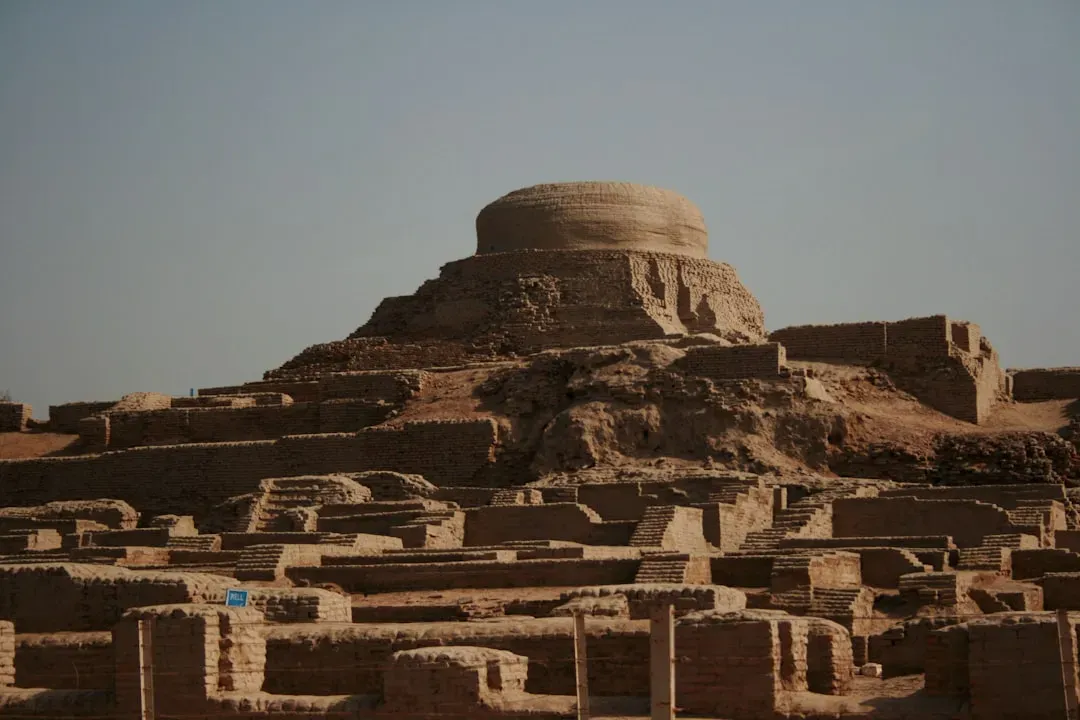
Here’s a city that challenges everything we thought we knew about ancient civilizations. Built around 2600 BC in present-day Pakistan, Mohenjo-daro was one of the early urban settlements in the world. It is sometimes referred to as “An Ancient Indus Valley Metropolis”. It has a planned layout based on a grid of streets, which were laid out in perfect patterns. At its height the city probably had around 35,000 residents. This wasn’t some haphazard collection of huts. We’re talking about sophisticated urban planning with drainage systems, public baths, and standardized brick sizes.
Mohenjo-Daro was built in 2600 BC, and flourished for around 700 years. It was a spectacular settlement, with mud and fired brick buildings arranged in a grid pattern, encircling a fortified citadel. However, the citadel wasn’t just military: there were two huge assembly halls for spiritual and political purposes, a granary so Mohenjo-Daro’s residents could feast all year round, and a glittering public bath filled with emerald water. The level of civic organization here was genuinely mind-blowing for its time.
Then, mysteriously, it all ended. Mohenjo-daro and the Indus Valley civilization vanished without a trace from history around 1700 BC until discovered in the 1920s. Nobody knows exactly why the city was abandoned, though theories range from climate change to shifting river courses. What we do know is that for thousands of years, this incredible urban achievement just disappeared from human memory. Mohenjo-Daro was abandoned circa 1900 BC, when climate change and potential flooding made agriculture difficult. The site was rediscovered in the 1920s and is now open to the public, but climate change poses a constant risk to the ancient buildings.
Helike: Greece’s Atlantis That Actually Existed
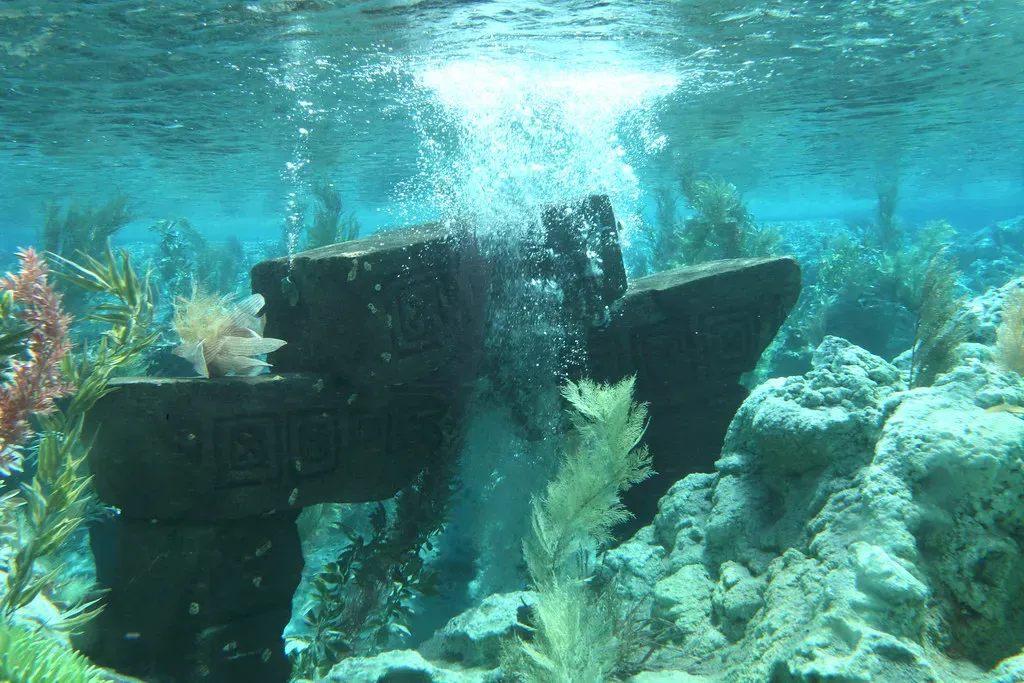
Everyone knows about the mythical Atlantis, but how many people have heard of Helike? Helike was an ancient Greek city that sank at night in the winter of 373 BCE. The city was located in Achaea, Northern Peloponnesos, two kilometres from the Corinthian Gulf. The city was thought to be legend until 2001, when it was rediscovered in the Helike Delta. Unlike Atlantis, this lost city turned out to be very real. An earthquake and tsunami swallowed the entire settlement in a single catastrophic night, leaving behind only stories and speculation.
For over two millennia, scholars debated whether Helike even existed or was just another ancient myth. In 1988, the Greek archaeologist Dora Katsonopoulou launched the Helike Project to locate the site of the lost city. The breakthrough finally came at the turn of the millennium when archaeologists discovered the submerged ruins. It’s incredible to think that an entire city can just vanish beneath the earth and sea, waiting patiently for more than two thousand years to tell its story again.
The discovery of Helike proved something important: sometimes the legends are true. Sometimes the old stories passed down through generations point to actual historical events. This ancient Greek city serves as a reminder that beneath our feet, beneath the waves, there might be countless other forgotten places waiting to be found.
Conclusion
These six cities represent only a fraction of what history has hidden from view. From the perfectly gridded streets of Roman Timgad to the musical pillars of Hampi, from the haunting churches of Ani to the jungle-wrapped temples of Palenque, each site tells us something profound about human ambition, creativity, and fragility. They rose, they flourished, they fell, and then they waited.
The remarkable thing is how much more there is to discover. Roughly ninety percent of Palenque still lies buried beneath the jungle. Countless structures at Hampi remain unexcavated. New technologies like satellite imaging and LIDAR are revealing cities we never knew existed. It makes you wonder what other marvels are out there, sleeping beneath sand, soil, and centuries of forgetting.
These aren’t just archaeological curiosities or tourist attractions. They’re reminders that civilizations, no matter how powerful or sophisticated, can disappear entirely if we don’t preserve and remember them. What do you think we’d want future archaeologists to know about our own cities? What would survive if we vanished tomorrow?

- 12 Architectural Wonders From The Ancient World That Inspire Us Today - July 18, 2026
- 6 Beautiful Ancient Cities That Time Forgot (But Shouldn’t) - July 18, 2026
- 6 Common Animal Behaviors That Are Often Misunderstood by Humans - July 18, 2026