
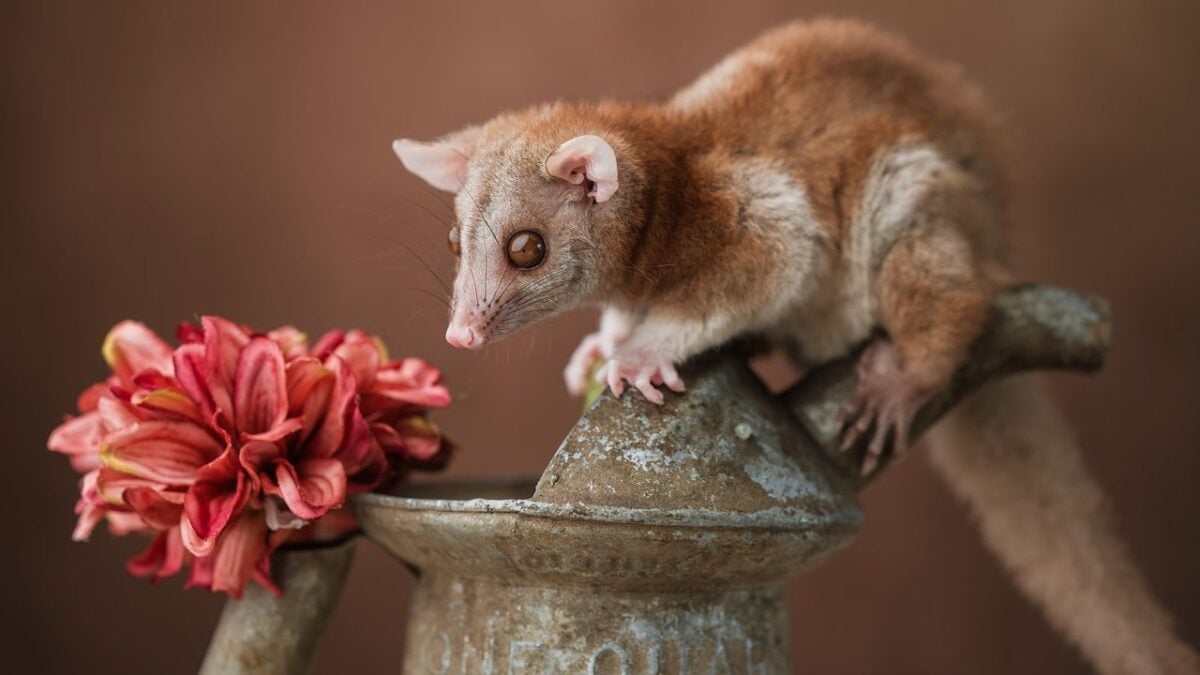
You might think you know every creature that scurries, hops, or slithers through your neighborhood. Chances are, though, you’ve walked right past some of the strangest animals on the planet without even realizing it. These aren’t creatures from distant jungles or exotic islands. They’re right here in America, living surprisingly close to where you park your car each night.
The US is home to far more than just squirrels and robins. From glowing mammals to fish that can breathe air, the wildlife lurking just beyond your back fence is stranger than most people imagine. Let’s be real, nature has a weird sense of humor when it comes to designing critters.
Flying Squirrels That Glow Under UV Light
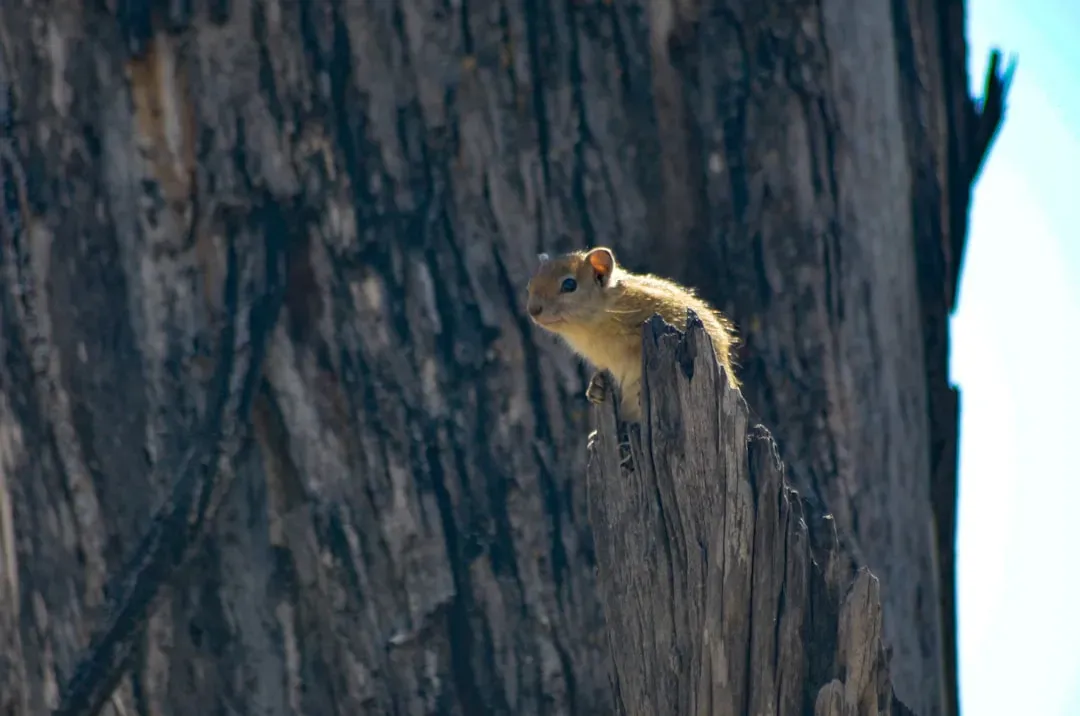
Flying squirrels actually fluoresce under ultraviolet light, creating an almost psychedelic pink glow in the darkness. These nocturnal creatures are most active at night, which explains why most people never spot them despite their abundance across North America. They’re champion gliders, soaring from tree to tree with remarkable precision through the dark forest canopy.
What makes them truly bizarre is their ability to disappear into the night sky. Since they are such champion gliders, flying squirrels are often in the air or scurrying up trees to take flight once more, and since humans are sadly earthbound in most circumstances, flying squirrels can easily evade us. Their fluorescent properties weren’t even discovered until recently, leaving scientists puzzled about why they evolved this trait.
Star-Nosed Moles With Alien Appendages
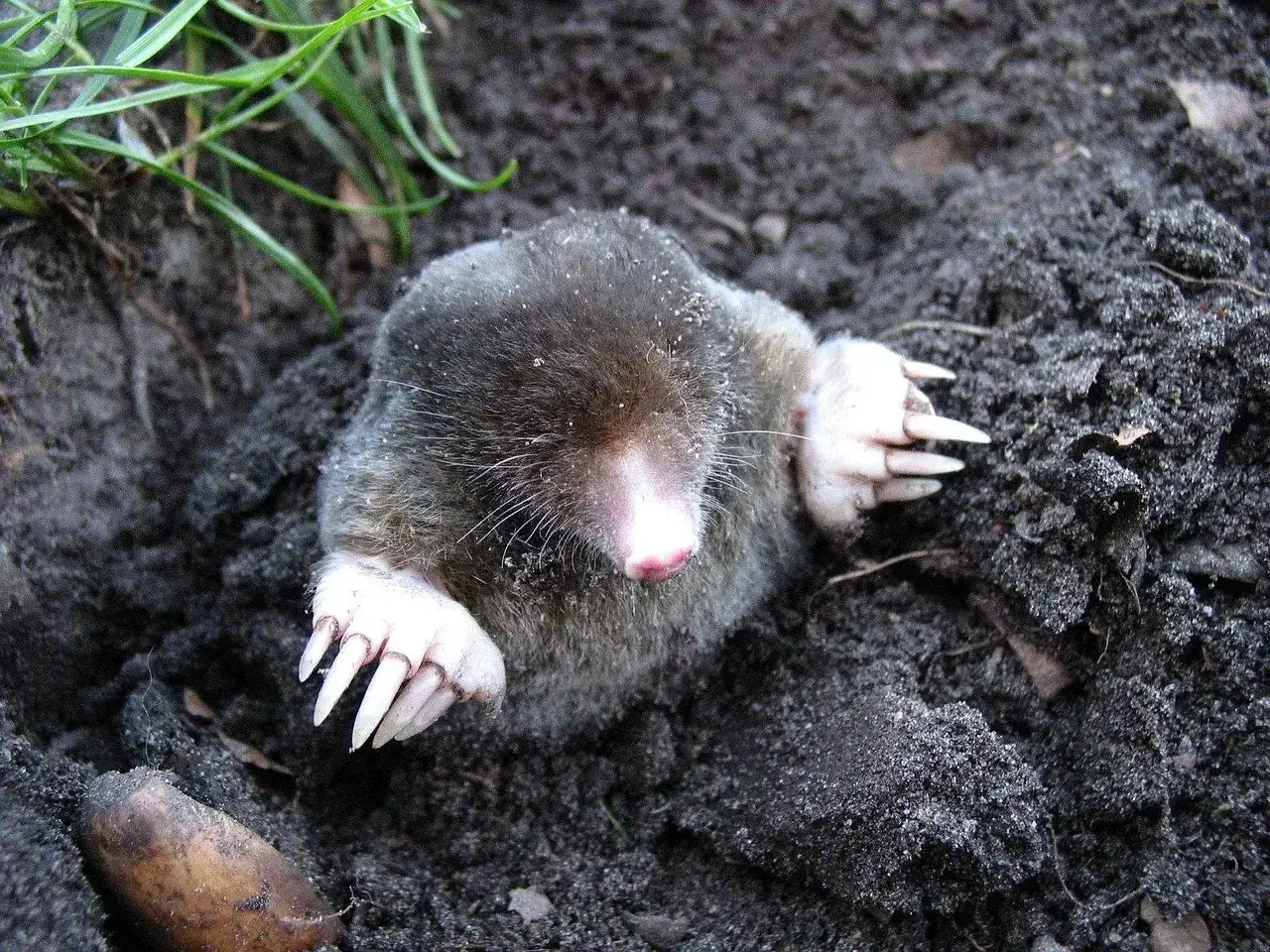
Star-nosed moles eat faster than any other mammal on earth, deciding if something is edible in eight milliseconds and devouring their meal in less than two-tenths of a second. Their namesake “star” is truly otherworldly in appearance. The star contains 100,000 nerve fibers in a space smaller than your fingertip and is the most sensitive touch organ in any mammal.
These moles are also weird due to being semiaquatic and can be found in wetland areas throughout the eastern U.S., from Canada down to Florida. They even swim under ice during winter months, using their bizarre tentacled nose to hunt for prey in freezing waters. It’s hard to say for sure, but this might be one of evolution’s strangest experiments.
Hellbenders Living in Your Local Streams
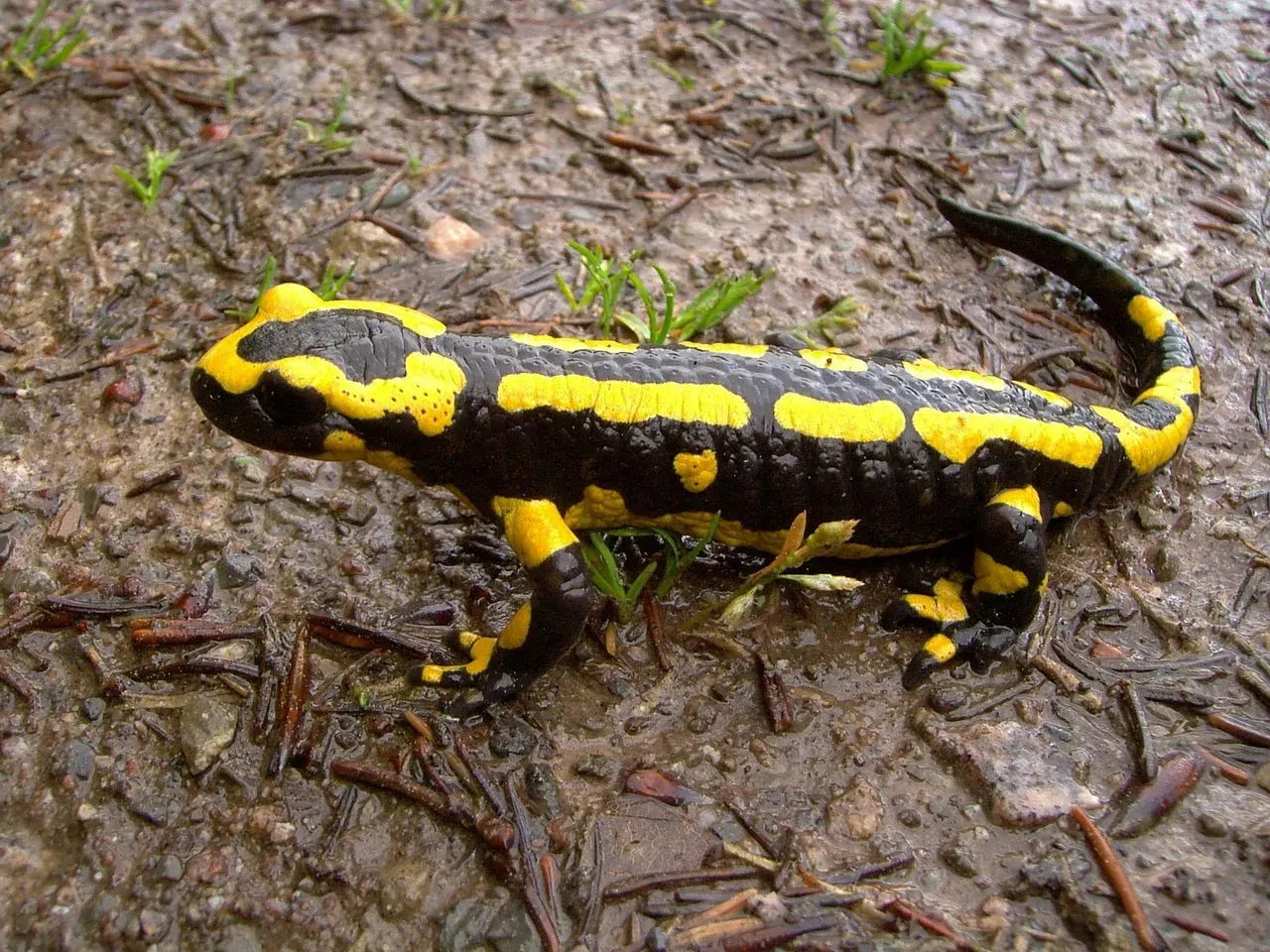
This giant salamander can grow more than two feet long and lives in most states east of the Mississippi outside of New England. Despite their demonic nickname, these wrinkly amphibians are surprisingly docile. Relatives of the hellbender stretch back 160 million years, with little external evidence of evolutionary change, making them living fossils hiding in rocky streams.
Their appearance is genuinely unsettling, with loose folds of skin rippling along their bodies. Life isn’t always grand for the hellbender, as the Ozark variety has been on the decline for decades and is all but extinct in some areas, tending towards rocky streams where changes in oxygen levels can destabilize their populations easily. You could have one lurking under a rock in your favorite fishing spot right now.
Ringtails Raiding Dumpsters After Dark
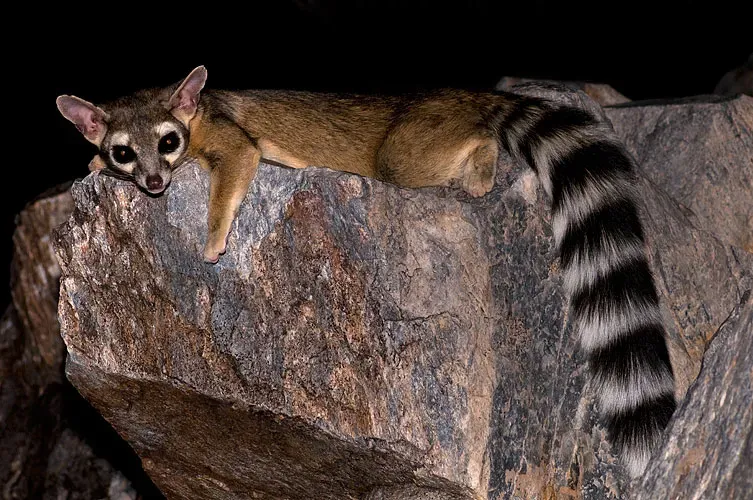
Ringtails are one of the most incredible animals in Zion National Park and are also the state mammal of Arizona. This strange animal looks very similar to a ring-tailed lemur but is not a cat or a lemur and is more closely related to a raccoon. Their adorable appearance masks their mischievous nature as urban raiders.
Ringtails are rarely seen because they are most active at night and tend to hang out in trees and rocky areas during the day. They often enter cities and buildings for food, raiding dumpsters and trash cans at night, and although they are considered pests in some places, they are very elusive and rarely seen by humans. Their scientific name means “clever little fox” in Latin, which honestly fits their sneaky nighttime activities perfectly.
Opossums That Fluoresce Hot Pink
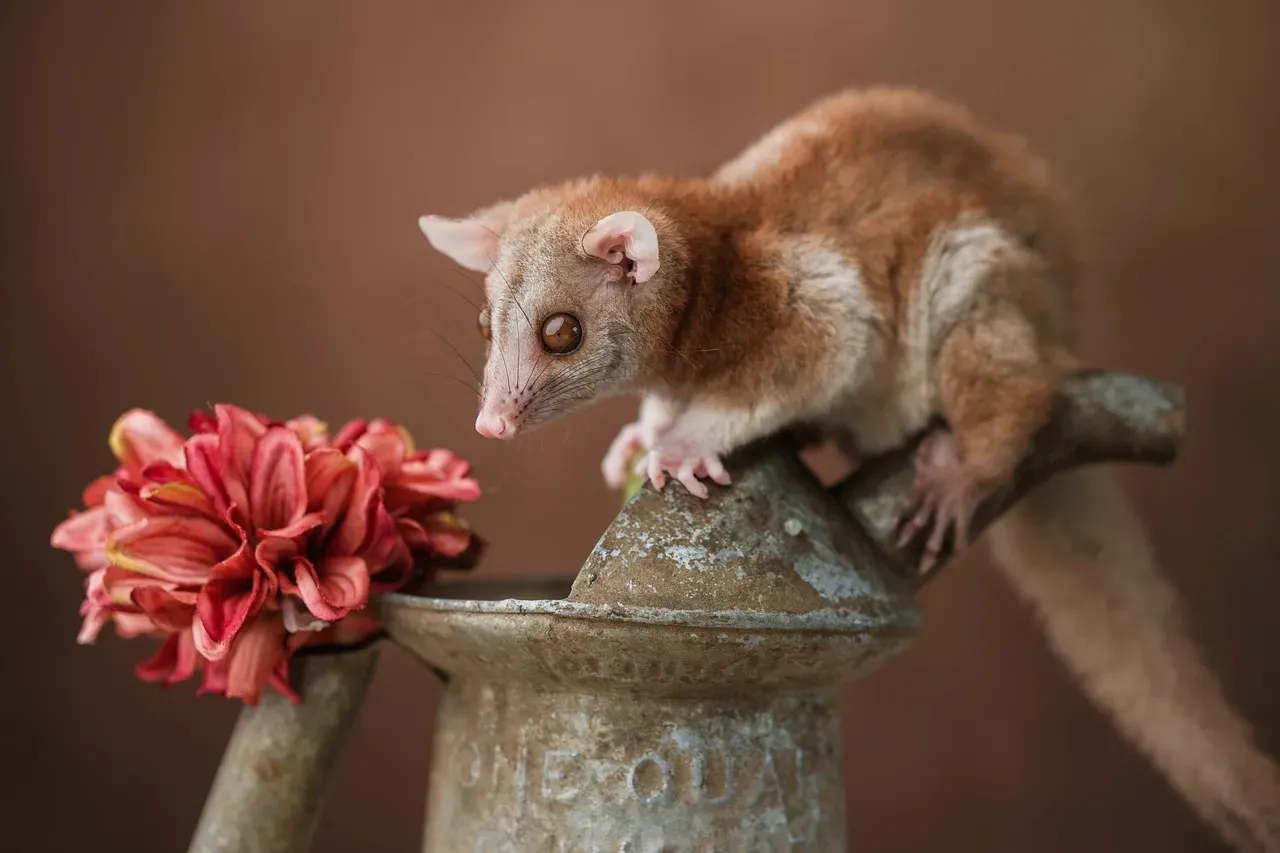
Opossums fluoresce under UV light, creating a psychedelic glow. This shocking revelation about America’s only marsupial has only recently been discovered by scientists. The Virginia opossum evolved in South America but began moving north about 800,000 years ago, slowly expanding its range across the continent.
Opossums get even spookier because they play dead, a defense mechanism that’s given them their famous reputation. These underappreciated creatures are immune to most snake venoms and eat thousands of ticks each year. They’re basically walking pest control units that happen to glow neon pink under black lights.
Sea Lampreys With Rows of Terrifying Teeth
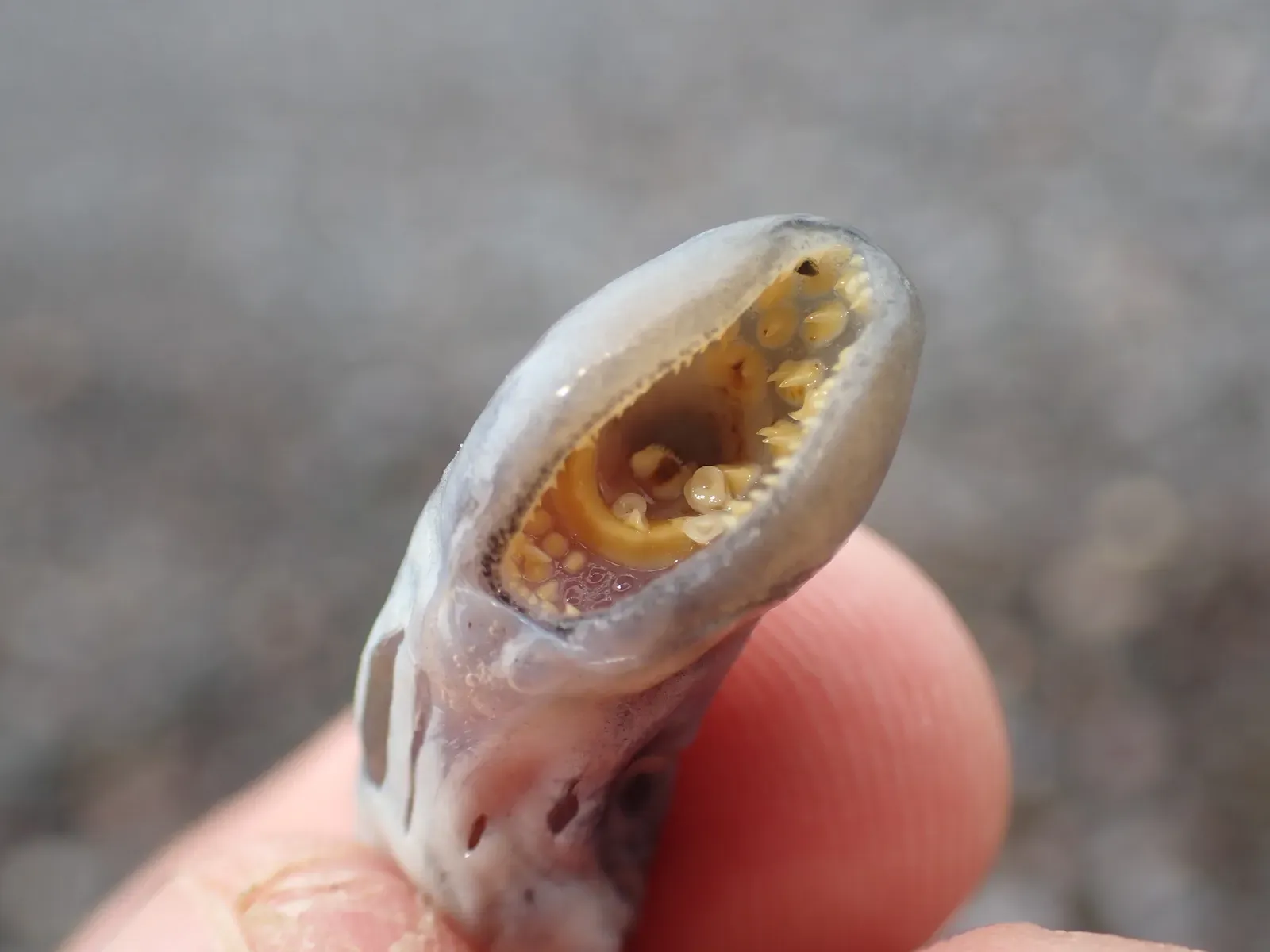
The lamprey has no jaw, instead latching on to prey with rows and rows of teeth and drawing blood as sustenance. Sea lampreys are not native to the fresh waters of the Americas but found their way into the Great Lakes, including Lake Michigan and Lake Superior, and ransacked local fish populations, with wildlife officials still struggling to contain the species.
These prehistoric parasites look like something from a horror movie. Lampreys are resilient creatures, having survived four major extinction events and remaining largely unchanged since the Paleozoic Era, more than 340 million years ago, which is why they still maintain their prehistoric appearance. Their circular mouth filled with needle-sharp teeth attaches to fish like a living vacuum.
Nine-Banded Armadillos Expanding Northward
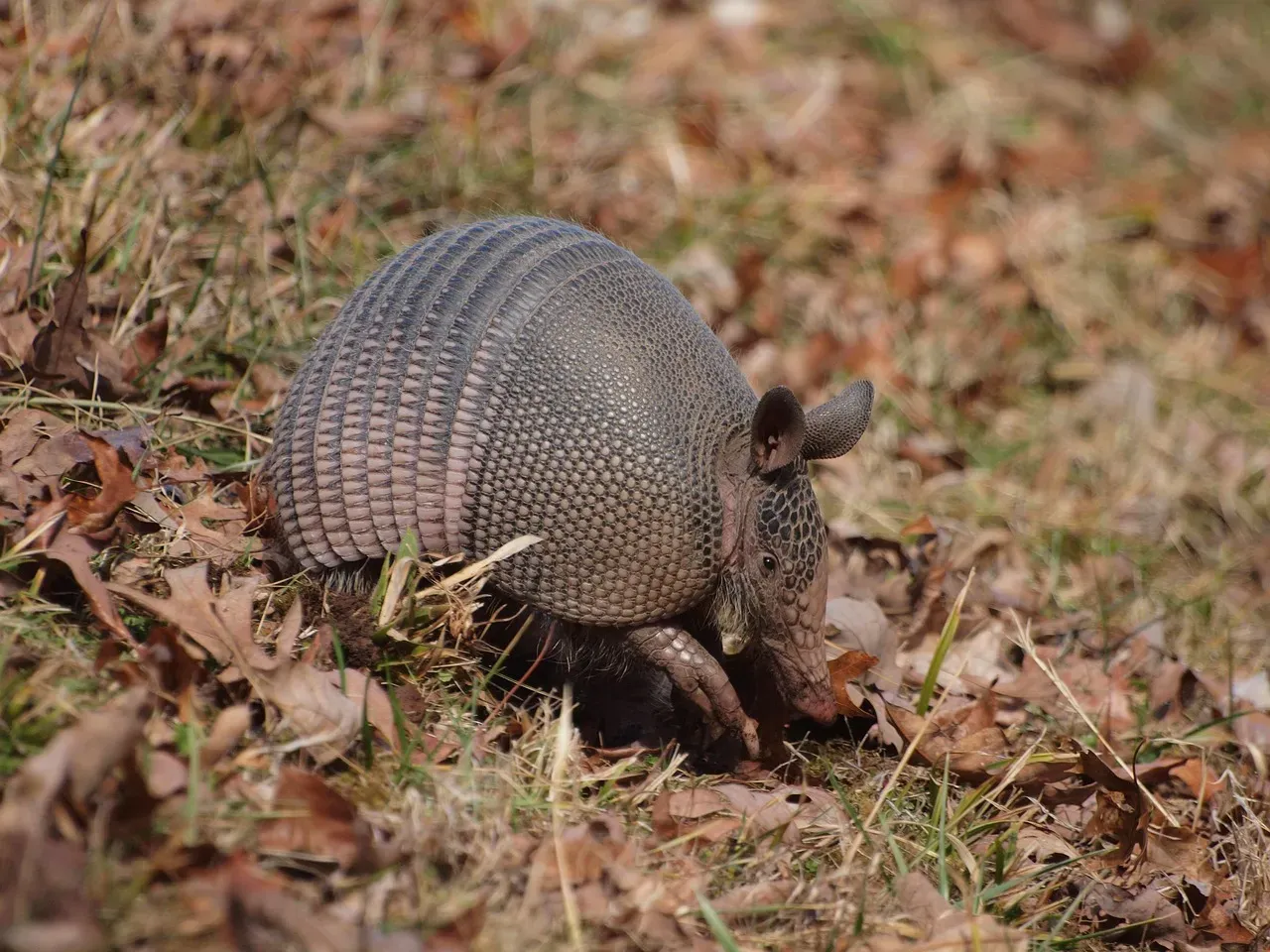
The nine-banded armadillo can actually have anywhere from 7 to 11 bands and was once relegated to southeastern states but their range is continually expanding northward. Interestingly, females always give birth to identical quadruplets, either all female or all male, a reproductive quirk found in almost no other mammal.
They can jump 3 to 4 feet in the air, float across rivers by inflating their intestines, hold their breath for six minutes while running across riverbeds and quickly dig a snug trench to lodge themselves in when in danger. Contrary to popular belief, they can’t roll into a ball when threatened, although other species of armadillos can. Their armor-plated bodies are showing up in more northern states each year.
Luna Moths That Never Eat
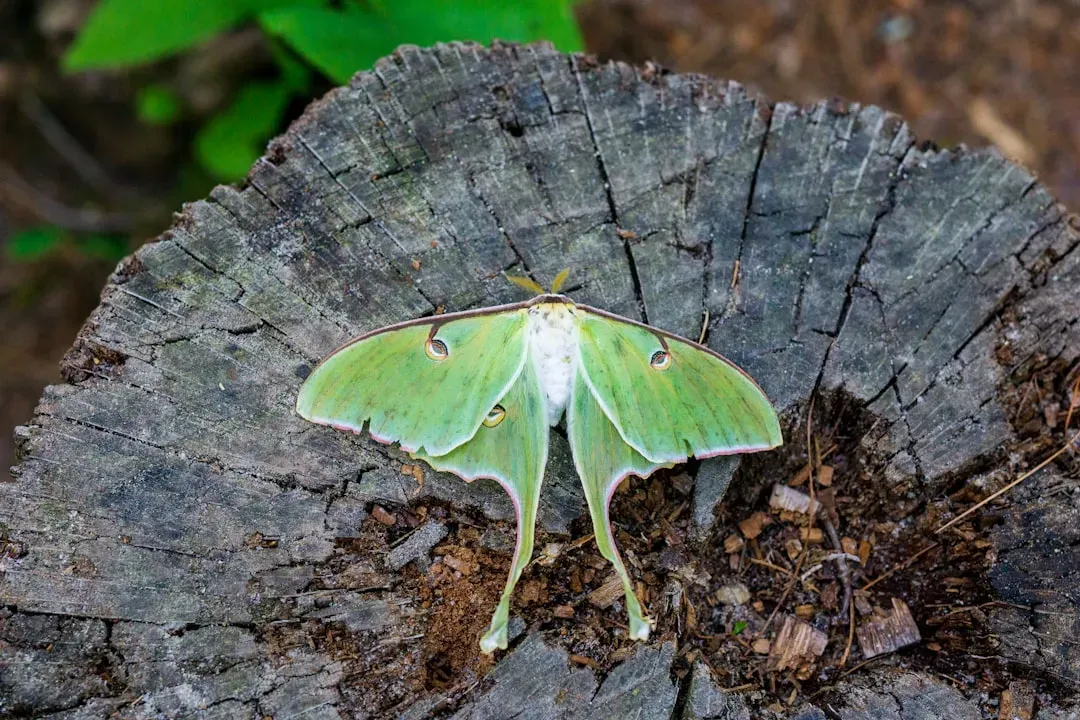
Luna moths are among the biggest moths in North America and can be found east of the Great Plains. The most attractive characteristic of Luna moths is their broad, bright green colored wings, with both fore and hind wings featuring beautiful eyespots, and each hind wing having a long green tail.
Here’s the thing, though. Luna moths are particularly odd amongst moths because the adults do not have mouths and don’t eat upon emerging from their cocoon. Way to be unconventional, nature. Like several other animals, Luna moths are nocturnal and typically are only seen when attracted to porch lights at night. They live only about a week as adults, focused entirely on reproduction.
Bobcats Now Roaming Suburban Backyards
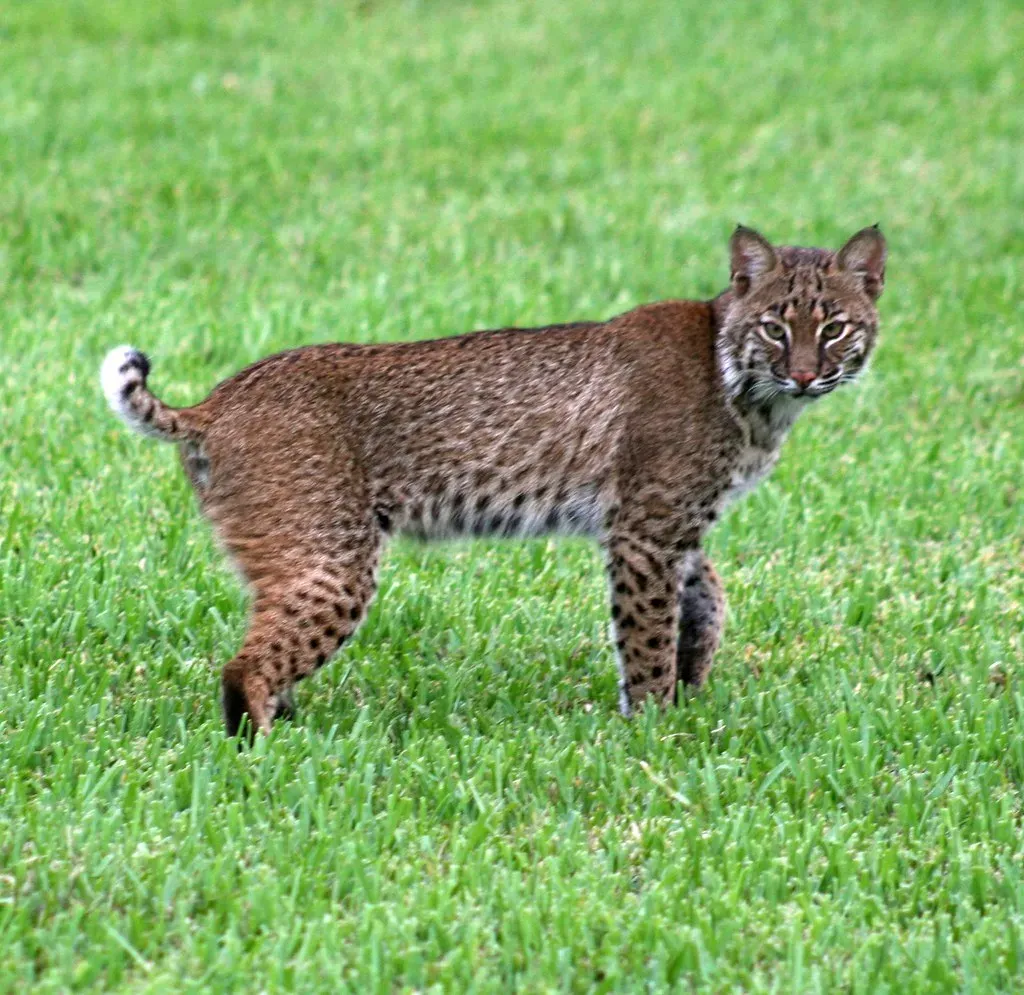
Bobcat populations have rebounded, and many of the cats have now taken up residence in urban areas, with bobcats once being a rare sighting but now seen in backyards from Dallas to Des Moines. These mid-sized wildcats have adapted remarkably well to living alongside humans. They’re skilled hunters that can take down prey much larger than themselves.
What’s truly surprising is how close they live to us without detection. Bobcats are masters of stealth, often hunting in neighborhoods while residents sleep peacefully inside. They’ve learned that suburban areas offer abundant food in the form of rabbits, squirrels, and unfortunately, occasionally outdoor cats. Their tufted ears and spotted coats make them look exotic, though they’re increasingly common across North America.
Alligator Snapping Turtles With Bone-Crushing Jaws
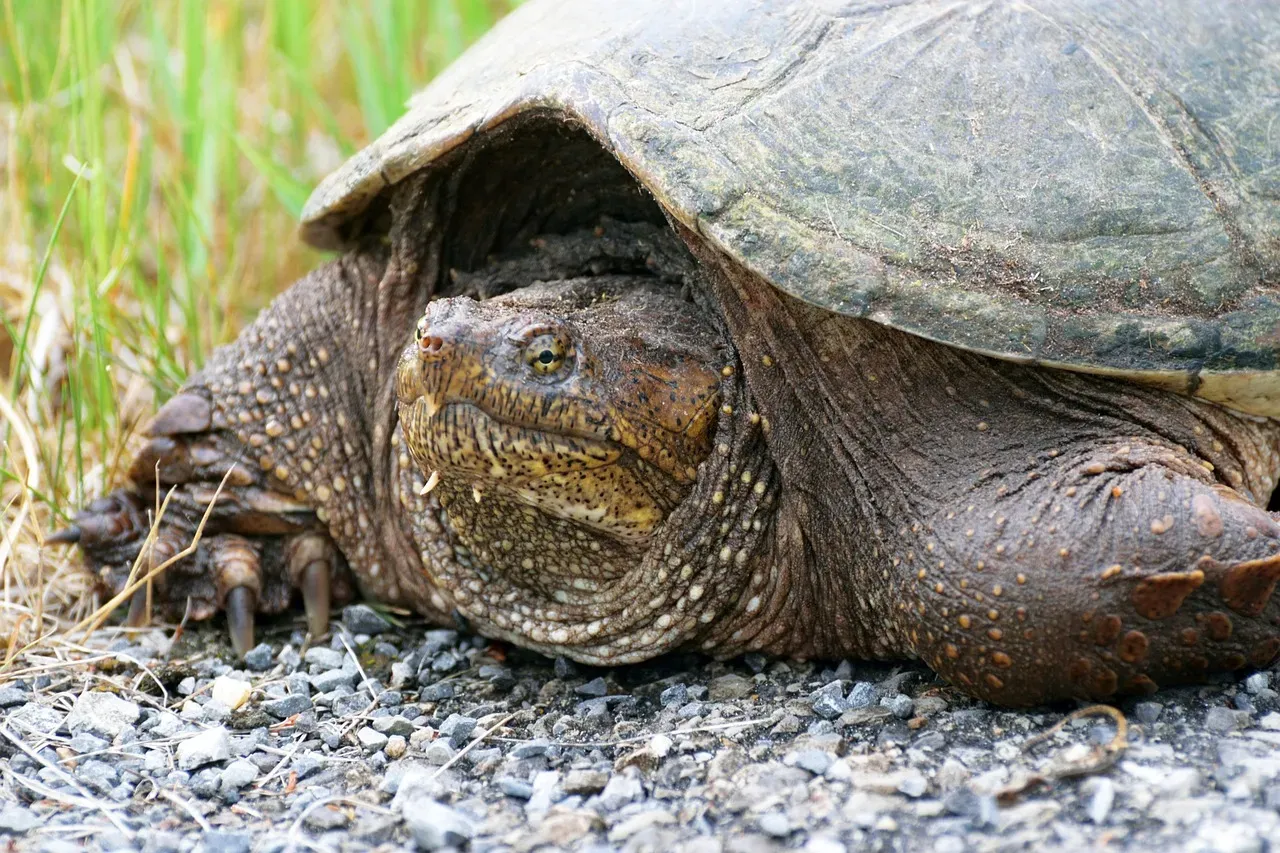
The alligator snapping turtle is the largest freshwater turtle in North America, native to the US Southeast and known for their large, menacingly spiky shells, reminiscent of dinosaurs like the Ankylosaurus. Their jaws are powerful, known to bite through the handle of a wooden broom.
Algae grows on the alligator snapping turtle’s shell, allowing it to blend in with its surroundings at the bottom of lakes and rivers, making them hard to see and easy to step on, and thanks to their strong jaws, they can be dangerous to humans if bitten, as their bite is strong enough to break through bone. These prehistoric-looking giants dwell at the bottom of rivers and ponds in the southeastern United States, lying with crushing jaws agape, wiggling their wormlike tongue to attract fish.
Coatis Roaming the Desert Southwest
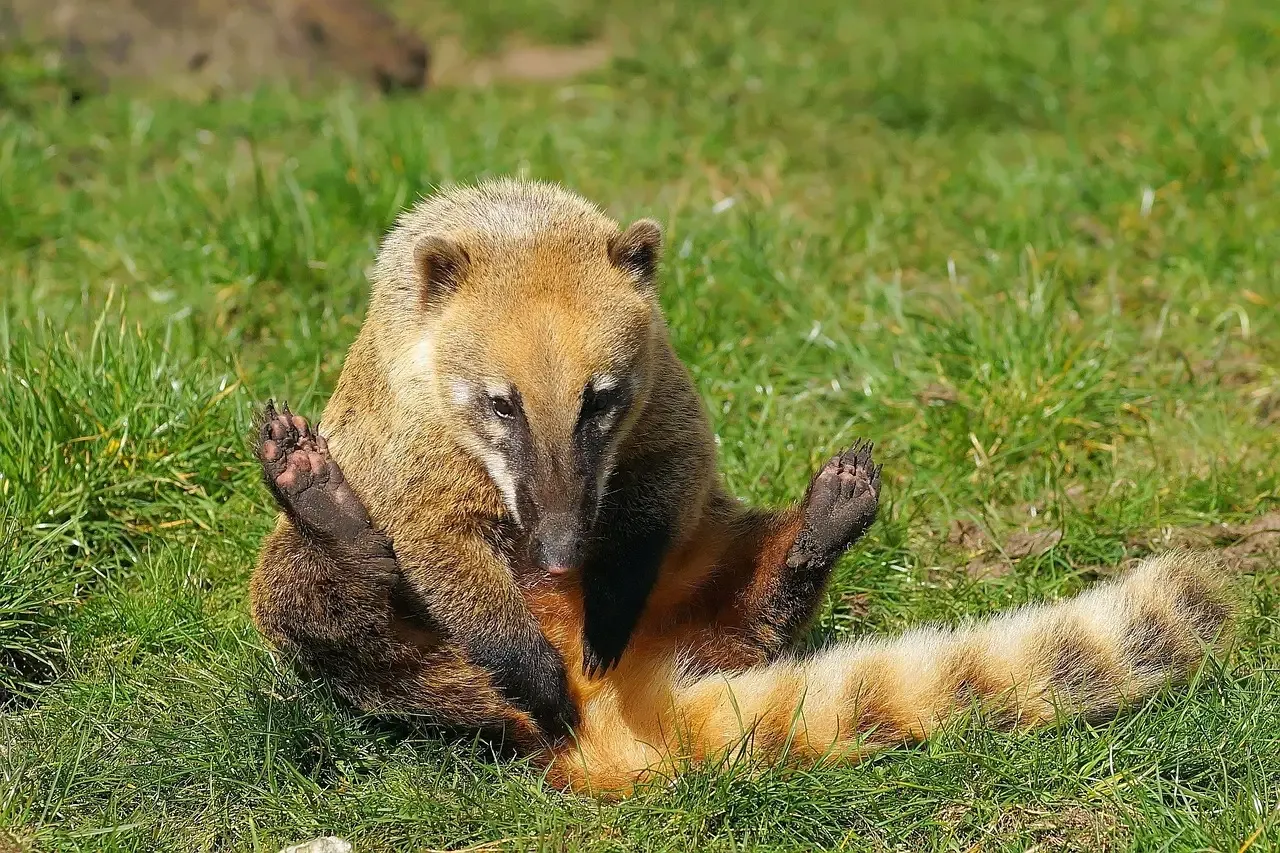
Coatis are adorable raccoon-related mammals that range from central Arizona to south Texas and are easily spotted by their flexible tails and long snouts which they use to find food. Adult males, called coatimundis, typically fly solo for long distances, whereas female coatis wander the grasslands in groups with their young.
Coatis typically shy away from people and aren’t usually seen in more urban areas, preferring wild landscapes where they can forage undisturbed. These social animals look like a bizarre mashup of different creatures with their ringed tails, pig-like snouts, and raccoon bodies. They spend their days turning over rocks and digging through leaf litter searching for insects and fruit.
Gila Monsters Hiding in Desert Burrows
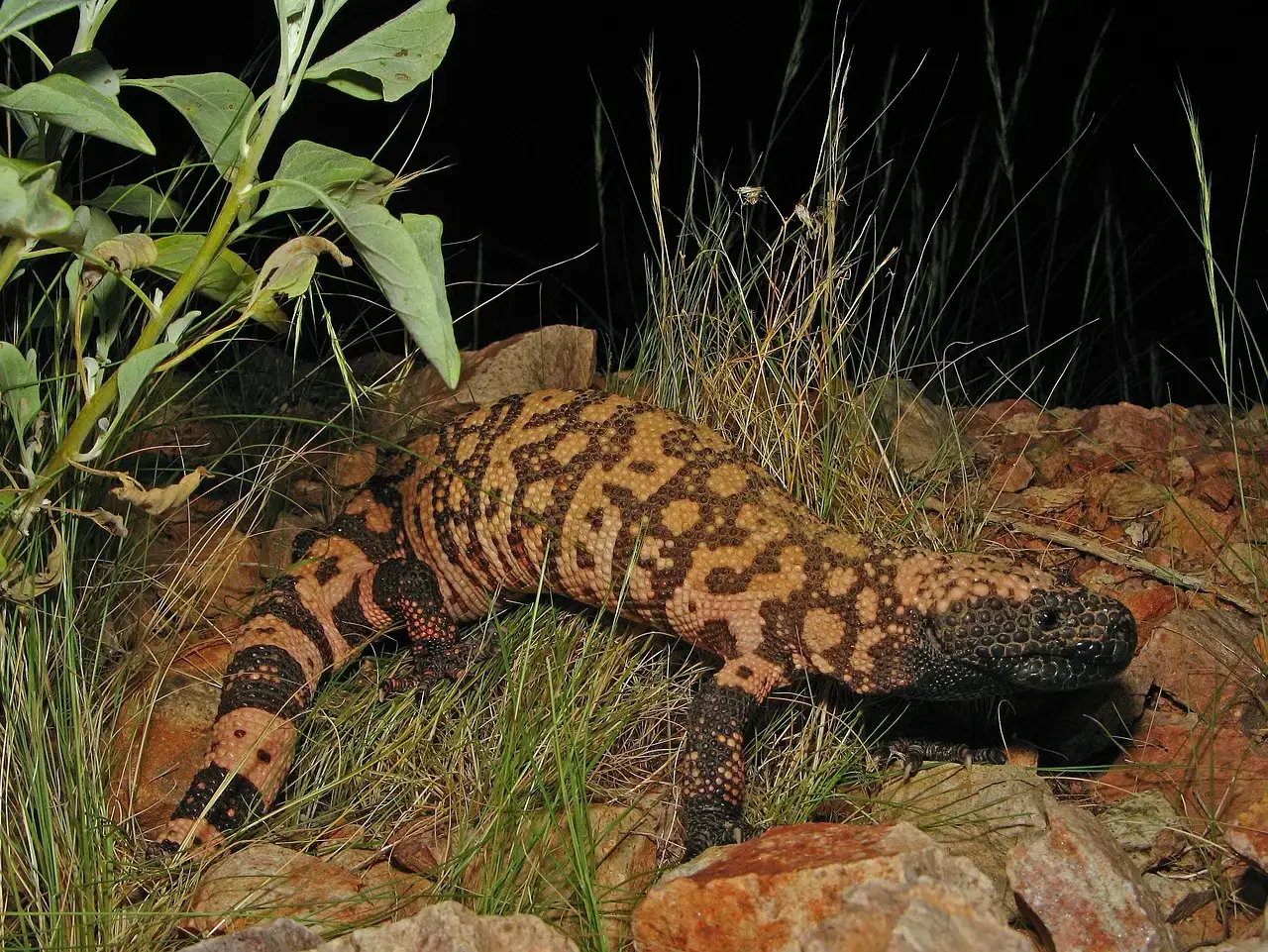
The gila monster is one of the only venomous lizards in the world, and the reptile’s distinctive markings are a warning of its potent poison, although the sluggish lizards pose little threat to humans. Gila monsters are the largest lizards native to the United States, measuring around 20 inches in length and up to 1.8 kg in weight, and are one of two venomous lizards of North America.
They can go months without eating or drinking and spend 95% of their lives underground, and even though this is the only known venomous lizard in the United States, they are very slow and cause very little harm to humans unless you are scaring them. Their beaded, colorful skin in patterns of black, pink, and yellow makes them look almost decorative. I know it sounds crazy, but these slow-moving reptiles can survive on just a few large meals per year.
Conclusion
The creatures sharing your neighborhood are far stranger than most nature documentaries would have you believe. From glowing opossums to mouthless moths, these bizarre animals prove that you don’t need to travel to exotic locations to encounter wildlife that seems almost alien. They’ve been here all along, hiding in plain sight while we go about our daily routines.
Next time you’re outside after dark, consider bringing a UV flashlight or simply paying closer attention to the rustling in the bushes. The natural world is full of surprises, and the weirdest ones might be living closer than you ever imagined. What other strange creatures do you think might be lurking in your own backyard? Share your unusual wildlife encounters in the comments below.

- 12 Bizarre US Animals You Didn’t Know Existed In Your Backyard - July 22, 2026
- 10 Things Golden Retrievers Do That Melt Senior Hearts - July 22, 2026
- 14 Tender Signs a Horse Grieves the Rider It Loved Most - July 22, 2026