
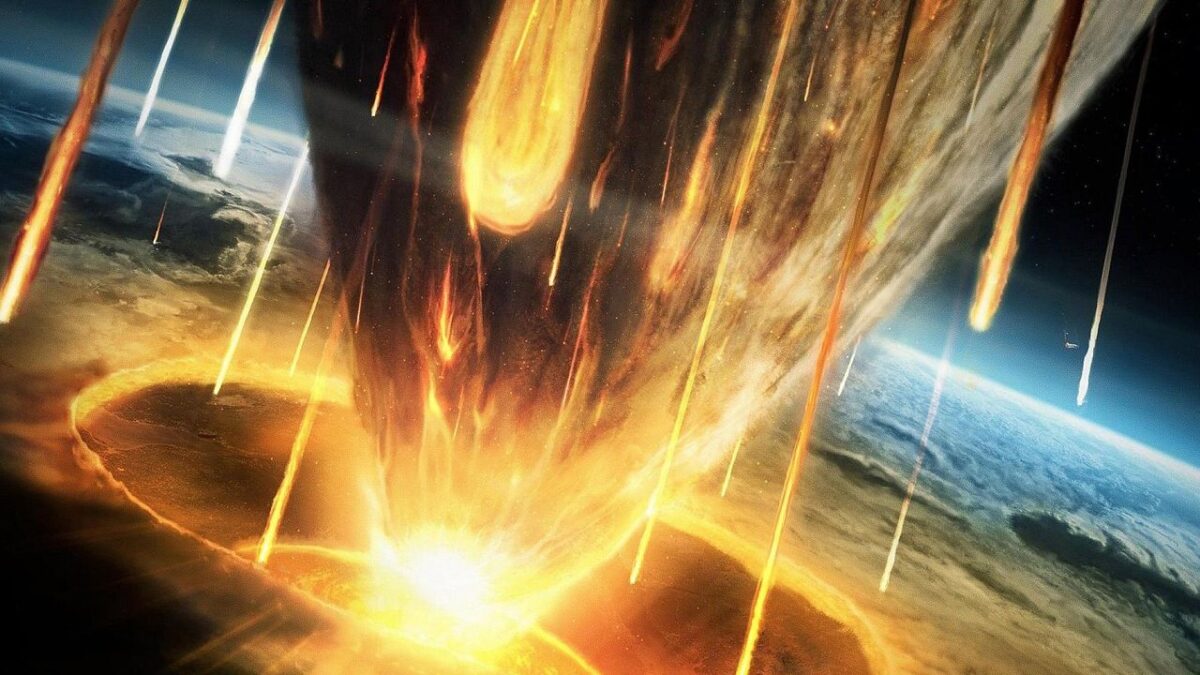
Worried about unexpected vet bills?
Pet insurance can cover thousands in unexpected vet costs. Get a free quote from Lemonade in under 2 minutes.
Get My Free Quote →Sponsored · Opens Lemonade.com
We spend our days worrying about traffic, deadlines, and what to make for dinner. We obsess over politics, weather forecasts, and whether our Wi-Fi signal is strong enough. The sky above us seems peaceful, indifferent even, sprinkled with stars that have watched over humanity since we first learned to look up.
Yet beyond that deceptive calm lurks a universe that doesn’t care about us. Out there, beyond our fragile atmospheric bubble, forces of unimaginable violence are constantly at work. Exploding stars, wandering black holes, radiation bursts traveling at the speed of light. These aren’t just theoretical dangers or the stuff of science fiction. They’re real cosmic phenomena that have shaped Earth’s history and could, under the wrong circumstances, rewrite our future entirely.
Some of these threats announce themselves with years of warning. Others arrive in seconds, offering no chance to prepare or react. Let’s explore the seven most terrifying cosmic dangers lurking in the vast darkness of space.
Gamma Ray Bursts: Death Rays From Dying Stars
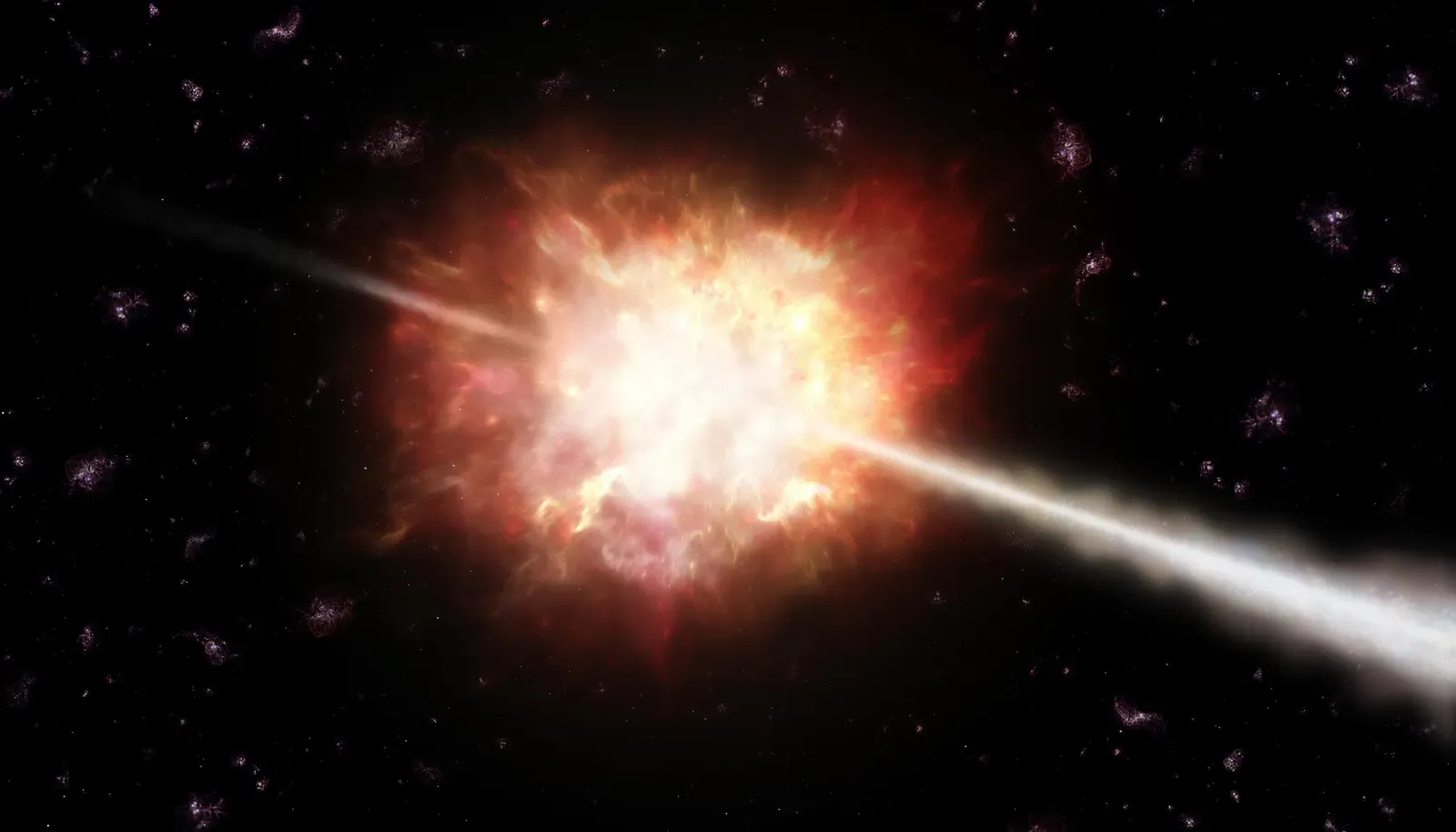
A gamma-ray burst in the Milky Way pointed directly at Earth would likely sterilize the planet or cause a mass extinction. These cosmic explosions represent perhaps the most terrifying threat from space because of their sheer power and unpredictability. In less than a second, they produce more energy than the Sun does in 10 billion years.
These happen when an exploding star triggers the formation of a black hole in its core. The resulting beams of concentrated energy can traverse entire galaxies. Models show a possible global reduction of 25–35% in ozone, with as much as 75% in certain locations, an effect that would last for years, enough to cause a dangerously elevated UV index at the surface. The Late Ordovician mass extinction has been hypothesised by some researchers to have occurred as a result of such a gamma-ray burst.
Solar Flares and Coronal Mass Ejections: Our Star’s Temper Tantrums
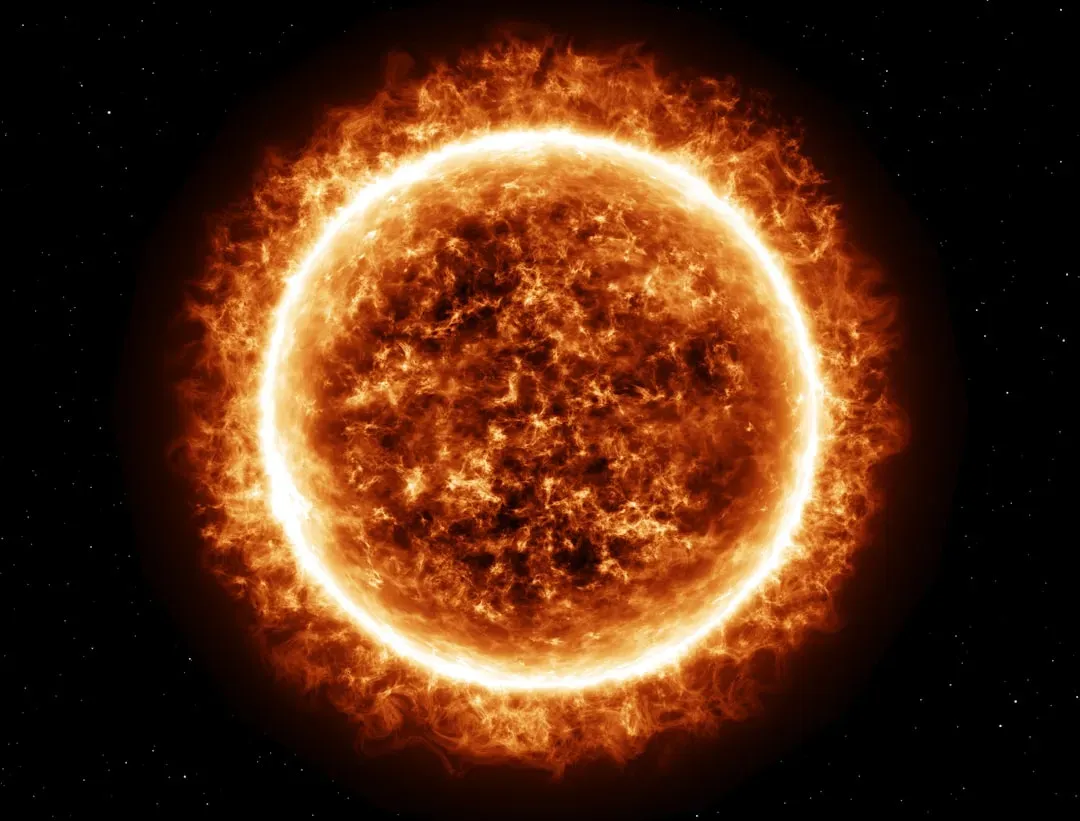
The Sun provides life, warmth, and energy to our planet. It also has the capacity to destroy everything we’ve built in modern civilization. When the Sun erupts in a tantrum, charged particles expelled into space can seriously disrupt our electrical infrastructure – not to mention mess with GPS, cut off radio communications, trigger power outages, and cause satellites to glitch.
The storm disabled parts of the recently created US telegraph network, starting fires and shocking some telegraph operators. That was the Carrington Event of 1859. Today, a similar storm would be catastrophic. Fluctuating magnetic fields associated with these storms induce currents in long wires like power lines, potentially leading to wide-spread blackouts in extreme cases. On March 13, 1989, a powerful geomagnetic storm triggered a major power blackout in Canada that left 6 million people without electricity for 9 hours. Honestly, it’s hard to imagine what weeks or months without power would mean for modern society. It’s also “not considered possible” that a CME would destroy life on our planet.
Asteroid Impacts: The Dinosaurs’ Downfall Could Be Ours
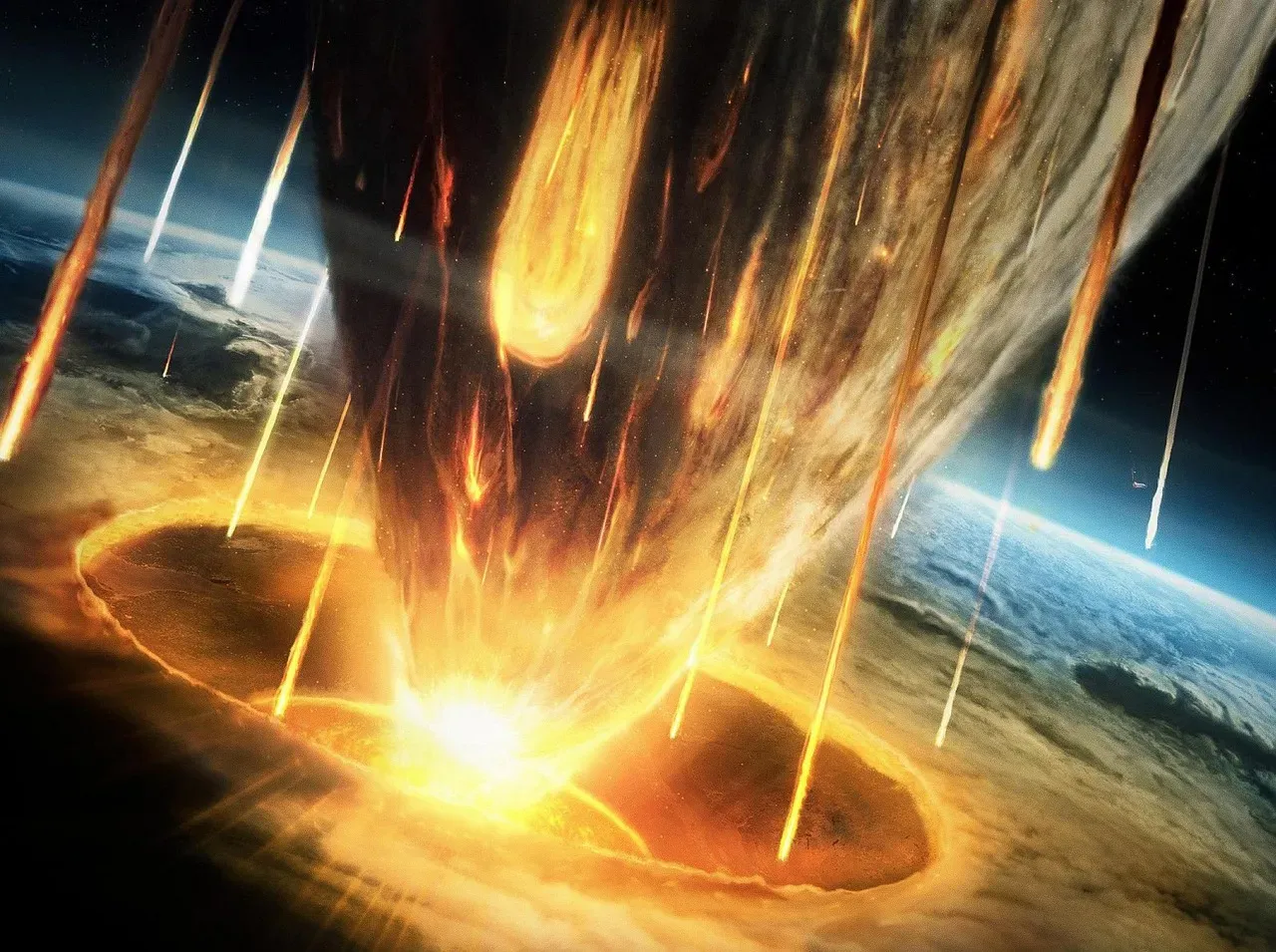
Every few years, an asteroid the size of a bus slams into our atmosphere at a speed of up to 70,000 miles per hour. When it detonates, it releases energy equivalent to a medium-scale nuclear bomb. Most burn up harmlessly or explode over empty ocean. We’ve been lucky so far.
The dinosaurs weren’t. The Chicxulub impactor that struck Earth 66 million years ago released 72 teraton of TNT, a few thousand times more than a Milky-Way BOAT, and 5 billion times the energy of the atomic bomb dropped on Hiroshima. Eventually our luck will run out, and a metal-rich asteroid, capable of surviving its screaming descent through our atmosphere, will aim itself squarely at a densely populated portion of the globe. The question isn’t if, but when.
Supernova Explosions: When Nearby Stars Die Violently
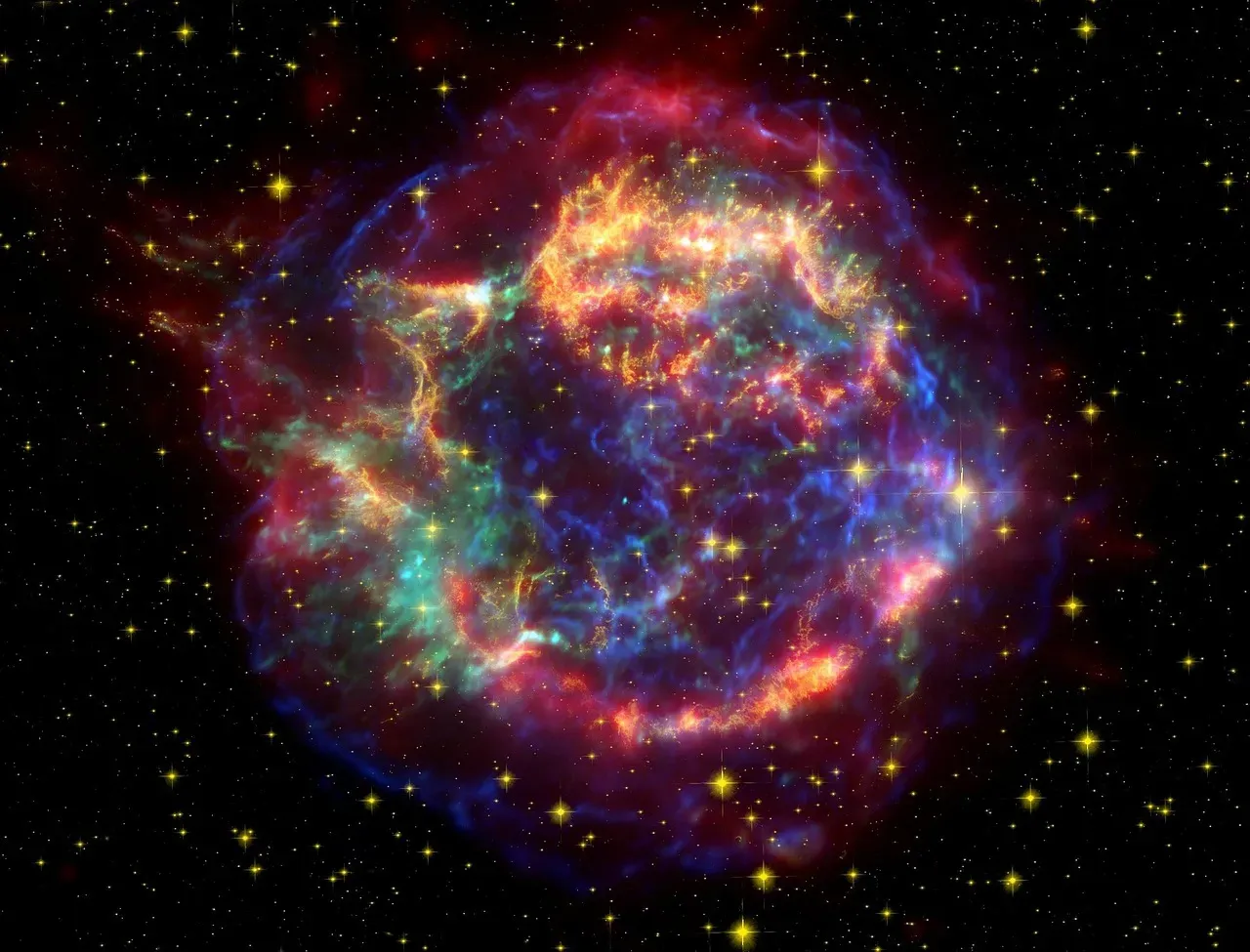
Stars much more massive than our Sun don’t fade gently into the cosmic night. They explode with such violence that the energy released can outshine entire galaxies. It’s estimated that if a supernova erupted within around 30 light-years of our planet, our atmosphere would be violently ripped away, and all life on Earth would perish.
Even farther away, the damage could be severe. A sudden burst of high-energy photons from a supernova would eat away at Earth’s ozone layer. This is significant because the ozone layer shields our planet from harmful radiation from the sun. SNe expel 60Fe into space when they explode, indicating that a nearby supernova exploded about 2 million years ago. There’s also 60Fe in sediments that indicate another SN explosion about 8 million years ago. We’ve survived them before, though perhaps not without consequences. At 600 light-years away, the red supergiant Betelgeuse in the constellation of Orion is the nearest massive star getting close to the end of its life.
Rogue Black Holes: Invisible Cosmic Wanderers
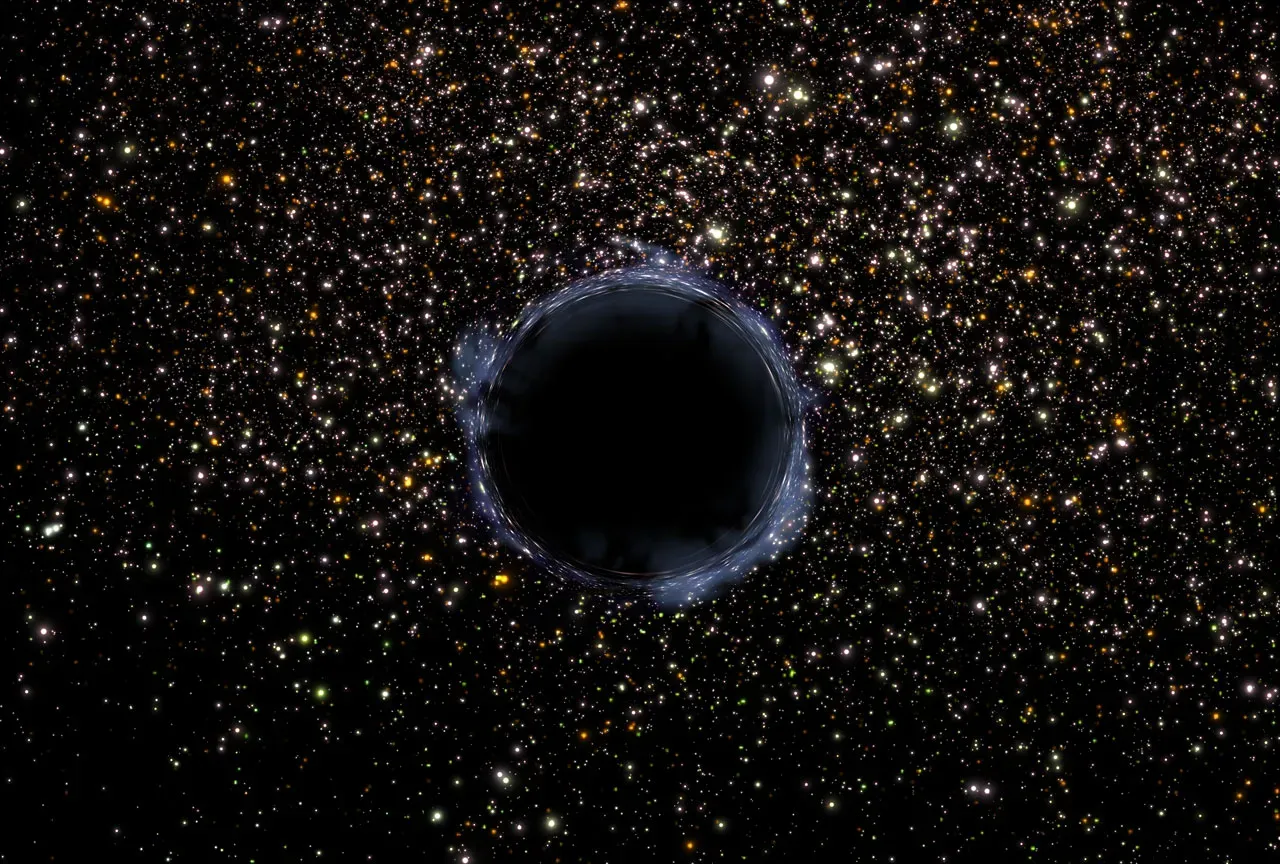
Astronomers estimate that there are around 100 million black holes roaming around our Milky Way galaxy, and in the very unlikely scenario that one were to pass through our solar system the Earth could be flung out into deep space. These aren’t the supermassive black holes at galactic centers. These are stellar-mass objects, kicked out of their birthplaces and now drifting silently through the cosmos.
The truly terrifying aspect of rogue black holes is their invisibility. Their event horizons are only 40 km across – city-sized. Even though there are a lot of black holes in the galaxy, our chances of running into one directly are astronomically small. Still, space is big, and time is long. In the case of a rogue black hole zooming through our region of space, it could be enough to seriously disturb the orbits of our planets. If a wandering black hole or neutron star passed anywhere close to our solar system, we would certainly see its effects on orbits of the outer planets and comets in the Oort cloud. Let’s be real, getting ejected from our comfortable orbit around the Sun would be game over.
Rogue Planets: Worlds Without Suns
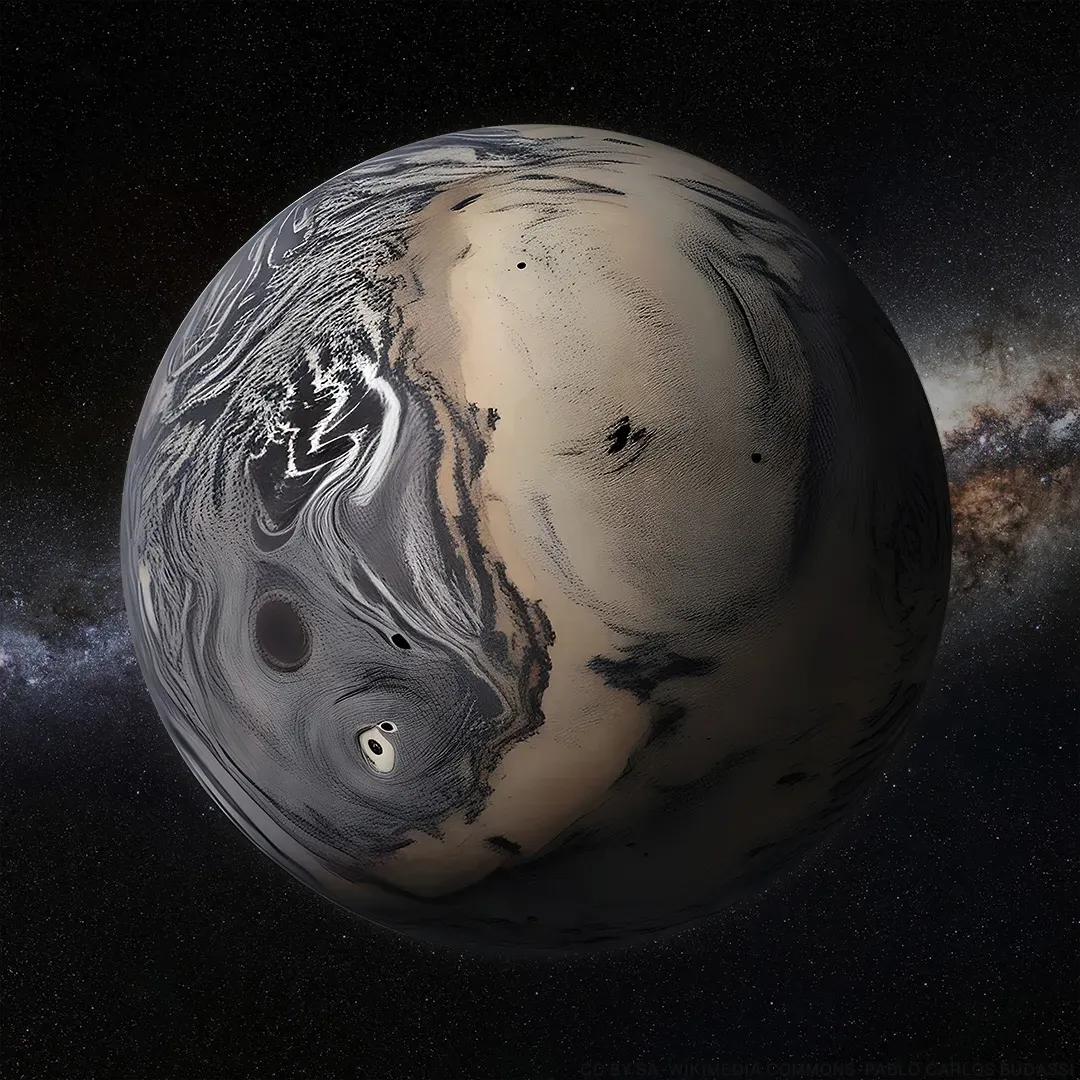
Free-floating planets sound almost poetic, drifting alone through the darkness between stars. The reality is less romantic. Rogue planets might outnumber the Milky Way’s 200 to 400 billion stars by a mind-boggling 100,000 to 1. These are worlds that were violently ejected from their home systems, now wandering the galaxy as cosmic nomads.
It’s “not very likely” that a rogue planet would enter the solar system and disrupt it. Despite the vast number of rogue worlds in the galaxy, there is plenty of space between stars for these worlds to not pose too much of an existential threat to Earth and the rest of the solar system. However, the sheer number of them makes the possibility non-zero. Astronomers now believe the vast majority of rogue worlds are smaller. Earth-size rogue planets would likely have less of a destabilizing influence if they were to pass close by. That’s somewhat comforting, though a Jupiter-sized intruder could still wreak havoc on planetary orbits.
Nearby Neutron Star Collisions: Rare but Devastating
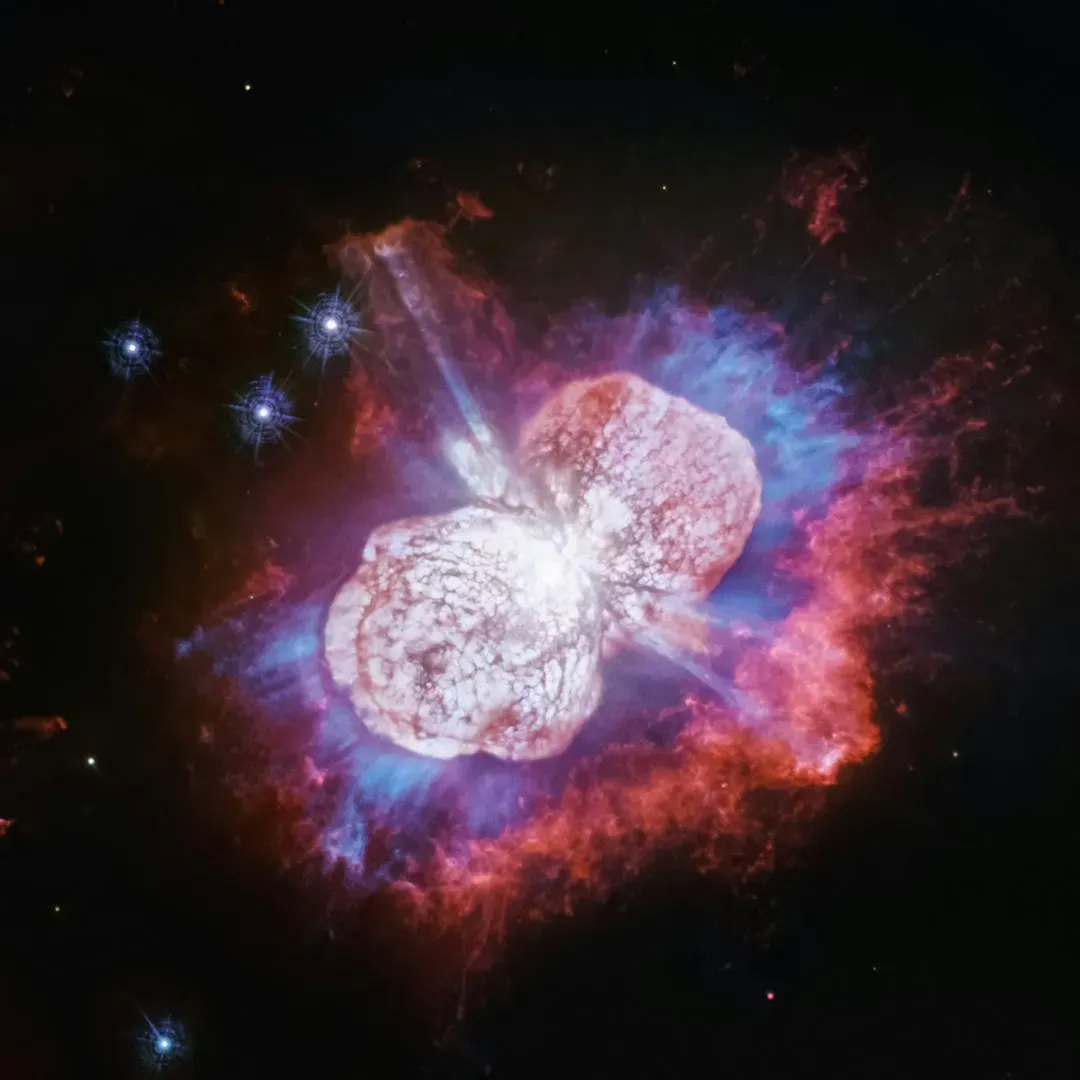
These bursts require violent death, either via the collapse of a massive star, or the merging of neutron stars. Despite that, they happen fairly regularly. When two neutron stars spiral into each other and merge, the collision produces a gamma-ray burst of staggering intensity. Neutron stars do not typically form in pairs, so there is only one collision in the Milky Way about every 10,000 years. They are 100 times rarer than supernova explosions.
If the Earth were in the line of fire of a gamma-ray burst within 10,000 light years, or 10% of the diameter of the galaxy, the burst would severely damage the ozone layer. It would also damage the DNA inside organisms’ cells, at a level that would kill many simple life forms like bacteria. Gamma-ray bursts may not hold an imminent threat , but over very long time scales, bursts will inevitably hit the Earth. The odds of a gamma-ray burst triggering a mass extinction are 50% in the past 500 million years and 90% in the 4 billion years since there has been life on Earth. Those aren’t reassuring odds when you think about the long game.
Conclusion
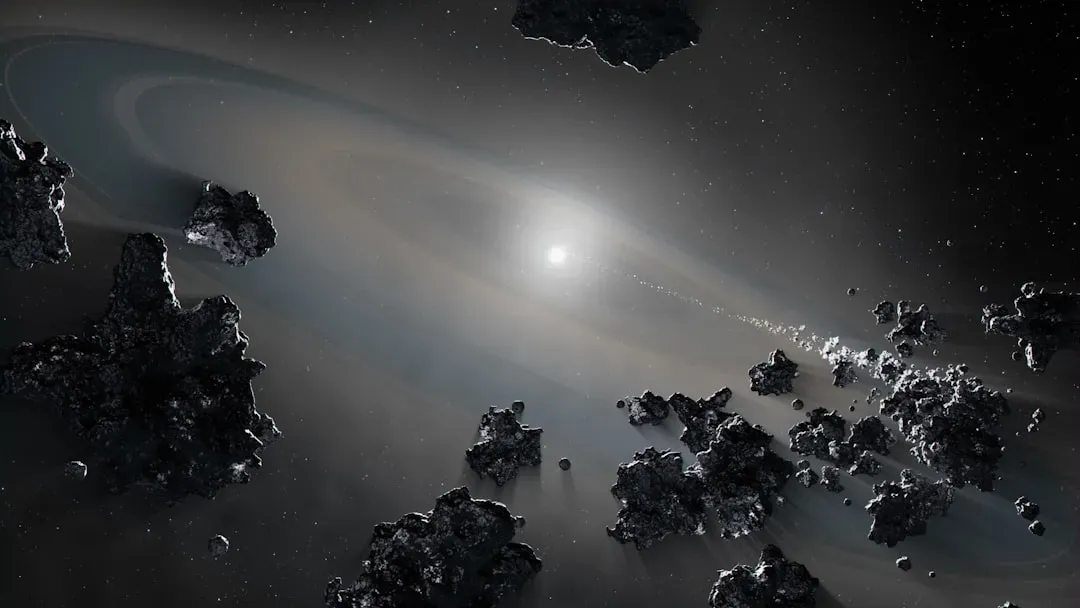
The universe operates on scales that dwarf human comprehension. Stars explode, black holes drift through the darkness, and radiation travels at light speed across incomprehensible distances. We exist on a small, fragile planet that has been extraordinarily fortunate so far. Our atmosphere shields us from most dangers, our magnetic field deflects solar storms, and sheer cosmic geography has kept the most violent phenomena safely distant.
Yet this protection isn’t guaranteed forever. The threats are real, documented, and inevitable on long enough timescales. Some scientists dedicate their careers to watching the skies, searching for early warning signs of cosmic dangers. Their work matters more than most people realize.
Perhaps the most humbling aspect of these cosmic threats is how they remind us of our place in the universe. We are not the center of creation, nor are we immune to its violent forces. We’re passengers on a planet that happens to be in the right place at the right time – for now.
What’s the most surprising cosmic threat to you? Did you realize we live in such a dangerous cosmic neighborhood?
Worried about unexpected vet bills?
Pet insurance can cover thousands in unexpected vet costs. Get a free quote from Lemonade in under 2 minutes.
Get My Free Quote →Sponsored · Opens Lemonade.com

- 8 Natural Smells That Help Keep Ants Out of Your Kitchen - June 10, 2026
- Which Predator Would Star in an Action Movie About You? - June 10, 2026
- The Spirit Animal That Captures Your Inner Child - June 10, 2026