
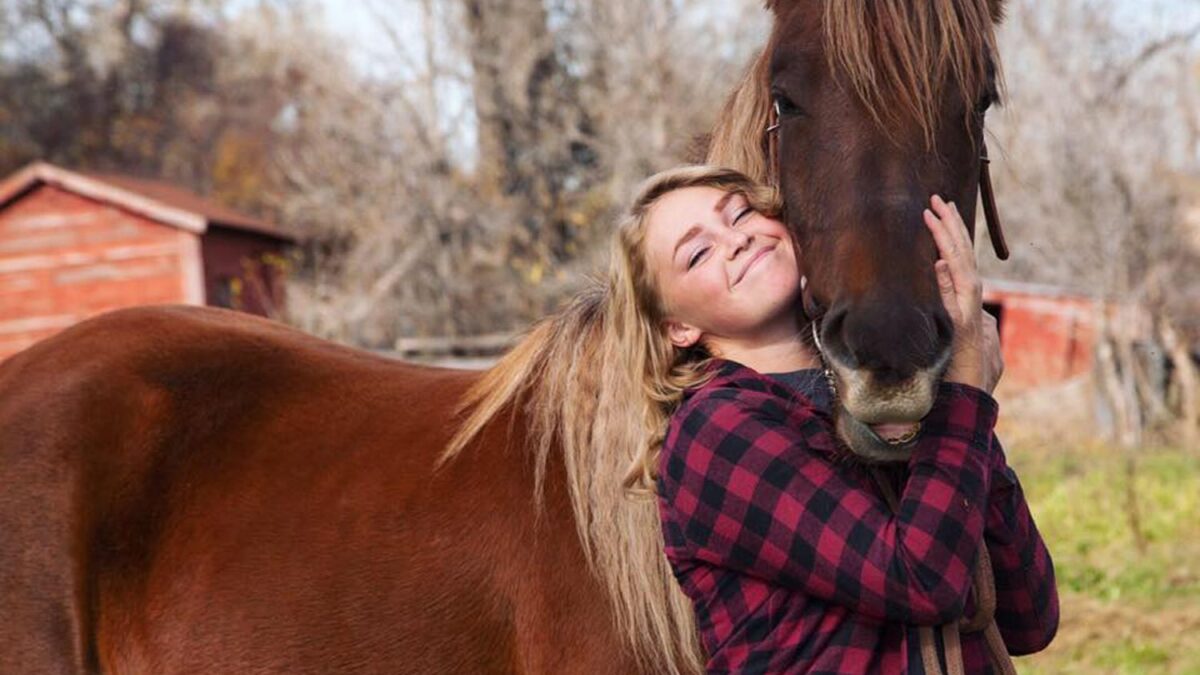
Ever wonder why your horse seems to know what kind of day you’ve had before you even say hello? It’s not magic or coincidence. That extraordinary creature standing in your pasture is reading you like an open book, picking up on emotional signals you didn’t even know you were broadcasting. Most of us think we’re pretty good at hiding our feelings, but here’s the thing: horses aren’t fooled by our poker faces.
Scientists have spent years studying this phenomenon, and what they’ve discovered is pretty remarkable. Horses integrate human facial expressions and voice tones to perceive human emotion, regardless of whether the person is familiar or not. They’re essentially emotional detectives with four legs and a mane. Let’s dive into the fascinating ways these intuitive animals are constantly tuning into your inner emotional world.
They Decode Your Facial Expressions With Stunning Accuracy
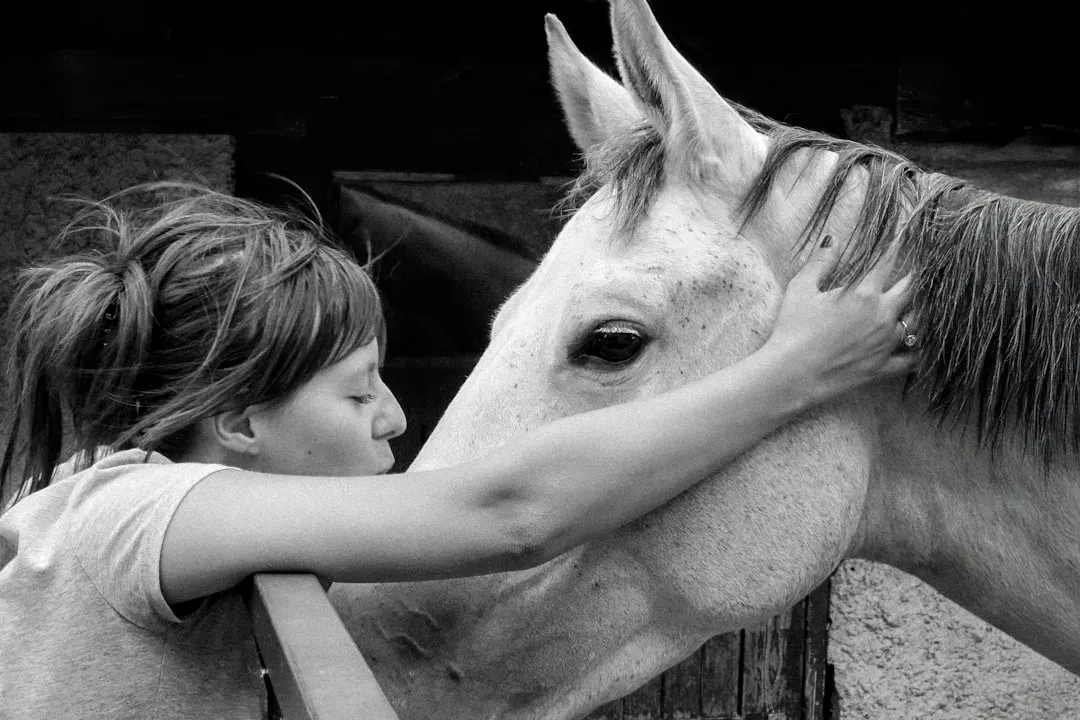
Horses can distinguish between angry and happy human facial expressions. Think about that for a second. Your horse is actually studying your face and making judgments about your emotional state.
When shown photographs of angry expressions, horses exhibited left-gaze bias and their heart rates increased when they viewed negative facial expressions. The left-gaze bias is particularly telling because many species view negative events with their left eye due to the right brain hemisphere’s specialization for processing threatening stimuli.
What makes this even more impressive is that horses and humans look nothing alike. Despite their long nose, eyes on the sides of the head, and wiggly ears, horses are pretty good at looking across the species barrier to read our faces. They’ve essentially learned an entirely different facial language.
Recent research from 2025 shows horses can even learn to identify specific emotions like joy and sadness. Horses perceive and react to human emotional signals, and researchers tested whether horses can learn to identify human joyful and sad expressions against other emotions. Let’s be real, that’s a level of emotional sophistication most of us don’t give them credit for.
They Pick Up On Voice Tone Like Emotional Sonar
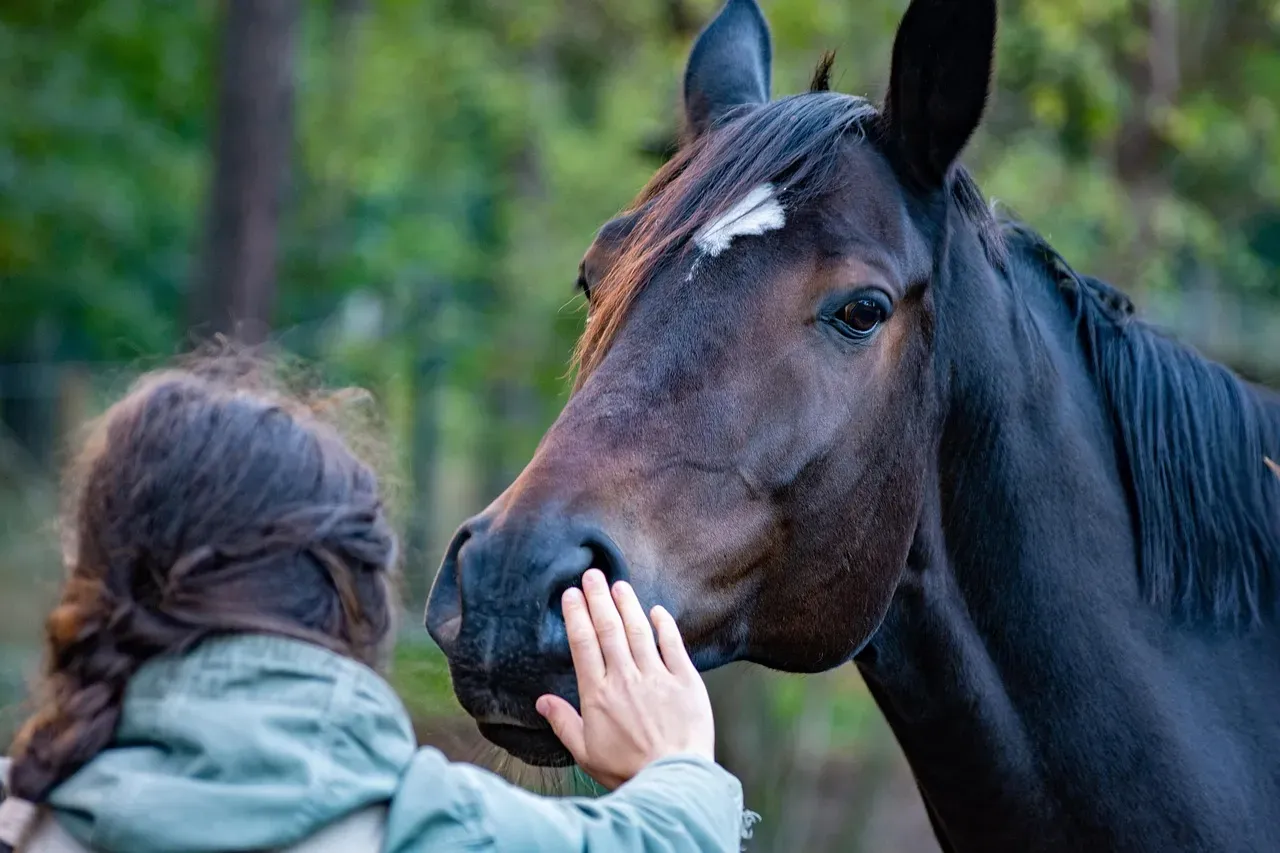
Your words might say one thing, but your voice tells the real story. Horses are listening to how you say things, not just what you say.
Horses can detect when a person’s tone of voice is incongruent with their facial expression, such as someone smiling while yelling or frowning while yelling. Imagine being able to spot that kind of inconsistency instantly. It’s like they have a built-in lie detector.
Studies involving voice recordings have revealed some interesting patterns. Horses spent more time looking at human faces displaying happiness, and their heart rates increased more upon hearing happy voices than sad ones, indicating horses were more alert and excited at the sound of a joyful human voice.
This sensitivity makes perfect sense when you think about it. Horses are social animals who rely heavily on communication within their herds. They’ve simply adapted those skills to understand us too, which is honestly kind of mind-blowing.
They Can Smell Your Fear and Joy Through Chemical Signals
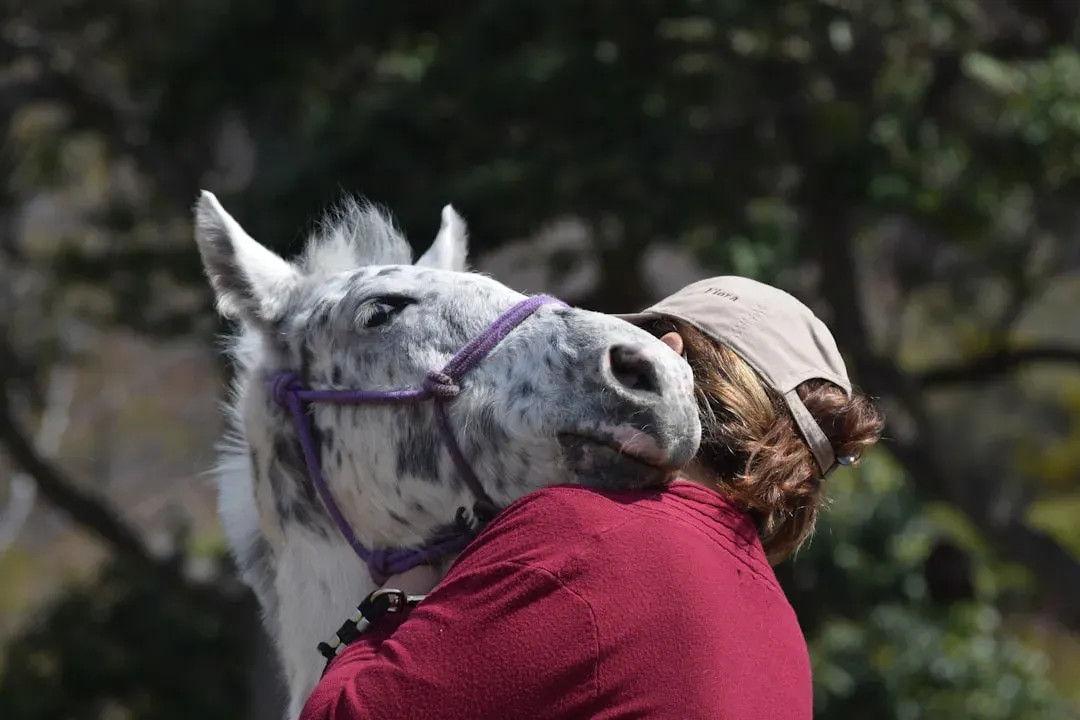
Here’s where things get really wild. Horses don’t just see and hear your emotions; they can actually smell them.
Horses can discriminate between human odors produced while feeling fear versus joy, with horses presented sweat odors from humans who reported feeling fear or joy while watching horror movies or comedies. Your body literally releases different chemical signals depending on your emotional state, and horses pick up on these subtle differences.
Olfaction joins audition and vision as senses through which horses perceive human emotions, and these perceptions can affect interactions between horses and their owners, riders or caretakers. It’s a multi-sensory emotional reading system that would make any detective jealous.
This olfactory ability probably evolved as a survival mechanism. In the wild, detecting fear or stress in herd members could signal nearby danger. Now, that same ability helps them understand the emotional landscape of their human companions.
They Mirror Your Emotional State Back At You
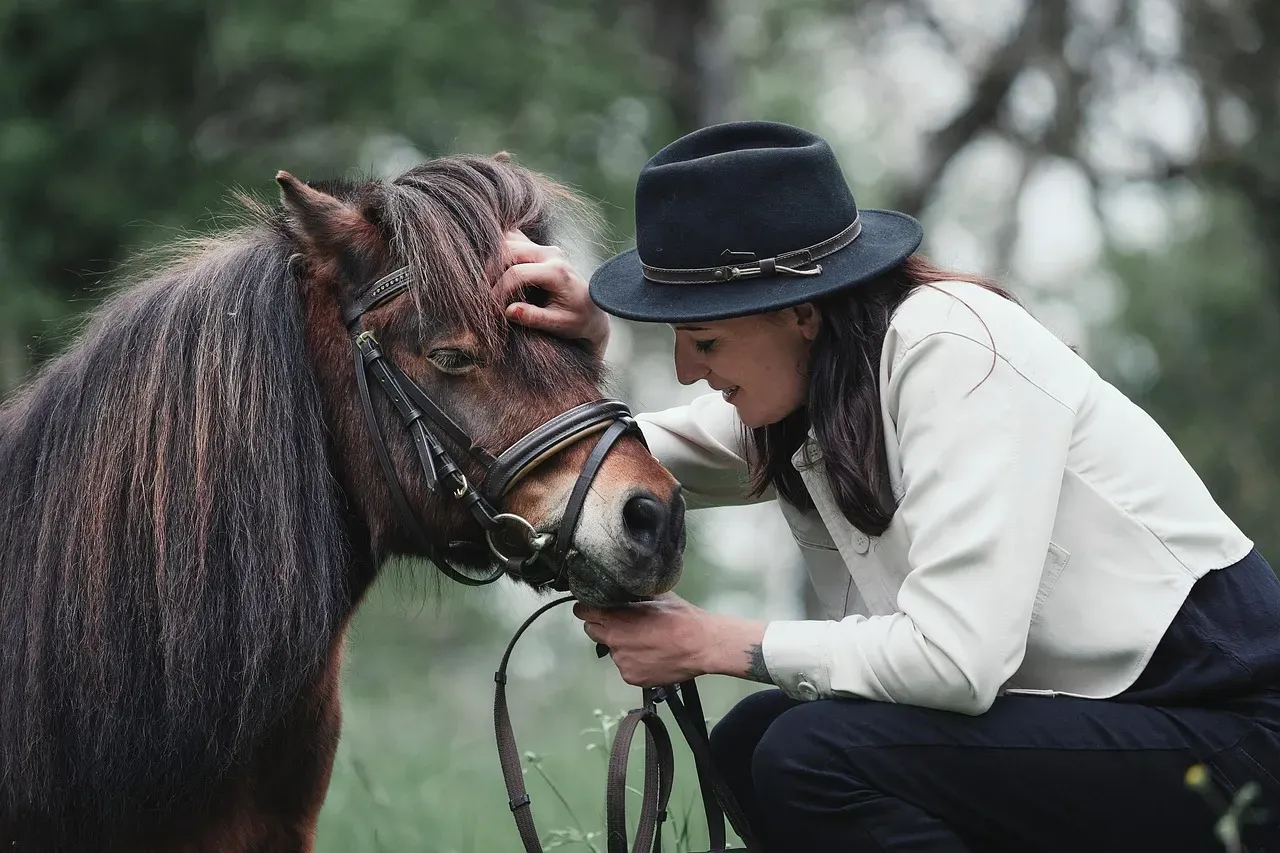
Ever notice how your horse seems tense when you’re stressed? That’s not coincidence; it’s emotional mirroring.
Horses may reflect emotions back, with some horses acting as mirrors where nervous handlers see their horses express nervous behaviors such as pawing or working at a faster pace. It’s like looking into an emotional mirror you didn’t know existed.
Emotional contagion, the emotional state-matching of two individuals, has been documented in various species, and recent findings suggest it could take place between humans and domestic mammals. Recent 2025 research confirms this phenomenon is very real.
Sometimes horses don’t just mirror emotions; they absorb them. Some horses act like sponges absorbing energy, particularly when you’re feeling sadness or grief, and you might notice feeling better after time spent around your horse because he’s taking away your pain. Pretty therapeutic, right?
Their Heart Rate Syncs With Yours During Interaction
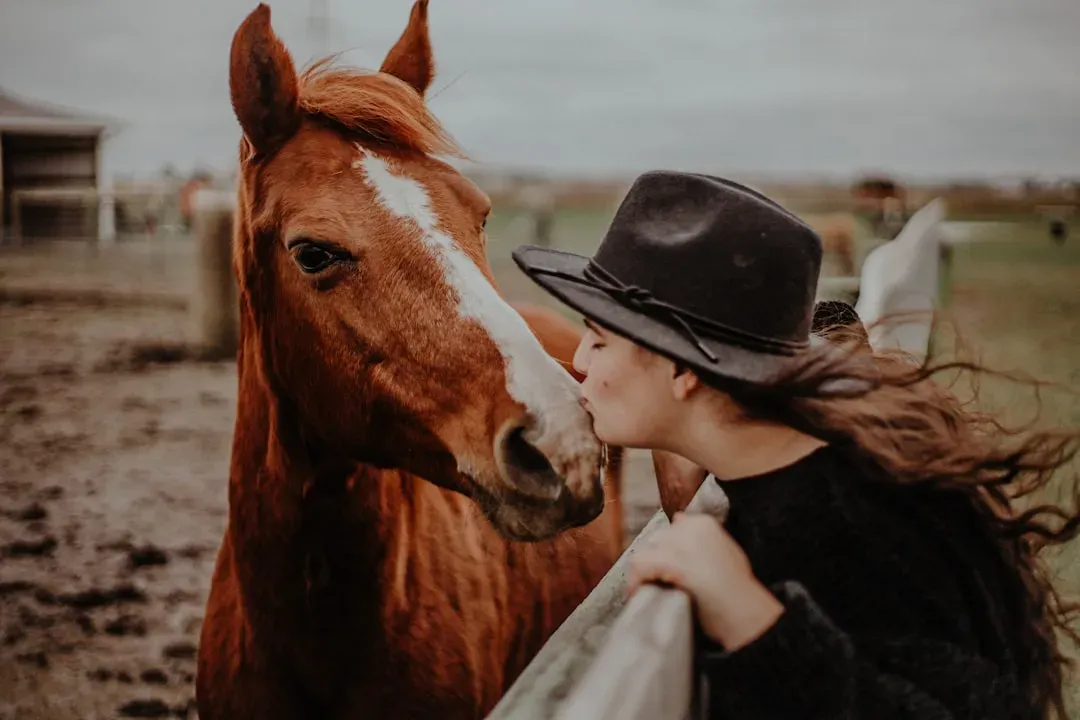
This one sounds like science fiction, but it’s been measured in laboratories. Results indicate mutual heart rate synchronization between horses and riders, suggesting a potential mechanism for emotional regulation.
Sixteen horse-human pairs demonstrated synchronized HRV peak frequencies during sessions, suggestive of social connection. Heart rate variability is a strong indicator of emotional status, and when yours matches your horse’s, you’re literally on the same physiological wavelength.
An increase in the rider’s heart rate was associated with a heart rate increase in the horse, and horses ridden by more anxious riders had higher heart rates themselves. Your horse’s cardiovascular system is responding to your emotional state in real time.
This synchronization isn’t just a cool party trick. It represents a deep biological connection between two different species, suggesting that the bond between horses and humans goes far beyond simple companionship.
They Remember Your Emotional History With Them
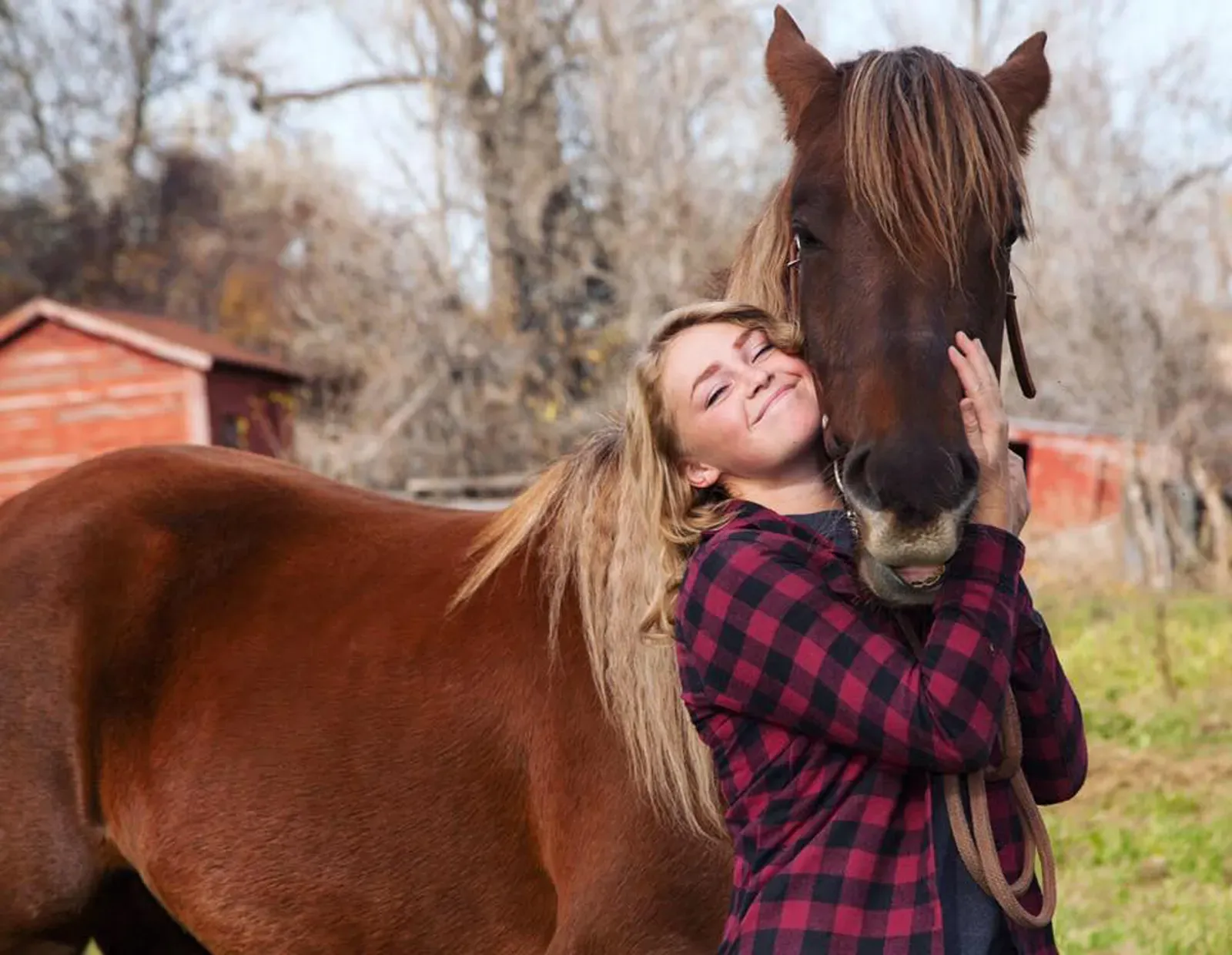
Horses have excellent memories, especially when it comes to how you’ve made them feel.
A 2010 study found horses remembered how an individual human behaved towards them based on just one interaction, even as long as eight months later, and behaved better with handlers who used positive handling techniques. One bad day at the barn could echo for months in your horse’s mind.
Horses can pick up on emotions, and if you’re always around your horse getting stressed and frustrated, they’ll negatively associate you with those emotions, while if your horse is used to you being a calm and decisive leader, they will positively associate you with a happy atmosphere. You’re essentially building an emotional reputation with your horse.
Think about the implications here. Every interaction counts. If you feed early and are tired and less relaxed than normal, when you come to load your horse they will remember your grumpy or tense expression and already be one step ahead in the suspicious, uncooperative department. Your horse is keeping emotional receipts, whether you realize it or not.
They Read Your Body Language With Incredible Precision
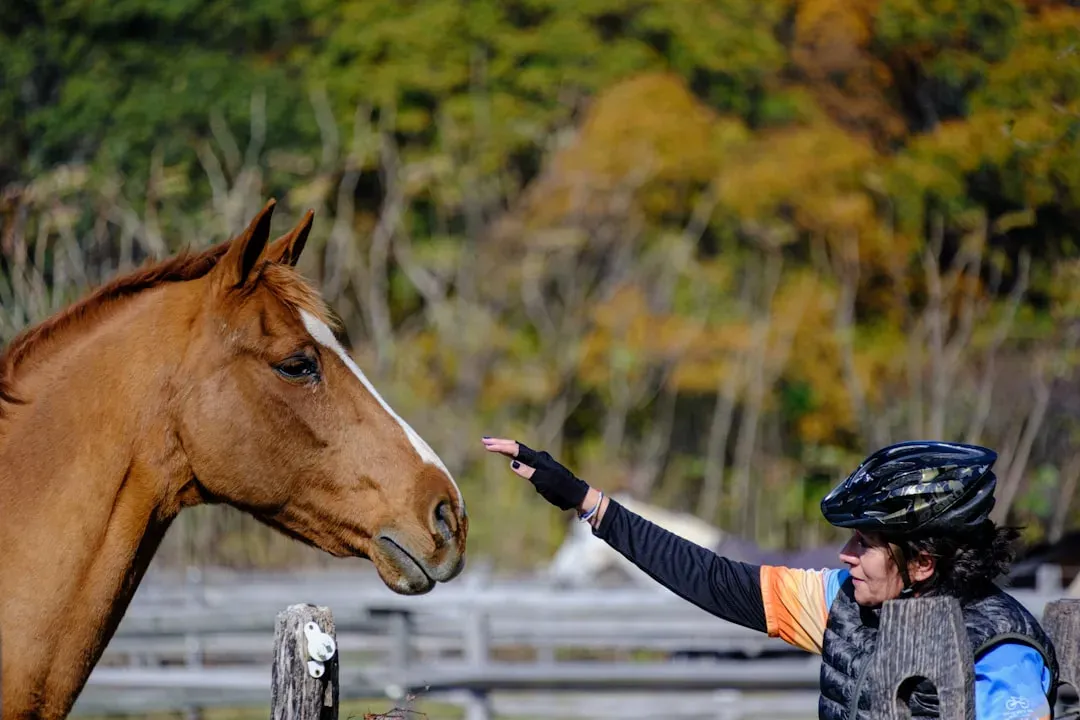
Forget about what your face is doing for a moment. Your entire body is speaking volumes to your horse.
By observing and mirroring subtle cues such as body posture, breathing patterns, and energy levels, horses can effectively read the emotional states of their human counterparts. They’re watching everything from how you walk to how you breathe.
Horses put together the puzzle pieces of your tone, facial expressions, body language, and even energy to gauge what emotion you’re feeling. It’s a comprehensive assessment happening in real time as you approach.
As prey animals, horses are highly attuned to changes in their environment, meaning they can tune in to your emotional state and notice how you’re feeling, and when you arrive at the barn in a state of anger, frustration, or high stress, your horse will feel that. Their survival has always depended on reading subtle environmental cues, and now they’re applying that skill to reading you.
Your posture alone can telegraph your emotional state. Slumped shoulders might indicate sadness or defeat. Tense muscles signal anxiety or anger. Horses notice these details instantly.
They Possess An Abundance Of Mirror Neurons For Empathy
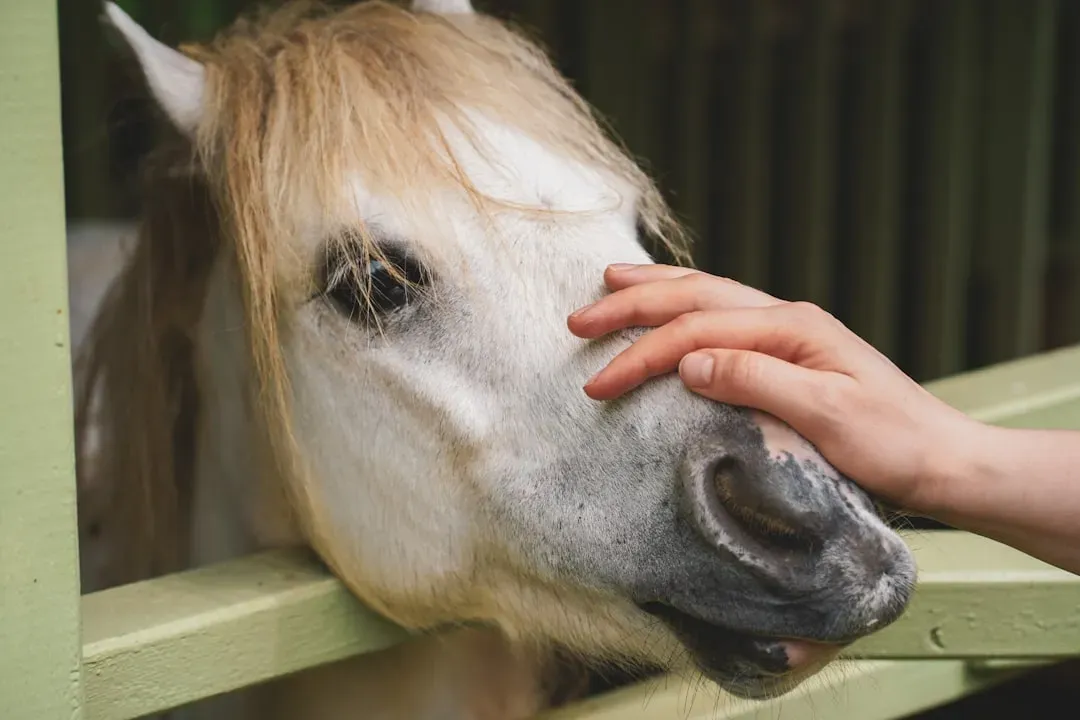
The science behind horses’ emotional intelligence gets even more fascinating when you look at their brains.
Horses possess an abundance of mirror neurons, a specific class of brain cells that allow recognition and empathy with emotion seen in other living things. These specialized neurons fire both when an individual performs an action and when they observe someone else performing that same action.
It has broadly been theorized that horses have the most mirror neurons in the animal kingdom and that the system by which they pick up on our emotions is largely similar to that found in dogs. Think about how empathetic dogs are, then imagine that capability potentially being even stronger in horses.
The non-verbal nature of horses’ communication, coupled with the abundance of mirror neurons they possess, allows them to be remarkably in tune with human emotion. This neurological setup essentially makes them natural empaths.
I think it’s worth noting that this isn’t some mystical connection; it’s neurobiology. Horses are literally hardwired to understand and respond to the emotions of others around them.
They Detect Emotional Incongruence You’re Trying To Hide
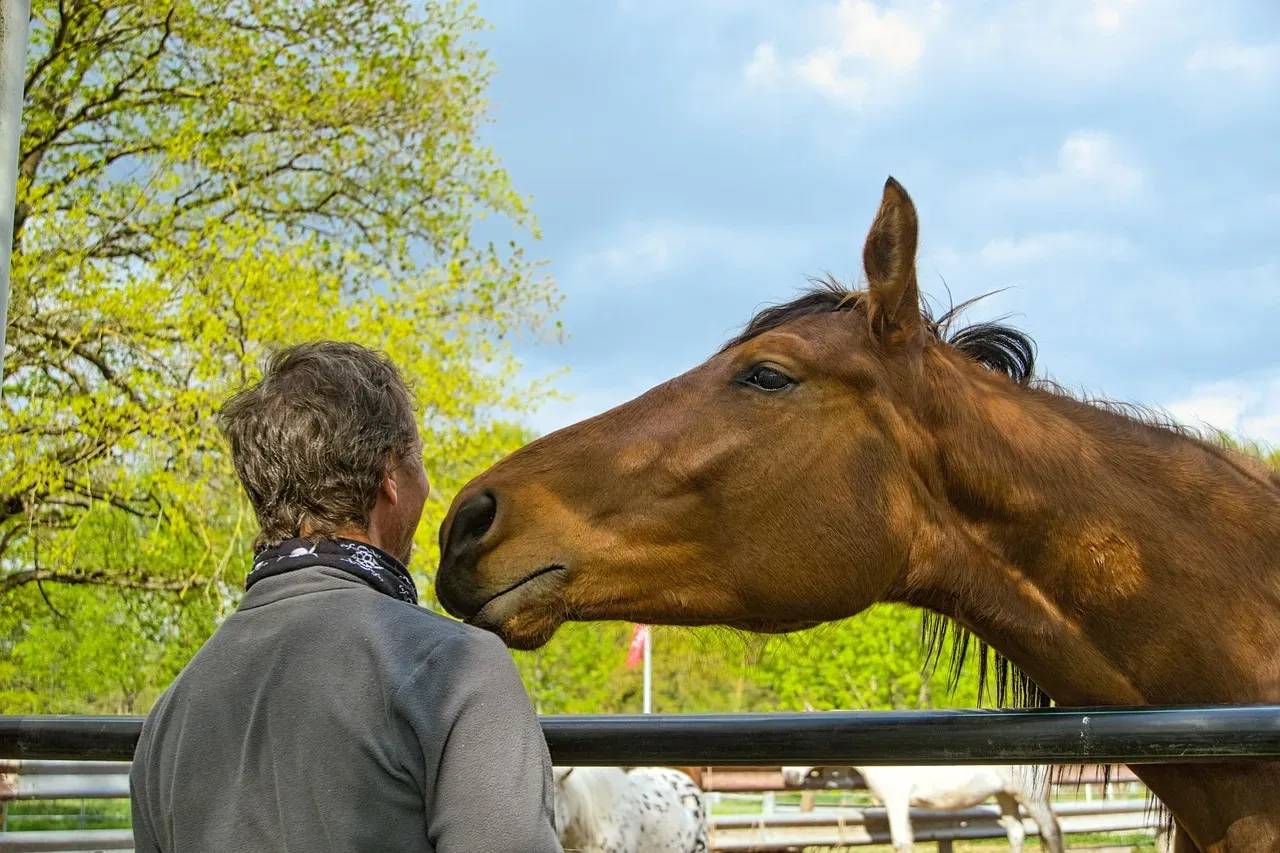
You can’t fake it with horses. They know when something’s off, even when you’re trying your best to pretend everything’s fine.
Horses react differently when emotional signals don’t match up. If you’re smiling but your body is tense, your voice is sharp, or your movements are jerky, your horse notices the contradiction immediately. This ability to detect incongruence is part of what makes them such effective therapy animals.
Human emotional cues influenced the frequency of gaze following and the amount of time horses looked at humans, with horses avoiding following human gaze and looking for shorter periods when humans displayed expressions of disgust, supporting that horses exhibit sensitivity to negative human emotional cues. They actively modify their behavior based on these emotional reads.
This sensitivity means you can’t just slap on a happy face and expect your horse to buy it. The emotional authenticity has to go deeper than surface level, which honestly makes working with horses a pretty good personal development tool.
They Respond Differently To Various Emotional Intensities
Not all emotions are created equal in terms of how horses respond to them.
Horses can react to high-arousal emotions such as anger and happiness, and the study showed they are also capable of recognizing sadness, a low-arousal emotion. This distinction between high and low arousal emotions demonstrates sophisticated emotional processing.
Horses exhibited higher heart rates and ear movements during fear and joy videos compared to neutral ones, suggesting heightened arousal. Different emotions produce different physiological responses in horses, showing they’re not just detecting emotion but actually experiencing an emotional response themselves.
While horses read and respond to all human emotions, they often offer a big response to negative emotions such as anxiety and anger, feeding off the energy you provide them and reacting to your fear with their fear, while on the flip side they are highly responsive to calm, relaxed energy from humans. The intensity and type of your emotion directly influences the intensity of their response.
It’s like they have an emotional thermostat that adjusts based on what they’re picking up from you. High-intensity emotions get high-intensity responses, while subtle emotions might produce more nuanced reactions.
Conclusion: The Emotional Partnership You Didn’t Know You Had
The evidence is pretty overwhelming at this point. Your horse isn’t just a beautiful animal you ride or care for; they’re an emotional partner who’s constantly reading, interpreting, and responding to your inner world. From facial expressions and voice tones to body language and even the chemical signals your body releases, horses are gathering information about your emotional state through multiple channels simultaneously.
By using their emotional competence, horses could have evolved the capacity to foresee and accordingly react to the human’s emotional state, and this ability to cope with emotions is likely to influence the emotional valence of the interaction as a whole. This isn’t a one-way street where we control and they obey. It’s a genuine partnership where both species are influencing each other’s emotional landscape.
Understanding how deeply horses read your emotions should fundamentally change how you interact with them. Next time you head to the barn after a rough day, remember: your horse already knows. The question is, what are you going to do with that knowledge?
What surprises you most about how horses read emotions? Have you experienced moments where your horse seemed to know exactly how you were feeling? The bond between humans and horses runs deeper than most of us ever realized.

- The Zodiac Signs That Connect Deeply With Horses - July 27, 2026
- Which Zodiac Signs Would Bond Best With Wolves - July 27, 2026
- The First Americans: 8 Groundbreaking Discoveries About Native American History - July 27, 2026