
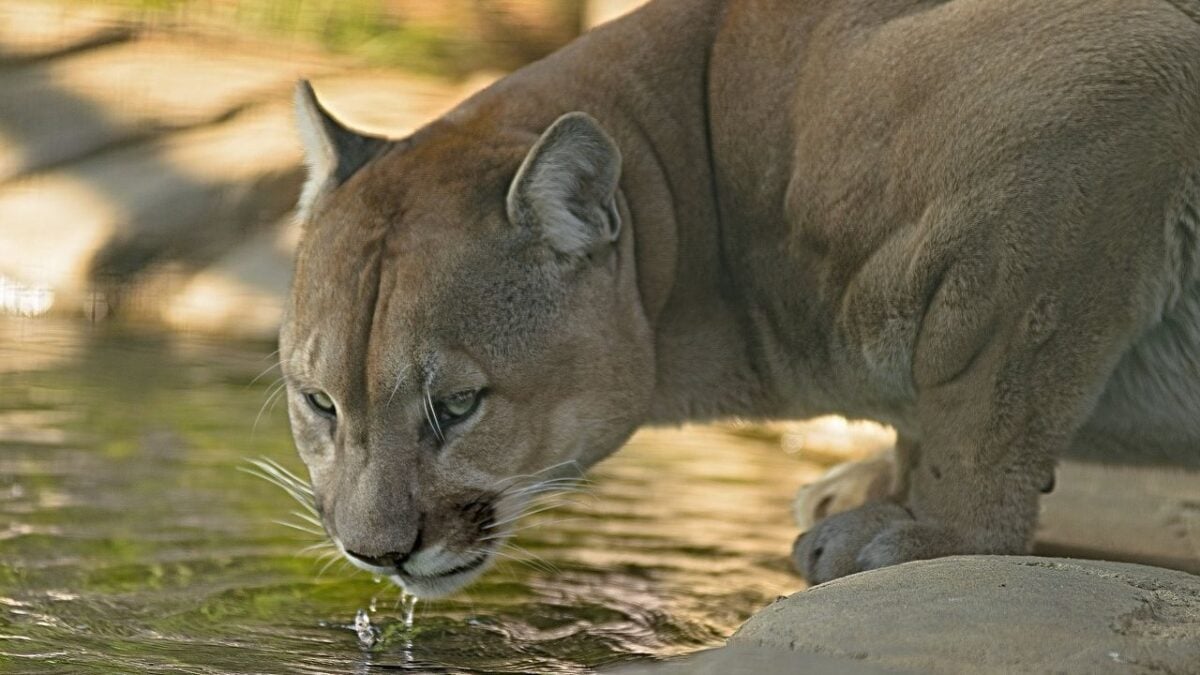
There’s something uniquely Montana about stepping onto your back porch with a morning coffee and catching a glimpse of wildlife moving through your property. Most of the time, it’s deer grazing at the edge of the treeline or maybe a fox darting through the brush. Sometimes, though, the signs point to something much larger and far more elusive prowling your neighborhood. Mountain lions can be found across Montana, basically anywhere there are deer or elk, which is their primary food source. Even if you’ve never seen one with your own eyes, that doesn’t mean they haven’t been watching you.
Living in mountain lion territory means coexisting with one of North America’s most impressive predators. Honestly, it’s a little unsettling when you realize just how close these big cats can get without you ever knowing. Let’s dive into the telltale signs that a mountain lion might be living near your Montana home and what you should actually do about it.
Large, Round Tracks Without Claw Marks
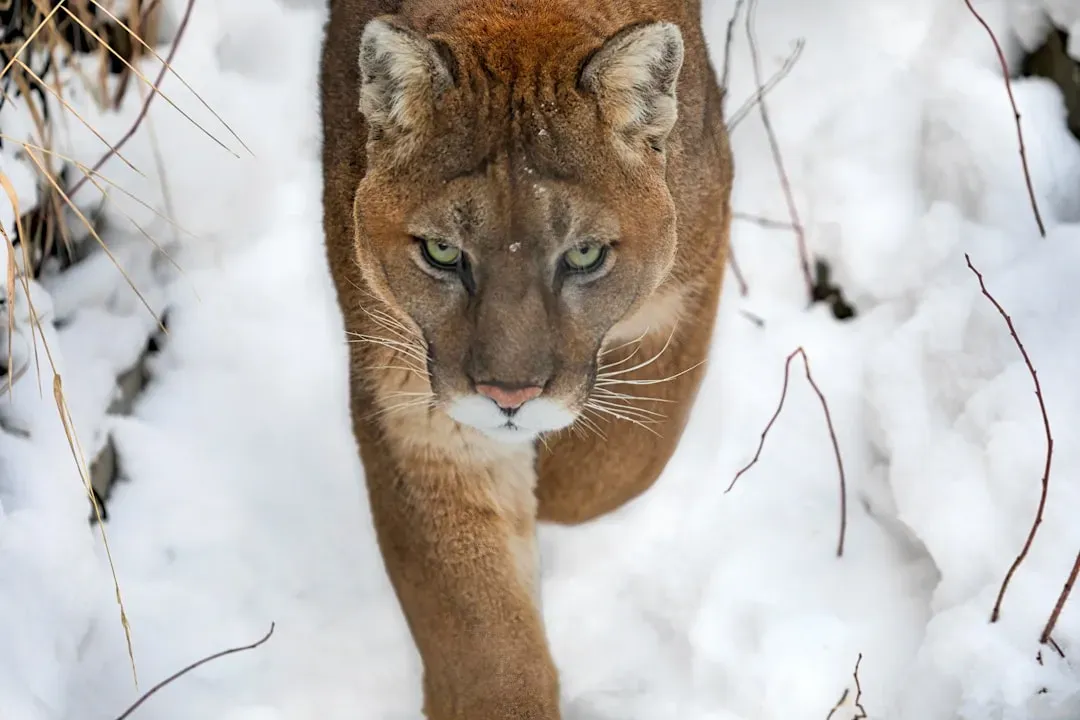
Mountain lion footprints are generally round with a diameter from 2.75 to 3.75 inches and show four toes, normally without claws. The absence of claw marks is one of the most important distinctions between cougar tracks and those left by large dogs. When you spot tracks in mud, snow, or soft dirt around your property, take a closer look at the overall shape and size.
Mountain lion tracks have a large, m-shaped palm pad, which has two lobes towards the front and three lobes towards the back. If you’re seeing these distinctive prints near your woodpile, along trails on your land, or circling your outbuildings, there’s a decent chance you’ve had a nocturnal visitor. Fresh tracks that appear repeatedly in the same area suggest the animal isn’t just passing through.
Their tracks are asymmetrical with a leading toe, which allows left and right tracks to be differentiated. This asymmetry creates a distinctive pattern that’s hard to miss once you know what you’re looking for. Think of it like the cougar’s signature left at a crime scene, except the only crime here is trespassing through your yard.
Pay attention to where you find these tracks. Walking track sequences usually involve a direct register of tracks if the animal is stalking or walking upon snow or a muddy surface, with the left and right hind feet placed directly in the corresponding impressions made by the front feet. Trail cameras positioned at key points around your property can help you document these visitors and understand their movement patterns.
Remember, tracks alone don’t mean imminent danger. It’s not unusual for mountain lions around 16 months old to disperse from their mothers and travel near or through residential areas. Still, it’s information worth having.
Scat That Looks Like Segmented Rope
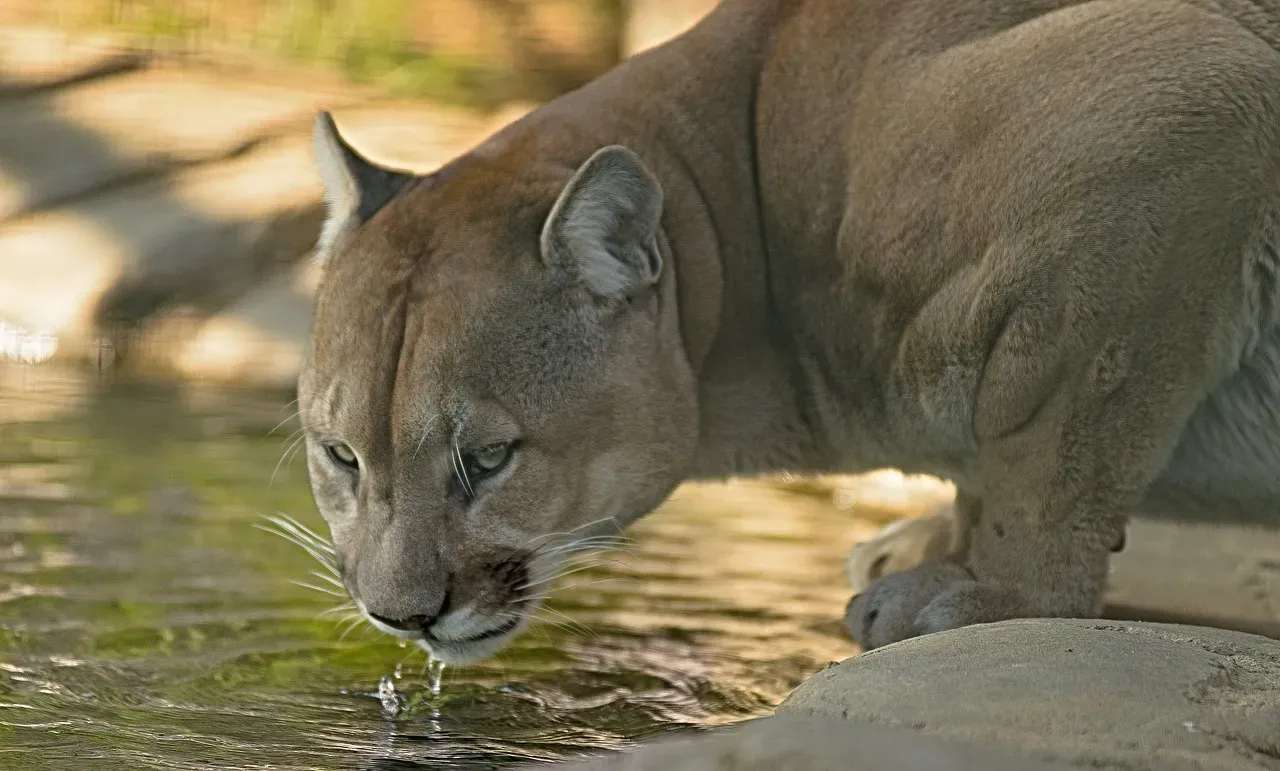
Let’s be real, examining animal droppings isn’t anyone’s idea of a fun afternoon. Yet, scat is one of the most reliable indicators of what animals are moving through your area. Cougar scat usually appears as a ropey, segmented cord or a cluster of dismantled chunks, and may be 5 to 9.5 inches long with a diameter of 1 inch or greater.
Cougar scat is commonly full of hair and fragments of bone, reflecting the cat’s almost exclusively carnivorous diet. Unlike herbivore droppings that contain plant material, berries, or seeds, mountain lion scat tells the story of a pure predator. The presence of bone fragments and hair makes it pretty distinctive once you spot it.
Cougars will deposit their scat in the middle of trails and dirt roads as a territorial marking, and sometimes scrape together a pile of debris and urinate or defecate on it. If you’re finding this kind of evidence on your driveway, along paths you frequently walk, or near your property’s perimeter, pay attention. The location matters as much as the scat itself.
Cougars leave scat near scrapes, along trails, in arroyos, under overhangs, in caves, and near kills. So if you discover scat near other suspicious signs, like disturbed ground or unusual activity from local deer populations, you’re probably connecting the right dots. Finding fresh scat regularly means a mountain lion considers your area part of its territory.
It’s hard to say for sure without lab analysis, but learning to recognize cougar scat gives you another tool for situational awareness. And honestly, that’s what living in Montana is all about: knowing your surroundings and respecting the wildlife that shares your space.
Scratch Marks and Scrapes on the Ground
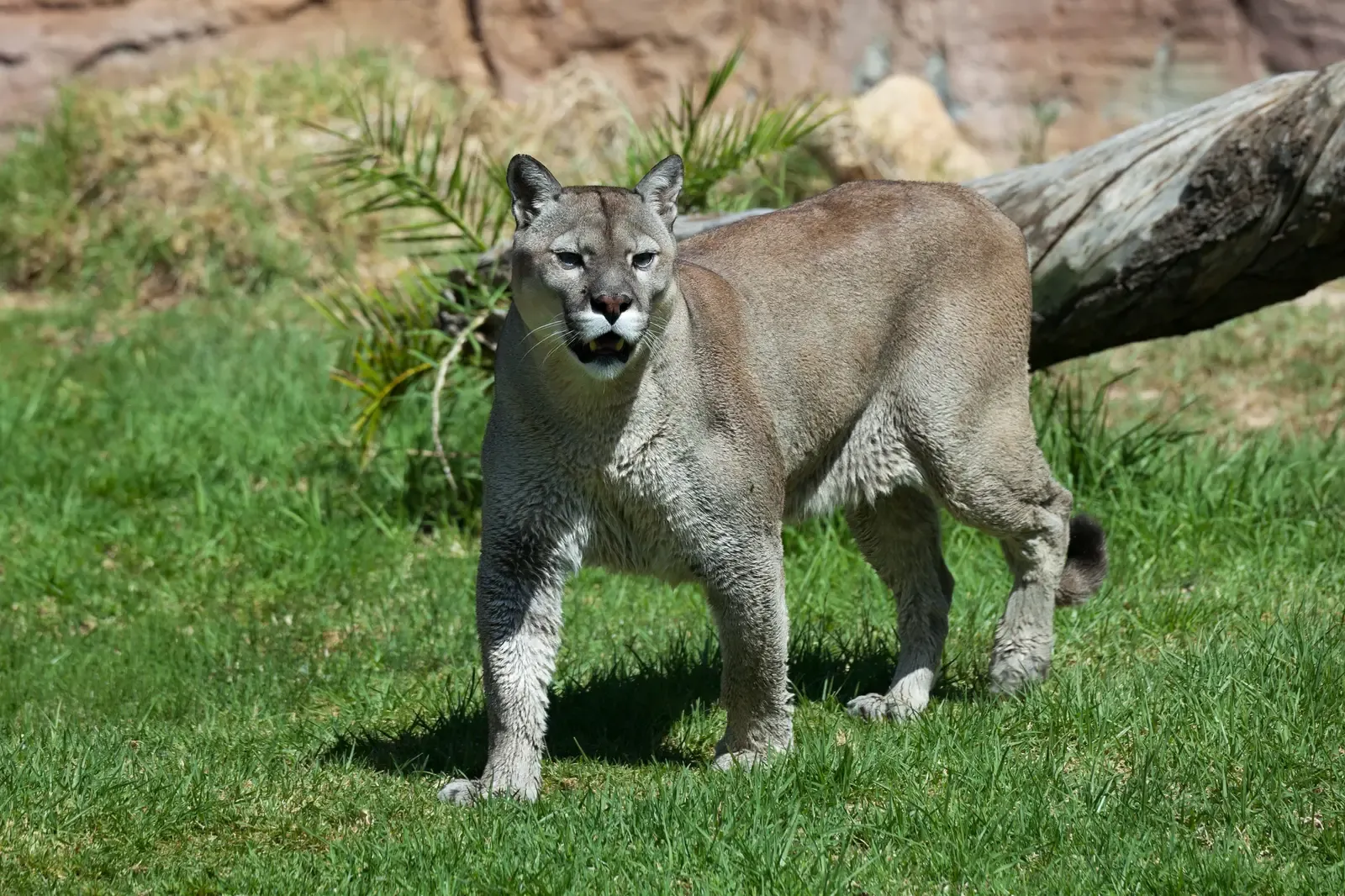
Mountain lions create marking signs to communicate with other cats, and they may scrape the ground with their hind feet, then urinate over it, with this marking often found near kill sites. These scrapes are territorial advertisements, a way for cougars to tell other lions that this area is already claimed.
The scrapes themselves are pretty obvious once you know what you’re looking for. Signs of mountain lion use include tracks, scat, claw marks, and scratch piles usually made of grass, dirt, pine needles, and leaves. Picture a spot where it looks like something powerful dragged its back feet through the dirt, leaving a pile of debris behind.
You might find these scrapes along the edges of your property, near game trails, or in areas where deer frequently pass through. They’re not random. The cougar is strategically placing them where other animals, especially other mountain lions, are likely to encounter them. Think of them as posted “No Trespassing” signs in the animal kingdom.
They will also occasionally scratch trees. Claw marks on tree trunks, especially at heights that seem too tall for a dog or smaller predator, can indicate a mountain lion has been marking its territory. These marks are usually vertical and appear in sets of four parallel lines.
If you’re seeing fresh scrapes appearing regularly, it suggests ongoing activity rather than a single pass-through. That’s the kind of pattern that warrants extra caution and maybe a call to Montana Fish, Wildlife & Parks to document the activity.
Deer Kills Hidden Under Debris
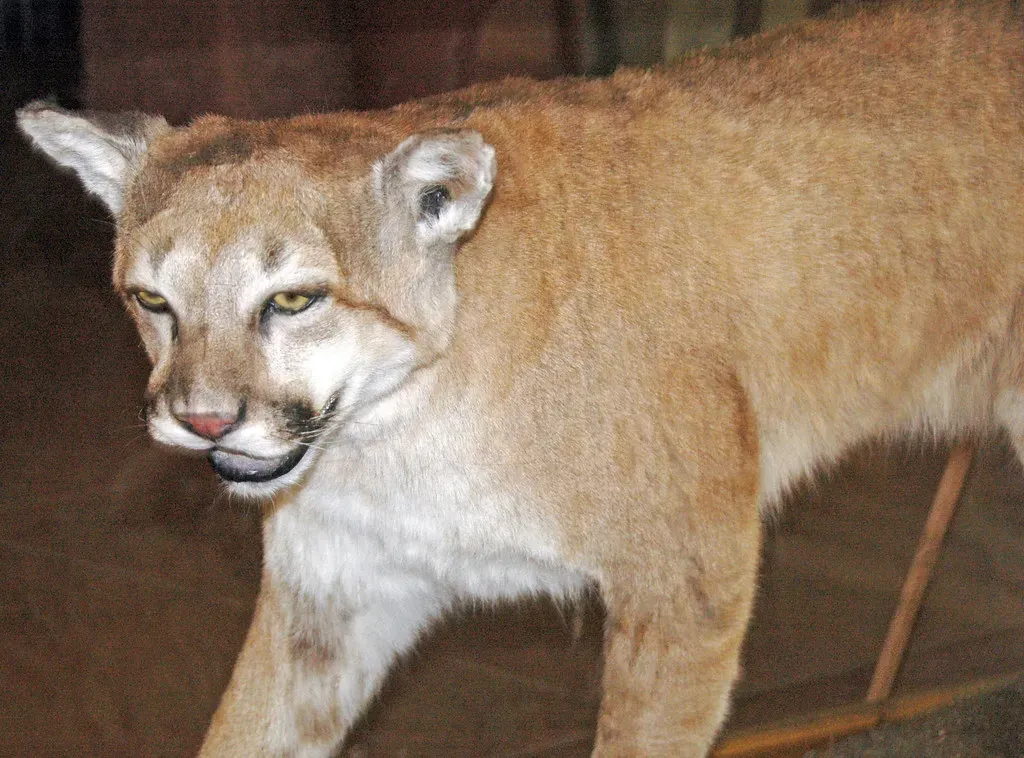
Deer are a primary prey item for cougars, and cougars generally feed on nutritious organs and meat, leaving behind the stomach contents, hide, and hooves, with remains often in a pile and covered with debris. Discovering a deer carcass on your property is startling enough, but finding one that’s been deliberately cached under leaves, sticks, and dirt should immediately raise red flags.
Mountain lions will drag prey into the brush to consume, and any leftovers are covered with debris so the mountain lion can return later to finish its meal. This caching behavior is distinctly feline. Bears and coyotes don’t typically cover their kills this methodically.
If you find a lion kill, leave the area immediately because lions hide their kills and may remain close by. This is one of those situations where curiosity can genuinely put you at risk. A mountain lion defending its food cache can be aggressive and unpredictable. The last thing you want is to surprise a hungry predator that’s already claimed its meal.
Look for drag marks leading from an area where the kill likely happened to where the carcass now rests. The cougar will often move the animal some distance to a more secluded spot before feeding. Fresh kills might still have blood trails, while older cached kills will show signs of repeated feeding over several days.
A cougar is more likely to hang around if it’s on a kill or animal that it’s killed, or if there are cubs around. Understanding this behavior means taking the threat seriously and adjusting your outdoor activities accordingly until the lion moves on.
Unusual Behavior in Local Deer Populations
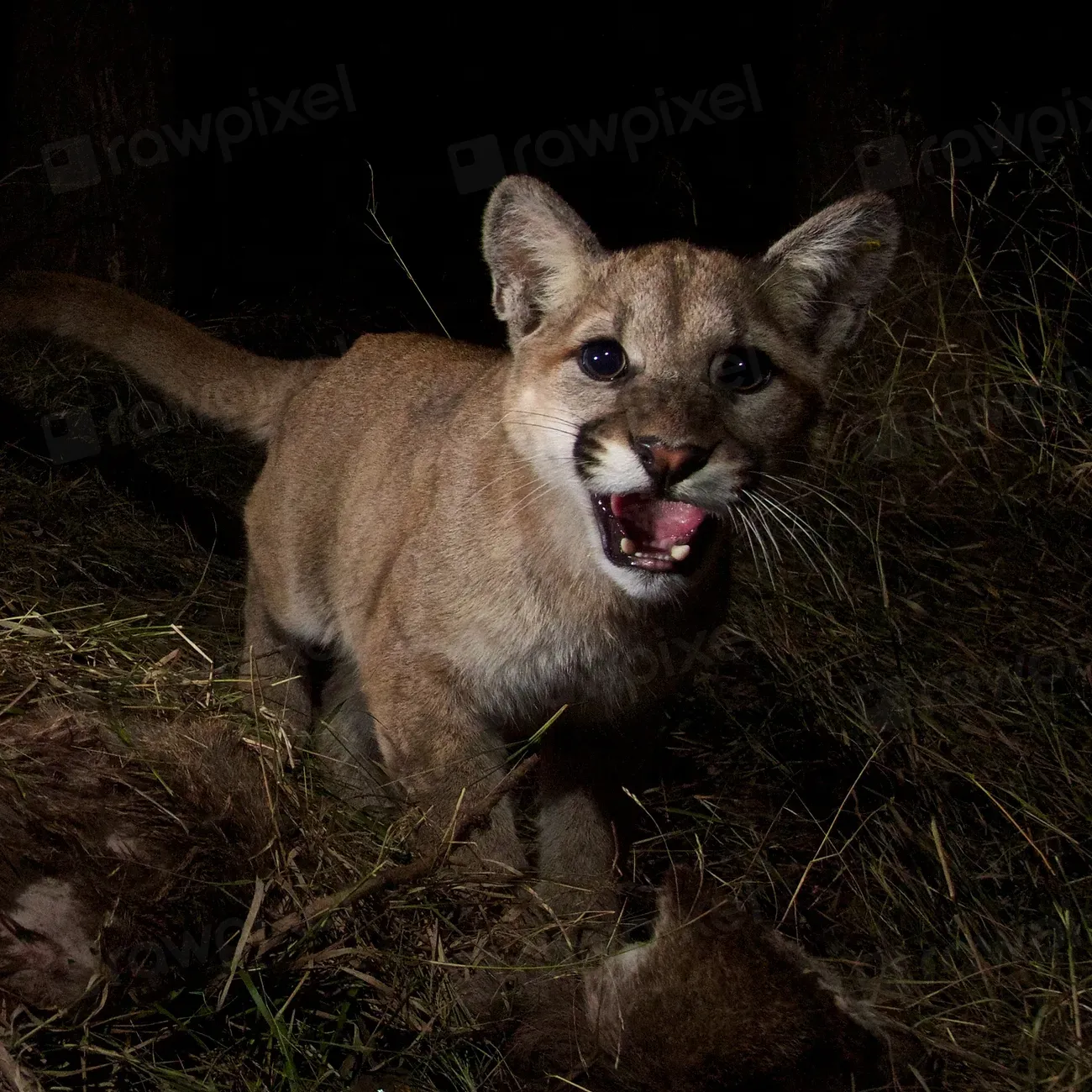
Deer aren’t stupid. They know when predators are around, and their behavior reflects that awareness. If you’re noticing that the deer on or near your property seem unusually skittish, are moving in tighter groups than normal, or have suddenly abandoned areas they once frequented, a predator might be the reason.
Mountain lions can be found across the state basically anywhere there are deer or elk, so wherever you have a healthy deer population in Montana, you potentially have mountain lions too. The deer aren’t just wandering aimlessly; they’re constantly monitoring for threats. When they sense a mountain lion nearby, their entire demeanor changes.
You might also notice that deer are only appearing during very specific times of day or avoiding certain parts of your property altogether. This behavioral shift can indicate that a predator has established a hunting pattern in the area. Mountain lions are ambush predators, and deer learn quickly which routes and locations are dangerous.
Do not feed deer around your home because it’s illegal and lions will follow their prey to feeding sites, and even avoid landscaping with plants that deer prefer to eat. Attracting deer to your property is essentially setting up a buffet that will eventually attract mountain lions too. It’s one of those unintended consequences that can genuinely put your family and pets at risk.
Watch the deer. Their behavior is an early warning system that’s been honed over thousands of years of evolution. If they’re acting strange, there’s probably a good reason for it.
Pets Going Missing or Acting Terrified
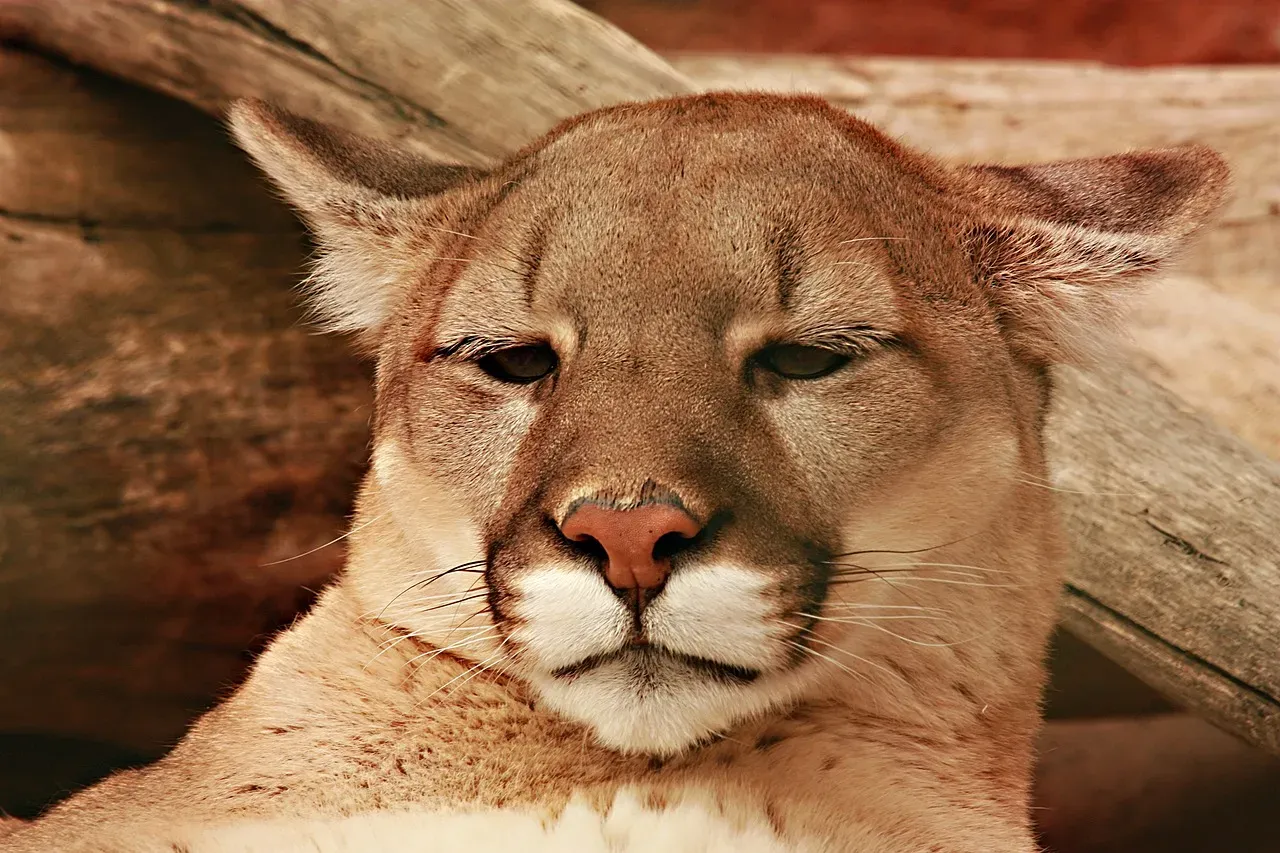
Keep pets under control because roaming pets are easy prey for lions, and bring pets in at night. If your outdoor cat suddenly refuses to leave the house or your dog is barking frantically at the treeline every evening, don’t dismiss it. Animals have instincts we’ve largely lost, and they can detect threats long before we consciously register them.
Sadly, missing pets can sometimes be the first real indication that a mountain lion is in the area. Small dogs and cats are well within the size range of a cougar’s typical prey, and they lack the survival instincts of wild animals. A mountain lion doesn’t distinguish between a deer fawn and a golden retriever; both are potential meals.
If you leave your pet outside, keep it in a kennel with a secure top. This isn’t just good advice for nighttime; dawn and dusk are when mountain lions are most active, and those are also common times for people to let their dogs out. A secure enclosure with a covered top prevents an opportunistic attack from above, which is exactly how cougars hunt.
I know it sounds crazy, but mountain lions are incredibly stealthy. Due to their elusive nature, they are rarely seen, which means they can be much closer than you think. Your pets might be sensing something you can’t see or hear, and their fear is worth taking seriously.
If pets start disappearing in your neighborhood, talk to your neighbors and report the incidents to Montana Fish, Wildlife & Parks. Documenting these occurrences helps authorities track mountain lion activity and take appropriate action if necessary.
Livestock Attacks or Unexplained Injuries
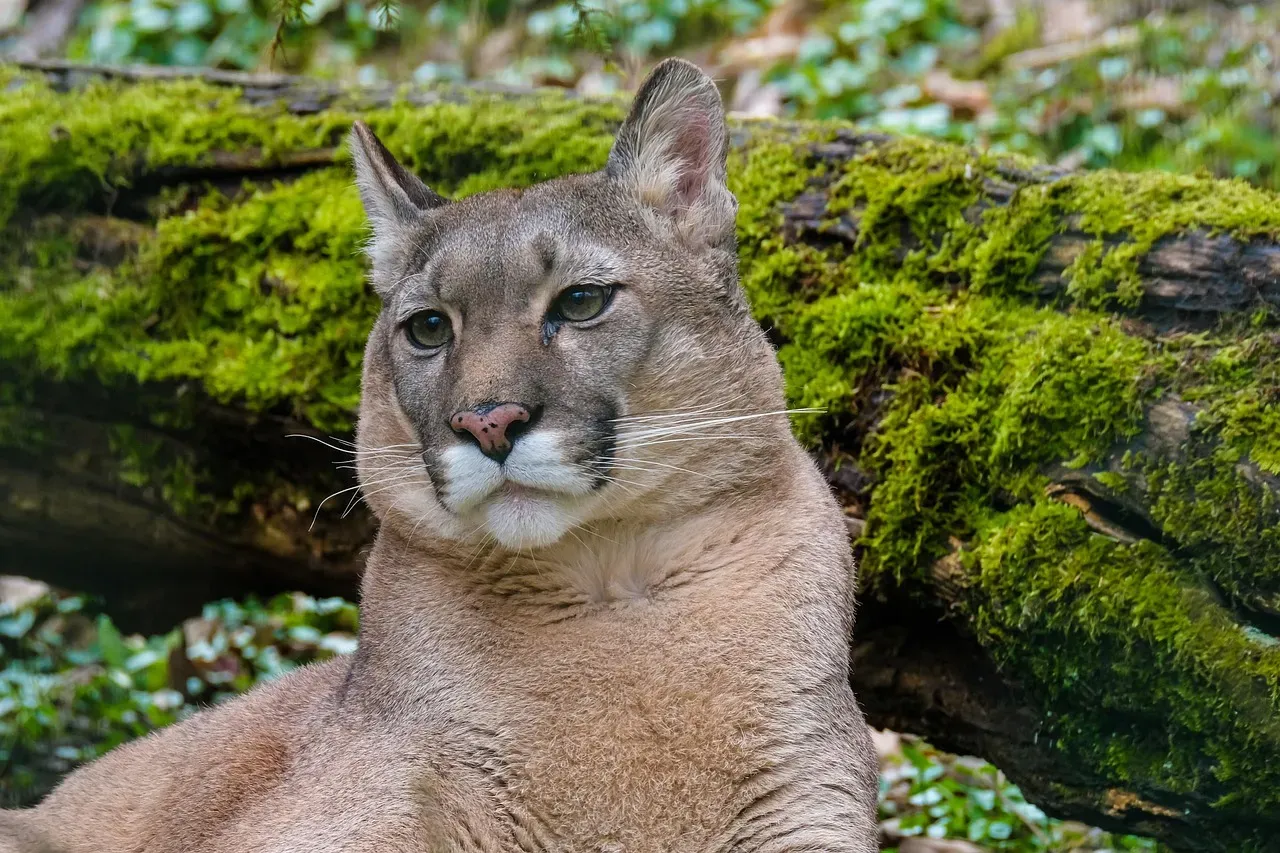
Keep small livestock and birds confined at night. Chickens, goats, sheep, and other small farm animals are exactly the kind of easy targets mountain lions will exploit if given the opportunity. If you’re finding dead or injured livestock with wounds that don’t match typical predator patterns, you might be dealing with a cougar.
Mountain lions kill their prey by biting the back of the neck to severe the spinal cord or the throat to crush the trachea. This hunting method leaves distinctive bite marks and trauma patterns that differ from coyote or dog attacks. The sheer power of a mountain lion’s bite is evident in the severity of the injuries.
Unlike smaller predators that might kill multiple animals in a single night, mountain lions typically take one animal and cache it for later consumption. If you’re experiencing repeated losses over several nights, the cougar might be returning to your property because it’s learned that food is readily available. This is a dangerous pattern that needs to be addressed quickly.
Close doors to all outbuildings since inquisitive lions may go inside for a look. Unsecured barns, coops, and sheds are invitations for a hungry predator. A mountain lion won’t hesitate to investigate structures that offer easy access to prey.
Document any attacks with photos and report them to authorities immediately. Livestock predation by mountain lions is a serious issue, and wildlife officials may be able to provide additional resources or even relocate problem animals in extreme cases.
Sightings at Dawn or Dusk Near Your Property

Mountain lion sightings typically occur from a distance and usually around dawn or dusk when they are most active, corresponding with deer activity. If you or your neighbors are catching glimpses of a large, tan-colored cat with a long, heavy tail during these twilight hours, that’s a mountain lion, not a bobcat or oversized house cat.
Here’s the thing about these sightings: they’re rare enough that when they happen, people often second-guess what they saw. Seeing a lion in the wild is an especially rare occurrence, and cougars are solitary, elusive, and very stealthy. Most Montanans live their entire lives without ever seeing one, even in areas where cougars are relatively common.
Mountain lions tend to spend the day in dense cover and to hunt when deer are active, so these late and early hours are also times when people like to be outside. That overlap creates the potential for encounters, especially if you’re walking dogs, checking livestock, or working in your yard during those times.
Ring doorbells and trail cameras have made documenting these sightings easier than ever. Mountain lions aren’t just being spotted in the backcountry; a mountain lion was recently caught on camera by a Ring doorbell in a Bozeman neighborhood. Urban and suburban areas aren’t immune from these visits, especially if they border wild lands.
If you see a mountain lion near your home, report it to Montana Fish, Wildlife & Parks. Even if the animal moves on without incident, documenting these sightings helps officials track population movements and identify potential problem areas before conflicts escalate.
Evidence of Territory Marking Behavior
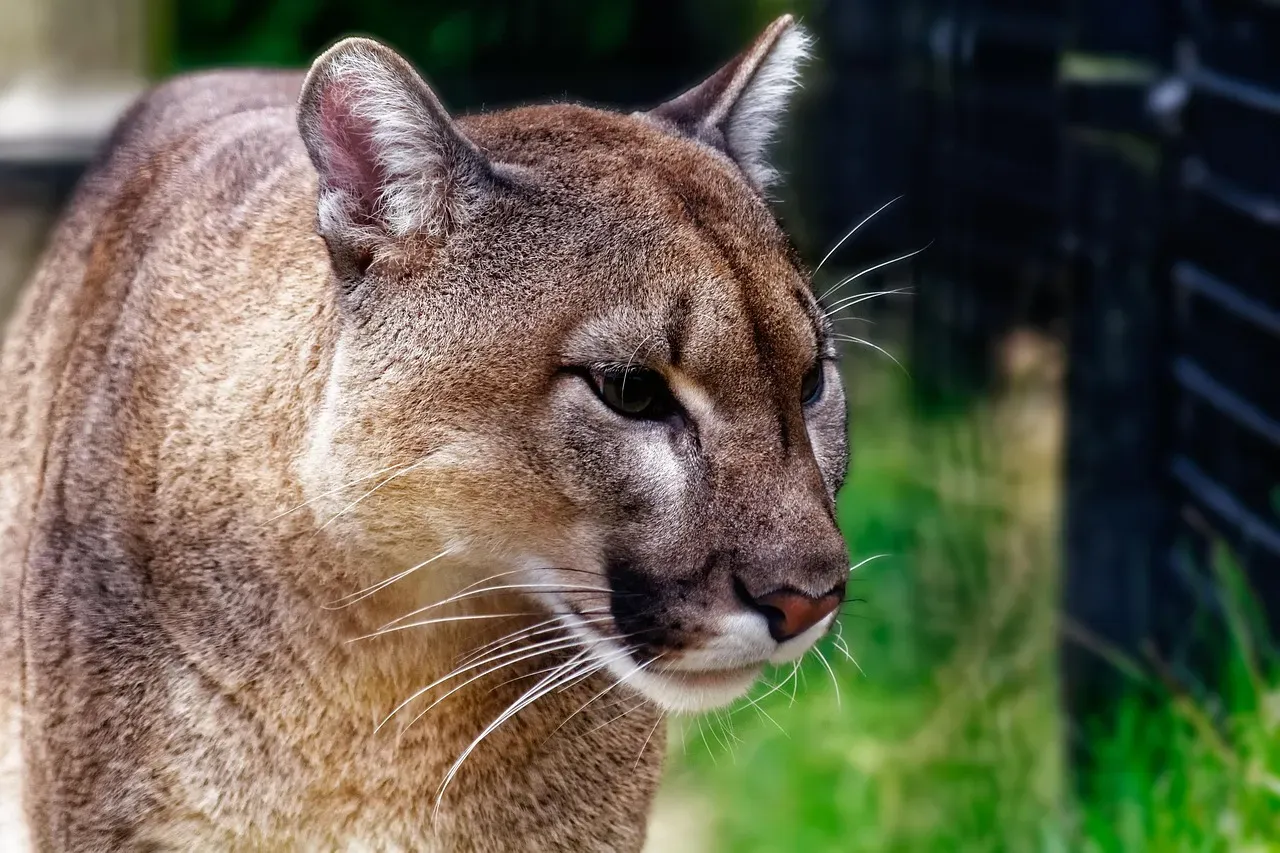
Mountain lions create marking sign to communicate with other individuals. Beyond the scrapes and scratches already mentioned, you might notice other territorial behaviors like urine marking on prominent features of the landscape. These markers are the cougar’s way of establishing boundaries and advertising reproductive availability.
Look for patterns in where you’re finding signs of mountain lion activity. Cougars, particularly males, often deposit scats in prominent spots such as rocks, logs, the centers of game trails, ridgelines and the like. They’re not randomly choosing these locations; they’re strategically placing their markers where they’ll have maximum impact.
You might find concentrated areas of activity that suggest a mountain lion has claimed your property as part of its home range. A single male may require up to 175 square miles of territory for its home range, so your property is likely just a small piece of a much larger puzzle. Still, repeated marking in the same areas indicates that your land holds some significance for that particular animal.
Territory marking increases during mating season and when young males are establishing their own ranges. These behavioral patterns mean that activity levels can fluctuate throughout the year. What seems like a quiet couple of months might suddenly shift to frequent signs of presence as territorial dynamics change.
Understanding that this is natural behavior helps put things in perspective. The mountain lion isn’t targeting your property specifically; it’s simply living its life according to instincts that have served its species for millennia.
Motion-Sensor Lights Triggering Repeatedly at Night
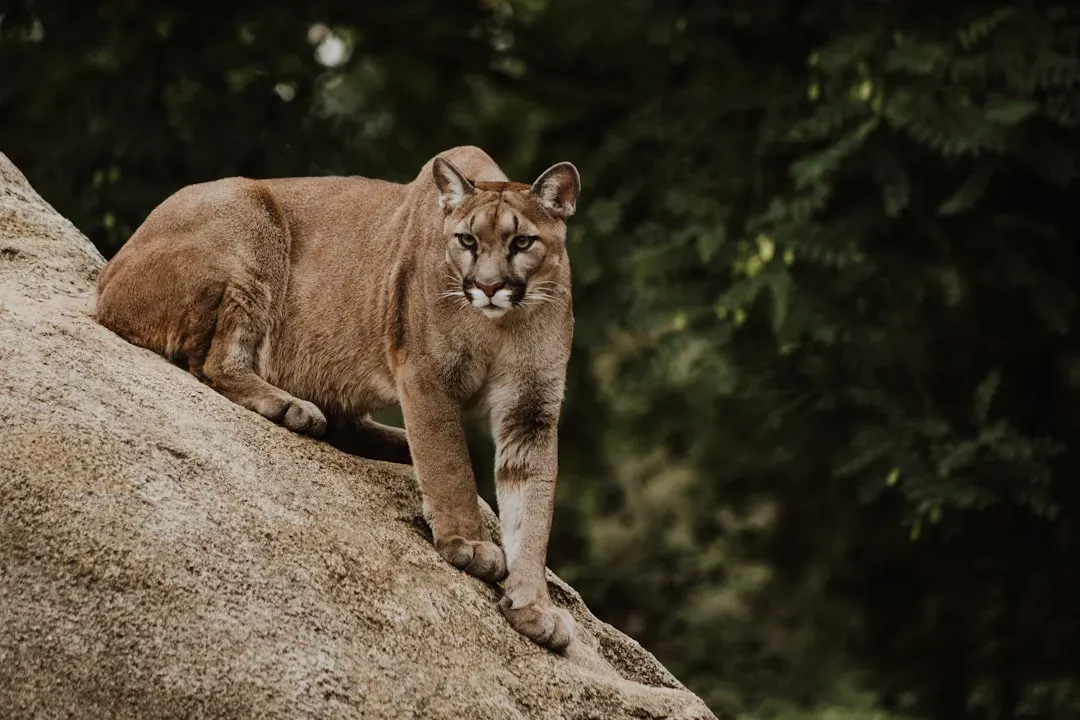
As a deterrent, install outside and motion-sensitive lighting around your property, and trim vegetation and remove wood piles to reduce hiding places for wildlife. Ironically, once you’ve installed those lights, they can become an early warning system. If your motion sensors are going off repeatedly during the night, especially in areas where you’ve noticed other signs, a large animal might be prowling your yard.
Not every trigger is a mountain lion, obviously. Deer, raccoons, skunks, and even domestic animals can set off sensors. Pay attention to patterns, though. If the lights are activating in sequences that suggest something large is moving deliberately through your property, checking multiple areas over the course of a night, that’s different from a deer passing through or a raccoon investigating your garbage.
Combining motion-sensor cameras with lighting gives you actual documentation of what’s triggering the sensors. You might be surprised at what you capture on film. Many homeowners have discovered mountain lions they never knew were there simply by reviewing nighttime footage after noticing unusual patterns.
Mountain lions are normally silent and nocturnal, preferring to hunt at night. They’re incredibly good at moving through environments without being detected, which is why motion sensors can be more effective than human observation for tracking their presence.
If your lights are going off and you’re finding tracks, scat, or other signs the next morning, you’ve confirmed that a mountain lion is visiting your property. That’s valuable information that should inform how you manage outdoor activities and pet safety.
Wildlife Vocalizations or Warning Calls From Birds

Birds and other wildlife often serve as nature’s alarm system. If you’re hearing unusual vocalizations from ravens, crows, or jays during the day, they might be mobbing a predator. Similarly, if deer are making alarm snorts or elk are bugling aggressively outside of normal rut season, something has them spooked.
Mountain lions are normally silent, which makes them difficult to detect by sound alone. However, the animals around them aren’t silent when they detect a threat. Learning to read these warning signs from other species gives you insight into what’s happening in your environment even when you can’t see the predator itself.
Ravens and crows, in particular, are notorious for harassing predators. They’ll gather in groups and make a tremendous racket, diving at and mobbing anything they perceive as dangerous. If you hear this kind of commotion in the woods near your property, investigate from a safe distance. You might discover exactly what has them so agitated.
Similarly, if your chickens suddenly go into panic mode or your horses are acting unusually nervous in their pasture, don’t dismiss it as random animal behavior. They’re responding to stimuli you might not be consciously aware of, and those stimuli could include the presence of a mountain lion.
Trust the birds and animals around you. They’ve been surviving alongside predators far longer than humans have been building homes in Montana. Their warnings are worth heeding.
Conclusion: Living Safely in Mountain Lion Country
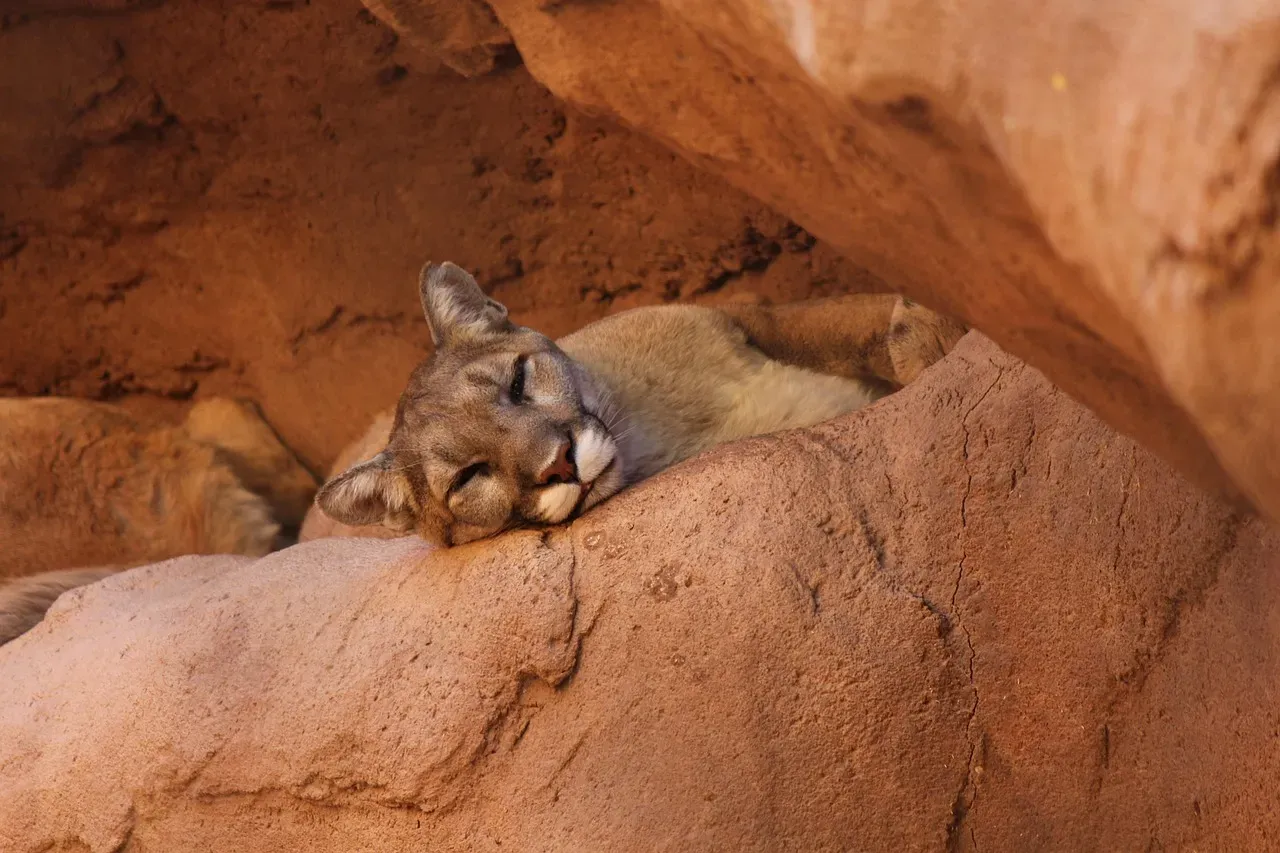
In mountain lion country, there’s no way to completely guarantee safety from a mountain lion conflict, but you can significantly reduce the chance of a lion incident by becoming knowledgeable of lion habits and behavior. Recognizing the signs that a mountain lion is living near your Montana home is the first step in coexisting safely with these remarkable predators.
If you encounter a mountain lion directly, do all you can to appear larger by raising your arms, opening your jacket if wearing one, and waving your arms slowly while speaking firmly in a loud voice. Do not run from a lion, and fight back if attacked. Carry bear spray while hiking, as the pepper powder will work on just about any wild or domestic animal that attacks.
Living in Montana means sharing space with wildlife that commands respect. Mountain lions are part of the ecosystem, and their presence indicates a healthy, functioning wilderness. Understanding the signs they leave behind empowers you to make informed decisions about safety without giving in to fear.
What’s your experience with mountain lions in Montana? Have you noticed any of these signs around your property? It’s always fascinating to hear how others navigate life in big cat country.
