
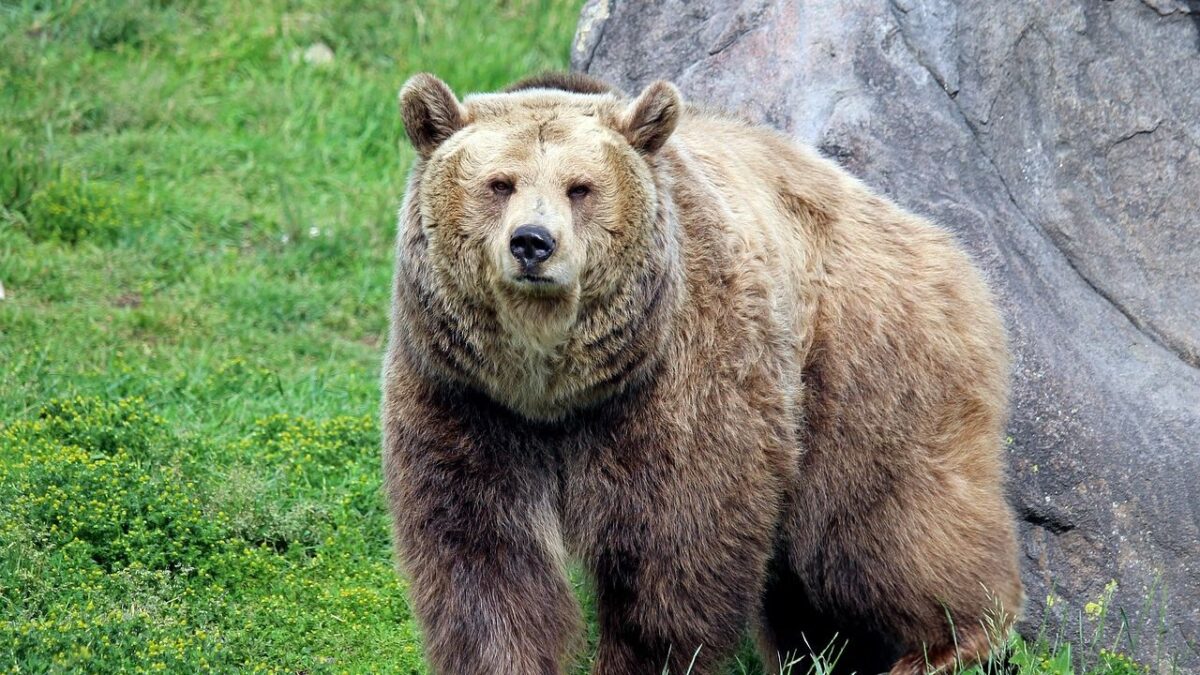
Picture this. You’re hiking through the wilderness, breathing in fresh mountain air, when suddenly you freeze. There’s a bear, maybe 30 yards ahead on the trail. Your heart’s pounding so hard you can practically hear it. In that split second, you might think all bears are the same, right? Here’s the thing: they’re not. What saves your life with one species could actually get you killed with the other. It sounds crazy, I know. Playing dead works brilliantly with a grizzly bear attacking you defensively, yet doing the same thing with a black bear might just convince it you’re an easy meal. The survival strategies are genuinely polar opposites, and understanding why could be the difference between walking away with a great story or not walking away at all.
Let’s be real, most of us never expect to face a bear in the wild. Yet knowing these distinctions isn’t just for hardcore backcountry adventurers anymore.
The Physical Differences That Matter in a Crisis
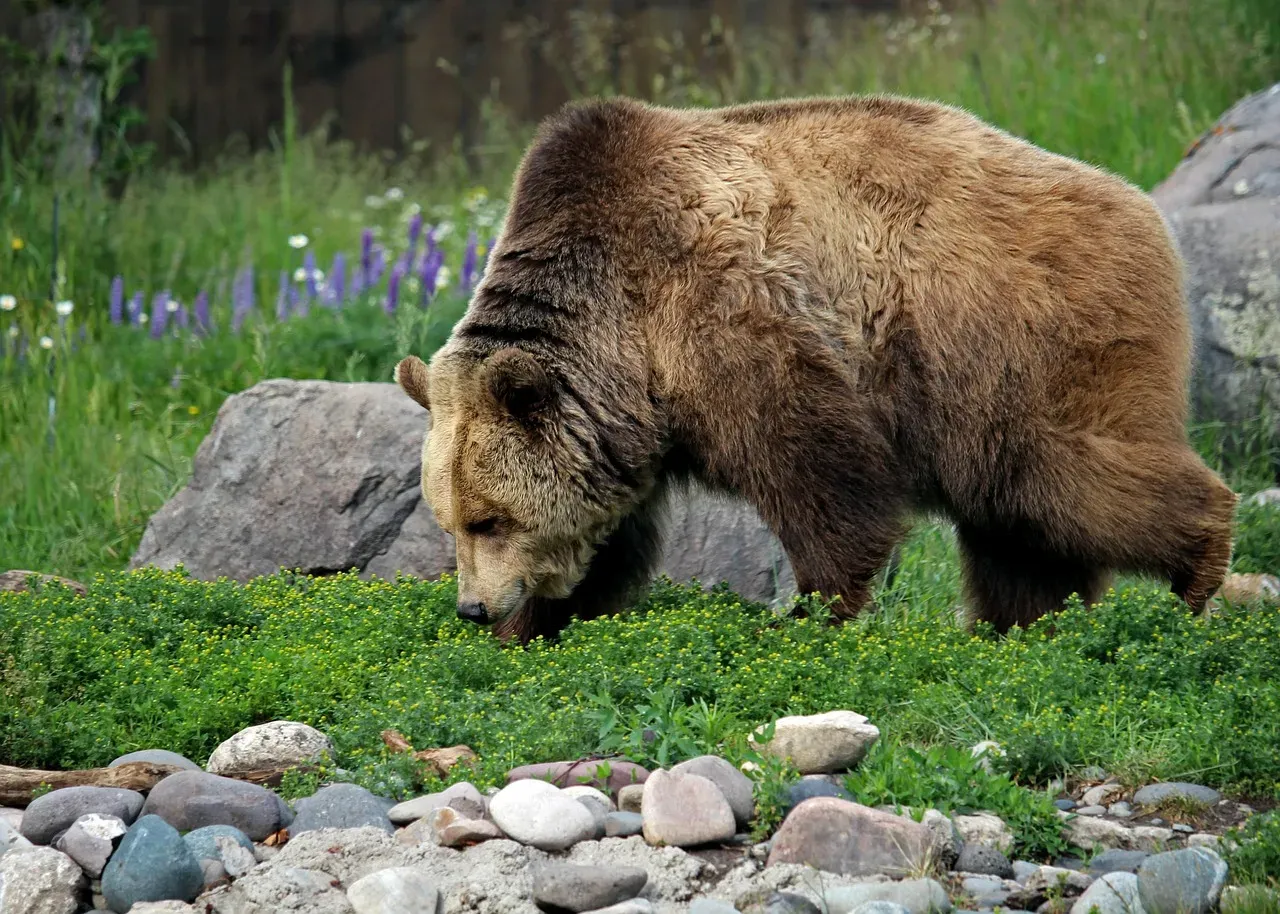
Grizzly bears have that pronounced shoulder hump which black bears completely lack. That muscular hump isn’t just for show. It’s raw power designed for digging and slashing, making grizzlies significantly more dangerous in a physical confrontation.
Black bears tend to be more timid, but grizzlies can be aggressive, especially when protecting cubs. Size matters too. Grizzly bears are known to be more aggressive and protective, and they carry that attitude with serious muscle to back it up. You can’t rely on color to tell them apart since both species come in various shades from black to brown to even blond.
Why Grizzlies Attack and What That Means for You
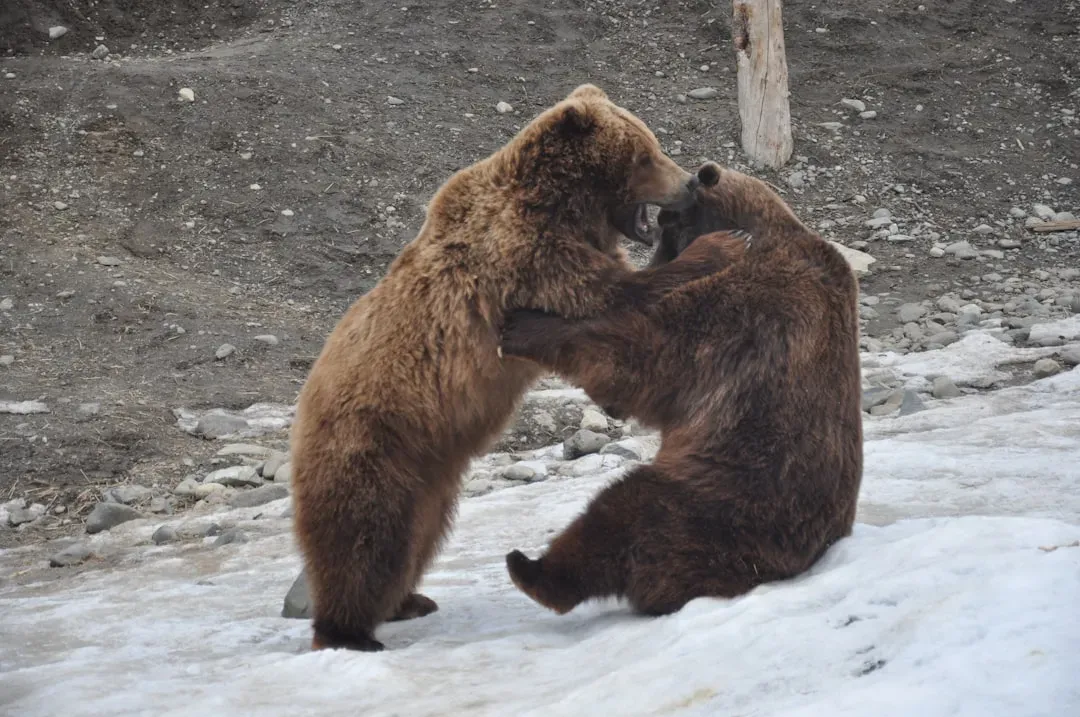
Grizzly bears are more inclined to run away or attack when threatened. Their attacks are typically defensive. Think about it: a mother grizzly sees you as a potential threat to her cubs, or you’ve startled one while it’s feeding. The bear isn’t trying to eat you. It just wants to eliminate what it perceives as danger.
If a grizzly/brown bear charges and attacks you, play dead. Do not fight back! You’re trying to convince the bear that you aren’t a threat to it or its cubs. Once the grizzly realizes you’re not going to hurt it or its family, the attack usually stops. Fighting back during an attack from a grizzly/brown bear will usually worsen the attack, essentially confirming in the bear’s mind that you ARE a threat.
The Black Bear Paradox
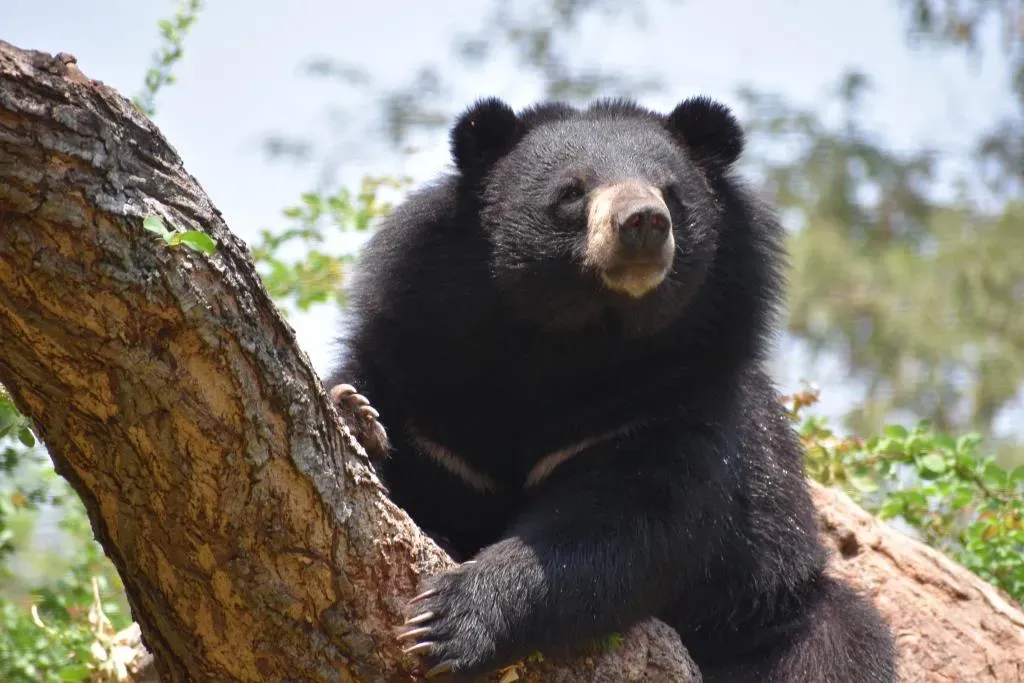
Here’s where things get weird. Black bears are generally less aggressive than grizzlies and usually prefer to avoid humans. They’re smaller, shyer, and honestly want nothing to do with you most of the time. So why would you fight back against a less aggressive bear?
Playing dead is always the wrong action if an American black bear attacks you. Instead, fight for your life. When a black bear actually commits to an attack, it’s often predatory. Never play dead in an encounter with a black bear. Stand your ground. The rare black bear that attacks isn’t trying to defend itself. It’s considering you as food, which is a terrifying thought.
That’s the critical difference. A defensive grizzly calms down when the threat disappears. A predatory black bear won’t stop unless you convince it you’re too much trouble to bother with.
Reading the Room: Defensive vs Predatory Behavior
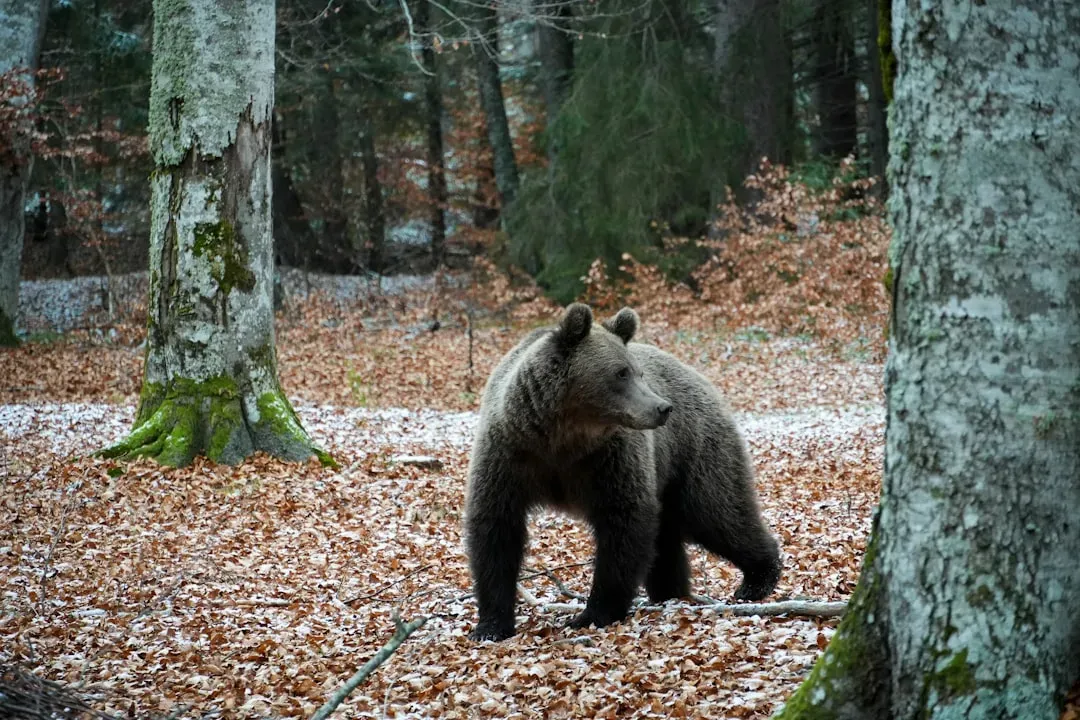
Defensive attacks usually occur during a surprise encounter. You’ll often see stress signals: huffing, jaw popping, ears back. The bear looks agitated and uncomfortable. It might even do a bluff charge, where it runs at you but veers off at the last second.
Predatory behavior looks completely different, honestly. The bear could be checking you out to see whether you are worth eating. This does not necessarily look like an aggressive approach, but curious. A stalking bear is quiet, focused, and persistent. It doesn’t show the stress behaviors of a defensive bear. It’s calculating.
The Specific Tactics That Save Lives
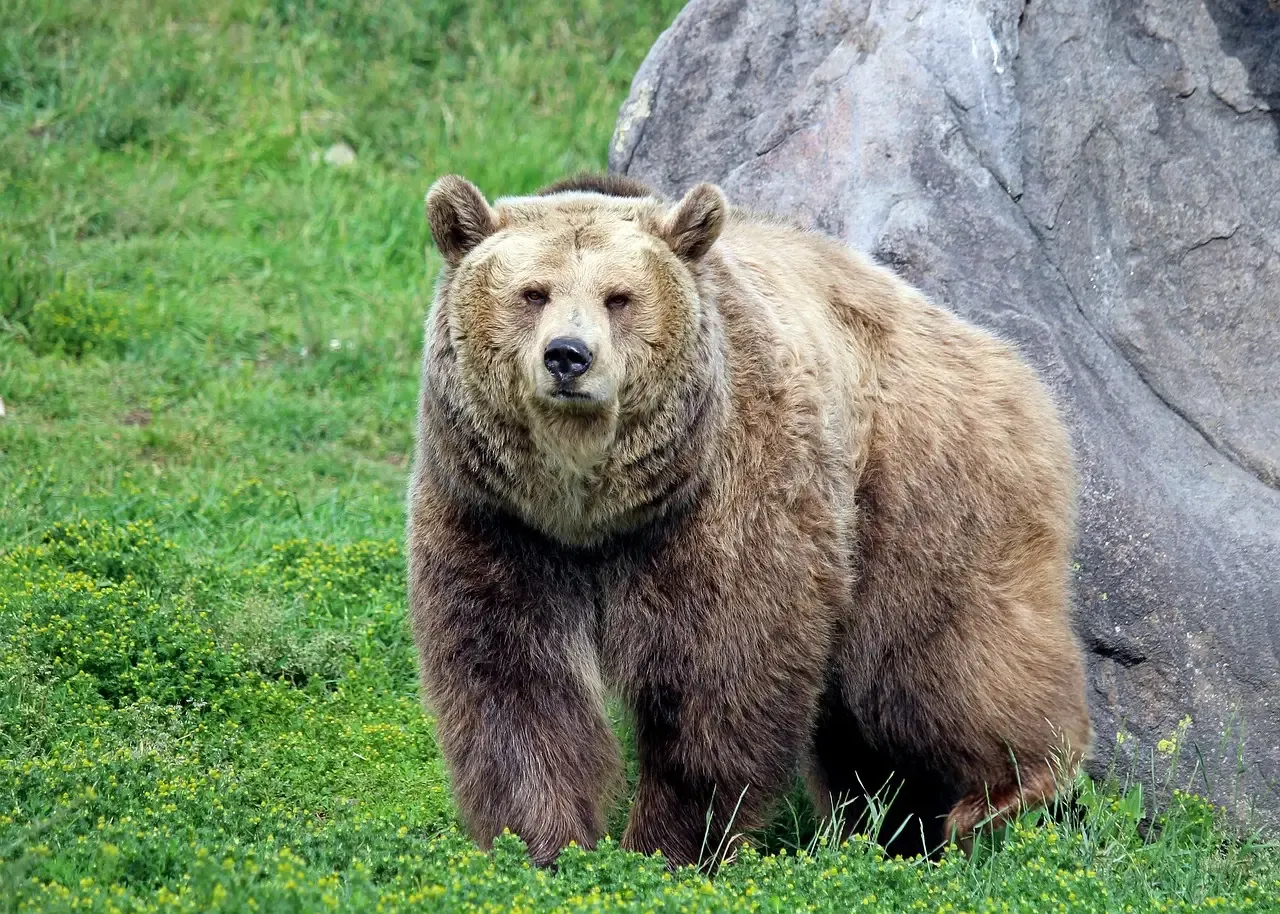
Cover your head and neck with your hands and arms. Lay flat on your stomach, and spread your legs apart. Keep your pack on, it will help protect you during an attack. This is for grizzlies. You’re protecting vital areas while making yourself harder to flip over. Wait several minutes until you are sure that the bear is gone. Grizzlies sometimes circle back to check if you’re still a threat.
For black bears, the playbook flips entirely. If a black bear charges and attacks you, fight back with everything you have! Do not play dead. Direct punches and kicks at the bear’s face, and use anything as a weapon. You want to be the worst meal option imaginable. Make that bear regret even considering you.
When the Rules Change: Recognizing Predatory Grizzlies
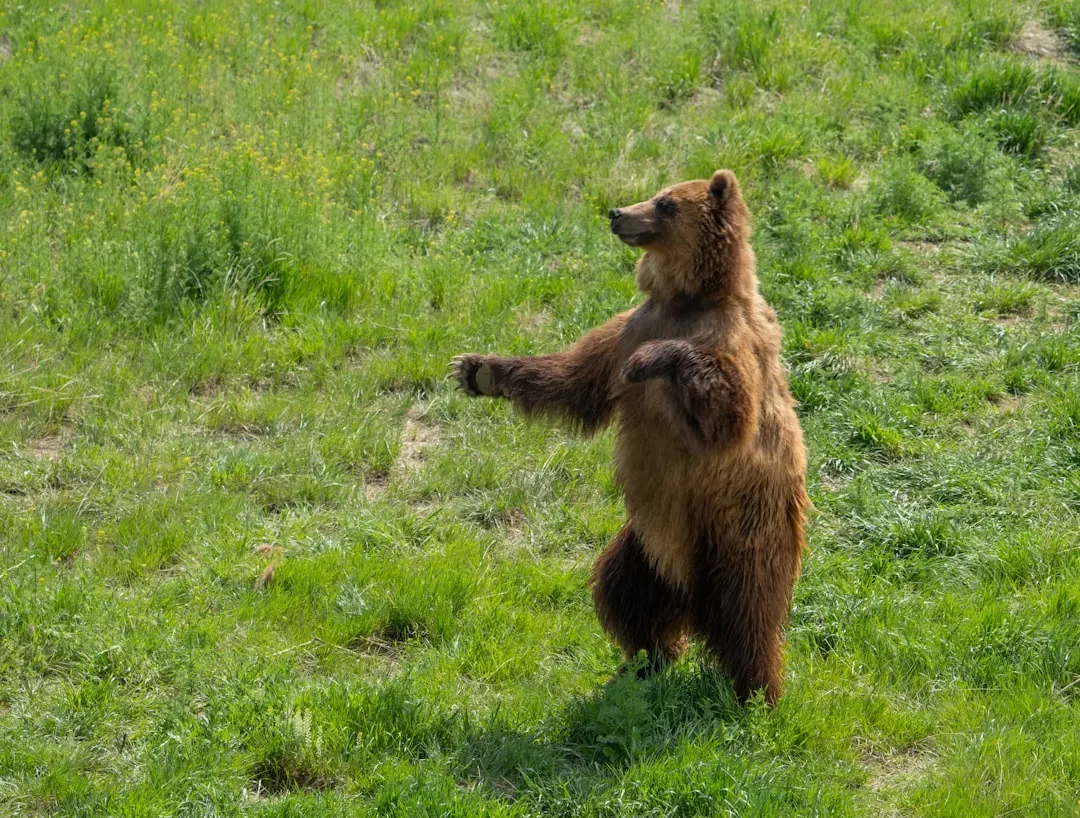
Now here’s where it gets tricky. Fighting back during an attack from a grizzly/brown bear will usually worsen the attack, but if the attack persists, then fight back with everything you have! If you’ve played dead and the grizzly keeps biting, keeps coming back, that’s when you know something’s wrong.
If a bear attacks you at night, in your camp, or is stalking you, there is a good chance it is a predatory attack. In those rare situations, even with a grizzly, you have to fight. A truly predatory bear of any species requires the same response: aggression. It’s the only language they understand when they’ve decided you’re prey.
Prevention Beats Cure Every Single Time
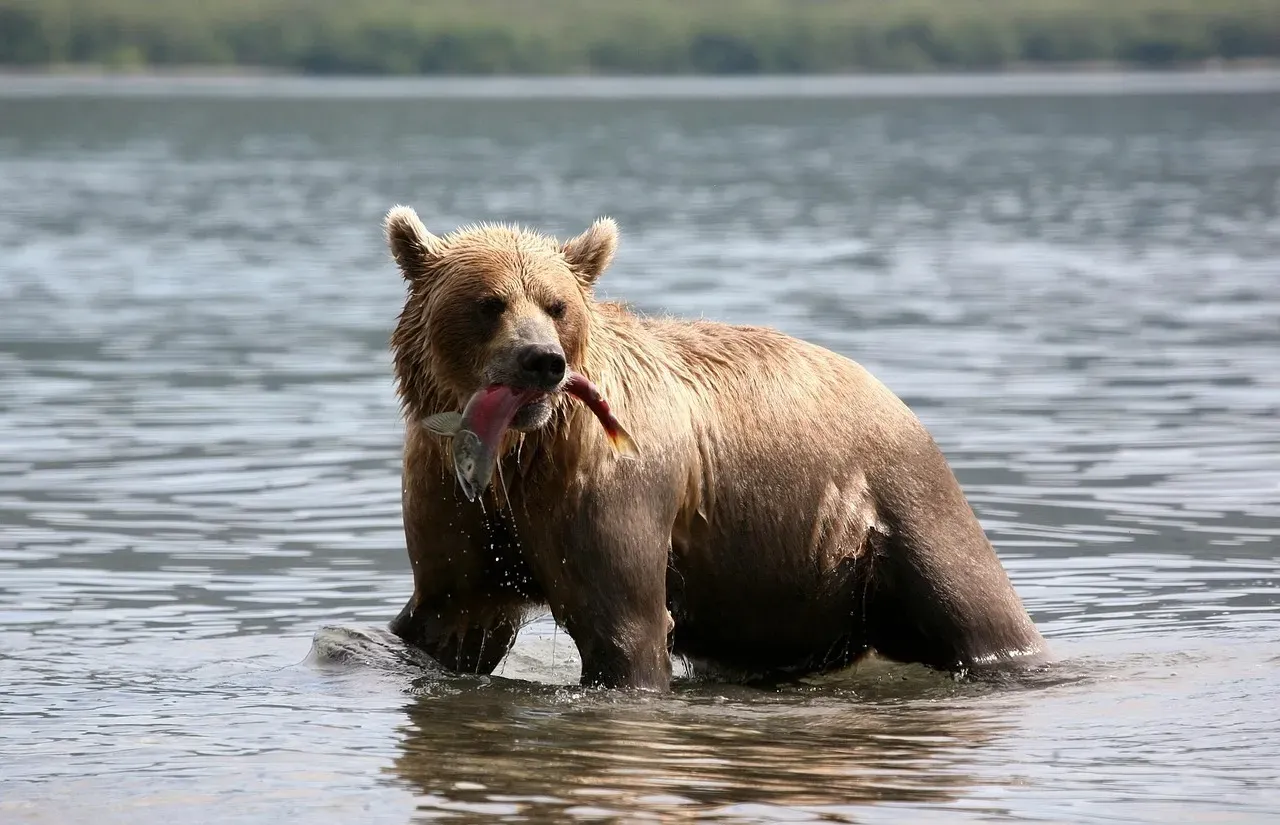
Let’s be honest, the best bear encounter is the one that never happens. Carrying bear spray is highly recommended. It can stop an aggressive bear before it gets too close. Research consistently shows bear spray is more effective than firearms for the average person.
Make noise on the trail. Travel in groups when possible. Most bears will avoid humans if they hear them coming. Pay attention to your surroundings and make a special effort to be noticeable in areas with known bear activity. Store food properly and keep a clean camp. There have been 8 fatal bear attacks in Yellowstone National Park since 1872, and all were committed by Grizzly Bears. These numbers are incredibly low considering the millions of visitors, which tells you that prevention works.
Really though, what are the actual odds of an attack? The chance of being attacked by a bear is just 1 in 2.1 million. You’re statistically safer in bear country than driving to the trailhead. Still, when that million-to-one moment happens, knowing the difference between species could save your life. Would you know which bear you’re facing if it happened tomorrow?
