
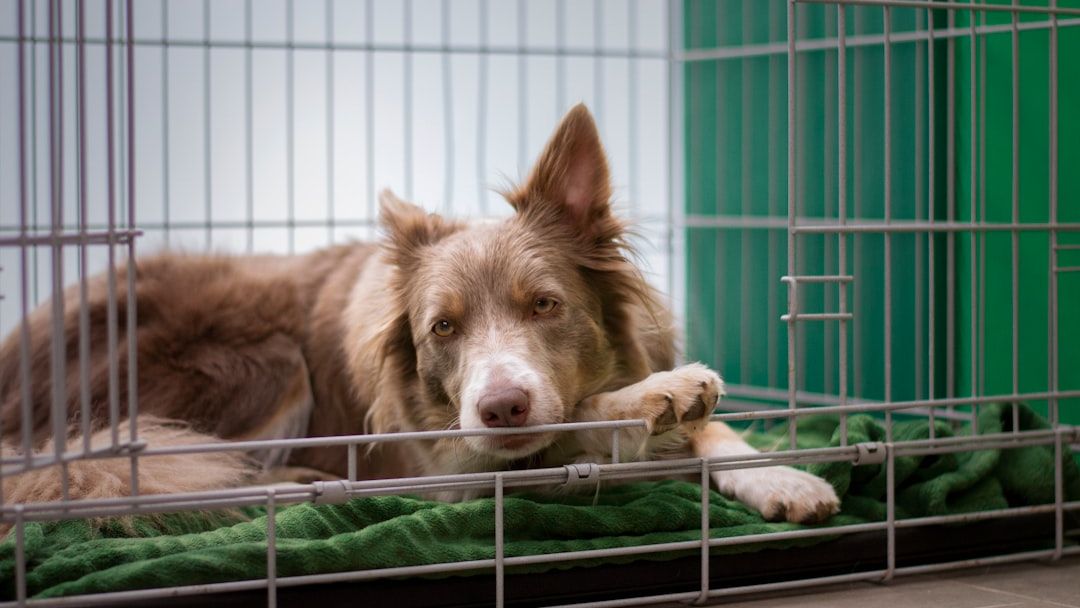
You’ve picked out the perfect crate. You’ve read all the training guides. Maybe you even splurged on one of those luxury models with the soft padding. The experts told you crating would solve all your problems, keep your pup safe, help with housetraining. Sounds perfect, right?
Here’s the thing. Crating can be an incredibly useful tool when done thoughtfully and sparingly. It’s when that crate becomes a default solution, a convenient way to keep the dog out of sight and out of mind, that things start to unravel. Dogs are social creatures who thrive on interaction, movement, and mental stimulation. Lock them away for hours on end, day after day, and you’re not teaching them anything positive. You’re creating new problems that can be far worse than a chewed shoe or an accident on the carpet. Let’s dive into what really happens when crating goes too far.
Physical Health Takes A Hit From Extended Confinement

When dogs spend excessive hours confined to crates, their bodies pay a steep price. Think about it. Extended crating can result in many physical and mental health issues, ranging from obesity and joint discomfort to stress. A dog stuck in a crate can’t move around properly, can’t stretch their legs, can’t burn off energy the way their body desperately needs to.
Young puppies face even greater risks. Their bodies are still developing, and restricting their movement during crucial growth stages can impact proper physical development. They need space to exercise, to build muscle strength, and to develop coordination. A properly sized crate barely gives them room to turn around.
Bladder and kidney issues also become a real concern. Dogs need to pee more often during the day, and to be prevented from accessing toilet facilities for eight hours or more is extremely unkind. When dogs are forced to hold their bladder for too long, it puts stress on their urinary system. Some dogs will soil their crate out of desperation, which goes against their natural instincts and creates significant distress.
The physical toll extends beyond what we can easily see. Joint stiffness, muscle atrophy from lack of use, and even digestive problems can develop. Dogs were meant to move. Confining them for the majority of their waking hours contradicts everything their bodies are designed to do.
Behavioral Problems Spiral Out Of Control

Boredom and attention seeking behaviors including excessive chewing, biting, pawing, whining and jumping on owners, long past the puppy stage are common in dogs that are crated for too long. Ironically, the very behaviors people try to prevent with excessive crating often become worse because of it.
The fact is the more you use a crate, the more you need it, and crate brained dogs just don’t learn not to be destructive. Dogs confined for extended periods never get the opportunity to practice appropriate house behavior. They don’t learn what’s acceptable to chew and what isn’t. They don’t develop self control or the ability to settle calmly.
Some dogs develop neurotic behaviors. In some dogs, neurotic behaviors such as self mutilating of paws, or spinning continuously, can occur, and many such dogs bark constantly. These aren’t minor annoyances. These are signs of serious psychological distress that can be extremely difficult to reverse.
The pattern becomes self perpetuating. Dog misbehaves when given freedom, gets crated more, never learns proper behavior, misbehaves again when finally released. Round and round it goes. At best, crating is a purely human convenience that merely postpones the day when real training will have to take place, because dogs simply can’t learn to interact successfully with the world while in isolation.
What owners don’t realize is they’re essentially preventing their dog from maturing behaviorally. A two year old dog still acts like a wild puppy because they’ve never been given the chance to learn anything else.
Separation Anxiety Can Actually Get Worse
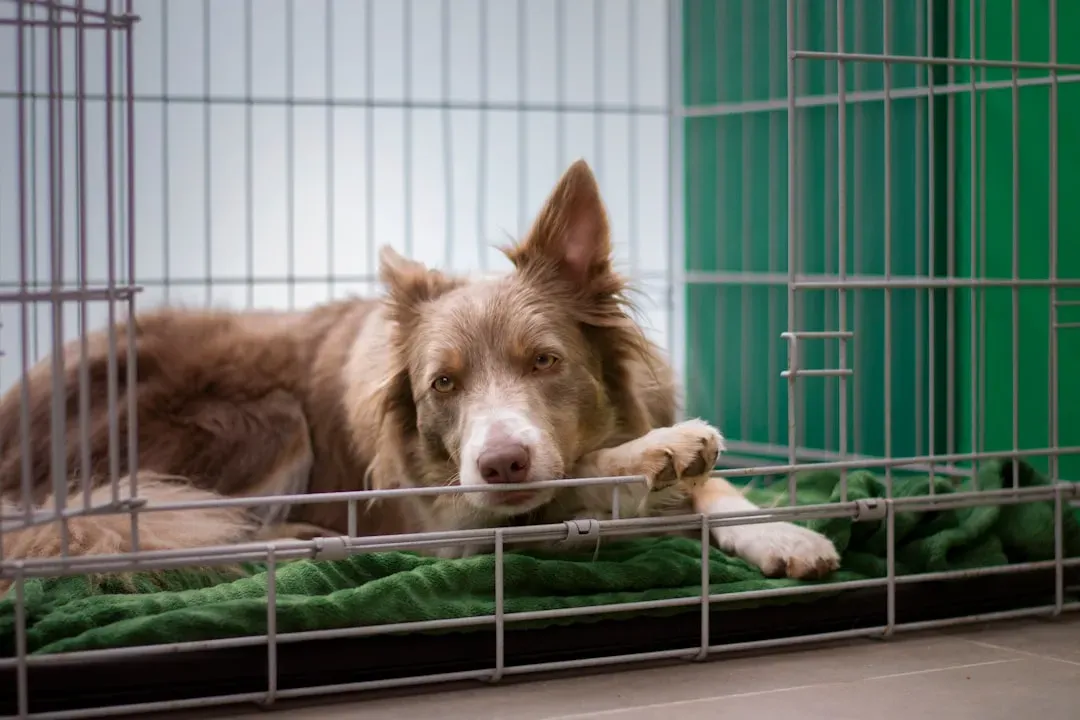
This one surprises people. Many owners reach for the crate when their dog shows signs of distress about being left alone, thinking confinement will keep them safe. This can often backfire, as a dog with separation anxiety could become worse if crated.
Crate confinement can be problematic for canines with separation anxiety, and confining a pooch with this disorder could intensify their phobic behavior and cause them to panic. The crate doesn’t address the underlying fear. It just adds another layer of terror on top of it.
Dogs with true separation anxiety may injure themselves trying to escape. Some dogs seem to make it a personal challenge to destroy any crate they are confined within, and unfortunately, these dogs can hurt themselves; some have broken claws, bloodied paws and broken teeth. The desperation is real and heartbreaking.
Sometimes dogs with separation anxiety will be fine in a crate as long as the owner is home, but will panic when the owner leaves; the problem isn’t the crate, it’s that the dog is phobic about being left alone, and because the dog feels very unsafe when their people leave, the crate becomes an intolerable prison. Dogs are smart. They understand context. They know the difference between you being in the next room and you being gone entirely.
The solution often recommended by well meaning but misinformed people is to get a stronger, more indestructible crate. The solution for these dogs by well-meaning, but mis-informed internet commenters is to get a high impact crate, but unfortunately crating a dog with a severe phobia will likely make the anxiety even worse.
Emotional Development Gets Stunted
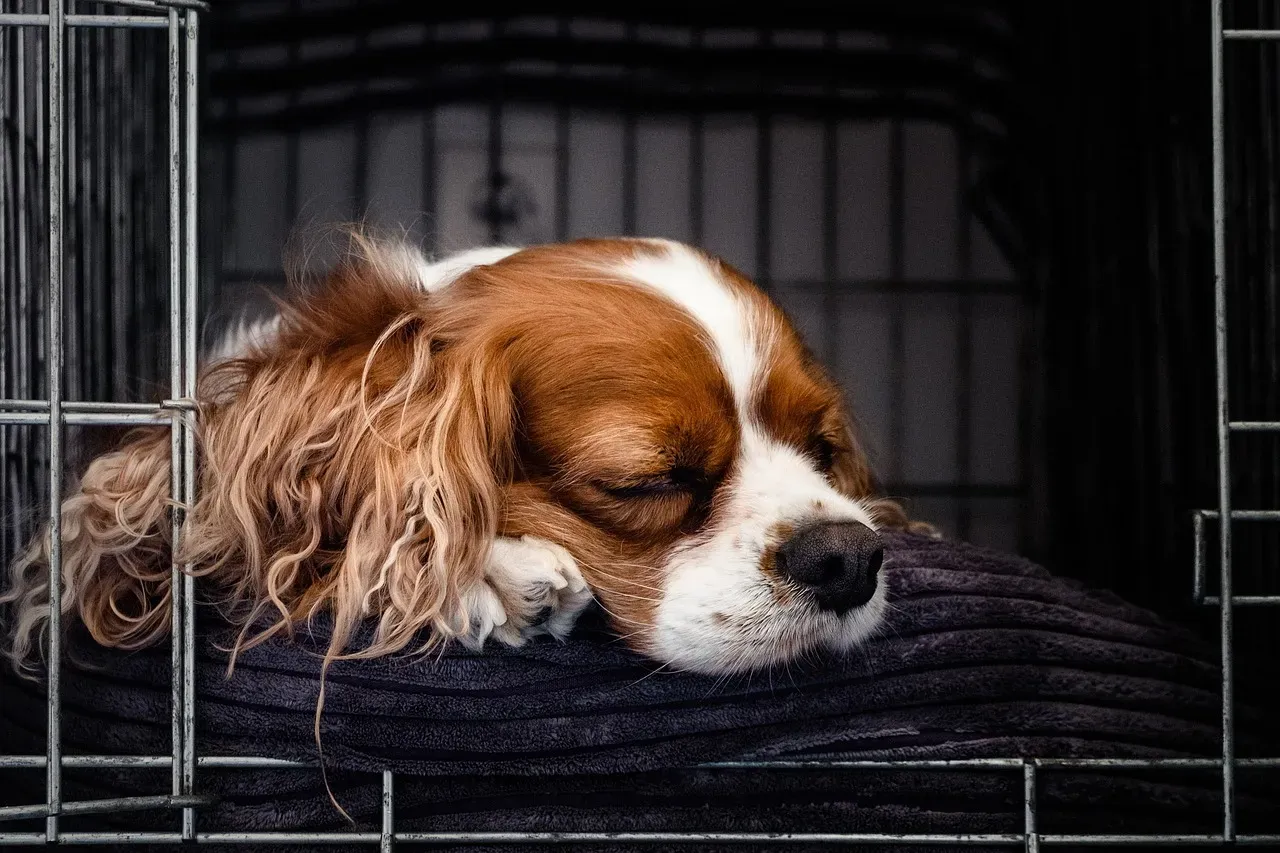
Dogs are highly social pack animals who abhor isolation and who crave and deserve companionship, praise, and exercise, and forcing dogs to spend extended periods of time confined and isolated simply to accommodate their guardians’ schedules is unacceptable, and it exacerbates behavior problems, leading to even more crating. The emotional impact of overcrating is profound and lasting.
Dogs who appear to enjoy being in their crates because they keep running back to them, even when given their freedom, are often really exhibiting an unnatural lack of self-confidence or fearfulness toward the outside world brought on by extreme confinement and long-term isolation. That’s not a happy dog who loves their den. That’s a dog who’s become so anxious about the world that their cage feels like the only safe place.
Some experts have compared the attachment dogs develop to their crates to Stockholm syndrome. One dog behaviorist has compared this behavioral effect to Stockholm syndrome, and dogs that are trained to sleep in a crate, when allowed to sleep in a bedroom, can show signs consistent with that of separation distress, suggesting that dogs may love their crate perhaps in some cases more than they love the owner. Let that sink in for a moment.
This bond with the crate may interfere with the human-animal bond and exacerbate bond-related behavior problems such as separation distress and owner-directed aggression. The very tool meant to create security ends up damaging the relationship between dog and owner. Dogs need interaction with their people to develop proper social bonds and emotional regulation.
Honestly, I think we underestimate how much isolation affects dogs mentally. They’re not like cats who are content with solitude. They’re wired for connection.
The Line Between Safe Use And Abuse Gets Blurry Fast
A real problem with crates is that they’re easily and frequently misused; 6 hours of crate time can quickly turn into 10+ hours regularly, and yet the line should be drawn at 8 hours TOPS a day for adult dogs. How does it happen? Life gets busy. Work runs late. Errands take longer than expected. Before you know it, the dog has been crated all day and all night with only brief breaks.
Some owners crate their dogs all day while they’re at work, let them out for a couple of hours when they come home, and then crate the dogs all night while everyone is sleeping, and this is too much time in a crate for a dog’s physical and mental health. We’re talking about sixteen to eighteen hours of confinement. That’s not management. That’s warehousing a living creature.
Getting the WRONG crate size is frequently an issue, which means many dogs spend endless hours in crates that are way too small for their comfort. People buy crates that are too small thinking it will help with housetraining, not realizing they’re causing physical discomfort and emotional distress.
Overcrating, traumatic, or stimulating experiences while crated, improper introduction to the crate, and isolation or separation anxieties are the primary causes of crating disasters. Each time you force a dog into a crate when they’re distressed, each time you ignore their panic, each time you prioritize your convenience over their wellbeing, you’re making the problem worse.
It’s worth noting that crating practices common in the United States are viewed very differently elsewhere. Crating your dog is not common outside of the U.S. and it’s even ILLEGAL in Sweden and Finland unless done for transportation or temporary purposes. That should tell us something about how other cultures view long term confinement of dogs.
Better Alternatives Exist That Actually Work

The good news? There are humane alternatives that don’t involve locking your dog in a box for hours. Instead of confining him to a cage, the perfect and humane solution is to dog-proof a room or specific area where he has the freedom and mobility he deserves without the capability of destruction; the dog-proof space should be significantly larger than a crate so that he does not feel too restricted.
Exercise pens, baby gates, or simply closing off a safe room give dogs much more space while still providing boundaries. Dogs confined to larger areas can move around, access water, stretch their bodies. They don’t feel trapped the way they do in a small crate.
Hiring a dog walker is also a viable solution that provides your dog the opportunity to relieve himself and obtain exercise while you’re at work; however, convenient for you doesn’t necessarily mean it’s good for your dog. Pet sitters, doggy daycare, neighbors who work from home – all of these options provide the social interaction and mental stimulation dogs desperately need.
Training is the real solution. Dogs are highly trainable and intelligent animals who thrive on routines, and they know when it’s time for a walk, playtime, and food so all it takes is some positive reinforcement to train your dogs to pee outside the house on a schedule and use a pee pad when necessary. Investing time in actual behavior training rather than relying on confinement pays off exponentially.
For dogs who genuinely need some form of containment while you address underlying issues, gradual desensitization and positive associations are key. The crate should always be introduced slowly, never forced, and certainly never used for the majority of a dog’s day.
Think about your own life. Would you want to spend sixteen hours a day in a space barely bigger than your body? Would that make you calmer, better behaved, happier? Of course not. Dogs deserve the same consideration. They deserve freedom, exercise, mental stimulation, and most importantly, time with the people they love. A crate can be a useful tool in specific situations, but it should never become a prison. The moment convenience trumps compassion, that’s when everything starts to backfire.
So what’s the real solution here? Honest self reflection about why you got a dog in the first place and whether your lifestyle actually accommodates one. Did you picture snuggling on the couch with your furry best friend, or did you picture them locked away most of the time? What would make for a better life, both for you and for them?
