
Cincinnati – The Cincinnati Zoo & Botanical Garden stands at the forefront of international efforts to conserve African painted dogs, collaborating with zoos and organizations worldwide to bolster populations of this vulnerable species.
African Painted Dogs Face Dire Threats
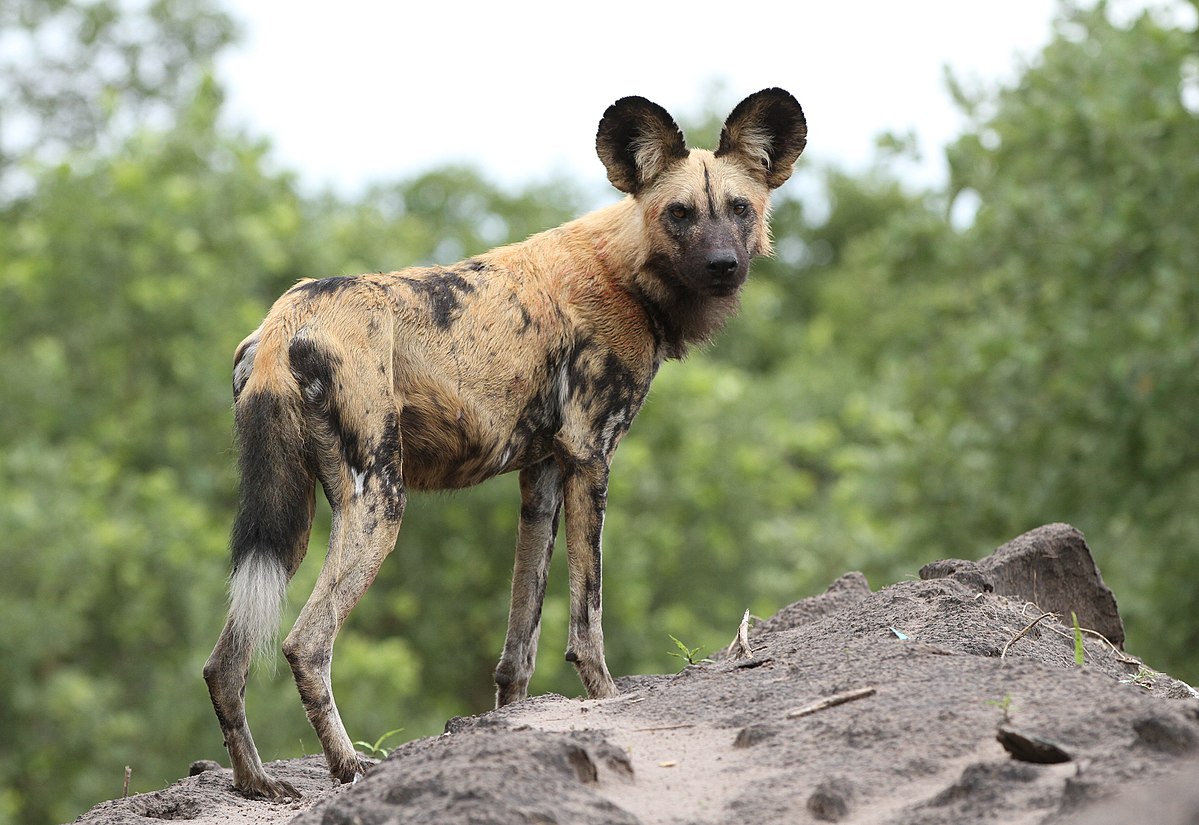
African painted dogs, also known as wild dogs, inhabit the savannas and woodlands of sub-Saharan Africa, where their striking black, brown, yellow, and white coat patterns make them unmistakable. These pack hunters rely on cooperative strategies to survive, but their numbers have plummeted to fewer than 6,600 individuals in the wild. Habitat fragmentation, human-wildlife conflict, and diseases transmitted from domestic dogs pose the greatest risks to their survival.
Conservationists note that without intervention, these social animals could vanish entirely from certain regions. The species’ reliance on large territories exacerbates the challenges, as expanding human settlements encroach on their habitats. Efforts to mitigate these threats have gained urgency in recent years, with zoos playing a pivotal role in breeding and research programs.
Cincinnati Zoo’s Commitment to Wild Dog Preservation
The Cincinnati Zoo has long supported field conservation projects focused on African painted dogs, emphasizing sustainable coexistence between wildlife and local communities. Through partnerships like the one with the Botswana Predator Conservation Trust, the zoo funds initiatives that protect packs and promote human-carnivore harmony in Africa. These efforts include anti-poaching patrols and community education programs that reduce conflicts over livestock.
Visitors to the zoo can observe a pack in the dedicated Painted Dog Valley exhibit, sponsored by U.S. Bank, which highlights the animals’ behaviors and the importance of global conservation. Zoo staff contribute to genetic management plans that ensure diverse breeding populations in captivity, serving as a safety net against extinction. Recent grants, such as the Hoffman Coexistence Impact Grant awarded in October 2025, have expanded the zoo’s international fellowship program, enabling conservationists from Africa to receive training and resources.
International Collaborations Drive Real Change
Global zoos unite under organizations like the Association of Zoos and Aquariums to coordinate breeding and reintroduction strategies for painted dogs. The Cincinnati Zoo participates in these networks, sharing expertise on veterinary care and habitat restoration techniques developed through years of research. Collaborative projects have led to successful releases of captive-bred individuals into protected areas, gradually rebuilding wild populations.
Key aspects of these partnerships include joint monitoring of wild packs using camera traps and GPS collars to track movements and health. Data from these efforts inform policy recommendations that influence protected area designations in countries like Botswana and Zimbabwe. By pooling resources, international teams address cross-border threats more effectively than isolated initiatives could achieve.
Community Involvement and Future Prospects
Local communities in Africa play a crucial role in painted dog conservation, as their support determines the success of protection measures. The Cincinnati Zoo’s programs provide economic incentives, such as ecotourism opportunities, that benefit residents while safeguarding wildlife corridors. Education campaigns dispel myths about painted dogs as threats, fostering tolerance and active participation in monitoring.
Looking ahead, ongoing research into disease resistance offers hope for mitigating health risks from domestic animals. The zoo’s fellowships empower emerging leaders to implement tailored solutions in their home regions, ensuring long-term sustainability.
Key Takeaways
- African painted dogs number fewer than 6,600 in the wild, threatened by habitat loss and disease.
- Cincinnati Zoo partners with the Botswana Predator Conservation Trust to fund anti-poaching and education.
- Global collaborations focus on breeding, monitoring, and community engagement for species recovery.
As these collaborative efforts gain momentum, the survival of African painted dogs hinges on continued international solidarity and local action. What steps can individuals take to support wildlife conservation in your view? Share your thoughts in the comments.

- Why Gardening Is an Ideal Hobby for Zodiac Earth Signs - July 28, 2026
- The 12 Deadliest Animals in Minnesota - July 28, 2026
- The Ancient Redwoods of California Are Home to 6 Unique Animals You Won’t Believe - July 28, 2026