

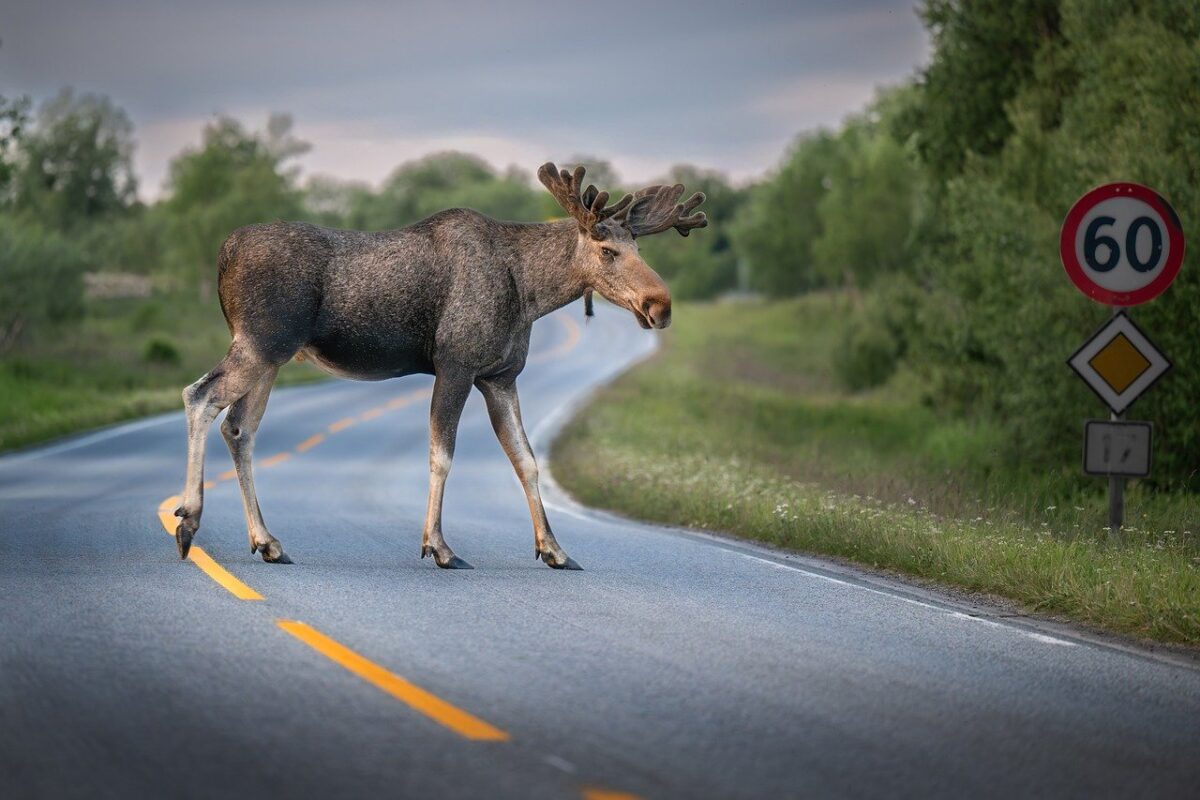

A Growing Threat on America’s Roads (Image Credits: Pixabay)
Washington, D.C. – Lawmakers from both sides of the aisle introduced legislation this month to transform a successful pilot program into a cornerstone of national wildlife conservation efforts.
A Growing Threat on America’s Roads
Vehicle collisions with wildlife have surged by 50% in recent years, according to a report from the U.S. Department of Transportation’s Federal Highway Administration. These incidents not only endanger drivers but also fragment habitats essential for species survival. In rural areas, where roads cut through migration routes, animals like deer, elk, and bears face heightened risks during seasonal movements.
The problem extends beyond immediate safety concerns. Habitat disconnection contributes to declining populations and biodiversity loss. States and tribes have long sought solutions, but limited resources have hampered progress until federal intervention arrived.
Origins of the Wildlife Crossings Initiative
Congress established the Wildlife Crossings Pilot Program in 2021 through the Bipartisan Infrastructure Law, allocating $350 million in competitive grants. This funding targeted state and tribal governments for building structures like overpasses and underpasses. Early projects demonstrated clear results, reducing collisions in key areas and reconnecting fragmented landscapes.
Former Interior Secretary Ryan Zinke laid foundational work in 2018 with Secretarial Order 3362, which directed agencies to map and protect migration corridors in partnership with western states. That effort evolved into the pilot program, proving its value across diverse ecosystems from Montana’s mountains to Virginia’s forests.
Key Provisions of the Reauthorization Act
Representatives Ryan Zinke of Montana and Don Beyer of Virginia spearheaded the Wildlife Road Crossings Program Reauthorization Act of 2025, introduced on November 18. The bill codifies the program as permanent federal law and extends authorization through fiscal year 2031. It proposes $1 billion in total funding to meet rising demand for these vital infrastructures.
A companion measure in the Senate, led by Senators Martin Heinrich of New Mexico and Tim Sheehy of Montana, alongside Angela Alsobrooks of Maryland and Kevin Cramer of North Dakota, mirrors these goals. The legislation emphasizes equitable distribution of grants, prioritizing high-collision zones and tribal lands. For more details, see the press release from Rep. Zinke’s office.
Proven Benefits and Broader Impacts
Wildlife crossings have already saved lives and money in pilot areas. Structures paired with fencing guide animals safely over or under highways, cutting collision rates by up to 90% in some studies. This not only protects drivers from costly accidents – estimated at billions annually – but also preserves genetic diversity by allowing free movement between habitats.
Conservation groups like the Wildlands Network and The Wildlife Society hail the initiative as a win for biodiversity. Tribal communities benefit from restored access to traditional lands, while rural economies gain from fewer road disruptions. The program’s success underscores how infrastructure can align with environmental stewardship.
Here are some key advantages of expanded wildlife crossings:
- Reduced vehicle-wildlife crashes, enhancing road safety nationwide.
- Improved habitat connectivity, supporting endangered species recovery.
- Cost savings for states through federal grants and lower accident-related expenses.
- Enhanced partnerships between federal agencies, states, and tribes.
- Adaptation to climate-driven migration shifts.
Key Takeaways
- The bipartisan bill secures $1 billion through 2031, building on the original $350 million pilot.
- Focus areas include overpasses, underpasses, and fencing to address rising collision rates.
- Legislation promotes collaboration across political lines for long-term conservation gains.
As this legislation advances, it represents a pivotal step toward balancing human development with natural needs. Permanent funding could prevent countless tragedies and foster resilient ecosystems for future generations. What steps should your community take to support wildlife corridors? Share your thoughts in the comments below.

- 8 Mysterious Spirit Animals Associated with the Zodiac Sign Scorpio - July 29, 2026
- 23 Dog Breeds Trainers Say First-Time Owners Regret - July 29, 2026
- 18 Horse Breeds Farriers Say Are Hard on Hooves - July 29, 2026