

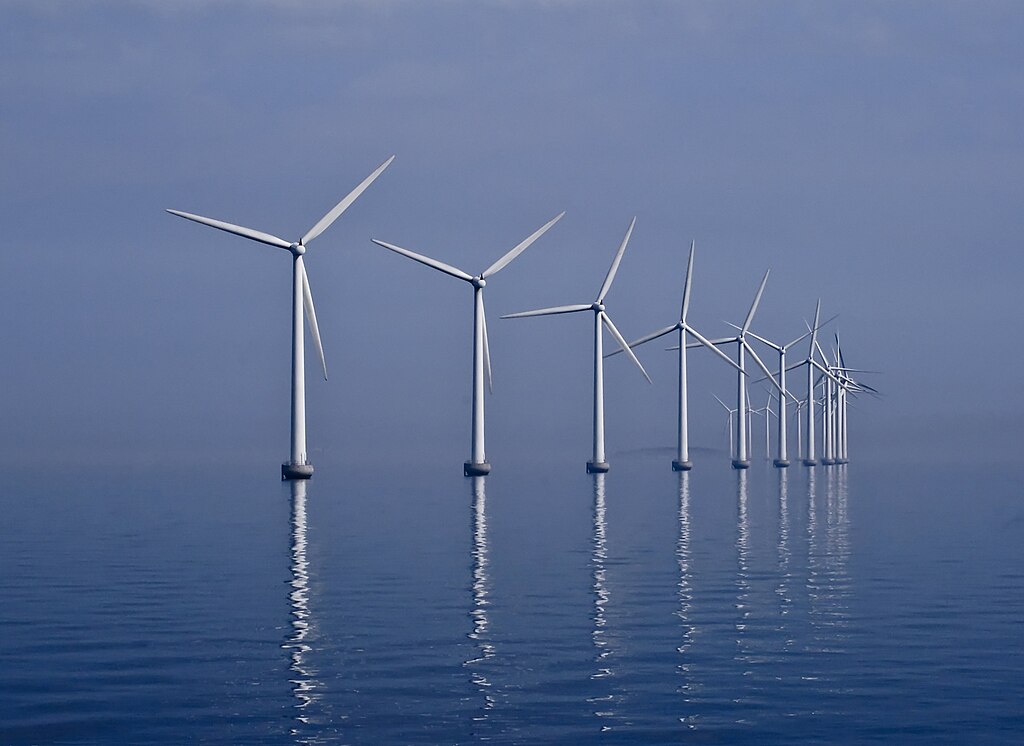
Offshore Wind Farm (Image Credits: Wikimedia)
The Trump administration’s decision to halt multiple offshore wind projects along the East Coast has ignited fresh controversy over the future of renewable energy in the United States.
The Sudden Pause on East Coast Projects
Officials from the Interior Department announced the suspension of five major wind farm developments off the coasts of New England, New York, and Virginia. This action came swiftly after the administration took office, citing unspecified national security risks associated with the projects. The move affects installations already under construction, which promised to generate clean power for hundreds of thousands of homes.
Industry experts expressed alarm, noting that the halt disrupts supply chains and construction timelines that had been carefully planned for years. Without detailed explanations from the department, stakeholders scrambled to assess the implications. The projects, valued in the billions, represented a cornerstone of the nation’s push toward offshore wind as a viable alternative to fossil fuels.
Trump’s Vocal Disdain for Wind Energy
President Trump has repeatedly voiced strong opposition to wind farms, describing them as unreliable sources of power that inflate energy costs for consumers. During his campaign and earlier terms, he argued that the technology depends heavily on government subsidies to remain viable. He often highlighted what he called the “most expensive energy” produced by turbines, contrasting it with traditional sources like coal and natural gas.
This rhetoric extended to environmental claims, where Trump suggested wind installations harm wildlife, though federal studies have largely debunked widespread impacts on species like whales. His administration’s latest steps align with a pattern of prioritizing fossil fuel interests over renewables. Critics point out that such policies could slow the transition to sustainable energy at a time when climate goals demand acceleration.
Tracing the Personal Roots of the Opposition
The president’s aversion to wind farms traces back to a high-profile dispute in Scotland, where a proposed offshore project near his Aberdeenshire golf resort drew his ire. Trump fought the development in court, decrying it as an eyesore that would spoil scenic views from the property. Courts ultimately ruled against him, and he faced a substantial legal fee award from the Scottish government.
That 2015 battle left a lasting mark, fueling Trump’s broader narrative against the industry. Observers note how this personal setback evolved into national policy critiques, with the president labeling turbines “a disgrace” in public speeches. While the Scottish case involved aesthetics, U.S. actions now invoke security, raising questions about the consistency of the administration’s rationale.
Broader Impacts on Jobs and the Economy
The suspensions threaten thousands of jobs in manufacturing, installation, and maintenance across coastal states. Developers had projected economic boosts through local hiring and port upgrades, benefits now in jeopardy. Offshore wind promised to inject billions into communities reliant on declining fishing and oil sectors.
Proponents argue that these projects could lower long-term energy prices and reduce reliance on imported fuels. However, the administration’s stance signals a pivot toward deregulation of traditional energy sources. Legal challenges from affected companies loom, potentially prolonging uncertainty for investors.
- Five projects halted, affecting East Coast regions from Massachusetts to Virginia.
- Billions in investments at risk, including federal leases already awarded.
- National security cited, but no specifics released to the public.
- Alignment with Trump’s past calls to eliminate wind subsidies.
- Potential job losses in the thousands for renewable sector workers.
Key Takeaways
- The halts underscore a policy favoring fossil fuels over emerging renewables.
- Personal history with a Scottish wind farm may influence broader U.S. decisions.
- Industry faces delays that could hinder climate targets for the decade.
As the dust settles on these pauses, the clash between renewable ambitions and political priorities highlights deeper divides in America’s energy landscape. The outcome could shape whether offshore wind gains traction or fades amid regulatory hurdles. What implications do you see for the future of clean energy? Share your thoughts in the comments.

- Urban Coyotes Show Remarkable Adaptability, Learning to Thrive in City Environments - July 22, 2026
- Beavers Are Nature’s Engineers, Creating Vital Habitats for Other Wildlife Species - July 21, 2026
- The Recovery of the California Condor Offers Hope for Other Critically Endangered Birds - July 21, 2026