

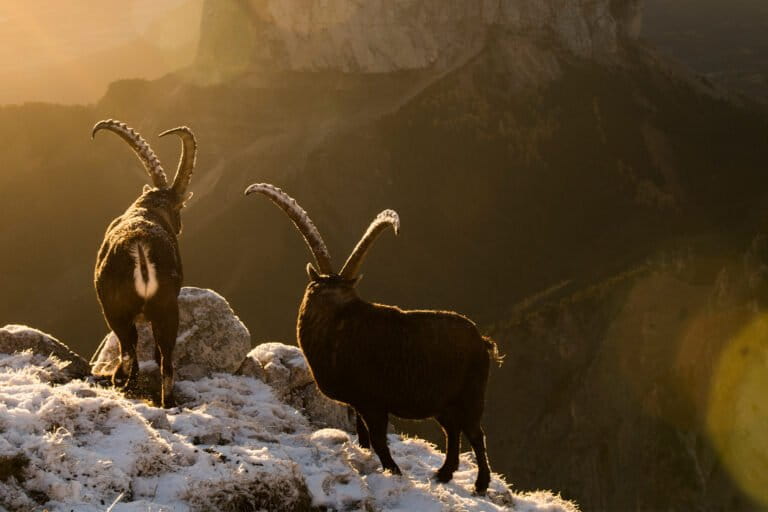
A Legacy of Loss and Renewal (Image Credits: Imgs.mongabay.com)
In the rugged foothills of southeastern France, a transformative initiative unfolds across the Dauphiné Alps, aiming to revive long-lost natural habitats amid growing climate pressures.
A Legacy of Loss and Renewal
Centuries of human activity had diminished the wild heart of the Dauphiné Alps, once teeming with diverse wildlife. Gray wolves, Eurasian lynx, and flocks of vultures patrolled these limestone landscapes, while herds of wild horses and bison shaped the terrain. Today, conservationists seek to reverse that decline through targeted restoration. The project, launched earlier this year, marks France’s most expansive rewilding endeavor to date.
Local ecologist Fabien Quétier, who grew up in the region’s shadow, drives much of the effort. His vision draws on the area’s historical richness to build a resilient future. Efforts began in June with initial site assessments and planning. Partners like Rewilding France coordinate with regional stakeholders to ensure sustainable progress. This approach prioritizes natural processes over intensive management.
Key Strategies for Ecosystem Revival
Rewilding here focuses on multiple fronts to mimic pre-industrial conditions. Natural grazing emerges as a cornerstone, with plans to reintroduce semi-wild horses and bovines. These animals will help maintain grasslands and prevent overgrowth, fostering healthier forests and reducing wildfire risks. River restoration follows closely, aiming to free waterways from barriers and allow natural flow patterns to return.
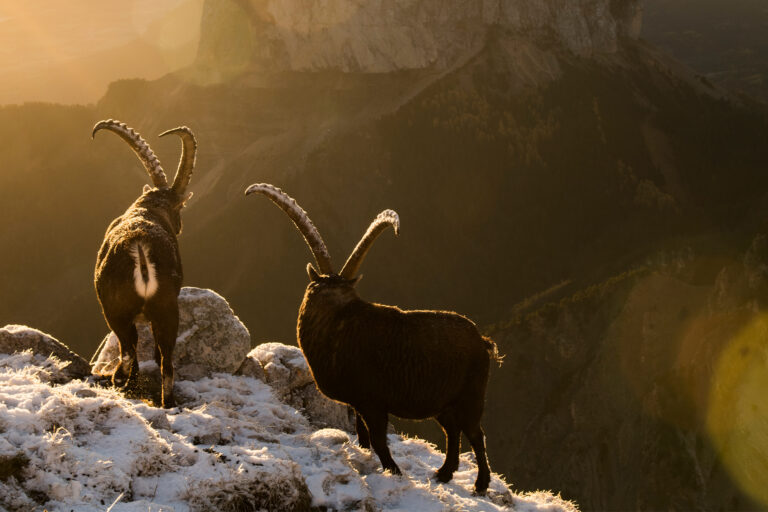
Forest protection initiatives target vulnerable woodlands, promoting native tree growth and habitat connectivity. Initial actions include removing invasive species and planting resilient varieties suited to alpine conditions. The project spans thousands of hectares, creating corridors for wildlife movement. Early signs of success appear in areas where ibex populations roam freely along cliffs. These steps build on Europe’s broader rewilding movement, as highlighted by organizations like Rewilding Europe.
- Reintroduction of grazing animals to shape landscapes naturally.
- Restoration of river ecosystems for improved water quality and fish habitats.
- Protection of forests to enhance carbon sequestration and biodiversity.
- Creation of wildlife corridors to support species migration.
- Monitoring of key indicators like soil health and vegetation cover.
Climate and Biodiversity Wins on the Horizon
The Dauphiné Alps project addresses climate change head-on by bolstering natural carbon sinks. Diverse forests and restored wetlands absorb more CO2, offering a buffer against rising temperatures. Biodiversity gains promise cascading benefits, from pollinators to apex predators. Vultures and lynx could return, filling ecological niches left empty for generations.
Local communities stand to benefit economically through eco-tourism and sustainable land use. Reduced wildfire threats protect nearby villages, while healthier ecosystems support agriculture. The initiative aligns with France’s national climate goals, integrating rewilding into broader environmental strategies. As of late 2025, funding and partnerships continue to expand, signaling strong commitment.
Challenges and Long-Term Outlook
Implementing rewilding in a mountainous region presents hurdles, including terrain difficulties and potential conflicts with traditional farming. Organizers emphasize collaboration to address these issues early. Monitoring programs track progress, adjusting tactics based on real-time data. Success depends on sustained public support and policy backing.
Yet the potential rewards outweigh the obstacles. This project could serve as a model for other European landscapes facing similar pressures. By 2030, experts anticipate measurable improvements in habitat quality and species diversity. For more details, see the full report from Mongabay.
Key Takeaways
- Rewilding restores natural processes, enhancing resilience to climate extremes.
- Local involvement ensures socio-economic gains alongside environmental ones.
- Early actions in 2025 set the stage for decades of ecological recovery.
As the Dauphiné Alps reclaim their wild essence, this initiative underscores nature’s power to heal when given space. It reminds us that conservation today secures a thriving tomorrow for both wildlife and people. What steps can your community take toward similar restoration? Share your thoughts in the comments.

- Urban Coyotes Show Remarkable Adaptability, Learning to Thrive in City Environments - July 22, 2026
- Beavers Are Nature’s Engineers, Creating Vital Habitats for Other Wildlife Species - July 21, 2026
- The Recovery of the California Condor Offers Hope for Other Critically Endangered Birds - July 21, 2026