
Have you ever looked at a famous building and assumed it was meant to stand forever? It’s funny how our most iconic structures sometimes started out with completely different plans. Some were meant to disappear after just a few months or years, built quickly for a specific event or purpose, then dismantled when their job was done.
Yet here they are, decades or even a century later, still standing. Still drawing millions of visitors. These architectural survivors tell a fascinating story about how temporary solutions can become permanent treasures, how budget constraints lead to welding instead of bolting, and how a structure’s usefulness can save it from demolition. Let’s explore these remarkable buildings that defied their expiration dates.
The Eiffel Tower Was Scheduled for Demolition After 20 Years
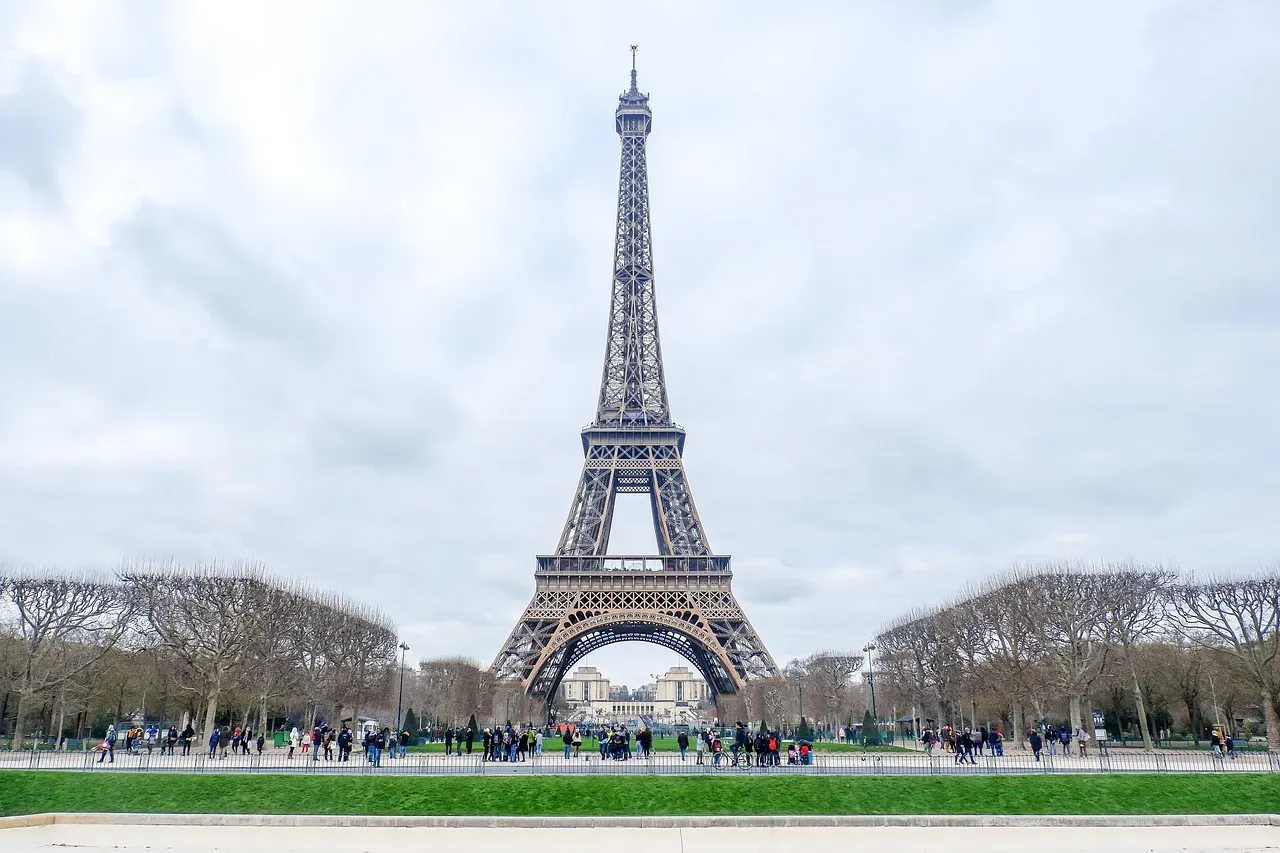
The iron-latticed Art Nouveau landmark wasn’t originally intended to last longer than 20 years, erected for the World’s Fair in 1889 to commemorate the 100th anniversary of the French Revolution. Gustave Eiffel had a permit for the tower to stand for 20 years, after which it was to be dismantled in 1909, when its ownership would revert to the City of Paris. Honestly, it’s hard to imagine Paris without its most recognizable silhouette today.
Gustave Eiffel found an ingenious way to justify the tower’s long-term survival: He made sure that the tower’s top was used for scientific experimentation, and the world’s tallest structure at that time also became an important radio transmission point. The tower’s height made it perfect for early radio technology. In the end, it was to be the Tower’s role as an enormous antenna that would save it from destruction. Sometimes practicality trumps aesthetics, even when the aesthetics eventually become beloved.
London’s Giant Ferris Wheel Was Only Meant for Five Years
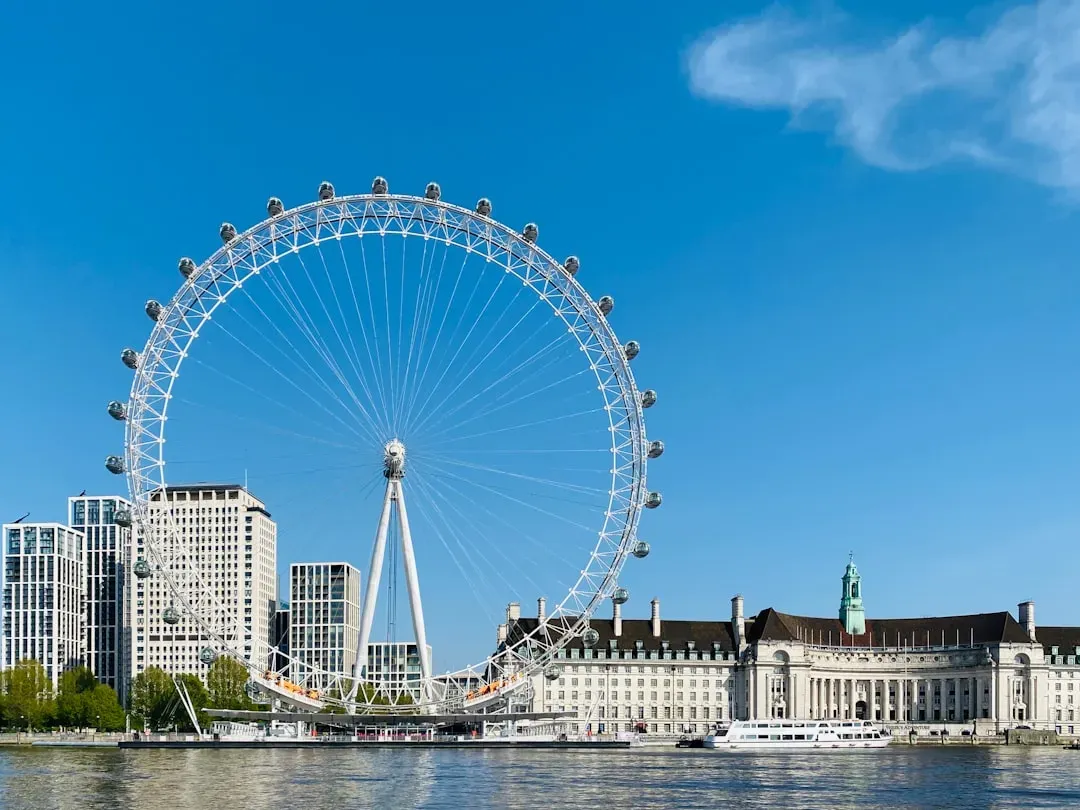
The London Eye’s previous name, the Millennium Wheel, hints at why it came to be: The 443-foot-tall Ferris wheel was erected as part of London’s Millennium celebration in 2000 and was intended to turn on the banks of the Thames for only five years. Originally scheduled to be dismantled after five years, it was kept in place because of continued popularity.
After just one year, the world didn’t want to see it go, as the previously quiet neighborhoods of Waterloo and South Bank greatly benefitted from more foot traffic, leading to the popular decision to allow the wheel to remain far beyond its original five years. The economic benefits were simply too good to ignore. The London Eye, like the Eiffel Tower, was intended to be temporary, but Lambeth Council granted the Eye a permanent license in July 2002.
The Hollywood Sign Started as a Year-and-a-Half Advertisement
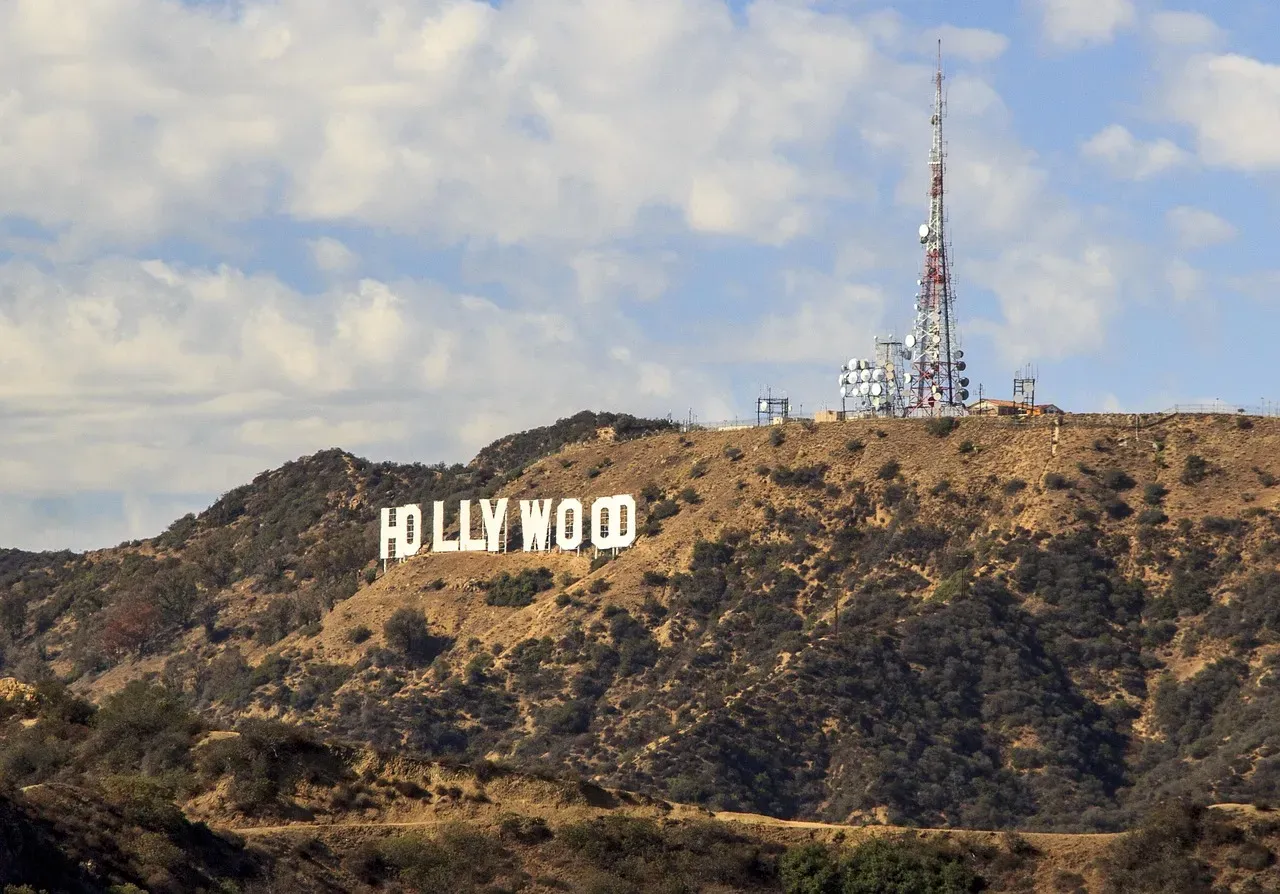
Let’s be real, this one sounds absolutely crazy when you learn the truth. In 1923, to promote his new real estate development, Los Angeles Times publisher Harry Chandler spent the equivalent of more than $300,000 today to erect 43-foot-high letters spelling out the development’s name: Hollywoodland, and the sign was originally intended to last only a year and a half.
The rise of American cinema led to the Golden Age of Hollywood, and what better way to demonstrate the country’s opulence than this huge billboard? In the 1940s, locals complained that it was an eyesore and a detriment to the community, and the Hollywood Chamber of Commerce suggested removing the “Land” rather than the whole structure, in order to reflect the entire film district rather than just the housing development. Now it’s one of the most photographed signs on the planet.
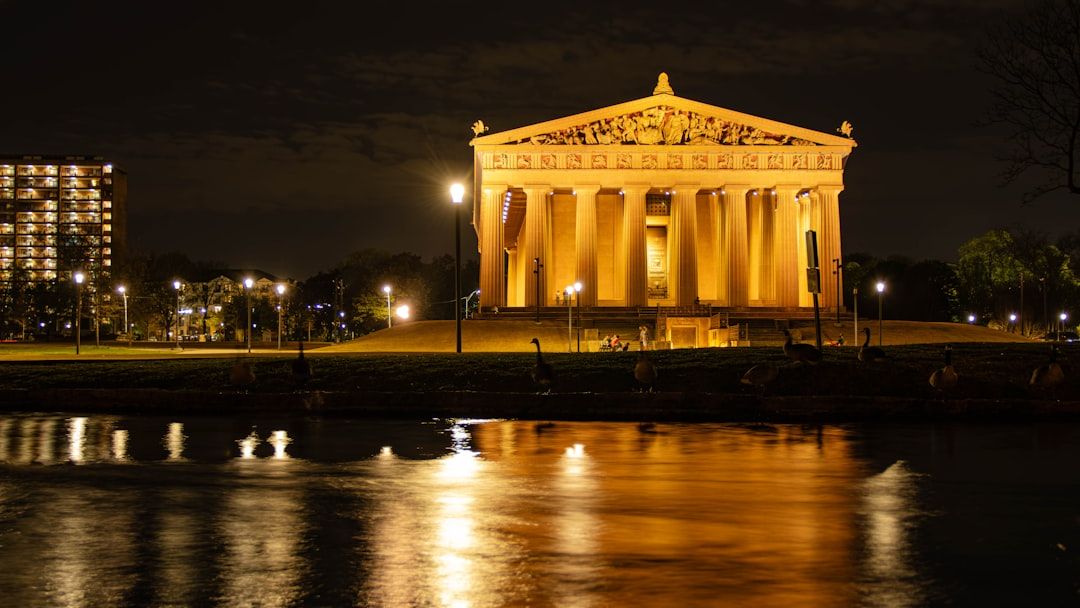
Nashville’s Parthenon Was Built for a Six-Month Celebration
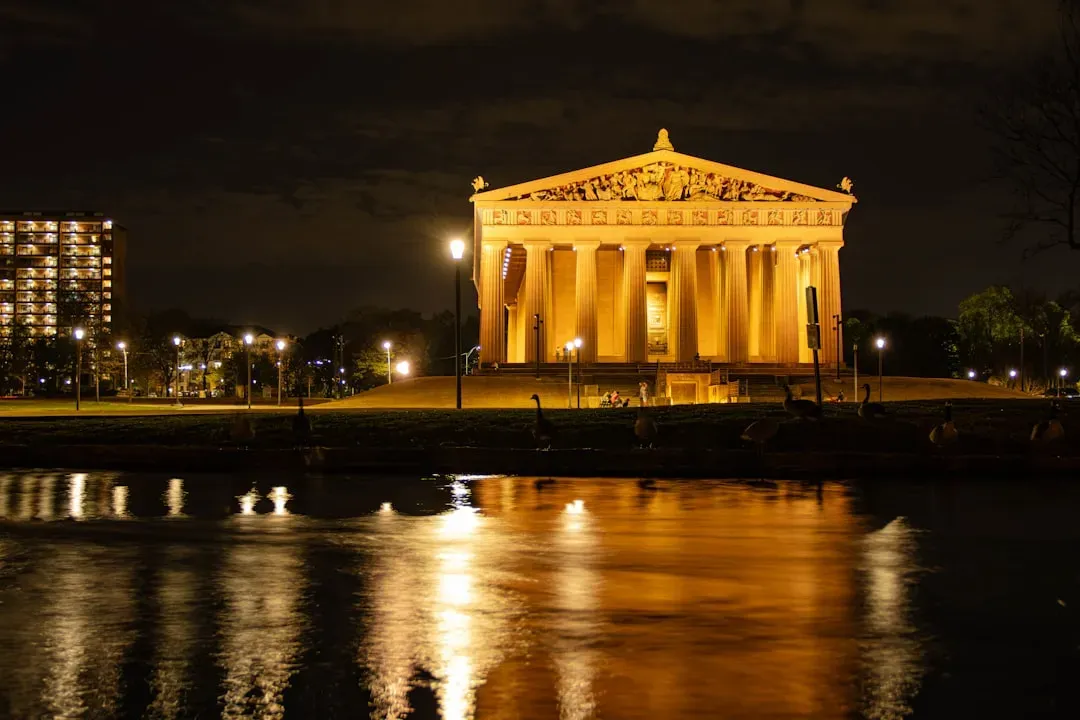
Designed to mimic every last detail of the original, the structure was supposed to last for the six-month centennial celebration, but the locals loved the classical glow it lent their city and opted to save it from the wrecking ball, though by the 1920s, the city had to replace the deteriorating temporary materials used on the Parthenon’s exterior with more permanent stone.
While the original building took two years to build, the subsequent construction project to make it permanent lasted 11 years, and today it is not only the centerpiece of Centennial Park but also houses an art museum. I think it’s fascinating how a temporary replica became more permanent than many purpose-built structures. The commitment to preserving something that started as theatrical scenery speaks volumes about community values.
Montreal’s Geodesic Dome Was Accidentally Made Permanent
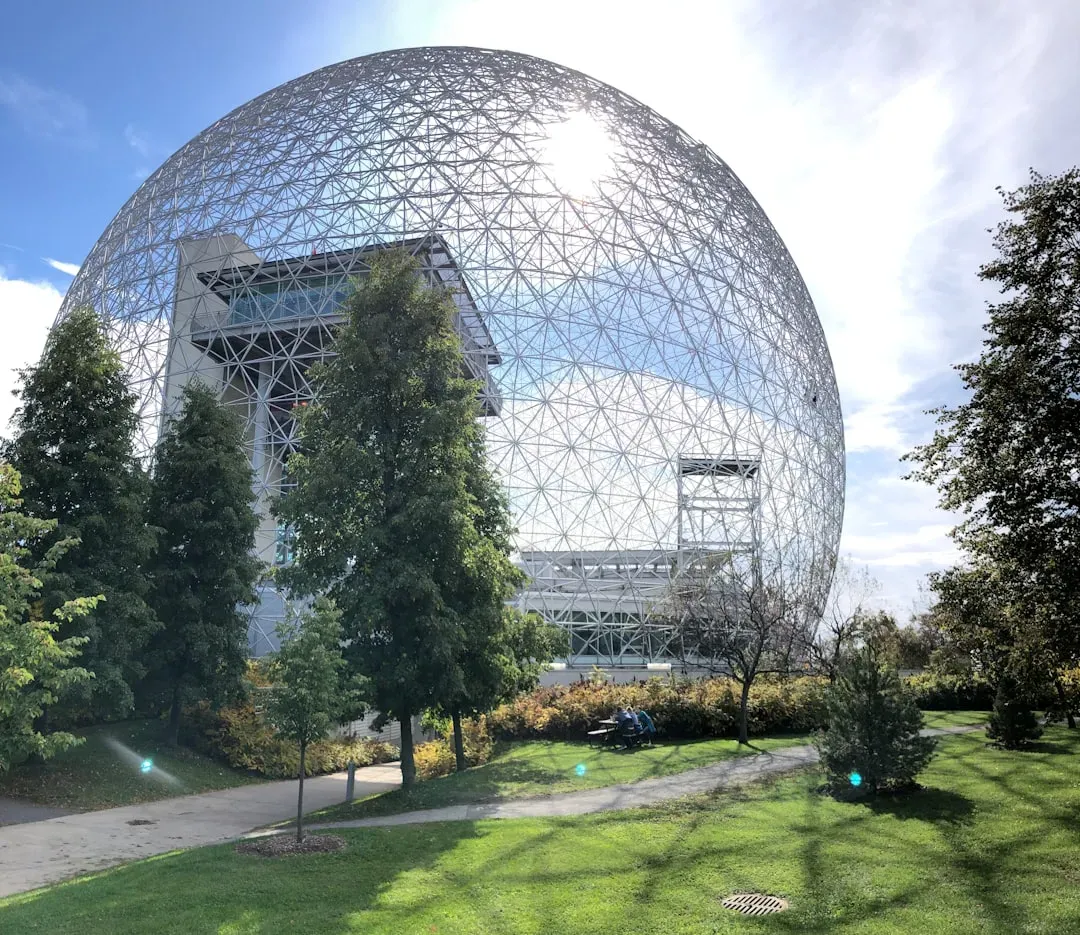
Here’s where things get interesting. The dome was originally meant to be bolted together, allowing the pavilion to be dismantled when the fair was finished, but budget constraints led workers to weld the dome together instead. The museum is housed in the former United States pavilion constructed for Expo 67 located within the grounds of Parc Jean-Drapeau on Saint Helen’s Island, and the geodesic dome was designed by Buckminster Fuller.
Unlike the other structures, the Biodome was not left standing because of the public’s love for it, but because of a mistake: During construction, the workers welded the steel stresses together instead of just bolting them. Talk about an expensive error that turned into a landmark. Sometimes the best outcomes come from complete accidents.
Chicago’s Palace of Fine Arts Outlasted the 1893 World’s Fair
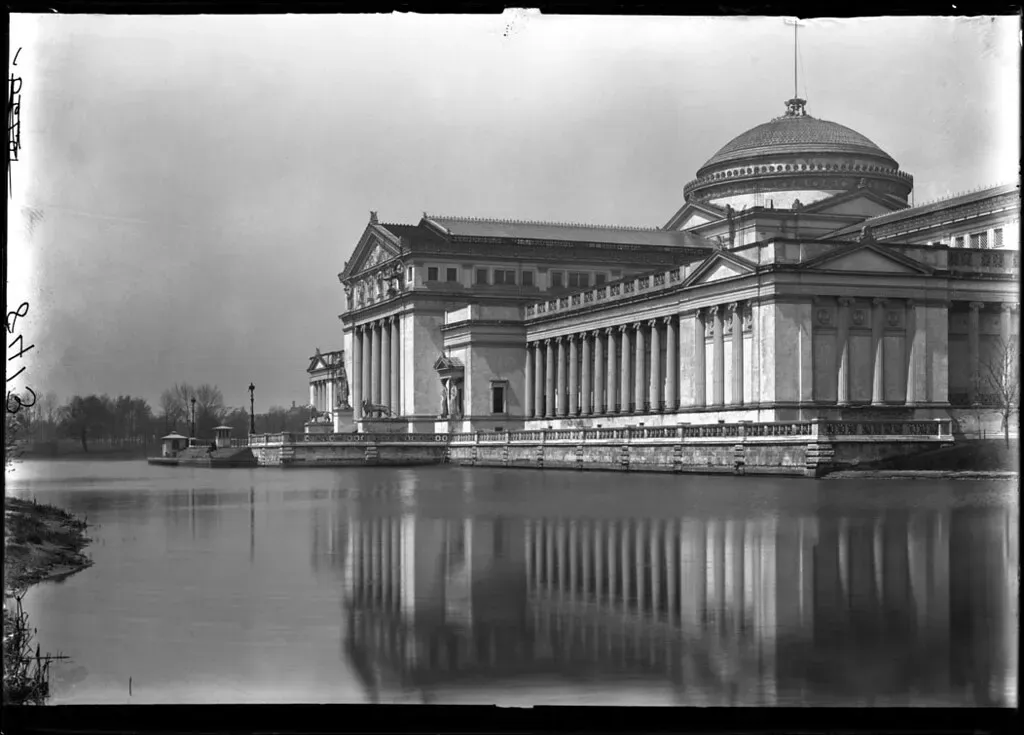
One important building remained: the Palace of Fine Arts, the interior of which was built from stronger materials than other buildings because it was meant to hold valuable artworks, and it became a museum exhibiting artifacts from the 1893 fair. The irony here is beautiful.
In the late 1920s, the building’s failing plaster exterior was replaced by carved limestone, making it a permanent structure, and beginning in 1933, it became the home of the Museum of Science and Industry, a temple to modern technology and one of the city’s most popular museums. The building got a second life that nobody initially planned for. Its survival was purely pragmatic at first, but it evolved into something culturally significant.
Crystal Palace in London Was Designed to Be Dismantled
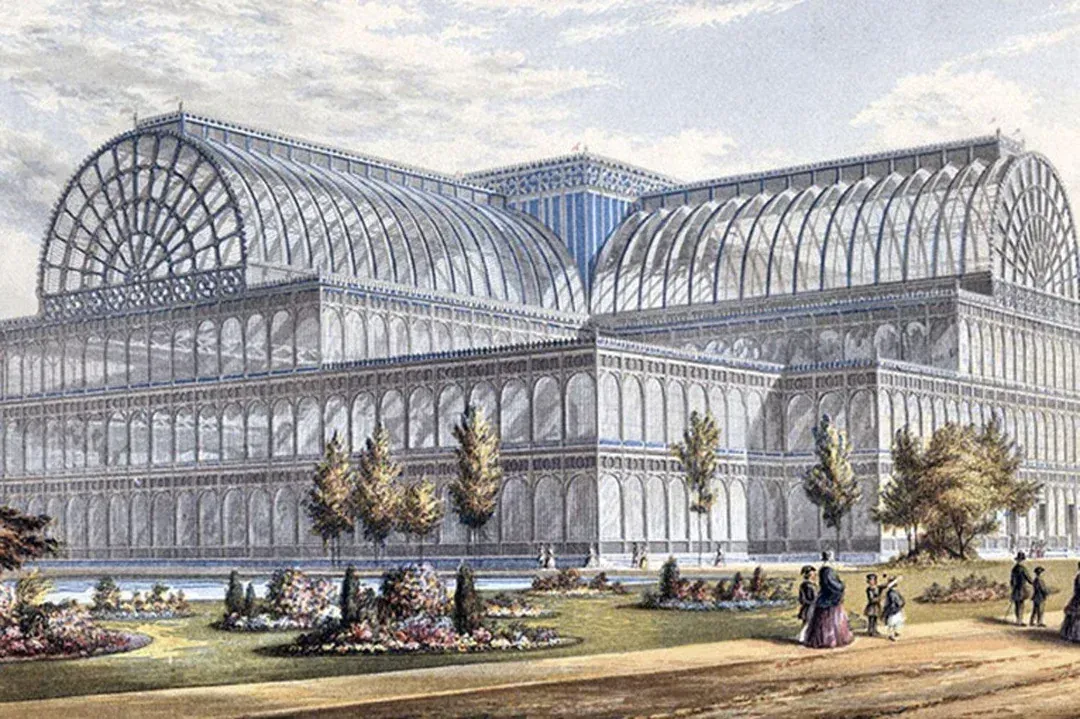
The huge, modular, iron, wood and glass structure was originally erected in Hyde Park in London to house the Great Exhibition of 1851, and by design specifications, the building had to be temporary, simple, as cheap as possible, and economical to build. When the exhibition was closed 6 months later, the structure was disassembled and then reassembled in the south London suburb of Sydenham Hill.
It stood there from June 1854 until its destruction by fire in November 1936. Though it eventually met a tragic end, the Crystal Palace lasted more than 80 years beyond its intended six-month lifespan. Originally intended as a temporary structure in London, the palace was moved to a new location in Sydenham, Kent, where it remained until 1936, when it tragically burned down during a fire.
Seattle’s Space Needle Was an Exposition Centerpiece
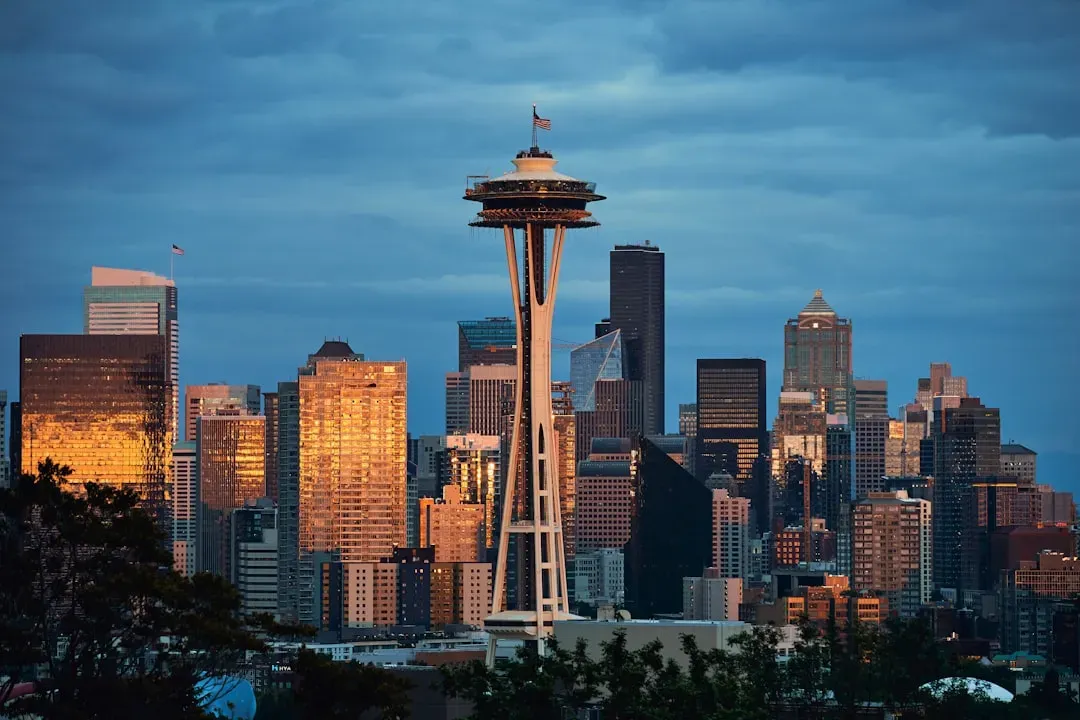
Constructed for the 1962 World’s Fair, the Space Needle was inspired by the age of the Space Race, and at the time, it stood as the tallest structure west of the Mississippi River at a height of 605 feet, with a UFO-shaped structure at its top, becoming a huge success at the fair that year and since becoming a symbol of the city of Seattle.
The futuristic design perfectly captured the optimism of the early space age. While many World’s Fair structures were dismantled after their events closed, this one stuck around because it resonated with the city’s identity. Its distinctive silhouette became synonymous with Seattle itself, proving that sometimes a temporary structure captures something permanent about a place.
The Atomium in Brussels Survived Beyond Expo 58
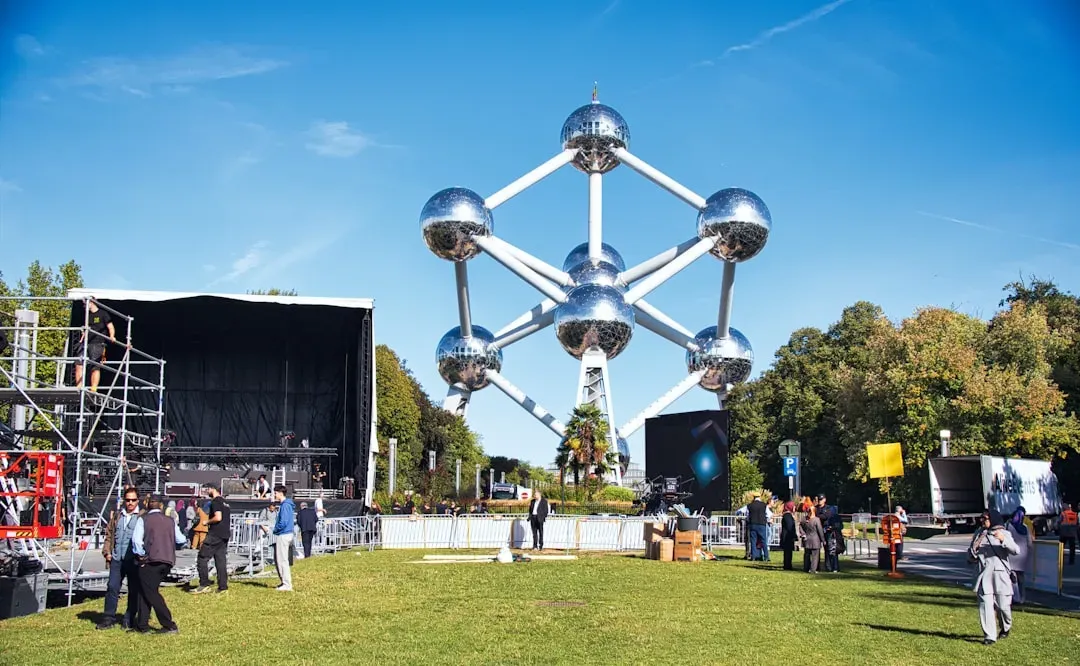
Many weren’t happy with the odd nature of the building, calling it hollow and ugly, while others called out the absurdity of building something to honor atomic energy less than a decade after the devastating nuclear bombings in Japan, yet despite these worries, the Atomium was fitted with new lighting and renovations and still stands today.
The structure represents an iron crystal magnified billions of times, a bold architectural statement about the atomic age. Its controversial beginning didn’t prevent it from becoming beloved. Sometimes buildings need time to grow on people, and the Atomium proved that patience pays off in architecture.
Habitat 67 in Montreal Was an Experimental Housing Concept
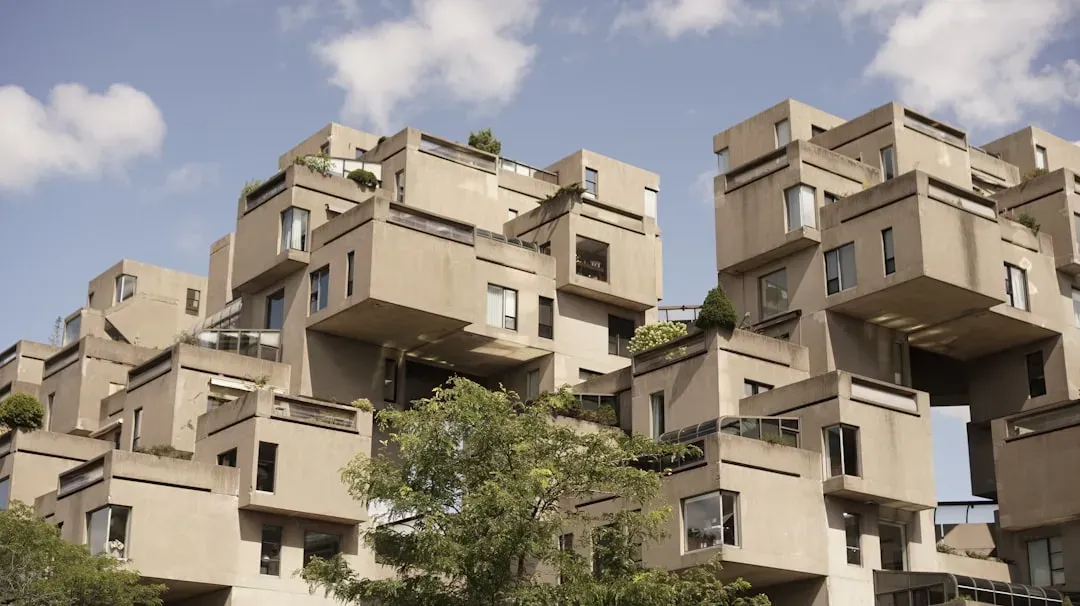
Habitat 67, named for that year’s Expo 67 in Montreal, is a housing complex comprised of 354 identical, prefabricated concrete blocks, stands 12 stories tall, holds 146 residential homes, and is considered an architectural landmark, and though celebrated as a breakthrough in affordable housing, the homes within the complex are now considered some of the most expensive homes in the city.
The transformation from affordable housing experiment to luxury living is quite the plot twist. What was meant to demonstrate a new model for mass housing became an exclusive address instead. The vision didn’t quite work out as intended, yet the building itself proved its lasting value.
The Sunsphere Still Shimmers in Knoxville
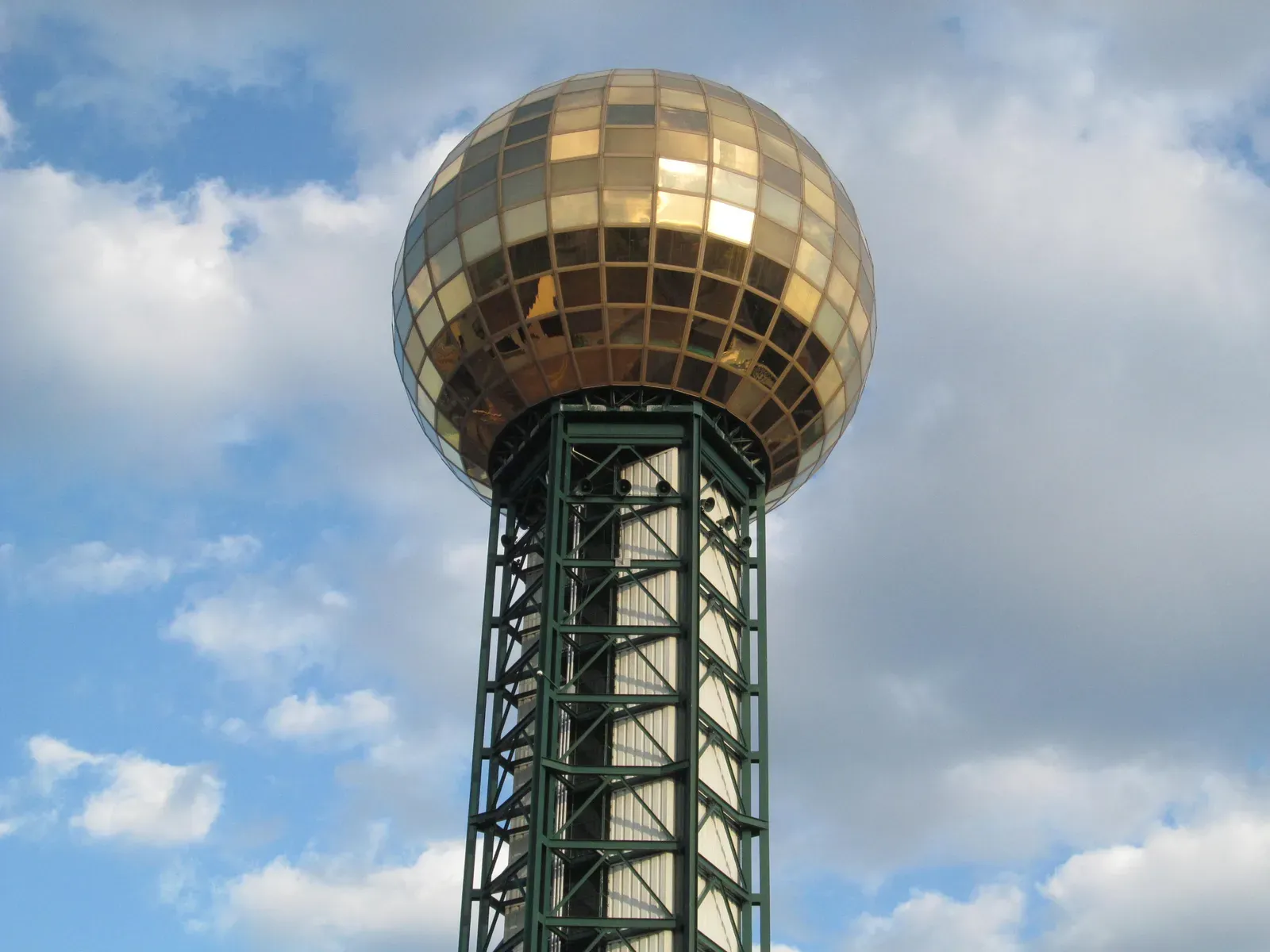
Built in 1982, the Sunsphere still stands 266 feet tall in the World’s Fair Park in downtown Knoxville, Tennessee, and looking like a disco ball high in the sky, the gold dust-filled lamination allows the top of the structure to shimmer in the sunlight, with this and the man-made pond it sits across from being the only remaining structures built from that year’s World Fair.
Most World’s Fair structures get demolished within years of their events ending. The Sunsphere’s survival shows how a distinctive design can earn a permanent place in a community. Its golden sphere became an unexpected symbol of Knoxville, outlasting nearly all its contemporaries from the 1982 exposition.
Christchurch’s Cardboard Cathedral Keeps Serving
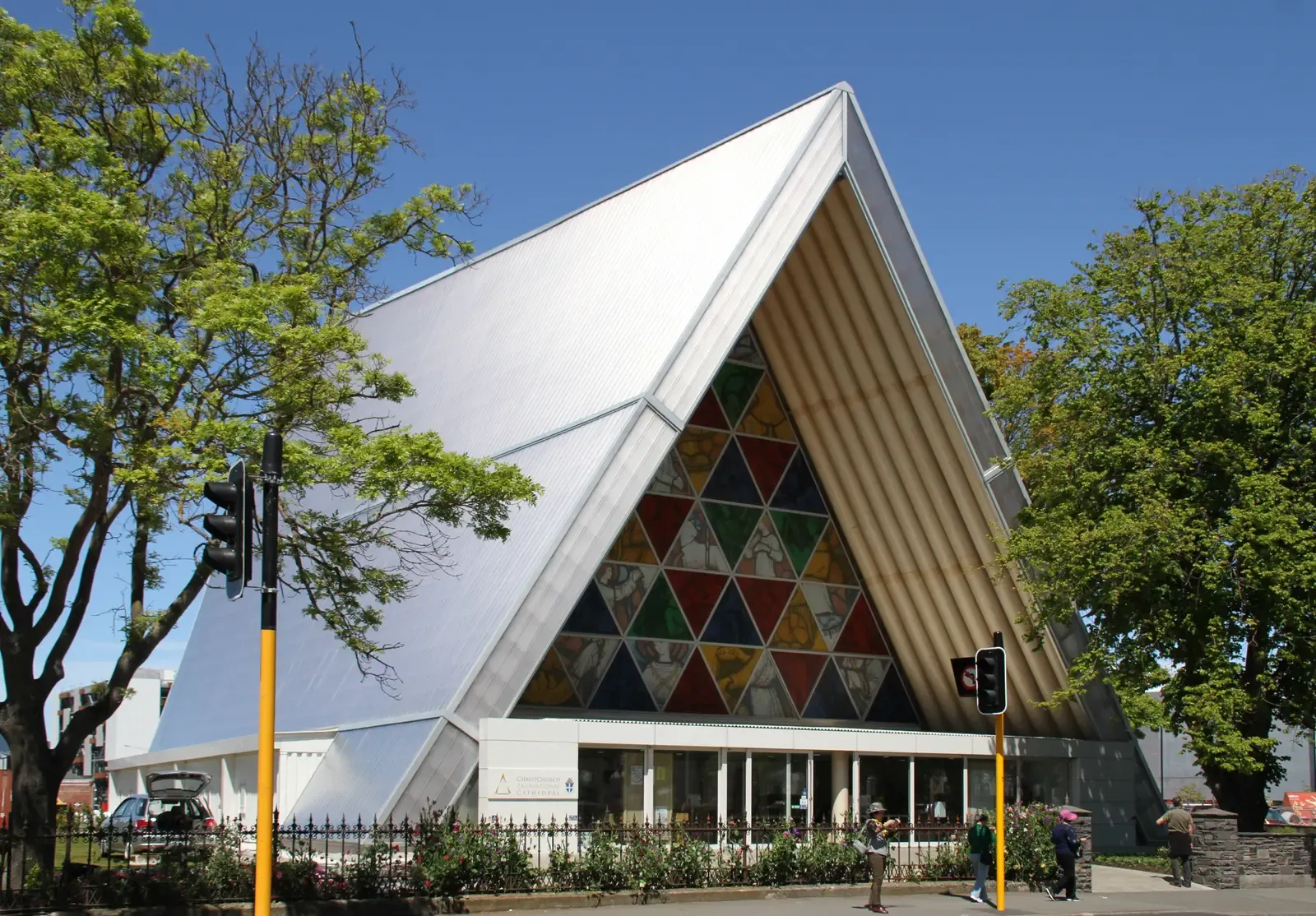
Following a devastating earthquake, a temporary church was built according to an ingenious design by Pritzker Prize-winning architect Shigeru Ban, employing 24-inch-diameter cardboard tubes as beams in the A-frame building, with the tubes reinforced with steel and timber and coated with polyurethane to be waterproof, and when it was consecrated in 2013, the church, nicknamed the “Cardboard Cathedral,” became a symbol of the city’s resilience and willingness to rebuild and move forward.
After 10 years of indecision, the archdiocese has finally decided to rebuild the Christ Church Cathedral, and so the future of the Cardboard Cathedral – never intended to last more than 50 years – is uncertain. It’s hard to say for sure, but this temporary structure might have earned enough affection to outlast its successor plans. The emotional connection communities form with buildings can be stronger than any architect’s blueprint.
Conclusion: When Temporary Becomes Timeless
These structures remind us that the best-laid plans don’t always unfold as expected. What starts as a quick fix, a budget compromise, or a one-time celebration can become an irreplaceable part of a city’s identity. Sometimes it’s practicality that saves a building, like the Eiffel Tower’s radio capabilities. Other times it’s pure public affection, like the London Eye’s overwhelming popularity.
The line between temporary and permanent turns out to be surprisingly blurry. A welding mistake, a useful antenna height, or simply being too expensive to demolish can transform a structure’s destiny. These architectural survivors challenge our assumptions about permanence and show that sometimes the most beloved landmarks started with the most modest ambitions.
What’s your favorite temporary structure that refused to leave? Have you visited any of these architectural rebels that overstayed their welcome in the best possible way?

- What It Means When Your Cat Slowly Blinks at You Across the Room - June 27, 2026
- The US States With the Largest Monarch Butterfly Migrations - June 27, 2026
- 6 Signs Termites May Already Be Active Around Your Property - June 27, 2026