

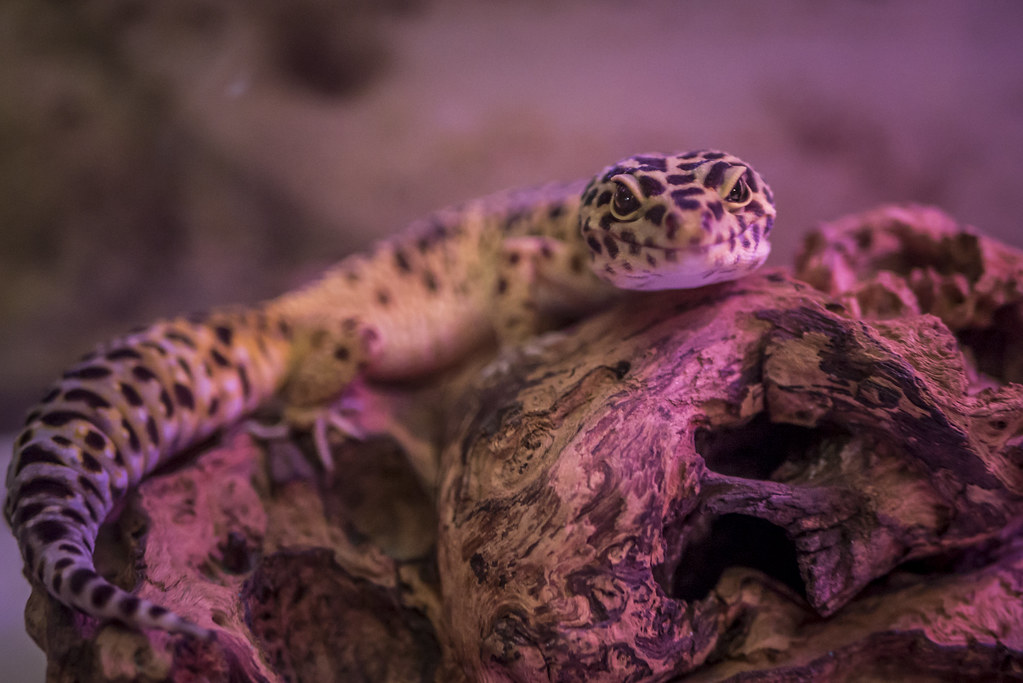

Why Lighting Matters for Nocturnal and Shade Reptiles (Image Credits: Flickr)
Many reptile enthusiasts overlook the subtle needs of shade-dwelling species, yet proper lighting can transform the well-being of pets like skinks and geckos.
Why Lighting Matters for Nocturnal and Shade Reptiles
Shade-loving reptiles such as blue-tongued skinks and leopard geckos evolved in environments where direct sunlight rarely reaches, making intense lighting a potential stressor rather than a benefit. These animals thrive in diffused light conditions that mimic forest floors or rocky crevices, where UVB exposure comes indirectly from scattered rays. Owners often assume all reptiles require high-UV setups, but for these species, moderation prevents issues like metabolic bone disease while promoting natural behaviors. Recent care guides emphasize tailoring setups to avoid overexposure, which can lead to dehydration or erratic activity patterns.
Experts in reptile husbandry note that incorrect lighting contributes to common health problems in captivity. For instance, excessive UVB can cause hypervitaminosis, while insufficient heat disrupts digestion. By focusing on balanced, low-intensity options, keepers create habitats that support longer lifespans and vibrant personalities. This approach shifts the emphasis from generic tank setups to species-specific environments.
Selecting the Right UVB Sources
UVB lighting delivers essential vitamin D3 synthesis for calcium absorption, but shade-dwellers need far less than basking species. Low-output bulbs, designed for crepuscular or nocturnal reptiles, provide a UV index of 1 to 2 at the animal’s typical height in the enclosure. Brands specializing in reptile equipment recommend compact fluorescent lamps placed 12 to 18 inches above the substrate to ensure even coverage without hotspots. These setups allow geckos to regulate their exposure by retreating to shaded areas, fostering a more natural daily cycle.
Maintenance plays a crucial role; bulbs lose effectiveness after six months, so regular replacement keeps levels consistent. For skinks, which may venture into slightly brighter zones, a linear T5 tube offers broader illumination than coils, which degrade faster. Monitoring with a UV meter helps fine-tune the system, ensuring the light supports bone health without overwhelming sensitive eyes.
Effective Heat Management Without Overkill
Heat sustains metabolic functions in these ectothermic reptiles, but overhead lamps can dry out the air in enclosed spaces. Under-tank heaters or heat mats provide gentle warmth from below, ideal for ground-dwellers like skinks that absorb heat through their bellies. Thermostats regulate temperatures to maintain a gradient – around 75 to 85 degrees Fahrenheit on the cool side and up to 90 degrees in the warm hide – preventing burns or chills. Avoid heat rocks, as they create uneven hotspots that risk injury to delicate feet and tails.
Nighttime drops to room temperature suit their habits, eliminating the need for constant lighting. Ceramic heat emitters offer supplemental warmth during cooler months without visible light, preserving the dark periods these reptiles prefer. Proper ventilation in the enclosure distributes heat evenly, reducing humidity fluctuations that could invite respiratory issues.
Step-by-Step Setup for Success
Assembling a lighting system starts with enclosure assessment; a 20-gallon tank suits juvenile geckos, while adults benefit from larger spaces for thermal variety. Position UVB fixtures on one end to create a subtle gradient, and add branches or hides for shade options. Use timers to simulate a 12-hour day, aligning with their activity peaks at dawn and dusk. Substrate choices like coconut fiber retain moisture without blocking light penetration.
Common pitfalls include placing lights too close or ignoring power output; always check manufacturer guidelines for distance. For multi-species setups, separate zones prevent conflicts in needs. Regular observation reveals if adjustments are necessary – active foraging signals a well-balanced environment.
- Choose low-UVB bulbs rated for shade species to avoid overexposure.
- Install heat mats with thermostats for safe, belly-level warmth.
- Provide multiple hides to allow light and heat regulation.
- Replace UVB sources every six months for consistent output.
- Monitor temperatures daily with reliable gauges.
Key Takeaways
- Shade-dwellers require UVB levels of 1-2 to support health without stress.
- Prioritize under-tank heating over lamps to maintain humidity.
- A gradient setup encourages natural behaviors and prevents health risks.
With these targeted lighting strategies, skinks and geckos can flourish in captivity, displaying the curiosity and vitality their wild counterparts enjoy. As reptile care evolves, simple tweaks like these make all the difference in creating ethical, enriching homes. What lighting challenges have you faced with your shade-loving pets? Share your experiences in the comments.

- Urban Coyotes Show Remarkable Adaptability, Learning to Thrive in City Environments - July 22, 2026
- Beavers Are Nature’s Engineers, Creating Vital Habitats for Other Wildlife Species - July 21, 2026
- The Recovery of the California Condor Offers Hope for Other Critically Endangered Birds - July 21, 2026