
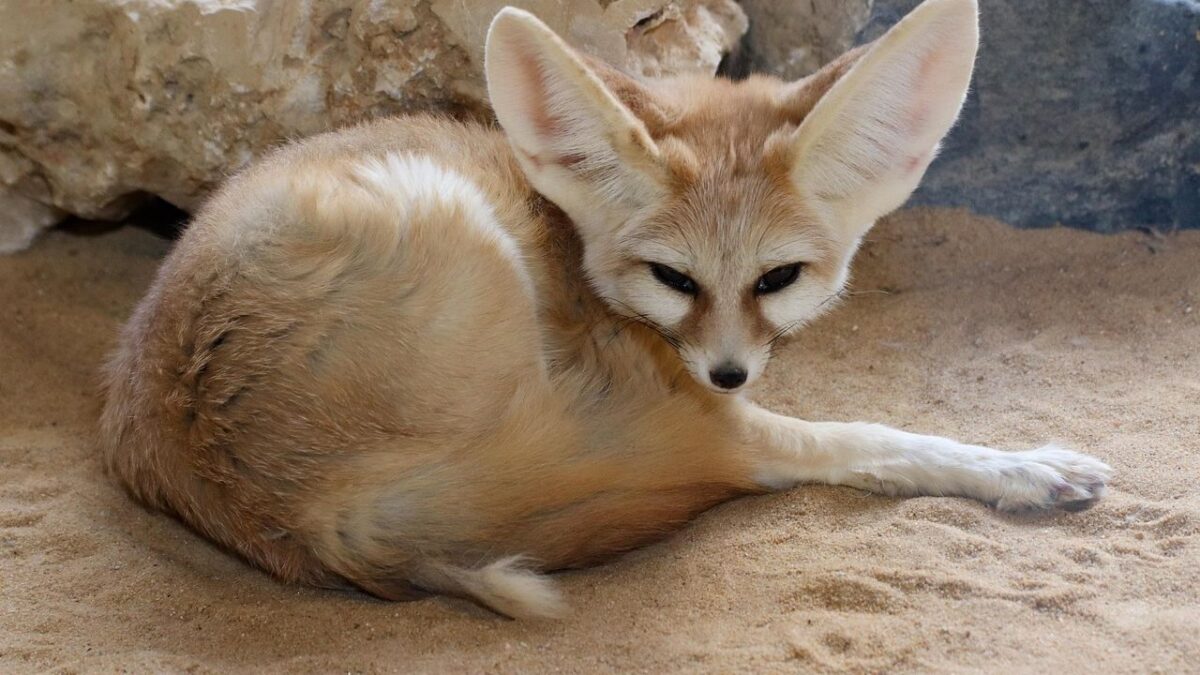
The desert seems like an impossible place for life to thrive. Imagine baking heat, almost no rain, and temperatures that swing wildly from scorching days to freezing nights. Yet walk through any desert and you’ll discover it’s teeming with creatures who not only survive but flourish in these unforgiving conditions. From tiny rodents that never drink a drop of water to lizards that channel moisture through grooves in their skin, the animal kingdom has pulled off some truly mind-blowing tricks.
What makes these adaptations so fascinating is just how creative they are. Nature doesn’t hand out instruction manuals for extreme living. Each species has carved out its own survival strategy through thousands of years of trial and error. Let’s dive into the remarkable world of desert dwellers and discover how they’ve mastered one of Earth’s harshest environments.
The Water Wizards That Manufacture Their Own Hydration
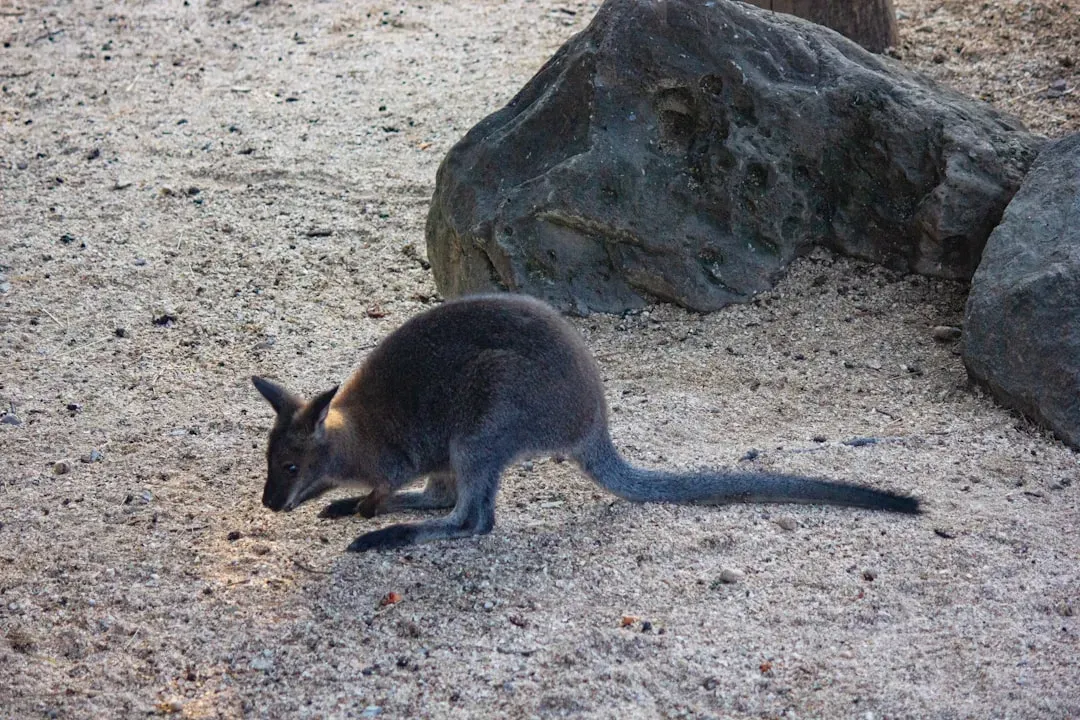
The kangaroo rat represents perhaps the most impressive water conservation achievement in the animal kingdom, obtaining moisture by metabolizing water from dry seeds and never needing to drink at all. Think about that for a moment. This small rodent spends its entire life in one of the driest places on Earth and doesn’t need access to a single water source.
These ingenious creatures have specialized kidneys with extra microscopic tubules that extract most water from urine and return it to the bloodstream, while specialized nasal organs recapture moisture that would otherwise be exhaled. Their bodies function like hyper-efficient recycling plants. Nothing goes to waste.
Seeds stored in their burrows absorb as much as thirty percent of their weight in water from the higher humidity underground. The kangaroo rat doesn’t just survive on metabolic water alone. It creates its own humid microclimate below ground where food absorbs atmospheric moisture.
A kangaroo rat can produce urine twice as concentrated as sea water and feces five times drier than a lab rat’s. When you compare these numbers to animals living in water-rich environments, the contrast is stunning. Evolution has fine-tuned every bodily function to squeeze out maximum efficiency.
Some other rodents share similar talents. Pack rats and cactus mice get their hydration from juicy animals and succulent plants when water sources dry up completely.
Temperature Masters Who Turn Extreme Heat Into an Advantage
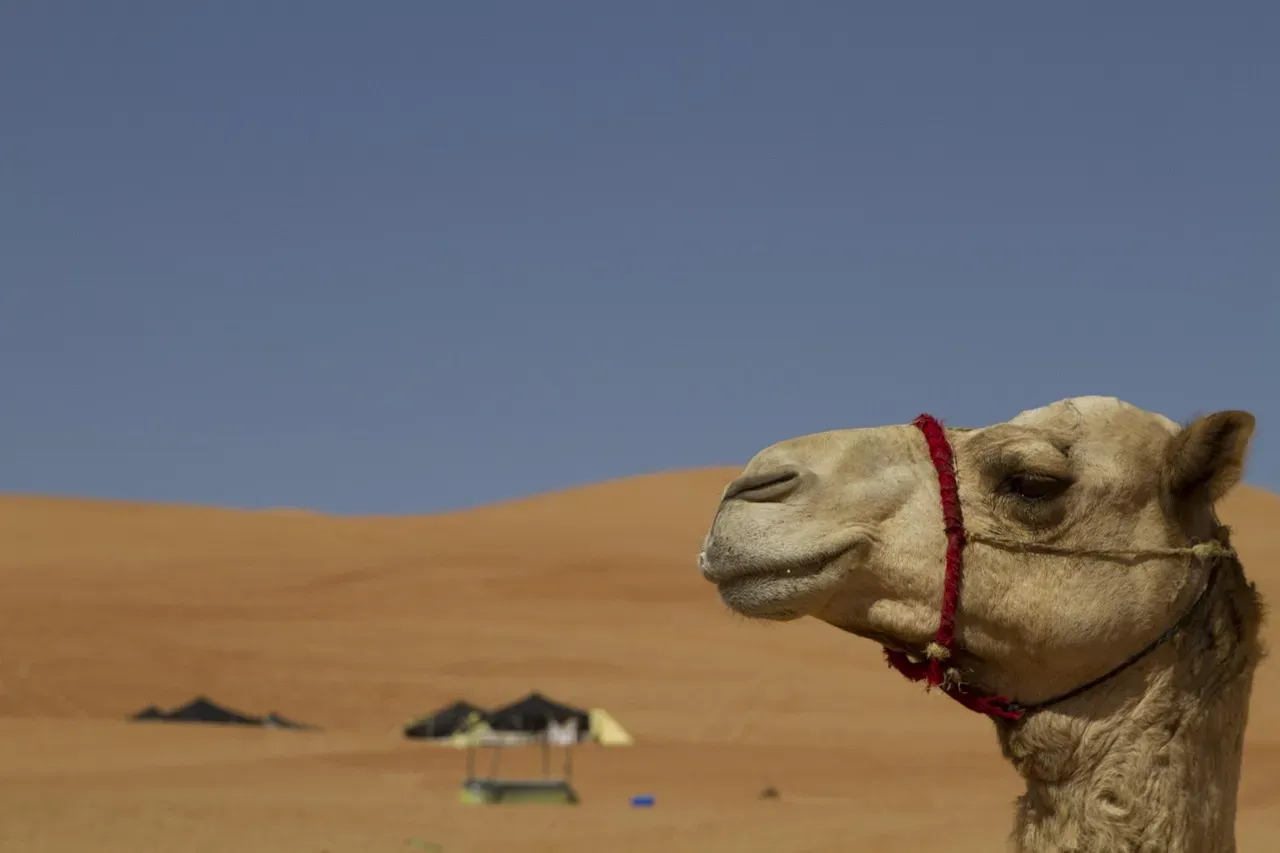
The Saharan silver ant survives extreme temperatures with a reflective body surface and unique gait with long legs that keep bodies elevated above hot sand, reducing contact time with the ground. These ants actually forage during the hottest part of the day when most predators are hiding from the heat. It’s a risky strategy that pays off.
Most desert mammals avoid high daytime temperatures by being nocturnal or crepuscular, active only at dusk or dawn. Honestly, this makes perfect sense when you think about it. Why fight the heat when you can just avoid it entirely?
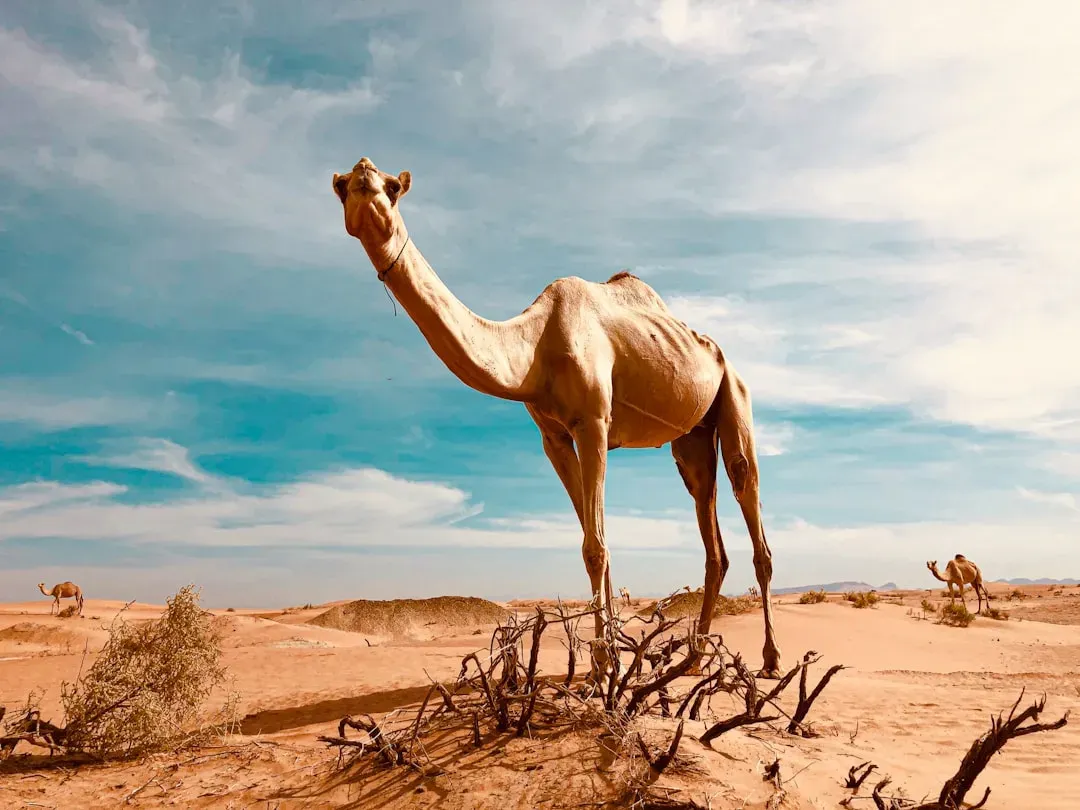
Some desert animals like antelope squirrels and camels can allow their bodies to accumulate heat without harm, with body temperatures rising to forty degrees Celsius or more, eliminating the need to cool themselves by evaporating body water. This is a completely different approach. Instead of staying cool, they let their bodies heat up temporarily and then dump the excess warmth later when conditions improve.
Many desert mammals have evolved long appendages to dissipate body heat into their environment, such as jackrabbits with enormous ears containing many blood vessels that release heat when resting in cool, shady locations. Those oversized ears aren’t just for hearing. They’re sophisticated cooling systems that work like radiators.
Desert tortoises take yet another route, spending almost all their time in burrows to stay cool and reduce water loss through their skin.
The Creatures With Built-In Water Collection Systems
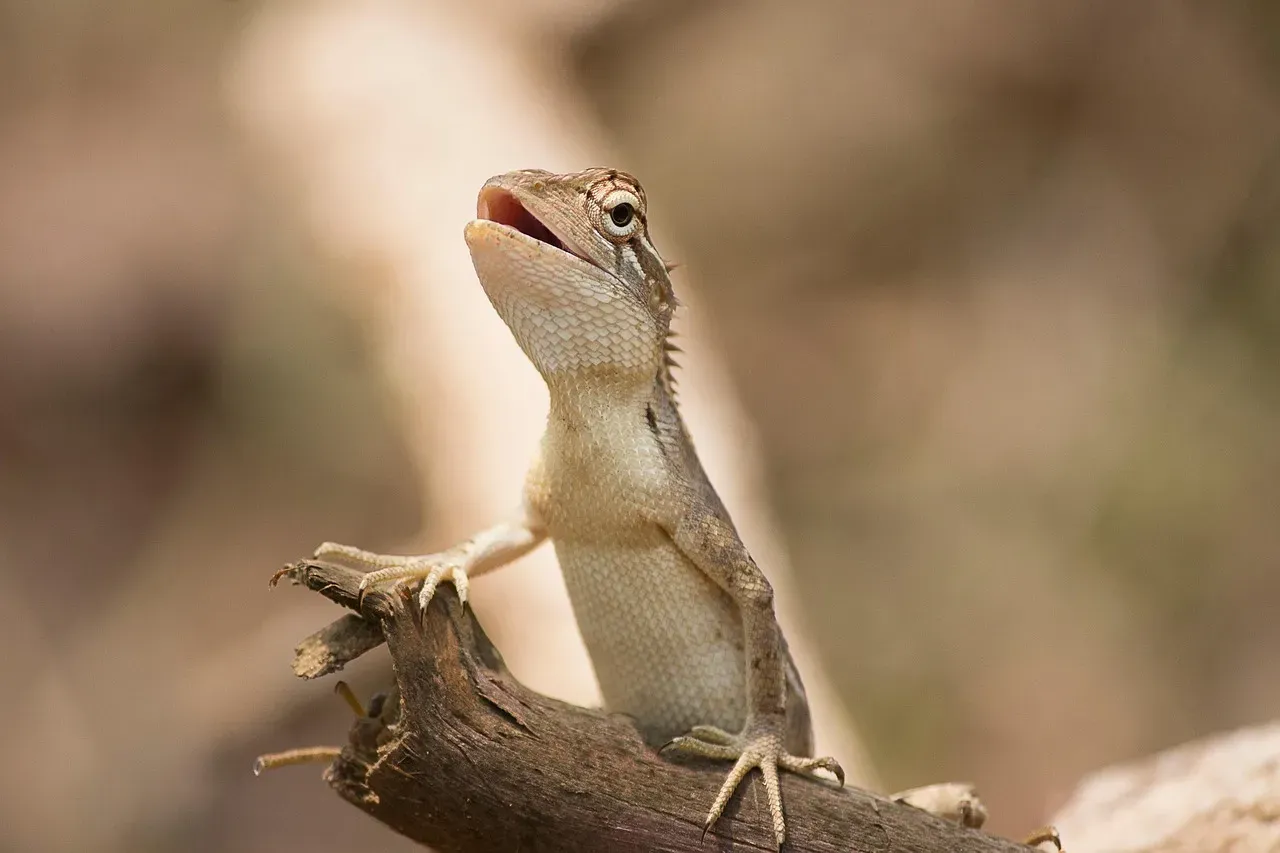
The thorny devil collects water through tiny grooves between its scales, funneling moisture from dew or rain directly to its mouth. This Australian lizard has essentially turned its entire body into a water harvesting machine. Every scale serves a purpose in the collection system.
The thorny devil has developed skin that can absorb water like blotter paper through capillary action, with scales structured to collect dew and channel it down to the corners of the mouth. Imagine waking up covered in dew and being able to drink it through your skin. That’s exactly what this remarkable reptile does.
Desert beetles in coastal deserts collect water using their backs with bumpy arrays consisting of hydrophilic peaks and hydrophobic troughs. The Namibian fog-basking beetle has mastered the art of fog harvesting. It stands on a dune ridge, tilts its body, and lets condensation roll down into its mouth.
Desert lizards utilize semi-open surface capillary channel arrays to transport water to the mouth. These channels work through physical principles rather than active pumping. Surface tension does all the work, pulling water along predetermined pathways.
These biological engineering marvels have inspired scientists to develop new water collection technologies for arid regions. Nature figured it out millions of years ago.
Behavioral Geniuses Who Outsmart the Desert Through Strategy
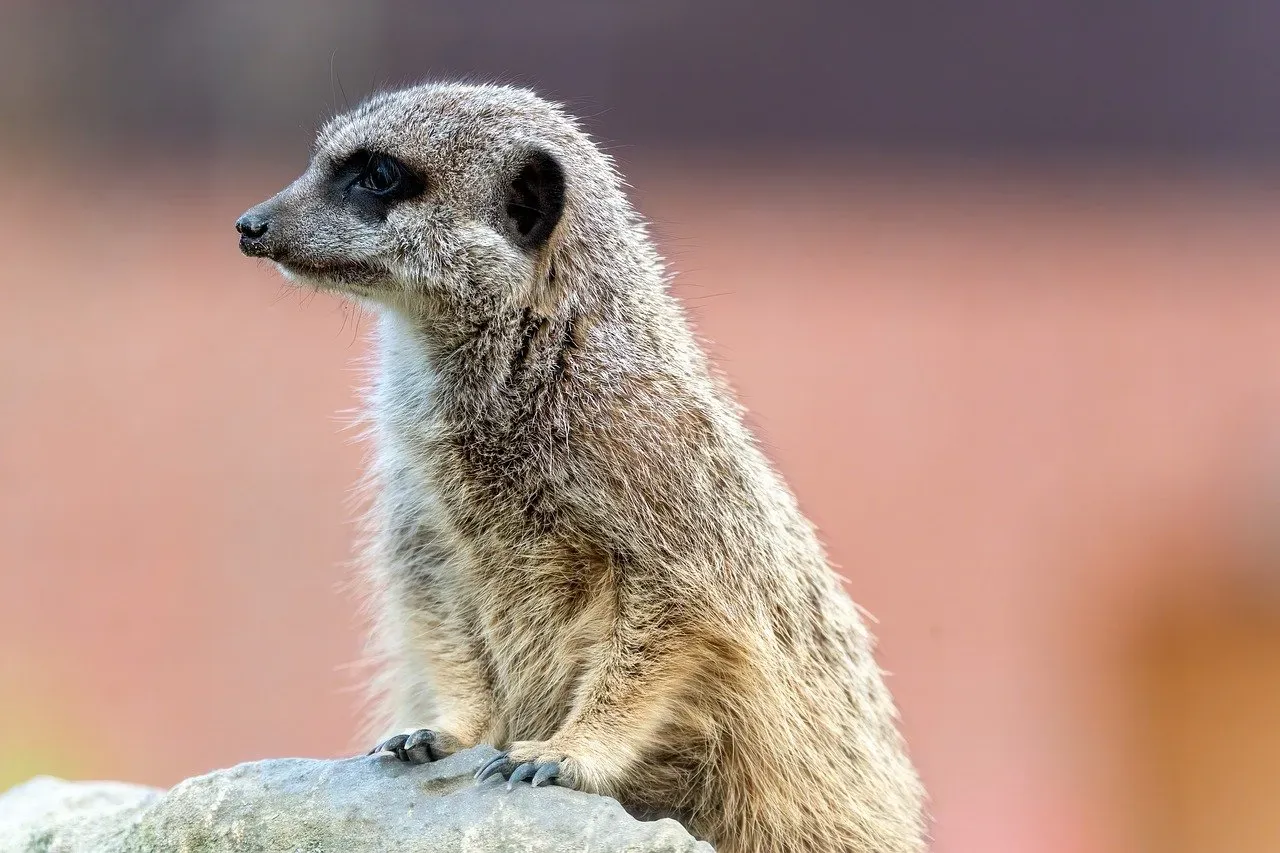
One common behavioral adaptation is living a nocturnal lifestyle, allowing animals to avoid intense daytime heat, reducing the need for water to regulate body temperature while conserving energy and finding food when conditions are less severe. Timing is everything in the desert. The difference between day and night isn’t just a few degrees but often the difference between life and death.
Many desert creatures like rodents and certain reptiles utilize burrowing strategies to escape extreme surface temperatures, finding cooler and more humid conditions underground that significantly reduce water loss through evaporation. A burrow isn’t just shelter. It’s a completely different climate zone just inches below the scorching surface.
Animals such as toads, frogs and desert tortoises escape the heat for months at a time by aestivating in burrows, remaining dormant with reduced breathing and heartbeat. Aestivation is like hibernation’s summer cousin. These animals essentially sleep through the worst months, waiting for better conditions to return.
Certain bird species like the Phainopepla breed during relatively cool spring then leave the desert for cooler areas, while the Costa’s hummingbird begins breeding in late winter and leaves in late spring when temperatures become extreme. Not all desert animals stick around year-round. Some are fair-weather residents who know when to get out.
Strategic timing extends to daily activities too. Many animals compress their above-ground time to just minutes or hours, minimizing exposure to dangerous conditions.
Physical Adaptations That Rewrite the Rules of Biology
Xerocoles reabsorb water in the gut and produce much drier feces, with kangaroo rat feces containing only one-sixth as much water as other non-desert rodents. Every biological process has been optimized for water retention. Even waste products are squeezed dry before being expelled.
Desert animals like kangaroo rats store water within their bodies by extracting enough moisture from consumed food to meet hydration needs, with some having specially adapted kidneys that help store water more efficiently. The kidneys of desert animals work overtime, functioning at efficiency levels that seem almost impossible.
Some animals such as camels have adapted to absorb moisture from air through modified nasal passages that allow them to take in and store large amounts of moist air, getting small amounts of moisture without needing to drink directly. Breathing becomes a water collection opportunity rather than a source of water loss.
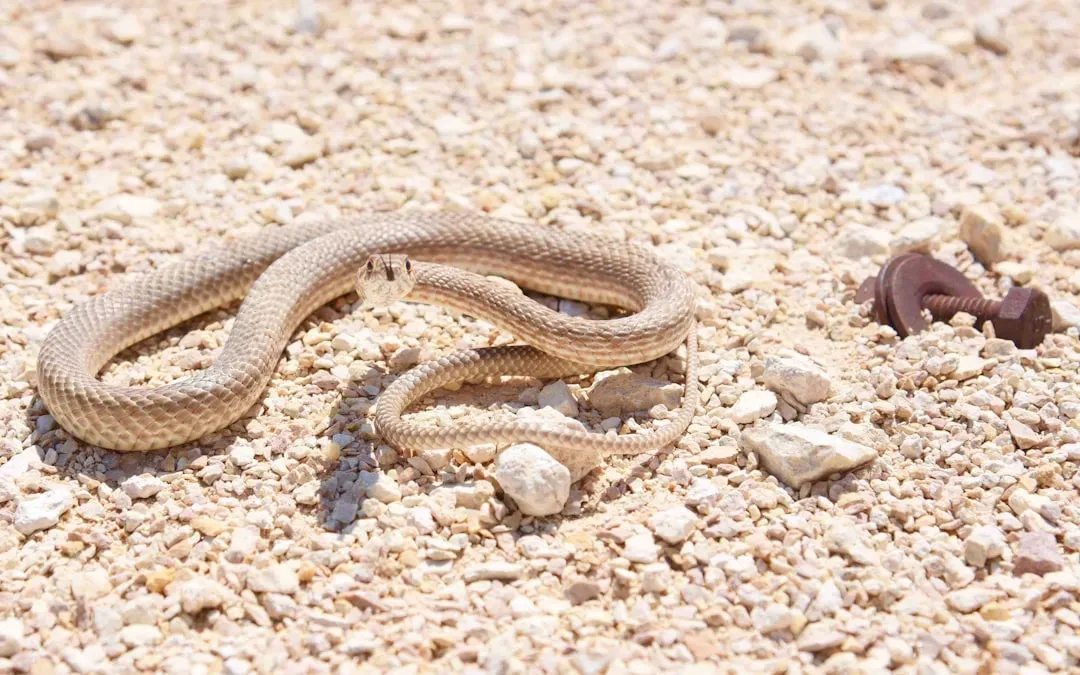
Reptiles like the Texas horned lizard have tough, thick skin that doesn’t let water out. Their skin acts as an impermeable barrier, sealing precious moisture inside. This adaptation alone can make the difference between survival and death.
Kangaroos cool off by licking their forelegs, using a special network of blood vessels that allows them to reduce body temperatures quickly through evaporation of saliva since they lack regular sweat glands. Even cooling strategies have been redesigned to minimize water waste while still preventing dangerous overheating.
The Specialists Who Push Survival to Extraordinary Limits
The jerboa, a small rodent living in the Sahara, doesn’t need to drink water and extracts all its hydration from food. Jerboas look like miniature kangaroos with their powerful hind legs built for leaping across sand. Their water independence matches that of kangaroo rats on a different continent.
Desert bighorn sheep are known to survive for weeks without water consumption, using their horns to open cacti and consume their water. Here’s the thing about bighorn sheep – they’ve essentially turned cacti into water bottles. Those formidable horns serve multiple purposes beyond defense and mating displays.
The Addax antelope rarely if ever needs to drink water to survive. This critically endangered antelope roams some of the most brutal desert terrain in Africa. Its entire physiology is built around extracting moisture from sparse desert vegetation.
Cactus mice survive arid conditions by reducing water loss through decreased food intake and lowering overall energy output, using a strategy called dehydration anorexia where water stored in the gastrointestinal tract is absorbed and retained by the animal. The body essentially cannibalizes its own digestive water reserves when external water becomes unavailable. It sounds extreme because it is.
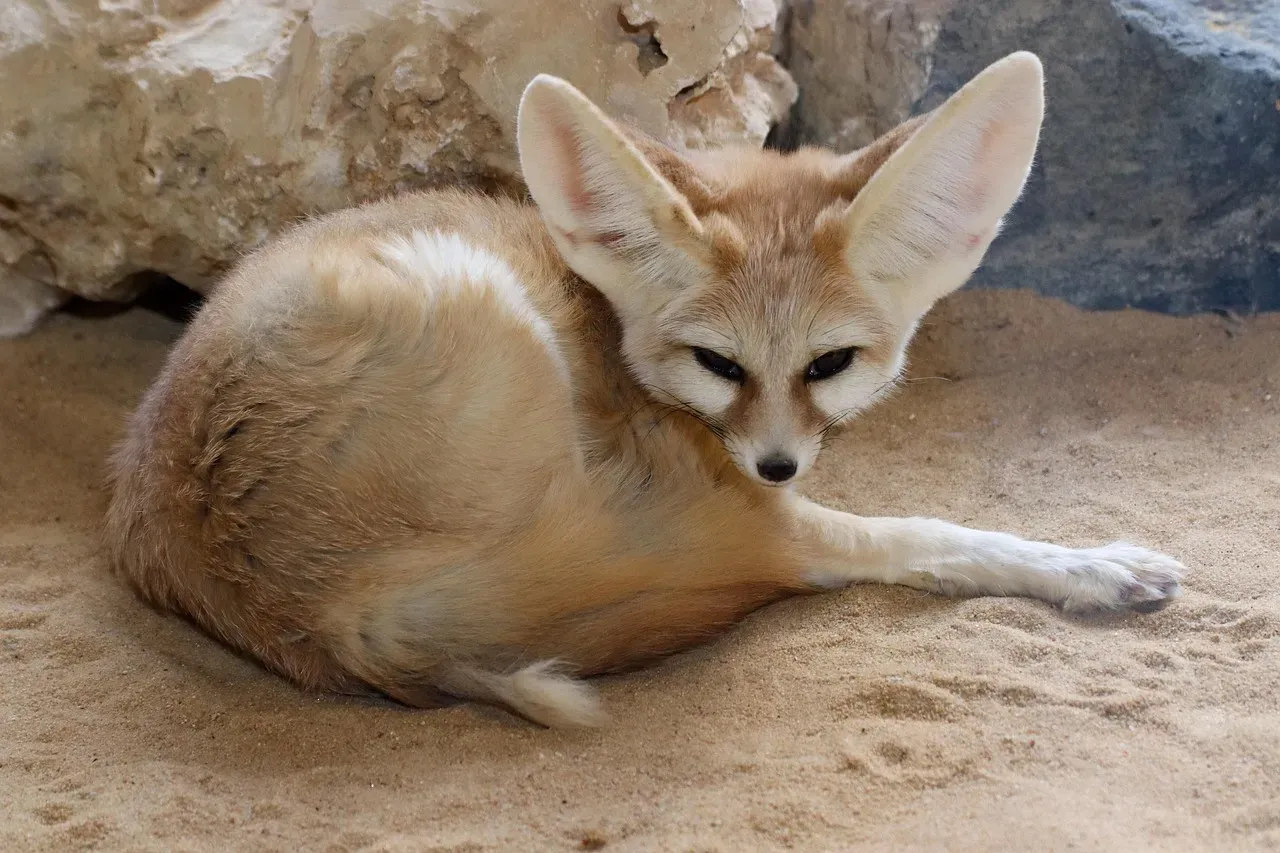
The kit fox, unlike any other North American canid, uses burrows year round, which helps it thrive in hot, dry desert valleys that are too challenging for other canids. This adaptation sets kit foxes apart from their relatives and allows them to occupy ecological niches where other predators can’t compete.
Conclusion: Nature’s Resilience in the Harshest Places
The desert isn’t just a barren wasteland. It’s a living laboratory showcasing evolution’s most creative solutions to environmental challenges. Every creature we’ve explored represents thousands of generations of refinement, adaptation, and survival against odds that seem insurmountable.
What strikes me most is the diversity of approaches. There’s no single “correct” way to survive in the desert. Some animals avoid the heat entirely, others embrace it. Some manufacture water internally, while others harvest it from fog or dew. Some store it in their bodies, and others have learned to need almost none at all.
These adaptations aren’t just biological curiosities. They’re teaching us valuable lessons about water conservation, temperature management, and resource efficiency that could help address human challenges in arid regions. The wisdom encoded in a kangaroo rat’s kidneys or a thorny devil’s skin could inspire the next generation of sustainable technologies.
Next time you think about deserts, remember they’re home to some of the planet’s most ingenious survivors. What other seemingly impossible environments do you think hide equally amazing adaptations? The natural world never stops surprising us with its endless creativity.

- Many Animals Have Developed Astounding Ways to Adapt to Deserts - August 11, 2026
- Which Owl Personality Fits Your Sleep Routine? - August 11, 2026
- 15 Animals and Wildlife that Start with J - August 11, 2026