

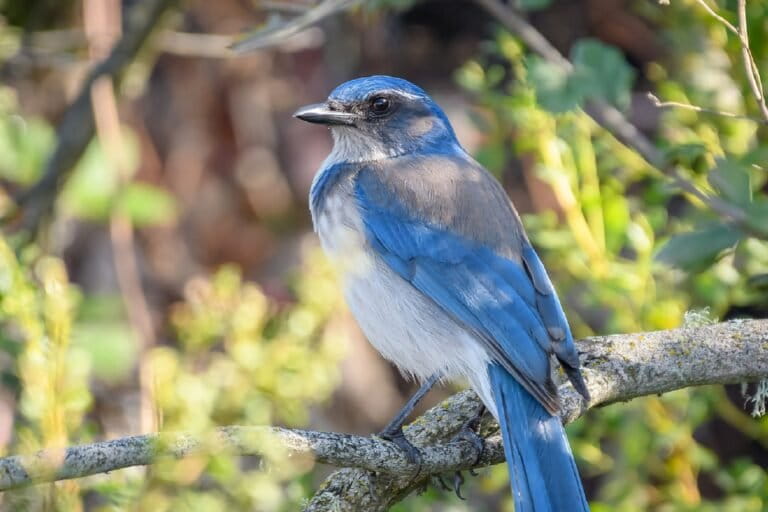

The Hidden World Above the Forest Floor (Image Credits: Imgs.mongabay.com)
Northwestern California – Deep within the Van Eck Forest, towering coast redwoods stand as silent sentinels, their branches forming intricate ecosystems that have long captivated scientists and conservationists alike.
The Hidden World Above the Forest Floor
Coast redwoods, known for their immense stature, reach heights exceeding 90 meters and can live over 2,000 years, creating a unique habitat high in the canopy that supports a diverse array of life.
These ancient giants store more above-ground carbon per acre than any other forest type, playing a crucial role in mitigating climate change. However, the canopy’s complexity often goes unnoticed from below, where epiphytes like mosses and ferns thrive alongside insects and small vertebrates.
Recent studies highlight how this elevated realm once teemed with biodiversity, but human activities have disrupted it profoundly. Conservation teams now focus on these upper layers to understand and restore what has been lost.
Efforts in places like the Van Eck Forest emphasize the canopy’s importance, revealing networks of life that depend on the redwoods’ enduring presence.
Logging’s Lasting Shadow on Redwood Habitats
Extensive logging throughout the 19th and 20th centuries stripped vast swaths of California’s coastal redwoods, reducing their original coverage from over two million acres to a fraction of that expanse.
This deforestation not only felled the trees but also shattered the delicate balance in the canopy, where fallen giants once provided new perches for wildlife and allowed sunlight to foster understory growth.
Today, remnants of these forests, protected within areas like Redwood National and State Parks, bear the scars of past exploitation, with fragmented canopies struggling to recover.
Organizations such as the Save the Redwoods League and the Redwood Parks Conservancy have documented how these changes affected species reliant on the treetops, from marbled murrelets to northern spotted owls.
Yet, the push for protection gained momentum in the 1920s, leading to the establishment of state parks and, eventually, national designations that safeguard remaining stands.
Innovative Strategies to Rebuild Canopy Ecosystems
Scientists in the Van Eck Forest have pioneered techniques to reconstruct lost canopy habitats, climbing into the redwoods to plant native epiphytes and monitor regrowth.
These efforts involve careful seeding of ferns and lichens on branch surfaces, mimicking natural fog-drip conditions that sustain life high above the ground. Collaborations with groups like the Pacific Forest Trust integrate traditional knowledge and modern ecology to enhance restoration.
One key approach targets the introduction of nurse logs – fallen redwoods that serve as platforms for new growth – directly influencing canopy development over time.
Recent initiatives, including a 2025 project by Apple in partnership with The Conservation Fund, aim to protect and restore working redwood forests, focusing on areas like the Gualala River Forest to bolster overall ecosystem health.
- Epiphyte transplantation to revive moisture-retaining layers.
- Monitoring of arboreal species to track biodiversity recovery.
- Selective pruning to encourage natural branch proliferation.
- Community volunteer programs for on-the-ground support.
- Integration of climate data to predict long-term viability.
Wildlife Thrives Through Targeted Protection
The redwood canopy hosts a rich tapestry of species, including Pacific giant salamanders, banana slugs, and elusive fishers that navigate the branches in search of prey.
Restoration work directly benefits these inhabitants by recreating nesting sites and food sources, essential for birds like the marbled murrelet, which nests in old-growth moss.
Streams weaving through these forests support coho salmon and steelhead, indirectly aided by healthier canopies that regulate water flow and temperature.
Endangered species, such as the northern spotted owl, find refuge in protected groves, where conservation has expanded habitats through land acquisitions and anti-poaching measures.
Broader efforts, like the California Condor Restoration program, underscore the interconnectedness of forest health and wildlife survival.
Key Takeaways
- Redwoods’ canopy ecosystems store vital carbon and support unique biodiversity.
- Logging reduced forest cover dramatically, but restoration is reversing some damage.
- Ongoing projects emphasize epiphyte planting and species monitoring for sustainable recovery.
As conservationists scale the heights of California’s redwoods, their work reminds us that these forests are not just relics of the past but vital allies in the fight against environmental decline – what steps can communities take to support such vital restorations? Share your thoughts in the comments below.

- Urban Coyotes Show Remarkable Adaptability, Learning to Thrive in City Environments - July 22, 2026
- Beavers Are Nature’s Engineers, Creating Vital Habitats for Other Wildlife Species - July 21, 2026
- The Recovery of the California Condor Offers Hope for Other Critically Endangered Birds - July 21, 2026