

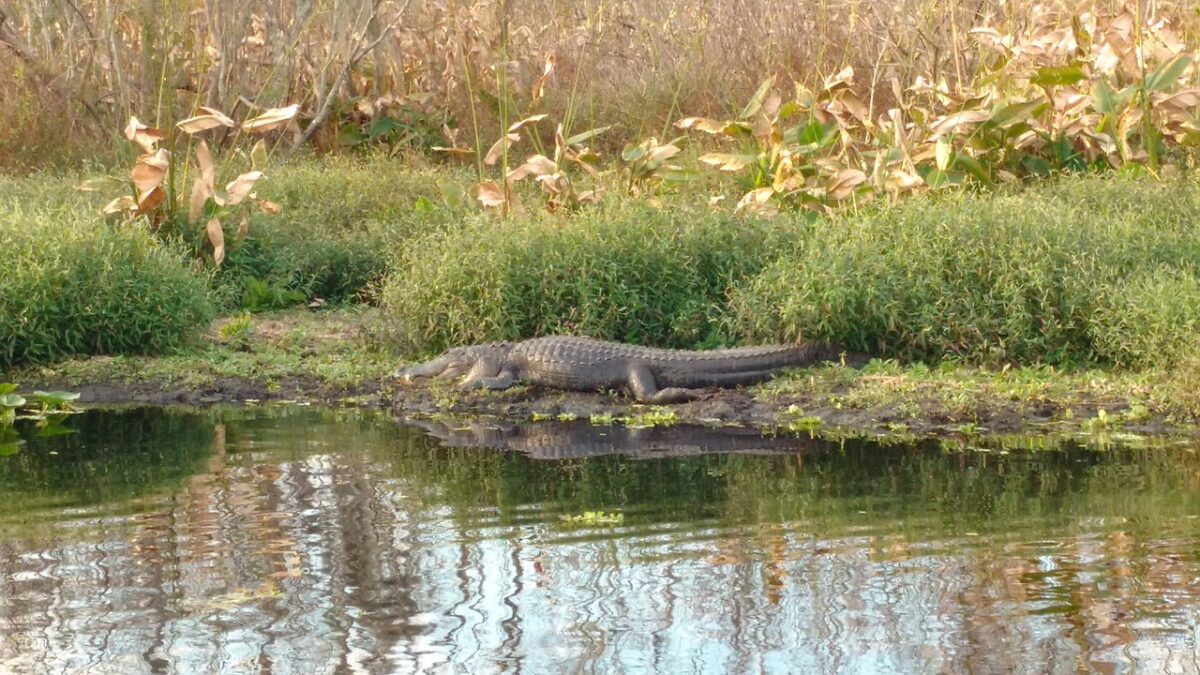

A Legacy Launched in 2000 (Image Credits: Pixabay)
Florida – The vast wetlands of the Everglades have long symbolized both natural wonder and human intervention, as restoration efforts marked their 25th anniversary in 2025 amid accelerating climate pressures.
A Legacy Launched in 2000
The Comprehensive Everglades Restoration Plan emerged from congressional authorization two and a half decades ago, setting in motion one of the largest ecological undertakings in U.S. history. This initiative sought to reverse decades of drainage and development that had fragmented the once-mighty “River of Grass.” Federal agencies like the U.S. Army Corps of Engineers and the Department of the Interior partnered with state officials to restore natural water flows, protect wildlife habitats, and secure freshwater supplies for South Florida’s growing population.
From the outset, the plan targeted a 30-year timeline with an initial budget equivalent to billions in today’s dollars, though inflation and expanded scope pushed projections higher. Early projects focused on removing barriers like canals and levees to mimic the pre-20th-century hydrology. By 2025, this foundational work had laid the groundwork for measurable environmental recovery, even as unforeseen challenges arose.
Milestones Achieved Amid Steady Progress
Over 25 years, restoration teams completed or advanced more than 65 projects, transforming degraded landscapes into thriving ecosystems. Reservoirs and stormwater treatment areas captured excess water that once flooded urban zones, redirecting it southward to nourish the marshes. These efforts not only bolstered flood protection but also enhanced water quality by filtering out pollutants before they reached sensitive habitats.
State investments played a pivotal role, with Florida committing billions since 2019 to accelerate implementation. For instance, the opening of a major 10,000-acre reservoir in mid-2025 marked a significant step in storing water and reducing harmful nutrient discharges. Wildlife populations, including wading birds and the endangered Florida panther, showed signs of stabilization in restored areas. Yet, these successes highlighted the plan’s evolution from basic restoration to adaptive management.
- Restored over 50 square miles of wetland habitat.
- Increased freshwater delivery to Everglades National Park by key percentages.
- Removed billions of pounds of nitrogen and phosphorus from waterways.
- Expanded conservation corridors covering millions of acres.
- Boosted tourism and local economies through healthier ecosystems.
Climate Change Reshapes the Battlefield
Rising sea levels and intensified storms emerged as the most pressing hurdles by 2025, testing the resilience of the restoration framework. Saltwater intrusion threatened freshwater aquifers and mangroves, while hotter temperatures stressed native species adapted to subtropical conditions. Conferences and reports from that year underscored how global warming amplified vulnerabilities in this low-lying region, prompting calls for integrated climate strategies.
Scientists noted that without adjustments, projected sea level rise could inundate up to 20% of the Everglades by mid-century. Restoration planners responded by incorporating elevation-building techniques, such as using dredged materials to raise peat soils. Federal and state collaborations intensified, drawing on data from ongoing monitoring to refine projects against these dynamic threats. The effort’s persistence offered a model for other coastal ecosystems worldwide.
Funding and Partnerships Drive Momentum
Bipartisan support sustained the initiative through economic ups and downs, with annual federal allocations matching state contributions. In 2025, Florida’s governor announced additional billions for water storage and quality improvements, surpassing earlier goals. Tribal nations and local stakeholders contributed traditional knowledge, ensuring culturally sensitive approaches to land management.
These partnerships extended beyond borders, linking Everglades work to broader national priorities like infrastructure resilience. Progress reports to Congress detailed cost escalations to nearly $27 billion but affirmed the plan’s value in safeguarding biodiversity and human communities. As implementation stretched toward 50 years, adaptive funding mechanisms emerged to address inflation and climate costs.
Key Takeaways
- The 25-year milestone highlighted over 65 projects that restored habitats and improved water management.
- Climate change demands innovative adaptations, such as elevation projects to combat sea level rise.
- Sustained federal-state funding ensures long-term viability, positioning the Everglades as a global conservation benchmark.
As the Everglades restoration enters its next chapter, it stands as a testament to human capacity for environmental stewardship in an era of uncertainty. This enduring commitment not only preserves a unique American treasure but also informs strategies for a warming world. What steps do you believe are essential for its continued success? Share your thoughts in the comments.

- Urban Coyotes Show Remarkable Adaptability, Learning to Thrive in City Environments - July 22, 2026
- Beavers Are Nature’s Engineers, Creating Vital Habitats for Other Wildlife Species - July 21, 2026
- The Recovery of the California Condor Offers Hope for Other Critically Endangered Birds - July 21, 2026