

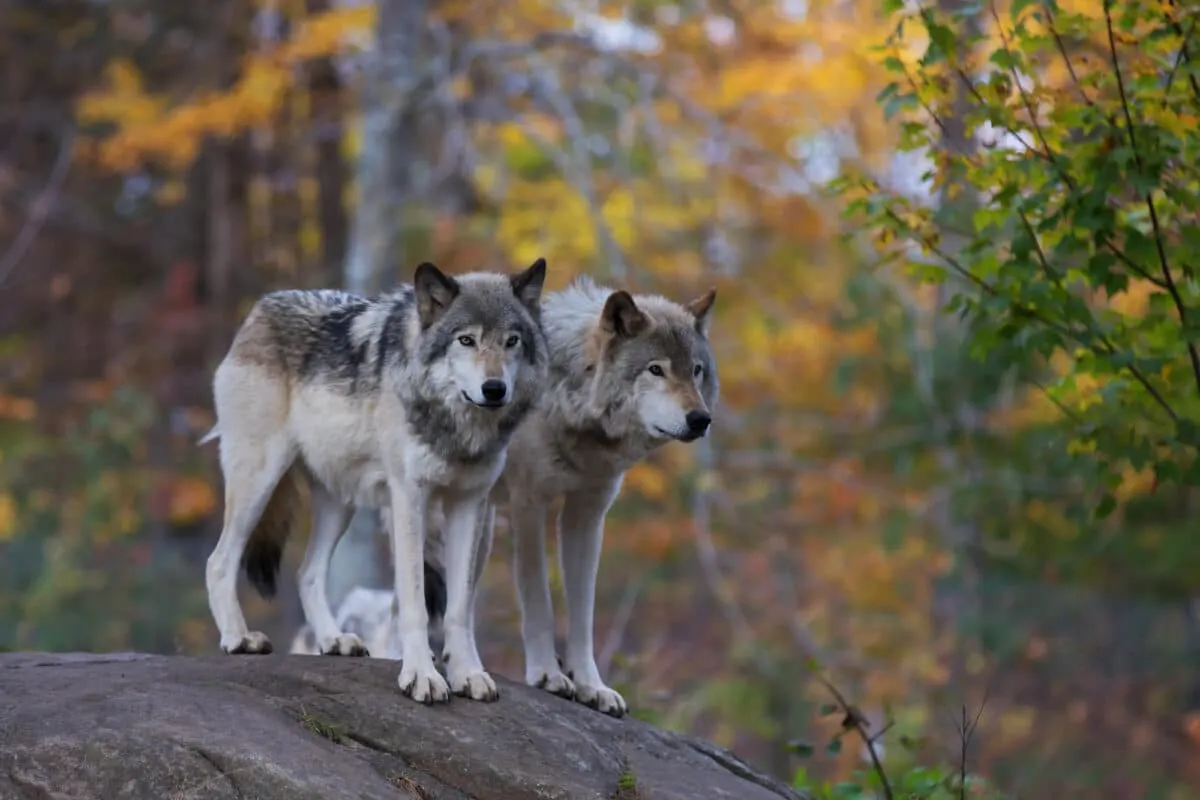
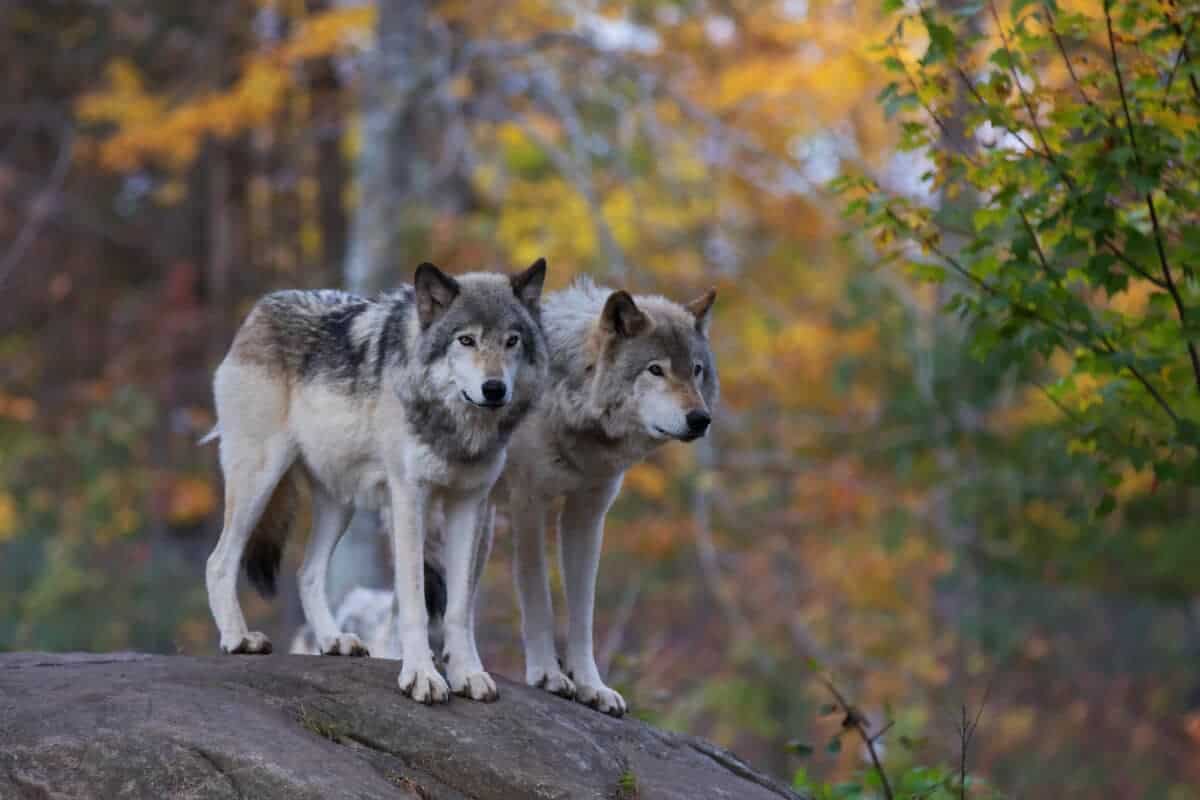
Almost three decades after gray wolves were reintroduced to Yellowstone National Park, long-standing narratives about their dramatic impact on the landscape are being reevaluated by scientists. The classic story holds that returning wolves reduced elk numbers and forced them to change grazing behavior, which allowed vegetation such as willow and aspen to rebound, benefiting beavers, songbirds and overall biodiversity. This process, known as a trophic cascade, became a cornerstone example of how top predators shape ecosystems. However, recent research and debate among ecologists show the full picture is more nuanced and contested than the simplified version often presented.
While a January study identified a massive 1,500% increase in willow crown volume along stream banks from 2001 to 2020—attributed in part to changes in elk browsing linked to wolf return—other experts argue that attributing ecosystem changes solely to wolves overstates their role, given the influence of other predators and ecological factors. Scientists today call for more precise, controlled analyses to isolate wolf effects and understand Yellowstone’s evolving ecology.
The Classic Cascade: Wolves, Elk, and Vegetation Recovery
Since wolves were eradicated from Yellowstone in the early 20th century, the park’s herbivore populations, especially elk (Cervus canadensis), boomed in the absence of large predators. The unchecked elk grazing suppressed growth of shrubs and young trees such as willow and aspen (Populus tremuloides), which are crucial habitat and food sources for many species.
The reintroduction of wolves in 1995–96 was initially hailed as a breakthrough in ecosystem restoration. Researchers observed declines in elk numbers and changes in grazing patterns that appeared to let vegetation recover, setting off a cascade of effects through the food web. Predator presence was linked to increased woody vegetation and improved habitat for beavers and other species.
New Data, Stronger Plant Growth Signals
A long-term analysis published early in 2025 used extensive plant data from numerous riparian sites in Yellowstone’s northern range and found dramatic increases in willow crown volume—indicating not just more plants but larger, healthier shrubs. This kind of regrowth suggests more energy stored at the base of the food web, which in theory supports greater biodiversity overall.
Such findings are consistent with trophic cascade theory, where apex predators indirectly benefit plant communities by controlling herbivores. Similar effects have been documented in aspen regeneration, with young trees now observed for the first time in decades.
Pushback and Scientific Debate
However, not all ecologists agree that wolves are the primary drivers of these changes. Some critics argue that attributing all observed impacts to wolves oversimplifies Yellowstone’s complex web of interactions and overlooks contributions from other predators such as grizzly bears and cougars. They also contend that measurement methods—like inferring plant biomass from calculated “crown volume”—may not reliably reflect true ecological change.
Utah State University ecologist Daniel MacNulty, among other skeptics, says that other variables—such as changes in elk behavior, climate influences, and even human activity—must be considered. Researchers preparing rebuttals emphasize that while data remain valuable, interpretation of the cascade’s strength and exact causes requires refinement.
Beyond Wolves: A Complex Carnivore Community
The ecosystem effects in Yellowstone aren’t driven solely by wolves. Since their return, other predators and large herbivores have also played roles: bears and cougars contribute to elk calf mortality, and bison—less vulnerable to wolves—have increased in population in some areas. These dynamics influence grazing pressure and habitat outcomes in ways that don’t fit neatly into a simple cascade model.
Ecologists also emphasize that ecological responses vary widely by location, even within the park: some valleys and riparian zones show robust vegetation recovery, while others lag because of ongoing grazing or differences in predator presence.
The Legacy of Wolf Reintroduction
Despite the debate, most scientists agree that reintroducing wolves had some measurable benefits for Yellowstone’s ecological balance. Vegetation recovery, shifts in herbivore behavior, and increased species interactions reflect the complexity of ecological restoration efforts. Additionally, the high-profile wolf reintroduction has helped inform conservation strategies around the world for restoring large carnivores and rebuilding ecosystems.
Even critics acknowledge that wolves contribute to ecosystem dynamics, even if they aren’t the sole cause of every observed change. The story of Yellowstone is now seen as a vital case study demonstrating that ecosystems are multi-factorial and context dependent, requiring careful analysis rather than sweeping conclusions.
The Yellowstone wolf story has become an ecological legend—an elegant narrative of how bringing back a missing predator revived a damaged ecosystem. Yet as scientists rethink the details, this iconic case underscores an important lesson: nature rarely operates in simple chains. While wolves undoubtedly play a significant role in shaping Yellowstone’s ecology, reducing the park’s recovery to a single driver overlooks the complex interplay of species, climate, and human influence. For conservation science to inform future restoration more effectively, we must move beyond romanticized trophic cascade tales and embrace rigorous, nuanced research that reflects ecosystems’ true dynamism. Wolves are part of Yellowstone’s healing—but not the only force shaping its future.

- Urban Coyotes Show Remarkable Adaptability, Learning to Thrive in City Environments - July 22, 2026
- Beavers Are Nature’s Engineers, Creating Vital Habitats for Other Wildlife Species - July 21, 2026
- The Recovery of the California Condor Offers Hope for Other Critically Endangered Birds - July 21, 2026