

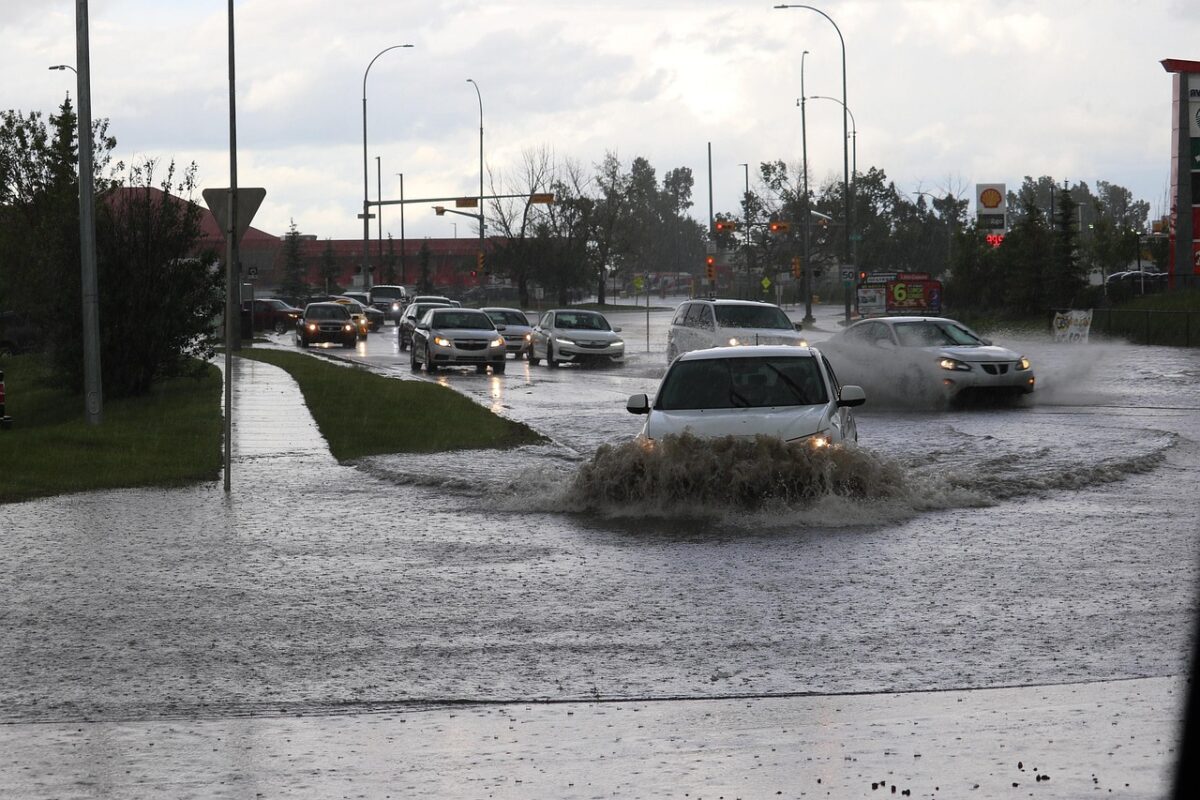

The Perfect Storm: Tides and Rain Unite (Image Credits: Pixabay)
San Francisco Bay Area – Relentless storms combined with exceptionally high king tides have triggered widespread flooding across coastal communities, stranding vehicles and forcing road closures in recent days.
The Perfect Storm: Tides and Rain Unite
Exceptional weather conditions struck the region hard over the weekend, when powerful atmospheric rivers delivered heavy rainfall just as king tides peaked. Water levels in the San Francisco Bay reached near-record heights, surpassing many historical benchmarks except for major events in the 1980s and 1990s. Low-lying areas experienced up to two feet of inundation, turning streets into shallow lakes even on clearer days. Rescue teams worked tirelessly to aid motorists trapped in rising waters, highlighting the dangers of these combined forces.
Forecasters had warned of the risks days in advance, but the intensity caught some residents off guard. The National Weather Service issued coastal flood advisories that extended through Monday, emphasizing threats to infrastructure along shorelines and tidal zones. This event marked the latest in a series of storms that began in mid-December, saturating soils and amplifying flood potential across Northern California.
Communities on the Front Lines
Marin County bore the brunt of the initial onslaught, with neighborhoods submerged under floodwaters from swollen creeks and overflowing bays. Roads in areas like Sausalito and Mill Valley became impassable, leading to temporary evacuations and detours for commuters. In the East Bay, cities such as Oakland and Hayward saw similar disruptions, where urban drainage systems struggled to cope with the deluge.
Southern stretches of the Bay Area, including parts of San Mateo County, reported stranded cars and minor structural damage to waterfront properties. The high tides exacerbated issues in San Francisco proper, where Embarcadero pathways flooded during peak hours. Emergency services responded to dozens of calls, prioritizing the safety of those in vulnerable spots. Overall, the flooding affected a broad swath from the Pacific Coast inward, underscoring the region’s susceptibility to such hybrid weather events.
Impacts and Immediate Responses
Local authorities mobilized quickly to mitigate the chaos, erecting barricades and deploying pumps in heavily hit zones. Power outages flickered across several counties due to wind gusts accompanying the rain, though crews restored most services by Sunday evening. Transportation hubs like the Bay Bridge saw delays, but major highways remained open with caution advisories in place.
Environmental concerns emerged as well, with debris washing into waterways and potential contamination from urban runoff. Wildlife in tidal marshes faced displacement, though experts noted that the rains could benefit longer-term water supplies in reservoirs. Residents were urged to avoid driving through flooded areas, a measure that prevented further incidents after initial reports of submerged vehicles.
| Affected Areas | Key Impacts | Response Measures |
|---|---|---|
| Marin County | Road closures, neighborhood flooding | Evacuations, pumps deployed |
| San Francisco | Coastal inundation, pathway shutdowns | Barricades, rescue operations |
| East Bay (Oakland, Hayward) | Urban drainage failures, stranded cars | Detours, power restoration |
Forecast and Lessons Learned
While the immediate threat subsided by early this week, forecasters predict additional systems moving through California into next week, promising more rain and mountain snow. The Pacific Northwest will share in the pattern, but the Bay Area’s coastal exposure remains a focal point. Officials recommend bolstering sea walls and improving drainage as climate patterns intensify such occurrences.
Historical parallels to events like the 1983 floods remind communities of the need for preparedness. Updated building codes and early warning systems have helped limit casualties this time around. Still, the back-to-back nature of these storms tests resilience, prompting discussions on long-term adaptation strategies.
Key Takeaways
- King tides amplified flooding risks, causing up to 2 feet of water in low areas.
- Multiple counties saw road closures and rescues, but no major injuries reported.
- More storms loom, urging residents to stay informed via local alerts.
As the Bay Area dries out and braces for what comes next, the recent floods serve as a stark reminder of nature’s power in a changing climate. Proactive measures now could safeguard futures against escalating threats. What steps are you taking to prepare for severe weather? Share your thoughts in the comments.

- Urban Coyotes Show Remarkable Adaptability, Learning to Thrive in City Environments - July 22, 2026
- Beavers Are Nature’s Engineers, Creating Vital Habitats for Other Wildlife Species - July 21, 2026
- The Recovery of the California Condor Offers Hope for Other Critically Endangered Birds - July 21, 2026