

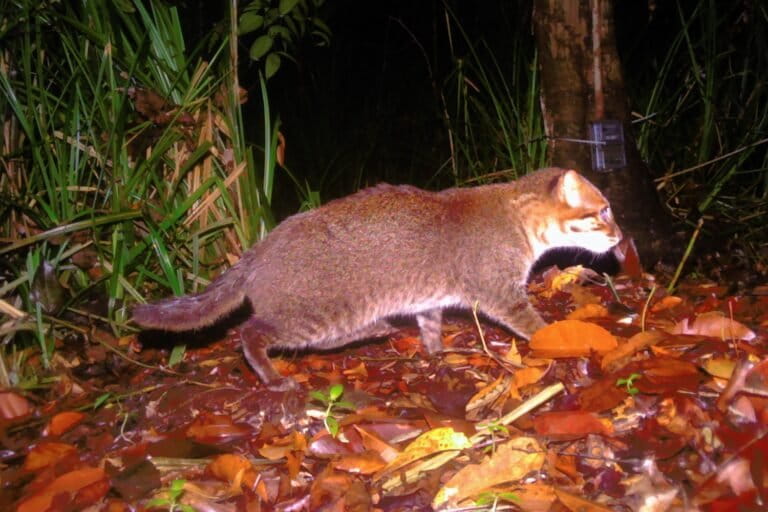
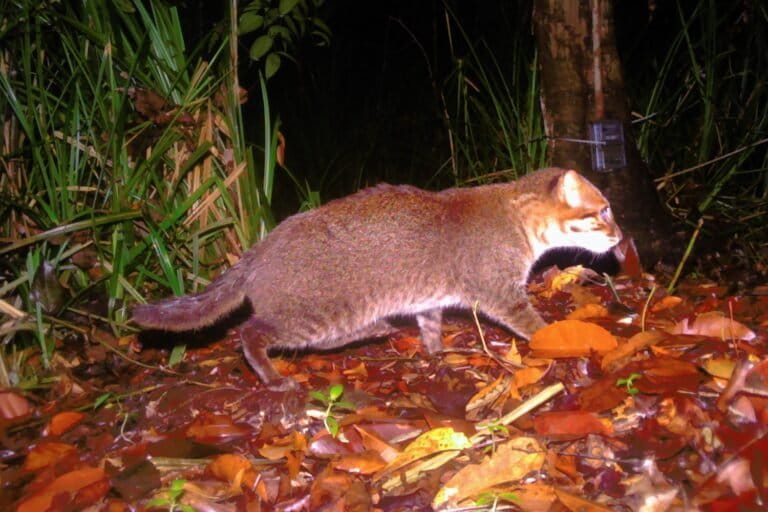
Wonders Resurface (Image Credits: Imgs.mongabay.com)
In a year marked by environmental challenges, unexpected encounters with rare animals offered scientists and conservationists moments of genuine optimism across the globe.
Deep-Sea Wonders Resurface
Researchers captured footage of a colossal squid in its natural habitat for the first time, a breakthrough that highlighted the mysteries still hidden in the ocean’s depths.
This elusive creature, long known only through washed-up specimens, appeared in waters off the Antarctic, prompting excitement among marine biologists. The sighting underscored the potential for advanced camera technology to reveal more about these giants. However, it also raised questions about how human activities might disrupt such fragile ecosystems. Teams from international expeditions reviewed the video extensively, confirming the species’ behaviors previously unobserved. This discovery reminded experts that vast portions of the sea floor remain unexplored.
Birds Beat the Odds
A tiny transmitter revealed a previously unknown breeding site for the critically endangered spoon-billed sandpiper, giving conservation efforts a vital boost.
Ornithologists tracked the birds to a remote coastal area in Asia, where nests had gone undetected for years. This find allowed for immediate protective measures, including habitat safeguards against development. The technology, the world’s smallest of its kind, proved invaluable in monitoring these tiny migrants. Sightings increased as teams set up observation points, noting healthier populations than anticipated. Such progress emphasized the role of innovation in saving shorebirds on the brink.
Mammals Make Surprising Returns
Efforts to revive the northern white rhino gained traction with successful genome mapping, paving the way for potential de-extinction techniques.
Scientists celebrated this as a hopeful step, with lab work showing viable paths to reproducing the subspecies. Field teams reported related rhino populations thriving in protected reserves, adding to the momentum. The project involved collaboration across continents, blending genetics and wildlife management. While challenges persisted, these advancements sparked discussions on ethical restoration. Observers noted increased public support for such initiatives throughout the year.
Ocean Giants Show New Behaviors
Orcas demonstrated tool use in the wild, a rare behavior that expanded understanding of cetacean intelligence.
Off the Pacific coast, pods were seen employing sponges to forage on the seafloor, a technique passed down through generations. Marine mammal experts documented multiple instances, linking it to adaptive survival strategies. This observation came amid broader studies on killer whale social structures. It highlighted how these apex predators continue to surprise researchers despite decades of study. Conservation groups used the footage to advocate for cleaner oceans, tying intelligence to ecosystem health.
- Colossal squid: First live recording in Antarctic depths.
- Spoon-billed sandpiper: Hidden breeding ground uncovered.
- Northern white rhino: Genome mapped for revival hopes.
- Orcas: Tool-using confirmed in foraging rituals.
- Sea turtles: Record mega-nest discovered on remote beaches.
- Deep-sea sharks: New species sighted in unexplored trenches.
- Salamanders: Hurricane rescues lead to thriving populations.
Reptiles and Amphibians Rally
A massive turtle nesting site emerged as one of the largest ever recorded, signaling resilience in marine reptile populations.
Conservationists patrolled beaches in the Indian Ocean, counting thousands of eggs from endangered species. Volunteers coordinated patrols to deter poachers, resulting in higher hatchling survival rates. This event followed years of habitat restoration, proving the impact of sustained efforts. Biologists analyzed the site’s conditions, attributing success to reduced pollution. Meanwhile, amphibian rescues during hurricanes saved salamander groups, with relocated populations adapting well in sanctuaries.
Key Takeaways from 2025’s Sightings
- Technology like transmitters and cameras unlocked hidden wildlife behaviors and habitats.
- Collaborative global efforts turned potential extinctions into stories of recovery.
- These encounters reinforced the need for urgent action against habitat loss and climate threats.
As 2025 drew to a close, these sightings served as powerful reminders that wildlife persists against the odds, urging continued commitment to protection. What do you think about these discoveries? Share your thoughts in the comments.

- Urban Coyotes Show Remarkable Adaptability, Learning to Thrive in City Environments - July 22, 2026
- Beavers Are Nature’s Engineers, Creating Vital Habitats for Other Wildlife Species - July 21, 2026
- The Recovery of the California Condor Offers Hope for Other Critically Endangered Birds - July 21, 2026