

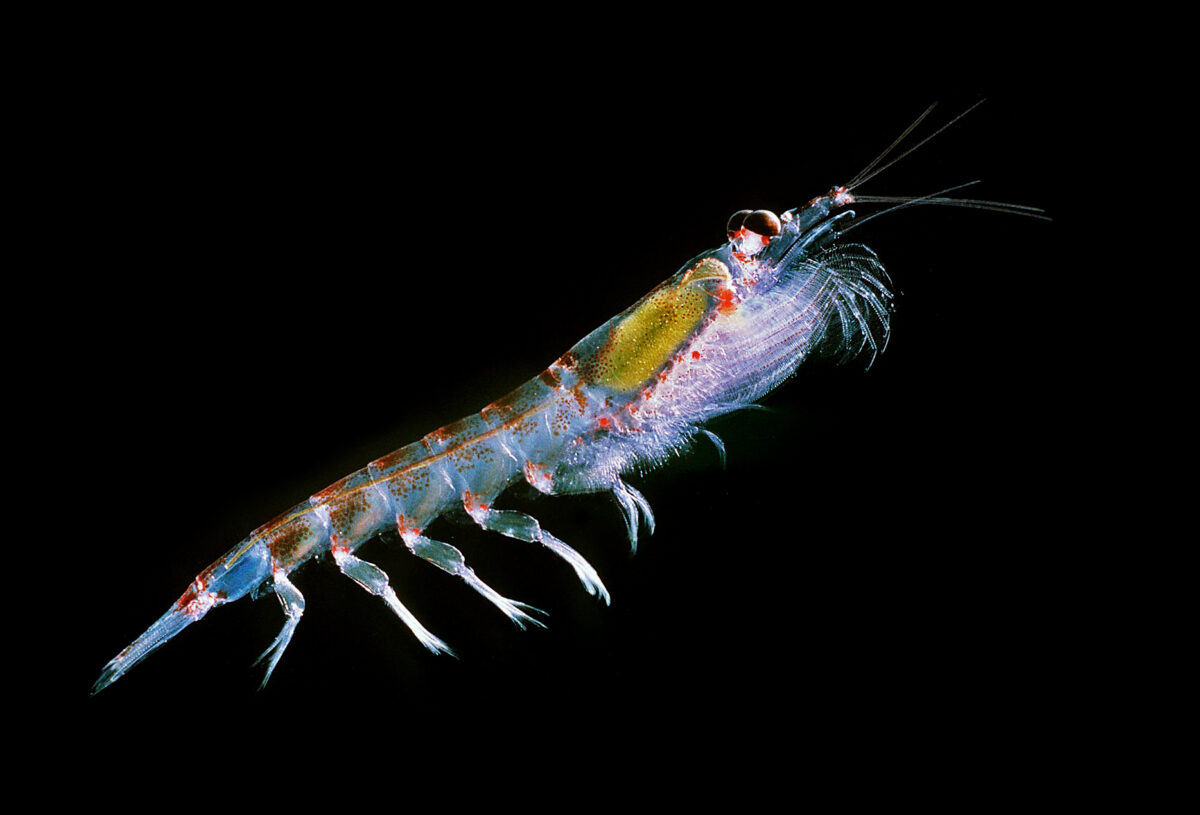

The Essential Role of Krill in Antarctic Waters (Image Credits: Upload.wikimedia.org)
Southern Ocean – Antarctic krill, the minuscule crustaceans that underpin a vast marine ecosystem, now face a precarious future as their numbers dwindle amid environmental pressures and human activity.
The Essential Role of Krill in Antarctic Waters
Antarctic krill serve as the cornerstone of the Southern Ocean’s food chain, supporting an array of predators from the largest whales to the smallest penguins. These shrimp-like creatures swarm in immense schools, their collective biomass once estimated at hundreds of millions of tons, making them one of the planet’s most abundant multicellular animals. Scientists have long recognized their importance not only as a direct food source but also in facilitating nutrient cycling that sustains phytoplankton blooms.
Beyond feeding marine life, krill contribute to global carbon sequestration. Their fecal pellets sink rapidly in cold Antarctic waters, carrying carbon deep into the ocean and away from the atmosphere. This process helps mitigate climate change, while the krill themselves thrive in the nutrient-rich upwellings around sea ice edges. However, recent observations indicate that these populations have declined sharply, with estimates suggesting an 80% drop since the 1970s.
Factors Driving the Population Decline
Climate change emerges as a primary culprit, altering the sea ice dynamics crucial for krill reproduction and survival. Studies from the past two decades show that reduced sea ice concentration – down 15 to 30% in some regions since 2008 – has disrupted krill recruitment, particularly in key foraging areas. Warmer waters and earlier ice melt shorten the productive season for young krill, leading to lower survival rates. Additionally, shifts in wind patterns, such as increasingly positive Southern Annular Mode events, exacerbate these conditions by bringing warmer air and reducing ice cover.
Human exploitation compounds the problem through intensified krill fishing. Fleets, primarily from Norway and South Korea, harvested around half a million tons in 2024 alone, targeting the species for fish oil, aquaculture feed, and even cosmetics. This industrial-scale extraction occurs in whale feeding grounds, raising concerns about direct competition. Reports highlight encounters where fishing vessels trawl through krill swarms vital to recovering whale populations, potentially hindering their rebound from historical whaling.
Far-Reaching Impacts on Marine Ecosystems
The decline ripples through the food web, affecting iconic species like humpback and fin whales, which rely heavily on krill for energy-intensive activities such as migration and calving. Research indicates that reduced krill availability has lengthened calving intervals in some whale populations and lowered reproduction rates, with one study noting a drop from 86% in 2017 to just over 29% in 2020 for humpback whales. Penguins and seals face similar threats, as diminished krill stocks force them to travel farther for food, increasing energy demands and mortality.
Broader ecological consequences include weakened carbon sinks and oxygen production. Krill support phytoplankton, which generate about 80% of Earth’s oxygen and sequester vast amounts of carbon. A collapse in krill numbers could diminish these services, amplifying climate feedbacks in the Southern Ocean. Observations from the Western Antarctic Peninsula reveal complex dynamics, including surface cooling in some sectors but overall trends toward less favorable conditions for krill.
Challenges and Paths Forward for Conservation
Efforts to safeguard krill involve international agreements under the Commission for the Conservation of Antarctic Marine Living Resources, which sets harvest limits. Yet, geopolitical tensions, including expansions by countries like China and Russia, complicate enforcement. Scientists advocate for expanded marine protected areas and reduced quotas to allow populations to recover. Recent expeditions have documented the secretive nature of krill fishing, underscoring the need for greater transparency and monitoring through tools like environmental DNA sampling.
Addressing climate drivers requires global action on emissions, as local measures alone cannot reverse sea ice trends. Collaborative research, such as long-term studies on krill habitat suitability across ocean sectors, provides data to inform policies. While some regions show temporary increases due to phytoplankton blooms, the overarching trajectory points to vulnerability.
Key Takeaways
- Krill populations have fallen about 80% since the 1970s, driven by sea ice loss and fishing.
- Declines threaten whales, penguins, and seals, disrupting the Antarctic food web.
- Krill aid in carbon storage and oxygen production, making their protection essential for climate stability.
As the Southern Ocean teeters on the edge of profound change, the fate of Antarctic krill underscores the interconnectedness of ocean health and global well-being. Protecting this keystone species demands urgent, coordinated action to preserve the balance that sustains life in one of Earth’s last wild frontiers. What steps do you believe are most critical to save krill and the ecosystem they support? Share your thoughts in the comments.

- Urban Coyotes Show Remarkable Adaptability, Learning to Thrive in City Environments - July 22, 2026
- Beavers Are Nature’s Engineers, Creating Vital Habitats for Other Wildlife Species - July 21, 2026
- The Recovery of the California Condor Offers Hope for Other Critically Endangered Birds - July 21, 2026