

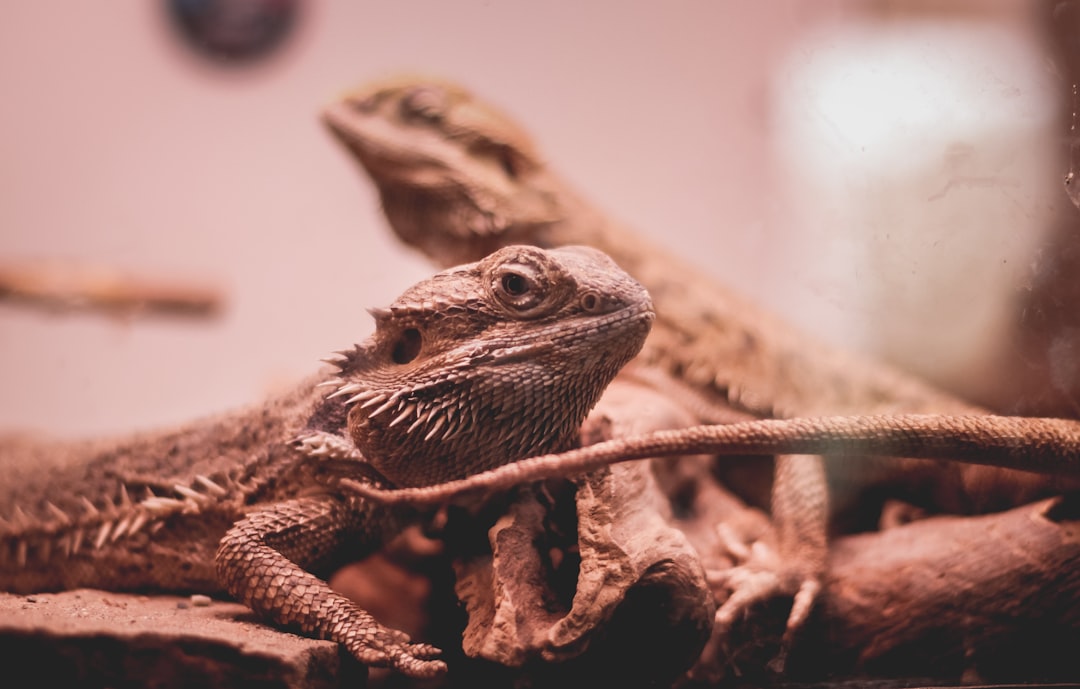

Why Heat Lamps Matter for Reptile Health (Image Credits: Unsplash)
Reptiles thrive in controlled environments that replicate their natural habitats, and heat lamps play a pivotal role in maintaining the right temperatures for these cold-blooded companions.
Why Heat Lamps Matter for Reptile Health
Reptiles depend on external heat sources to regulate their body temperature, a process known as thermoregulation. Without adequate warmth, they face weakened immune systems, digestive issues, and overall lethargy. Heat lamps provide a targeted basking area that allows pets like bearded dragons or ball pythons to warm up as needed. However, the stakes are high: faulty setups have led to burns and even habitat fires in the past. Owners who prioritize safety ensure their animals remain active and healthy.
Experts emphasize that improper heating disrupts natural behaviors, causing stress that manifests as refusal to eat or unusual hiding. By understanding these basics, pet owners can create stable conditions year-round. Regular monitoring prevents small oversights from escalating into emergencies.
Selecting Reliable Heat Lamp Equipment
Choosing the appropriate heat lamp starts with assessing your reptile’s specific needs, such as the species’ preferred temperature gradient. Ceramic heat emitters offer silent, infrared warmth ideal for nocturnal species, while coil lamps deliver visible light and heat for diurnal pets. High-quality options from reputable brands feature built-in safeguards like shatter-resistant bulbs to minimize accident risks. Owners should review product specifications to match wattage with enclosure size, avoiding underpowered or excessive heat sources.
Durability plays a key role in long-term safety. Lamps with adjustable clamps or dome fixtures secure easily to cages, reducing the chance of falls. Consulting resources from pet supply sites helps identify models praised for energy efficiency and reliability. Investing upfront pays off in peace of mind and lower replacement costs.
Secure Setup and Positioning Guidelines
A well-positioned heat lamp creates a warm basking spot without overheating the entire enclosure. Place the fixture above one end of the habitat to establish a temperature gradient, typically ranging from 75 to 95 degrees Fahrenheit depending on the species. Secure the lamp using sturdy, non-flammable mounts to prevent tipping, and maintain at least six inches of clearance from substrate or decor to avoid scorching. This setup mimics wild sun exposure, encouraging natural movement.
Integration with the cage design enhances stability. Quality enclosures with reinforced tops hold lamps firmly, as noted in guides from reptile care specialists. Always test the setup with a thermometer before introducing your pet, adjusting as necessary to eliminate hot spots.
Daily Monitoring and Maintenance Routines
Thermostats emerge as indispensable tools for heat lamp safety, automatically regulating output to prevent fluctuations that could harm reptiles. Install one to maintain consistent temperatures, and calibrate it periodically against reliable gauges. Daily checks for bulb integrity – such as flickering or darkening – catch issues early, averting potential failures. Fire risks drop significantly when owners unplug lamps during cleaning or deep maintenance.
Seasonal adjustments account for ambient room changes, ensuring the lamp compensates without overworking. Replace bulbs every few months, even if they appear functional, to sustain even heat distribution. These habits foster a safer environment and extend equipment life.
Avoiding Pitfalls in Reptile Heating
Common errors include relying on heat rocks, which concentrate warmth unevenly and often cause severe burns on underbellies. Red bulbs, once popular for “nighttime” use, disrupt sleep cycles since reptiles perceive the light despite myths to the contrary. Leaving lamps unattended for extended periods heightens fire hazards, particularly in homes with curious pets or children. Education from online communities reveals how these mistakes lead to veterinary visits and distress.
Overlooking ventilation in enclosed setups traps heat, raising humidity to dangerous levels. Instead, opt for under-tank heaters as supplements in cooler zones. Awareness of these traps empowers owners to refine their approaches.
| Heat Source Type | Best For | Safety Notes |
|---|---|---|
| Ceramic Emitter | Nocturnal reptiles | No light emission; use with thermostat |
| Coil Bulb | Diurnal species | Monitor for hotspots; secure firmly |
| Under-Tank Pad | Ground-dwellers | Low fire risk; pair with overhead lamp |
Key Takeaways
- Always use a thermostat to control temperatures and prevent overheating.
- Secure lamps away from flammable materials and test setups thoroughly.
- Avoid heat rocks and red bulbs to protect against burns and sleep disruption.
Mastering heat lamp safety transforms a potential hazard into a reliable tool for your reptile’s well-being, allowing both pet and owner to enjoy a harmonious coexistence. What safety measures have you implemented in your setup? Share your experiences in the comments below.

- Urban Coyotes Show Remarkable Adaptability, Learning to Thrive in City Environments - July 22, 2026
- Beavers Are Nature’s Engineers, Creating Vital Habitats for Other Wildlife Species - July 21, 2026
- The Recovery of the California Condor Offers Hope for Other Critically Endangered Birds - July 21, 2026