
Picture a giant chunk of ice the size of a city, floating through the ocean for nearly 40 years. Now imagine it suddenly turning an eerie, vivid blue. That’s exactly what’s happening to one of the most famous icebergs on Earth right now, and it’s a sight that’s both mesmerizing and deeply unsettling.
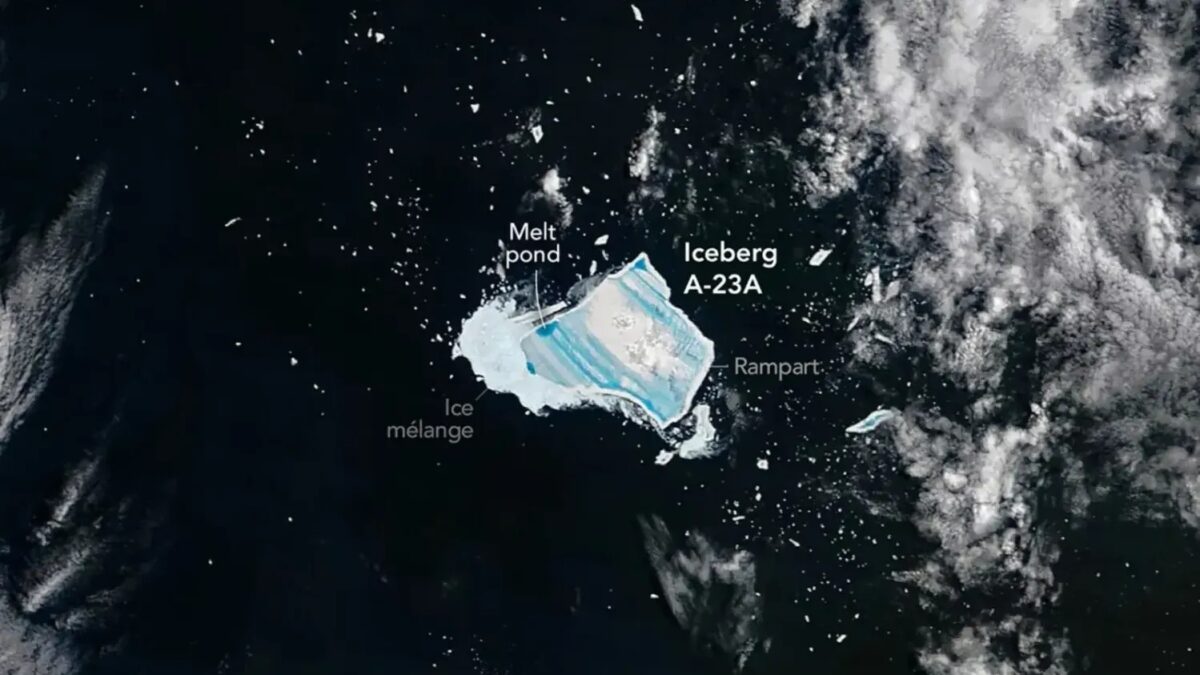
Scientists have been watching this colossal frozen wanderer for decades, tracking its slow journey across the Southern Atlantic. Recently, satellite images revealed something extraordinary: in late December 2025, NASA and NOAA’s Terra satellite spotted the massive iceberg covered with blue meltwater. The transformation is a warning sign that this giant’s time is running out.
The 40 Year Journey of a Giant
Iceberg A-23A has lived a life that most icebergs could never dream of. In 1986, the flat-topped iceberg broke away from Antarctica’s Filchner Ice Shelf. Think about that for a second. Ronald Reagan was president when this thing broke free.
Back then, it was over 15,000 square miles – almost twice the size of the state of Rhode Island. The berg then spent more than 30 years stuck on the seafloor of the Weddell Sea before finally breaking free in 2020. It drifted north, got caught in an ocean whirlpool for months, nearly collided with South Georgia Island, and then continued its journey into increasingly warm waters. Honestly, the iceberg has had a more eventful travel history than most people.
What Does That Blue Color Actually Mean?
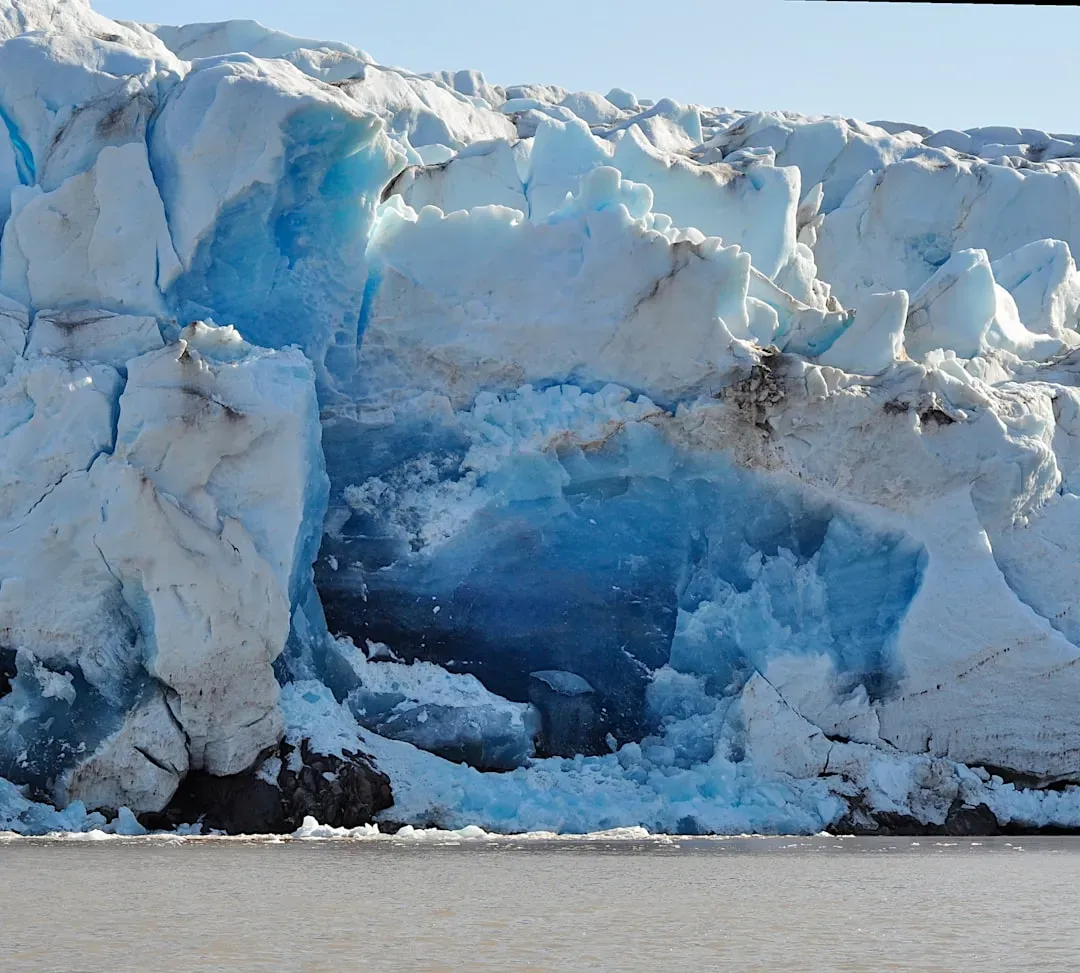
Here’s the thing: when you see blue on an iceberg, it’s not a good sign for the ice. The extensive pools of “blue mush” on the iceberg’s surface are likely the result of ongoing disintegration events. It’s essentially the iceberg drowning in its own meltwater.
The “blue-mush” areas are likely the result of ongoing disintegration events. “You have the weight of the water sitting inside cracks in the ice and forcing them open”, explained a researcher from the University of Colorado Boulder. The weight of pooling water creates intense pressure that fractures the ice from within. There’s also a thin white line visible around the edges, which is actually the rim of the iceberg bending upward as it melts at the waterline, creating what scientists call a “rampart-moat” pattern.
The Iceberg Has Sprung a Leak
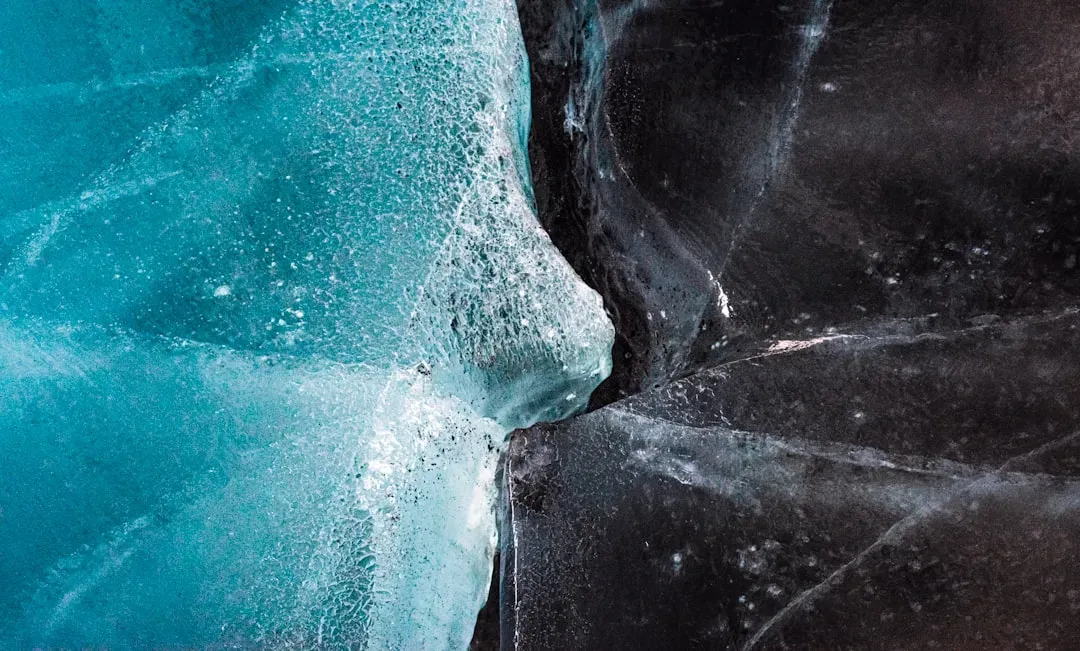
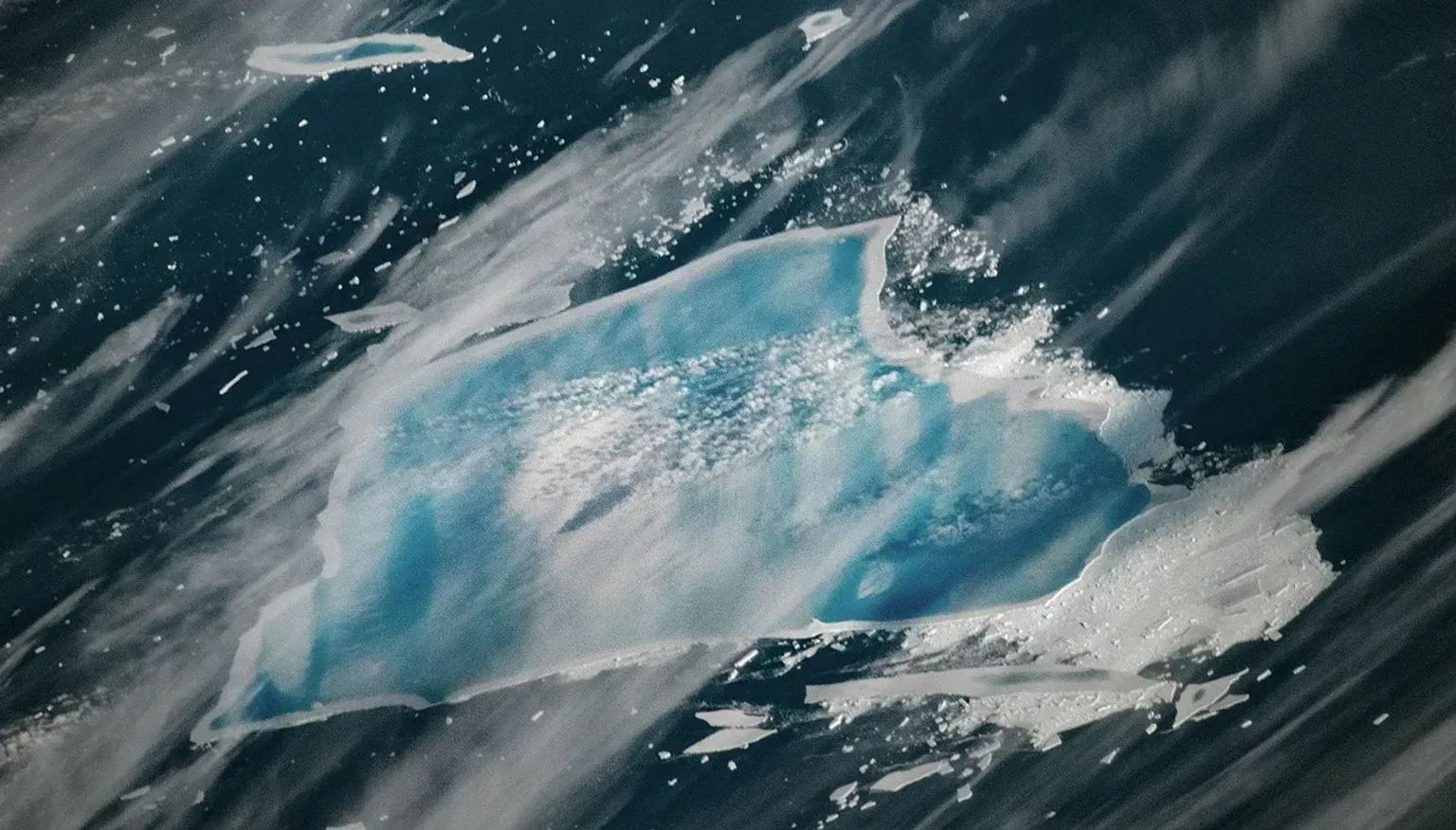
This is where things get really dramatic. The satellite image suggests that the A23a has also “sprung a leak,” NASA said, as the weight of the water pooling at the top of the berg punched through the ice. Imagine that much water pressure literally blasting through thick ice.
When an astronaut aboard the International Space Station photographed the berg on December 27, they captured an even larger melt pool than the satellite had seen just one day earlier. The acceleration is visible even from space. The water on top doesn’t just sit there peacefully; it forces its way through cracks, widening them, and eventually punching completely through the ice structure below.
Ancient Striations Tell a Story
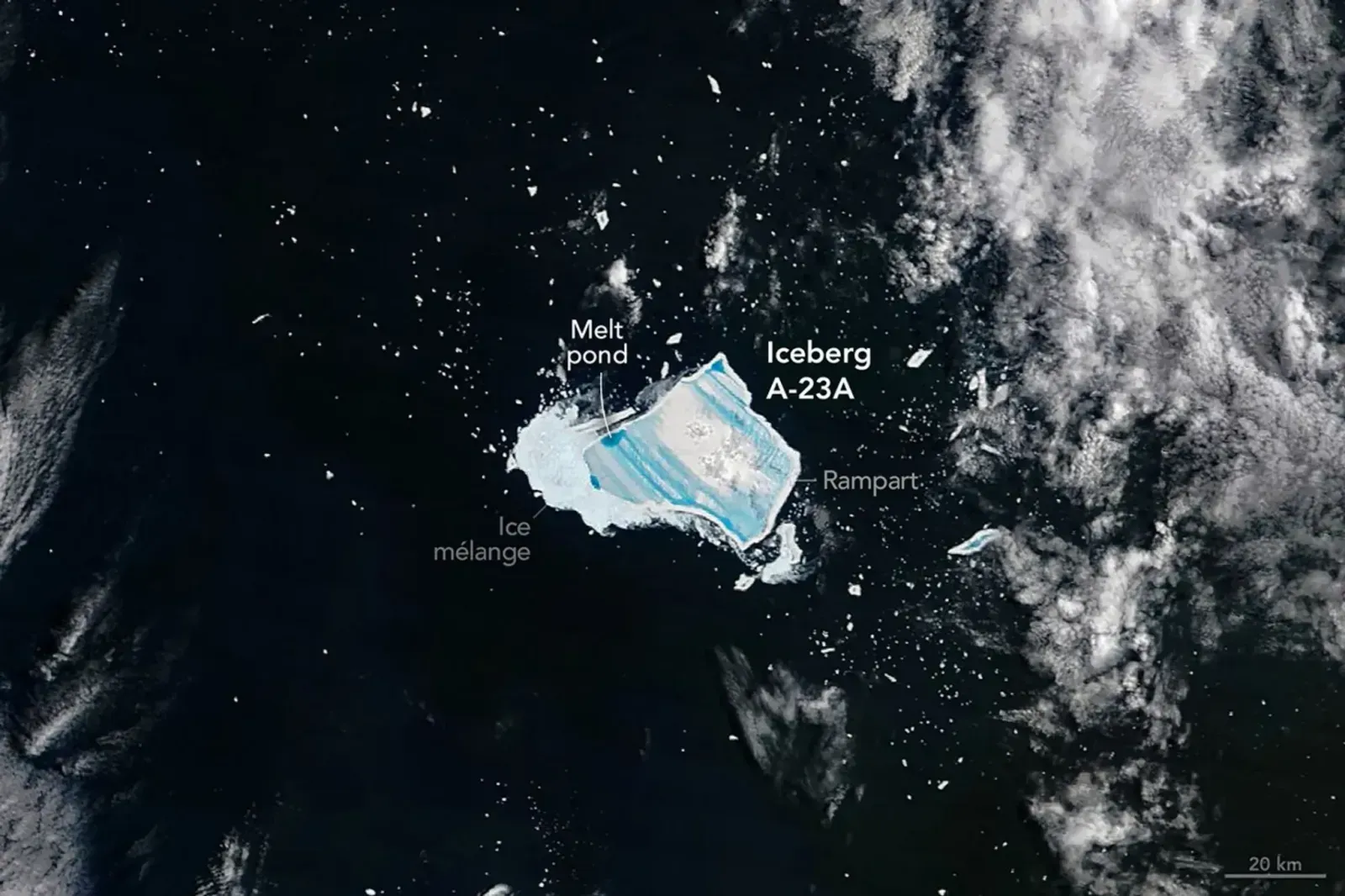
If you look closely at the satellite images, there’s something fascinating hiding in plain sight. The blue and white striped patterns are likely due to striations that were put into the ice hundreds of years ago, when the ice was dragged across Antarctic bedrock. These are essentially scars from centuries past.
What’s remarkable is that these patterns are still visible after all this time, despite massive amounts of snowfall and melting that have occurred both on the surface and from below. They formed parallel to the direction of ice flow, creating subtle ridges and valleys on the iceberg’s top that now actually direct the flow of the meltwater. It’s like the iceberg’s ancient history is influencing its modern demise.
Days or Weeks Until Complete Collapse
Today, the United States National Ice Center estimates the iceberg’s area is around 456 square miles. That’s still larger than New York City, yet it represents a dramatic shrinkage from its original massive size. In July, August, and September of 2025 iceberg A-23A saw some sizable breakups as it moved into the Southern Hemisphere’s relatively warm summer conditions by December.
Scientists say all signs indicate the so-called “megaberg” could be just days or weeks from totally disintegrating as it rides currents that are pushing it toward even warmer waters. Warmer air temperatures during this season could also speed up A23a’s demise in an area that ice experts have dubbed a “graveyard” for icebergs. A-23A is currently on thin ice, floating in water that’s around 37 degrees Fahrenheit (3 degrees Celsius) and heading toward even warmer temperatures. The end is coming fast.
Conclusion
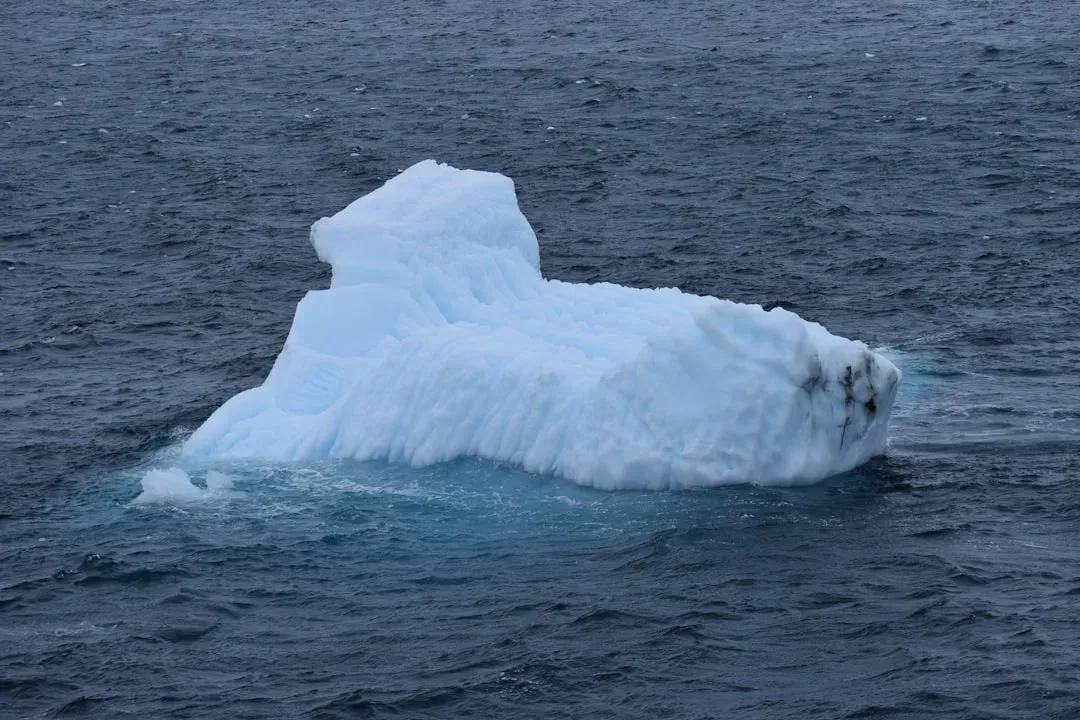
A-23A is one of the largest and longest-lived bergs ever tracked by scientists, and its impending disappearance marks the end of an era. The clearer skies and warmer air and water temperatures during summer in the Southern Hemisphere accelerate the disintegration process. Climate change is only speeding up this process, as air and water temperatures continue to smash records.
The blue color transforming A-23A’s surface is nature’s way of signaling the final chapter. What took nearly four decades to unfold will end in mere days or weeks. While other massive icebergs continue to drift along Antarctica’s shoreline, watching this particular giant fade away feels significant. It’s been around longer than many of us, survived getting stuck for 30 years, and now it’s finally meeting its end in those warm Atlantic waters. What do you make of this ancient ice finally giving way? Did you expect it to last this long?

- These 10 US Villages Are So Beautiful They Feel Like a Step Back in Time - July 29, 2026
- The Best Dogs for Apartment Life in New York City - July 29, 2026
- What Your Dog’s Separation Anxiety Reveals About Your Own Fears - July 29, 2026